2027 What Can You Do with an Addiction Psychology Master's Degree? Careers, Salaries & Growth

Co-Founder and Chief Data Scientist
Substance use disorders affect over 40 million adults in the US, yet only a fraction receive specialized care. Graduates with a master's in addiction psychology fill a critical gap in treatment and prevention efforts. Employment in substance abuse counseling is projected to grow 18% by 2032, faster than the average for all occupations. This article outlines admission requirements, program types, and financial considerations for addiction psychology master's degrees. It also delves into career paths, salary ranges, certification options, and industry demand. Readers will gain an evidence-based understanding to evaluate if this degree aligns with their professional ambitions and financial goals.
Key Things to Know About What You Can Do with a Addiction Psychology Master's Degree
- Admission often requires a bachelor's in psychology or related fields, with programs offering flexible formats including online and on-campus options to balance cost, reputation, and scheduling.
- Graduates can pursue roles like substance abuse counselor or clinical psychologist, with median salaries ranging from $40,000 to $75,000, varying by location and experience.
- Long-term growth in addiction psychology careers is strong, with a 12% employment increase expected through 2030, and certifications enhancing both job prospects and earning potential.
What Are the Admission Requirements for a Addiction Psychology Master's Program?
Preparing well for the admission requirements for addiction psychology master's program is essential to ensure a smooth application process and better chances of acceptance. Demand for qualified professionals in this field is growing rapidly, with employment projected to increase by 23% over the next decade. Below is a concise outline of typical prerequisites and materials applicants should be ready to provide.
- Undergraduate Degree: Applicants generally need a bachelor's degree in psychology, social work, counseling, or a closely related field. Some programs accept degrees from other disciplines but may require completing prerequisite courses in psychology or human behavior to meet the master's degree prerequisites for addiction psychology graduate programs.
- GPA Thresholds: Most universities set a minimum GPA requirement, commonly around 3.0 on a 4.0 scale, to ensure candidates have an adequate academic foundation for graduate study.
- Standardized Tests: Requirements for GRE or GMAT scores vary widely. While some institutions maintain these tests as mandatory, many have made them optional or waived them altogether. It is important to check individual program guidelines early in the application process.
- Supplementary Materials: Letters of recommendation from academic or professional references are typically required. Personal statements or essays give candidates the chance to showcase motivation, relevant experience, and career goals. Occasionally, writing samples related to prior research may also be requested.
- Field-Specific Prerequisites: Certain programs may require specific prior experience, such as counseling or social services, especially for clinical addiction psychology tracks. Others focused on research might require coursework or experience in statistics or experimental design.
Given the wide variety of program options, including online degrees that can be more flexible for many students, it helps to research thoroughly. For instance, those exploring graduate education might consider the easiest doctorate to get as a reference point for time commitment and prerequisites. This can aid in making an informed decision aligned with one's professional ambitions and financial situation.
What Is the Minimum GPA Requirement for a Addiction Psychology Master's Program?
Meeting the minimum GPA requirement is a crucial step in applying for an addiction psychology master's program. Typically, programs expect a GPA between 2.75 and 3.0 on a 4.0 scale, though this can vary widely depending on the type of institution and program focus. Understanding these academic thresholds helps prospective students gauge their eligibility and plan accordingly. Employment in addiction psychology and related fields is projected to grow 23% from 2022 to 2032, reflecting strong demand for qualified professionals. Below are essential points summarizing typical GPA requirements and admissions considerations.
- Typical GPA Range: Most addiction psychology master's programs require a minimum GPA between 2.75 and 3.0, but some specialties might have slightly different standards.
- Program Prestige Impact: More competitive or private institutions usually hold applicants to higher GPA cutoffs to maintain rigorous academic standards.
- Institution Type Variation: Public universities often offer more flexible GPA criteria than private schools, broadening access for many candidates.
- Holistic Admissions: Many programs assess applicants based on a combination of GPA, professional experience, test scores, and personal statements to form a complete profile.
- Flexibility for Low GPA Applicants: Candidates with lower GPAs may enhance their admission chances through significant work experience, strong standardized test scores, or compelling personal narratives.
For those considering various pathways, exploring options like online edd programs affordable can be valuable when planning further academic or career advancement related to addiction psychology.
How Much Does a Addiction Psychology Master's Degree Cost and How Can You Finance It?
Setting clear financial expectations before starting a master's in addiction psychology helps students effectively plan for tuition, fees, and living costs. Balancing these expenses with potential funding options is vital to reduce debt and ensure a manageable financial commitment. Consider the following key factors:
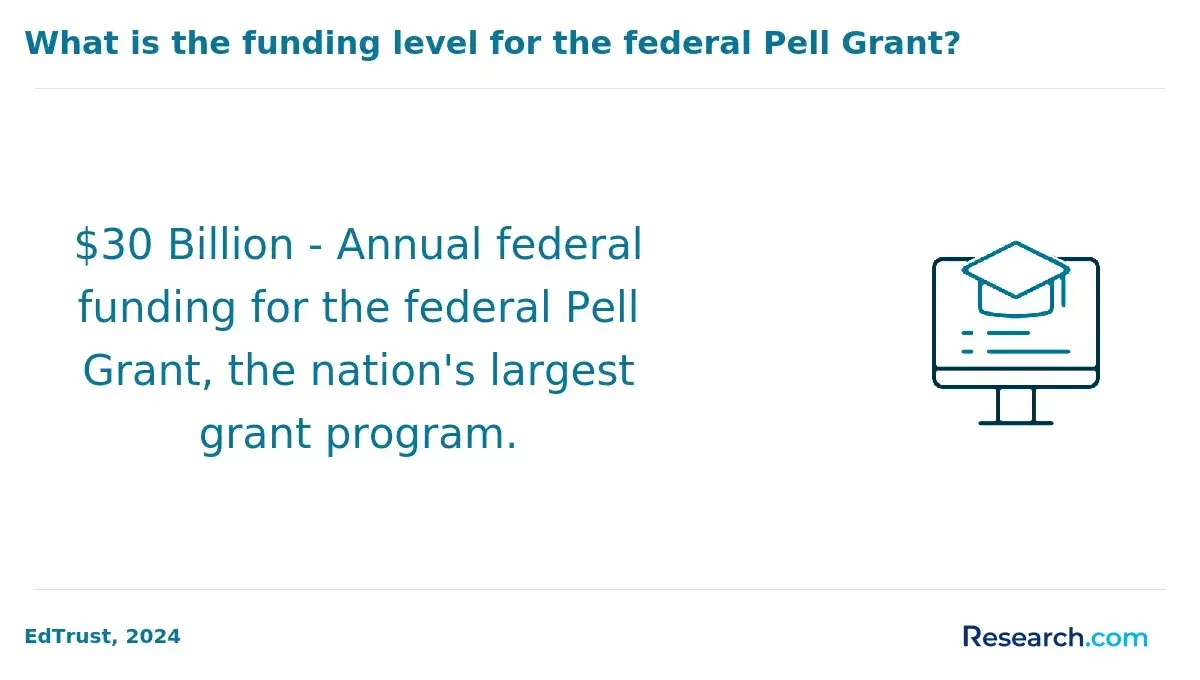
- Cost Variations by Institution: Public universities often charge between $15,000 and $25,000 annually for tuition and fees, while private institutions typically exceed $35,000. Online programs may offer flexible tuition but students should factor in living expenses or savings depending on their location.
- Funding Sources: Scholarships, fellowships, and graduate assistantships remain primary financial aids. Employer tuition reimbursement and federal student loans also play significant roles, with holistic admissions in some programs increasing accessibility for diverse applicants.
- Debt Reduction Strategies: In-state public universities usually provide substantial tuition discounts. Early application for departmental fellowships and securing teaching or research assistantships can defray costs through fee waivers or stipends.
- Calculating Return on Investment: Evaluate the total program cost against projected salaries in your desired specialty. Roles that require clinical licensure or certifications generally offer better compensation and job security, enhancing ROI.
A graduate of an addiction psychology master's program shared that financing the degree was daunting initially, especially juggling living expenses while studying full time. He emphasized the importance of applying early for assistantships, which helped significantly reduce his out-of-pocket costs. The flexibility of part-time online courses allowed him to maintain employment, gradually balancing work and study. Reflecting on his journey, he said, "Though managing finances was challenging, securing funding support and carefully planning my schedule made completing the program feasible and worthwhile for advancing my career."
Planning the duration of a master's degree in addiction psychology is crucial for prospective students to align their academic and professional goals effectively. The average duration of addiction psychology graduate programs varies based on enrollment status, format, and individual academic choices. Several factors influence how long it typically takes to complete this degree:
- Full-Time Enrollment: Most full-time students finish their addiction psychology master's degree within 1.5 to 2 years. This track balances coursework, research, and practical training efficiently, making it the standard timeline for many.
- Part-Time and Online Programs: These options offer greater flexibility but generally extend the program duration to 3 to 4 years. The exact length depends on the number of credits taken per term and scheduling availability, accommodating students who balance other commitments.
- Accelerated Programs: Some institutions provide accelerated pathways by increasing course loads or integrating intensive summer sessions. These options allow motivated students to graduate more quickly than traditional timelines.
- Combined Bachelor's/Master's Pathways: Integrated programs let students begin graduate coursework during their undergraduate studies, potentially decreasing the total time required to earn a master's degree.
- Transfer Credits: Students who completed relevant graduate-level courses previously may shorten their program by transferring eligible credits, subject to school policies.
- Thesis vs. Non-Thesis Tracks: Opting for a thesis track usually requires extra time for research and writing, while non-thesis tracks, focusing on coursework and applied experience, might enable quicker completion.
- Internship or Practicum Requirements: Most programs mandate practical training hours, which can influence completion time depending on placement availability and required hours.
For those exploring flexible options, it's worthwhile to research online business degree programs, as they often share structural similarities with online addiction psychology programs, offering insights into managing coursework duration and costs.
This overview outlines the diverse career possibilities for graduates who hold a master's degree in addiction psychology, offering insight into roles they may pursue across different sectors and industries. The degree prepares students for direct clinical work and also opens doors to a variety of related professional areas.
Key factors shaping career options include:
- Clinical and Counseling Roles: Many graduates work as substance abuse counselors, behavioral therapists, or rehabilitation specialists. These positions involve providing direct support, developing treatment plans, and guiding clients through recovery.
- Research and Policy Development: Opportunities exist in academic and governmental settings, focusing on evidence-based intervention studies, program evaluation, and contributing to public health strategies.
- Nonprofit Sector Engagement: Graduates often join nonprofit organizations, designing outreach and prevention programs aimed at communities vulnerable to addiction and substance misuse.
- Private Sector Positions: Employment in corporate wellness, employee assistance programs, and pharmaceutical companies enables roles in education, case management, and client services related to addiction treatment.
- Career Progression: Entry-level roles are typically individual contributor positions, but with experience, graduates may step into supervisory, managerial, and executive roles such as clinical directors or program managers, especially within treatment centers and nonprofit or governmental agencies.
- Industry Demand: Employers include healthcare clinics, government bodies like the Substance Abuse and Mental Health Services Administration (SAMHSA), research institutions, and recovery-focused nonprofits.
When asked about career expectations, a graduate noted that pursuing a master's in addiction psychology clearly defined a path combining passion for helping others with practical skills. "Navigating job options can feel overwhelming at first," they shared, "but this degree provided the clinical foundation and research understanding that made applying for counseling and program roles much more straightforward. The balance of scientific study and real-world application helped me feel confident entering diverse workplaces." Their experience highlights how the degree can simplify transitions into a meaningful career in addiction-related fields by delivering both theoretical knowledge and hands-on training.
Salaries for professionals holding a master's degree in addiction psychology vary depending on experience, geography, employer, and industry. The following points outline typical earnings and factors influencing compensation, highlighting distinctions at various career stages and workplace settings.
- Experience-Based Salaries: Entry-level addiction psychologists generally earn between $40,000 and $55,000 per year. Mid-career professionals often see salaries range from $55,000 to $75,000, while senior practitioners and supervisors frequently earn over $85,000 annually.
- Geographic Influences: Pay rates differ significantly by region, with urban areas and states like California and New York offering salaries roughly 10-20% above the national average due to higher living costs and demand. Conversely, rural and lower-cost areas tend to provide more modest compensation.
- Impact of Employer Type: Those working in private healthcare settings typically receive higher base salaries and bonuses compared to their public sector counterparts, who often benefit from more stable benefits and pension options.
- Industry Sector Variations: Professionals employed at specialized addiction treatment centers or research institutions usually experience better remuneration than those in general counseling or community health roles. Some sectors also include bonuses and comprehensive benefits as part of total compensation.
- Master's Degree Premium: Possessing a master's degree in addiction psychology generally results in a 15-25% salary increase compared to individuals with a bachelor's degree, reflecting advanced clinical skills, research capabilities, and eligibility for leadership positions.
Several professional certifications can notably enhance the value of an addiction psychology master's degree by improving both career opportunities and earning potential. These credentials are often sought after by employers in healthcare, treatment centers, and private practices. Strategic timing is important when pursuing certifications-many students benefit from beginning to accumulate supervised hours during their master's program and preparing for exams early. Below is a list of the most valuable certifications that complement an addiction psychology master's professional certifications path and boost career prospects.
- Certified Addiction Counselor (CAC): This credential is awarded by state boards or the Addiction Professionals Certification Board of Ohio. Eligibility requires a master's degree, approximately 2,000 hours of supervised clinical experience, and passing a comprehensive exam. Renewal typically involves continuing education every two years. Treatment centers and hospitals highly value CAC certification, often requiring it for counseling positions.
- Licensed Clinical Alcohol and Drug Counselor (LCADC): State-specific but widely recognized, this license demands a master's degree in a related field, about 3,000 post-degree supervised hours, and passing a licensing exam. It authorizes professionals to perform therapy and case management legally. Renewals require ongoing education and license fees. Employers in healthcare settings and behavioral health agencies frequently prefer this credential.
- National Certified Addiction Counselor (NCAC): Offered through NAADAC, this credential provides national recognition with multiple levels such as NCAC I and II. Candidates must meet educational requirements, have documented work experience, and pass an exam. This certification appeals to employers looking for staff qualified to handle complex addiction cases in various settings.
- Strategic Certification Timing: Starting certification preparations during the master's program by selecting internships that meet supervised hour prerequisites is beneficial. Obtaining credentials shortly after graduation signals professional commitment and readiness, greatly enhancing job prospects and salary negotiation power. This is particularly important in a field noted for steady employment growth, according to the Bureau of Labor Statistics.
Prospective students can explore foundational coursework through easy associate degrees, which may serve as a stepping stone toward advanced addiction psychology studies and certification readiness.
Identifying the leading industries employing individuals with a master's degree in addiction psychology is essential for shaping career strategies. Understanding where demand is highest and what roles are available helps graduates align their skills and certifications to maximize job prospects. The following highlights key sectors and offers insight on how to approach each opportunity.
- Healthcare: Hospitals, outpatient facilities, and large health systems frequently hire addiction psychology graduates as clinical therapists, substance abuse counselors, and case managers. Employers range from extensive hospital networks to small community clinics, prioritizing expertise in patient evaluation and evidence-based treatments. Credentials such as Licensed Professional Counselor (LPC) or Certified Alcohol and Drug Counselor (CADC) significantly boost employability in this sector.
- Social Services: Nonprofit organizations and rehabilitation programs offer roles in program coordination, outreach, and direct support services. Success here depends on strong communication skills and the ability to navigate community resources. These positions often involve working closely with vulnerable populations to deliver comprehensive care and assistance.
- Government Agencies: Local, state, and federal agencies hire for addiction psychology specialists focused on policy design, prevention initiatives, and rehabilitating offenders. Familiarity with regulatory environments and grant writing enhances candidacy as these agencies emphasize compliance and funding acquisition.
- Telehealth and Digital Platforms: Rapidly expanding due to technological advances and broader access needs, these emerging sectors demand professionals who can integrate clinical expertise with remote delivery methods and digital communication tools. Adaptability and tech-savviness are critical for success here.
- Targeted Career Preparation: Students should seek internships tailored to their preferred field, engage in networking with industry professionals, and choose coursework emphasizing motivational interviewing, behavioral therapies, and ethical practice. According to the U.S. Bureau of Labor Statistics, employment for substance abuse counselors is projected to increase by 10% between 2022 and 2032, reflecting steady growth across these industries.
For those holding a master's degree in addiction psychology, identifying well-paying job opportunities is essential for maximizing career growth and financial rewards. Salaries can differ considerably depending on the role, experience level, professional credentials, and regional job markets. Acquiring advanced licenses or certifications often leads to significantly higher compensation. Below are some of the most lucrative careers available within this field.
- Licensed Clinical Social Worker (LCSW): LCSWs with a master's in addiction psychology provide therapy, case coordination, and resource linkage for clients facing substance abuse challenges. Salaries commonly range from $55,000 to $75,000 annually, increasing with licensure and experience, especially in private practice or healthcare environments.
- Substance Abuse Counselor Supervisor: Supervisory roles involve managing treatment teams, developing clinical protocols, and ensuring regulatory compliance. Earnings typically fall between $60,000 and $85,000 per year, with certifications like Certified Addiction Counselor (CAC) boosting salary prospects.
- Clinical Research Coordinator: Professionals in this position oversee clinical trials and analyze data focused on addiction treatments. Compensation generally runs from $65,000 to $90,000. Key qualifications include research expertise and familiarity with regulatory standards, often within academic or pharmaceutical sectors.
- Behavioral Health Program Director: These senior leaders manage budgetary decisions, staff oversight, and policy formation for addiction treatment programs. Salaries frequently exceed $90,000 annually. Advanced credentials such as doctoral degrees or independent licenses enhance eligibility, mainly in healthcare organizations and government agencies.
- Forensic Psychologist (Master's Level, supervised): Working under supervision, these practitioners assess substance abuse within the criminal justice system. Pay ranges from $65,000 to over $95,000, influenced by jurisdiction and experience. Additional certifications or doctoral studies can facilitate higher salaries and independent practice rights.
For those considering a master's degree in addiction psychology, assessing job growth prospects and employment outlook is crucial to making an informed decision. Demand for professionals in this field is rising nationwide due to shifts in healthcare, policy, and population demographics.
- Strong Employment Growth: The U.S. Bureau of Labor Statistics projects a 23% increase in jobs for substance abuse, behavioral disorder, and mental health counselors from 2022 to 2032, far exceeding the 5% average growth rate for all occupations. This highlights a robust market for addiction psychology job growth prospects in the United States.
- Economic and Demographic Factors: Increased funding for mental health services combined with an aging population drives demand. Greater public awareness and expanding healthcare coverage further support employment expansion in addiction psychology.
- Technological Impact: Innovations such as telehealth are transforming service delivery, enhancing access and efficiency but also requiring addiction psychology professionals to develop new technical skills.
- Policy Influence: Initiatives addressing the opioid crisis and mental health parity laws stimulate job openings and funding, shaping a dynamic job market.
- Automation and Administrative Changes: While automation may reduce some administrative workloads, the need for specialized counselors remains strong, supporting a stable employment outlook for addiction psychology professionals nationwide.
Prospective students exploring degree options may also consider the availability of best online accredited universities for flexible program delivery to fit diverse needs.
For students pursuing a master's in addiction psychology, gaining a balanced set of technical and interpersonal skills is essential for career success. These competencies not only deepen academic understanding but also increase employability across diverse professional environments.
- Technical Proficiency: Programs emphasize expertise in research methodologies, statistical software like SPSS or R, and evidence-based treatment frameworks. Mastery of psychological assessments and intervention design prepares students for clinical and research roles.
- Interpersonal Skills Development: Critical thinking, ethical judgment, and communication abilities are cultivated to enhance collaboration within multidisciplinary teams. Leadership training further equips graduates to effectively advocate for client needs.
- Experiential Learning Opportunities: Hands-on activities such as internships, case analyses, simulations, and group projects allow students to apply theoretical knowledge in realistic scenarios, strengthening practical readiness.
- Cross-Industry Versatility: The combination of technical and soft skills enables graduates to adapt to various sectors including healthcare, social services, policy development, and research institutions.
- Employer Priorities: Consistently valued traits include strong communication, cultural competence, and flexibility. These qualities increase a candidate's appeal across multiple addiction psychology-related professions.
What Graduates Say About Their Addiction Psychology Master's Degree
- Amanda: "Applying to the Addiction Psychology master's program was initially overwhelming, but researching accredited institutions helped me focus on programs respected for their curriculum and faculty. I leaned heavily on official academic catalogs and federal education websites to understand degree requirements thoroughly, which made the process much clearer. Overall, this approach not only guided my admission journey but also prepared me for the academic challenges ahead."
- Douglas: "My path through the landscape of accredited Addiction Psychology master's programs revealed just how crucial it is to verify each school's credentials early on. I found the application process much less daunting after consulting multiple accrediting agencies and academic catalogs to confirm the validity and rigor of programs. This professional diligence reassured me that I was investing time and resources wisely toward a credible degree."
- Diane: "Reflecting on my experience, I'm grateful for the detailed information available from federal education resources when applying for my Addiction Psychology master's degree. The transparency these resources offer about program requirements and accreditation made navigating different options manageable. It's empowering to make such an important decision from an informed perspective, and that confidence has carried me through every step of the program."
Other Things You Should Know About Addiction Psychology Degrees
A master's degree in addiction psychology typically leads to higher earning potential compared to those with only a bachelor's degree. Graduates often see salary increases as they gain experience, specialize in certain treatment methods, or earn additional certifications. Over time, professionals with this degree can advance into supervisory or clinical director roles, which come with increased compensation.
Choosing between online and on-campus Addiction Psychology master's programs in 2027 involves weighing flexibility against direct engagement opportunities. Online programs offer convenience and self-paced study, while in-person classes provide immediate interaction with peers and faculty, aiding in skill development critical for practical counseling scenarios.
A master's degree in Addiction Psychology in 2027 boosts career prospects by equipping graduates with specialized knowledge and skills to address addiction issues, leading to roles such as substance abuse counselor, clinical psychologist, or program director in diverse settings.
Most states require 2,000 to 4,000 supervised post-degree hours before full licensure or independent practice. The exact total is set by the state board, often alongside an exam such as the NCE or IC&RC Alcohol and Drug Counselor test.
- What can you do with a master's in psychology? | edX https://www.edx.org/resources/what-can-you-do-with-a-masters-in-psychology
- Top 5 Highest-Paying Psychology Careers - Rivier Academics https://www.rivier.edu/academics/online/resources/program-resources/top-5-highest-paying-psychology-careers-rivier-university/
- Jobs With A Master's Degree In Psychology | Psychology.org https://www.psychology.org/resources/jobs-with-a-masters-in-psychology/
- A Guide to Professions in Addiction Studies and Recovery https://www.ucumberlands.edu/blog/guide-to-professions-in-addiction-studies-and-recovery
- How Much Can You Make as an Addiction Counselor? https://www.hazeldenbettyford.org/graduate-school-addiction-studies/drug-alcohol-counselor-salary
- Master in Counseling Psychology with Addiction Counseling https://www.montreat.edu/online/counseling-psychology-substance-abuse-addiction-counseling/
- How Much Does an Addiction Counselor Make - ACI Rehab https://www.acirehab.org/how-much-does-an-addiction-counselor-make-66c77/
- 50 Best Master's Degree Programs in Addiction Counseling https://addiction-counselor.org/degrees/masters/
- Substance Use Disorder Professional Employment Outlook | Whatcom Community College https://www.whatcom.edu/academics/areas-of-study/healthcare-social-services/substance-use-disorder-professional/employment-outlook
- Substance Abuse Counselor https://onlinecounselingprograms.com/become-a-counselor/counseling-careers/substance-abuse-counselor/