2027 Is an Addiction Psychology Master's Degree Worth It? ROI, Salary & Career Impact

Co-Founder and Chief Data Scientist
Many prospective students wonder if pursuing a addiction psychology master's degree justifies the time and financial investment. The U.S. Bureau of Labor Statistics projects a 12% growth in substance abuse counseling jobs from 2022 to 2032, outpacing average occupation growth. Yet, reported median salaries for addiction counselors hover around $48,720 annually, raising concerns about long-term financial returns.
Navigating program costs, potential salary increases, and career advancement opportunities requires careful analysis. This article examines admission trends, ROI metrics, and employer expectations related to addiction psychology master's degrees, providing a structured framework to help readers make informed decisions aligned with their financial and professional goals.
Key Things to Know About the Value of Addiction Psychology Master's Degree
- Admission typically requires a bachelor's degree in psychology or related fields; programs combine theory with practicum, emphasizing clinical skills and flexibility for working professionals.
- Graduates can expect median salaries around $45,000-$60,000 annually, varying by region and experience, with strong demand in healthcare and rehabilitation services.
- Long-term career growth aligns with specialization and licensure, with advanced credentials increasing earning potential and leadership opportunities in addiction treatment settings.
How Much Does a Addiction Psychology Master's Degree Cost?
Prospective students considering an addiction psychology master's degree should carefully evaluate tuition and other expenses to understand the full educational investment. Demand for substance abuse and behavioral disorder counselors is expected to grow 13% within a decade, highlighting the value of this career path.
Below is a detailed cost breakdown highlighting typical expense ranges across various institution types and program formats:
- Public In-State Tuition: Public universities offer the most affordable option for residents, with annual tuition typically ranging between $8,000 and $15,000. Additional fees for technology, campus services, and mandatory charges can add several hundred dollars each semester.
- Public Out-of-State Tuition: Out-of-state students usually pay significantly more, often between $20,000 and $30,000 per year. Some schools apply extra surcharges or fees that increase the overall cost.
- Private Institution Tuition: Private universities charge between $25,000 and $50,000 annually, regardless of residency. These rates tend to include mandatory fees and reflect access to specialized resources and smaller class sizes.
- Online Program Costs: Online master's degrees in addiction psychology vary widely in price, typically ranging from $15,000 to $40,000 total. Online delivery can reduce housing and commuting expenses though some programs may impose technology or proctoring fees. For those interested, more options can be found among online master's programs.
- Ancillary Expenses: Additional annual costs include $1,000 to $2,500 for textbooks, software, and supplies. Housing and living expenses differ greatly by location but average between $10,000 and $15,000 yearly.
- Program Length and Format: Most addiction psychology master's degrees require two to three years full-time study. Accelerated or part-time formats influence total cost and duration, affecting financial aid eligibility and personal expenses.
What Financial Aid and Scholarships Are Available for Addiction Psychology Master's Students?
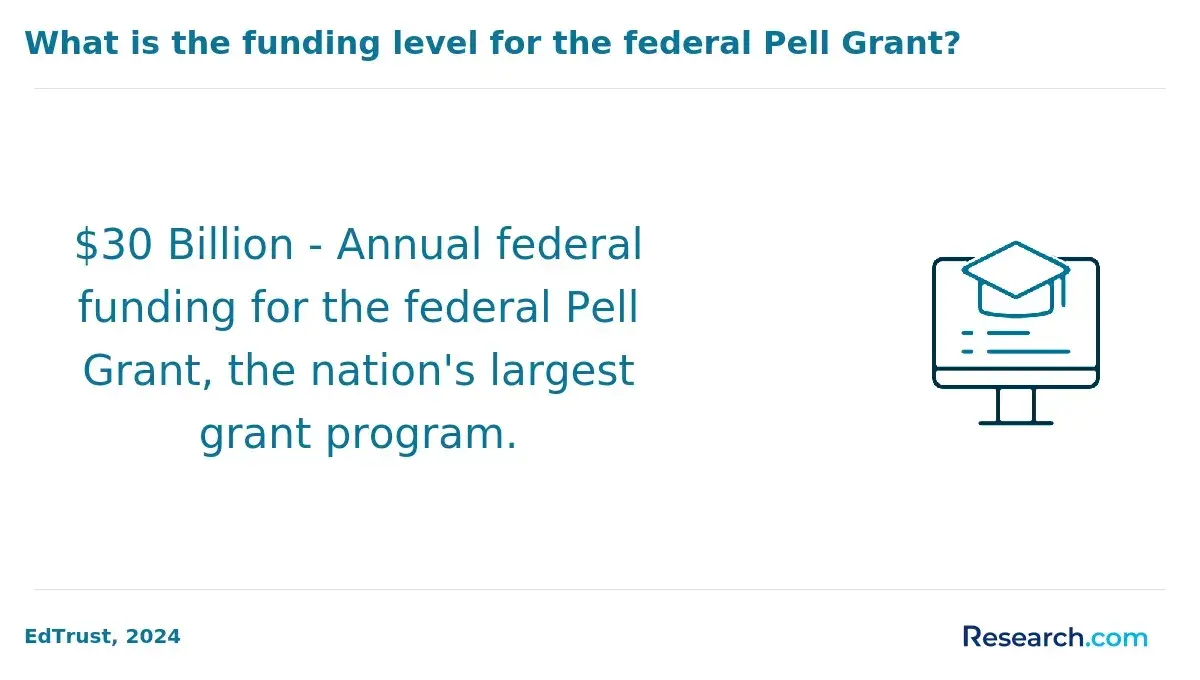
Graduate education in addiction psychology can be costly, with the average graduate student loan debt exceeding $66,000 in recent years. Financial aid is essential for managing these expenses and making a master's degree attainable.
Below is a concise overview highlighting key financial aid options available to addiction psychology master's students, including guidance on building strong applications and locating relevant scholarships:
- Addiction Psychology Federal Graduate Loans: These include Direct Unsubsidized Loans and Grad PLUS Loans. Unsubsidized loans accrue interest during studies, while subsidized loans-although rare for graduate students-do not. Repayment generally begins six months after leaving school.
- Institutional Grants and Assistantships: Many universities offer grants or teaching and research assistantships that reduce tuition or provide stipends. Eligibility often depends on enrollment in addiction psychology programs and academic merit or financial need.
- External Scholarships for Addiction Psychology: Organizations such as the National Association for Addiction Professionals award scholarships targeting addiction psychology students. Applicants usually need to demonstrate commitment to the field and enrollment in related graduate programs.
- State and Regional Aid Programs: Various state-level grants and loan forgiveness initiatives focus on behavioral health fields, including addiction psychology, to address workforce needs in these areas.
- Building a Competitive Scholarship Application: Strong candidates emphasize relevant experience, academic success, and clear career goals related to addiction studies. Tailored personal statements and recommendation letters enhance scholarship chances.
Students exploring addiction psychology master's financial aid options should also consider alternative pathways, such as an accelerated associate's degree online, which can provide foundational knowledge and reduce overall educational costs.
What Is the Average Salary for Addiction Psychology Master's Degree Holders?
Prospective students often weigh salary potential when considering a master's degree in addiction psychology. Earnings can vary considerably depending on experience, employment sector, and location.
The following points summarize relevant findings from authoritative sources like the Bureau of Labor Statistics, LinkedIn Salary, and Glassdoor:
- Experience Level Salary Ranges: Entry-level addiction psychology professionals with a master's degree usually earn between $45,000 and $55,000 annually. Mid-level practitioners often see increases to $60,000-$75,000, while senior specialists can earn upwards of $85,000, reflecting advanced expertise and leadership roles.
- Wage Advantages Over Bachelor's Degree Holders: Those holding a master's degree in this field tend to make 20% to 30% more than peers with only a bachelor's degree. Salary surveys indicate bachelor's degree earners typically receive between $40,000 and $50,000, underscoring the financial premiums tied to graduate education.
- Sector-Based Salary Variations: Private healthcare organizations and specialized treatment centers usually offer higher base pay compared to public or nonprofit agencies. Although public roles may include enhanced benefits, they often provide lower direct salary compensation.
- Geographic Influence on Earnings: Metropolitan hubs with elevated living costs, like California and New York, tend to pay 10% to 25% above national averages. Conversely, rural and less densely populated areas generally provide lower salary ranges.
When asking a recent graduate about salary expectations, he shared that balancing work while completing rigorous coursework was challenging but worthwhile. He explained that the degree opened doors to higher-paying roles he hadn't accessed with his bachelor's alone. The process demanded persistence and time management, yet the eventual career advancements made the effort rewarding and aligned well with his long-term goals.
For prospective students considering how an addiction psychology master's degree influences career growth, evaluating long-term career benefits is crucial. Beyond initial salary increases, this credential can significantly impact professional advancement and opportunities.
Key factors shaping career trajectories for graduates in this field include the following:
- Promotion Rates: Holding a master's degree often leads to faster promotions, as employers favor advanced degree holders when assigning greater responsibilities. This can accelerate movement into supervisory or managerial roles over time.
- Leadership Roles: Graduates gain specialized clinical skills and knowledge valued in leadership positions at healthcare organizations, rehabilitation centers, and community programs, opening doors to directing teams or influencing treatment policies.
- Access to Senior Positions: Many senior roles in public health agencies and private treatment facilities require or strongly prefer candidates with a master's degree, expanding access to more prestigious and higher-paying jobs that shape organizational strategy.
- Professional Credibility: Earning this degree enhances credibility with employers, clients, and colleagues by signaling advanced training and dedication to the field, which often translates into increased trust and career opportunities.
- Expanded Networks: Graduate programs foster connections with faculty, alumni, and industry experts, facilitating job placements, mentorship, and collaboration throughout one's career trajectory.
- Employer Preferences: In many clinical and counseling environments, the addiction psychology master's degree is a preferred qualification. While ancillary roles may not require it, this credential offers a distinct hiring advantage.
- Industry Variations: The degree is essential in mental health services and addiction treatment but considered advantageous in related fields like social work or general counseling, where additional certifications may suffice.
- Continuing Education Opportunities: Graduates often build on their addiction psychology master's degree by pursuing doctoral programs or specialized certifications, further enhancing expertise and career prospects.
Students exploring degree affordability should consider programs offering the cheapest online master's in mental health counseling as a gateway to career growth with manageable education costs.
Evaluating the return on investment (ROI) for an addiction psychology master's degree helps students understand the financial and career benefits they can expect. By comparing total program costs to increased lifetime earnings, prospective students gain insight into potential payback times and overall value.
Several factors shape this ROI picture:
- Total Program Cost: This figure encompasses tuition, fees, books, and additional expenses like licensing fees and living costs. Public universities generally offer lower fees compared to private ones, affecting overall investment.
- Lifetime Salary Premium: Those holding a addiction psychology master's often earn significantly more than bachelor's degree holders, with median salaries for substance abuse counselors frequently exceeding $50,000 annually.
- Payback Period: The span necessary to recover educational expenses through salary gains varies widely. Graduates in urban or specialized clinical roles may break even within five years, whereas those in nonprofit or rural settings might require seven to ten years or more.
- Opportunity Cost: Income forgone while studying represents a critical but sometimes overlooked expense. Online ROI calculators are advisable tools to factor in these lost earnings alongside direct costs and salary benefits.
- Institutional Factors and Career Path: Attending accredited, reputable programs often enhances ROI through improved job placement and networks. Career choices-clinical, research, or counseling-also play roles in long-term financial outcomes and growth potential.
A graduate shared how the program demanded balancing coursework with part-time work, which helped ease financial strain. "It wasn't easy managing everything, but choosing a flexible program allowed me to keep working and not feel overwhelmed," they recalled. They noted that while the initial expenses felt daunting, the advanced training opened doors to higher-paying positions faster than expected.
Admission to an addiction psychology master’s program usually requires a bachelor’s degree from an accredited institution. Some programs prefer a background in psychology or related fields. Most schools ask for transcripts, a personal statement, and letters of recommendation. Some may also require a resume, relevant work experience, or GRE scores.
Below are the primary factors that most schools consider when evaluating applicants:
- Undergraduate GPA: Programs generally expect a minimum GPA between 3.0 and 3.5 on a 4.0 scale. Highly ranked institutions often prefer GPAs at the upper end of this range, particularly in psychology or related disciplines.
- Standardized Tests: Some schools require the GRE, but many have eliminated this mandate recently. The GMAT is typically irrelevant unless the program intersects with business studies.
- Prerequisite Coursework: Candidates need foundational coursework in psychology, statistics, research methods, and human development to prove readiness for graduate-level study.
- Statement of Purpose: This essay plays a vital role by showcasing the applicant's motivation, knowledge of addiction psychology, and career objectives, helping admissions committees evaluate program fit.
- Letters of Recommendation: Usually two to three letters from academic or professional references are required. Effective letters highlight analytical skills, dedication, and potential success in clinical or research areas.
- Relevant Experience: Practical experience through internships, volunteer roles, or research related to addiction or mental health can greatly enhance an application, demonstrating commitment and expertise.
- Differentiating Factors: Applicants stand out by emphasizing unique accomplishments such as leadership in addiction initiatives, publications, or cross-cultural work, along with customizing materials for each program.
- Variability Among Programs: Admission standards differ: selective programs demand comprehensive academic and experiential credentials, while less competitive schools may offer more flexibility. International applicants often face additional documentation or credential evaluations.
The minimum GPA requirement for admission to an addiction psychology master's program typically varies by the institution's selectivity and ranking. Generally, a baseline GPA of around 3.0 on a 4.0 scale is common among many programs. However, more competitive or higher-ranked schools often set their admission GPA criteria closer to 3.5 or above to ensure academically prepared candidates. For those concerned about meeting these standards, it's important to know that a lower GPA can sometimes be offset by other strong application components.
Applicants can enhance their profiles with relevant work experience, compelling personal statements, or strong GRE scores, which may help compensate for less-than-ideal undergraduate GPAs. Additionally, some programs provide alternative admission routes such as conditional admission and probationary enrollment for borderline applicants.
Below are key points to consider when navigating these admission factors:
- Typical GPA Thresholds: Most addiction psychology master's programs require a minimum GPA around 3.0, but top-tier schools often seek 3.5 or higher for direct admission. Strong academic records generally increase the likelihood of acceptance and access to scholarships.
- Offsetting Low GPA: Demonstrating relevant professional experience, delivering strong GRE results, and submitting a detailed personal statement can help compensate for lower GPA scores. These elements highlight an applicant's motivation and practical knowledge, which admission committees value.
- Conditional Admission Policies: Some programs offer conditional acceptance for applicants who narrowly miss GPA cutoffs, requiring satisfactory academic or practical progress during a trial period before fully matriculating.
- Probationary Enrollment: This pathway allows students to enroll under probation, providing an opportunity to prove their capabilities through coursework and maintain enrollment upon meeting performance benchmarks.
- Application Strategies: Applicants with low GPAs should emphasize relevant experience, secure strong letters of recommendation, and consider taking additional coursework to improve academic standing. Exploring complementary degrees, such as marriage and family master's programs, might also expand opportunities for study and career paths.
For those considering a master's degree in addiction psychology, recognizing how employer and industry attitudes towards online education have shifted is essential. The widespread adoption of remote learning since the pandemic has reshaped perceptions, making this comparison especially timely.
Below are key factors to consider when weighing online versus in-person program formats:
- Increased Employer Acceptance: Post-pandemic, employers generally view accredited online addiction psychology degrees as legitimate, acknowledging comparable standards and the technological proficiency these programs often require.
- Accreditation Is Key: Employers prioritize whether a program is accredited rather than if it is delivered online or in-person, as accreditation ensures adherence to quality and professional benchmarks.
- Comparable Rigor: Many online programs maintain demanding curricula similar to traditional formats, employing live sessions and interactive tools. Yet, some hands-on clinical experiences can be more accessible in face-to-face settings.
- Different Networking Experiences: While in-person programs often foster deeper personal connections with peers and faculty, online learners must take initiative to engage through virtual networking events and professional organizations.
- Career Services Variance: On-campus students can benefit from direct access to personalized career counseling and local internship opportunities, whereas online students rely more on digital platforms, which may offer less individualized support.
- When Online Fits Best: Flexibility makes online degrees attractive for working adults, caregivers, and international applicants who can't relocate but remain committed to active participation in their studies.
- Advantages of On-Campus Learning: Those aiming for immersive clinical training, in-person mentorship, or structured environments often gain value through residential programs that provide direct access to local resources and internships.
Career opportunities for addiction psychology master's degree holders span various fields and settings, each with distinct educational and certification demands. Identifying which jobs explicitly require a master's degree versus those where it enhances career prospects can help prospective students target their goals effectively.
Below are key roles shaping the landscape for graduates, incorporating traditional positions and newer options emerging from industry shifts and technology:
- Licensed Clinical Addiction Counselor (LCAC): This role mandates a master's degree complemented by state licensure. LCACs deliver direct client therapy and intervention services, with salaries ranging from $45,000 to $80,000 annually, often higher in private or specialized practices.
- Behavioral Health Program Director: Leading treatment centers or community health programs, these directors require a master's degree and extensive experience. Compensation typically falls between $70,000 and $100,000+, reflecting their managerial responsibilities.
- Substance Abuse Researcher: While senior research positions often prefer doctoral credentials, a master's degree qualifies candidates for entry-level roles in academic, governmental, or private organizations, earning starting salaries near $50,000.
- Forensic Addiction Psychologist: Integrating addiction psychology with criminal justice work, this specialized career usually needs additional forensic certification beyond the master's degree. Earnings can surpass $90,000 depending on the setting.
- Telehealth Addiction Specialist: The growth of telemedicine has created high-demand remote counseling roles requiring master's-level training. These specialists benefit from competitive salaries and flexible work environments.
- Pharmaceutical Industry Consultant: Though less traditional, master's graduates with deep knowledge of addiction mechanisms may consult on treatment medications, often requiring industry certifications and earning upwards of $80,000.
Employer perception of an addiction psychology master's degree varies significantly across industries, influencing hiring and promotion opportunities. For prospective students, understanding these nuances is essential to align their educational investment with realistic career outcomes and expectations, especially in healthcare and related sectors.
- Large Corporations: These employers often view the addiction psychology master's degree as sufficient for clinical or counseling roles but prefer doctoral degrees for leadership and research positions. The credential's value lies in practical expertise and meeting licensure requirements, which impacts advancement in therapy and rehabilitation departments in healthcare industries.
- Government Agencies: Federal and state health departments typically require a master's degree for counselor and case manager roles. Advanced degrees may be favored for supervisory or policy-related positions, making the master's degree a critical step for those seeking growth in public sector addiction services.
- Startups and Small Businesses: Emerging healthcare startups often value the master's degree for its combination of clinical knowledge and applied skills, prioritizing versatility and innovation. However, research-focused startups might expect higher qualifications, reflecting disciplinary variations within the addiction psychology field.
- Nonprofits: Many nonprofits running addiction recovery programs consider the master's degree the standard credential for direct client care roles. Practical skills and advocacy experience often carry more weight than doctoral credentials, which are less common in these settings.
- Disciplinary Variation: In treatment-focused environments, the addiction psychology master's degree is frequently the terminal professional credential. Fields emphasizing research, policy, or administration often prefer doctoral degrees or MBAs, so knowing sector-specific expectations is vital to evaluating degree value.
- Communicating Degree Value: Applicants should emphasize clinical competencies, evidence-based practice knowledge, licensure progress, and hands-on experience to highlight the degree's practical benefits during job searches. This approach enhances employer recognition of the degree's worth in improving client outcomes and advancing in healthcare roles.
For prospective students concerned about educational costs compared to their career goals, exploring options such as an accredited online cyber security degree can provide insights into program affordability and financing strategies across fields. This comparative perspective supports more informed decisions when assessing the overall return on investment of an addiction psychology master's degree.
Prospective students should consider how various employer types value an addiction psychology master's degree to understand its career implications better. This insight helps clarify where the credential holds the most weight and informs strategies for presenting one's qualifications.
- Employer Type Influences Perception: Large corporations and government bodies often require a master's degree for specialized or counseling roles, treating it as a baseline qualification. Startups may prioritize practical skills and adaptability over formal credentials, while nonprofit organizations commonly expect a master's as standard for client-related positions.
- Survey Insights on Employer Sentiment: Approximately 70% of healthcare and social service employers view a master's in addiction psychology as a significant hiring criterion, though some roles may necessitate additional licensure. Such data underscores the degree's relevance within these sectors.
- Variation Across Disciplines: In areas like addiction counseling and behavioral health, the master's often represents the highest professional credential for practice and licensure. Conversely, academic research, policy development, or administrative roles may favor candidates with doctoral degrees or supplementary business qualifications.
- Effectively Communicating Degree Value: Applicants should highlight their hands-on clinical training, practical skills, and any certifications alongside the degree. Emphasizing familiarity with evidence-based treatments and relevant experience can enhance candidacy in interviews and applications.
What Graduates Say About Their Addiction Psychology Master's Degree
- Doug: "Applying for admission to the addiction psychology master's program was initially overwhelming, but relying on the official academic catalogs made the requirements clear and manageable. As an enthusiastic learner, I appreciated how the program prepared me for the diverse job landscape, especially within rehabilitation centers and community outreach. This foundation truly boosted my confidence transitioning from student to professional."
- Leah: "The journey through the addiction psychology master's degree was reflective, requiring patience and dedication. I leaned heavily on accrediting agencies and federal education resources to understand the evolving standards and expectations. Navigating the job market post-graduation felt daunting at first, but those resources helped me identify credible employers and roles that aligned with my skills."
- Selina: "Professionally, the addiction psychology master's program challenged me to scrutinize every detail from admission through graduation. Using official catalogs ensured I stayed on track academically, while early awareness of industries hiring addiction psychology grads enabled me to tailor my internship experiences effectively. My methodical approach was key to gaining valuable employment in the mental health sector immediately after completing my degree."
Other Things You Should Know About Addiction Psychology Degrees
In 2027, one of the biggest challenges of pursuing an addiction psychology master's degree is staying updated with rapid changes in treatment methodologies. Additionally, the financial burden of tuition and potential student debt, alongside uncertain job market conditions, pose significant risks for prospective students.
Yes. In most states, clinical roles require a state license such as LPC, LMFT, LCSW, or psychologist licensure, plus supervised post-degree hours and a passing score on the required exam, often the NCE, NCMHCE, or EPPP. Certification alone does not authorize independent practice.
- 7 Careers with a Master’s Degree in Counseling Psychology | The Chicago School https://www.thechicagoschool.edu/insight/career-development/7-career-opportunities-with-a-masters-degree-in-counseling-psychology/
- What Do Substance Abuse & Addictions Counselors Do? https://www.psychology.org/careers/substance-abuse-addiction-counseling/
- Master's in Addiction Counseling - Carlow University - Pittsburgh, PA https://www.carlow.edu/academic-programs/psychology-degrees/masters-addiction-counseling/
- ROI Graduate - FREOPP https://freopp.org/roi-in-higher-education/roi-graduate/
- Addiction Counselor Salary Guide 2026 - How Much Do Substance Abuse / Addiction Counselors Earn? - PsychologyJobs.com https://psychologyjobs.com/addiction-counselor-salary/
- The Need for Addiction Counselors in a Changing World | TUW https://www.tuw.edu/psychology/addiction-counselors-in-demand/
- 10 Fulfilling Mental Health Careers You Can Train for Now | Palo Alto University https://paloaltou.edu/resources/blog/mental-health-careers-you-can-start-now
- Scholarships and Grants | Graduate School https://www.hazeldenbettyford.org/graduate-school-addiction-studies/admissions/scholarships
- What Can You Do with a Master’s in Counseling? | University of Bridgeport https://www.bridgeport.edu/news/what-can-you-do-masters-in-counseling/
- Careers https://www.stcloudstate.edu/programs/addictions-counseling/careers.aspx