2027 How to Pay for an Addiction Psychology Master's Degree with Financial Aid

Co-Founder and Chief Data Scientist
Many aspiring addiction psychology master's students struggle to cover the steep costs of graduate education without accumulating overwhelming debt. The average graduate tuition in psychology-related fields has increased by over 25% in the past decade, further complicating financial planning.
Additionally, balancing work and study demands often limits options for self-funding. This financial strain leads some qualified candidates to postpone or forgo their degrees, limiting workforce growth in addiction treatment.
This article outlines comprehensive strategies to secure financial aid, from federal grants to employer sponsorships, enabling prospective students to develop a clear, actionable plan to fund their addiction psychology master's degree responsibly.
Key Benefits of Knowing How to Pay for a Addiction Psychology Master's Degree with Financial Aid
- Investing in your professional future by maximizing all financial aid options-including federal aid, fellowships, and employer assistance-can significantly reduce the overall cost of an addiction psychology master's degree.
- Using financial aid strategies can lessen your immediate financial burden, allowing you to focus on academics and career development without overwhelming debt.
- Building a comprehensive funding plan that combines grants, assistantships, and scholarships makes earning an addiction psychology degree financially achievable and sustainable long-term.
What Is a Addiction Psychology Master's Degree, and Why Does Funding It Matter?
Financing a Addiction Psychology master's degree is a crucial step for prospective students seeking to manage the costs of this specialized graduate program. Planning ahead can help streamline financial aid opportunities and reduce student debt. Below are key points that outline the essential aspects of this degree and the importance of funding it effectively.
- Definition and Scope: A Addiction Psychology master's degree emphasizes the study of substance use and behavioral addictions through coursework in psychology theory, research methods, counseling strategies, and clinical practicum experience.
- Academic Requirements: Typically lasting two years of full-time study, the program involves lectures, internships, and research projects. Admission often requires a bachelor's degree in psychology or a related area along with relevant experience or prerequisites.
- Financial Importance: Graduate education costs average between $15,000 and $40,000 annually, posing a significant financial commitment. Effective budgeting is essential to prevent excessive debt while completing the degree.
- Diverse Funding Options: Students can access federal student aid by completing the Free Application for Federal Student Aid (FAFSA), plus institutional scholarships, graduate assistantships, employer tuition reimbursement, and awards from professional addiction psychology associations.
- Recent Trends: Graduate enrollment has risen nearly 20% in the last decade, increasing competition for limited financial aid and underscoring the need for proactive and strategic funding plans.
For those exploring how to fund an addiction psychology graduate program, it is important to become an active financial aid seeker and consider combining multiple resources. Additionally, exploring phd online programs may provide alternative pathways for further education and financing options.
What Types of Financial Aid Are Available for Addiction Psychology Master's Students?
Prospective students considering a master's degree in addiction psychology need to explore various financial aid options to fund their studies effectively. Graduate financial aid options for addiction psychology degree programs cover a broad spectrum of support designed to ease the cost of tuition and living expenses. Below is a summary of key financial aid categories to help students plan their funding strategy.
- Grants: Grants are funds that do not require repayment and are often awarded based on financial need. Some grants specifically support graduate students in health-related fields, including addiction psychology, providing crucial assistance without adding debt.
- Scholarships: These can be merit-based or need-based awards offered by universities, professional organizations, or private foundations. Scholarships targeted toward addiction psychology students may come from psychology associations or addiction treatment groups focused on supporting this field.
- Fellowships: Fellowships provide competitive funding for graduate study, frequently including a living stipend. They often expect recipients to engage in research or community service related to addiction psychology, enhancing both financial support and professional experience.
- Assistantships: Graduate assistantships enable students to work part-time as teaching or research assistants in their academic department. Such positions offer tuition remission and stipends, helping offset education costs while gaining valuable skills.
- Loans: Federal and private loans are available but must be repaid with interest. Federal loans come with features like income-driven repayment plans and loan forgiveness options tailored to public service careers such as addiction counseling, which can be advantageous for managing long-term debt.
- Work-Study Programs: These allow students to hold part-time jobs funded by the federal government or their institution, providing income to cover expenses without increasing education debt.
Financial aid for addiction psychology master's students may differ from general graduate aid owing to program-specific funding opportunities or professional requirements. Applying to multiple sources of financial aid enhances the likelihood of securing sufficient funds, making the financial commitment more manageable. Students looking for flexible or accelerated graduate study options may also explore msw accelerated programs that could offer unique financial aid benefits.
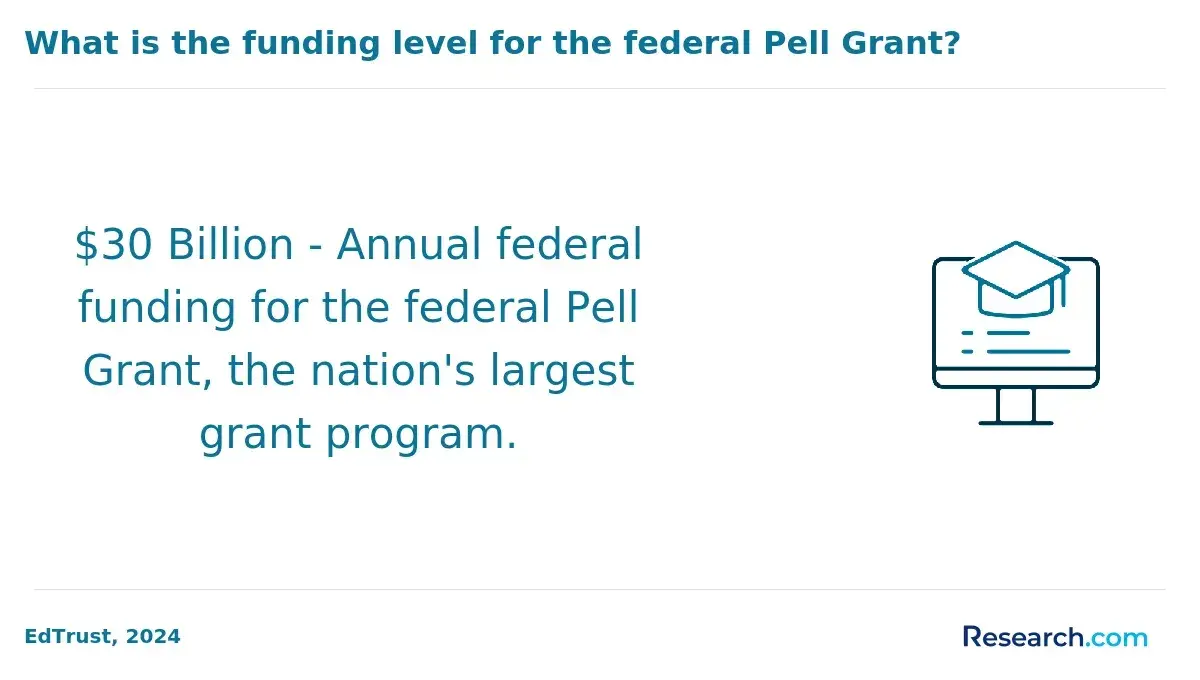
How Does the FAFSA Process Work for Addiction Psychology Graduate Students?
Prospective addiction psychology master's students should know that the FAFSA process is a critical step in securing federal financial aid for graduate studies. Navigating this application effectively can help minimize debt and optimize available funding. Below are essential points to understand when handling FAFSA as a graduate student.
- Graduate Student Independence: Graduate and professional students are classified as independent on the FAFSA, so they only submit their own financial details without including parental information. This distinction changes how eligibility is calculated compared to undergraduate applicants.
- Submission Timing and Deadlines: FAFSA opens annually on October 1 for the next academic year. Applying early is important since some state and institutional aid is limited and distributed on a first-come, first-served basis, making timely submission crucial to securing these funds.
- Available Aid Options: While direct federal grants are rare for graduate students, FAFSA eligibility allows access to federal student loans and work-study programs, which can support living expenses and offset educational costs.
- Accuracy in Reporting: Completing FAFSA with precise financial and tax data aids in faster processing. Utilizing the IRS Data Retrieval Tool can reduce errors and avoid application delays.
- Current FAFSA Utilization Trends: Nearly 46% of graduate students applied for federal aid in 2022 according to the National Center for Education Statistics, highlighting ongoing dependence on FAFSA for funding advanced degrees in addiction psychology.
A professional who pursued a master's degree in addiction psychology reflected on the FAFSA process as both challenging and reassuring. "Filling out the FAFSA felt overwhelming at first, especially managing all the financial details independently," he shared. He emphasized that early preparation and careful attention to deadlines helped him avoid stress. "Knowing that I qualified as an independent student simplified some parts, but I also had to be thorough to ensure my aid was processed without issues," he explained. This experience underlines the importance of understanding the FAFSA's unique requirements for graduate students aiming to fund their education strategically.
Graduate students pursuing a Addiction Psychology master's degree should carefully evaluate federal loan options to fund their education effectively. These loans can supplement other aid sources, providing necessary support. Below are essential details about federal loans available from the US Department of Education for addiction psychology students:
- Direct Unsubsidized Loans: Offered regardless of financial need, these loans carry fixed interest rates generally lower than private alternatives. Graduate students can borrow up to $20,500 annually, with interest accruing from the moment funds are disbursed.
- Graduate PLUS Loans: Designed to cover remaining education costs beyond Direct Unsubsidized Loans, these require a credit check and have higher interest rates and fees. Borrowing limits match the total cost of attendance minus other financial aid.
- Repayment Terms and Interest: Unlike undergraduate loans, graduate federal loans have no subsidized options, so interest starts immediately. Repayment usually begins six months after leaving school and offers flexible income-driven plans to ease financial burden.
- Disbursement Schedule: Federal loan funds are typically released in at least two payments aligned with academic semesters. Coordinating with your school's financial aid office is vital for budgeting purposes.
- Borrow Responsibly: Calculating total expenses, including tuition, fees, and living costs, helps determine realistic loan needs. Students should prioritize scholarships and grants since over-borrowing increases long-term debt risks.
For those considering financing options beyond federal loans, exploring affordable online masters counseling programs may provide additional pathways to minimize costs.
Students pursuing a master's degree in addiction psychology can access a variety of scholarships and fellowships that help defray educational expenses. These funding sources differ in purpose and requirements but both are valuable aids. Below are essential points to consider when exploring financial support opportunities:
- Scholarships Versus Fellowships: Scholarships usually reward merit or financial need without requiring extra obligations, whereas fellowships often come with commitments such as conducting research or completing specific projects within addiction psychology.
- Primary Funding Sources: Scholarships frequently originate from professional organizations like the American Psychological Association and foundations dedicated to substance abuse studies, offering recognition for academic excellence and community engagement.
- Fellowship Providers: Fellowships are commonly awarded by universities, governmental agencies such as the National Institute on Drug Abuse, or specialized grant programs that require strong alignment with addiction-related research interests.
- Timing and Deadlines: Application deadlines for these awards tend to come before general institutional financial aid deadlines, necessitating early and continuous monitoring of opportunities.
- Professional Association Resources: Engaging with addiction psychology associations provides access to curated lists of awards and networking channels, increasing chances of discovering exclusive funding options.
A professional who built her career after completing an addiction psychology master's program recalled that navigating the financial aid landscape was initially daunting. She emphasized the importance of meticulous planning and starting applications months ahead to meet early deadlines. "I found that tapping into association resources and reaching out to mentors really made a difference," she shared, noting that the process also deepened her connection to the field. Though competitive, these targeted scholarships and fellowships turned out to be critical stepping stones that alleviated financial pressure and enriched her graduate experience.
Graduate assistantships provide essential financial support for students pursuing an Addiction Psychology master's degree by directly reducing tuition expenses and supplementing living costs. These roles also offer valuable professional experience relevant to students' academic and career paths. Below are important details about graduate assistantships to consider:
- Types of Assistantships: Graduate assistantships commonly fall into three categories: teaching assistantships (TAs), research assistantships (RAs), and administrative assistantships. TAs help faculty with class instruction and grading duties, RAs contribute to faculty-led research projects, and administrative assistants support departmental administration or event coordination.
- Awarding Process: Unlike general financial aid, assistantships are usually granted by academic departments rather than financial aid offices. Aspiring Addiction Psychology students should proactively reach out to program directors or faculty members early to learn about available positions and application requirements.
- Financial Support: Assistantships often combine a stipend with a partial or full waiver of tuition fees. This blend of benefits marks them as one of the most valuable sources of graduate funding, often covering a significant portion of educational expenses and lowering reliance on loans.
- Time Commitment and Impact: Most assistantships demand a weekly time investment of 10 to 20 hours, which can affect course schedules and potentially extend the duration needed to complete the degree. Students should carefully balance these responsibilities with their academic workload and career objectives.
- Prevalence Among Graduate Students: According to the National Association of Graduate-Professional Students, approximately 60% of graduate students receiving funding hold assistantships, underscoring their critical role as a financial resource in graduate education.
Employer tuition assistance programs offer a valuable financial resource for working professionals pursuing a master's degree in Addiction Psychology. Leveraging these benefits can significantly reduce education costs. Below are key points to consider when exploring employer-sponsored tuition reimbursement.
- IRS Section 127 Tax Benefits: Employers can provide up to $5,250 annually in tax-free tuition assistance under IRS Section 127. This allows employees to receive substantial financial support without this amount being counted as taxable income, making it an attractive option.
- Eligibility and Employment Requirements: Many employers require recipients of tuition assistance to remain employed for a defined period after completing their degree. This safeguards the employer's investment and requires students to carefully evaluate these terms before enrolling.
- Aligning Degree with Job Role: Presenting a formal proposal to HR that clearly links how an Addiction Psychology master's degree enhances job performance and benefits the organization is essential for approval of tuition assistance.
- Reviewing Employee Benefits: Candidates should thoroughly examine their company's benefits package since policies, coverage limits, and additional support such as paid study leave or flexible scheduling vary widely across employers.
- Growth of Employer Funding: Approximately 60% of employers with tuition assistance programs report increased investment in workforce education, signaling a growing commitment to employee skill development.
Prospective addiction psychology master's degree students can benefit greatly from exploring state financial aid programs designed to ease the costs of graduate education. These opportunities often come with specific eligibility requirements tied to residency and enrollment. Below are several important aspects to consider when investigating regional scholarships for addiction psychology master's degree candidates.
- Residency Requirements: Most state-based financial aid programs require applicants to be legal residents of the state offering the aid and usually mandate enrollment in an accredited, in-state institution. This approach supports local workforce development and ensures the funds benefit the community.
- Grants and Scholarships: Many states provide targeted grants and scholarships for graduate students, especially in high-demand areas like addiction psychology. These awards may be need- or merit-based and often require maintaining minimum academic standards throughout enrollment.
- Loan Forgiveness Programs: Several states offer loan repayment assistance for graduates who commit to working in underserved regions or high-need settings such as addiction treatment centers. These programs are designed to retain skilled professionals in essential mental health roles.
- Tuition Equity Initiatives: Some states have adopted policies that extend in-state tuition rates and financial aid eligibility to undocumented or DACA students, broadening access to addiction psychology graduate programs.
- Workforce Incentive Programs: To meet growing demand in behavioral health fields, certain states provide special financial incentives like stipends or signing bonuses, often linked to post-graduation employment commitments in addiction psychology.
Early application is crucial, as state-based aid typically has limited funding pools. Candidates should consult their state's higher education agency for specific program details and deadlines. According to the National Association of State Student Grant and Aid Programs, nearly 30 states increased funding for graduate-targeted aid recently, underscoring the expanding support for advanced training in mental health fields. Additionally, students seeking guidance on graduate financial aid can explore how long does it take to get a msw online through this resource to better plan their education timeline.
Prospective students pursuing a master's degree in addiction psychology should closely explore institutional grants for addiction psychology graduate students, as many universities and graduate schools offer merit-based or need-based funding designed to attract high-quality candidates. Understanding the nuances of these awards can significantly reduce the overall cost of study. Below are key points to help navigate these opportunities.
- Institution-Specific Funding: Many institutions provide full or partial tuition remission and grants specifically for addiction psychology master's students. These awards are crafted to make graduate education more affordable without increasing reliance on student loans.
- Departmental Fellowships: Academic departments often manage fellowships that include stipends or tuition waivers in exchange for research or teaching duties, emphasizing strategic alignment with the department's funding priorities.
- Distinguishing from General Financial Aid: It is essential to differentiate institutional grants and university fellowships supporting addiction psychology degrees from traditional financial aid distributed by a university's financial aid office, as application processes and eligibility may differ.
- Engage Admissions Early: Contacting admissions representatives or program coordinators early in the application process can uncover hidden funds and clarify award renewal criteria, increasing the chance of securing institutional funding.
- Compare Offers Strategically: Applying to multiple programs and weighing their institutional aid packages side-by-side empowers students to minimize out-of-pocket expenses and optimize their funding strategy.
For those researching financial options beyond institutional awards, the federal FAFSA process remains critical, along with graduate assistantships and employer-sponsored aid. Combining these with institutional grants can greatly ease financial burdens. Additionally, students interested in practical career paths might consider related fields; for example, learning about the construction management degree offerings can provide insights into interdisciplinary funding and career flexibility.
For prospective addiction psychology master's degree students, professional associations offer vital financial support that can ease the cost of graduate education. Exploring these resources early can open doors to valuable funding opportunities. Below are key forms of assistance commonly provided by these organizations:
- Scholarships and Grants: Many associations grant funds exclusively to graduate students in addiction psychology, often requiring membership and evidence of dedication to the field. These awards directly reduce tuition and related expenses.
- Travel Grants: These funds help cover the costs of attending conferences, workshops, and seminars, enabling students to present research and build professional networks without significant financial strain.
- Research Funding: Competitive grants support thesis work or other scholarly projects, assisting with expenses like data collection and research materials to advance academic goals.
- Mentorship Stipends: Some societies provide stipends to facilitate mentorships that connect students with experienced professionals, combining financial aid with career guidance and valuable industry connections.
- Membership Advantages: Being a member is often a prerequisite for applying to many awards. Applying ahead of deadlines and submitting a clear, field-focused personal statement notably improves funding chances.
For students pursuing a master's degree in addiction psychology, federal student loan repayment options like income-driven repayment (IDR) plans and loan forgiveness can significantly ease post-graduation financial pressures. The following points highlight essential features of these programs and their relevance to addiction psychology careers.
- Income-Driven Repayment Plans: Programs such as SAVE, IBR, PAYE, and ICR adjust monthly federal loan payments based on your income and family size. These plans reset annually and help ensure payments remain affordable during early career stages in addiction psychology.
- Public Service Loan Forgiveness (PSLF): This program offers loan forgiveness after 10 years of qualifying payments when working full-time in government, nonprofit, or academic settings. Many addiction psychology roles fit these criteria, potentially eliminating remaining federal student debt.
- Private Loan Restrictions: Private student loans are not eligible for IDR plans or PSLF, so it's beneficial to prioritize federal borrowing and minimize private debt to access these forgiveness programs.
- Qualifying Careers: Employment with government agencies, nonprofit treatment facilities, and academic institutions often qualifies for PSLF. Prospective graduates should consider how their career path aligns with eligibility requirements to optimize repayment options.
- Financial Planning Resources: Consulting the Federal Student Aid website and working with financial counselors can help model repayment scenarios tailored to expected income in addiction psychology, enabling better-informed borrowing and repayment strategies.
What Graduates Say About Paying for a Addiction Psychology Master's Degree with Financial Aid
- Major: "Choosing to pursue a master's degree in Addiction Psychology was a pivotal decision for me because of my passion for supporting individuals battling substance use disorders. The cost of the program was definitely an investment, but I found it to be quite reasonable compared to other specialized mental health degrees. Since graduating, my professional opportunities have expanded significantly, allowing me to take on leadership roles within rehabilitation centers."
- Douglas: "Reflecting on my experience, I opted for a master's in addiction psychology because it aligned perfectly with my goal of becoming a clinical counselor. Financially, the program was challenging, but there were numerous scholarships and assistantships that helped offset expenses. Professionally, it transformed my career trajectory, providing me with the evidence-based skills needed to make a real difference in clients' lives."
- Ezra: "I chose an Addiction Psychology master's degree to bridge my background in social work with specialized expertise in addiction treatment. Although the program's tuition was on the higher side, the return on investment was clear through the extensive network and career services offered. Since completing my degree, I've experienced increased credibility and the ability to influence policy changes within the addiction recovery community."
Other Things You Should Know About Addiction Psychology Degrees
Yes. Federal aid can be used only at schools that participate in the U.S. Department of Education’s Title IV program and hold recognized accreditation. Students usually complete the FAFSA, and graduate borrowers may access Direct Unsubsidized Loans and Grad PLUS loans if they meet federal eligibility rules.
Part-time students enrolled in a addiction psychology master's degree program remain eligible for many types of financial aid, including federal loans and some scholarships, but award amounts may be lower than for full-time students. Online programs also qualify for federal aid as long as they are accredited and meet Title IV standards. Students should verify with their school's financial aid office how enrollment status impacts their specific aid packages.
- Addictions | King's College London https://www.kcl.ac.uk/study/postgraduate-taught/courses/addictions-msc-pg-cert
- Master of Arts in Counseling, Co-Occurring Disorders and Addiction Counseling | CACREP Accredited | Minnesota | Adler Graduate School https://www.alfredadler.edu/program/master-of-arts-in-counseling-co-occurring-disorders-and-addiction-counseling/
- Scholarships For Psychology Majors (2025) https://www.psychology.org/scholarships/
- 7 Careers with a Master’s Degree in Counseling Psychology | The Chicago School https://www.thechicagoschool.edu/insight/career-development/7-career-opportunities-with-a-masters-degree-in-counseling-psychology/
- PhD studentships https://www.addiction-ssa.org/funding/flagship-research-leadership-programme/phd-studentships/
- How to Find Financial Aid for Psychology School | All Psychology Schools https://www.allpsychologyschools.com/financial-aid/
- College Affordability for Counseling Students https://www.counselingschools.com/blog/college-affordability-guide
- New HRSA Funding Opportunity for Addiction Medicine Fellowship Programs https://www.acaam.org/index.php
- Grant Opportunities https://addictionpsychology.org/awards/grant-opportunities
- Online Masters in Substance Abuse Psychology | AE.org https://academicearth.org/masters-in-substance-abuse-psychology/