2027 A Second BS in Business Administration After a Bachelor's in Sociology: Credits, Cost, and Alternatives
Audited and Verified:
Our Editorial and Data Verification Process
Research.com uses government datasets, official education statistics and primary institutional information to support its career and degree guides. Our review process checks factual accuracy, occupational definitions, source dates and the requirements associated with the credentials discussed.
How This Article Was Fact-Checked
Our editorial team verifies salary estimates, employment projections, education requirements and program information against original data providers and official organizations. Salary figures are checked against the relevant occupational definitions and reporting periods. Information about licensure, accreditation and required in-person training is reviewed separately.
Fact-checked and verified on:

Co-Founder and Chief Data Scientist
A sociology bachelor's degree may already meet many general education requirements for a business degree, but it does not tell you how many business courses remain - or whether you need another bachelor's at all. If you want to move into operations, HR, marketing, or another business function, the difference matters: it affects tuition, time away from work, and the experience you can build while studying. This guide shows sociology graduates how to compare a second BS in Business Administration with shorter pathways, request a usable credit evaluation, and judge whether the remaining investment fits a specific career goal.
Key Things You Should Know
- A completed sociology bachelor's may cover general education, but the receiving school decides which credits satisfy its business core, concentration, and residency rules; request an official degree audit before estimating time to completion.
- Many bachelor's degrees are structured around 120 semester credits, but a second-degree student does not necessarily repeat all 120. Remaining requirements - not the original degree's credit total - drive the timeline and cost.
- A second BS is most useful when a target role calls for substantial undergraduate business coursework. If you already meet its degree requirement, targeted courses, a certificate, or relevant work experience may be a more direct route.
Is a second bachelor's in business administration worth it after sociology?
It can be worth it if you need a structured foundation across accounting, finance, operations, and management, and employers recruiting for your target roles value that preparation. Your first degree already provides useful skills: sociology coursework can develop research design, interviewing, data interpretation, writing, and an understanding of organizations and communities. The question is which business skills - and evidence of using them - you still lack.
A second BS is less compelling when a job posting asks for any bachelor's degree plus skills you could gain through work or focused study. A recruiting coordinator, for example, may benefit more from HR-related experience and employment-law coursework than from completing an entire second undergraduate core. A move toward operations may call for budgeting, spreadsheets, and process improvement, supported by a supervised project.
Compare the degree with the actual responsibilities of several target jobs, not just their titles. If your goal is primarily people leadership, leadership bachelor's degrees with accelerated pacing are another curriculum to examine - but a second leadership degree also needs to justify its additional cost over your existing bachelor's and work experience.
How many credits are required for a second bachelor's in business administration?
There is no universal second-degree credit requirement. Many U.S. bachelor's programs are built around 120 semester credits, but a university may waive already-completed general education while still requiring its business prerequisites, major courses, upper-level credits, and a minimum amount of study at that institution. Some schools have separate minimums for second-degree students; others may not admit applicants who already hold a bachelor's to the program you want.
The useful number is credits still required under an approved degree audit. The comparison below shows why an accepted transcript total alone cannot answer that question.
| Requirement | What sociology coursework might cover | What to confirm |
| General education | Writing, social science, mathematics, or electives | Whether the first degree fulfills the category or only transfers individual courses |
| Business prerequisites | Possibly statistics, economics, or quantitative coursework | Specific course equivalencies and any grade or recency rules |
| Business core and concentration | Usually less overlap unless you previously took business courses | Which required courses remain and when they are offered |
| Residency and upper-level study | Prior credits may not satisfy these institutional requirements | Minimum credits that must be completed at the new school |
Ask an adviser for a term-by-term plan as well as the audit. A short remaining-credit total may still take longer than expected if accounting precedes finance or required upper-level courses run infrequently. When comparing fastest bachelor's-level business study options, use the schedule for your specific remaining courses rather than an advertised completion time.
How much does a second business administration degree cost?
Cost depends on the courses the school actually requires, its charging model, and how long those courses take. A per-credit quote cannot be compared directly with a per-term or subscription price without knowing your likely pace. Request a written estimate after the credit evaluation, including tuition, mandatory fees, books or software, and any online, exam-proctoring, or campus-visit charges.
For a usable comparison, calculate remaining required credits × the applicable per-credit tuition rate + fees and other required expenses, or price the expected number of terms if the school charges by term. Then account separately for borrowing costs and any earnings lost to reduced work hours. Compare lower-tuition online business administration programs on this total-completion basis, not tuition rates alone.
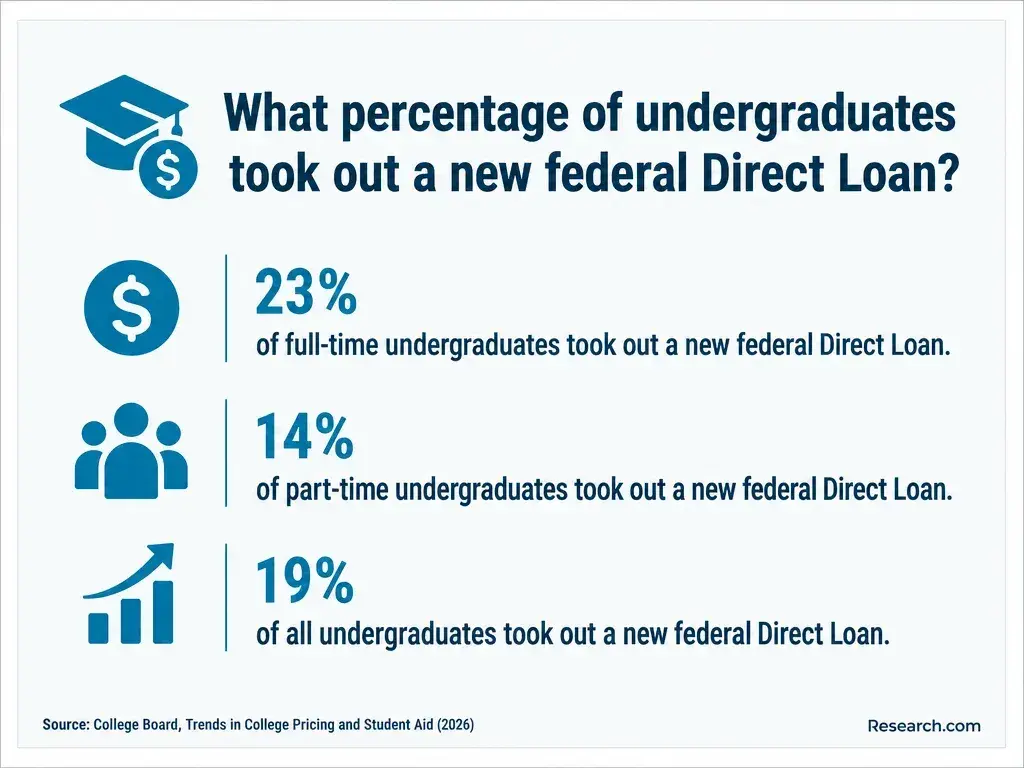
A previous bachelor's generally makes a student ineligible for a federal Pell Grant, although eligible second-degree students may still have access to federal student loans, subject to applicable limits and school certification. Ask the financial-aid office how your enrollment, prior borrowing, and satisfactory academic progress affect eligibility. Employer reimbursement can help, but confirm covered courses, grade requirements, payment timing, and any obligation to repay your employer if you leave.
Start with the job or skill you want, then compare pathways by the coursework they add, the experience they help you obtain, and their total cost. The second BS offers breadth; an alternative may offer more relevant depth without repeating undergraduate requirements.
| Pathway | When it may fit | Important limitation |
| Targeted courses or undergraduate certificate | You need accounting, spreadsheets, marketing, or another defined skill | A certificate is not a second bachelor's and may not satisfy a degree-specific hiring rule |
| Graduate business program | You have relevant experience and want advanced, rather than introductory, study | Admissions, prerequisites, cost, and work-experience expectations vary |
| Specialized business degree | Your target function requires deeper study in HR, accounting, or supply chain | It may still require substantial additional undergraduate credits |
| Relevant employment, projects, and employer training | You already hold an acceptable bachelor's and need evidence of practical ability | Experience alone may not meet a stated course or credential requirement |
For example, someone pursuing supply chain work should compare the business administration core with fast undergraduate routes into supply chain management. A sociology graduate with research experience might instead test a move into market research through analytics coursework and a suitable work sample. Neither option automatically beats a second BS; the better choice depends on the target role and the credits each program would require.
Yes, schools commonly evaluate prior college coursework, but credit accepted is not the same as a requirement satisfied. A sociology statistics course might fulfill a business quantitative requirement, count only as an elective, or fail a specific equivalency standard. Research methods and writing courses may be valuable preparation even when they do not replace required business classes.
Send official transcripts from every institution attended and retain syllabi for possible equivalency reviews. Ask the transfer office to classify accepted credits, then have the business adviser confirm how they apply to general education, prerequisites, the major, and any concentration. If a course appears misclassified, ask about the school's substitution or transfer-appeal process before enrolling in a duplicate course.
For an HR-focused transition, compare how online HR degrees for transfer students treat your sociology coursework versus how a general business program treats it. The institution awarding the new degree has final authority over both evaluations.
First, verify that the institution permits second-bachelor's applicants in its business program. Admission to the university and admission to the business major may be separate decisions. Schools can request official college transcripts, impose academic-standing or GPA standards, and require certain mathematics, economics, or introductory business courses before entry to the major or before later courses.
Ask admissions whether your completed sociology degree satisfies general education admission requirements, whether business prerequisites can be taken after enrollment, and which catalog will govern your degree. The business department should confirm major-entry requirements; the registrar or transfer office should evaluate credit. Do not infer from an admission offer that every prior course has been applied to graduation requirements.
When building a shortlist of ranked US college pathways in online business, verify the exact degree title and that the institution has recognized institutional accreditation. If a school advertises AACSB, ACBSP, or IACBE accreditation, check whether its claim covers the specific business program you would enter; neither a ranking nor accreditation resolves your personal credit audit.
Choose the format in which you can complete the remaining required courses, not the format that sounds most convenient. Online delivery may reduce commuting, but classes can still have fixed deadlines, live sessions, group presentations, proctored exams, or required visits. Campus study may provide easier access to local recruiting and in-person collaboration but require a less flexible schedule.
Ask each program for sample schedules covering upper-level business courses and its capstone or internship rules. Check whether required courses run online every term, whether part-time enrollment delays prerequisites, and what career services are available to second-degree students. Working-adult business administration program comparisons can help form a shortlist, but confirm actual attendance and assignment expectations directly with each school.
Requirements vary, but a general business degree commonly covers financial and managerial accounting, economics, finance, marketing, management, operations, business law, and quantitative analysis. Programs may also require information systems, organizational behavior, a strategy capstone, or an internship. The precise mix - and whether a named concentration adds courses - comes from the school's catalog.
For a sociology graduate, the likely new demands are accounting and finance concepts, spreadsheet-based decisions, and operational measures rather than research or writing alone. Check prerequisite chains early: an introductory accounting course may be needed before finance, while statistics may precede analytics. Request a course map showing both requirements and term availability before choosing a concentration.
If operations interests you, compare the general business curriculum with a specialized supply chain curriculum and its additional requirements. Lower-cost supply chain completion routes are worth examining only if their required courses and applied learning better match the work you intend to pursue.
A sociology degree plus business skills can support applications for HR, market research, project coordination, and operations-related roles. Your fit depends on the job's actual tasks: interviewing and organizational analysis can support HR work, while survey design and data interpretation can support market research. Employers may still expect relevant software skills, industry knowledge, or prior experience.
As a labor-market reference, the U.S. Bureau of Labor Statistics reports a May 2025 median annual wage of $75,940 for human resources specialists and projects employment growth of 6% from 2025 to 2035. Those are occupation-wide figures, not expected starting pay for someone adding a business degree. They are most useful for evaluating a specific role alongside local postings, required experience, and your likely entry point.
Before enrolling, collect job postings for roles you would realistically pursue and mark requirements you already meet, requirements a course could address, and those that require work experience. Exploring transfer admission options for human resources majors or a general business degree can strengthen preparation, but it does not by itself confer a management position or replace evidence that you can perform the role.
Does business administration require licenses or professional certifications?
A general business administration degree does not itself require a professional license, and earning it does not award one. Some career directions have separate rules: CPA licensure is governed by state accountancy boards, while certain financial-services activities require role-specific registration or licensing. Voluntary HR and project management certifications have their own eligibility standards.
Check the credential requirements of your target job before paying for another degree. If project coordination is your goal, compare the skills and hiring requirements in local postings with the cost of coursework, experience-building, and any credential you are considering. Budgeting for online project management college study can inform the education-cost side of that comparison, but a degree course does not automatically establish certification eligibility.
Other Things You Should Know About Business Administration
Yes, if both are relevant. List each accurately, then emphasize the courses, projects, and experience most relevant to the job rather than assuming the second degree speaks for itself.
Not necessarily. Be ready to explain why the second degree filled a specific skill gap and what you can now do. Employers will still assess experience and role-specific skills.
Only if the program approves it under its internship rules. Ask whether your duties, supervision, learning objectives, and schedule qualify before relying on the job for credit.
No. A concentration can provide relevant coursework, but employers may care more about particular skills and demonstrated work. Check whether it is an official designation and whether it adds credits or delays completion.
- Fast Facts: Tuition costs of colleges and universities (76) | ed.gov https://nces.ed.gov/fastfacts/display.asp
- School-Determined Requirements | 2024-2025 Federal Student Aid Handbook https://fsapartners.ed.gov/knowledge-center/fsa-handbook/2024-2025/vol1/ch1-school-determined-requirements
- Earned a Bachelor's Degree - Undergraduate Admissions https://admissions.charlotte.edu/apply/transfer-students/transfer-requirements/earned-a-bachelors-degree/
- Second Bachelor's - UF Online - University of Florida https://ufonline.ufl.edu/apply/admissions-requirements/second-bachelors/
- BSBA as a Second Bachelor's Degree | unomaha.edu https://catalog.unomaha.edu/undergraduate/college-business-administration/college-business-administration-bsba-second-bachelors-degree/
- Second baccalaureate - UC Admissions - University of California https://admission.universityofcalifornia.edu/counselors/preparing-transfer-students/second-baccalaureate.html
- Business Administration Major - UCR School of Business https://business.ucr.edu/undergraduate/major
- Undergraduate and Graduate Tuition and Fees | Purdue Global https://www.purdueglobal.edu/tuition-financial-aid/undergraduate-graduate-tuition-and-fees/
- How Many Credits Do You Need to Graduate College? | snhu.edu https://www.snhu.edu/about-us/newsroom/education/how-many-credits-to-graduate-college
- Business | Houston City College https://www.hccs.edu/programs--courses/explore-all-programs/business/