2027 Is an Online BS in Business Administration the Right Next Step for Travel Operations Staff?
Audited and Verified:
Our Editorial and Data Verification Process
Research.com uses government datasets, official education statistics and primary institutional information to support its career and degree guides. Our review process checks factual accuracy, occupational definitions, source dates and the requirements associated with the credentials discussed.
How This Article Was Fact-Checked
Our editorial team verifies salary estimates, employment projections, education requirements and program information against original data providers and official organizations. Salary figures are checked against the relevant occupational definitions and reporting periods. Information about licensure, accreditation and required in-person training is reviewed separately.
Fact-checked and verified on:

Co-Founder and Chief Data Scientist
Travel operations staff already solve problems that business programs teach: coordinating vendors, managing disruptions, tracking costs, and serving customers. The decision is whether an online BS in Business Administration will help turn that experience into the qualifications for a specific next role - without making shift work or tuition unmanageable.
This guide connects the degree to realistic career paths, explains what online study requires, and shows when targeted training or a different degree may be the better investment.
Key Things You Should Know
- An online BS in Business Administration is most useful when a target operations, planning, or supervisory role calls for a bachelor's degree and broader financial or analytical skills - not simply more booking-system experience.
- Online does not necessarily mean self-paced: travel staff should check live meetings, group work, exam windows, and required courses against peak-season and irregular shifts.
- For salary context, the U.S. median for meeting and event planners was $61,160 in May 2025; that occupation-wide figure is not a starting salary or a predicted return on this degree.
Is an online BS in Business Administration right for travel operations staff?
It can be a good next step if you want to move from handling individual bookings or disruptions toward improving budgets, processes, vendor relationships, or team performance. A travel coordinator who already trains colleagues and tracks service failures, for example, may benefit from formal study in accounting, operations, and management. The degree supplies concepts and a recognized academic credential; the employee still needs evidence of results and readiness for the target job.
Start with job postings at employers you would actually consider. If the desired role requires a bachelor's degree and broad business judgment, compare programs. If the immediate gap is proficiency with a reservation platform, supplier contracting, or an employer's procedures, focused training and a stretch assignment may be faster and less costly. For someone primarily seeking to supervise people rather than deepen travel-industry operations, three-year organizational leadership bachelor's options offer another curriculum to assess; an advertised timeline still depends on transfer credit and course availability.
The strongest case for enrolling combines a clear target role, a manageable remaining-credit plan, an affordable net cost, and time for coursework during busy travel periods. If any one of those is uncertain, resolve it before committing.
What careers can travel operations staff pursue with a business administration degree?
The most plausible moves build on the part of travel operations you already know. The table distinguishes adjacent roles from those that usually demand substantial additional experience.
| Potential path | Relevant travel experience | Additional evidence employers may expect |
| Operations or service coordinator | Resolving itinerary changes and coordinating across teams | Process documentation, reporting, and dependable escalation decisions |
| Meeting or event planner | Managing travel schedules, suppliers, and customer needs | Event budgets, venue coordination, and on-site execution experience |
| Procurement or supplier-support role | Working with carriers, hotels, or travel vendors | Contract analysis, purchasing procedures, and cost comparisons |
| Operations manager | Knowledge of service standards and recurring disruptions | Demonstrated staff leadership, budget responsibility, and sustained results |
A bachelor's degree may help meet an employer's education requirement, but it does not turn coordination experience into management experience. If purchasing and logistics are the main goal, compare supply chain degrees by cost and length against a general business degree; specialized coursework may be more relevant to that function.
What does an online business administration bachelor's degree teach?
A BS in Business Administration usually combines general education with business subjects such as accounting, finance, marketing, management, operations, and quantitative analysis. Exact requirements vary by school. For travel staff, the value is learning to explain why a service or purchasing decision makes business sense - not just how to complete the transaction.
Look for assignments that connect costs to service quality: comparing vendor proposals, interpreting demand patterns, preparing an operating budget, or mapping a disruption-response process. An operations, analytics, or project-focused elective can add depth, but an elective is not an official concentration unless the school awards one. If managing projects is the specific goal, compare the curriculum and total price with online project management programs for smaller budgets; neither degree alone establishes professional certification or project leadership experience.
Online study removes a regular commute, which can help employees covering early departures, late arrivals, or rotating shifts. Campus study may make face-to-face discussion and local networking easier. Neither format is inherently easier academically, and an online course with fixed live sessions can be less workable than a campus course offered consistently around your shift.
Before choosing, request a sample course schedule and ask about live attendance, group-project meeting times, exam windows, proctoring, internships, and campus visits. Also check whether required courses run often enough to support part-time enrollment. Online colleges with accelerated business programs may offer a shorter calendar path, but compressed courses can create difficult weekly deadlines during peak travel seasons; compare workload and total cost, not speed alone.
Confirm that the institution holds accreditation from an accreditor recognized by the U.S. Department of Education. Then check whether the business school or specific program has separate AACSB, ACBSP, or IACBE accreditation, and exactly which degrees that recognition covers. Business-specific accreditation can be a useful comparison point, but it does not by itself establish scheduling quality, affordability, or career outcomes.
When you compare ranked online business schools in America, verify each school's current accreditation scope and the exact online BS curriculum directly with the institution. Rankings and school-wide claims cannot tell you whether required classes fit your shifts or your previous credits satisfy the major.
Requirements depend on the institution and on whether you apply as a first-time student or a transfer student. Schools may request prior-school transcripts and evidence that you meet their academic standards; admission to the university, admission to the business major, and acceptance of credits toward graduation are separate decisions. A travel employee without previous business coursework should check for required math, statistics, accounting, or economics courses rather than assume experience substitutes for them.
If you have college credit, request an official evaluation showing which courses satisfy general education, business-core, elective, and residency requirements. That distinction also matters when considering using existing credits in a human resources degree as an alternative for a people-operations goal: credits accepted by a school may not shorten either major in the same way.
A traditional full-time bachelor's path generally takes about four years, but a working travel professional's timeline depends on applicable transfer credits, enrollment pace, prerequisites, and when required courses are offered. Do not rely on a completion estimate until an adviser maps your remaining requirements against an actual course schedule.
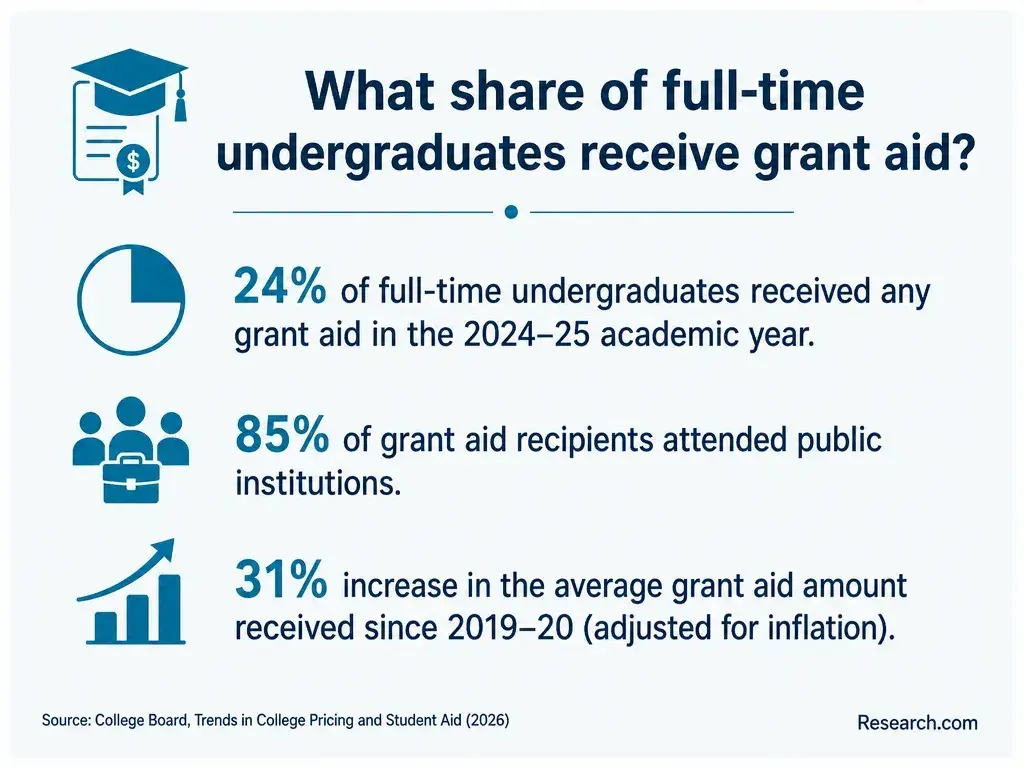
Build a budget from remaining tuition and mandatory fees, then add books, software, proctoring, and any travel. Account for wages lost if you reduce shifts and for the timing of any employer reimbursement. Compare grants, scholarships, loans, and employer assistance separately: borrowed money is not a discount. Resources on business administration tuition budgets using federal student aid can help frame the comparison, but confirm each school's current charges and your own aid eligibility with its financial-aid office.
The most useful learning turns familiar disruptions into decisions that can be explained and evaluated. Accounting can clarify the cost of a service recovery; operations coursework can help map handoffs between booking and support teams; statistics can help distinguish a recurring problem from an isolated incident. Management coursework may improve how you communicate a proposed change, but implementing it still requires employer authority.
Consider a course project that proposes a better escalation process for itinerary changes. Define a measure, such as resolution time, identify what information would be needed, and describe limitations before claiming any benefit. Obtain permission before using company records or customer details; a simulated or anonymized case may be safer. When comparing American fast-paced business bachelor's degrees, check that their course sequence leaves room for substantive applied work rather than assuming faster completion will produce stronger workplace evidence.
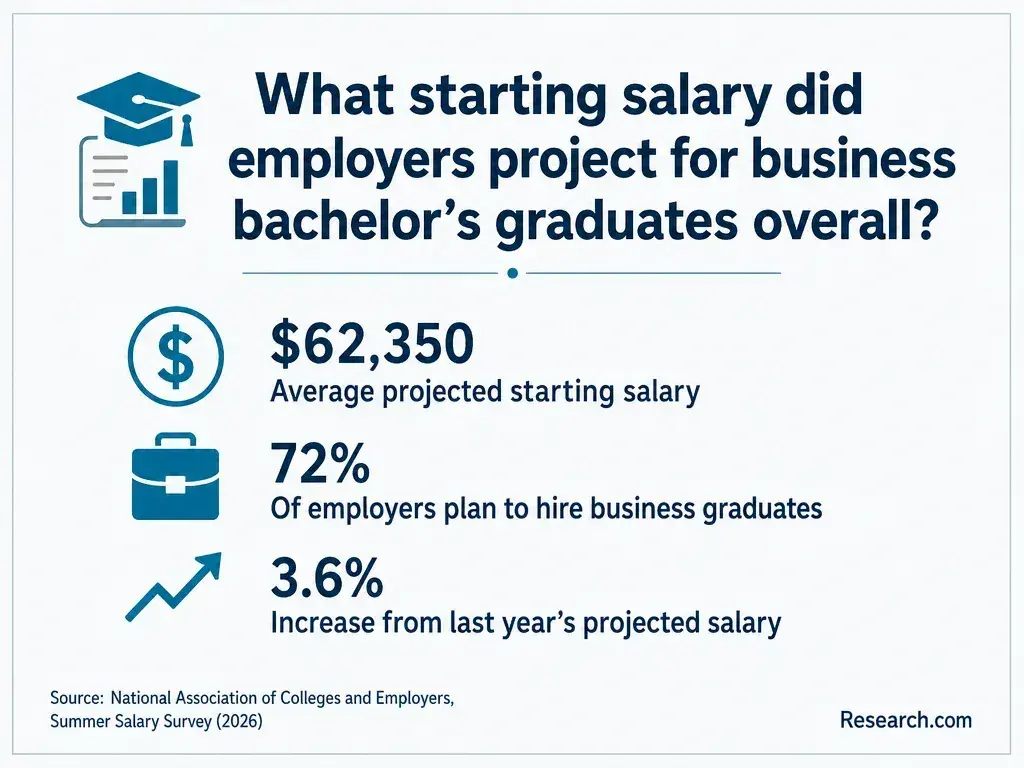
There is no single salary for travel operations staff with this degree. Pay depends on the occupation, location, employer, and responsibilities - not merely the diploma. The U.S. Bureau of Labor Statistics reports a May 2025 median annual wage of $61,160 for meeting and event planners, with employment projected to grow 6% from 2025 to 2035. This is an occupation-wide median, not an entry-level offer or a forecast for business administration graduates.
Use postings for your intended role and region to test whether the education investment is plausible. A project-focused employee comparing pathways should weigh expected job requirements against tuition and financing, including financial aid at low-cost project management schools. A higher occupational median cannot establish that taking on debt for either degree will pay off personally.
Do travel operations professionals need licenses or certifications?
Most general travel operations coordination roles do not require a single nationwide professional license. Requirements can change with the activity and jurisdiction, however: selling travel, handling certain regulated services, or performing specialized financial work may involve rules beyond a business degree. Check the applicable state rules and the specific job posting rather than assuming a BS grants permission to practice.
Employer training on booking systems and voluntary industry or project-management credentials may be more immediately relevant than another degree for a narrowly defined task. Check each credential provider's eligibility rules before enrolling. If the alternative is a separate project-management bachelor's program, compare its financing carefully; guidance on grants versus loans for project management bachelor's study is relevant to that choice, but a certificate or short training course has a different cost and purpose.
Other Things You Should Know About Business Administration
An MBA is graduate study and generally requires a bachelor's degree. If you do not already have one, focus first on whether the BS meets your target role's requirements. If you do, compare the MBA's cost and admissions criteria with the specific skills you still need.
Not automatically. Ask the college whether it offers credit for documented prior learning and what evidence and assessments it requires. Training may be valuable at work even if it earns no academic credit.
Yes, especially for adjacent coordination or customer-operations roles. Translate your work into evidence of scheduling, vendor communication, problem resolution, and cost awareness; expect to learn the new sector's rules and systems.
Label it as an academic project, state what you personally analyzed or produced, and distinguish recommendations from implemented results. Do not disclose employer or customer information without authorization.
- Cost of Attendance (Budget) | 2025-2026 Federal Student Aid Handbook https://fsapartners.ed.gov/knowledge-center/fsa-handbook/2025-2026/vol3/ch2-cost-attendance-budget
- Colorado Transfer https://cdhe.colorado.gov/students/attending-college/colorado-transfer
- Online group projects in higher education - PMC https://pmc.ncbi.nlm.nih.gov/articles/PMC10038701/
- Earn a CSUF BA in Business Administration Online | fullerton.edu https://extension.fullerton.edu/onlinedegrees/baba/
- Online B.S. in Business Administration for Transfer Students | sonoma.edu https://business.sonoma.edu/programs/undergraduate/bachelors-online-degree-completion-program
- Online Business Degree | AACSB Accredited - Online Programs | Adelphi University https://onlineprograms.adelphi.edu/programs/bs-bachelor-business/
- Online Bachelor's Degree in Business Administration | Purdue Global https://www.purdueglobal.edu/degree-programs/business/bachelor-business-administration/
- Navigating the Workload of an Online Degree Program | Kent State Online https://onlinedegrees.kent.edu/blog/avoid-overwhelm-workload
- Best Online Bachelor's in Business Programs | usnews.com https://www.usnews.com/education/online-education/bachelors/online-bachelors-business-rankings