2027 A Second BS in Business Administration After a Bachelor's in Music: Credits, Cost, and Alternatives
Audited and Verified:
Our Editorial and Data Verification Process
Research.com uses government datasets, official education statistics and primary institutional information to support its career and degree guides. Our review process checks factual accuracy, occupational definitions, source dates and the requirements associated with the credentials discussed.
How This Article Was Fact-Checked
Our editorial team verifies salary estimates, employment projections, education requirements and program information against original data providers and official organizations. Salary figures are checked against the relevant occupational definitions and reporting periods. Information about licensure, accreditation and required in-person training is reviewed separately.
Fact-checked and verified on:

Co-Founder and Chief Data Scientist
A music bachelor's degree may have given you experience in performance, teaching, production, or running your own work - but it may not supply the accounting, analytics, or operations knowledge required for your next role.
A second BS in Business Administration is one way to close those gaps, though previously earned credits do not automatically make it a short or inexpensive degree. This guide explains how schools evaluate your music coursework, what determines the remaining cost and timeline, and when a master's degree or targeted training may be a better investment.
Key Things You Should Know
- A completed music bachelor's degree may satisfy general education requirements, but business-core courses, prerequisites, and institutional residency rules can leave substantial coursework; request a written degree audit before estimating your finish date.
- Compare the cost of remaining required courses, not the number of credits a school accepts. A second bachelor's may have different grant eligibility from a first undergraduate degree.
- Choose the credential for a target role, not an assumed salary increase. For context, the U.S. median wage for human resources specialists was $75,940 in May 2025; that occupation-wide figure is not a starting salary for new business graduates.
What Is a Second Business Administration Bachelor's Degree After Music?
A second bachelor's is a separately awarded undergraduate degree earned after your music bachelor's, not a conversion of the first degree. A BS in Business Administration generally combines a business core with general education, electives, and sometimes a concentration. A BBA or specialized bachelor's may cover similar subjects but have different graduation requirements; the degree title alone does not reveal how much of your prior study will apply.
Your music background can be an asset if you have scheduled events, managed a teaching studio, negotiated contracts, tracked expenses, or promoted performances. Those activities provide examples for business coursework and job applications, but they do not ordinarily waive required courses without an approved credit or prior-learning policy. Start with the role you want: a broad operations transition may favor general business study, while a specific HR goal warrants comparing human resources college study options before committing to another general degree.
How Many Credits Transfer Toward a Second Business Administration Bachelor's Degree?
There is no dependable credit total based solely on having a music bachelor's degree. A school may accept much of your earlier coursework yet apply only some of it to the second degree. General education may already be complete, while accounting, economics, statistics, business law, and upper-level business courses remain. Some schools also impose minimum credits earned in residence or additional requirements specifically for second-degree students.
The distinction between accepted and applicable credit is what controls your timeline. An official evaluation should show each category separately:
| Prior learning | Possible application | What may still be required |
| Music degree general education | General education or second-degree waiver, subject to school policy | Any unmet quantitative or program-specific requirement |
| Music theory, history, and performance | Electives, if space remains in the degree plan | Business core and upper-level major courses |
| Relevant prior courses or approved experiential learning | A specific requirement only if the school awards an equivalency or approved substitution | Any prerequisite, concentration, or residency course not satisfied |
Send official transcripts and, if requested, course descriptions to the transfer office or registrar. Ask a business adviser for a catalog-year degree audit showing accepted credits, credits applied to each requirement, course sequencing, and the minimum remaining enrollment. If you might choose a specialized HR degree instead, evaluate transfer-friendly online HR colleges using the same transcripts; their treatment of music electives and business prerequisites may differ.
How Much Does a Second Business Administration Bachelor's Degree Cost?
The useful price is the cost to finish your approved degree plan, not the advertised tuition for a full bachelor's or a school's maximum transfer allowance. Because no program or completed credit evaluation is specified, a reliable personal total cannot be quoted. Compare schools using the same anticipated course load and include these charges and constraints:
| Cost component | Why it matters for a second degree |
| Remaining tuition and mandatory fees | Required business courses may cost more than electives, and charges may be per credit or per term. |
| Books, software, exams, and travel | Online study can still involve technology, proctoring, or campus-related expenses. |
| Time and work trade-offs | Prerequisite sequences or limited course availability may extend enrollment or reduce working hours. |
| Financial aid and employer assistance | Eligibility, reimbursement timing, grade rules, and borrowing limits affect cash flow as well as total cost. |
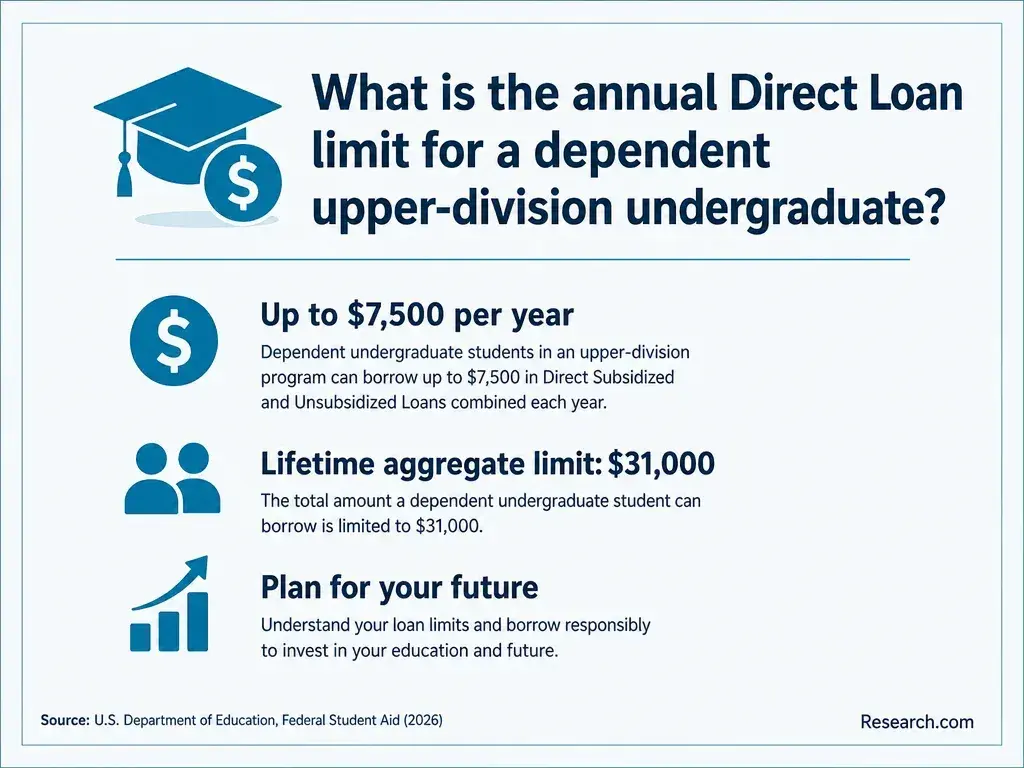
Federal Pell Grants generally are not available to someone who has already earned a bachelor's degree, though exceptions and other aid rules should be checked with the financial-aid office. Existing student loans can also affect further borrowing. Obtain an itemized completion estimate and an individualized aid review before comparing cheaper business administration college programs; a lower advertised tuition rate may not be the lower-cost route if fewer music credits apply.
A second BS is often the stronger fit when you need systematic undergraduate preparation in several business functions and a school can apply enough prior credit to make completion practical. An MBA or other business master's may be more suitable if you already have substantial work experience, meet its admission requirements, and need graduate-level study rather than introductory accounting and economics. Some graduate programs admit non-business majors but require foundational preparation; others differ in work-experience expectations.
Neither route is automatically faster or cheaper. Graduate tuition, aid, course intensity, recruiting access, and prerequisite requirements may change the comparison. For a narrower goal - such as learning bookkeeping for a music studio or marketing your services - targeted courses plus documented work may be more direct than either degree. Compare each option against a specific job posting or business responsibility, then evaluate price, duration, and outcomes of business administration degrees rather than assuming another credential will produce a pay increase.
Business administration curricula commonly include financial and managerial accounting, economics, finance, marketing, management, operations, business law, quantitative methods, and a strategy or capstone course. Requirements and prerequisite order vary. A music graduate who has run lessons or performances may recognize budgeting and promotion concepts but still need formal preparation in financial statements, statistics, and spreadsheet-based analysis.
Look beyond the course titles to the assignments. A budgeting exercise, market analysis, or operations project can help you demonstrate skills, provided you have permission to use any workplace information. If the goal is specifically coordinating projects rather than gaining a broad business foundation, compare the curriculum and total cost of online project management degrees with lower tuition. A general business course or concentration does not itself confer a professional project-management credential.
Yes, some institutions offer an online second-degree path, but eligibility to enroll online does not mean every required business course is available when you need it. Ask whether classes have live meetings, scheduled exams, group presentations, internships, or campus visits. This matters if your music work includes evening performances, travel, or variable teaching hours.
Review an actual term schedule and the sequence of remaining courses, not just the program's description as "flexible." Quick-completion business degree pathways may reduce calendar time through shorter terms or year-round study, but they do not necessarily reduce required work, tuition, or scheduling conflicts.
Expect to provide an application and official transcripts from every college attended. A school may have separate rules for admission to the university, entry into the business major, and enrollment in upper-level courses. Prior college GPA, mathematics preparation, and prerequisites may matter; a music major is not inherently disqualifying.
Before paying an application fee, ask admissions whether the program accepts second-bachelor's applicants and whether your first degree changes general education requirements. Ask the business department which prerequisites must be completed before major courses, and request the transfer evaluation in writing. If you are comparing several schools, a guide to online colleges without application fees may help limit application costs, but it cannot replace a school-specific eligibility and credit review.
First verify that the institution holds recognized institutional accreditation and that the exact online or campus program can award a second bachelor's to someone with your credentials. Then check whether any advertised AACSB, ACBSP, or IACBE accreditation covers the relevant business school or program; business accreditation and institutional accreditation have different scopes. Neither establishes how your music credits will apply or guarantees employment outcomes.
For each contender, compare its official degree audit, required course schedule, total completion estimate, academic advising, and career support. Use US online business education program comparisons to identify possibilities, then confirm accreditation scope, policies, and costs directly with each institution for your intended enrollment term.
Your best entry route depends on the work you have already done. Someone who organized tours or performances might pursue event operations or project coordination; a studio owner who managed clients and promotions might seek a marketing coordinator or sales-support role. HR assistant, administrative specialist, and operations coordinator positions may also be relevant, depending on employer requirements and demonstrated skills.
Translate music experience into evidence employers can assess: schedules managed, budgets prepared, customer issues resolved, or campaigns planned. Pair those examples with business coursework, relevant software skills, and supervised projects or internships where needed. Management, financial analysis, and specialist roles may require additional functional knowledge or experience; a second degree alone does not confer managerial responsibility. If project coordination is your target, check project management bachelor's residency and transfer requirements before assuming that a specialized degree would be quicker to complete.
What Salaries and Job Outlook Can Business Graduates Expect?
There is no single salary for a BS in Business Administration graduate. The U.S. Bureau of Labor Statistics reports wages and employment projections by occupation, not by possession of this degree. These two occupations illustrate possible directions, but their medians include workers at different experience levels.
| Occupation | U.S. median annual wage, May 2025 | Projected U.S. employment growth, 2025-2035 |
| Human resources specialist | $75,940 | 6% |
| Market research analyst | $78,760 | 7% |
Both projected growth rates exceed the approximately 3.5% national average, but neither predicts your chances of being hired or your starting pay. An HR applicant may need relevant personnel experience; a market research applicant may need stronger analytical evidence than a general business core provides. When considering accelerated online bachelor's programs, weigh the cost and time required against realistic openings in your location and the experience you can bring from music - not an occupation-wide median alone.
Other Things You Should Know About Business Administration
No. Your music bachelor's remains a separately earned credential. You can list both degrees on a résumé and emphasize whichever is most relevant to the position.
Yes, if you describe actual responsibilities accurately. Managing bookings, client communications, budgets, or promotions can be relevant evidence; do not claim a management title or results you cannot substantiate.
Not by itself. CPA eligibility depends on state-specific education, examination, and experience rules. Check the applicable state board's accounting-course requirements before choosing a general business program.
Not automatically. Eligible enrollment may allow an in-school deferment for qualifying loans, but loan type and enrollment status matter, and interest may continue to accrue. Confirm your status with your loan servicer and financial-aid office.
- Chapter 3 - Courses and Enrollment, Full Course of Study, and Reduced Course Load | USCIS https://www.uscis.gov/policy-manual/volume-2-part-f-chapter-3
- Eligibility Requirements | Federal Student Aid https://studentaid.gov/understand-aid/eligibility/requirements
- Student Eligibility for Pell Grants | ed.gov https://fsapartners.ed.gov/knowledge-center/fsa-handbook/2024-2025/vol7/ch1-student-eligibility-pell-grants
- Degree Program: Business Administration - Academic Catalog https://catalog.ecsu.edu/preview_program.php
- Transfer Credit | University of Maryland Catalog https://academiccatalog.umd.edu/undergraduate/registration-academic-requirements-regulations/transfer-credit/
- Undergraduate | University of Texas at Arlington University Catalog https://catalog.uta.edu/academicregulations/degreerequirements/undergraduate/
- How Do Transfer Credits Work When You Go Back to School? | Whitworth Online https://online.whitworth.edu/news-articles/how-do-transfer-credits-work-when-you-go-back-to-school/
- Undergraduate Transfer Policies - Berklee Online https://online.berklee.edu/about/undergraduate-transfer-policies
- Carlos Alvarez College of Business | The University of Texas at San Antonio Undergraduate Catalog Academic Catalog https://catalog.utsa.edu/undergraduate/business/
- Career Paths to Consider With a Music Degree | Gordon College https://www.gordon.edu/stories/music-degree-career-paths