2027 What to Do If You Fail Out of College

Co-Founder and Chief Data Scientist
Failing out of college can feel final, but it is usually a decision point-not the end of your education or career. NCES data published in 2024 shows that the 6-year bachelor's graduation rate for first-time, full-time students was about 64%, which means many students face delays, stops, or restarts.
This guide is for students dismissed for grades, parents helping them plan, and adults deciding whether to return. You will learn how dismissal works, how to appeal or transfer, how financial aid is affected, and how to choose the next path wisely.
Key Things You Should Know
- Academic dismissal usually follows academic probation and is based on school rules such as GPA, completed credits, and satisfactory academic progress, but the exact thresholds and appeal deadlines vary by institution.
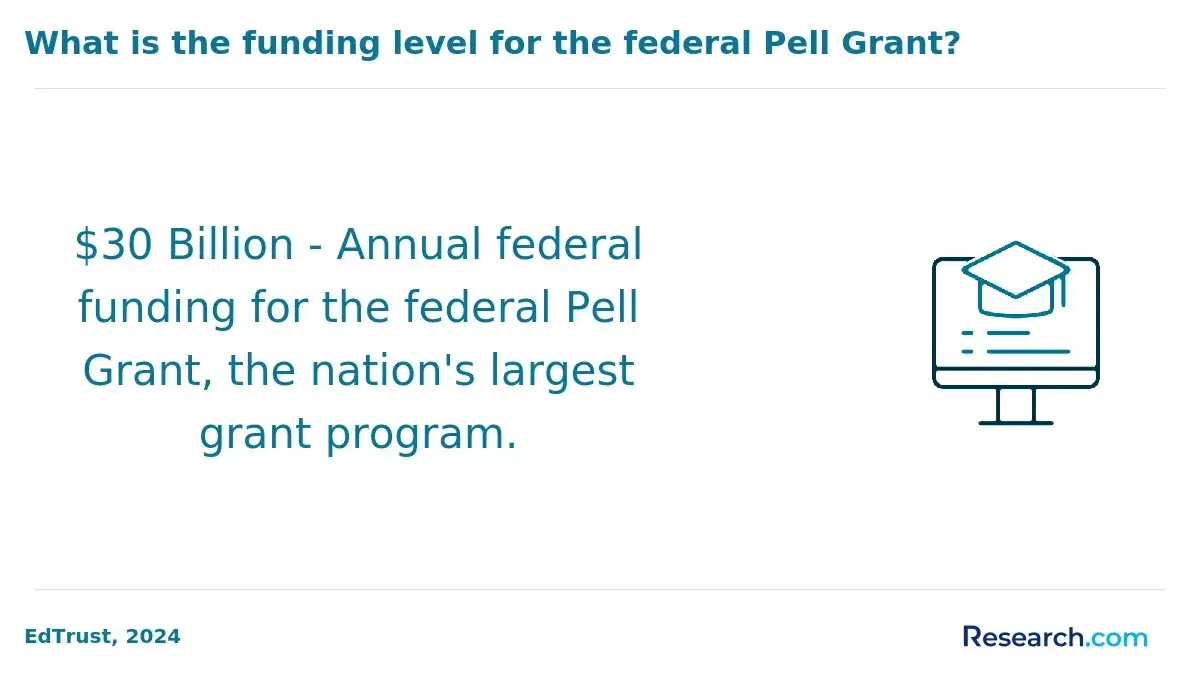
- Federal aid can be restored after dismissal if you meet your school's satisfactory academic progress requirements or win an aid appeal; the 2025-2026 maximum Pell Grant is $7,395, so protecting eligibility can materially affect your options.
- Returning to a four-year college is only one path: community college, technical training, apprenticeships, certificates, military service, and direct-to-work routes can all be practical depending on your transcript, finances, career goal, and support needs.
What actually happens when you fail out of college, and how is academic dismissal decided?
Academic dismissal means your college has decided you are not currently meeting its minimum academic standards to continue enrollment. It is different from failing one class: dismissal usually happens after a pattern of low grades, too many withdrawals, repeated probation, or failure to complete enough credits.
Most colleges use a sequence: warning, academic probation, continued probation or suspension, and then dismissal. The language varies, but the core question is whether your record shows enough progress toward a degree. Many schools review both institutional academic standing and federal satisfactory academic progress, often called SAP.
The table below summarizes common academic standing terms so you can understand the letters or portal notices you may receive. Your school's catalog is the controlling document, so treat this as a translation guide rather than a substitute for official policy.
| Term | What it usually means | Why it matters |
| Academic warning | Your grades or completed credits have fallen below expectations, but you may remain enrolled. | This is the best time to change course before consequences become more serious. |
| Academic probation | You are allowed to continue only if you meet specific academic conditions during the next term. | Probation can affect course load, registration, advising requirements, and financial aid review. |
| Academic suspension | You must sit out for a required period before applying to return. | A suspension may give you time to address the cause of poor performance, but it delays degree progress. |
| Academic dismissal | The school has removed you from degree-seeking status because you did not meet academic standards. | You may need to appeal, reapply later, transfer, or choose a different education path. |
| Satisfactory academic progress | A financial aid standard based on GPA, credit completion rate, and maximum timeframe. | Failing SAP can stop federal aid even if the school allows you to enroll. |
Dismissal decisions are commonly based on several measures taken together. A student with a low GPA, repeated failed courses, and multiple withdrawals is usually at higher risk than a student who had one bad term but completed most classes.
Before you react emotionally, collect the facts behind the decision. These are the documents and details that usually determine your next move:
- Your unofficial transcript, including grades, withdrawals, repeats, and incomplete courses.
- The dismissal notice, including the effective date and any appeal deadline.
- Your school's academic standing policy from the catalog or student handbook.
- Your financial aid SAP notice, if one was issued separately.
- Any documentation that explains what happened, such as medical records, counseling records, deployment orders, family emergency documentation, or disability accommodation history.
A common mistake is assuming that "dismissed" and "banned forever" mean the same thing. In many cases, dismissal means you cannot continue right now under your current status, but you may be eligible for appeal, readmission after time away, or admission elsewhere.
Can you go back to college after failing out, and what does readmission involve?
Yes, you can often go back to college after failing out, but readmission is not automatic. You usually need to show that the problem that caused the dismissal has changed and that you have a realistic plan to succeed if admitted again.
Readmission requirements vary widely. Some schools require students to sit out one or two terms, complete courses elsewhere, meet with an advisor, submit a personal statement, or document changed circumstances. Others allow an immediate appeal if the dismissal was tied to a serious event outside your control.
The table below compares common return routes. Use it to match your situation with the option that gives you the best evidence of readiness.
| Return route | Best fit | Main trade-off |
| Immediate appeal | You had a documented disruption, such as illness, emergency, housing instability, or a disability-related issue. | You must act quickly and provide strong documentation by the deadline. |
| Readmission after time away | You need time to work, recover, stabilize finances, or address personal barriers. | You may delay graduation and may need to rebuild study habits before returning full time. |
| Community college coursework | You need lower-cost credits and a chance to prove academic recovery. | Transferability is not guaranteed unless you confirm course equivalencies first. |
| Transfer to a different four-year school | Your original school is a poor fit, but you still want a bachelor's degree. | Admissions may be limited if your GPA is very low or if many credits do not transfer. |
| New program or credential | Your original major no longer fits your goals, strengths, or life situation. | You may lose some credits, but the new path may be more practical. |
If your goal is readmission to the same institution, prepare a focused plan rather than a long apology. Admissions or academic review committees usually want evidence, not promises.
A strong readmission packet typically includes these steps:
- Identify the exact policy that led to dismissal, including GPA, completion rate, and credit limits.
- Explain the cause of the academic problem clearly and honestly without blaming instructors or the institution.
- Show what has changed, such as treatment, stable housing, reduced work hours, new childcare, tutoring, or disability accommodations.
- Present a realistic course plan with a manageable credit load and repeated courses if allowed.
- Ask an advisor which grades can be replaced, forgiven, or excluded under the school's repeat or academic renewal policy.
The biggest readmission mistake is returning too soon with the same schedule, same major, same work hours, and same support gaps. A successful return usually requires a redesigned semester, not just renewed motivation.
How do you decide whether to appeal your dismissal, transfer, or start at a new school?
Your best next move depends on why you failed out, how close you were to good standing, whether you can document the cause, and whether your original program still fits your career goal. Appealing makes sense when the dismissal was unusual and fixable; transferring or starting over may make more sense when the institution, major, cost, or schedule was the problem.
Start by separating three decisions: whether you want to continue studying now, whether the same college is the right place, and whether the same major is still worth pursuing. Many students make a weaker choice because they answer all three at once while under stress.
The table below can help you compare your options. It is not a formula, but it clarifies which path tends to fit which circumstances.
| Option | Choose it when | Avoid it when |
| Appeal the dismissal | You have documentation, missed the standard due to a temporary hardship, and can show a concrete recovery plan. | You cannot explain what will change or you are appealing only because you are afraid to tell others. |
| Transfer | Your original school is too expensive, too far away, too rigid, or a poor academic fit. | Your GPA is so low that admission is unlikely without rebuilding credits first. |
| Start at community college | You need affordability, smaller classes, flexible scheduling, or a transcript reset through strong new grades. | You have not checked whether credits will transfer into your intended bachelor's program. |
| Take a structured break | You need to address health, finances, caregiving, housing, or work instability before studying again. | You have no plan for how the break will improve your readiness. |
| Switch to career training | You want a faster route into a specific occupation that does not require a bachelor's degree. | You are choosing it only because you feel embarrassed, not because it fits your goals. |
If you are unsure, use a short decision process before contacting schools. This keeps you from accepting the first option that sounds reassuring.
- Calculate how many credits you completed with grades of C or better and how many credits you still need.
- Estimate total cost to finish at your current school, a transfer school, and a community college pathway.
- Ask whether your intended career requires a degree, a license, a portfolio, certification, apprenticeship, or experience.
- List the top three causes of your dismissal and write one specific fix for each.
- Speak with academic advising, financial aid, and a career counselor before committing to any route.
A major red flag is any school that pressures you to enroll before reviewing your transcript, transfer credits, aid status, and career goal. A legitimate institution should be willing to explain what will transfer, what will not, and what it will cost before you commit.
What role can community colleges and trade or technical programs play after failing out?
Community colleges and trade or technical programs can be strong reset options after failing out because they often cost less, offer smaller class environments, and connect directly to local job markets. College Board's 2024 pricing data lists average published tuition and fees at public two-year colleges at about $4,050 for the academic year, far below the typical published price at four-year institutions.
Community college is especially useful if you still want a bachelor's degree but need to rebuild your GPA, complete general education courses, or prove you can handle college-level work again. The key is to treat it as a planned pathway, not a holding pattern.
Trade and technical programs make sense when you want training tied to a specific occupation, such as welding, HVAC, automotive technology, medical assisting, dental assisting, electrical work, logistics, coding support, or advanced manufacturing. If you prefer a shorter credential, compare options carefully; some short certificate programs that pay well online may be useful, but the best choice depends on accreditation, employer recognition, hands-on requirements, and local hiring demand.
The table below summarizes how these options differ for a student recovering from dismissal. Focus on fit, transferability, and cost rather than assuming one path is automatically superior.
| Path | Typical purpose | Good fit for | Main risk to check |
| Community college transfer pathway | Complete lower-division credits before moving to a bachelor's program. | Students who still want a four-year degree but need a lower-cost restart. | Credits may not transfer unless courses match the receiving school's requirements. |
| Associate degree for employment | Prepare for roles in fields such as health technology, IT support, business, or public safety. | Students who want a credential with labor market value before deciding on a bachelor's. | Some jobs require licensure exams, clinical placements, or background checks. |
| Trade or technical diploma | Build hands-on skills for a specific skilled occupation. | Students who learn best through applied training and want faster workforce entry. | Program quality and employer recognition vary, especially among high-cost private schools. |
| Apprenticeship | Combine paid work with structured training. | Students who want to earn while learning and can commit to a trade pathway. | Openings can be competitive and may require physical, schedule, or travel flexibility. |
Before enrolling, ask practical questions that protect your time and money. These questions are especially important if you plan to return later to a four-year degree.
- Is the institution regionally or institutionally accredited by an agency recognized by the U.S. Department of Education?
- Does the program lead to transfer credit, industry certification, licensure eligibility, employment preparation, or all of these?
- Which four-year colleges have written transfer agreements for this exact program?
- What is the total cost, including tools, uniforms, testing fees, transportation, and repeated courses?
- What student support is available for tutoring, advising, disability accommodations, and career placement?
A common mistake is enrolling in a "quick" program without verifying whether employers in your area respect the credential. Shorter is useful only when the credential is credible and connected to actual opportunities.
How does failing out affect financial aid, loans, and your ability to get aid again?
Failing out can affect financial aid in two ways: you may lose enrollment at your school, and you may also fail satisfactory academic progress for aid eligibility. SAP rules generally evaluate your GPA, the share of attempted credits you completed, and whether you can finish your program within the maximum allowed timeframe.
Federal aid is not automatically gone forever. If your school allows an SAP appeal and you can document unusual circumstances, you may be placed on financial aid probation or an academic plan. If the appeal is denied, you may need to pay for classes on your own until you meet SAP again.
The table below explains the main aid issues students face after dismissal. Use it to identify which office to contact and what question to ask first.
| Aid issue | What may happen | What to ask |
| Pell Grant | You may lose eligibility at the school if you fail SAP, even if you still have lifetime eligibility remaining. | Can I appeal SAP, and what documentation is required? |
| Federal student loans | You may be unable to borrow more until SAP is restored, and prior loans still remain your responsibility. | What is my loan servicer, grace period, and repayment status? |
| Institutional scholarships | Merit scholarships often have GPA requirements that are separate from federal aid rules. | Can the scholarship be reinstated if my GPA improves? |
| State grants | Eligibility may depend on GPA, enrollment status, residency, and program type. | Does state aid follow the same SAP decision or a separate rule? |
| Private loans | Terms vary by lender and may not offer the same protections as federal loans. | What repayment, deferment, or cosigner obligations apply if I am not enrolled? |
The 2025-2026 maximum Pell Grant is $7,395, but the amount a student receives depends on financial need, enrollment intensity, and program eligibility. That means regaining aid eligibility can be a major factor in whether returning right away is affordable.
If you have loans, do not ignore them while deciding what to do next. Take these steps before your enrollment status changes create a repayment surprise:
- Log in to your federal student aid account and confirm your loan servicer, balances, and grace period.
- Contact the financial aid office to ask whether you failed SAP and whether an appeal is available.
- Ask for the exact GPA and completed-credit targets needed to regain aid eligibility.
- Review repayment options if you will be out of school for more than a short break.
- Avoid borrowing private loans to restart unless you fully understand repayment terms and have compared lower-cost options.
A frequent mistake is appealing academic dismissal but forgetting to appeal financial aid suspension. These can be separate processes with separate deadlines, so confirm both in writing.
What education and career pathways are available if you do not return to a four-year college?
If you do not return to a four-year college right away, you still have several education and career pathways. The strongest alternative is one that leads to a specific next step: employment, licensure, transfer, apprenticeship, military training, entrepreneurship, or a later degree.
Labor market data can help you avoid choosing a path based only on emotion. The U.S. Bureau of Labor Statistics reported a May 2024 median annual wage of $49,500 for all occupations, but wages vary widely by field, region, experience, union status, and credential requirements. Use salary data as a comparison tool, not a promise.
The table below compares common paths after academic dismissal. It focuses on what each path can realistically do for someone who needs a restart.
| Path | What it can lead to | Who should consider it | Key limitation |
| Work full time and return later | Income, stability, and time to reassess goals. | Students whose main barriers are financial stress, burnout, or unstable living conditions. | Returning can be harder if you do not set a timeline and keep records of credits. |
| Industry certification | Entry or advancement in areas such as IT, project coordination, bookkeeping, healthcare support, or skilled trades. | Students who want a targeted credential without committing to a full degree immediately. | Some certifications require experience, exams, renewals, or employer preference to have value. |
| Apprenticeship | Paid training in trades or technical occupations. | Students who prefer hands-on learning and structured progression. | Availability varies by region and trade. |
| Military service | Training, benefits, income, and possible later education support. | Students who meet eligibility requirements and want a structured environment. | Service commitments, health requirements, and personal fit must be considered carefully. |
| Entrepreneurship or freelance work | Portfolio, clients, and experience in fields such as design, repair, writing, media, or local services. | Students with marketable skills and strong self-management. | Income can be unpredictable and may require business skills beyond the technical work. |
Online credentials can be useful when they are connected to recognized skills and realistic job targets. If you are asking what certifications can I get online, compare programs by employer recognition, hands-on practice, exam requirements, and whether the credential supports a job you would actually accept.
To choose among non-four-year routes, evaluate the pathway like an investment. These criteria can help you avoid a credential that looks good online but does not move you forward:
- Clear occupational target: the program should prepare you for identifiable roles, not vague "career opportunities."
- Recognized credential: employers, licensing boards, or industry groups should understand the credential.
- Total cost and time: include exam fees, supplies, transportation, unpaid clinical hours, and lost wages.
- Stackability: the credential should ideally count toward a higher credential later if you change plans.
- Support: look for tutoring, career services, placement help, advising, and accommodations if needed.
A common red flag is a program that advertises high income but does not publish clear completion requirements, accreditation status, licensure eligibility, or job placement methodology. Ask for details before enrolling.
How do online programs compare with campus programs for students returning after dismissal?
Online programs can be a good fit for students returning after dismissal if the original problem involved commuting, scheduling, work conflicts, caregiving, or campus environment. Campus programs may be better if you need structure, face-to-face accountability, labs, clinical experiences, or frequent in-person support.
The growth of online learning has made restarting more flexible, but flexibility can cut both ways. Students who struggled with time management may find asynchronous courses convenient but difficult without a weekly routine and external accountability.
The table below compares online and campus formats from the perspective of a student rebuilding after academic dismissal. The right choice is the one that reduces your past barriers rather than repeating them in a new format.
| Factor | Online program | Campus program |
| Schedule | Often better for work, caregiving, or transportation challenges. | Better for students who need fixed class times and a physical routine. |
| Support | Can be strong if advising, tutoring, and faculty access are proactive and easy to use. | May provide easier access to in-person tutoring, labs, counseling, and peer study groups. |
| Accountability | Requires strong self-management, calendar use, and regular login habits. | Provides more built-in reminders through attendance and class meetings. |
| Hands-on requirements | May still require local labs, clinicals, internships, student teaching, or proctored exams. | Often simpler for programs with labs, studios, clinical practice, or equipment-based training. |
| Transfer and credibility | Depends on accreditation, institution reputation, and program quality, not simply the delivery format. | Also depends on accreditation, outcomes, cost, and fit. |
Institution type can affect mission, governance, tuition strategy, and student support, but it does not determine quality by itself. If you are comparing online schools after dismissal, reviewing a nonprofit university can be a useful starting point, but you should still verify accreditation, program outcomes, transfer policy, and total cost.
Before choosing an online comeback, test whether the format matches your real habits. These questions are more useful than asking whether online college is "easy."
- Can I set aside fixed study blocks each week without depending on last-minute motivation?
- Does the program offer live advising, tutoring, writing support, and mental health resources?
- Will exams, labs, internships, clinicals, or licensure requirements require in-person attendance?
- How quickly do instructors typically respond, and are office hours available outside standard work hours?
- Does the school have a formal plan for students returning from probation or dismissal?
A mistake to avoid is choosing online classes because you feel embarrassed to return to campus. Choose online if it solves the problem that hurt your performance, not because it hides the problem from other people.
How can you rebuild your academic record and demonstrate you are ready to succeed again?
Rebuilding your academic record means creating recent evidence that you can complete courses successfully. Colleges usually care about the full transcript, but strong recent grades, repeated course improvement, documented support, and a realistic course load can change how your application or appeal is viewed.
Your recovery plan should be measurable. "I will try harder" is not persuasive; "I will take 6 to 9 credits, repeat two failed required courses, meet with tutoring weekly, and use accommodations approved before classes start" is much stronger.
The table below shows the kinds of evidence that can demonstrate readiness. Use it to decide what proof you need before asking a college to take another chance on you.
| Evidence of readiness | Why it helps | What to verify |
| Recent grades of B or better | Shows current academic habits are stronger than past performance. | Whether courses are transferable and count toward your intended program. |
| Completed credits without withdrawals | Shows persistence and follow-through. | Whether your completion rate improves SAP. |
| Repeated failed courses | Can raise GPA if your school replaces or averages repeated grades. | The school's exact repeat policy. |
| Advisor-approved course plan | Shows you are not overloading or taking the wrong sequence. | Prerequisites, degree requirements, and aid eligibility. |
| Documented support plan | Shows barriers have been addressed with specific resources. | Tutoring, counseling, disability services, work schedule, and childcare arrangements. |
Use a staged return if your previous academic problems were severe. The goal is to build momentum while limiting the risk of another failed term.
- Start with fewer credits than you think you can handle, especially if you are working more than part time.
- Repeat key failed courses first if they block degree progress or can improve your GPA under school policy.
- Schedule tutoring before the first exam, not after you fail one.
- Meet with disability services before the term begins if accommodations may apply.
- Track every deadline in one calendar, including add-drop, withdrawal, payment, appeal, and advising dates.
Be cautious about jumping from academic dismissal into an advanced accelerated credential because it sounds like a shortcut. If you later finish a bachelor's degree and consider options such as 1-year PhD programs online no dissertation USA, verify accreditation, admissions standards, dissertation or capstone requirements, and whether the credential fits your professional field.
The most common rebuilding mistake is taking too many credits to "catch up." A smaller successful term is usually more persuasive than a large schedule that repeats the same pattern.
What mental health, disability, and support resources can help you recover and plan next steps?
Many students fail out because of more than study habits. Depression, anxiety, ADHD, trauma, grief, substance use, chronic illness, housing insecurity, food insecurity, caregiving responsibilities, and financial pressure can all affect academic performance. Addressing those issues is not an excuse; it is part of a credible recovery plan.
If disability or health issues contributed to your academic problems, contact disability services before returning. Accommodations are generally not retroactive in the way students hope, so waiting until after grades collapse can limit your options.
The table below lists support resources that can help you stabilize before you appeal, transfer, or return. Availability varies by school and community, so ask directly and document what you use.
| Resource | How it can help | When to use it |
| Academic advising | Clarifies degree requirements, repeat policies, course load, and readmission steps. | Before you appeal, register, transfer, or change majors. |
| Tutoring or writing center | Provides help with specific courses, study strategies, writing, and exam preparation. | At the start of the term, not only after low grades. |
| Disability services | Coordinates accommodations for eligible students with documented disabilities. | Before classes begin or as soon as a condition affects learning. |
| Counseling services | Supports mental health, stress management, crisis planning, and referrals. | When symptoms interfere with attendance, focus, sleep, motivation, or safety. |
| Basic needs office | May connect students with food, housing, transportation, emergency aid, or community resources. | When life instability is affecting class attendance or completion. |
| Career services | Helps connect academic choices to employment goals, internships, resumes, and interviews. | When you are deciding whether to return, switch majors, or pursue work first. |
If you are in crisis or feel unsafe, seek immediate help through local emergency services, a crisis hotline, campus crisis response, or a trusted medical provider. Academic planning matters, but safety and stabilization come first.
When you are ready to plan, use support resources in a coordinated way. The following steps can turn scattered help into a real recovery system:
- Write down the main barriers that affected your grades, including academic, health, financial, and personal factors.
- Match each barrier to a support resource, such as tutoring for course difficulty or counseling for anxiety.
- Ask each office what documentation they can provide for an appeal or readmission plan.
- Schedule recurring check-ins during the first half of the term, when intervention is most useful.
- Tell one trusted person your academic plan so someone notices if you start disappearing from classes again.
A common mistake is treating support as something you use only after you are already failing. Students returning from dismissal should build support into the semester from day one.
How should you reassess your career goals, earning potential, and long-term plan after failing out?
Failing out is also a chance to ask whether your old goal still makes sense. The right question is not only "How do I get back into college?" It is "Which education path gives me a realistic route to the work, income, lifestyle, and stability I want?"
Start with the career, then work backward to the credential. Some careers require a bachelor's degree or graduate degree; others reward skills, certifications, portfolios, licenses, apprenticeships, or experience. Choosing the credential first can lead to debt and credits that do not support your actual goal.
The table below shows how to evaluate the return on education after dismissal. It is designed to help you compare options without assuming that the most prestigious or fastest path is automatically best.
| Question | Why it matters | What to look for |
| What job am I targeting? | A vague goal makes it hard to choose the right major or credential. | Job postings, required skills, required education, and preferred experience. |
| What credential is actually required? | Some careers require degrees, while others prioritize licenses, certifications, or portfolios. | Employer requirements and state licensing rules where you plan to work. |
| How much will it cost to finish? | Dismissal can add time, repeated courses, and additional debt. | Net price, remaining credits, aid eligibility, loan limits, and living costs. |
| How long will it take? | A lower-cost option may not be better if it adds years without a clear payoff. | Transfer credits, course availability, part-time timelines, and prerequisites. |
| What support will keep me enrolled? | The best plan is one you can actually complete. | Advising, tutoring, flexible scheduling, counseling, accommodations, and emergency aid. |
If you later pursue graduate school, be especially careful about cost and purpose. Comparing a cheapest masters program can make sense only after you confirm that the degree is required or strongly valued for your target role, and that the institution and program are properly accredited.
Use a practical career reset process before reenrolling. This sequence helps you connect academic recovery with real-world outcomes:
- Choose two or three target jobs and collect real postings from employers in your region or desired remote market.
- List the required education, preferred credentials, software skills, experience, and licenses from those postings.
- Compare three routes to reach the target: return to the same college, transfer, and pursue a shorter credential or work-first path.
- Estimate total cost and time for each route, including living expenses and lost income if you reduce work hours.
- Pick the route that gives you the strongest combination of completion likelihood, affordability, support, and career relevance.
The main red flag is choosing a path to repair pride rather than improve your future. A smart comeback may involve returning to the same university, but it may also involve a community college, a different major, a certificate, paid training, or work experience first.
Other Things You Should Know About
Yes, but admission depends on the new school's transfer policy, your GPA, completed credits, and how long ago the dismissal happened. Some students need to complete strong community college coursework first to show recent academic improvement.
Your grades, withdrawals, and academic standing may remain part of your academic record. However, some schools offer academic renewal, grade replacement, or readmission policies that can reduce the impact on GPA calculations.
Appeal if you have a clear explanation, documentation, and a realistic plan for what will change. If the same barriers still exist, taking time to stabilize or rebuilding at another institution may be stronger than a rushed appeal.
Possibly. You may need to win a satisfactory academic progress appeal or complete courses without aid until you meet GPA and completion standards again. Ask the financial aid office for the exact requirements and deadlines.
References
- Recovery and mental health https://www.healthdirect.gov.au/mental-health-recovery
- How to Deal with Academic Dismissal | CollegiateParent https://collegiateparent.com/academics/dealing-with-academic-dismissal/
- Mental Health Support Services for Wellbeing and Disability https://abilitytoachieve.com.au/how-mental-health-support-services-promote-wellbeing/
- Readmission to College After Time Away https://www.collegeparentcentral.com/2017/05/readmission-to-college-after-time-away/
- Practical Support for People with Disabilities Facing Mental Health Issues https://bloom-healthcare.com.au/blog/how-to-support-people-with-disabilities-who-are-experiencing-mental-health-challenges/
- Inside Higher Ed: Hitting Re-Start for Stopped-out Students - ReUp Education https://reupeducation.com/press/inside-higher-ed-hitting-re-start-for-stopped-out-students/
- Treatment | Intellectual Disability Mental Health Connect https://idmhconnect.health/i-am-family-or-support-person/supporting-persons-mental-health/supporting-someone-along-pathway/treatment
- Mental Health Recovery: Essential Steps to Reclaim Your Life through Healing & Recovery Programs - Reconnectss https://reconnectss.com.au/mental-health-recovery-essential-steps-to-reclaim-your-life-through-healing-recovery-programs/
- What is Trade School vs College vs Community College? | UTI https://www.uti.edu/blog/education/trade-school-vs-college-vs-community-college
- What is Needed To Be Readmitted to a University? http://www.collegecounselorservices.com/faq/what-is-needed-to-be-readmitted-to-a-university/