2027 Largest Universities in Texas: Complete Student Guide

Co-Founder and Chief Data Scientist
Choosing among the largest universities in Texas means comparing more than school spirit and campus size. Texas A& M reported more than 79,000 students in recent institutional enrollment reporting, showing how large public universities can offer major breadth, research activity, alumni networks, and complex choices.
This guide is for high school students, transfers, working adults, and families weighing cost, location, admissions, online options, and career outcomes. You will learn how the biggest Texas universities compare so you can build a smarter shortlist.
Key Things You Should Know
- Texas A&M University is commonly the largest single university in Texas by enrollment, with recent reporting above 79,000 students; other very large public universities include the University of Houston, UT Austin, UNT, UT Arlington, Texas Tech, Texas State, and UTSA.
- Most large Texas public universities charge in-state undergraduates roughly in the low-to-mid five figures per year for tuition and required fees, but total cost can rise sharply once housing, transportation, books, and program fees are included.
- All major public universities listed in this guide hold institutional accreditation through SACSCOC, but students should still verify programmatic accreditation for fields such as nursing, engineering, business, education, architecture, and social work.
Which universities are the largest in Texas by student enrollment and campus scale?
The largest universities in Texas are generally measured by total student enrollment, but "largest" can also refer to campus footprint, research activity, number of degree programs, housing capacity, and regional reach. For most students, enrollment size matters because it affects course availability, student services, class size patterns, campus culture, and the strength of alumni and employer networks.
The table below summarizes major Texas universities that consistently appear among the state's biggest by enrollment. Enrollment counts change each fall, so use these figures as a decision-making snapshot and confirm the latest count with each university before applying.
| University | Recent enrollment scale | Campus and location profile | Best fit for students who want |
| Texas A&M University | More than 79,000 students in recent institutional reporting | Large residential flagship campus in College Station with extensive research, athletics, and Corps of Cadets traditions | A large flagship environment, engineering, agriculture, business, research, and a deep alumni network |
| The University of Texas at Austin | More than 50,000 students | Urban flagship campus in the state capital with strong research and selective admissions | Highly ranked academics, technology, public affairs, business, engineering, liberal arts, and Austin-based internships |
| University of Houston | More than 46,000 students | Urban research university in Houston with strong commuter, residential, and professional pathways | Energy, business, health, engineering, hospitality, law-related preparation, and access to Houston employers |
| University of North Texas | More than 46,000 students in recent reporting | Large Denton campus with a growing online and regional presence in the Dallas-Fort Worth area | Music, education, data, business, design, public service, and flexible study options |
| University of Texas at Arlington | More than 40,000 students | Urban research university in the Dallas-Fort Worth metroplex with many transfer and working-adult students | Engineering, nursing, business, social work, architecture, and commuter-friendly options |
| Texas Tech University | More than 40,000 students | Large Lubbock campus with a broad academic portfolio and strong regional identity | A traditional campus experience, health sciences pathways, engineering, business, agriculture, and media programs |
| Texas State University | More than 40,000 students in recent reporting | Large San Marcos campus between Austin and San Antonio with a growing research profile | Education, health professions, business, communication, applied arts, and a residential campus culture |
| University of Texas at San Antonio | More than 34,000 students | Large Hispanic-serving research university in a major metro area | Cybersecurity, business, engineering, public policy, health-related pathways, and San Antonio career access |
A large campus can be an advantage if you want many majors, student organizations, research labs, career fairs, and graduate options. It may be less ideal if you need a small advising environment, guaranteed small classes, or a very personalized first-year experience.
How do the biggest Texas universities compare in programs, majors, and degree options?
The biggest Texas universities usually offer hundreds of undergraduate, graduate, certificate, and professional pathways. The practical question is not which school has the longest catalog, but which one has depth in the field you actually plan to study.
The comparison below shows how large Texas universities often differ by academic strength. It can help you match your intended major with the type of campus ecosystem that supports it.
| Academic area | Large Texas universities commonly strong in this area | What to compare before choosing |
| Engineering and computing | Texas A&M, UT Austin, UT Arlington, University of Houston, Texas Tech, UTSA | ABET accreditation, lab access, co-op options, AI and cybersecurity electives, employer recruiting pipelines |
| Business and management | UT Austin, Texas A&M, University of Houston, UNT, UT Arlington, UTSA, Texas Tech | AACSB accreditation, internship placement, accounting recruitment, analytics courses, entrepreneurship resources |
| Health and nursing pathways | UT Arlington, Texas State, University of Houston, Texas Tech, UTSA, Texas A&M | Clinical placement availability, licensure exam preparation, admission to upper-division nursing, simulation facilities |
| Education and teaching | UNT, Texas State, Texas Tech, UT Austin, University of Houston, UTSA | State educator preparation approval, fieldwork hours, certification area, local district partnerships |
| Arts, media, music, and communication | UNT, UT Austin, Texas State, Texas Tech, University of Houston | Portfolio requirements, production facilities, performance opportunities, internship access, alumni networks |
| Public affairs, law preparation, and social sciences | UT Austin, Texas A&M, University of Houston, UTSA, Texas State | Research centers, policy institutes, pre-law advising, government internships, writing-intensive coursework |
Students who plan to continue beyond a bachelor's degree should also compare graduate pathways early. For example, someone considering a research or academic career may eventually compare campus-based doctoral routes with a PhD online, especially if flexibility becomes more important after entering the workforce.
One common mistake is choosing a university because it is large and well known, then discovering that the specific major is capped, highly competitive, or located on a different campus. Before committing, check whether you are admitted directly to the major, pre-major, college, or general university.
What admission requirements do large Texas universities typically have for undergraduate applicants?
Undergraduate admission requirements at large Texas universities vary by selectivity, major, residency status, and applicant type. Texas public universities also operate within state rules such as automatic admission policies for certain high-achieving Texas high school students, but automatic university admission does not always mean automatic admission to a competitive major.
Most large Texas universities evaluate several application components. These requirements matter because a student who is admissible to the university may still need stronger preparation for engineering, nursing, architecture, business, computer science, or fine arts.
- High school transcript with completed college-preparatory coursework, including English, math, science, social studies, and electives required by the university.
- Class rank or GPA, with added weight often given to rigorous courses such as Advanced Placement, International Baccalaureate, dual credit, or honors classes.
- Standardized test scores if required, recommended, or submitted under a test-optional policy; policies can differ by university and application cycle.
- Major-specific requirements such as portfolios, auditions, prerequisite math readiness, supplemental essays, or higher GPA expectations.
- Application essays, short answers, activity records, recommendation letters, and context about leadership, work, family obligations, or community service.
- Transfer credit evaluation for students applying from community colleges or other universities, including minimum transferable hours and major prerequisites.
If your GPA is below the competitive range for a flagship or high-demand major, you may still have options. Some students compare regional public universities, transfer pathways, community college articulation agreements, and carefully screened colleges that accept 2.0 GPA before deciding whether to apply now or strengthen their record first.
Avoid assuming that one admission number tells the whole story. Acceptance rates, median GPAs, and test score ranges are useful, but your intended major, residency status, essays, course rigor, and transfer credits can change your real competitiveness.
How do tuition, fees, and total costs differ among the largest Texas universities?
Tuition at large Texas universities is usually lower for in-state residents than for out-of-state students, but tuition is only one part of the bill. The better comparison is total cost of attendance, which includes required fees, housing, meals, books, transportation, personal expenses, and any program-specific charges.
Recent public cost information for Texas public universities shows that in-state undergraduate tuition and required fees often fall in a broad range rather than one fixed amount. Use the examples below as planning benchmarks, not as final bills.
- Large Texas public universities commonly list in-state undergraduate tuition and required fees in the approximate range of $11,000 to $16,000 per academic year before housing and personal expenses.
- Out-of-state tuition and required fees can be several times higher, so nonresident students should compare scholarship eligibility before assuming a large public university is affordable.
- Living on campus or near major metro campuses can add substantial cost, especially in Austin, Houston, Dallas-Fort Worth, and San Antonio.
- Engineering, nursing, business, architecture, lab sciences, and aviation-related programs may carry differential tuition, equipment, clinical, or course fees.
The table below separates the major cost categories so families can compare schools more accurately. This matters because the university with the lowest tuition is not always the lowest-cost option after housing, commuting, and aid are counted.
| Cost factor | Why it differs among large Texas universities | What students should ask |
| Tuition and required fees | Rates vary by residency, credit load, college, and degree level | Is the quoted rate for my major, residency status, and full-time enrollment? |
| Housing and meals | Urban campuses and high-demand residence halls can raise living costs | Can I commute, live at home, or choose lower-cost housing after the first year? |
| Transportation | Commuter campuses may reduce housing costs but increase parking, fuel, or transit expenses | Is public transit realistic, and how much are parking permits? |
| Books, supplies, and technology | STEM, design, health, and media majors may need specialized materials | Are open educational resources, rentals, or laptop grants available? |
| Financial aid and scholarships | Merit aid, need-based grants, and departmental awards vary widely | What is my net price after grants and scholarships, not just the published price? |
Students trying to lower the first two years of cost may compare community college transfer plans, dual credit, CLEP exams, and carefully vetted associate degree in 6 months online free resources, but they should confirm whether credits will transfer into the intended bachelor's program.
The biggest cost mistake is focusing only on sticker tuition. A smarter approach is to request or calculate the net price for each school, then compare debt, time to graduation, transfer credits, internship access, and the salary range for the career you are targeting.
What online, hybrid, and campus-based study options do major Texas universities offer?
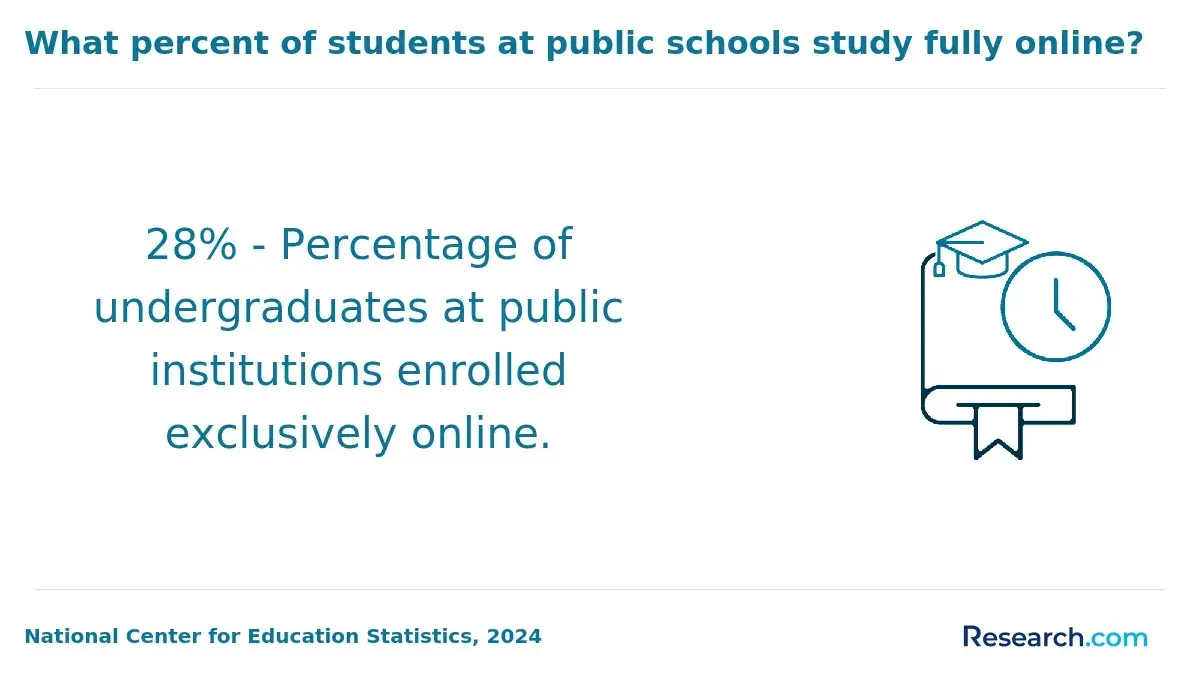
Large Texas universities increasingly offer a mix of campus-based, online, and hybrid study. The best format depends on your major, schedule, learning style, and whether your field requires labs, clinicals, student teaching, studio work, or face-to-face professional preparation.
The table below compares common formats so students can identify which option fits their responsibilities and academic goals.
| Study format | How it usually works | Best fit | Potential trade-off |
| Campus-based | Most classes, labs, advising, clubs, and events happen in person | First-year students, residential learners, lab-heavy majors, students seeking full campus life | Less flexible for work schedules and commuting constraints |
| Hybrid | Some coursework is online while labs, exams, studios, or meetings happen in person | Students balancing work, family, or commuting while still needing campus resources | Requires careful scheduling because in-person requirements may not be weekly but are still mandatory |
| Fully online | Courses are delivered remotely, often through asynchronous modules and scheduled deadlines | Working adults, military students, parents, and students far from campus | Not every major is available online, and some licensure programs require local placements |
| Online completion program | Designed for students who already have lower-division credits or an associate degree | Transfer students finishing a bachelor's in business, health, public service, or applied fields | Requires a close transfer-credit review before enrollment |
If flexibility is the top priority, compare large Texas university online divisions with the most popular online colleges, but keep accreditation, transfer policy, licensure alignment, and employer recognition at the center of the decision.
Online learning is strongest when the program is intentionally designed for remote students, not simply recorded from a campus class. Ask about online tutoring, career services, faculty access, exam proctoring, internship support, and whether online students pay different fees.
Which large Texas universities are fully accredited, and why does accreditation matter?
Accreditation is a quality assurance process that evaluates whether a college or university meets recognized standards for governance, faculty qualifications, academic programs, student support, and financial stability. For Texas students, institutional accreditation is especially important because it affects federal financial aid eligibility, credit transfer, graduate school admission, employer recognition, and some licensure pathways.
The major public universities discussed in this guide are institutionally accredited by the Southern Association of Colleges and Schools Commission on Colleges, commonly called SACSCOC. The table below explains why students should also look beyond the university-wide credential.
| University | Institutional accreditation | Programmatic checks students should make |
| Texas A&M University | SACSCOC | Engineering, business, education, architecture, nursing-related pathways, and professional programs |
| The University of Texas at Austin | SACSCOC | Business, engineering, education, social work, nursing, architecture, and fine arts requirements |
| University of Houston | SACSCOC | Business, engineering, hospitality, education, social work, nursing-related and health programs |
| University of North Texas | SACSCOC | Business, education, counseling, music, library science, and health-related programs |
| University of Texas at Arlington | SACSCOC | Nursing, engineering, business, social work, architecture, and education |
| Texas Tech University | SACSCOC | Engineering, business, education, media, agriculture, architecture, and health-related pathways |
| Texas State University | SACSCOC | Education, health professions, business, communication disorders, and social work |
| University of Texas at San Antonio | SACSCOC | Business, engineering, cybersecurity-related programs, education, public policy, and architecture-related fields |
Programmatic accreditation is not needed for every major, but it can be critical in regulated fields. Nursing, teacher education, engineering, accounting, counseling, architecture, and social work students should verify whether the program meets the standards required for licensure, certification, or professional exams in the state where they plan to work.
A major red flag is a school that discusses "approval," "recognition," or "membership" but does not clearly identify its institutional accreditor. Students should verify accreditation directly through the accreditor or the U.S. Department of Education's recognized accreditation database before enrolling.
What are the main career pathways and job roles for graduates of large Texas universities?
Graduates of large Texas universities enter a wide range of career pathways because these institutions offer broad academic portfolios and strong employer connections. The best pathway depends less on the university's size and more on the student's major, internships, portfolio, licensure status, technical skills, and location.
The table below connects common majors at large Texas universities with practical career directions. It is intended to help students choose a major based on likely responsibilities, not just course titles.
| Major or academic area | Common job roles | Typical responsibilities |
| Computer science, data science, information systems | Software developer, data analyst, cybersecurity analyst, systems analyst | Build applications, analyze data, secure systems, automate workflows, support technology strategy |
| Engineering | Civil engineer, mechanical engineer, electrical engineer, industrial engineer | Design systems, test products, manage projects, improve infrastructure, analyze safety and performance |
| Business, accounting, finance, supply chain | Accountant, financial analyst, operations analyst, logistics coordinator, marketing analyst | Manage budgets, analyze markets, audit records, improve operations, support business decisions |
| Nursing and health-related fields | Registered nurse, health services coordinator, clinical support specialist, public health associate | Deliver patient care, coordinate treatment, manage health data, educate patients, support care teams |
| Education | Teacher, instructional coordinator, academic advisor, training specialist | Teach students, design lessons, assess progress, support learning interventions, manage classrooms |
| Communication, media, public relations | Content strategist, public relations specialist, journalist, social media manager | Create messaging, manage campaigns, write content, analyze audiences, support brand or public communication |
| Social sciences and public affairs | Policy analyst, case manager, program coordinator, research assistant | Evaluate programs, serve communities, collect data, write reports, support public or nonprofit initiatives |
Current employer demand increasingly rewards applied skills in addition to the degree name. Students should look for majors that build writing, data literacy, project management, ethical AI use, teamwork, research methods, and industry-standard software skills.
To improve career outcomes, students should start career planning early rather than waiting until senior year. A practical sequence is to complete a resume in the first year, pursue campus jobs or volunteering in the second year, seek internships or undergraduate research by the third year, and use career fairs, alumni networks, and faculty referrals before graduation.
What salary ranges and earning potential can graduates of major Texas universities expect?
Salary outcomes for graduates of major Texas universities vary by field, location, experience, graduate education, licensure, and economic conditions. A university name can help open doors, but employers usually evaluate skills, internships, credentials, portfolios, and interview performance along with the degree.
The table below uses recent U.S. Bureau of Labor Statistics wage data for common occupations connected to large-university majors. These figures describe national occupation-level medians, not guaranteed earnings for any specific graduate.
| Career field | Example role | Recent national median annual wage | How students should interpret it |
| Technology | Software developer | About $133,000 | Strong technical portfolios, internships, and coding interviews can matter as much as the degree title |
| Health care | Registered nurse | About $94,000 | Licensure, shift type, specialty, and metro area can strongly affect compensation |
| Engineering | Mechanical engineer | About $102,000 | Co-ops, ABET-accredited preparation, and industry sector influence early-career opportunities |
| Business | Accountant or auditor | About $82,000 | CPA eligibility, internship experience, and accounting firm recruitment can shape advancement |
| Analytics and marketing | Market research analyst | About $77,000 | Data tools, statistics, communication skills, and industry knowledge are important differentiators |
| Education | Elementary school teacher | About $65,000 | Pay is often tied to district salary schedules, certification area, and years of service |
| Management | Medical and health services manager | About $118,000 | Many roles require experience and may favor graduate education or specialized health administration skills |
Salary data is most useful when paired with cost and debt. A high-paying major may still be a poor fit if the student dislikes the work, while a lower-paying public service career may be sustainable with scholarships, lower debt, loan forgiveness eligibility, or a lower-cost transfer route.
A common mistake is treating a median salary as a personal forecast. Students should compare entry-level wages, internship access, licensure requirements, graduate school costs, and the local labor market in the Texas city where they want to work.
How does the job outlook and employer demand vary by major at large Texas universities?
Employer demand varies significantly by major at large Texas universities. Texas has major labor markets in energy, health care, aerospace, logistics, education, finance, manufacturing, public service, and technology, but students should still evaluate the specific role they want rather than assuming every major at a large university has the same payoff.
The table below summarizes demand signals using recent national labor-market patterns and Texas industry context. It is designed to help students identify where major choice, internships, and credentials may matter most.
| Major area | Job outlook signal | Why demand is changing | Student strategy |
| Computer science, cybersecurity, data | Generally strong | AI adoption, cloud systems, security risk, and data-driven decision-making continue to influence hiring | Build projects, learn Python or SQL, complete internships, and document AI-related skills responsibly |
| Nursing and allied health | Generally strong, but placement-dependent | Aging populations, hospital staffing needs, and outpatient care growth support demand | Verify clinical placements, licensure exam preparation, and state board alignment |
| Engineering | Stable to strong by specialty | Infrastructure, energy transition, manufacturing, aerospace, and semiconductor activity shape opportunities | Choose ABET-accredited pathways, pursue co-ops, and learn industry software |
| Business, accounting, finance, supply chain | Steady, with stronger demand for analytics skills | Employers need financial controls, logistics efficiency, risk management, and data-based planning | Add Excel, analytics, ERP, accounting systems, or visualization tools to the degree |
| Education | Varies by certification area and district | Teacher shortages are often stronger in math, science, special education, bilingual education, and rural areas | Confirm certification requirements and compare district hiring incentives before choosing a pathway |
| Arts, media, and communication | Competitive | Digital platforms, AI tools, and freelance work have changed entry-level expectations | Graduate with a portfolio, internships, production samples, and measurable campaign results |
| Social sciences and public service | Varies by role and graduate education | Nonprofit, government, research, and human services demand depends on funding and credentials | Pair the major with statistics, grant writing, policy analysis, language skills, or field experience |
AI is a major trend across majors, but it does not affect all students the same way. Computer science students may need deeper machine learning or security knowledge, business students may need analytics and automation fluency, and communication students may need to prove they can use generative tools ethically while still producing original strategy and judgment.
The safest approach is to choose a major that connects to a real occupational path, then add experience. Employers often treat internships, clinicals, co-ops, teaching placements, undergraduate research, portfolios, and certifications as evidence that a graduate can perform in the workplace.
How can students choose the best large Texas university for their goals and location?
The best large Texas university is the one that fits your academic goal, financial reality, preferred location, and support needs. A flagship may be ideal for research and prestige, an urban research university may be better for internships, and a large regional public university may offer a stronger transfer, commuter, or affordability fit.
Use the steps below to build a practical shortlist instead of relying only on rankings or campus size.
- Choose a target major or career cluster first, then identify universities with strong departments, accreditation, labs, studios, clinical sites, or employer pipelines in that field.
- Compare admission pathways, including direct admission to the major, pre-major status, transfer guarantees, honors options, and competitive secondary admission requirements.
- Calculate net price for each university after grants, scholarships, housing, commuting, and likely time to graduation.
- Visit or virtually tour the campus environment and ask whether you prefer a residential flagship, urban commuter campus, college-town setting, or metro-area research university.
- Review support services such as advising, tutoring, disability services, veteran services, career coaching, mental health resources, first-generation programs, and transfer centers.
- Ask each department about internship rates, employer partners, licensing exam preparation, graduate school placement, and typical class availability for required courses.
- Check whether online, evening, summer, or hybrid courses can help you graduate on time without sacrificing quality or licensure eligibility.
Working adults and transfer students should pay special attention to scheduling. If a traditional semester calendar is too rigid, compare large Texas university programs with flexible alternatives such as online colleges with weekly start dates, but make sure the flexibility does not come at the expense of accreditation, transferability, or career fit.
Red flags include unclear accreditation, limited advising access, poor transfer transparency, vague career claims, pressure to enroll quickly, and program pages that do not explain licensure requirements. A strong choice should make its costs, outcomes, curriculum, support services, and requirements easy to verify.
Other Things You Should Know About
Texas A&M University is commonly identified as the largest university in Texas by student enrollment, with recent institutional reporting above 79,000 students. Rankings can shift depending on whether the count includes only one campus, a system, online students, or all locations.
Not always. UT Austin is highly selective, especially for competitive majors, while other large Texas public universities may admit a broader range of students. Admission difficulty depends on the university, major, residency status, GPA, class rank, test policy, and transfer pathway.
A large university may be better if you want many majors, research, athletics, alumni networks, and major employer recruiting. A smaller college may be better if you want smaller classes, more personal advising, and a tighter campus community.
Choose based on net price, not sticker tuition alone. The cheapest option is usually the one that combines affordable tuition, manageable housing or commuting costs, strong financial aid, transferable credits, and a clear path to graduating on time.
References
- How does a college degree improve graduates’ employment and earnings potential? - APLU https://www.aplu.org/our-work/4-policy-and-advocacy/publicuvalues/employment-earnings/
- The 10 Largest Universities In The United States https://www.worldatlas.com/society/the-10-largest-universities-in-the-united-states-2026.html
- Career Pathways - Kilgore College https://www.kilgore.edu/academics/career-pathways/
- II. How Texas colleges compare with those in other states https://www.dallasfed.org/research/pubs/23college/2
- Texas expands high school career pathways https://texas2036.org/posts/texas-expands-high-school-career-pathways/
- Degree Programs: Hybrid | East Texas A&M https://www.etamu.edu/hybrid/
- Experts say job market for recent college graduates does not look good https://spectrumlocalnews.com/tx/south-texas-el-paso/news/2026/02/27/job-market-for-recent-college-graduates-does-not-look-good
- Average Cost of College [2025]: Yearly Tuition + Expenses https://educationdata.org/average-cost-of-college
- Automatic Admission at Texas Colleges for 2025-2026 - General Academic https://generalacademic.com/automatic-admission-in-texas/
- How To Find The Perfect University in North Texas https://fairviewtexasedc.com/how-to-find-the-perfect-university-in-north-texas/