2027 Chemistry Tutor: Complete Student Guide

Co-Founder and Chief Data Scientist
Choosing a chemistry tutor is really a decision about time, grades, confidence, and cost. Chemistry is a gatekeeper course for nursing, engineering, pre-med, pharmacy, and many STEM majors, so weak support can slow progress toward graduation. College Board's 2024 data put average public four-year in-state tuition and fees at $11,610, which makes repeating courses expensive. This guide explains what chemistry tutors do, how to evaluate one, what tutoring costs, how tutors train, and when online or in-person support is the smarter choice.
Key Things You Should Know
- A strong chemistry tutor should diagnose misconceptions, teach problem-solving methods, and prepare students for course-specific exams rather than simply provide homework answers.
- Free or low-cost help may be available through school learning centers, while private chemistry tutoring commonly costs more when the tutor has advanced chemistry, teaching, AP, IB, or college-level experience.
- Students considering tutoring as a career should know that chemistry knowledge can support several paths; BLS May 2024 data reported a $87,180 median annual wage for chemists and materials scientists, though tutor earnings vary widely by setting and hours.
What does a chemistry tutor do for students?
A chemistry tutor helps students understand chemistry concepts, apply formulas correctly, build lab and test skills, and recover from gaps that make new topics feel harder than they should. The best tutors act as learning coaches: they identify where a student's reasoning breaks down, then teach a repeatable method for solving similar problems independently.
The table below summarizes common chemistry tutor responsibilities so students can tell the difference between real academic support and answer-checking.
| Responsibility | What it looks like in practice | Why it matters |
| Concept diagnosis | Asking a student to explain steps out loud and spotting the exact point of confusion | Prevents students from memorizing procedures they do not understand |
| Problem-solving instruction | Teaching how to set up stoichiometry, equilibrium, thermodynamics, or acid-base problems | Builds transferable skills for quizzes, exams, and standardized tests |
| Course alignment | Using the student's syllabus, textbook, lab schedule, and past exams | Keeps tutoring focused on the class the student actually needs to pass |
| Study strategy | Creating review plans, spaced practice routines, and error logs | Helps students improve between sessions instead of depending on constant help |
| Confidence building | Breaking hard topics into manageable steps and showing measurable progress | Reduces avoidance, especially for students who think they are "bad at chemistry" |
A chemistry tutor may work with middle school students, high school chemistry students, AP Chemistry or IB Chemistry students, college general chemistry students, organic chemistry learners, or adult students returning to school. Students exploring chemistry-related careers can also compare science pathways with broader salary-focused resources such as what career makes the most money, because tutoring needs often depend on the major or professional program the student is targeting.
How do you become a chemistry tutor?
Becoming a chemistry tutor usually starts with strong subject mastery, but tutoring also requires communication, patience, assessment skills, and the ability to adapt explanations to different learners. A person who earns high grades in chemistry is not automatically a strong tutor unless they can teach the reasoning behind the work.
These steps outline a practical path for students, graduates, teachers, or professionals who want to tutor chemistry responsibly.
- Build chemistry competence through high school honors chemistry, AP Chemistry, college general chemistry, organic chemistry, analytical chemistry, or a chemistry-related degree.
- Document your academic background with transcripts, degrees, teaching experience, lab experience, test scores, or instructor recommendations when appropriate.
- Start with the level you can teach confidently, such as high school chemistry before moving into AP Chemistry, general chemistry, or organic chemistry.
- Practice tutoring methods, including asking diagnostic questions, using visual explanations, assigning targeted practice, and reviewing student errors.
- Create sample lesson plans and problem sets that show how you would teach common topics like stoichiometry, periodic trends, bonding, kinetics, and equilibrium.
- Gain experience through school tutoring centers, peer tutoring programs, community education centers, online tutoring platforms, or private referrals.
- Set ethical boundaries by refusing to complete graded work for students and focusing on instruction, feedback, and independent learning.
Advanced credentials can help tutors who want to work with college students, pre-health students, or competitive exam preparation. For someone who already has a bachelor's degree and wants a faster graduate credential, comparing online 1-year masters programs may be useful, especially if the goal is to strengthen science qualifications while continuing to work.
What qualifications do chemistry tutors need?
Chemistry tutors do not usually need a state license unless they are also working as classroom teachers in a public school role. However, parents, schools, and tutoring companies often look for evidence of chemistry knowledge, teaching ability, background screening, and reliability.
The right qualification depends on the level being taught. This table helps match tutor credentials to student needs so families do not overpay for unnecessary credentials or under-hire for difficult coursework.
| Student level | Useful tutor qualifications | When to be more selective |
| Middle school or introductory high school chemistry | Strong science grades, peer tutoring experience, education coursework, or teaching experience | When the student has a learning difference, severe math gaps, or repeated course failure |
| Honors chemistry | College chemistry coursework, high grades in chemistry, and experience explaining quantitative problems | When the class moves quickly or uses a demanding textbook |
| AP Chemistry or IB Chemistry | AP or IB familiarity, college general chemistry mastery, and experience with timed exam preparation | When the student needs a score goal for credit, placement, or selective admissions |
| College general chemistry | Chemistry major, chemistry graduate student, professor, teaching assistant, or experienced college tutor | When the course is a prerequisite for nursing, engineering, pre-med, pharmacy, or dental school |
| Organic chemistry | Advanced chemistry coursework, organic chemistry teaching experience, or professional chemistry background | When the student needs mechanism-based reasoning rather than memorization |
Students should also consider practical trust factors: background checks for minors, clear cancellation policies, references, platform reviews, and comfort with the student's curriculum. Service members and veterans preparing for STEM prerequisites may want tutors who understand military schedules and transfer-credit issues; those comparing school options can also review military friendly universities online when chemistry tutoring is part of a larger degree plan.
Is online chemistry tutoring better than in-person tutoring?
Online chemistry tutoring can be better for students who need scheduling flexibility, access to specialized tutors, session recordings, or help from a tutor who is not available locally. In-person tutoring can be better for students who need hands-on structure, fewer distractions, or support with physical materials such as lab notebooks and printed problem sets.
The comparison below shows when each format is likely to fit best. Use it to choose based on learning needs, not just convenience.
| Factor | Online chemistry tutoring | In-person chemistry tutoring |
| Best fit | Students needing flexible scheduling, advanced topic expertise, or recorded explanations | Students who focus better face-to-face or need more accountability |
| Tools | Digital whiteboards, screen sharing, equation editors, uploaded worksheets, virtual simulations | Paper notes, textbooks, molecular models, printed tests, direct observation |
| Tutor availability | Broader national pool, including graduate students and specialists | Limited by local market, school staff, and commuting distance |
| Common challenge | Technology issues or passive screen-watching | Travel time, fewer scheduling options, and possible higher local rates |
| Best safeguard | Ask for interactive problem-solving, not lecture-only sessions | Ask for a written plan and specific practice assignments |
Online tutoring has also improved because chemistry tools now support equation writing, molecular structures, graphs, and shared practice work more effectively than basic video calls once did. For mobile families, including military spouses and dependents, online learning continuity can matter; students balancing tutoring with degree planning may also benefit from reviewing the best online colleges for military spouses.
What chemistry topics do tutors cover?
Chemistry tutors cover different topics depending on the student's course level. The most important question is not whether a tutor "knows chemistry" generally, but whether the tutor can teach the specific type of chemistry the student is taking.
The table below groups common tutoring topics by course level so students can screen tutors more accurately before booking sessions.
| Course or level | Common topics | Skills students often need most |
| Introductory chemistry | Atomic structure, periodic table trends, chemical formulas, naming compounds, basic reactions | Vocabulary, symbolic notation, and basic math confidence |
| High school chemistry | Moles, stoichiometry, gas laws, bonding, solutions, acids and bases, thermochemistry | Setting up multi-step problems and interpreting word problems |
| AP Chemistry | Equilibrium, kinetics, thermodynamics, electrochemistry, free-response problems, lab-based reasoning | Timed problem-solving and explaining reasoning clearly |
| College general chemistry | Quantum concepts, molecular orbital basics, equilibrium, acid-base systems, electrochemistry, kinetics | Mathematical setup, conceptual modeling, and exam strategy |
| Organic chemistry | Functional groups, stereochemistry, mechanisms, spectroscopy, synthesis, reaction prediction | Pattern recognition, mechanism logic, and cumulative review |
| Biochemistry support | Proteins, enzymes, metabolism, buffers, thermodynamics in biological systems | Connecting chemistry principles to biological processes |
A good tutor should be able to explain how topics connect. For example, weak algebra can make gas laws difficult, weak bonding knowledge can hurt organic chemistry, and weak acid-base foundations can affect general chemistry, biochemistry, and nursing chemistry.
What should you look for in a chemistry tutor program?
A chemistry tutor program may mean a tutoring company, a school learning center, an online tutoring platform, or a structured tutor-training program for people who want to teach. In either case, the best programs are transparent about tutor qualifications, learning methods, scheduling, cost, and how progress is measured.
Use the following questions before committing to a tutoring service or training program. They are designed to reveal whether the program is organized around learning outcomes rather than vague promises.
- What chemistry levels does the tutor or program specifically support, and can they show experience with your course type?
- Will sessions use your syllabus, past quizzes, lab requirements, textbook, and instructor expectations?
- How does the tutor diagnose mistakes before teaching new material?
- Will the student receive practice work, review notes, or an error log after each session?
- Are tutor qualifications verified through transcripts, degrees, teaching roles, platform screening, or references?
- What is the cancellation policy, refund policy, and process for changing tutors if the match is poor?
- How will progress be measured without promising a guaranteed grade?
Watch for red flags, especially if the student is struggling in a high-stakes prerequisite. Common warning signs include tutors who complete homework for the student, advertise guaranteed grades, avoid explaining their background, use lecture-only sessions, or cannot adapt when a student does not understand the first explanation.
How much does chemistry tutoring cost?
Chemistry tutoring cost depends on tutor experience, course level, location, format, and whether the support is offered through a school, platform, or private tutor. A student in introductory chemistry may not need the same level of expertise as a college student taking organic chemistry for a pre-health track.
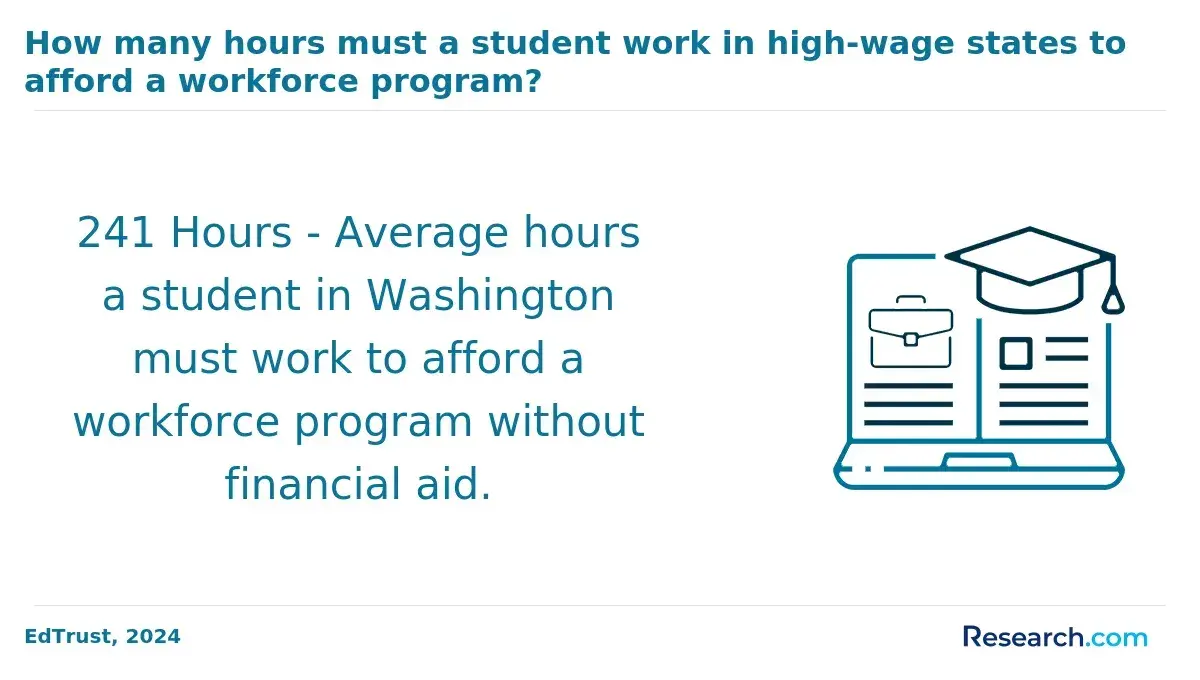
When comparing cost, include both the session price and the number of sessions likely needed. Tuition pressure matters too: College Board's 2024 pricing data showed average public four-year in-state tuition and fees at $11,610 for one academic year, so preventing a failed prerequisite can be financially meaningful even when tutoring is not cheap.
- School or college learning center: often included in tuition or student fees, with limited scheduling and tutor availability.
- Peer tutoring: usually lower-cost than professional tutoring, but quality depends heavily on training and supervision.
- Online platform tutoring: often priced by tutor experience, subject difficulty, subscription model, or pay-as-you-go session length.
- Private local tutoring: commonly higher when the tutor has advanced chemistry coursework, teaching credentials, or AP, IB, or college specialization.
- Specialized organic chemistry or test-prep tutoring: usually costs more because it requires deeper topic expertise and more preparation time.
Families should avoid choosing only by the lowest hourly rate. A higher-cost tutor who quickly identifies the real problem may be cheaper overall than a low-cost tutor who repeats explanations without improving performance. For aspiring tutors considering graduate study before charging higher rates, comparing what is the cheapest online master's degree program can help control credential costs.
How long does chemistry tutor training take?
Chemistry tutor training can take anywhere from a few weeks to several years, depending on the level the tutor wants to teach. A peer tutor helping with introductory high school chemistry needs less formal preparation than someone tutoring college organic chemistry or working with pre-med students.
The table below compares typical preparation timelines. These are general U.S. pathways, not universal requirements, because schools, employers, and tutoring platforms set their own standards.
| Goal | Typical preparation time | What the training usually includes |
| Peer chemistry tutor | A few weeks to one semester | Strong course performance, tutor orientation, supervised practice, and basic learning strategies |
| High school chemistry tutor | One to four years of science coursework | General chemistry knowledge, math support skills, curriculum familiarity, and communication practice |
| College general chemistry tutor | Two to four years of college-level chemistry preparation | General chemistry mastery, lab familiarity, quantitative reasoning, and exam review experience |
| Organic chemistry tutor | Several college chemistry courses or a chemistry-related degree | Mechanisms, synthesis, stereochemistry, spectroscopy, and cumulative problem-solving |
| Professional or advanced tutor | Bachelor's degree, graduate coursework, teaching experience, or industry experience | Advanced subject mastery, pedagogy, assessment skills, and specialized course support |
The fastest responsible path is to tutor only the topics you can teach well now, then expand as your coursework, teaching practice, and student results improve. A common mistake is moving into AP Chemistry or organic chemistry too early because those courses expose weak explanations quickly.
What jobs can chemistry tutors get?
Chemistry tutors can work in schools, colleges, tutoring companies, online platforms, test-prep organizations, community programs, or private practice. Some use tutoring as a part-time job during college or graduate school, while others build it into a broader teaching, academic coaching, or STEM education career.
The table below shows common job settings and what each role usually involves. This can help aspiring tutors choose a path that fits their schedule, credentials, and long-term career goals.
| Role | Typical setting | Main responsibilities |
| Peer chemistry tutor | High school, college learning center, honors society, or academic support office | Help classmates review course content, practice problems, and prepare for exams |
| Online chemistry tutor | Tutoring platform or private online business | Use digital tools to teach chemistry remotely and support students across locations |
| AP Chemistry tutor | Private tutoring, test-prep company, or online platform | Prepare students for AP-style multiple-choice, free-response, lab, and conceptual reasoning tasks |
| College chemistry tutor | University tutoring center, private practice, or graduate assistant role | Support general chemistry, organic chemistry, or related prerequisite courses |
| STEM academic coach | School, college, nonprofit, or private practice | Combine chemistry help with study planning, accountability, and academic skills |
| Teacher or instructor pathway | K-12 school, community college, or continuing education setting | Teach formal courses, design assessments, and provide broader academic instruction |
Tutoring can also support careers outside tutoring. Chemistry graduates may use tutoring experience to strengthen applications for teaching roles, graduate programs, medical or pharmacy school, instructional design, science communication, or educational technology work.
How much do chemistry tutors earn?
Chemistry tutor earnings vary because many tutors work part time, combine tutoring with school or another job, or run their own small business. Hourly session rates can look attractive, but independent tutors must account for unpaid time spent preparing lessons, messaging families, scheduling, marketing, cancellations, taxes, and platform fees.
The table below explains the main earning factors without treating any single rate as guaranteed. Use it to estimate whether tutoring is likely to be a side income, student job, or scalable professional service.
| Factor | How it affects earnings | What to consider |
| Subject level | Advanced topics usually command higher rates than introductory chemistry | Organic chemistry, AP Chemistry, and college general chemistry require deeper preparation |
| Credentials | Degrees, teaching experience, graduate coursework, and strong references can support higher pricing | Credentials help most when paired with clear teaching results |
| Setting | School jobs may offer steadier hours, while private tutoring may offer more pricing control | Private work also requires marketing, administration, and income variability |
| Location and format | Online tutoring expands reach, while local in-person tutoring may reflect regional demand | Students in areas with few chemistry specialists may value online access |
| Schedule density | Back-to-back sessions increase paid time, while scattered sessions reduce effective hourly income | Evening and weekend availability often matters because students are in class during the day |
For broader career context, BLS May 2024 data reported a $87,180 median annual wage for chemists and materials scientists. That figure is not a chemistry tutor salary, but it shows why chemistry knowledge can have value beyond tutoring, especially for tutors deciding whether to pursue education, lab, industry, or graduate-school pathways.
Other Things You Should Know About
A chemistry tutor can be worth it when the student is stuck despite studying, needs a prerequisite grade, is preparing for AP or college exams, or has repeated gaps in math and problem-solving. It is less useful if the student only wants someone to finish homework for them.
Many students start with one session per week and add extra sessions before major exams. Students who are failing, catching up after absences, or taking accelerated courses may need more frequent help for a short period.
Yes, if the tutor uses interactive tools, asks the student to solve problems during the session, and reviews actual course materials. Online tutoring works poorly when it becomes passive lecturing or when technology problems interrupt the work.
Bring the syllabus, recent homework, graded quizzes, lecture notes, lab instructions, and a list of confusing topics. The more specific the materials, the faster the tutor can identify the real problem and target practice effectively.
References
- What can you learn with chemistry tutoring? https://www.findtutors.co.uk/questions/chemistry/what-can-you-learn-with-chemistry-tutoring
- What does a Chemistry Tutor do? Career Overview, Roles, Jobs | AATG https://jobs.aatg.org/career/chemistry-tutor
- What Experience is Required to Become a Chemistry Tutor? https://www.myprivatetutor.sg/blog/experience-is-required-to-become-a-chemistry-tutor
- How Much Does a Chemistry Tutor Cost in the UK? | Tutorful https://tutorful.co.uk/blog/how-much-does-a-chemistry-tutor-cost
- Organic Chemistry Tutor https://www.organicchemistrytutor.com/
- Chemistry Tutoring & Chemistry Help | Scholars Education https://www.scholarsed.com/program/chemistry-tutoring/
- How Much Do Chemistry Tutors Cost? - TutorOcean https://corp.tutorocean.com/costs/how-much-do-chemistry-tutors-cost/
- Organic Chemistry Tutors: What Parents Should Know Before Hiring One https://www.growingstars.com/blog-organic-chemistry-tutor/
- Why Online vs In Person Tutoring? https://www.princetonreview.com/college-advice/in-person-vs-online-tutor
- Chemistry Tutor Jobs (with Salaries) - SEEK https://au.seek.com/chemistry-tutor-jobs