2027 Curator: Complete Student Guide

Co-Founder and Chief Data Scientist
Becoming a curator usually means choosing between art history, museum studies, archives, anthropology, history, or a related field-and the wrong path can cost time and money. The U. S. Bureau of Labor Statistics reports a May 2024 median annual wage of $59,910 for archivists, curators, and museum workers, making education planning and experience especially important. This guide is for students comparing degrees, internships, online programs, and career options. You will learn what curators do, what credentials matter, and how to choose a practical path toward museum, gallery, heritage, or collections work.
Key Things You Should Know
- Most curator roles require at least a bachelor's degree, but competitive museum, university, and specialized collection jobs commonly prefer a master's degree plus hands-on collections, research, or exhibition experience.
- The BLS reported a May 2024 median annual wage of $59,910 for archivists, curators, and museum workers, so students should compare tuition, internships, location, and advancement potential before committing to a program.
- The strongest curator preparation combines subject expertise, collections management, writing, public interpretation, digital cataloging, grant awareness, and internships rather than coursework alone.
What does a curator do and what skills are essential for this career?
A curator researches, interprets, preserves, and presents collections for the public, scholars, donors, and institutional stakeholders. The job is not only about selecting objects for exhibitions. Curators often shape the intellectual direction of a collection, decide what stories an institution tells, and work with educators, conservators, registrars, archivists, designers, fundraisers, and community partners.
Daily work varies by institution size. In a large art museum, a curator may specialize in contemporary photography or ancient ceramics. In a small local history museum, one person may handle acquisitions, catalog records, exhibits, donor communication, public programs, and grant writing. This difference matters because students should choose programs and internships that match the type of institution where they want to work.
The most important responsibilities usually fall into several connected areas. Understanding these functions helps you decide whether curation fits your strengths and interests.
- Collections development: researching possible acquisitions, recommending donations or purchases, and ensuring objects fit the institution's mission.
- Research and interpretation: studying objects, artists, makers, cultures, historical contexts, provenance, and audience needs.
- Exhibition planning: developing themes, selecting items, writing labels, collaborating with designers, and coordinating installation schedules.
- Collections care: working with registrars and conservators to manage handling, storage, environmental risks, documentation, and loans.
- Public engagement: supporting lectures, tours, school programs, digital exhibits, community consultation, and donor-facing events.
- Administrative work: preparing budgets, grant proposals, reports, board materials, acquisition justifications, and policies.
Essential curator skills blend scholarship with practical museum operations. Strong writing and research are foundational, but the field increasingly rewards digital fluency, ethical decision-making, collaboration, and the ability to make collections meaningful to different audiences.
| Skill area | Why it matters | How students can build it |
| Subject expertise | Curators need authority in the collection area they interpret. | Choose a focused major, write research papers, attend lectures, and build language or technical knowledge when relevant. |
| Collections documentation | Accurate records support preservation, loans, insurance, research, and public access. | Practice cataloging, metadata standards, condition reporting, and database use during internships. |
| Exhibition writing | Curators translate complex research into accessible public interpretation. | Write labels, gallery guides, web essays, and short object entries for different audiences. |
| Digital literacy | Museums use digital asset systems, online collections, virtual exhibits, and increasingly AI-assisted workflows. | Learn collection management systems, digitization basics, image rights, accessibility, and ethical use of AI tools. |
| Collaboration | Exhibitions and acquisitions require coordination across departments. | Seek team-based projects with designers, educators, archivists, conservators, and community organizations. |
AI is changing the work but not replacing the core judgment of curators. Tools can assist with transcription, tagging, translation, image search, and draft descriptions, but professionals still need to verify facts, assess cultural sensitivity, identify bias, and make final interpretive decisions. Students who learn both humanities research and responsible digital workflows will be better prepared for modern collection environments.
What degrees and education pathways prepare you to become a curator?
There is no single required curator degree for every employer, but most pathways combine a subject-area degree with museum, archive, heritage, or collections training. A bachelor's degree can open assistant, education, gallery, or collections support roles, while many curator positions-especially in art museums, university museums, science collections, and historical institutions-prefer or require a master's degree.
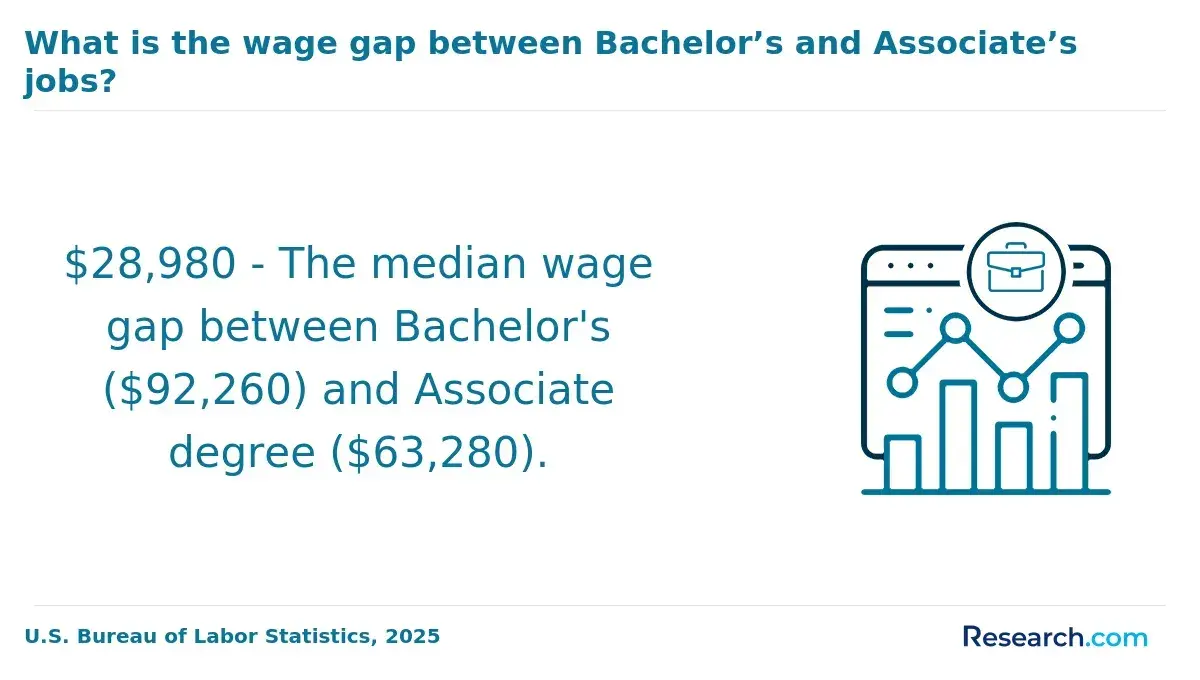
Students who are just starting out should think in terms of a ladder rather than one credential. An associate degree can be a lower-cost starting point for general education, art, history, or library-related coursework before transferring into a bachelor's program, but it is rarely enough by itself for curator-level roles.
The table below compares common education routes. Use it to match your current stage, budget, and career target before choosing a program.
| Pathway | Typical fit | Strengths | Limitations |
| Associate degree or transfer pathway | Students seeking an affordable start before a bachelor's degree | Can reduce total cost and help build general education credits | Usually not sufficient for curator jobs without further education and experience |
| Bachelor's in art history, history, anthropology, archaeology, classics, science, or related field | Students building subject expertise for future museum work | Develops research, writing, and disciplinary knowledge | May need internships, language study, collections work, or graduate school for advancement |
| Bachelor's in museum studies or public history | Students who want earlier exposure to museum practice | Can include exhibit design, collections management, and community history | May be less specialized for highly academic curator roles |
| Master's in museum studies | Students seeking applied museum training across departments | Strong for collections, exhibitions, education, administration, and internships | May need additional subject depth for specialized curator posts |
| Master's or PhD in art history, history, anthropology, archaeology, or a scientific field | Students aiming for research-intensive curatorial roles | Builds scholarly authority and specialization | Can take longer and may not include enough practical museum training unless chosen carefully |
| Certificate in museum studies, archives, digital curation, or collections management | Career changers or degree holders filling a skill gap | Shorter and more targeted than a full degree | Usually supplements rather than replaces a degree for curator roles |
For many students, the strongest route is a bachelor's degree in a subject area plus internships, followed by a master's degree or graduate certificate if curator-level jobs require it. Students who already have a strong academic background may choose museum studies to add practical training, while students with applied museum experience may choose a research-focused graduate degree to deepen specialization.
Cost should be part of the decision. College Board's 2024 Trends in College Pricing reported average published tuition and fees of $11,610 for in-state students at public four-year institutions for the 2024-25 academic year. That figure does not include housing, books, transportation, or graduate tuition, so students should compare total cost of attendance and internship access rather than tuition alone.
How do you choose between museum studies, art history, or related majors for curation?
The best major depends on the kind of collection you want to curate. "Curator" is a job function, not a single academic discipline. Art museums often value art history or studio-art knowledge; history museums may prefer history, public history, or American studies; anthropology museums often look for anthropology, archaeology, or Indigenous studies; science museums may value biology, geology, paleontology, or science communication.
Before choosing a major, start with the collection type and job ads you care about. Review curator postings from museums, universities, galleries, botanical gardens, historic sites, archives, and cultural nonprofits. Note whether employers emphasize subject expertise, museum practice, language skills, collections software, community engagement, grant writing, or teaching.
Students choosing among majors can use the following comparison to understand the trade-offs.
| Major or focus | Best for | What to add | When it may not fit |
| Museum studies | Students who want applied museum training and broad institutional knowledge | Deep subject-area electives, internships, and collections database experience | If your goal is a highly specialized research curator role requiring advanced disciplinary expertise |
| Art history | Students aiming for art museum, gallery, visual culture, or auction-related roles | Museum internships, provenance research, languages, and digital imaging knowledge | If you prefer hands-on public history, science collections, or community heritage work |
| History or public history | Students interested in historical societies, historic sites, archives, and community exhibits | Oral history, archival methods, material culture, and public programming | If you want to curate fine art or scientific specimens without additional specialization |
| Anthropology or archaeology | Students interested in cultural collections, ethnographic materials, archaeology, or repatriation work | Ethics, NAGPRA awareness, collections care, and community consultation experience | If you prefer contemporary gallery work or museum administration |
| Library and information science, archives, or digital curation | Students interested in records, digital collections, metadata, and preservation | Exhibit interpretation and subject-area coursework | If your primary goal is object-based exhibition curation without collection data responsibilities |
A common mistake is choosing the major that sounds most "museum-like" without checking whether it aligns with desired jobs. Museum studies can be excellent, but a student who wants to curate Renaissance paintings may need advanced art history training. Likewise, an art history major who wants to work in a small local museum may need public history, collections management, and grant-writing experience.
Students who are unsure whether they want to commit to a long humanities pathway should compare opportunity cost against alternatives such as 2-year online degrees that pay well. That does not mean avoiding curation; it means being honest about salary expectations, graduate school costs, and how much unpaid or low-paid internship experience you can realistically take on.
A practical decision rule is simple: choose a subject major if you need scholarly authority, choose museum studies if you need applied museum practice, and combine both through minors, certificates, internships, or graduate study whenever possible.
Are curator programs better online or on campus, and how do formats compare?
Online and on-campus curator-related programs can both work, but they are not equal for every goal. Online programs can be flexible and cost-effective for working adults, rural students, or career changers. On-campus programs may provide easier access to collections labs, faculty networks, gallery spaces, campus museums, and local internships.
The right format depends on whether the program can provide real collections experience. A fully online museum studies program can be useful if it includes local practicum options, digital curation projects, and faculty support for internships near you. A campus program can be weak if it lacks active museum partnerships or treats internships as optional extras.
The comparison below highlights the practical differences that matter most for curator students.
| Format | Best advantages | Possible drawbacks | Best fit |
| Fully online | Flexible schedule, easier to combine with work, access from any location | May require extra effort to secure local hands-on experience | Working adults, career changers, students near museums but far from universities |
| Hybrid | Combines online coursework with campus intensives or local fieldwork | May require travel or fixed residency dates | Students who need flexibility but still want in-person collections training |
| On campus | Direct access to faculty, collections, labs, galleries, and peer networks | Less flexible and potentially higher living or relocation costs | Students seeking immersive museum networks and assistantship opportunities |
| Accelerated format | Shorter completion time and faster transition into internships or work | Heavier course load and less time for deep research or multiple internships | Students with clear goals, transfer credits, or prior museum experience |
If you are comparing completion speed, look beyond advertised timelines. Some fast track programs can help students finish sooner, but accelerated study may reduce time for language training, fieldwork, thesis research, or relationship-building with museums. In curation, those experiences can matter as much as the credential itself.
Ask programs how they handle internships before enrolling. A strong online or hybrid program should be able to explain how students complete practicums, how placements are approved, what kinds of host institutions participate, and whether students receive faculty supervision. If the answer is vague, that is a red flag.
What accreditation and institutional quality markers should curator students look for?
Curator students should first verify institutional accreditation. In the U.S., legitimate colleges and universities are typically accredited by agencies recognized by the U.S. Department of Education or the Council for Higher Education Accreditation. Institutional accreditation affects transfer credits, graduate admissions, employer trust, and eligibility for federal financial aid.
There is no universal professional licensure exam for curators comparable to nursing or teaching licensure. That makes program quality markers especially important. Because employers may compare candidates with similar degrees, internships, faculty expertise, collections access, and professional networks can strongly influence competitiveness.
When evaluating a curator-related program, focus on these quality signals. They help distinguish a strong educational investment from a program that only looks relevant on paper.
- Recognized institutional accreditation: confirm the college or university is accredited by a recognized accrediting body.
- Relevant faculty expertise: look for instructors with museum, archive, gallery, cultural heritage, or collection-based research experience.
- Internship infrastructure: check whether internships are required, supervised, credit-bearing, and connected to real host institutions.
- Collections access: favor programs with campus museums, archives, labs, galleries, digital repositories, or formal museum partnerships.
- Transparent outcomes: ask where recent graduates work, what roles they obtained, and how the program tracks alumni employment.
- Applied coursework: look for collections management, exhibition development, museum ethics, digital curation, grant writing, and public interpretation.
- Professional engagement: value programs that connect students to conferences, local museums, curatorial talks, and portfolio review opportunities.
Be cautious with programs that promise fast entry into curator jobs without explaining the experience required. Another red flag is a curriculum that uses museum language but lacks collections projects, practicum requirements, or faculty with museum backgrounds. A degree title alone is not enough; the program should help you produce evidence of skill, such as exhibition plans, catalog entries, research papers, digital collection projects, and internship evaluations.
Students should also compare cost transparency. The 2024 College Board data showing $11,610 in average published in-state tuition and fees at public four-year institutions is a useful starting benchmark, but graduate and private program costs can differ substantially. Always ask for total cost of attendance, fees, expected internship expenses, and whether unpaid fieldwork is required.
What courses, projects, and internships are typical in curator-focused degree programs?
Curator-focused programs usually combine academic study with applied museum practice. The academic side builds the ability to interpret objects, collections, cultures, periods, or scientific materials. The applied side teaches students how museums actually manage collections, mount exhibitions, communicate with audiences, and operate within budgets and ethical constraints.
Common courses vary by major, but strong preparation usually includes both theory and practice. The following list shows course areas that are especially useful because they translate directly into curator work.
- Museum studies foundations: introduces museum history, missions, governance, ethics, audiences, and professional roles.
- Collections management: covers accessioning, cataloging, storage, handling, condition reporting, loan documentation, and risk management.
- Exhibition development: teaches theme development, object selection, label writing, design collaboration, budgeting, and installation planning.
- Research methods: builds skills in archival research, object analysis, historiography, visual analysis, field methods, or scientific documentation.
- Digital curation: focuses on metadata, digitization, online collections, digital preservation, rights management, and accessibility.
- Museum education and public interpretation: prepares students to communicate with school groups, community audiences, donors, and online visitors.
- Grant writing and nonprofit administration: helps students understand funding, budgets, evaluation, and institutional sustainability.
- Ethics, provenance, and repatriation: addresses ownership, cultural property, restitution, Indigenous consultation, and responsible collecting.
Projects matter because employers need proof that you can apply what you learned. A portfolio for curator-track students may include several kinds of work.
- Object research files: short scholarly entries with provenance, context, bibliography, and interpretive significance.
- Exhibition proposals: concept statements, object lists, audience goals, sample labels, and layout ideas.
- Digital collection records: catalog entries with controlled vocabulary, images, metadata, and rights notes.
- Condition or handling reports: documentation showing basic care awareness and attention to detail.
- Public-facing writing: gallery labels, blog posts, educational guides, or web exhibit text written for non-specialists.
Short credentials can be helpful when they fill a narrow skill gap, especially in software, digital archives, grant writing, or collections care. However, very short options such as 4 week certificate programs online should be treated as supplements, not substitutes for the degree and museum experience generally expected for curator-track roles.
Internships are often the difference between being interested in curation and being employable in the field. The best internships involve documented responsibilities, supervision, and portfolio-worthy outcomes. Students should seek placements that let them work with objects, records, exhibits, donors, community partners, or digital collections-not only front-desk or general volunteer duties.
How competitive is admission to curator-related programs and what are common requirements?
Admission competitiveness depends on the level and type of program. Undergraduate majors in history, art history, anthropology, public history, or museum studies may be broadly accessible at many institutions. Graduate programs, especially those connected to major museums, competitive universities, funded assistantships, or highly specialized departments, can be much more selective.
Common undergraduate requirements are usually similar to other liberal arts or humanities majors. Graduate requirements are more specific because programs want evidence that applicants can handle research, writing, fieldwork, and professional museum expectations.
Applicants should prepare the following materials early, especially for master's programs and funded opportunities.
- Academic transcripts: programs may look for strong performance in humanities, social sciences, arts, sciences, or relevant technical courses.
- Statement of purpose: explain your collection interests, career goals, research focus, and why the program fits your plans.
- Writing sample: often a research paper, object analysis, exhibition review, or public history project demonstrating analytical ability.
- Letters of recommendation: ideally from faculty, museum supervisors, archivists, curators, or professionals who can discuss your research and work habits.
- Resume or CV: include internships, volunteer work, gallery experience, research assistantships, language skills, software, and public programming.
- Portfolio: useful for programs with exhibition, digital curation, design, or public-facing interpretation components.
- Interview: some programs use interviews to assess fit, maturity, communication skills, and understanding of museum careers.
Students can strengthen applications by showing focused curiosity and practical awareness. A strong applicant does not need years of paid museum work, but they should understand what curators do and show evidence of commitment through coursework, volunteering, research, community projects, or collection-related experience.
Use the following steps to improve your chances without wasting application fees.
- Identify the collection type you want to work with, such as contemporary art, local history, archaeology, natural history, archives, or digital collections.
- Compare faculty expertise and internship partners rather than relying only on school reputation.
- Contact admissions or program faculty with specific questions about practicum placements, recent graduate roles, and portfolio expectations.
- Ask whether assistantships, tuition discounts, or paid internships are available, especially if the program expects unpaid fieldwork.
- Prepare a writing sample that matches the program's focus and revise it with feedback from a professor or professional mentor.
If you are not ready for graduate admission, a targeted certificate may help you build skills first. Longer options such as 6-month certificate programs can make sense when they teach a specific employable skill, but they should connect clearly to your curator goal, such as archives, digital asset management, nonprofit administration, or collections documentation.
Avoid the mistake of applying only to famous institutions. Prestige can help, but fit matters more. A less famous program with strong local museum partnerships, funded assistantships, and direct collections access may be more useful than a prestigious program with limited practical opportunities.
What entry-level and advanced curator job titles, workplaces, and career paths exist?
Curator careers often begin in adjacent roles. Many professionals start as museum assistants, gallery coordinators, collections technicians, education assistants, registrarial assistants, archives aides, research assistants, or visitor experience staff. These roles can lead to curatorial work if they build collection knowledge, documentation skills, writing samples, and professional references.
Workplaces are broader than art museums. Curator-track professionals may work in history museums, university museums, science centers, botanical gardens, zoos, archives, libraries, cultural heritage organizations, historical societies, government agencies, galleries, foundations, corporate collections, or digital humanities projects.
The table below shows common job titles and how they fit into a curator career ladder.
| Career stage | Common job titles | Main responsibilities | What helps advancement |
| Entry-level | Museum assistant, gallery assistant, collections assistant, archives aide, education assistant | Support programs, collections records, visitor engagement, research, events, and basic object handling | Internships, strong writing, database skills, reliability, and subject-area coursework |
| Early professional | Collections coordinator, curatorial assistant, registrar assistant, exhibition coordinator, research assistant | Catalog records, assist with exhibitions, coordinate loans, prepare research, and support curators | Portfolio projects, graduate coursework, specialized knowledge, and supervisor recommendations |
| Mid-level | Assistant curator, associate curator, public history curator, digital collections curator | Develop exhibitions, conduct research, manage parts of a collection, write interpretation, and contribute to acquisitions | Master's degree, publications, successful exhibits, grants, and professional networks |
| Senior-level | Curator, senior curator, chief curator, director of collections, museum director | Shape collection strategy, lead exhibitions, supervise staff, manage budgets, cultivate donors, and represent the institution publicly | Leadership experience, major projects, fundraising ability, scholarly reputation, and institutional strategy skills |
Advancement is usually gradual because curator roles are limited and experience-based. A smart career plan includes both the ideal role and acceptable adjacent roles. For example, a student who wants to become an art curator might also consider registrar work, gallery management, collection documentation, art handling, provenance research, or exhibition coordination as stepping stones.
Students should also understand the difference between "curator" and related titles. A registrar manages object records, loans, insurance, and movement. A conservator focuses on preservation and treatment, often requiring specialized conservation graduate training. An archivist manages records and historical documents. A museum educator develops learning programs. These roles overlap with curation, but each has its own training expectations.
Common career mistakes include waiting for a perfect curator title, accepting unpaid work indefinitely, ignoring small museums, and failing to document accomplishments. A better strategy is to build a portfolio of concrete outputs: catalog entries, exhibit labels, research files, public programs, digital exhibits, and grant-supported projects.
What is the typical salary range and earning potential for curators by role and location?
Curator pay varies widely by institution size, location, specialization, funding model, union status, and seniority. The most reliable national benchmark is the U.S. Bureau of Labor Statistics May 2024 median annual wage of $59,910 for archivists, curators, and museum workers. Treat that figure as a midpoint for the broader occupational group, not a guaranteed outcome for every curator graduate.
Entry-level museum roles often pay less than curator roles, while senior curators, chief curators, directors of collections, and museum directors can earn more, especially at large institutions, universities, government agencies, and well-funded private nonprofits. Location also matters because museums in high-cost metro areas may offer higher nominal salaries but also come with higher housing and transportation costs.
The table below summarizes salary expectations in a practical way without implying guaranteed earnings.
| Role category | Typical salary position relative to the BLS median | Why pay differs |
| Museum assistant, gallery assistant, visitor services, education assistant | Often below the broader occupational median | These roles are usually entry-level and may focus on support tasks rather than collection leadership. |
| Collections assistant, curatorial assistant, exhibition coordinator | Often below or near the broader occupational median | Pay improves with technical skills, database experience, and specialized collection knowledge. |
| Assistant curator or associate curator | Often near or above the broader occupational median | These roles usually require stronger research, exhibition, and collection responsibilities. |
| Curator, senior curator, chief curator | Often above the broader occupational median | Higher pay is tied to subject authority, leadership, publications, donor work, grants, and major exhibitions. |
| Museum director or director of collections | Can exceed curator-level pay in larger institutions | Compensation reflects management scope, fundraising, budgets, staff supervision, and institutional strategy. |
Students should evaluate earning potential by combining salary with cost and career access. A lower-cost public program with strong internships may offer better practical value than a high-cost program with weak placement support. At the same time, a more expensive graduate program may be worth considering if it provides funded assistantships, direct museum partnerships, strong alumni placement, or access to a highly specialized collection area.
To estimate return on investment, compare expected debt with realistic first jobs, not only dream jobs. Ask schools for recent graduate job titles, not just employment rates. If most graduates start in assistant roles, plan your budget around that reality and consider part-time study, transfer credits, assistantships, or paid internships to reduce risk.
What is the long-term job outlook for curators and related museum professions?
The long-term outlook is steady but competitive. The BLS projects employment for archivists, curators, and museum workers to grow 5% from 2024 to 2034, which suggests ongoing demand but not unlimited openings. For students, this means preparation should be strategic: build specialized knowledge, practical experience, and flexible skills that apply to more than one museum role.
Several trends are shaping curator careers. Digital collections are expanding access and creating demand for metadata, digitization, rights management, and online interpretation skills. Museums are also placing more emphasis on provenance research, repatriation, community collaboration, accessibility, and inclusive storytelling. Funding pressures continue to affect hiring, especially at smaller institutions, so candidates who understand grants, partnerships, and public value may stand out.
Students who want the strongest long-term position should build a career plan around both specialization and adaptability. The following steps can help you prepare for a competitive market.
- Choose a collection area you can explain clearly, such as modern art, local history, Indigenous collections, natural history specimens, digital archives, or material culture.
- Complete at least one internship or practicum with measurable outputs, such as catalog records, labels, exhibit research, or a digital collection project.
- Learn a collection management system or digital asset workflow, even if your main interest is research.
- Build public communication skills by writing for non-specialists, giving talks, leading tours, or creating online interpretation.
- Track ethical and legal issues relevant to your field, including provenance, repatriation, copyright, accessibility, and donor restrictions.
- Stay open to adjacent roles such as registrar, archivist, collections manager, exhibition coordinator, museum educator, or digital collections specialist.
The curator path is best for students who enjoy research, writing, objects, history or culture, public education, and long-term project work. It may not be the best fit for students who need rapid income growth, dislike grant-funded environments, or want a career with abundant entry-level openings in every location. If you pursue it, the smartest strategy is to make every course, internship, and project produce evidence that a museum can use.
Other Things You Should Know About
Not always, but many curator roles prefer or require a master's degree, especially in art, history, anthropology, science, or museum studies. A bachelor's degree plus strong experience may lead to assistant or smaller-institution roles, but advancement is often easier with graduate training.
Choose art history if you want deep subject expertise for art-focused curatorial work. Choose museum studies if you need applied training in collections, exhibitions, ethics, and museum operations. Many strong candidates combine both through degrees, minors, certificates, or internships.
Yes, if the online program is accredited and includes meaningful practicum, internship, or local collections experience. Because curation is hands-on, students should confirm how the program supports fieldwork before enrolling.
The biggest mistake is relying on the degree title alone. Employers usually want evidence of research ability, collections experience, exhibition writing, digital skills, and professional references, so students should build a portfolio while studying.
References
- International Curatorial Program - Autumn 2025 https://nodecenter.net/program/curatorial-program
- Curator Salary in AU (July, 2026) – SEEK https://au.seek.com/career-advice/role/curator/salary
- Museum Curator: who they are, what they do and how to become one https://www.ied.edu/profession/museum-curator
- Exploring different ways to start your museum career - Museums Association https://www.museumsassociation.org/careers/entering-the-sector/ways-to-start-your-museum-career/
- The Ultimate Guide to Museum Studies 2025: Museum Programs, Degrees and Careers - MuseumNext https://www.museumnext.com/article/what-is-a-museum-studies-degree-your-ultimate-guide-to-museum-studies/
- Colleges and Universities - Association of Art Museum Curators https://www.artcurators.org/page/StudentResrcsSchools
- Curators: Salary, career path, job outlook, education and more - RaiseMe https://www.raise.me/careers/education-training-and-library/curators-museum-technicians-and-conservators/curators/
- Career Paths for Art Curators: Navigating the World of Curation - Call For Curators https://callforcurators.com/blog/career-paths-for-art-curators-navigating-the-world-of-curation/
- Standards & Guidelines » CAA Guidelines https://www.collegeart.org/standards-and-guidelines/guidelines/curatorial
- Curatorial Internship | Training & Development https://miskartinstitute.org/en/training/curatorial-internship