2027 Bank Officer: Complete Student Guide

Co-Founder and Chief Data Scientist
Choosing a bank officer career means deciding whether banking, lending, risk, and customer finance fit your skills and education budget. The path matters because banks increasingly need officers who can combine relationship management with data, compliance, and digital banking tools.
The U.S. Bureau of Labor Statistics projects financial manager employment to grow 17% from 2023 to 2033, signaling strong demand for advanced finance leadership. This guide explains duties, degrees, costs, credentials, salaries, and career paths so students can choose a practical route into banking.
Key Things You Should Know
- Most bank officer paths start with a bachelor's degree in finance, accounting, business, economics, or a related field, but some branch, operations, and lending roles can begin through teller, banker, or credit analyst experience.
- College cost is a major planning factor: College Board's 2024 pricing data lists average published tuition and fees at $11,610 for in-state public four-year colleges and $43,350 for private nonprofit four-year colleges.
- Pay varies widely by officer type: BLS May 2024 data places loan officer median pay above $74,000, while financial manager median pay is above $161,000, making specialization and advancement important ROI factors.
What does a bank officer do and how is this role defined in finance?
A bank officer is a professional who has authority to make, review, approve, manage, or supervise banking decisions. The title can apply to loan officers, branch officers, credit officers, operations officers, compliance officers, trust officers, treasury officers, and banking managers. In practice, "officer" usually signals a role with decision-making responsibility, risk accountability, customer relationship ownership, or supervisory authority.
The role is defined less by one universal job description and more by the function inside the bank. A commercial loan officer, for example, evaluates businesses and structures credit, while a compliance officer focuses on regulations, internal controls, and audit readiness. Students should therefore choose education and early work experience based on the officer track they want, not just the title.
The table below compares common bank officer functions so you can see how responsibilities differ across the industry.
| Bank officer type | Primary focus | Typical decisions or responsibilities | Best fit for students who like |
| Loan officer | Consumer, mortgage, commercial, or small business lending | Reviewing applications, assessing repayment ability, coordinating underwriting, and managing borrower relationships | Sales, financial analysis, and client advising |
| Credit officer | Credit risk and portfolio quality | Analyzing financial statements, recommending approvals, setting credit terms, and monitoring repayment risk | Accounting, spreadsheets, and risk analysis |
| Branch officer | Retail banking operations and team leadership | Managing staff, meeting deposit and service goals, resolving customer issues, and enforcing procedures | People management and community banking |
| Compliance officer | Banking regulations and internal controls | Monitoring policies, testing procedures, preparing for audits, and reducing regulatory risk | Detail-oriented work, ethics, and legal rules |
| Operations officer | Back-office banking processes | Improving workflows, supervising transaction processing, reducing errors, and supporting digital banking systems | Process improvement and technology |
A useful way to evaluate the career is to ask whether you prefer revenue-facing work, analytical risk work, or operational control work. The officer title can lead to strong advancement, but the day-to-day experience differs sharply by specialty.
What education and skills are required to become a bank officer in the U.S.?
Most U.S. banks prefer bank officer candidates with at least a bachelor's degree, especially for lending, credit, treasury, risk, and management-track roles. However, banking remains one of the finance fields where strong internal promotion is still common. A student can start as a teller, universal banker, customer service representative, or loan processor and move up by gaining experience, completing employer training, and building measurable performance.
Students should think of the qualification path as a combination of education, technical skills, trustworthiness, and regulated-industry judgment. Short credentials can also help when a full degree is not immediately affordable; students comparing focused options can review certificates online that may strengthen skills in finance, analytics, compliance, or business operations.
These are the skill groups that matter most because they show up across lending, branch leadership, risk, and operations roles.
- Financial analysis: reading credit reports, income statements, tax returns, cash-flow statements, debt ratios, and collateral information.
- Regulatory awareness: understanding that banks operate under strict rules related to lending, consumer protection, anti-money laundering, privacy, and fair treatment.
- Communication: explaining financial products clearly, documenting decisions, resolving customer concerns, and working with underwriters or auditors.
- Technology and data skills: using spreadsheets, customer relationship management systems, loan origination systems, digital banking platforms, and basic analytics tools.
- Ethical judgment: protecting customer information, avoiding conflicts of interest, following approval limits, and escalating suspicious activity.
If you are starting from scratch, use this sequence to build a realistic path into a bank officer role.
- Choose a target track first, such as lending, branch management, credit analysis, compliance, or operations.
- Match your degree or certificate to that track instead of choosing a generic business program without checking course relevance.
- Get banking experience early through teller, banker, loan assistant, internship, or credit support roles.
- Build evidence of performance, such as sales results, portfolio quality, audit accuracy, customer service scores, or process improvements.
- Ask employers which credentials they value before paying for a certification or graduate program.
Which degrees and majors are best for aspiring bank officers?
The best degree for an aspiring bank officer depends on the kind of officer role you want. A finance major is usually the most direct option for lending, credit, and treasury. Accounting is highly useful for credit analysis and commercial banking. Business administration can work well for branch management and operations if the student chooses electives in finance, data, and management.
Before enrolling, confirm that the institution is accredited, that credits are transferable, and that the curriculum includes the banking skills employers actually request. Students prioritizing cost can compare options through the cheapest accredited online college search, but affordability should be balanced with accreditation, support services, course quality, and career outcomes.
The table below summarizes common majors and how they align with bank officer tracks.
| Major or degree path | Best bank officer fit | Strengths | Limitations to consider |
| Finance | Loan officer, credit officer, commercial banking officer, treasury officer | Strong alignment with credit, capital, investments, valuation, and financial markets | May need added accounting depth for complex commercial lending |
| Accounting | Credit analyst, credit officer, risk officer, audit-related banking roles | Excellent preparation for financial statement analysis and controls | Less focused on sales, relationship management, and consumer banking |
| Business administration | Branch officer, operations officer, management trainee | Broad preparation in management, marketing, operations, and finance basics | Can be too general unless electives are chosen carefully |
| Economics | Risk, policy, treasury, analytics, and commercial banking roles | Useful for market analysis, interest rates, and macroeconomic context | May need practical banking, accounting, or systems training |
| Data analytics or information systems | Operations, fraud, digital banking, risk analytics | Strong fit for technology-driven banking and automation | May need finance courses to understand banking products and regulations |
Common program-selection mistakes can delay your progress or increase debt without improving employability. Watch for these red flags before you commit.
- Choosing a program because it is cheap without confirming institutional accreditation and transfer-credit policies.
- Assuming any business degree is enough for commercial banking without taking accounting, credit, and financial analysis courses.
- Ignoring internship access, local bank partnerships, alumni outcomes, or employer tuition reimbursement options.
- Choosing a program that does not fit your schedule, then stopping out before completing the credential.
How do online bank officer training programs compare with campus-based options?
Online and campus-based programs can both prepare students for bank officer careers, but they serve different needs. Online programs often work better for adult learners, current bank employees, military students, and students who need to keep working. Campus programs may offer stronger in-person recruiting, finance clubs, internship pipelines, and faculty networking.
Banking itself is increasingly digital, so online learning can be a good fit if the program teaches communication, analytics, spreadsheets, compliance, and virtual collaboration. Students interested in flexible finance-related careers can also compare best degrees for remote work, especially if they are considering digital banking, operations, risk, or financial technology roles.
The table below compares online and campus options based on the factors that usually matter most to aspiring bank officers.
| Factor | Online program | Campus-based program | Best choice when |
| Schedule | Often more flexible for working students | Usually structured around fixed class times | Choose online if you need to work full time; choose campus if you benefit from structure |
| Networking | Depends heavily on virtual career services and employer partnerships | May offer more face-to-face recruiting and student organizations | Choose campus if local bank recruiting is strong |
| Cost control | Can reduce commuting and housing costs | May include higher living or transportation costs | Choose online if total attendance cost is the priority |
| Learning style | Requires self-discipline and written communication | Offers more live classroom interaction | Choose the format that matches how you actually complete work |
| Career fit | Strong for operations, analytics, compliance, and working professionals | Strong for traditional recruiting, internships, and campus leadership activities | Choose based on your target officer track, not just convenience |
The biggest online-program red flag is weak career support. A flexible degree is valuable only if students can access advising, internship guidance, employer connections, and faculty help when they need it.
What courses and subjects are typically included in bank officer preparation programs?
Bank officer preparation is usually built into finance, accounting, business, economics, or banking-focused programs rather than offered as a single universal major. The most useful programs combine financial theory with applied banking tools, because officers must make decisions that affect customers, risk, and profitability.
The table below shows common subjects and why each matters in real banking work.
| Course or subject | Why it matters for bank officers | Roles that use it most |
| Financial accounting | Builds the ability to read income statements, balance sheets, and cash-flow statements | Credit officer, loan officer, commercial banking officer |
| Corporate finance | Explains capital structure, valuation, cash flow, and investment decisions | Commercial lending, treasury, financial management |
| Banking and financial institutions | Covers how banks earn revenue, manage deposits, price loans, and control risk | All officer tracks |
| Credit analysis | Teaches repayment analysis, collateral review, covenants, and borrower risk assessment | Loan officer, credit analyst, credit officer |
| Business law and banking regulation | Introduces contracts, compliance duties, consumer protection, and legal risk | Compliance, lending, branch management |
| Data analytics and spreadsheets | Supports portfolio monitoring, sales reporting, forecasting, and fraud or risk analysis | Operations, risk, digital banking, management |
| Professional communication | Prepares students to write credit memos, explain products, and document decisions clearly | All customer-facing and approval roles |
AI and automation are changing what students should prioritize. Routine document collection, transaction monitoring, and basic screening are increasingly supported by software, but banks still need employees who can interpret exceptions, communicate with customers, apply policy, and defend decisions. For that reason, a strong curriculum should develop both technical fluency and human judgment.
How long does it take to qualify as a bank officer, and what are typical program costs?
The time required to qualify as a bank officer depends on your starting point and target role. A student entering directly from high school may spend four years earning a bachelor's degree and then one to three years gaining banking experience before moving into an officer-level role. A current bank employee with strong performance may qualify faster through internal training, a part-time degree, or targeted credentials.
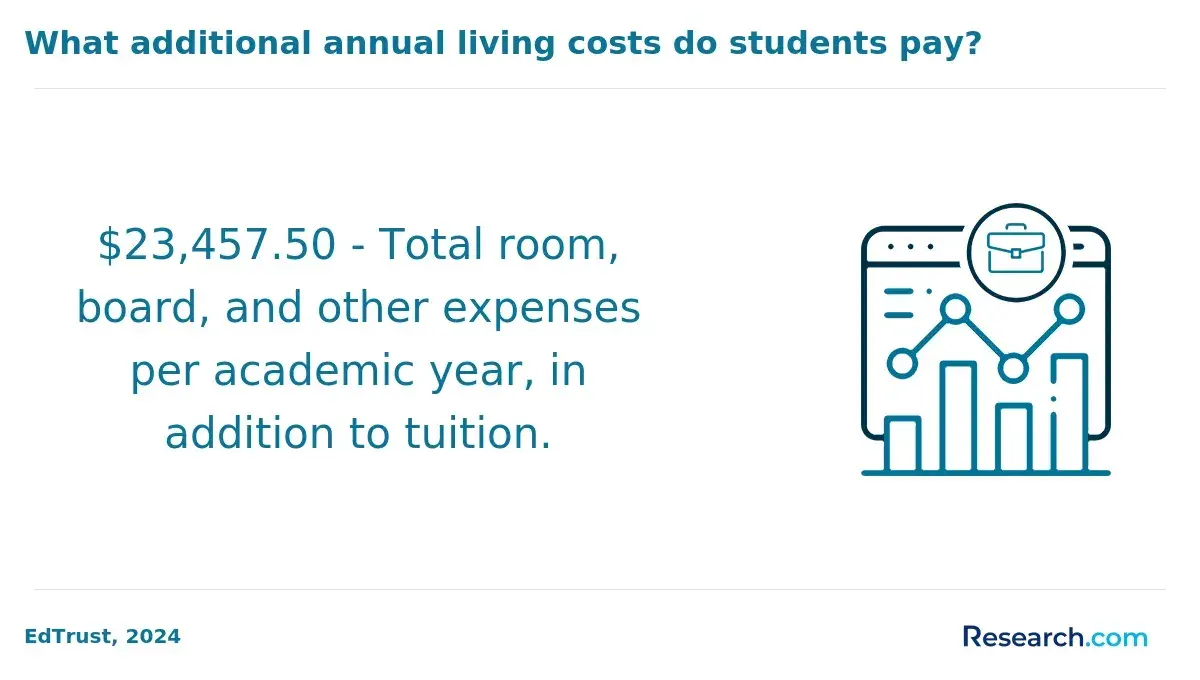
Program cost varies by institution type, residency, credits transferred, and whether you study online or on campus. College Board's 2024 pricing data provides a useful benchmark for published tuition and fees, but students should also calculate books, technology, transportation, housing, lost work hours, and loan interest. If financial aid access is essential, start with cheap online colleges that accept FAFSA and then compare total cost, not tuition alone.
These 2024-25 published tuition and fee benchmarks can help you estimate the scale of your investment before you compare individual schools.
- Public two-year college, in-district average: $4,050
- Public four-year college, in-state average: $11,610
- Public four-year college, out-of-state average: $30,780
- Private nonprofit four-year college average: $43,350
The table below shows typical education timelines and when each route makes sense.
| Path | Typical time | Who it fits | Trade-off |
| Associate degree plus bank experience | About 2 years, plus experience | Students seeking lower-cost entry into retail banking or operations | May limit advancement into credit, commercial lending, or management without further education |
| Bachelor's degree | About 4 years full time | Students targeting lending, credit, treasury, compliance, or management tracks | Higher upfront cost, but stronger alignment with officer-track hiring |
| Part-time bachelor's while working | Often 4 to 6 years | Current bank employees who need income and experience while studying | Slower completion, but work experience can improve promotion prospects |
| Certificate or employer training | Several weeks to several months | Employees filling a skill gap in lending, compliance, analytics, or supervision | Usually not a substitute for a degree in competitive officer tracks |
| MBA or graduate finance degree | About 1 to 3 years | Professionals targeting senior management, corporate banking, or executive roles | Can be expensive and is usually most useful after work experience |
What licenses, certifications, or exams do bank officers need, if any?
There is no single national license required for every bank officer. Requirements depend on the officer's function, employer, products handled, and state rules. A branch officer or credit officer may not need a personal license, while someone who originates residential mortgage loans generally must meet federal and state mortgage loan originator requirements through the Nationwide Multistate Licensing System.
The table below explains common credentials and when they may matter.
| Credential or exam | When it applies | What students should know |
| Mortgage Loan Originator license through NMLS | Residential mortgage origination | Typically involves pre-licensing education, testing, background checks, and continuing education; requirements can vary by state and employer |
| FINRA securities exams | Bank employees who sell or advise on securities products through an affiliated broker-dealer | Common exams may include Series 6, 7, 63, 65, or 66 depending on duties; sponsorship is often required |
| Insurance license | Roles selling insurance products through a bank or affiliate | State licensing rules apply and product type matters |
| Certified Regulatory Compliance Manager | Compliance leadership and bank regulatory roles | Usually more relevant after experience than before entry-level employment |
| Certified Anti-Money Laundering Specialist | Financial crime, BSA/AML, fraud, and compliance roles | Can strengthen specialized compliance careers, but employers may prefer experience first |
The safest approach is to verify requirements with the employer and the relevant licensing body before paying for exam prep. A common mistake is earning an unrelated credential because it sounds impressive, when the target bank role does not require it or reward it.
What entry-level jobs and career paths lead to senior bank officer positions?
Many bank officers begin in entry-level banking or finance roles and advance as they gain product knowledge, customer trust, risk judgment, and performance results. Students do not always need to land an officer title immediately after graduation. In fact, credit analyst, loan processor, universal banker, and management trainee roles can be smart starting points because they teach the systems and policies behind bank decisions.
If you already have credits or work experience and want to move faster, a fast track bachelor degree may help reduce time to completion, but only if the program is accredited, manageable, and aligned with your target banking track.
The table below outlines common stepping-stone roles and where they can lead.
| Starting role | Skills gained | Possible next step | Longer-term officer path |
| Teller or universal banker | Customer service, transactions, basic products, compliance routines | Personal banker or assistant branch manager | Branch officer or retail banking manager |
| Loan processor or loan assistant | Documentation, underwriting support, borrower communication | Junior loan officer or mortgage loan originator | Loan officer or lending manager |
| Credit analyst | Financial statements, cash flow, risk ratings, credit memos | Senior credit analyst or portfolio manager | Credit officer or commercial banking officer |
| Compliance assistant | Policy testing, documentation, audit support, regulatory research | Compliance analyst | Compliance officer or BSA/AML officer |
| Operations specialist | Process control, systems, error resolution, digital banking support | Operations supervisor | Operations officer or banking operations manager |
Use these steps to make advancement more likely rather than waiting for a promotion to happen on its own.
- Tell your manager which officer track you want and ask what measurable performance would qualify you for the next role.
- Volunteer for projects involving audits, loan files, customer outreach, system upgrades, or process improvement.
- Learn to write clear memos and document decisions, because officers must create records that other teams can review.
- Track your achievements in numbers when possible, such as portfolio accuracy, service quality, cross-training completed, or processing time reduced.
- Build relationships with credit, compliance, operations, and lending teams so you understand how the bank works beyond your current desk.
What is the average salary, bonus potential, and benefits for bank officers?
Bank officer pay depends on role, region, bank size, book of business, licensing, performance incentives, and management responsibility. Students should use salary data as a benchmark, not as a promise. Officer titles vary widely across employers, so comparing duties is more reliable than comparing titles alone.
BLS May 2024 wage data is useful because it provides national benchmarks for related occupations. The table below maps common bank officer paths to the closest wage categories students are likely to encounter.
| Bank officer path | Relevant BLS wage benchmark | How to interpret it |
| Loan officer | Loan officers had median annual pay above $74,000 in May 2024 | Mortgage, commercial, and consumer lending pay can vary based on volume, commission structure, and employer policies |
| Branch or banking manager | Financial managers had median annual pay above $161,000 in May 2024 | Senior management pay is typically higher than entry-level branch leadership and usually requires experience |
| Credit, risk, and compliance officer | Often aligned with financial analyst, compliance officer, or financial manager categories depending on seniority | Specialized risk and regulatory expertise can improve advancement, but titles differ by bank |
| Operations officer | May align with operations management or financial management categories depending on scope | Pay is influenced by team size, systems responsibility, and whether the role is regional or enterprise-level |
Bonus potential is most common in revenue-linked or performance-linked roles, but it is not guaranteed. Lending officers may have incentives tied to production, portfolio quality, or business development; branch officers may have incentives tied to service, deposits, sales goals, and compliance results. Strong banks also weigh risk controls, because unsafe growth can create regulatory and credit problems.
Benefits can be an important part of total compensation, especially for students comparing banking with other finance roles. Typical benefits may include the following, depending on employer size and policy:
- Health, dental, and vision insurance
- Retirement plan contributions or matching
- Paid time off and bank holidays
- Tuition assistance or professional development support
- Employee banking discounts or loan benefits
What is the job outlook for bank officers and demand in the U.S. banking industry?
The job outlook for bank officers is mixed by specialty. BLS projections show loan officer employment growing 1% from 2023 to 2033, which suggests a slower-growth market where candidates may need strong sales, credit, and relationship skills to stand out. By contrast, financial manager employment is projected to grow 17% over the same period, which points to stronger demand for experienced leaders who can manage risk, reporting, profitability, and strategy.
Current banking trends favor students who can combine finance fundamentals with technology and compliance awareness. Automation may reduce some routine processing tasks, but it also increases the need for officers who can review exceptions, interpret data, manage customer trust, and make defensible decisions.
These trends are especially relevant when deciding what to study and which entry-level role to pursue.
- Digital banking adoption: Officers increasingly work with online applications, mobile banking tools, digital documentation, and customer data systems.
- AI-supported workflows: Screening, fraud detection, document review, and customer service tools can speed work, but human oversight remains important for judgment and compliance.
- Regulatory scrutiny: Banks need employees who understand fair lending, privacy, anti-money laundering, consumer protection, and internal controls.
- Relationship-based competition: Community and commercial banking still rely on trust, local knowledge, and client advising, especially in small business and commercial lending.
- Cost pressure and consolidation: Some branch networks are leaner, so adaptable employees who can handle sales, service, technology, and compliance have an advantage.
The smartest strategy is to avoid preparing for "bank officer" in the abstract. Pick a track, build the matching skills, and choose education that keeps debt manageable while improving your access to internships, promotions, or specialized roles.
Other Things You Should Know
Not always, but a bachelor's degree is strongly preferred for many lending, credit, compliance, treasury, and management-track roles. Some employees advance from teller, banker, processor, or analyst positions through experience and internal training.
Finance is the most direct major for lending and credit roles. Accounting is excellent for credit analysis and risk work, while business administration can fit branch management or operations if the student chooses finance and analytics electives.
It can be worth it for students who like finance, customer relationships, decision-making, and regulated business environments. The ROI depends on education cost, specialization, location, performance, and whether the role leads to management or advanced finance responsibility.
Some operations, compliance, risk, underwriting, and digital banking roles may offer hybrid or remote options, depending on the employer. Customer-facing branch and relationship roles usually require more in-person work.
References
- How to Become a Bank Compliance Officer | OnCourse Learning https://www.oncourselearning.com/resources/how-become-bank-compliance-officer
- Banking bonuses: The situation in 2025 https://www.efinancialcareers.com/news/banker-bonuses
- The Case of the Vanishing Teller: How Banking’s Entry Level Jobs Are Transforming — The Burning Glass Institute https://www.burningglassinstitute.org/bginsights/the-case-of-the-vanishing-teller-how-bankings-entry-level-jobs-are-transforming
- Industries & Fields - Vault https://vault.com/industries/commercial-banking/industry-outlook
- Subscribe https://iibf.org.in/pages/certification-areas-identified-by-rbi-details
- Online MBA vs Campus MBA Program - Which one to choose https://rcu.education/online-mba-vs-campus-mba-programs/
- Finance Officer Job Description | Hays https://www.hays.com.au/jobs/accountancy-finance/finance-officer-jobs-australia/job-description
- Banking Degrees & Careers | How To Become A Banker https://www.learnhowtobecome.org/finance-business-careers/banking/
- Banking Industry https://collegegrad.com/industries/banking
- Banking Recruitment and Salary Trends 2025 https://www.glozo.com/reports/2025-banking-recruitment-and-salary-trends