2027 IS a 3 5 GPA Good in College: What Students Need to Know for Admissions

Co-Founder and Chief Data Scientist
A 3.5 GPA can feel hard to interpret: strong enough for many opportunities, but not always enough for highly selective admissions. That question matters because Common App reported a 7% increase in first-year applicants in its 2023-2024 cycle, making academic signals more competitive.
This guide is for college students planning graduate school, transfer applications, scholarships, internships, or jobs. You will learn what a 3.5 means, where it is competitive, when it may need support, and how to strengthen your application strategy.
Key Things You Should Know
- A 3.5 GPA on a 4.0 scale usually equals an A-/B+ average and is generally considered a good college GPA, especially when paired with rigorous courses, strong recommendations, and relevant experience.
- For very selective graduate, professional, scholarship, or transfer pathways, a 3.5 may be competitive but not automatically strong; for example, AAMC data for the 2024-2025 entering class show U.S. MD matriculants had a mean total GPA of about 3.78.
- A 3.5 GPA is often high enough to list on a resume, meet many scholarship minimums, and pass employer screens, but students should check each school's or employer's threshold because cutoffs commonly vary by field and institution.
Is a 3.5 college GPA considered good for competitive admissions and scholarships?
A 3.5 college GPA is generally considered good for admissions and scholarships because it shows consistent above-average performance. On many 4.0 grading scales, it reflects a mix of A and B grades, which signals that you can handle college-level work without major academic weaknesses.
The important distinction is between eligible and competitive. A 3.5 may meet the minimum for many programs and merit awards, but highly selective scholarships, honors colleges, and graduate programs often compare applicants against peers with GPAs closer to 3.7 or higher. That does not make a 3.5 weak; it means the rest of the application matters more.
The table below shows how a 3.5 GPA is usually interpreted in common admissions and funding situations. Use it as a general decision guide, not as a substitute for checking each school's published requirements.
| Opportunity | How a 3.5 GPA is usually viewed | What can strengthen the application |
| General college admissions or readmission | Strong academic record for many institutions | Clear academic goals, upward trend, and completed prerequisites |
| Merit scholarships | Often meets many minimum GPA thresholds | Leadership, service, essays, financial need, or major-specific achievements |
| Highly selective scholarships | May be below the most competitive academic profile | Exceptional recommendations, research, awards, or unusual impact |
| Honors programs | Potentially competitive, depending on cutoff | Strong writing sample, faculty support, and challenging coursework |
| Test-optional admissions review | More important because grades carry added weight | Course rigor, grade trend, and evidence of college readiness |
Students should also remember that scholarship competition is affected by rising costs. The College Board's 2024 Trends in College Pricing reported average published tuition and fees of $11,610 for in-state students at public four-year colleges for 2024-2025. That makes merit aid valuable but also more competitive, so a 3.5 GPA should be paired with targeted scholarship searches rather than used as the only selling point.
How does a 3.5 GPA affect chances of getting into graduate and professional programs?
A 3.5 GPA can support admission to many graduate and professional programs, but competitiveness depends heavily on the field. Programs in education, business, public administration, social sciences, communications, and many master's-level professional fields may view a 3.5 as a solid academic record. In contrast, medical school, elite PhD programs, and some highly selective law or STEM programs may expect stronger academic indicators.
Graduate admissions committees rarely evaluate GPA in isolation. They usually look at whether your grades match the field you want to enter. A 3.5 overall GPA with a 3.8 in major courses may be more persuasive than a 3.7 overall GPA with weak grades in prerequisites.
Different graduate pathways treat a 3.5 GPA differently, so students should compare expectations before applying. The table below summarizes common patterns across program types.
| Program type | How a 3.5 GPA may be viewed | Key admissions factor beyond GPA |
| Master's programs | Usually solid for many accredited programs | Statement of purpose, recommendations, and relevant experience |
| MBA programs | Generally acceptable if work experience is strong | Career progression, quantitative readiness, and leadership |
| PhD programs | Competitive in some fields, less so in top research programs | Research fit, writing sample, publications, and faculty match |
| Law school | Depends strongly on target school medians | LSAT or GRE, personal statement, and academic rigor |
| Medical school | Below the recent MD matriculant mean, but not automatically disqualifying | Science GPA, MCAT, clinical exposure, service, and upward trend |
If you are considering doctoral study, pay attention to fit, funding, timeline, and admissions expectations rather than looking only for the easiest doctorate to get. A shorter or less selective program is not always the best choice if it lacks proper accreditation, faculty alignment, or career value.
For professional programs, the smartest move is to build an application list with reach, match, and safer options. A 3.5 GPA may be strong enough for the right programs, but applicants should verify class profiles, prerequisite grades, and exam expectations before spending time and application fees.
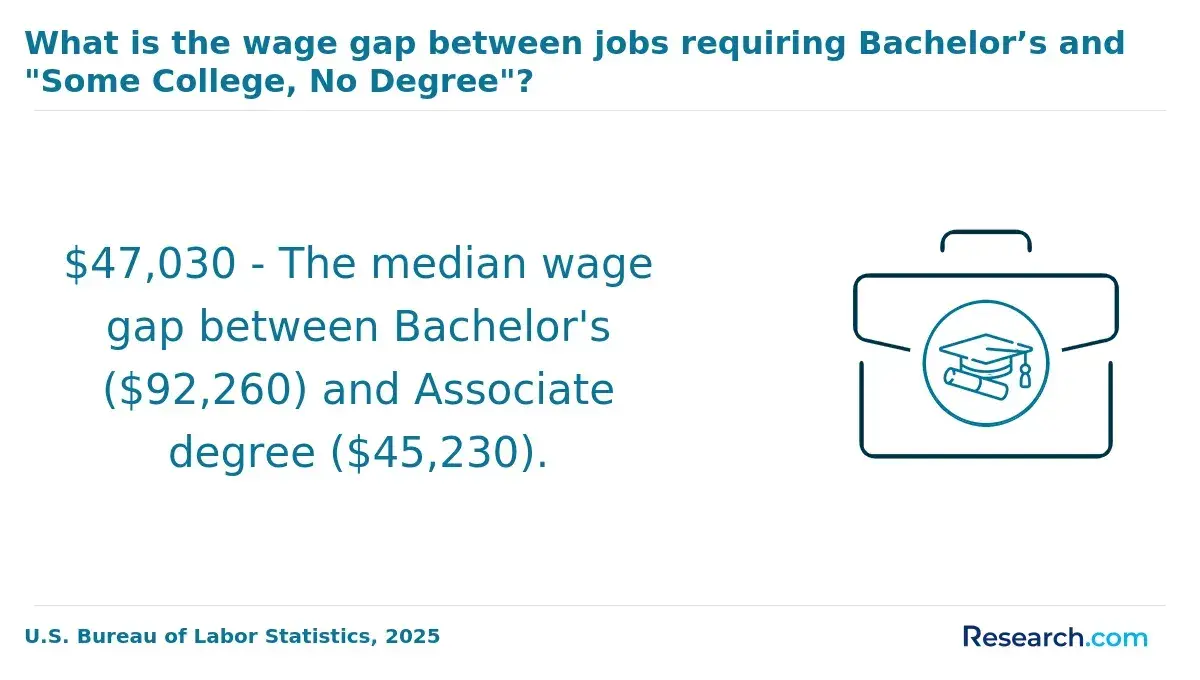
Is a 3.5 GPA competitive for transferring to more selective colleges or universities?
A 3.5 GPA can be competitive for transfer admission, especially from a community college or less selective four-year institution to a moderately selective university. Transfer offices often value proof that you have already succeeded in college-level courses, and a 3.5 provides that evidence.
For the most selective universities, however, transfer admissions can be even more competitive than first-year admissions because available seats are limited. In those cases, a 3.5 may need support from excellent prerequisite grades, a clear reason for transfer, strong essays, and a record of making good use of your current institution.
Students applying to online or transfer-friendly institutions should also compare application barriers. Some online colleges with no application fee can reduce upfront costs, but students should still verify accreditation, transfer credit policies, and degree requirements before applying.
Before transferring with a 3.5 GPA, review the following factors because they can matter as much as the cumulative number:
- Major prerequisites: Selective majors such as nursing, engineering, computer science, and business may require specific courses and higher grades than the university-wide minimum.
- Credit transfer rules: A strong GPA does not help if many credits transfer only as electives and delay graduation.
- Grade trend: Admissions readers often respond positively when recent grades are stronger than earlier grades.
- Reason for transfer: A focused academic or career reason is stronger than a vague desire to attend a more prestigious school.
- Space availability: Some universities admit transfers by college, department, or campus capacity rather than only by GPA.
A common mistake is applying only to dream schools because a 3.5 "sounds good." A better approach is to compare historical transfer profiles, contact admissions, and apply to a balanced list that includes schools where your major GPA and completed coursework match the program's expectations.
What does a 3.5 GPA mean in terms of academic performance and grade distribution?
A 3.5 GPA means your academic performance is clearly above average on a standard 4.0 scale. It usually represents an A-/B+ average, depending on how your college converts letter grades to grade points. It is not perfect, but it shows consistent achievement and usually avoids the academic risk signals associated with lower GPAs.
GPA interpretation becomes clearer when you understand how grade points work. The table below shows a common conversion, though individual colleges may use plus/minus grades differently.
| Letter grade pattern | Typical grade point value | What it suggests |
| Mostly A grades | 3.7 to 4.0 | Excellent performance, often competitive for selective awards and programs |
| Mix of A and B grades | About 3.3 to 3.6 | Strong performance with room to improve for highly selective goals |
| Mostly B grades | About 3.0 | Good standing at many colleges, but less competitive for selective admissions |
| Mix of B and C grades | About 2.5 to 2.9 | May require explanation or improvement for competitive opportunities |
Grade distribution also matters. A 3.5 earned through steady performance in advanced coursework may be stronger than a 3.5 built from easier electives and weaker major grades. Admissions committees often read transcripts, not just GPA summaries, so course difficulty and subject relevance influence the meaning of the number.
Students should also separate cumulative GPA from major GPA. Cumulative GPA includes all attempted courses, while major GPA focuses on courses in your field. If your major GPA is higher than your cumulative GPA, it can be worth highlighting because it shows readiness for advanced study or employment in that area.
How does a 3.5 GPA compare across majors, grading policies, and different institutions?
A 3.5 GPA does not mean the same thing in every major or at every college. Some programs have tougher grading cultures, heavier lab or studio demands, strict curves, or accreditation-driven performance standards. Others may have more project-based assessments or flexible grading policies. That is why admissions committees and employers often consider context.
A major choice can also affect how much GPA matters after graduation. Students comparing academic difficulty with career payoff may want to review the highest paying majors, but salary potential should not be the only factor; fit, persistence, licensure, and market demand matter too.
The table below explains how a 3.5 may be interpreted in different academic contexts. It helps students avoid comparing GPAs without considering workload and evaluation style.
| Context | What a 3.5 may signal | How to add context |
| STEM or engineering major | Often viewed as strong because technical courses may be demanding | Highlight upper-level, lab, research, or quantitative coursework |
| Health-related major | Strong, but prerequisite grades may matter more than overall GPA | Separate science GPA and clinical or service experience |
| Business major | Generally competitive for internships and many graduate programs | Show analytics, leadership, and project outcomes |
| Humanities or social sciences | Good academic record, especially with writing-intensive work | Include writing samples, research, language skills, or public-facing work |
| Highly selective institution | May carry added context because peer competition is strong | Emphasize course rigor, faculty recommendations, and class projects |
| Open-admission or transfer-focused institution | Shows strong performance, but reviewers may examine course level closely | Document honors courses, prerequisites, and upward trend |
Students should avoid assuming that a lower GPA in a difficult major is automatically excused. Context helps, but it does not erase weak prerequisite grades. If your target program requires calculus, organic chemistry, statistics, or writing-intensive preparation, those specific grades can carry more weight than your overall GPA.
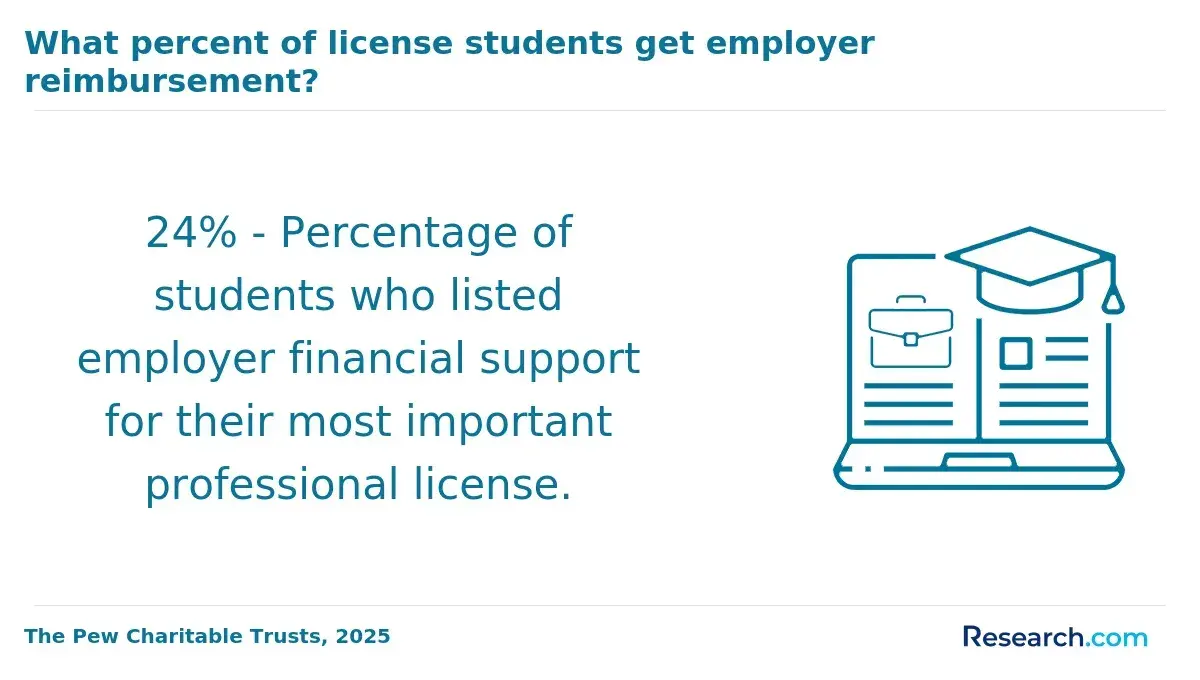
Can a 3.5 GPA support admission to accredited online programs as well as campus options?
A 3.5 GPA can support admission to accredited online programs as well as campus-based programs. Many online bachelor's completion, master's, and certificate programs are designed for working adults and may use holistic admissions criteria, so a 3.5 is often a positive signal of readiness.
The more important question is whether the online program is properly accredited and aligned with your goal. For most students, regional or institutional accreditation is essential for credit transfer, employer recognition, federal financial aid eligibility, and future graduate study. Programmatic accreditation may also matter in fields such as nursing, counseling, education, engineering, business, and public health.
The table below compares online and campus options for a student with a 3.5 GPA. It is meant to help you decide which format better fits your schedule, learning style, and career plan.
| Program format | When it can make sense with a 3.5 GPA | Possible drawback |
| Fully online | You need flexibility, work full time, or live far from campus | Requires self-direction and careful accreditation checks |
| Hybrid | You want flexibility but still need labs, networking, or campus access | May require commuting or fixed meeting times |
| Campus-based | You value in-person faculty contact, facilities, and student organizations | May cost more in housing, commuting, or schedule flexibility |
| Accelerated online | You have strong study habits and want faster completion | Compressed courses can make GPA improvement harder if workload is high |
Online education has expanded because students want flexibility and lower opportunity costs, but convenience should not replace due diligence. Before enrolling, confirm that credits will transfer, financial aid is available if needed, and any licensure-related requirements can be completed in your state.
How does a 3.5 GPA influence eligibility for honors programs and academic distinctions?
A 3.5 GPA may qualify students for honors programs, dean's list recognition, Latin honors, departmental awards, or honor societies, but thresholds vary widely. Some colleges set cum laude around 3.5, while others use higher cutoffs or rank-based systems that depend on the graduating class.
Honors eligibility is not only about prestige. It can affect access to priority registration, smaller seminars, undergraduate research, faculty mentoring, thesis options, and scholarship consideration. For students planning graduate school, these opportunities may strengthen the application more than the label itself.
The table below shows common academic distinctions and how a 3.5 GPA may fit. Always verify your own college catalog because rules can differ by school, college, and graduation year.
| Academic distinction | Common relationship to a 3.5 GPA | Why it matters |
| Dean's list | Often within range if the term GPA meets the cutoff | Shows recent high performance and can support resumes |
| Cum laude | Often near the lower threshold at some institutions | Provides a formal graduation distinction |
| Magna or summa cum laude | Usually requires a higher GPA | May signal top academic standing for selective applications |
| Honors college | May qualify, but admission can include essays or interviews | Can provide research, advising, and advanced coursework |
| Departmental honors | May be competitive if major GPA is strong | Can demonstrate depth in a specific field |
If you are close to an honors cutoff, ask your advisor how repeated courses, pass/fail credits, transfer credits, and final-semester grades are treated. A small policy detail can determine whether a 3.5 appears as a distinction at graduation.
Is a 3.5 GPA strong enough for internships, entry-level jobs, and early career opportunities?
A 3.5 GPA is usually strong enough for internships, entry-level jobs, and early career opportunities where employers ask for academic performance. Many employers that use GPA screens set minimums around 3.0, though some competitive finance, consulting, engineering, or rotational programs may prefer higher GPAs.
GPA matters most when you have limited experience. Once you build internships, projects, certifications, portfolios, or full-time work history, employers tend to focus more on what you can do. The BLS reported median weekly earnings of $1,543 for bachelor's degree holders in 2024, which reinforces why students often use GPA as one piece of a broader strategy to access stronger early-career options.
A 3.5 can be especially useful when applying for structured programs that receive many applicants. To make it work harder for you, connect the GPA to evidence of skills rather than listing it alone.
- For technical roles, pair the GPA with projects, software tools, labs, GitHub work, certifications, or research experience.
- For business roles, connect it to analytics projects, case competitions, internships, leadership, or measurable campus organization results.
- For healthcare or helping professions, show service hours, clinical exposure, patient-facing experience, and prerequisite strength.
- For creative or communication roles, include a portfolio, writing samples, campaigns, publications, or client-facing work.
- For quieter or independent work preferences, explore career environments that match your strengths, including good jobs for introverts.
The biggest mistake is assuming a 3.5 GPA will replace experience. It can open doors, but internships and entry-level hiring still depend on skills, communication, reliability, and proof that you can contribute in a workplace.
What strategies help students raise a 3.5 GPA to a higher level before applying?
Raising a 3.5 GPA is possible, but it becomes harder as you earn more credits because each new grade has a smaller effect on the cumulative average. The best strategy is to focus on high-credit courses, required major classes, and preventable grade losses such as missed assignments or weak exam preparation.
If you have limited time before applications, use a targeted plan rather than trying to improve everything at once. The steps below are practical because they focus on actions that can change grades within one or two terms:
- Calculate the GPA you need: Use your transcript credits and current grade points to estimate what grades are required to reach 3.6, 3.7, or a specific program cutoff.
- Prioritize high-impact courses: Focus most on classes with more credits, major requirements, prerequisites, or courses relevant to your target program.
- Meet instructors early: Ask what separates B-level work from A-level work and whether drafts, problem sets, office hours, or practice exams are available.
- Reduce avoidable losses: Track deadlines, attendance rules, participation points, lab reports, and discussion posts because small missed items can lower strong exam performance.
- Use academic support before trouble appears: Tutoring, writing centers, supplemental instruction, and study groups work best before grades fall.
- Consider course timing carefully: If you work many hours or have family obligations, avoid stacking multiple difficult courses in the same short term.
Accelerated formats can help motivated students complete requirements faster, but they can also compress workload. If you are considering 6 week courses, choose them for subjects you can realistically manage at a fast pace, not for courses where you already struggle.
Common red flags include retaking courses without understanding the repeat policy, choosing easy electives that do not help prerequisites, ignoring mental health or workload issues, and assuming one strong semester will erase years of lower grades. A better approach is to create a realistic academic recovery plan with an advisor.
How should students present a 3.5 GPA on applications, resumes, and professional profiles?
Students should usually list a 3.5 GPA on resumes, applications, and professional profiles when it is relevant and accurate. It is strong enough to support early-career applications, scholarship forms, graduate school materials, and transfer applications. The key is to present it clearly and honestly.
Use the version of your GPA that best fits the opportunity, but do not mislead the reader. If your major GPA is stronger than your cumulative GPA, you may list both as long as they are labeled correctly.
- Resume example: "GPA: 3.5/4.0" is clear, concise, and appropriate for students or recent graduates.
- Major GPA example: "Major GPA: 3.8/4.0; Cumulative GPA: 3.5/4.0" is useful when applying to roles or programs in your field.
- Application example: Enter the GPA exactly as the form requests, including scale, institution, and transcript basis.
- LinkedIn or profile example: Include GPA only if it supports your early-career brand or academic goal.
- Graduate statement example: Do not simply repeat the GPA; explain upward trends, research readiness, or strong performance in relevant courses.
Do not round 3.46 to 3.5 unless the application instructions or your transcript system permits that rounding. Also avoid hiding a required GPA field, reporting only selected courses as if they were cumulative, or using weighted high school-style language for college grades.
The strongest presentation connects the 3.5 to a story: academic maturity, challenging coursework, improvement over time, leadership, work responsibilities, or preparation for a specific field. A GPA is a signal; your application should explain what that signal means.
Other Things You Should Know About
Yes. A 3.5 GPA is generally good because it reflects consistent A and B performance on a 4.0 scale. It is strong for many jobs, internships, scholarships, transfers, and graduate programs, though the most selective options may expect a higher GPA or exceptional supporting credentials.
Usually, yes, especially if you are a student or recent graduate. List it as "GPA: 3.5/4.0." If your major GPA is higher and relevant to the role, you can include both your major GPA and cumulative GPA.
Yes, many graduate programs consider a 3.5 GPA competitive. However, admissions depend on the field, school selectivity, prerequisite grades, recommendations, statement of purpose, test scores if required, research, and work experience.
It can be enough for many scholarships, especially those with minimum GPA requirements around the 3.0 to 3.5 range. Highly selective merit awards may require stronger academics or major achievements, so students should apply broadly and tailor essays carefully.
References
- What Is a Good GPA? https://myevaluationpal.com/blog/what-is-a-good-gpa/
- Chances of getting a job with a low GPA - Career Opportunities & Internships - College Confidential Forums https://talk.collegeconfidential.com/t/chances-of-getting-a-job-with-a-low-gpa/24616
- Is a 3.5 GPA for grad school good enough? - Academia Insider https://academiainsider.com/is-a-3-5-gpa-for-grad-school-good-enough/
- What GPA Do You Need for Internships and Jobs? (And What to Do If Yours Is Low) - OnCampusNation https://oncampusnation.com/what-gpa-do-you-need-for-internships-and-jobs-and-what-to-do-if-yours-is-low/
- How To Raise Your High School GPA: 7 Proven Strategies https://www.c2educate.com/how-to-raise-your-gpa/
- Can You Get Into Online College With a Low GPA? 2026 Guide https://www.collegetransitions.com/blog/can-you-get-into-online-college-with-a-low-gpa/
- Cum Laude Levels Explained | Latin Academic Honors Guide | Best Touchscreen https://best-touchscreen.com/blog/cum-laude-levels-explained/
- GPA & Global Grading Scales Explained | IEE Knowledge Base https://myiee.org/blog/gpa-and-global-grading-scales-explained/
- How to Raise Your GPA: 50 Smart Tips for Students https://empowerly.com/applications/raise-your-gpa/
- 3.5 GPA to Percentage: What Percentage Is a 3.5 GPA? https://cgpafullform.com/blog/3-5-gpa-to-percentage/