2027 Ed2 Schools: Complete Guide for College Applicants

Co-Founder and Chief Data Scientist
Choosing an Ed2 school usually means deciding whether a short, career-focused online program is a smarter move than a traditional degree. That matters because NCES reported in 2024 that more than half of U. S. undergraduates took at least one distance education course in fall 2022, showing how normal online learning has become. This guide is for college applicants, career changers, and working adults comparing ed2go-style partner programs. You will learn how these programs work, what to verify, what they may cost, and when they make sense.
Key Things You Should Know
- "Ed2 schools" usually refers to colleges and universities that offer online workforce courses through ed2go or a similar continuing education partner; the college may be accredited, but the individual noncredit course is not the same as an accredited degree.
- Cost comparisons should separate noncredit course tuition from college degree tuition; College Board's 2024 data put average published in-district tuition and fees at public two-year colleges at $3,990, while short career courses may cost less but often do not qualify for federal Pell Grants or federal student loans.
- Outcomes depend heavily on the career field: BLS May 2024 median wages were $50,250 for medical records specialists, $61,550 for computer support specialists, and $101,610 for project management specialists, but a certificate alone does not guarantee entry into any role.
What are Ed2 schools and how do they fit into the U.S. higher education system?
Ed2 schools are not a separate category in the U.S. higher education system. In most searches, the term points to colleges, universities, community colleges, and workforce divisions that offer online courses through ed2go, a third-party online education provider used by many continuing education departments.
The key distinction is institutional identity. The school may be an accredited community college or university, while the Ed2-style course may be a noncredit continuing education course, a professional training program, or a certificate of completion. That can be useful for career preparation, but it is different from earning an associate, bachelor's, master's, or doctoral degree through the college's academic catalog.
For applicants, this distinction affects transfer credit, financial aid, employer recognition, and licensing eligibility. A noncredit medical billing course, for example, may help prepare for an industry exam, but it usually will not count the same way as college credit in a health information management degree. A project management course may help build job skills, but employers may still ask for experience, a degree, or a recognized certification.
The table below shows how Ed2-style programs fit next to more familiar college pathways. Use it to clarify what you are actually enrolling in before comparing prices or career outcomes.
| Pathway type | Typical provider | Credential earned | Best fit | Main caution |
| Ed2-style noncredit course | College continuing education unit plus online training partner | Certificate of completion or career training certificate | Adults seeking fast, job-focused skill development | May not carry academic credit or federal aid eligibility |
| Credit certificate | Academic department at a college | For-credit undergraduate or graduate certificate | Students who may later transfer credits into a degree | Usually has more formal admissions and academic policies |
| Associate or bachelor's degree | Accredited college or university | Academic degree | Students seeking broad education, transfer options, or degree-required jobs | Takes longer and usually costs more than short training |
| Industry certification pathway | Professional association, vendor, or certifying body | Exam-based certification | Workers in IT, healthcare, project management, or trades | Training course and certification exam are often separate |
In short, Ed2 programs can be valuable when you need targeted preparation quickly, but they should be evaluated as workforce training unless the school clearly states that the program awards academic credit.
How do Ed2 programs work with partner colleges to offer career-focused training?
Ed2 programs typically work through a partnership model. A college lists the course through its continuing education or workforce training office, while the online education partner supplies the course platform, curriculum, instructor access, and learner support tools.
This model can expand a school's catalog quickly. Instead of building every online workforce course from scratch, a college can offer training in medical coding, IT support, cybersecurity, human resources, bookkeeping, paralegal studies, project management, and other fields through a centralized course provider.
The table below explains the usual division of responsibilities. This matters because students often assume the college controls every part of the program, when in reality support, instruction, refunds, and completion documentation may be shared across organizations.
| Party involved | Typical role | What applicants should understand |
| Partner college or university | Markets the program, approves course listing, and may issue a completion document through continuing education | The school's accreditation does not automatically make every noncredit course an accredited academic program |
| Online training provider | Hosts the learning platform, curriculum, and course materials | The student experience may feel different from regular college courses in the academic catalog |
| Instructor or facilitator | Provides feedback, answers course questions, or monitors progress depending on the course format | Instructor access varies by course; self-paced programs may offer less live interaction |
| Student | Completes modules, assignments, simulations, or exam preparation activities | Career outcomes depend on effort, prior education, experience, certification exams, and employer requirements |
Before enrolling, applicants should confirm the operational details that affect the learning experience. These questions are especially important for students who need a credential for employment, licensure, or reimbursement.
- Ask whether the program is for credit, noncredit, or continuing education only.
- Confirm who issues the certificate or completion record and what the document will say.
- Check whether the course prepares students for a specific certification exam and whether exam fees are included.
- Review refund deadlines, course access length, instructor availability, and technology requirements.
- Ask whether the school maintains completion, placement, or certification pass-rate data for the specific program.
The partnership model can be efficient and affordable, but it requires careful reading. The most important step is to separate the college's reputation from the exact credential, support, and career value of the specific course.
Are Ed2 schools and their partner programs accredited and recognized by employers?
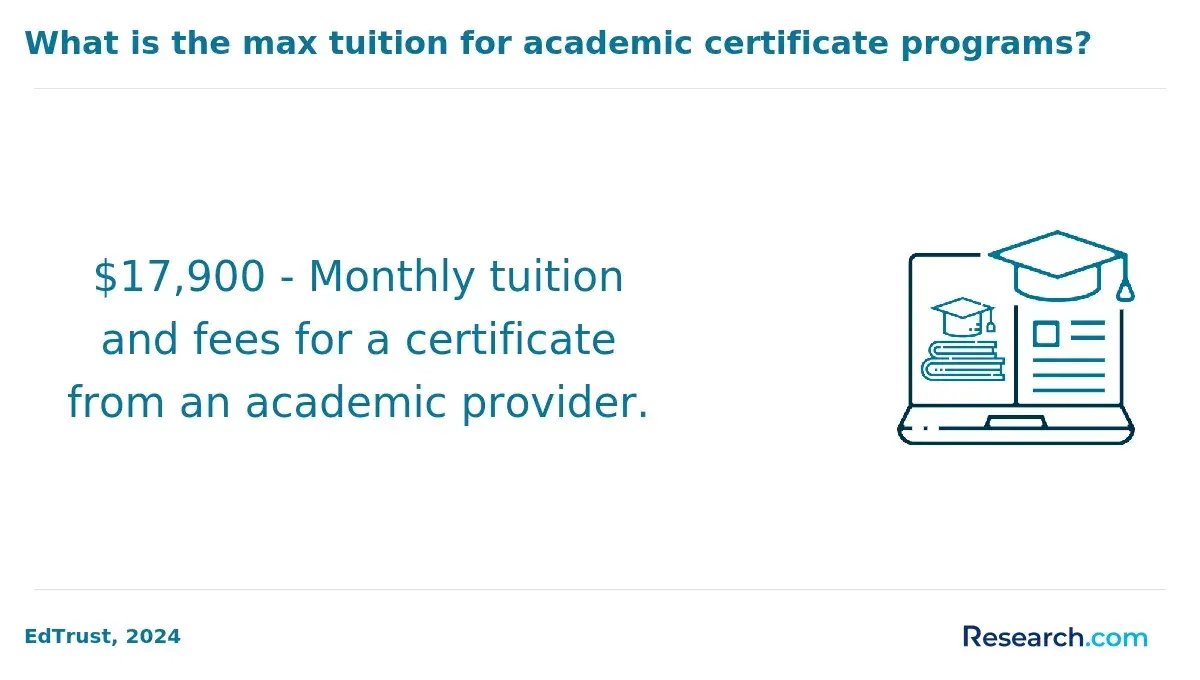
Accreditation is one of the most misunderstood parts of Ed2 school programs. A partner college may hold institutional accreditation from a recognized accrediting agency, but many Ed2-style offerings are noncredit continuing education courses. That means the program may be legitimate training without being an accredited academic degree or credit-bearing certificate.
Employer recognition also varies. Some employers value short training when it builds a practical skill, especially for entry-level administrative, healthcare support, IT support, or business operations roles. Others care more about academic degrees, supervised clinical experience, state licensure, or nationally recognized certifications.
The table below helps separate the recognition signals applicants commonly see. It can prevent the costly mistake of assuming that every certificate carries the same weight.
| Recognition signal | What it usually means | Why it matters |
| Institutional accreditation | The college or university is accredited as an institution | Important for credit transfer, degree credibility, and federal aid eligibility at the institution level |
| Programmatic accreditation | A specific academic program is reviewed by a field-specific accreditor | Often important in healthcare, education, counseling, and other regulated fields |
| Continuing education certificate | The student completed a noncredit training course | Can document skills but may not satisfy degree, credit, or licensure requirements |
| Industry certification preparation | The course prepares for an external exam | Useful only if the certification is recognized by employers in the target field |
| State licensure alignment | The program meets a state board's educational rules | Critical for regulated occupations; requirements vary by state |
Applicants should verify accreditation and recognition before paying. Use official sources, not only marketing pages, because state licensing boards, employers, and certification bodies may apply rules that the school cannot override.
- Search the institution in the U.S. Department of Education's Database of Accredited Postsecondary Institutions and Programs.
- Ask the school whether the specific course is credit-bearing or noncredit.
- Check the certification body's website to see whether the course aligns with exam eligibility rules.
- Contact a state licensing board if the program relates to healthcare, education, real estate, insurance, or any regulated occupation.
- Review job postings in your local labor market to see whether employers request the credential you plan to earn.
A reputable Ed2 partner program should make these distinctions clear. If a school or training provider implies that a short noncredit course is equivalent to an accredited degree, treat that as a red flag.
What degree, certificate, and non-degree pathways can students pursue through Ed2 schools?
Students use Ed2 school programs for different goals: testing a new field, preparing for an industry exam, adding a workplace skill, or building confidence before entering a degree program. The right pathway depends on whether your target job values speed, academic credit, certification, or a full degree.
Many Ed2-style programs are non-degree courses, but some partner colleges also offer credit certificates and degrees outside the Ed2 catalog. If you want a low-friction route into college study rather than a short workforce course, comparing easy online degrees can help you see which academic majors may be more manageable for working adults.
The table below compares common pathways. It is designed to help you match the credential type to your actual goal instead of choosing based only on convenience.
| Pathway | Typical length | Academic credit | Common goal | When it makes sense |
| Short skills course | Several weeks to a few months | Usually no | Learn a tool, software platform, or workplace skill | You need a specific skill for your current job or resume |
| Career training program | A few months to about a year depending on pace | Usually no unless stated otherwise | Prepare for entry-level employment or certification | You want structured training without committing to a degree |
| Credit certificate | One semester to one year in many colleges | Yes | Earn stackable college credit | You may later pursue an associate or bachelor's degree |
| Associate degree | About two years full time | Yes | Prepare for transfer or technical employment | Your target job asks for college credit or a degree |
| Bachelor's degree | About four years full time, less with transfer credit | Yes | Meet degree requirements for broader career paths | You want long-term mobility or roles where degrees are screened |
A non-degree pathway can be a good fit when the job market rewards demonstrable skills, portfolios, software competence, or certification readiness. It may be a poor fit when the occupation requires licensure, clinical hours, a degree, or state-approved education.
Applicants should also think about stackability. A course that cannot transfer into a degree may still be worthwhile, but it should solve a near-term problem: qualifying for an exam, building a marketable skill, or helping you decide whether a field is worth deeper investment.
How do online Ed2 programs compare to on-campus options for flexibility and outcomes?
Online Ed2 programs are built for flexibility. Many are asynchronous, meaning students can log in outside normal class hours, which is helpful for working adults, parents, military families, and applicants who live far from campus. The trade-off is that students must manage their own schedule and may have fewer in-person labs, networking events, or campus career services.
Online learning is no longer a niche option. NCES reported in 2024 that distance education remained a major part of U.S. higher education after the pandemic-era shift, which means employers and colleges are increasingly familiar with online coursework. Still, format alone does not determine quality; course design, instructor support, assessment standards, and career alignment matter more.
The table below compares online Ed2-style programs with campus-based options. Use it to decide whether convenience is worth the potential trade-offs for your learning style and career target.
| Factor | Online Ed2-style program | On-campus option | Best choice when |
| Schedule | Often self-paced or asynchronous | Fixed class times | Online is better if work or family obligations make fixed schedules difficult |
| Hands-on learning | May use simulations, projects, or virtual labs | May provide physical labs, equipment, or supervised practice | Campus may be better for clinical, lab-heavy, or equipment-based training |
| Peer interaction | Discussion boards, messaging, or limited live sessions | In-person classmates and faculty access | Campus may be better if networking and accountability matter |
| Career services | Varies by partner school and program | May include local employer relationships | Campus may be better when local placement support is essential |
| Speed | Often faster for short training | May follow semester calendars | Online may be better for quick upskilling or certification preparation |
Some students also compare short Ed2-style certificates with accelerated academic programs. If your goal is a graduate credential rather than a workforce certificate, options such as a master degree in 6 months may be worth reviewing, but only if the program is accredited, realistic for your background, and aligned with your career requirements.
Online Ed2 programs work best for self-directed learners who want targeted training. Students who need extensive tutoring, clinical supervision, hands-on equipment, or strong campus networking should compare local community college or university options before enrolling.
What admissions requirements and enrollment steps do Ed2 school programs typically have?
Admissions for Ed2 school programs are usually simpler than admissions for degree programs. Many noncredit continuing education courses do not require standardized tests, transcripts, essays, or formal college admission. However, "easy enrollment" should not be confused with "right fit." Some programs require a high school diploma, prior coursework, technology access, background checks, or eligibility for a certification exam.
If you are comparing schools and want to reduce upfront barriers, lists of online colleges with free applications can be useful for academic programs, but Ed2-style noncredit enrollment may follow a separate continuing education registration process.
Applicants should follow a structured enrollment process rather than clicking the first available "enroll" button. The steps below help you avoid common surprises around credit, costs, and credential value.
- Identify the exact job, certification, or skill you want the program to support.
- Confirm whether the course is noncredit, credit-bearing, or part of a larger academic pathway.
- Check the partner college's accreditation and the training provider's role in course delivery.
- Review prerequisites, technology requirements, course access period, and weekly time expectations.
- Ask whether certification exam fees, textbooks, software, or vouchers are included in tuition.
- Request written information on refund policies, completion requirements, and documentation issued after finishing.
- Compare at least two alternatives, including a local community college, employer-sponsored training, or direct certification provider.
Common admissions requirements are often light, but they still matter. A medical terminology course may expect strong reading skills. An IT course may require a current computer and admin rights to install software. A paralegal program may expect strong writing ability. A certification-prep course may not be useful if you do not meet the certification body's exam eligibility rules.
The safest approach is to treat enrollment like a purchase decision and an academic decision at the same time. Ask for details in writing, compare total cost, and verify that the program matches the requirement you are trying to meet.
How long do Ed2 programs usually take, and what tuition, fees, and funding options exist?
Ed2 program length varies widely. Short courses may last a few weeks, while comprehensive career training programs may take several months and sometimes allow up to a year of access. The actual timeline depends on whether the course is self-paced, instructor-led, tied to a cohort, or designed around certification preparation.
Cost should be evaluated against alternatives. College Board's 2024 Trends in College Pricing reported average published tuition and fees of $3,990 for in-district students at public two-year colleges. That figure gives applicants a useful benchmark: a short noncredit course may be cheaper than a semester or year of college, but it may also offer no academic credit and limited access to federal aid.
When comparing Ed2-style programs, separate the sticker price from the full cost of completion. The items below are the cost categories most likely to change your real out-of-pocket expense.
- Published course tuition listed by the partner school or continuing education office.
- Textbooks, ebooks, software, lab kits, or digital access codes required for coursework.
- Certification exam fees, exam vouchers, background checks, or proctoring charges.
- Technology costs such as a laptop, webcam, reliable internet, or required software subscriptions.
- Opportunity cost from reducing work hours or extending the course because of scheduling conflicts.
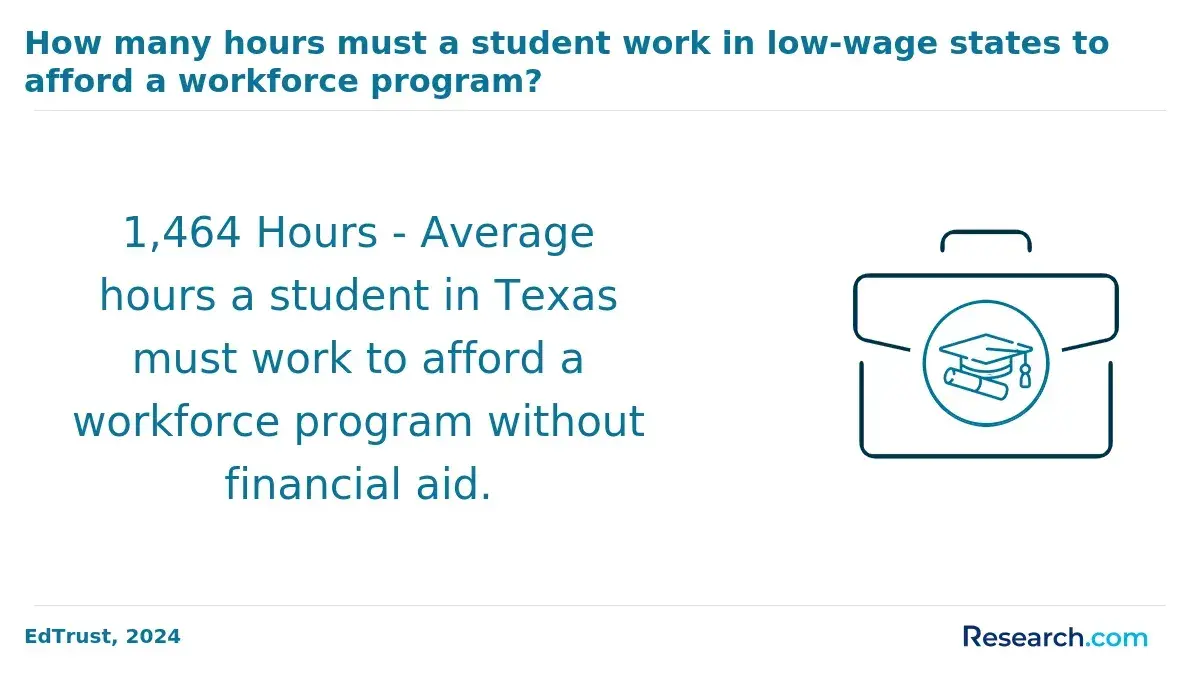
Funding options are usually more limited for noncredit programs than for degree programs. Federal Pell Grants and federal student loans generally apply to eligible Title IV programs, not every continuing education course. Some students instead use employer reimbursement, workforce grants, state job-training funds, military education benefits, private payment plans, or local scholarships.
If your long-term goal requires an advanced academic credential, do not assume that multiple short certificates will be cheaper than a coherent degree plan. Students considering research, university teaching, or senior professional roles should compare certificate costs with accredited degree pathways, including cheapest PhD programs when a doctorate is truly required for the target role.
The best financial decision depends on the credential required for your goal. A short course can be a strong value if it helps you pass a recognized exam or qualify for a near-term promotion. It may be a weak investment if the target job consistently asks for a degree, supervised experience, or state-approved training that the course does not provide.
What careers, job roles, and industries can Ed2 training prepare students to enter?
Ed2 training is most common in career fields where adults need practical, job-ready skills but may not need a full degree to start learning. Popular areas include healthcare administration, medical billing and coding, IT support, cybersecurity fundamentals, business operations, bookkeeping, human resources, project management, legal support, and digital marketing.
Applicants should connect each program to real job duties. A course title can sound impressive, but hiring managers care about whether you can complete tasks, use relevant tools, communicate clearly, and meet industry standards.
The table below summarizes common career directions linked to Ed2-style training. It does not mean a short course is always sufficient; it shows where the training may fit into a broader preparation plan.
| Field | Possible roles | Typical responsibilities | Important skills |
| Healthcare administration | Medical records specialist, medical billing assistant, coding trainee | Maintain patient records, process claims, support coding and documentation workflows | Accuracy, privacy awareness, medical terminology, coding systems |
| Information technology | Help desk technician, computer support specialist, entry-level IT support | Troubleshoot devices, support users, document tickets, install or configure software | Problem solving, customer service, networking basics, operating systems |
| Business and finance support | Bookkeeping clerk, payroll assistant, administrative coordinator | Track transactions, prepare reports, support payroll or office systems | Spreadsheet skills, attention to detail, accounting basics, communication |
| Project and operations support | Project coordinator, operations assistant, scheduling coordinator | Track timelines, update stakeholders, organize documents, monitor deliverables | Organization, project software, communication, risk tracking |
| Legal support | Legal assistant, paralegal trainee, records clerk | Prepare documents, organize case files, conduct basic legal research under supervision | Writing, research, confidentiality, document management |
Current workplace trends make careful program choice more important. AI tools are changing administrative, coding, writing, and technical support tasks, so students should look for programs that teach judgment, compliance, problem solving, software fluency, and communication rather than only routine data entry.
Students can improve career readiness by pairing an Ed2 course with practical evidence of skill. That may include a portfolio, sample reports, coding practice, a help desk lab, spreadsheet projects, mock claims, or certification exam results. For many entry-level roles, the combination of training plus demonstrable ability is stronger than a certificate alone.
What salary ranges and job outlook can graduates of Ed2 programs realistically expect?
Salary and job outlook for Ed2 program graduates vary by occupation, location, experience, credential level, and employer. The safest way to use wage data is to compare the target occupation, not the course provider. A short program may help you prepare for a field, but it does not guarantee a job title or salary.
The table below uses BLS May 2024 wage data and current occupational outlook categories to give applicants a realistic benchmark. Treat these figures as labor-market context, then compare them with job postings in your city or state.
| Occupation | Relevant Ed2-style training area | May 2024 median annual wage | Outlook context |
| Medical records specialists | Medical billing, coding, health records | $50,250 | Demand is supported by healthcare documentation needs, but certification and experience can affect hiring |
| Computer support specialists | IT support, help desk, networking fundamentals | $61,550 | Employers often value troubleshooting ability, customer service, and recognized IT credentials |
| Bookkeeping, accounting, and auditing clerks | Bookkeeping, payroll, accounting software | $49,210 | Automation affects routine tasks, so software skills and analytical ability matter |
| Paralegals and legal assistants | Legal studies, legal office support | $61,010 | Requirements vary by employer; writing, research, and local legal experience are important |
| Project management specialists | Project management, operations, business coordination | $101,610 | Higher wages often reflect experience; short training may be more useful for coordinators or experienced workers moving up |
Applicants should be especially cautious with high-salary fields. For example, project management training can be valuable, but many project management specialist roles require years of experience, industry knowledge, or a bachelor's degree. A short course may help an experienced worker formalize skills, while a new applicant may need to start in coordinator, assistant, or analyst roles.
To estimate return on investment, compare the total program cost with the entry-level roles you can realistically pursue. Look at local job postings, required credentials, preferred experience, certification names, remote-work competition, and whether employers mention the exact skill set taught in the course.
How can applicants evaluate and choose a reputable Ed2 school or partner program?
A reputable Ed2 school or partner program should be transparent about accreditation, credit status, costs, support, certification alignment, and career limitations. The goal is not to find the fastest course; it is to find the shortest credible path that still matches your career requirement.
Students with special funding or mobility needs should also compare support services. For example, military-connected learners may want to review colleges for military spouses if they need portable online options, flexible scheduling, or education benefits guidance beyond a single noncredit course.
Use the checklist below before enrolling. It focuses on evidence you can verify rather than marketing language.
- Confirm the institution's accreditation through an official database.
- Ask whether the specific program is noncredit, for credit, or eligible for transfer.
- Verify whether the program meets certification, licensure, or employer requirements in your state.
- Compare total cost, including books, software, exam fees, and technology needs.
- Review instructor access, tutoring, career support, and technical support before payment.
- Ask for completion expectations, weekly workload, refund terms, and course access deadlines in writing.
- Compare at least one community college, one direct certification provider, and one employer-sponsored option.
Several red flags should make applicants pause. These problems do not always mean a program is illegitimate, but they do mean you need more information before paying.
- The program description does not clearly say whether the course is credit or noncredit.
- The school implies that institutional accreditation automatically applies to a third-party noncredit course.
- Marketing promises jobs, salaries, or certification success instead of describing preparation and requirements.
- Certification exam fees, textbooks, software, or proctoring costs are unclear.
- Refund policies are hard to find or depend on very short deadlines.
- The program does not match requirements listed by employers, certification bodies, or licensing boards.
The strongest Ed2 program choice is the one that passes three tests: it is offered through a credible institution, it teaches skills employers actually request, and it fits your budget without blocking future academic options. If any of those three tests fail, compare alternatives before enrolling.
Other Things You Should Know About
No. "Ed2 schools" usually means accredited colleges or universities offering online continuing education courses through ed2go or a similar partner. The institution may be accredited, but the individual course may be noncredit and should be verified separately.
Usually not for standalone noncredit continuing education courses. Federal aid generally applies to eligible Title IV academic programs. Ask the school's financial aid or continuing education office whether the specific program qualifies.
Some employers may value it as evidence of training, especially when it aligns with a needed skill or certification exam. Others may require a degree, experience, licensure, or a specific industry certification. Check job postings before enrolling.
It depends on the goal. An Ed2-style program can be better for quick upskilling or exam preparation, while a degree is usually better for jobs that require academic credit, transferability, licensure eligibility, or long-term advancement.
References
- Preparing Students for University and the Workplace - Eton College https://www.etoncollege.com/blog/preparing-students-for-university-and-the-workplace/
- Colleges That Offer Early Decision 2 (ED2) — 2025-26 https://www.collegetransitions.com/blog/early-decision-ii/
- How Early Decision Works: A Guide to the Early Rounds https://www.ivywise.com/blog/application-strategy-learn-how-early-decision-works/
- Early Decision 2: The Edge You Need - Top Tier Admissions https://toptieradmissions.com/early-decision-2-the-edge-you-need/
- New grads expect to earn over $100K right after college, on average—these are the top fields to achieve that https://www.cnbc.com/2025/04/23/career-fields-where-new-grads-can-command-a-100000-starting-salary.html
- 2025-2026 Complete List of Early Decision 2 Schools | Ivy Coach https://www.ivycoach.com/the-ivy-coach-blog/early-decision-early-action/the-complete-list-of-early-decision-2-schools/
- Types of Pathways - The Education Trust-New York https://newyork.edtrust.org/types-of-pathways/
- Johnson College Partners With ed2go to Expand Workforce Training and Reskilling Opportunities for Local Residents https://johnson.edu/2026/06/johnson-college-partners-with-ed2go-to-expand-workforce-training-and-reskilling-opportunities-for-local-residents/
- Student finance for undergraduates https://www.gov.uk/student-finance/who-qualifies
- Beyond Degrees: Exploring Non-College Postsecondary Education https://www.onegoal.org/about/blog/beyond-degrees-exploring-non-college-postsecondary-education/