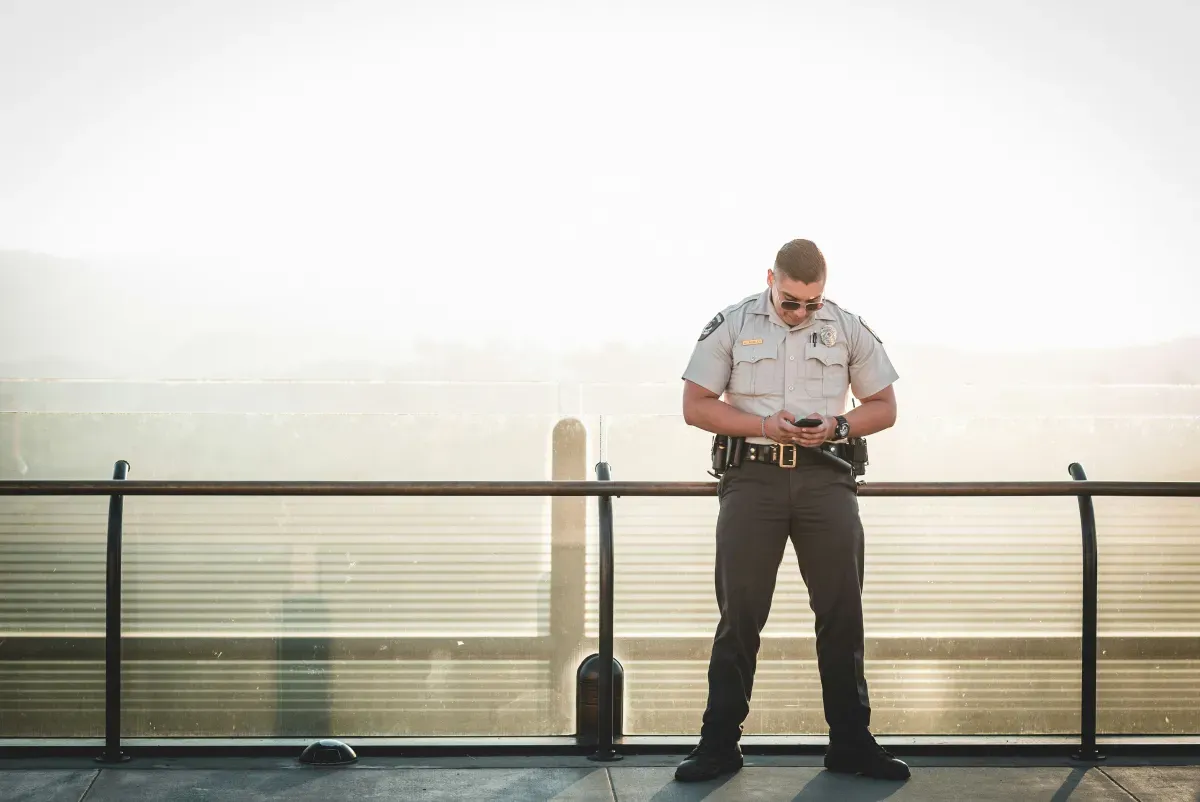
2027 School Social Worker vs School Psychologist: Training, Functions, and Collaboration
Audited and Verified:
Our Editorial and Data Verification Process
Research.com uses government datasets, official education statistics and primary institutional information to support its career and degree guides. Our review process checks factual accuracy, occupational definitions, source dates and the requirements associated with the credentials discussed.
How This Article Was Fact-Checked
Our editorial team verifies salary estimates, employment projections, education requirements and program information against original data providers and official organizations. Salary figures are checked against the relevant occupational definitions and reporting periods. Information about licensure, accreditation and required in-person training is reviewed separately.
Fact-checked and verified on:

Co-Founder and Chief Data Scientist
School social workers and school psychologists both help students succeed, but they are trained for different parts of the job. That distinction matters when choosing a graduate program: a school's need for family support is not the same as its need for psychological assessment.
This guide is for students and career changers comparing the two US pathways. It explains the work, qualifications, pay evidence, and training commitments so you can choose a role - and verify a program - before investing in it.
Key Things You Should Know
- School social workers typically focus on students' family, community, behavioral, and service-access needs; school psychologists specialize in psychological assessment, learning and behavior, and school-based intervention.
- A school social worker commonly needs an MSW plus a state-specific school qualification; a school psychologist commonly needs a specialist-level graduate program or doctorate plus a state school credential. Neither degree alone guarantees authorization to practice.
- The US median annual wage for the broader category of child, family, and school social workers was $59,550 in May 2025, with 4% employment growth projected for 2025-2035; that combined category is not a school-only salary or forecast.
What is the difference between a school social worker and a school psychologist?
School social workers address barriers to learning in the context of a student's family, school, and community. Their work may include counseling or groups within their authorized role, attendance support, crisis coordination, family engagement, referrals, and advocacy for access to services. School psychologists apply psychology to learning, behavior, and mental health in schools. Their work often includes assessment, consultation with educators and families, intervention planning, and evaluation of student supports.
The comparison below describes common emphases, not exclusive duties. District staffing, state rules, and individual qualifications determine who performs a particular task.
| Decision point | School social worker | School psychologist |
| Primary lens | Student within family, school, and community systems | Learning, behavior, development, and psychological functioning |
| Common work | Family engagement, service coordination, counseling or groups where permitted, attendance and access barriers | Assessment, consultation, behavior and learning supports, and intervention evaluation |
| Good fit if you enjoy | Working across families, agencies, and school systems | Combining assessment evidence with consultation and intervention |
Neither professional alone decides a student's eligibility for special education: evaluation and eligibility follow applicable law and team procedures. If your interests extend beyond schools, reviewing career paths with an MSW can help you weigh the social work route's broader employment options.
What degrees do school social workers and school psychologists need?
For school social work, an MSW is a common route, although a state or district may specify additional school-focused preparation, experience, or credentials. A BSW provides generalist social work preparation but should not be assumed sufficient for a particular school social worker position. Applicants with a qualifying BSW may be eligible for an advanced-standing MSW; graduates of other disciplines generally seek a traditional or foundation MSW.
School psychologists commonly complete a school psychology specialist-level program, often designated EdS or a comparable credential, or a doctoral program. A general psychology bachelor's degree does not itself qualify someone for the school psychologist role. If your goal is to work in schools rather than conduct doctoral research, compare the specialist route with doctoral study before taking on extra years of education. A DSW or social work PhD likewise does not replace school psychology preparation; condensed DSW course and capstone schedules address a different educational goal.

How do school social worker and school psychologist salaries and job outlooks compare?
The closest social work occupation published by the US Bureau of Labor Statistics (BLS) combines child, family, and school social workers. Its May 2025 median annual wage was $59,550, and BLS projects 4% employment growth from 2025 to 2035. Those figures include jobs outside schools and do not represent an offer to an MSW graduate.
BLS identifies school psychologists separately from other psychologists. For a defensible pay comparison, use that school-specific occupation - not the median for all psychologists - and match its wage year and geography to the social work data. Do not infer a school psychologist salary or growth rate from the broader psychologist category. In either role, district pay schedules, contract length, experience, location, and whether a position is school-year or year-round can matter more to an individual offer than a national median.
When comparing offers, ask for the salary step, annual workdays, benefits, and any credit for prior experience. For additional context on variation within social work, see social work master's pay and geographic differences.
School employment credentials and professional licenses are separate questions. A state education agency may require a school social work credential, endorsement, or other approval; a state social work board may separately regulate the social worker's license and permitted activities. Requirements vary, and an MSW - or even a clinical social work license - does not automatically confer a school credential.
School psychologists generally need the credential required by the state education agency to work in public schools. A state psychology board may have different rules for practice outside a school. Voluntary professional credentials do not substitute for a state-required credential. For either career, check the intended state's education agency, the applicable professional board, and the district job posting before enrolling. Comparing graduate social work programs for licensure planning can help frame the questions to ask, but the relevant authorities make eligibility decisions.
The roles are strongest when they address different parts of the same barrier. For a student with repeated absences, for example, a social worker might engage the family and coordinate help with transportation or housing barriers. A psychologist might consult with teachers, examine school-based learning or behavioral concerns, and help evaluate an intervention. The team can then review progress and adjust support without treating either professional's perspective as the whole explanation.
Effective collaboration requires defined responsibilities, appropriate family participation, careful documentation, and information-sharing that follows student-records law and district policy. When considering a placement or first job, ask how the district handles referrals, team meetings, supervision, and caseloads - not merely whether both titles appear on its staff list. For MSW applicants, MSW programs with organized practicum resources may be worth investigating if school-based learning is a priority; confirm that an actual school placement is available.
Start with the exact program and entry cohort, not the university's general reputation. For an MSW, check institutional accreditation and the program's Council on Social Work Education (CSWE) accreditation status, then ask the intended state whether its school credential has additional educational requirements. For school psychology, check the program's accreditation or approval status, whether it meets the intended state's school-credential rules, and any relevant specialist- or doctoral-level recognition. These are distinct checks; institutional accreditation alone does not settle professional eligibility.
Get written answers from the program about its degree award, supervised training, and which states it prepares graduates to seek credentials in. Then confirm those claims with the state authority. This matters especially for distance learning: a school's permission to enroll you is not the same as approval for a local placement or eligibility for a professional credential. A guide to choosing an online social work degree can help organize program comparisons, but state and program records should control the final choice.
MSW study develops social work practice through coursework in human behavior, policy, research, ethics, and intervention, paired with supervised field education. A student targeting schools should look for preparation in child and adolescent needs, family engagement, school systems, and the limits of the role. Programs differ in whether they can arrange a school placement; a community-agency placement may be valuable without meeting a state's school-specific expectations.
School psychology programs emphasize psychological and educational assessment, learning and development, consultation, intervention, research, and supervised practice, typically including a substantial internship. Ask what proportion of training occurs in schools and whether placement supervisors meet the intended state's rules. MSW field education is not post-degree clinical-license supervision, and neither pathway's coursework alone proves readiness to perform every task in a job description.
If counseling is a major reason you are considering social work, examine clinical MSW coursework and career goals alongside school placement opportunities. A clinical emphasis does not automatically satisfy school-credential requirements.
Some MSW and school psychology programs deliver academic courses online or in hybrid formats. That does not make the entire pathway remote: supervised MSW field education and school psychology practicum or internship work require approved real-world settings. Programs may also require live skills sessions, assessment practice, residencies, or campus visits. Verify each requirement for the specific program rather than relying on an "online" label.
Before applying, ask who secures placements near you, whether local supervisors qualify, when required activities occur, and what happens if a placement falls through. Working students should compare those fixed commitments with paid-work hours and caregiving needs. Listings of online social work master's programs by duration can be a starting point, but a shorter academic schedule does not remove field obligations.
A traditional full-time MSW commonly takes about two academic years; an eligible advanced-standing student may have a shorter sequence. A school psychology specialist pathway commonly takes about three years including supervised training. Part-time study, course sequencing, and placement availability can extend either timeline. Confirm the advertised duration for your entry route rather than assuming a faster option is available.
No single tuition figure fairly compares the pathways: charges vary by institution, residency status, credits, and funding. Calculate total cost to the credential, including tuition and fees, books and technology, travel to placements, required visits, and income you may forgo during supervised training. Add credential application and examination expenses where applicable. An inexpensive program that cannot arrange an eligible placement may be the costlier decision. Use affordable online MSW programs to identify candidates, then request each school's current cost and placement details in writing.
What are the admission requirements for each type of graduate program?
Traditional MSW programs generally admit applicants from multiple bachelor's disciplines and assess transcripts, academic readiness, writing, recommendations, and relevant experience according to their own criteria. Advanced-standing admission is different: it normally requires a qualifying social work bachelor's education and program-specific approval. A psychology or human services degree, however relevant, should not be assumed to qualify.
School psychology graduate programs generally require a bachelor's degree but set their own expectations for prior psychology, statistics, research, or related coursework. Neither route universally requires one particular undergraduate major. Compare prerequisite lists against your transcript and ask admissions staff which deficiencies must be completed before enrollment. Applicants still completing undergraduate study may find associate-to-bachelor's social work education options useful, but should verify how transferred credits apply to a qualifying BSW. Admission to a graduate program is separate from later placement eligibility and state credential approval.
Other Things You Should Know About Social Work
They may, depending on their training, state-authorized scope, district policies, and assigned duties. Ask what "counseling" means in a specific posting; school-based support is not automatically independent psychotherapy.
Evaluation is a team process under applicable rules. A school psychologist may conduct psychological or educational assessments; other qualified professionals contribute assessments relevant to their disciplines. Eligibility is determined through the required team procedure.
Teaching experience is valuable but ordinarily does not replace the graduate education and state qualification required for either professional title. It may help with admissions and school-based practice.
School social work often places greater emphasis on family engagement and community-service coordination. School psychologists also work with families, particularly around assessment, consultation, and intervention. Compare actual district job descriptions before choosing.
- Human Services and Housing Supports to Address Family Homelessness: Promising Practices in the Field | ASPE https://aspe.hhs.gov/reports/human-services-housing-supports-address-family-homelessness-promising-practices-field-0
- Section 1414 - Individuals with Disabilities Education Act https://sites.ed.gov/idea/statute-chapter-33/subchapter-ii/1414/
- Characteristics and Outcomes of School Social Work Services | nih.gov https://pmc.ncbi.nlm.nih.gov/articles/PMC10187493/
- 603 CMR 28.00: Special Education - Education Laws and Regulations https://www.doe.mass.edu/lawsregs/603cmr28.html
- Certification | aspponline.org https://www.aspponline.org/certification.php
- Teacher Standards and Practices Commission | state.or.us https://secure.sos.state.or.us/oard/viewSingleRule.action%3BJSESSIONID_OARD=BoSwpI3tXuJ_suVmROKZe7-d0uBRgFhug-Yi-4xMbQruvj0785He!99228750
- Wisconsin School Social Work Association - Certification https://wsswa.org/certification
- Fact Sheet 26-11 School Social Worker Certifcation | nysut.org https://www.nysut.org/resources/all-listing/research/fact-sheets/fact-sheet-school-social-worker-certification
- School Social Work Certification | nyssswa.org https://nyssswa.org/credentialing/school-social-work-certification/