Most Affordable Trade School & Training Programs - Leading Certification Courses in Ohio for 2026

Co-Founder and Chief Data Scientist
Choosing the right trade school in Ohio can be a game changer for your career and future. This article introduces the most affordable trade schools in Ohio for 2026, designed to help you find quality programs without breaking the bank.
We share a trade school programs ranking created by the Research.com team of data scientists to give you trusted insights. This guide helps you make an informed decision, saving time and effort.
Investing in a trade school diploma or certification opens doors to stable jobs and personal growth. Let’s explore your best options together.
Key benefits of finishing trade school programs trade school in Ohio
- Expected salary: Trade school graduates in Ohio earn competitive salaries, with electricians making around $62,739, dental hygienists earning about $99,013, and industrial mechanics averaging $69,637 annually, offering strong financial prospects.
- Popular career paths: Graduates can pursue rewarding jobs such as licensed practical nurses, construction managers, and cable technicians, typically earning between $59,000 and $88,000, reflecting diverse opportunities in Ohio's job market.
- Online education benefits: Completing a trade school diploma or certification online in Ohio provides flexibility and convenience, allowing students to balance work and life while quickly gaining valuable skills for in-demand careers.
- Most Affordable Trade School & Training Programs - Leading Certification Courses in Ohio for 2026
- What can I expect from trade school programs trade schools in Ohio?
- Where can I work after finishing trade school programs trade schools in Ohio?
What can I expect from trade school programs trade schools in Ohio?
The average cost of a trade school program in Ohio typically ranges from $5,000 to $15,000, depending on the length and specialty of the course. Graduates from popular Ohio trade schools often share that this investment provides substantial value, given the hands-on training and direct pathway to employment. For example, students in construction trades at well-known schools describe how their tuition covered not only classroom instruction but also essential certifications like OSHA and CPR, which significantly boosted their job readiness.
Many students appreciate how Ohio's trade programs blend practical skills and theoretical knowledge, often including apprenticeships supervised by the U.S. Department of Labor. These apprenticeships help them earn credentials and journey-level status viable in the workforce. Health science and manufacturing programs also align tuition costs with access to industry-recognized credentials and work-based learning experiences, sometimes totaling 250 hours, further enhancing career prospects.
Graduates frequently highlight the affordability when considering early college credits or scholarship opportunities offered through Ohio programs, making trade education accessible and promising for a successful career launch.
Where can I work after finishing trade school programs trade schools in Ohio?
After completing a trade school program in Ohio, graduates find diverse employment opportunities across private and public sectors. Many secure roles as electricians, HVAC technicians, plumbers, and carpenters, working in residential, commercial, or industrial settings. For example, electrical applications students from Columbus State Community College often begin as entry-level electricians, gaining hands-on experience in local construction and maintenance companies.
Truck driving program graduates frequently become Class A CDL drivers, filling vital positions in Ohio's logistics and transportation industries-critical to the state's economy. HVAC/R graduates enter the growing refrigeration service field, benefiting from high demand as older technicians retire.
Trade schools like Ohio Business College help graduates confidently enter roles such as tool and die makers or facility trade compliance officers, often supported by apprenticeship programs that combine classroom learning with real-world practice. Career placement services at these schools actively connect students to employers, helping many feel optimistic and well-prepared for stable, rewarding careers throughout Ohio.
After finishing a trade school program in Ohio, graduates typically earn an average annual salary of around $63,838, or about $30.69 per hour. For example, many graduates from well-known Ohio trade schools find entry-level positions starting near $25,669 per year, which steadily increase as they gain experience. Those working in cities like Columbus often see starting salaries closer to $61,640 annually, with many advancing to earn between $46,400 and $74,800 after a few years.
Many graduates express satisfaction seeing their skills translate into solid paychecks, especially in trades such as electrical work, plumbing, or advanced manufacturing. Experienced professionals statewide can earn up to $95,069 annually, demonstrating the financial benefits of specializing and gaining certifications. The Ohio trade school path often provides a faster route to stable, rewarding careers that students find both fulfilling and financially reliable.
The range in wages reflects local demand and specific trade specialization, making it crucial for prospective students to research their chosen field. Those who do often enjoy confident steps into rewarding careers backed by real wages documented by Ohio labor data and national statistics.
- Most Ohio trade schools require a high school diploma or GED, with some programs needing specific academic credits or residency in certain districts.
- Applicants may need to complete an interview and pass placement tests like COMPASS or ACCUPLACER to prove readiness for technical courses.
- The average cost of trade school programs ranges from $4,000 to $18,000, often less than four-year college degrees, with financial aid available.
- Starting salaries for graduates typically range from $35,000 to $50,000 per year, with experienced workers earning $60,000 or more annually.
- Application steps include submitting transcripts, completing interviews, and meeting specific requirements for specialized programs like truck driving.
- Ohio law requires public schools to offer career-technical education to students in grades 7-12, providing multiple access points for technical training.
Trade school programs in Ohio typically range from a few weeks to two years in length, allowing students to quickly gain practical skills and enter the workforce with confidence. For example, graduates from Elite Welding Academy appreciate the intensive Intro to Pipefitting program, which lasts just three weeks (120 clock hours), enabling them to start their careers rapidly.
Short-term certificate programs, such as medical assisting or truck driving, can be completed in as little as three weeks to one year. Many students express satisfaction with these accelerated paths, highlighting how they balanced training alongside personal responsibilities.
More comprehensive training, like HVAC technician or cosmetology programs, usually extends up to two years. These longer courses provide in-depth knowledge and hands-on experience, preparing graduates for advanced roles in their trades.
The Ohio Department of Education mandates Workforce Development programs to be at least 450 hours, roughly five to twelve months of full-time study, which many find ideal for combining part-time work and education.
Factors such as chosen trade, skill complexity, and certification requirements influence the duration. Overall, Ohio trade schools offer flexible options that align with diverse career goals and lifestyles.
The primary difference between online and on-campus trade school programs in Ohio lies in how students engage with their studies. Online programs offer remarkable flexibility, allowing students to attend classes and complete assignments from home or any location with internet access. Graduates from these programs often describe relief at balancing their education with jobs or family, appreciating the ability to avoid daily commutes to schools in cities like Columbus or Cleveland. This remote access is particularly valuable for those living in rural areas or managing busy schedules.
Conversely, on-campus programs in Ohio demand physical attendance, creating a structured environment with hands-on training in labs and workshops. Graduates recall the energizing experience of collaborating face-to-face with instructors and peers, gaining immediate feedback while mastering technical equipment. Schools with strong reputations in Ohio emphasize these in-person connections, which students find motivating and essential for careers in trades like welding or automotive repair.
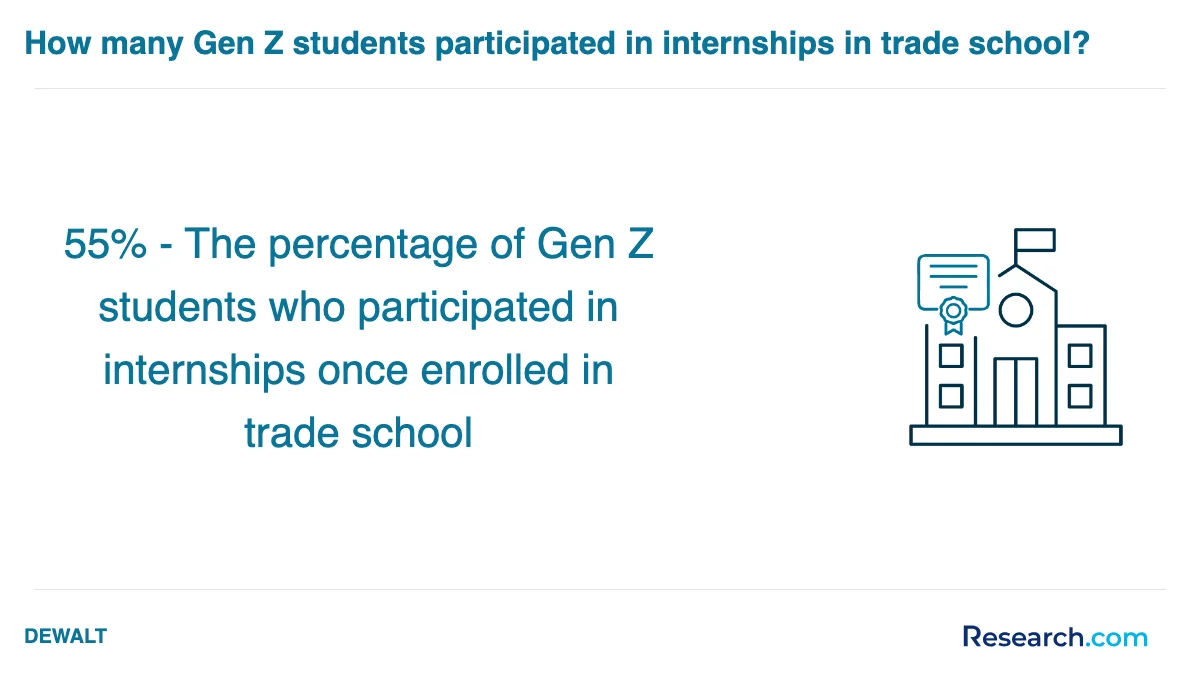
Even fully online programs often require some in-person internships or training hours, ensuring graduates gain necessary practical skills. This blend allows students the freedom of online study with vital real-world experience, reflecting Ohio's commitment to both accessibility and quality education.
The average trade school cost in Ohio generally ranges between $12,000 and $17,600, depending on program length and specialization. Many students attending well-known Ohio trade schools find that tuition and fees-averaging around $12,884 for prominent programs in the 2024-2025 academic year-make these institutions an accessible choice for those pursuing hands-on careers. Graduates often share how manageable costs enabled them to focus fully on skill-building without overwhelming debt.
In practical terms, this means that public trade schools in Ohio typically charge less, with total program expenses ranging from $5,000 to $12,000. Private schools, with more specialized offerings or extensive facilities, can cost significantly more, sometimes reaching up to $32,000. This variation affects the Ohio trade school tuition and fees prospective students can expect, making it crucial to research individual programs carefully. For example, programs in advanced manufacturing or healthcare often require specialized equipment, which elevates costs but also improves job-ready skills.
Ohio's trade schools remain competitively priced nationally. For those looking for specific affordable pathways, such as HVAC certifications, exploring the cheapest online hvac courses with certificates can be a valuable step. Many graduates describe their training at Ohio trade schools as a fulfilling investment that balances cost with career opportunity, making technical education both practical and rewarding.
Trade school students in Ohio benefit from several financial aid options that can significantly ease the burden of tuition and related expenses. The crucial first step is completing the FAFSA, which opens doors to federal aid such as the Pell Grant-offering need-based, non-repayable funding that many graduates from schools like Ohio Technical College have found essential in pursuing their certifications without overwhelming debt.
Federal Work-Study programs provide part-time jobs on campus, allowing students to earn money while gaining experience, a lifeline for those balancing work and studies at institutions like Columbus State Community College. Additionally, Ohio offers the Ohio College Opportunity Grant (OCOG), which can award up to $5,000 to qualifying students attending eligible Ohio trade schools. Graduates often share how this grant made a decisive difference in completing their training on time.
Institutional scholarships and grants from trade schools themselves also play a pivotal role. Many require FAFSA completion but reward diligent applicants with funding that doesn't need repayment, lessening financial stress for students from places like Cincinnati State Technical and Community College. Private scholarships, such as those from the Ohio Realtors Charitable & Educational Foundation, provide extra support to those going the extra mile in their trade careers.
Understanding these opportunities encourages students to act early, as aid is often allocated on a first-come, first-served basis. Many Ohio trade school graduates emphasize that proactive engagement with financial aid offices was key to unlocking full support and turning their career goals into reality.
Trade school programs in Ohio typically require applicants to meet specific academic and residency criteria designed to support student success. At the high school level, students usually need to complete a set number of core academic credits before enrolling. For example, graduates from Tolles Career & Technical Center recall having to secure at least five credits overall, including three Ohio Core Credits in English, Math, Science, and Social Studies.
Butler Tech students share similar experiences, requiring around six to eight core credits by junior year to maintain eligibility. Residency within the partnering school district is a strict prerequisite, ensuring that local students receive priority access.
For adult or post-secondary applicants, the standard prerequisite is a high school diploma or an equivalent certification like a GED. Graduates from Penta Career Center emphasize the importance of bringing a valid photo ID and proof of completion.
Additional criteria often include:
- Minimum unweighted GPA of 3.0 or qualifying standardized test scores (ACT, SAT, ACCUPLACER), as seen at Ohio State ATI
- Completion of at least two years of high school English and math for test-optional programs
- Special requirements such as background checks or physical fitness for certain skilled trades or healthcare fields
Many students appreciate the accessibility of these programs, which offer preparatory courses like ASPIRE to those needing to meet diploma requirements, making the pathway both attainable and motivating.

Trade school programs in Ohio offer a range of practical courses designed to equip students with industry-ready skills. Graduates often share how hands-on training in these programs immediately prepared them for careers. For example, Automotive Technology students gain real-world experience diagnosing and repairing vehicles using tools found in Ohio's auto shops.
Courses typically include:
- Automotive Technology with a focus on maintenance and repair
- Building Technology and Construction Technologies covering carpentry, electrical, plumbing, and HVAC systems
- Electrical Technology teaching wiring, circuitry, and safety procedures
- Computer Tech/Network Systems addressing hardware, networking, and cybersecurity
- Healthcare programs such as Practical Nursing, Medical Assistant, Certified Nurse Aide, Phlebotomy, and Certified Medication Aide
- Business-related courses in accounting, management, and office skills
- Real Estate Pre-Licensing to enter the property market
- Specialized trades like Combination Welding & Fitting and Facilities Maintenance Technician
- CDL Truck Driving Training geared toward Ohio's logistics sector
Many graduates emphasize the value of post-graduate support offered by Ohio trade schools, which helps smooth the transition from training to employment in competitive job markets. The blend of classroom instruction and simulated work environments immerses students in real job scenarios, fostering confidence and expertise highly regarded by Ohio employers.
Trade schools in Ohio offer diverse specializations tailored to meet local industry demands and student interests. Graduates from institutions like Ohio Technical College often praise their hands-on training in automotive fields, including automotive technology, diesel equipment, motorcycle repair, collision repair, and classic car restoration. These practical skills prepare them for rewarding careers where they can immediately apply what they've learned.
Programs also extend to business and educational specializations, particularly at schools like The Ohio State University, where students gain qualifications to teach career and technical education or family and consumer sciences in grades 7-12. Many find this pathway especially fulfilling, leading to state licensure or certification.
Other technical programs include industrial maintenance, welding, HVAC technology, and electrical systems, with schools such as New Castle School of Trades focusing on local employer needs. Students seeking flexible training often explore cheap welding trade school online options, combining affordability with quality instruction.
- Healthcare support
- Information technology
- Skilled construction trades
Graduates report increased confidence and career readiness thanks to industry certifications earned alongside specialized training. This variety ensures Ohio students can pursue pathways aligned with their goals and the state's evolving workforce.
Choosing the best trade school programs in Ohio involves verifying accreditation to ensure your education meets state standards and employer expectations. Graduates from popular Ohio institutions often emphasize the importance of hands-on training in modern facilities, which prepares them well for careers in fields like automotive repair or healthcare. Admission typically requires a high school diploma or GED, and some programs have additional criteria like Ohio Core Credits or district residency.
How to choose a trade school in Ohio also means considering the variety of program offerings. For example, many students appreciate schools that provide industry certifications or state-issued licenses essential for entering the workforce. Ohio trade schools known for their strong job placement rates and employer connections give graduates a smoother transition into careers, which is often a source of pride and confidence among alumni.
Exploring options like affordable online floor installer trade school programs can offer additional flexibility while maintaining quality training tailored to Ohio's job market.

Trade school graduates in Ohio have access to a wide range of career pathways for trade school graduates in Ohio, particularly in in-demand skilled trades in Ohio. Popular programs equip students with concrete skills that open doors to high-growth industries, making it possible to start working quickly after graduation. For example, many graduates from well-known Ohio trade schools find rewarding roles as:
- Electricians
- Carpenters
- Plumbers
- HVAC technicians
- Auto mechanics
- Welders
Students report satisfaction from hands-on training that mirrors real work environments, facilitating smooth transitions to employment. Beyond traditional skilled trades, Ohio's trade schools also offer pathways in health-related fields like medical and dental assisting, and pharmacy technician roles, addressing critical workforce needs.
Additionally, manufacturing and technology sectors are strong career avenues, with graduates gaining expertise in areas such as advanced manufacturing and cybersecurity. Many students find these paths promising due to strong employer partnerships and the state's ongoing infrastructure investments.
For those weighing options, understanding the value of these programs can be enhanced by exploring trade schools vs college.
The job outlook for trade school graduates in Ohio is exceptionally promising due to strong state investment and expanding employer demand. Graduates from popular Ohio trade schools often find opportunities in healthcare support, production, construction, welding, and electrical work-fields recognized as high demand skilled trades in Ohio. For many, securing roles in these industries means joining a workforce urgently seeking skilled professionals, especially in areas like HVAC and commercial truck driving.
Real-life experiences of graduates reveal these promising trends. Many report swift job placements fueled by Ohio's $300 million investment in technical education infrastructure, improving access to hands-on training and certifications highly valued by employers. The practical skills learned translate directly into competitive abilities, especially in regions like East Ohio where nearly half of job listings require only a high school diploma or trade certification.
Opportunities often include:
- Infrastructure and public works projects backed by rising state funding
- A significant shortage of welders nationwide, creating openings for certified welders
- Access to specialized certifications, such as commercial drivers' licenses
For those interested in electrical trades, enrolling in a low cost electrical lineworker training program online offers a practical pathway to capitalize on this growth, blending flexibility with industry-aligned skills that meet Ohio's labor market needs.
Most Affordable Trade School & Training Programs - Leading Certification Courses in Ohio for 2026
# 1 position
Eastern Gateway Community College - Business Administration and Management, General.
associateEastern Gateway Community College offers a fully online program in Business Administration and Management, General. The curriculum covers management theory, human resources, accounting, purchasing, logistics, marketing, and business decision-making. Annual in-state tuition is $4,205. Median earnings for graduates one year after completing the program are $43,334. This program prepares students to plan, organize, direct, and control organizational functions and processes.
# 2 position
Eastern Gateway Community College - Legal Assistant/Paralegal.
associateEastern Gateway Community College offers a Legal Assistant/Paralegal program designed to prepare students for research, drafting, investigatory, record-keeping, and administrative tasks under attorney supervision. The curriculum includes legal research, drafting legal documents, appraising, pleading, courthouse procedures, and legal specializations. The annual in-state tuition is $4,205.
# 3 position
Eastern Gateway Community College - Criminal Justice/Law Enforcement Administration.
associateEastern Gateway Community College offers a fully online Criminal Justice/Law Enforcement Administration program designed to prepare students for managing public law enforcement agencies. The curriculum covers law enforcement history, operational command, labor relations, incident response, legal responsibilities, budgeting, public relations, and organizational leadership. Annual in-state tuition is $4,205. Graduates report median earnings of $37,743 one year after completion.
# 4 position
Eastern Gateway Community College - Criminal Justice/Police Science.
associateEastern Gateway Community College offers a fully online Criminal Justice/Police Science program designed to prepare students for police and public security roles. The curriculum covers patrol and investigative duties, traffic and crowd control, witness interviewing, evidence management, crime prevention, and report preparation. Annual in-state tuition is $4,205. Graduates earn a median salary of approximately $37,743 one year after completing the program.
# 5 position
Eastern Gateway Community College - Welding Technology/Welder.
associateEastern Gateway Community College offers a Welding Technology/Welder program with a hybrid format that includes some distance-education options. The program trains students in various welding methods such as arc welding, resistance welding, brazing, soldering, and high-energy beam welding. Instruction also covers welding metallurgy, safety, structural design, and applicable codes and standards. Annual in-state tuition is $4,205.
# 6 position
Eastern Gateway Community College - Computer Numerically Controlled (CNC) Machinist Technology/CNC Machinist.
associateEastern Gateway Community College offers a hybrid Computer Numerically Controlled (CNC) Machinist Technology program designed to teach students how to operate CNC machine tools, including lathes and mills. The curriculum covers CNC programming, setup, operations, troubleshooting, blueprint reading, machining, technical mathematics, CAD/CAM, and safety practices. Annual in-state tuition is $4,205. This program prepares individuals for machining tasks such as cutting, drilling, shaping, and finishing parts and components.
# 7 position
Eastern Gateway Community College - Dental Assisting/Assistant.
associateEastern Gateway Community College offers a Hybrid Dental Assisting/Assistant program that prepares students to provide patient care, take dental radiographs, and manage office administrative tasks under dentist supervision. The curriculum includes medical record-keeping, reception, scheduling, equipment maintenance, sterilization, basic radiography, chairside assisting, and supervised practice. Annual in-state tuition is $4,205.
# 8 position
Eastern Gateway Community College - Accounting.
associateEastern Gateway Community College offers an Accounting program designed to prepare individuals for the accounting profession and related business functions. The curriculum covers accounting principles and theory, financial and managerial accounting, cost accounting, tax accounting, auditing, and reporting procedures. Students also study business information systems, professional standards, ethics, and applications in various organizations. Annual in-state tuition is $4,205.
# 9 position
Eastern Gateway Community College - Medical Insurance Coding Specialist/Coder.
associateEastern Gateway Community College offers a Medical Insurance Coding Specialist/Coder program designed to train students in medical data entry, classification, and record-keeping related to diagnostic, treatment, billing, and insurance documentation. The curriculum includes medical records software, anatomy, physiology, medical terminology, coding fundamentals, and Medicare regulations. Annual in-state tuition is $4,205, and median earnings one year after completion are approximately $25,363.
# 10 position
Eastern Gateway Community College - Welding Technology/Welder.
certificate or diplomaEastern Gateway Community College offers a Welding Technology/Welder program with a hybrid format that includes some distance education. The curriculum covers arc welding, resistance welding, brazing, soldering, cutting, and high-energy beam welding, along with welding metallurgy, processes, safety, and applicable codes. The annual in-state tuition for this program is $4,205.
Frequently Asked Questions about trade school programs
After completing trade school in Ohio, preparing for the job market begins with leveraging your certification or diploma, as many employers require proof of specialized skills. According to the Ohio Department of Higher Education, about 75% of trade school graduates find employment within six months, highlighting the importance of early job search efforts.
Building a professional resume that emphasizes hands-on experiences gained during training is essential. Ohio students should also utilize job placement services offered by their trade schools, which often have local industry connections that can lead to employment.
Networking through local trade associations and attending job fairs tailored to skilled trades can significantly boost job prospects. Additionally, obtaining relevant apprenticeships or internships in Ohio's strong manufacturing and construction sectors can provide valuable workplace exposure.
Employers in Ohio highly value trade school graduates who demonstrate strong technical skills tailored to specific industries such as manufacturing, healthcare, and construction. According to the Ohio Department of Job and Family Services, proficiency in equipment operation, electrical systems, and welding rank among the top technical competencies sought by employers.
In addition to technical skills, soft skills are critical. Communication, teamwork, and problem-solving abilities are often highlighted as essential for success. A 2023 survey by the National Association of Manufacturers noted that 70% of Ohio manufacturers prioritize these interpersonal skills when hiring recent trade school graduates.
Furthermore, safety awareness and adaptability to evolving technologies are increasingly important due to rapid industry changes. Trade schools that integrate practical, hands-on training with real-world scenarios better prepare graduates for Ohio's competitive job market.
Finding internships in Ohio related to your trade school program involves several practical steps. Begin by consulting your school's career services, which often maintain partnerships with local employers. According to the Ohio Department of Higher Education, nearly 65% of trade programs have established internship agreements within the state, providing direct access to relevant work experience.
Additionally, explore OhioMeansJobs.com, a state-run employment site featuring thousands of listings, including internships tailored for trade skills such as welding, HVAC, and electrical work. Employers in key industries frequently seek interns through this platform.
Networking also plays a crucial role. Attend trade fairs, join local trade unions, or professional associations like the Ohio Contractor Association to connect with industry professionals. These networks can lead to internship offers that might not be advertised publicly.
In Ohio, earning a trade school diploma can significantly enhance career mobility and advancement. According to the Ohio Department of Higher Education, over 70% of graduates from trade programs find employment within six months, often earning competitive wages immediately. These diplomas validate specialized skills in fields like manufacturing, healthcare, and construction, making graduates attractive to local employers.
Trade school credentials often serve as a stepping stone for higher-paying roles or certifications. For example, many Ohio employers prefer candidates with a diploma over those without formal training, especially in technical trades. This credential also helps workers transition between industries, increasing flexibility in Ohio's evolving job market.
The Ohio Means Jobs report highlights that individuals with postsecondary certificates or diplomas experience an average wage increase of 15-25% compared to non-credentialed peers. Consequently, a trade school diploma can be a practical investment for sustained career growth in Ohio.
Part-time job opportunities in Ohio that complement trade school education often align with practical skills learned in classes. For example, students enrolled in automotive technology programs may find part-time work as vehicle service assistants or junior mechanics in local repair shops. Those studying HVAC or electrical trades can seek entry-level roles assisting certified technicians, gaining hands-on experience in the field.
According to the Ohio Department of Job and Family Services, part-time employment in construction and manufacturing sectors has grown by approximately 4% over recent years, reflecting a steady demand for skilled labor. These roles provide valuable training while supporting income for students.
Retail positions related to hardware or specialty tools stores are also common, allowing students to deepen their product knowledge alongside their studies. An internship or apprenticeship opportunity within these part-time roles can further enhance career prospects upon graduation.
Yes, there are most affordable degree programs available near Ohio, offering quality education at a lower cost. Various community colleges and state universities provide programs with competitive tuition fees, enabling students to attain degrees without significant financial burden. To find options "near me," individuals can explore resources like Research.com, which lists educational institutions and their offerings close to one's location.
- Most Affordable Trade School & Training Programs - Leading Certification Courses in Indiana for 2026
- Most Affordable Trade School & Training Programs - Leading Certification Courses in West Virginia for 2026
- Most Affordable Trade School & Training Programs - Leading Certification Courses in Michigan for 2026
- Most Affordable Trade School & Training Programs - Leading Certification Courses in Tennessee for 2026
- Most Affordable Trade School & Training Programs - Leading Certification Courses in Maryland for 2026
- Most Affordable Trade School & Training Programs - Leading Certification Courses in South Carolina for 2026
- Most Affordable Trade School & Training Programs - Leading Certification Courses in Georgia for 2026
- Most Affordable Trade School & Training Programs - Leading Certification Courses in Wisconsin for 2026
- Most Affordable Trade School & Training Programs - Leading Certification Courses in Alabama for 2026
- Most Affordable Trade School & Training Programs - Leading Certification Courses in Mississippi for 2026
- Career Technical Education & Ohio Technical Centers https://highered.ohio.gov/about/ohios-campuses/career-technical-education/career-technical-education-ohio-technical-centers
- Career Pathways | Ohio Department of Education and Workforce https://education.ohio.gov/Topics/Career-Tech/Career-Connections/Career-Pathways
- Butler Tech - Career Technical Education for Adults and Teens in Ohio - Transforming Lives https://www.butlertech.org/
- Client Challenge https://www.grantcareer.com/
- Skilled Trades | Columbus State Community College https://www.cscc.edu/academics/departments/skilled-trades/
- Shape Your Future | Warren County Career Center https://www.mywccc.org/
- Technical Trade School in Ohio - Ohio Technical College https://www.ohiotech.edu/
- Home | Eastland-Fairfield Career & Technical Schools https://www.eastland-fairfield.com/