Most Affordable Trade School & Training Programs - Leading Certification Courses in Boulder for 2026

Co-Founder and Chief Data Scientist
If you’re considering trade schools in Boulder, finding affordable and quality programs is key to your success. This article introduces a trade school programs ranking crafted by the Research.com team of data scientists to guide you in making smart choices.
By exploring this ranking, you’ll discover which programs offer great value and strong career prospects. Earning a trade school diploma or certification can open doors to rewarding jobs and personal growth.
Read on to find options that fit your goals and budget, making your education journey exciting and achievable.
Key benefits of finishing trade school programs trade school in Boulder
- Trade school graduates in Boulder can expect competitive salaries, with typical earnings ranging from about $53,100 to $85,700 annually, and some skilled trades like electricians and HVAC technicians reaching salaries over $90,000 as experience grows.
- Popular career paths from trade schools in Boulder include electricians, HVAC technicians, dental hygienists, and IT support specialists, all offering strong job demand and opportunities for growth in the local market.
- Online trade school diplomas provide flexibility and convenience, allowing students to balance work and study while gaining valuable skills, often leading to quicker entry into the workforce compared to traditional on-campus education.
- Most Affordable Trade School & Training Programs - Leading Certification Courses in Boulder for 2026
- What can I expect from trade school programs trade schools in Boulder?
- Where can I work after finishing trade school programs trade schools in Boulder?
What can I expect from trade school programs trade schools in Boulder?
The average cost of trade school programs in Boulder generally ranges from $3,000 to $20,000, depending on the length and complexity of the training. Certificate courses focused on HVAC technology or commercial truck driving often fall on the lower end, typically around $3,000 to $8,000, while associate degree programs in fields like medical assisting or cybersecurity may approach $15,000 to $20,000. Graduates from popular Boulder trade schools often note that these costs are balanced by the strong job readiness and employment prospects they gain, which many find motivating and reassuring.
Financial aid options and apprenticeship programs can substantially reduce out-of-pocket expenses. For example, some students have shared positive experiences benefiting from paid apprenticeships where they earn while learning-and gain valuable hands-on experience in local industries like automotive repair or healthcare administration.
The affordability combined with a practical, career-oriented curriculum makes Boulder trade schools a compelling choice for individuals aiming to quickly enter competitive fields with confidence and financial sense.
Where can I work after finishing trade school programs trade schools in Boulder?
After completing a trade school program in Boulder, graduates find a variety of promising employment opportunities across multiple industries. Many secure roles as maintenance technicians, journeyperson plumbers, automotive technicians, HVAC supervisors, or diesel mechanics-positions that are consistently in demand throughout the Boulder area. Graduates have shared how training at leading local trade schools gave them the confidence and skills to step directly into these well-paying jobs, often within weeks of finishing their programs.
Employment options span private businesses like automotive repair shops and construction firms, as well as public sector opportunities such as city utilities and facilities management positions with institutions like the University of Colorado Boulder. Apprenticeships rent by local employers offer a valuable hands-on experience while earning between $16 and $45 per hour, helping graduates build expertise and income simultaneously.
Trade school alumni also report finding roles supporting Boulder's tech-driven economy in manufacturing and equipment maintenance, demonstrating the diversity of career paths open to skilled tradespeople in the region.
Graduates of trade school programs in Boulder can expect to earn an average annual salary of about $70,679, which breaks down to roughly $33.98 per hour or $5,889 per month. This competitive figure aligns closely with Colorado's state average, showing that investing in a trade education locally can lead to solid financial outcomes.
Many students from well-known Boulder trade schools enter fields like aircraft mechanics or dental hygiene, where national median salaries range from approximately $70,740 to $81,400. These graduates often share how the hands-on training and industry connections they gained helped them step confidently into roles that pay well from the start.
In Boulder's booming construction and tech sectors, wage premiums commonly boost earnings, especially for those with specialized skills developed during their trade program. Some graduates found themselves quickly advancing in careers with salaries climbing beyond $85,000 annually, reflecting both skill mastery and local demand.
- Most trade schools in Boulder require a high school diploma or equivalent, with acceptance rates near 100% for many programs.
- The average yearly cost for trade school in Colorado ranges from $11,000 to $15,000, but zero-cost training is available for select fields like construction and nursing through local initiatives.
- Programs typically take less than two years to complete and offer certificates in areas such as construction trades, automotive technology, and emergency medicine.
- Starting salaries for skilled trade jobs in Boulder range from $35,000 to $50,000 per year, with potential to earn between $50,000 and $75,000 annually as experience and certifications increase.
- Many programs partner with local businesses to provide job placement and internship opportunities that improve employment prospects after graduation.
The typical duration of trade school programs in Boulder ranges from 1 to 2 years, depending on the chosen field and credential. Many graduates from local programs at schools like those involved in the Boulder Valley School District's Apex initiative share that certificate or diploma courses often allow them to start working quickly, sometimes in under a year.
For example, students in construction trades appreciate the option to complete a basic certificate within the first year and then decide if they want to continue for a second year to deepen their expertise. Technical fields like HVAC or welding offer programs lasting between 6 and 12 months, giving students a fast track to employment.
Other graduates pursuing more advanced credentials, such as an associate degree in respiratory therapy or paralegal studies, typically spend up to 2 years completing their coursework. Flexible scheduling, including part-time or accelerated options available at Boulder trade schools, helps accommodate those balancing work and study.
Hands-on training combined with classroom instruction means students feel prepared and confident stepping into their new professions in a relatively short time.
The key difference between online and on-campus trade school programs in Boulder lies in the learning format, which shapes students' flexibility and daily experience. Online programs, such as those at the University of Colorado Boulder, let students study from anywhere and often follow a self-paced schedule. This flexibility is ideal for students balancing work, family, or other responsibilities, providing a stress-free way to earn credentials without commuting or rigid class times.
On-campus programs require physical attendance at designated locations and times, offering direct interaction with instructors and hands-on training, essential in skill-based fields. Graduates often appreciate the immediate feedback and lively in-person collaboration that boosts confidence and mastery.
Both formats uphold identical academic standards and credentials, with online learners also benefiting from career services and campus events like commencement. Choosing depends on whether you thrive with flexible, independent study or prefer structured, face-to-face engagement that fosters community and direct support.
The average trade school cost in Boulder aligns closely with Colorado's broader trends, offering an affordable and practical alternative for career training. Public trade schools in the region typically charge median annual tuition and fees around $4,226 for two-year programs, which appeals to many students seeking budget-friendly options. Graduates often recount that this affordability allowed them to balance work and study without excessive financial strain, making their education experience more manageable and less stressful.
Boulder trade school tuition and fees for private institutions tend to be higher, generally ranging between $15,313 and $16,877. Despite this, students appreciate the focused programs and smaller class sizes that often come with private schools, especially in high-demand fields such as healthcare and technology. One graduate from a local program noted that the investment was worthwhile due to accelerated courses that enabled them to enter the workforce much sooner than peers pursuing four-year degrees.
Many Boulder students benefit from federal aid and state scholarships, which significantly reduce out-of-pocket expenses. Those interested in specialized fields might explore accelerated options, like those offered at popular local schools well-known for providing quality training. For prospective students unsure about in-person options, researching an auto mechanic school online can be a flexible, cost-effective alternative.
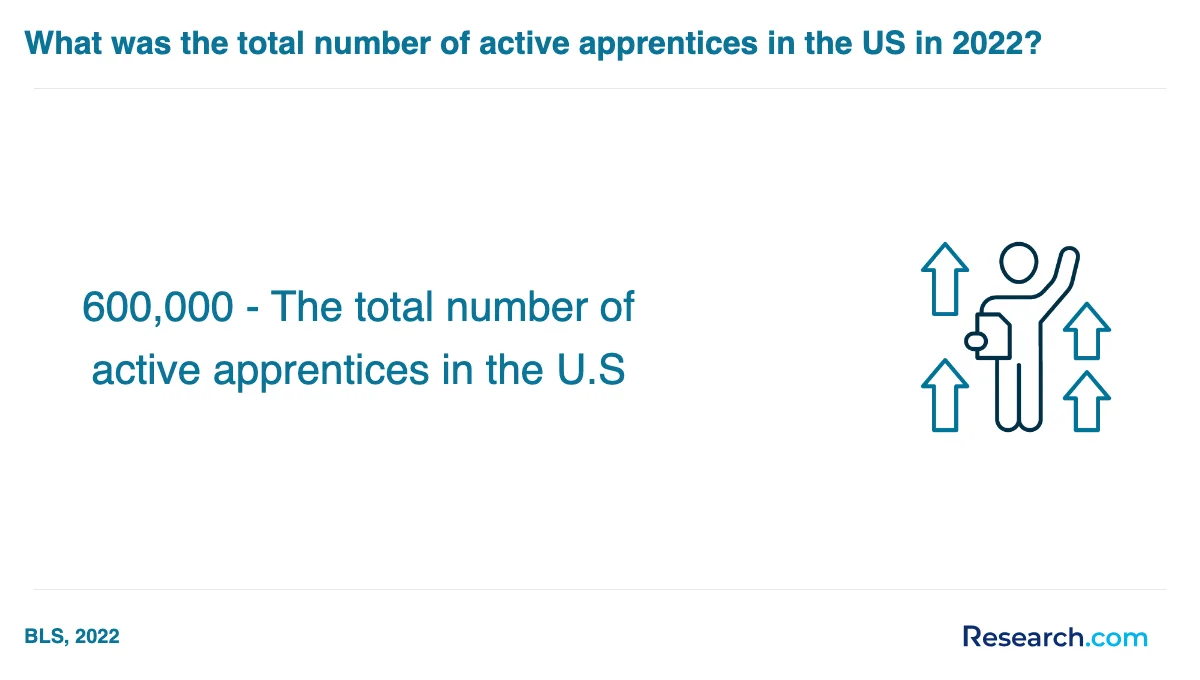
Trade school students in Boulder have access to several financial aid options that significantly ease the burden of tuition and related costs at institutions like Front Range Community College and Pickens Technical College. Many graduates recall filling out the Free Application for Federal Student Aid (FAFSA) or the Colorado Application for State Financial Aid (CASFA) as an essential first step, unlocking eligibility for programs like the federal Pell Grant or state aid.
For those pursuing shorter certificate programs, the Career and Technical Education (CTE) Grant is invaluable. It supports Colorado residents with demonstrated financial need, covering tuition and materials for under 16 credit hours. Graduates often highlight how this grant made immediate job skill training more affordable without stacking debt.
Local scholarships, such as the Leo Hill Vocational Scholarship offered by the Boulder Rotary Club, provide direct financial relief, with awards up to $1,500. Another key resource is the Colorado Second Chance Scholarship, which helps with not only tuition but also textbooks, transportation, and certification exam fees, making comprehensive education accessible and less stressful financially.
Finally, the Colorado Promise program offers full tuition and fee reimbursement for eligible students, a lifeline for many Boulder residents seeking stable career paths through public postsecondary trade programs. These layered support systems inspire confidence and hope among students committed to skilled trades.
Enrolling in a trade school program in Boulder typically requires applicants to have at least a high school diploma or GED, ensuring you possess the foundational skills necessary for hands-on training. Graduates from Boulder's leading trade schools often recall how submitting official transcripts and recent grade reports helped demonstrate their academic readiness during the application process.
Beyond this, many programs set additional criteria tailored to specific fields. For example, students pursuing healthcare or technology training might need:
- Completion of prerequisite courses in math or science
- A minimum GPA threshold
- Relevant work or volunteer experience
Applicants should also be prepared for other practical steps such as interviews or orientation sessions. Some Boulder schools conduct family financial assessments to offer scholarships or aid to students with greater financial need. Trade school students often share feeling motivated and supported by these processes, which pave the way for a successful career path.

Trade school programs in Boulder typically include a diverse range of hands-on courses designed to prepare students for skilled trades and technical roles. Graduates frequently share how these programs enable quick skill acquisition and direct entry into the workforce. Popular course categories include:
- Skilled trades: HVAC technology, welding (MIG, TIG, arc), automotive and diesel engine repair, and electrical technology. Graduates often mention the value of learning industry-standard diagnostics and safety procedures through real equipment and labs.
- Transportation and mechanical trades: CDL truck driver training, aircraft maintenance, and diesel mechanic programs combine classroom theory with behind-the-wheel or workshop experience, helping students confidently enter transportation and logistics fields.
- Healthcare roles: Medical assisting, dental assisting, pharmacy technician, medical billing and coding, and health information services offer practical clinical training and externships essential for hands-on medical careers.
- High-demand fields: Cybersecurity, criminal justice, and construction trades such as carpentry and plumbing reflect Boulder's growing industry needs, with courses focusing on real-world applications like network security or building fundamentals.
Many students appreciate Boulder's flexible scheduling and apprenticeship partnerships, which enable them to learn while gaining valuable workplace experience. This practical approach helps make education feel relevant, engaging, and tailored to Boulder's evolving job market.
Trade school programs in Boulder provide diverse specializations tailored to local industry needs, ensuring graduates feel confident and prepared for their careers. Key fields include the automotive sector, where students gain hands-on experience in Automotive Collision Repair and Automotive Service, developing skills in vehicle diagnostics and maintenance. Graduates often find rewarding jobs in repair shops and dealerships.
Healthcare is another pivotal area, with programs training students as Emergency Medical Responders, EMTs, or in Physical Therapy and Sports Medicine. These courses combine theory and practice, resulting in valuable certifications and licensure. Construction Technology and Welding programs teach essential skills like carpentry, electrical systems, and advanced welding techniques, meeting Colorado's demand for skilled tradespeople.
Creative and service industries flourish too, with programs in Culinary Arts, Video Production, and Teacher Academy. Many graduates from the Auguste Escoffier School of Culinary Arts appreciate how hands-on training in cooking and plant-based cuisine opens doors in food service.
Additional specializations include Biomedical Science, Criminal Justice and CSI, Environmental Sustainability, and Cosmetology, equipping students with practical expertise and certifications.
Prospective students may also explore best online hvac certificate courses for flexible skill-building aligned with trade demands.
Choosing the best accredited trade schools in Boulder starts with verifying accreditation to ensure your credentials hold value with employers and licensing boards nationwide. Graduates from Boulder's Escoffier School of Culinary Arts often highlight the school's strong reputation and supportive environment, which reflects well on accreditation standards. Practical insight from these graduates reveals how program quality impacts job readiness.
When deciding how to compare Boulder trade school programs, consider program offerings that align with your career goals-whether culinary arts, healthcare, skilled trades, or tech fields. For instance, students attracted to hands-on training appreciate programs with strong industry ties and high job placement rates, which are common at local schools. Additionally, evaluating net price after financial aid helps you plan effectively; Escoffier's net price of $11,554 makes it a competitive option below national averages.
Student reviews and campus visits offer valuable perspectives on campus culture and faculty support. For detailed cost comparisons, explore resources like most affordable online solar technician trade school programs, which can guide budgeting decisions for Boulder students seeking practical trade education.
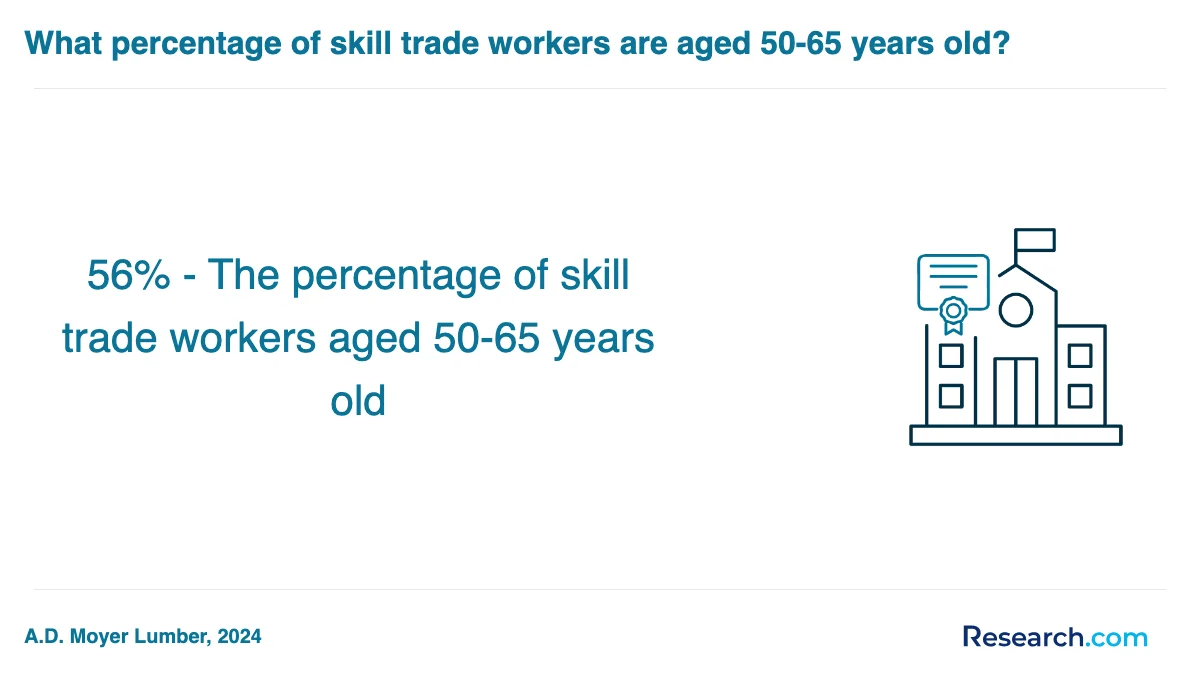
Trade school career opportunities in Boulder span several vibrant industries, enabling graduates to directly enter the workforce with practical, in-demand skills. Programs offered by local institutions like Boulder TEC empower students to pursue careers in automotive repair, welding, and construction technology. Graduates often secure roles as automotive technicians or construction supervisors, filling over 2,000 job openings in Boulder's skilled trades sector.
Healthcare pathways are equally promising, with programs in Emergency Medical Technician (EMT), Sports Medicine, and Physical Therapy Assistant providing entry to stable and growing fields. Many graduates find rewarding roles in hospitals and clinics, enjoying both job security and chances for advancement.
Other popular career paths include criminal justice careers through Boulder TEC's Criminal Justice and CSI programs, environmental sustainability, and biomedical science roles reflecting Boulder's innovative spirit. The expanding tech industry also offers prospects in computer science, data analysis, and video production, where trade school grads have successfully launched their careers.
Students keen on creative fields may explore specialized programs, such as those in culinary arts, with options to pursue the most affordable baking and pastry arts course online. This diversity highlights the strong alignment between Boulder's local economy and workforce development efforts.
The trade school job opportunities in Boulder are exceptionally strong, with over 2,100 trade-specific openings in 2025 alone, covering roles such as automotive technicians, HVAC supervisors, and diesel mechanics. Graduates from popular trade schools in Boulder often share stories of quickly securing well-paying positions that leverage their hands-on training, reflecting the city's demand for skilled professionals.
Boulder employment outlook for skilled trades is bolstered by a median salary of $65,000, making it an attractive destination for those pursuing careers in construction, manufacturing, and technical services. Many graduates find themselves involved in local infrastructure projects or working with innovative companies focused on advanced manufacturing.
Career support in Boulder includes funding and apprenticeships, which facilitate smooth transitions from education to employment. Trade school students benefit from programs like the Skill Advance Colorado Job Training Grant, providing valuable resources to enter the workforce confidently.
Students interested in a construction trade program can especially thrive given Boulder's growth in related sectors. Real-life examples from trade school alumni demonstrate how these programs open doors to stable and rewarding jobs in a competitive market.
Most Affordable Trade School & Training Programs - Leading Certification Courses in Boulder for 2026
# 1 position
Auguste Escoffier School of Culinary Arts-Boulder - Baking and Pastry Arts/Baker/Pastry Chef.
associateThe Baking and Pastry Arts/Baker/Pastry Chef program at Auguste Escoffier School of Culinary Arts-Boulder is fully online, preparing students to work as professional bakers and pastry specialists in commercial settings. The curriculum covers bread and pastry making, decorating, handling and storage, baking industry operations, product packaging, marketing, and service. Graduates earn a median income of $30,224 one year after completion. The program is accredited by the Accrediting Council for Continuing Education & Training.
# 2 position
Auguste Escoffier School of Culinary Arts-Boulder - Baking and Pastry Arts/Baker/Pastry Chef.
certificate or diplomaThe Baking and Pastry Arts/Baker/Pastry Chef program at Auguste Escoffier School of Culinary Arts-Boulder offers hybrid learning with some distance-education options. It prepares students for careers as professional bakers and pastry specialists, covering bread and pastry making, handling, decorating, and industry operations. Graduates have median earnings of $30,224 one year after completion. The program is accredited by the Accrediting Council for Continuing Education & Training.
Frequently Asked Questions about trade school programs
Preparing for the job market after completing trade school in Boulder involves a few strategic steps. Graduates should start by refining their resumes and tailoring them to highlight practical skills gained during their programs. According to the Colorado Department of Labor and Employment, trades such as HVAC, electrical, and plumbing have steady growth projections in the Boulder area, making these fields promising.
Networking is also essential. Joining local trade organizations or unions can open doors to apprenticeships and job opportunities. Many Boulder trade schools offer career services that connect students with employers actively seeking skilled workers.
Additionally, obtaining relevant certifications recognized in Colorado can boost employability. For example, EPA certification for HVAC technicians or OSHA safety training are highly valued by local employers.
Lastly, staying informed about industry trends and being open to entry-level positions can provide the experience necessary to advance in a trade career in Boulder's competitive job market.
Employers in Boulder prioritize both technical and soft skills when hiring trade school graduates. According to the Colorado Workforce Development Council, essential technical skills include proficiency in HVAC systems, electrical work, and welding, reflecting the region's demand for skilled trades.
Beyond technical expertise, communication and problem-solving abilities rank high. A 2023 survey by the Denver Metro Chamber of Commerce highlights that 67% of local employers seek candidates with strong teamwork and adaptability skills.
Boulder companies also value punctuality and a strong work ethic, vital traits for reliable trade professionals. Trade schools focusing on these combined competencies prepare graduates well for the competitive Boulder job market.
Finding internships in Boulder that align with trade school programs involves a strategic approach focused on local resources and industry connections. Start by contacting your trade school's career services, as many have ties with Boulder-area employers in fields like construction, automotive technology, and healthcare.
Boulder's Chamber of Commerce and Workforce Boulder County provide job boards and internship listings specific to the region. According to Workforce Boulder County, nearly 30% of local businesses offer internship opportunities annually, particularly in technical and skilled trades.
Networking through industry events and local trade associations can also open doors. Online platforms like Handshake and Indeed list internships filtered for Boulder but cross-check these with local organizations for relevance and credibility.
A trade school diploma in Boulder significantly impacts career mobility and advancement by providing specialized skills aligned with local industry needs. According to the Colorado Department of Labor & Employment, sectors such as construction, healthcare, and technology are growing rapidly, increasing demand for qualified trade professionals.
Trade school graduates often experience faster entry into the workforce compared to four-year degree holders. For example, data from the Boulder Chamber of Commerce shows that individuals with trade certifications earn 10-20% more than those with only a high school diploma within three years of graduation.
Moreover, trade diplomas enable workers to qualify for promotions and higher-paying roles by demonstrating practical expertise. Employers in Boulder value these credentials for their direct applicability and often provide pathways for further training and apprenticeship opportunities.
Part-time job opportunities in Boulder that complement trade school education often align with the specific skills students are developing. For example, those studying electrical or HVAC programs may find part-time roles as apprentices or helpers with local contractors, allowing practical application of classroom knowledge. According to the U.S. Bureau of Labor Statistics, Boulder's growing construction and technical services sectors offer steady demand for skilled workers.
Students in automotive or welding trade schools can seek part-time apprenticeships or positions in repair shops and manufacturing facilities. The Colorado Department of Labor reported a 4% increase in technical trade jobs in Boulder County between 2021 and 2023.
Retail jobs related to building materials or home improvement stores also provide useful experience for trade students, complementing their education and offering flexible schedules.
To find the most affordable degree program near me, first consider local community colleges and public universities, which often offer lower tuition rates than private institutions. Near Boulder, CO, you can explore the University of Colorado Boulder, which provides various programs and may offer financial aid or scholarships to help reduce costs. Additionally, resources like Research.com can assist in comparing program costs and identifying affordable degrees near Boulder, CO.
- Most Affordable Trade School & Training Programs - Leading Certification Courses in Billings for 2026
- Most Affordable Trade School & Training Programs - Leading Certification Courses in Topeka for 2026
- Most Affordable Trade School & Training Programs - Leading Certification Courses in Olathe for 2026
- Most Affordable Trade School & Training Programs - Leading Certification Courses in Overland Park for 2026
- Most Affordable Trade School & Training Programs - Leading Certification Courses in Tulsa for 2026
- Most Affordable Trade School & Training Programs - Leading Certification Courses in Lancaster for 2026
- Most Affordable Trade School & Training Programs - Leading Certification Courses in Anaheim for 2026
- Just a moment... https://schooloftrades.edu/
- 20 Trade Schools In Colorado | Become With Lantern https://www.learnhowtobecome.org/trade-schools-colorado/
- Construction and Skilled Trades - Boulder Valley School District https://www.bvsd.org/parents-students/academics/career-and-college-connections/explore-pathways/construction-skilled-trades
- Ongoing Career Services - Boulder County https://bouldercounty.gov/departments/community-services/workforce-boulder-county/adult-program/
- College and Career - "I Have A Dream" Foundation https://bouldercounty.ihdf.org/cc/
- Apprenticeships and Trade Programs - Boulder Universal K-12 Online School https://bu.bvsd.org/counseling/college-and-career-planning/apprenticeships-and-trade-programs
- Workforce Training, Vocational, and Trade Schools – Frederick High School https://fhs.svvsd.org/counseling/1732-2/vocational-tech-and-trade-schools/
- Workforce Info for the Boulder, Colorado Area https://bouldereconomiccouncil.org/doing-business-boulder/finding-business-resources/workforce-training/