
Most Affordable Trade School & Training Programs - Leading Certification Courses in Auburn for 2026

Co-Founder and Chief Data Scientist
Choosing the right trade school in Auburn can shape your future career and open doors to new opportunities. This article presents a trade school programs ranking created by the Research.com team of data scientists to help you make an informed choice about the best programs to consider for 2026.
Whether you’re aiming for a diploma or certification, these affordable options offer practical skills that employers value. Reading on will guide you toward programs designed to fit your goals and budget, making your path to success clearer and more achievable.
Key benefits of finishing trade school programs trade school in Auburn
- Trade school graduates in Auburn can expect competitive salaries, with many earning between $45,800 and $73,900 annually, while skilled roles like electricians and plumbers make up to $30.07 per hour or more.
- Popular career paths include construction technicians, HVAC specialists, plumbers, and meter technicians, offering a variety of rewarding opportunities suited to different interests and skills.
- Online trade school diplomas provide flexibility and convenience for busy learners, allowing students to balance work and study effectively-many online graduates have secured good jobs in Auburn's trade sectors without the need to attend campus full-time.
- Most Affordable Trade School & Training Programs - Leading Certification Courses in Auburn for 2026
- What can I expect from trade school programs trade schools in Auburn?
- Where can I work after finishing trade school programs trade schools in Auburn?
What can I expect from trade school programs trade schools in Auburn?
The average cost of a trade school program in Auburn varies depending on the length and type of the course, but students often find it to be a highly valuable investment. Graduates from popular Auburn programs report that expenses typically range from a few thousand dollars for short-term certificates to around $10,000-$15,000 for more comprehensive associate degrees. Many appreciate the affordability compared to traditional four-year colleges, especially given the immediate career focus and hands-on training involved.
Students at Auburn's trade schools enjoy a vibrant learning experience with access to modern equipment and real-world environments that reflect current industry standards. Whether they're honing skills in welding, automotive technology, or HVAC, the applied nature of their education prepares them for job-ready success with certifications recognized nationwide.
Graduates often highlight the empowering feeling of balancing flexible schedules alongside supportive resources like 24/7 learner assistance and career guidance. Many recall their excitement at participating in paid apprenticeships, gaining both income and invaluable experience while studying.
These investment-worthy programs provide a clear pathway to rewarding, well-paying careers in technical fields, reflecting Auburn's commitment to meeting workforce demands and uplifting students' futures.
Where can I work after finishing trade school programs trade schools in Auburn?
After completing a trade school program in Auburn, graduates step confidently into a vibrant job market filled with diverse opportunities. Imagine starting your career as a maintenance technician, earning $20 to $34 per hour, or working as a construction technician with pay from $16.70 to $23.26. Many graduates find rewarding roles on campus at Auburn University or with local service providers, where their technical skills keep critical operations running smoothly.
Trade schools like Southern Union State Community College equip students with hands-on training in fields such as multi-axis machining and automation at the Auburn Advanced Manufacturing Training Center. Graduates often secure positions as machinists, automation specialists, or industrial technicians in Auburn's strong manufacturing sector, turning classroom knowledge into valuable career skills.
Other Auburn career paths include plumbers, electricians, meter technicians, and HVAC apprentices, with over 150 trade-related jobs commonly available. These roles not only offer competitive wages but also benefits like health insurance and paid time off, providing stability and growth opportunities for graduates ready to build their future.
After completing a trade school program in Auburn, many graduates find themselves stepping into rewarding careers with impressive earnings. Skilled trades in Auburn typically pay an average of $60,863 annually, or about $29.26 per hour, reflecting the statewide standards in Alabama. For example, graduates from popular local trade schools often share how their starting salaries ranged between $45,800 and $73,900 annually, setting a strong financial foundation early in their careers.
In Auburn, real-life success stories include those who began as construction technicians earning from $16.70 up to $23.26 per hour, quickly advancing as they gained hands-on experience. Others in specialized roles, like apprentice meter technicians, have reported hourly wages topping $40, demonstrating the growth potential in technical fields.
Choosing licensed trades like HVAC or electrical work can boost your income potential right out of school. Many graduates appreciate the steady job market here, with benefits such as health insurance and paid time off enhancing overall compensation. Your earnings grow with your skills and certifications, turning your trade school education into a source of pride and financial independence.
- Trade schools in Auburn offer focused training for high-demand fields like healthcare, construction, and technology.
- Admission usually requires a high school diploma or equivalent, with no standardized test scores needed.
- Annual tuition at J. F. Ingram State Technical College is about $4,716 for both in-state and out-of-state students.
- Certificate programs can be completed in under a year, while associate degrees typically take two years of full-time study.
- Entry-level salaries after trade school range from $32,000 to $45,000, with experienced workers earning $55,000 to $70,000 or more annually.
Completing a trade school program in Auburn can take anywhere from six months to four years, depending on your chosen path and how quickly you want to jump into your new career. Many graduates share how short-term certificate programs at Auburn University transformed their lives in as little as six months, offering online skilled trades courses that fit right into their busy schedules.
Others have experienced the rewarding journey of Auburn's Vocational Evaluation and Training Certificate, where a full academic year of focused study led them swiftly from classroom to career, ready to tackle exciting job opportunities.
For those ready to fully immerse themselves, the four-year Skilled Trades Apprenticeship blends hands-on work with formal instruction, preparing students for nationally recognized credentials and licensing exams. Graduates praise the confidence this program gives them, knowing they've mastered their craft through real experience.
Some choose the advanced manufacturing technician route at Southern Union State Community College, balancing paid work with classes over two and a half years-a perfect way to earn while you learn and build skills that employers value deeply.
Whatever path you pick, Auburn's trade schools offer flexible, practical training that fits your life and ambition, turning your goals into achievements faster than you might expect.
In Auburn, the key difference between online and on-campus trade school programs is how you experience learning. Online programs offer incredible flexibility-graduates often share how being able to study anytime, anywhere helped them balance work, family, and education without missing a beat. Imagine completing a welding certification from home while still earning a paycheck. These programs provide engaging virtual labs and 24/7 support, creating a personalized pace that many busy adults find empowering.
On the other hand, on-campus students thrive on the energy of face-to-face classes and hands-on access to Auburn's well-equipped workshops and labs. Graduates often recall how practicing HVAC or plumbing techniques in real time, alongside peers and instructors, boosted their confidence and skills quickly. This environment sparks immediate connections and teamwork, making learning vibrant and social.
Regardless of your choice at Auburn's trade schools, both paths lead to the same respected credentials, opening doors with employers who value your dedication and expertise.
The average trade school cost in Auburn generally ranges between $5,000 and $15,000 for tuition and fees, aligning with Alabama's broader trade school pricing trends. Graduates from popular Auburn trade schools often share how their investment in hands-on programs helped launch their careers faster and more affordably than traditional college paths. Whether completing a certificate within a year or dedicating two years for an associate degree, students appreciate how the Auburn trade school tuition and fees offer practical pathways into fields like automotive technology, healthcare, and skilled trades without overwhelming debt.
Many Auburn students highlight that while tuition usually covers most expenses, additional costs such as equipment and materials for specialized programs can raise the total investment. For example, those pursuing healthcare certifications or automotive tech find their tuition includes unique fees for essential tools and labs, reflecting the real-world skills they develop in these trades. Despite this, the cost remains competitive, especially compared to the average $15,000 tuition nationwide, encouraging growing numbers to consider trade school.
Financial aid plays a key role in making these opportunities accessible. Students often emphasize the importance of completing the FAFSA and exploring grants and scholarships that lower the net cost significantly. For those interested in technical careers, exploring resources like best hvac certificate courses online can provide additional affordable learning options that complement Auburn's local programs.
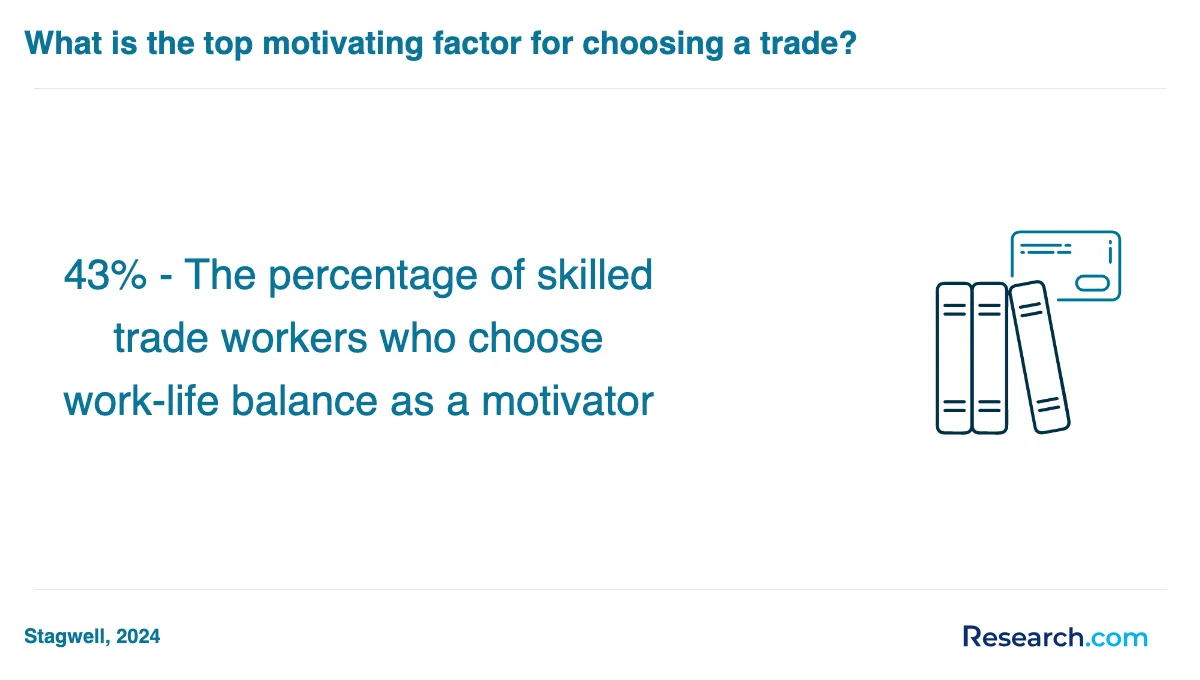
Trade school students in Auburn have access to a variety of financial aid options that make pursuing their dreams both attainable and affordable. Many start by completing the Free Application for Federal Student Aid (FAFSA), unlocking opportunities for grants like the Federal Pell Grant and Federal Supplemental Educational Opportunity Grant (FSEOG), which provide crucial funds that do not require repayment.
Graduates from Auburn's popular trade programs often share how these grants lifted financial burdens, letting them focus on mastering skills in fields like automotive technology or healthcare. For those needing additional support, federal loans with low interest rates and flexible repayment plans are available, alongside Federal PLUS Loans that parents can apply for.
Many Auburn students also benefit from federal work-study programs, balancing part-time jobs near campus to earn money while gaining real-world experience. Scholarships offered through Auburn University's Scholarship Opportunity Manager add another layer of support, rewarding both merit and need.
Veterans and students facing urgent financial challenges find hope in veterans' benefits and emergency funds, making Auburn a welcoming place where all can pursue career-ready education with confidence.
Enrolling in a trade school program in Auburn is an exciting step toward a rewarding career, and knowing the prerequisites can boost your confidence. Most programs ask for a high school diploma or equivalent, like a GED, ensuring you have the essential foundation to thrive in technical training. Graduates from Auburn University and Auburn University at Montgomery often highlight how submitting official transcripts helped showcase their academic readiness.
Many Auburn trade schools encourage applicants to submit standardized test scores such as the ACT or SAT. Though some campuses offer test-optional paths for high achievers, providing scores can open doors to scholarships and strengthen your application.
For transfer students, a steady academic record matters. If you've completed 24 or more college credit hours, a minimum 2.5 GPA is typically required to qualify, reflecting your dedication and ability to handle advanced coursework.
Practical prerequisites might include:
- Completion of relevant high school courses like math or science
- Minimum age of 17 or 18, ensuring readiness for hands-on learning
- Proof of English proficiency for non-native speakers, through TOEFL or IELTS
Many graduates cherish how overcoming these steps opened new horizons for them, and with a little preparation, you can turn your aspirations into achievement within Auburn's vibrant trade school community.
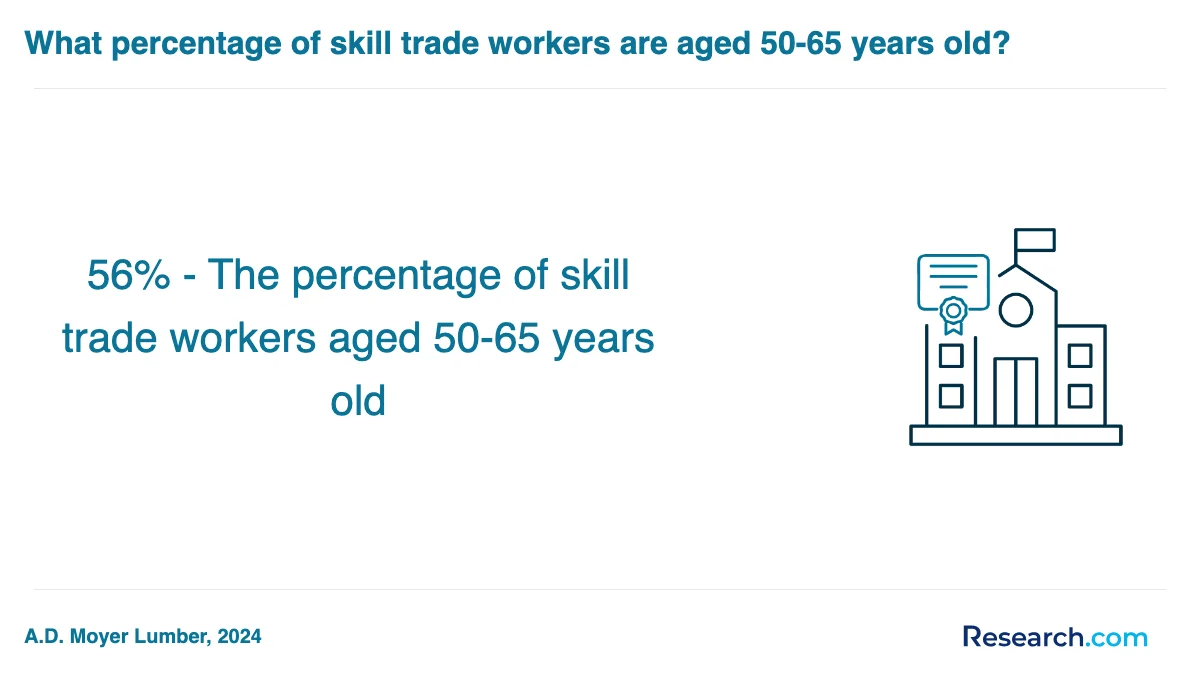
Trade schools in Auburn offer dynamic programs focused on equipping students with practical skills and industry-ready knowledge. Graduates often share how hands-on training in essential fields transformed their career prospects almost immediately. Popular courses include:
- Automotive service and diesel technology, where students get to repair engines and master diagnostics through real workshop experience.
- Welding and HVAC, combining classroom theory with practical labs to confidently tackle complex technical challenges.
- Electrical technology and plumbing, preparing students to handle crucial infrastructure tasks with skill and safety.
At Southern Union State Community College, graduates highlight programs in air conditioning, mechatronics, and machine shop technology that blend certificate and associate degree pathways, empowering them to enter the workforce faster.
Meanwhile, Auburn University's online courses provide interactive simulators and direct mentor access, allowing students to build skills like Diesel Technician or Welding Technician from anywhere while gaining certifications valued by employers.
Many find programs at the Auburn Advanced Manufacturing Training Center especially inspiring, as they integrate paid apprenticeships in fields like additive manufacturing and industrial automation, turning classroom theory into real-world mastery daily.
Trade school programs in Auburn offer a vibrant variety of specializations that open doors to rewarding careers in technical fields. Graduates from Auburn's top trade schools often share how training in advanced manufacturing technologies like multi axis machining and additive manufacturing transformed their skill sets, enabling them to thrive in fast-paced factory settings. Many find excitement mastering industrial automation and Industry 4.0 technologies, gaining hands-on experience with robotics and digital systems that power modern industry.
Online skilled trades programs through Auburn University provide flexibility for learners balancing work or family, with popular specializations including:
- HVAC/R - essential for comfortable living spaces
- Electrician training - powering homes and businesses
- Plumbing - critical infrastructure expertise
- Welding and construction management - shaping the built environment
Many students report that externships with local employers gave them real-world confidence, perfectly complementing classroom learning. Other specializations like power equipment technology and information technology work experience prepare learners to excel in diverse roles within Auburn's growing economy.
For those curious about expanding their options, exploring what are the best trade schools online can reveal even more pathways to success.
Choosing the best trade school programs in Auburn means focusing on what really matters for your future. Many graduates share how hands-on training and modern equipment made their learning practical and exciting, fueling their confidence as they stepped into the workforce. Knowing that admission usually requires a high school diploma or GED allows you to prepare smoothly and avoid surprises. Some Auburn programs stand out because of their strong connections to local industries, which help students land jobs quickly after graduation.
To truly understand how to compare Auburn trade school costs, explore financial aid options and scholarships early in your search. Remember, some schools charge the same tuition for in-state and out-of-state students, making budgeting easier. Several graduates mentioned how this transparency boosted their peace of mind during enrollment.
Additionally, consider resources like the most affordable online trade schools programs for electricians available to Auburn students seeking flexibility without sacrificing quality. Aligning your passion with the right program will set you on the path to success and fulfillment.

Trade school graduates in Auburn enjoy a wealth of fulfilling career paths that align with the city's vibrant skilled trades job market. Many graduates from Auburn's respected programs dive into hands-on fields such as plumbing, HVAC, and electrical work, where apprenticeships through Auburn University provide real-world experience and a clear path to earning journeyman licenses. These credentials open doors to steady, well-paying roles and career growth opportunities.
Beyond traditional trades, students who pursue technology-focused tracks find rewarding roles in industrial maintenance and computer-aided design. Graduates often share how online courses combined with externships in Auburn's local businesses boost their confidence and skill set, preparing them for dynamic careers where innovation meets hands-on expertise. These opportunities illustrate just how diverse trade school career opportunities in Auburn truly are.
- Apprenticeships converting to full-time employment with benefits
- Technology and maintenance careers with local employer connections
- Support in resume building and interview prep through campus resources
- Access to career fairs and mentoring that fuel job offers
For students interested in mechanical careers, exploring options through a trade school for auto mechanic can also spark new passions, showcasing the flexibility and breadth of Auburn's trade school programs. Many graduates feel empowered knowing their training connects them directly to thriving industries and a supportive community eager to hire skilled professionals.
The Auburn Alabama skilled trades job market is vibrant and full of opportunity for trade school graduates ready to launch their careers. Graduates from Auburn's well-regarded technical programs often find rewarding positions across construction, HVAC, electrical work, and maintenance. Many share experiences of moving quickly from hands-on training to paid apprenticeships, with starting wages ranging from $16.70 to over $40 per hour depending on specialization. Local employers consistently praise the practical skills and work readiness of Auburn-trained professionals, reflecting a strong connection between education and employment outcomes.
Job seekers will benefit from exploring options such as:
- Apprenticeship programs coordinated with Auburn University and local businesses that ease transitions from school to work
- Trade fields experiencing rapid growth statewide and nationally, including welding shortages creating strong demand
- Competitive salaries averaging around $60,863 annually in Alabama, providing financial stability and room for growth
For those considering flexible options to enhance their skill set, reviewing cheapest online maintenance technician trade school programs can offer valuable pathways without interrupting local commitments. The Auburn trade school graduate employment outlook remains bright for motivated students ready to step into essential, high-demand roles that power the region's economy and infrastructure.
Most Affordable Trade School & Training Programs - Leading Certification Courses in Auburn for 2026
# 1 position
Green River College - Computer Science.
associateThe Computer Science program at Green River College offers a hybrid format with some distance-education options. It emphasizes computer theory, problem-solving, and system design from a scientific perspective. The curriculum includes computational science principles, programming, and practical applications. Annual in-state tuition is $4,580. The program is accredited by the Northwest Commission on Colleges and Universities.
# 2 position
Green River College - Computer Systems Networking and Telecommunications.
associateGreen River College offers a hybrid program in Computer Systems Networking and Telecommunications, focusing on designing, implementing, and managing linked computer systems and software. The curriculum covers operating systems, systems design, networking theory, network management, security, and troubleshooting. The annual in-state tuition is $4,580. The program is accredited by the Northwest Commission on Colleges and Universities and prepares students for roles as network specialists and managers at various levels.
# 3 position
Green River College - Computer and Information Systems Security/Auditing/Information Assurance.
associateGreen River College offers a hybrid program in Computer and Information Systems Security/Auditing/Information Assurance that prepares students to assess security needs and manage implementation and auditing of security systems. The curriculum covers computer architecture, programming, networking, cryptography, law, risk assessment, and investigation techniques. Annual in-state tuition is $4,580. The program is accredited by the Northwest Commission on Colleges and Universities.
# 4 position
Green River College - Court Reporting and Captioning/Court Reporter.
associateGreen River College offers a hybrid Court Reporting and Captioning/Court Reporter program designed to prepare students to record and transcribe legal proceedings using print or electronic methods. The curriculum covers legal terminology, transcription, shorthand, verbatim recording, equipment operation, regulations, and professional ethics. Annual in-state tuition is $4,580. The program is accredited by the Northwest Commission on Colleges and Universities.
# 5 position
Green River College - Criminal Justice/Police Science.
associateGreen River College offers a hybrid Criminal Justice/Police Science program designed to prepare students for roles in law enforcement, including patrol, investigations, traffic and crowd control, and evidence management. The program covers essential skills such as witness interviewing, crime prevention, weapon operation, and report preparation. Annual in‑state tuition is $4,580. The program is accredited by the Northwest Commission on Colleges and Universities.
# 6 position
Green River College - Industrial Mechanics and Maintenance Technology/Technician.
associateGreen River College offers a hybrid Industrial Mechanics and Maintenance Technology/Technician program that prepares students to repair and maintain industrial machinery and equipment, including cranes, pumps, engines, motors, and conveyor systems. The program is accredited by the Northwest Commission on Colleges and Universities. Annual in-state tuition is $4,580, providing a cost-effective option for students seeking technical skills in this field.
# 7 position
Green River College - Automobile/Automotive Mechanics Technology/Technician.
associateGreen River College offers a hybrid Automobile/Automotive Mechanics Technology/Technician program designed to prepare students with technical skills to repair, service, and maintain various automobiles. The curriculum covers brake systems, electrical systems, engine performance, repair, suspension, steering, transmissions, drive trains, and heating and air conditioning systems. The annual in-state tuition is $4,580. The program is accredited by the Northwest Commission on Colleges and Universities.
# 8 position
Green River College - Welding Technology/Welder.
associateGreen River College offers a Welding Technology/Welder program designed to prepare students with technical skills in various welding methods, including arc welding, resistance welding, brazing, soldering, and high-energy beam welding. The hybrid program covers welding metallurgy, structural design, safety, and applicable codes. Annual in-state tuition is $4,580. The program is accredited by the Northwest Commission on Colleges and Universities and includes some distance-education options.
# 9 position
Green River College - Medical Administrative/Executive Assistant and Medical Secretary.
associateGreen River College offers a hybrid Medical Administrative/Executive Assistant and Medical Secretary program that prepares students to support physicians, nurses, and healthcare administrators. The curriculum covers medical and business communications, medical terminology, healthcare operations, scheduling, software applications, and professional ethics. The program's annual in-state tuition is $4,580. It is accredited by the Northwest Commission on Colleges and Universities.
# 10 position
Green River College - Physical Therapy Assistant.
associateGreen River College offers a Physical Therapy Assistant program in a hybrid format, combining in-person and distance education. The curriculum prepares students to assist physical therapists by implementing treatment plans, training patients, and using clinical equipment. Instruction covers anatomy, physiology, biomechanics, neuroscience, and professional ethics. The program is accredited by the Northwest Commission on Colleges and Universities. Annual in-state tuition is $4,580.
Frequently Asked Questions about trade school programs
After completing a trade school program in Auburn, preparing for the job market involves strategic steps to enhance employment prospects. Graduates should focus on building a strong resume that highlights hands-on skills gained during training.
Networking is crucial; connecting with local businesses and industry professionals in Auburn can open doors to job opportunities. According to the U.S. Bureau of Labor Statistics, fields common in Auburn, like automotive technology and welding, have above-average employment growth.
Additionally, pursuing relevant certifications and apprenticeships can improve credibility and job readiness. Auburn's proximity to growing industries allows graduates to leverage local workforce development programs that support skill refinement and job placement.
Employers in Auburn value trade school graduates who demonstrate strong technical skills relevant to their industries. For example, proficiency in electrical systems, welding, HVAC maintenance, and automotive repair are frequently sought after, reflecting Auburn's robust manufacturing and service sectors.
Alongside technical knowledge, employers emphasize practical experience. According to the National Center for Education Statistics, 78% of trade-related employers nationwide prioritize hands-on training that aligns with current industry standards, which is also true for Auburn employers.
Soft skills are equally important. Communication, problem-solving, and teamwork are often listed as top qualities by Auburn-area employers, enabling graduates to adapt effectively within diverse work environments.
Finding internships in Auburn that align with your trade school program involves several practical steps. Start by consulting your trade school's career services office, which often partners with local businesses to secure internships for students. Networking events and job fairs hosted by schools or the Auburn Chamber of Commerce can also connect you with employers seeking trade skill interns.
Many Auburn businesses in automotive, construction, and healthcare sectors offer internships. According to the Alabama Department of Labor, industries in Auburn have seen a 12% increase in apprenticeship and internship opportunities since 2022. Additionally, websites like AlabamaWorks! provide localized listings specifically for internships and training programs.
Reaching out directly to local companies and using online platforms increases your chances of finding a relevant placement. Applying early and tailoring your resume to highlight trade-specific skills is crucial for success.
Obtaining a trade school diploma in Auburn significantly enhances career mobility and advancement opportunities. According to the Alabama Department of Labor, skilled trades occupations in Auburn are projected to grow by 7% over the next decade, reflecting strong local demand. A diploma signals practical expertise, often leading to higher starting wages compared to positions requiring only a high school diploma.
Trade school graduates frequently experience faster job placement, with Auburn-area employers valuing hands-on skills. Data from the National Center for Education Statistics shows that individuals with a trade certificate see median earnings approximately 20% higher than those without postsecondary credentials.
Moreover, many trade schools in Auburn offer industry-recognized certifications, which increase eligibility for promotions and specialized roles. This credentialing supports long-term career growth in fields like HVAC, automotive technology, and electrical work.
Students attending trade schools in Auburn can benefit from various part-time job opportunities that directly complement their fields of study. Positions such as automotive technician assistant, apprentice electrician, or HVAC helper allow students to gain hands-on experience while earning income.
Retail hardware stores and local construction companies often seek part-time workers with basic trade skills. These jobs reinforce classroom knowledge and improve practical competencies. According to the U.S. Bureau of Labor Statistics, part-time roles in skilled trades can increase student employability after graduation.
Additionally, Auburn's growing manufacturing sector offers internship and part-time roles aligned with trade programs such as welding and machining. These opportunities provide relevant job experience and networking within the industry.
To find the most affordable degree program near Auburn, WA, you can start by researching local community colleges and public universities, as they typically offer lower tuition rates compared to private institutions. Explore specific institutions' websites or visit them in person to gather information on tuition costs, financial aid opportunities, and program offerings near me. Research.com can be a helpful resource in comparing programs and universities near Auburn, WA to make an informed decision on affordability and academic fit.
- Most Affordable Trade School & Training Programs - Leading Certification Courses in Bremerton for 2026
- Most Affordable Trade School & Training Programs - Leading Certification Courses in Billings for 2026
- Most Affordable Trade School & Training Programs - Leading Certification Courses in Lancaster for 2026
- Most Affordable Trade School & Training Programs - Leading Certification Courses in Anaheim for 2026
- Most Affordable Trade School & Training Programs - Leading Certification Courses in Topeka for 2026
- Most Affordable Trade School & Training Programs - Leading Certification Courses in Olathe for 2026
- Most Affordable Trade School & Training Programs - Leading Certification Courses in Overland Park for 2026
- Most Affordable Trade School & Training Programs - Leading Certification Courses in Tulsa for 2026
- Auburn Area Trades - Auburn Area Chamber of Commerce https://www.auburnareawa.org/trades
- Programs - City of Auburn https://www.auburnal.gov/workforce/programs/
- Careers and Life Skills | Auburn School District https://www.aecsd.education/districtpage.cfm
- Career & Technical Education https://www.greenriver.edu/students/academics/areas-of-interest/career-technical-education/index.html


