
Most Affordable Trade School & Training Programs - Leading Certification Courses in Albany for 2026

Co-Founder and Chief Data Scientist
Choosing the right trade school in Albany can feel overwhelming, but this article is here to help. We dive into the most affordable options for 2026, making it easier for you to find a program that fits your budget and goals.
The trade school programs ranking, developed by the Research.com team of data scientists, offers clear, data-driven insights. These trustworthy rankings highlight quality programs worth considering.
Whether you want to earn a diploma or certification, this guide will support your journey toward a rewarding career. Taking this step can open doors and boost your confidence in the future.
Key benefits of finishing trade school programs trade school in Albany
- Trade school graduates in Albany earn competitive salaries, with averages around $66,670 annually or $32.05 per hour. Electrical trades, for example, have a median U.S. salary of $61,590, and specialized skills can boost earnings further.
- Popular career paths include electrical work, HVAC, automotive technology, healthcare support, plumbing, welding, and carpentry-fields offering strong job demand and growth opportunities in Albany.
- Online trade school programs allow flexible learning schedules, helping busy students balance work and study, making it easier to gain certifications faster and start earning sooner compared to traditional on-campus classes.
- Most Affordable Trade School & Training Programs - Leading Certification Courses in Albany for 2026
- What can I expect from trade school programs trade schools in Albany?
- Where can I work after finishing trade school programs trade schools in Albany?
What can I expect from trade school programs trade schools in Albany?
Students enrolling in trade school programs in Albany typically face tuition costs ranging widely but averaging between $8,000 and $15,000 for certificate programs lasting about 16 to 20 months. For example, graduates from Mildred Elley note that their programs, including Practical Nursing and Massage Therapy, offer affordable pathways that balance cost with valuable hands-on experience.
Many students appreciate that the fees cover access to industry-standard tools and flexible scheduling options, such as day and evening classes at Hudson Valley Community College. This variety supports working adults managing both study and employment. Graduates often emphasize the benefit of receiving focused, practical training without the financial weight of a four-year degree, making the investment feel attainable and rewarding.
Moreover, the inclusion of career services and lifetime job placement assistance at several Albany trade schools adds further value that justifies tuition fees. Students report feeling confident about transitioning into the workforce quickly, with accessible certification preparation included in costs.
Where can I work after finishing trade school programs trade schools in Albany?
Upon finishing a trade school program in Albany, graduates find themselves welcomed by a variety of employers eager for skilled workers. Many start careers in construction fields such as carpentry or electrical work, joining local contractors or maintenance companies where hands-on skills are highly valued. For instance, graduates from popular Albany trade schools often share how quickly they secured positions as HVAC technicians or plumbers with established firms, reflecting the region's ongoing demand for these trades.
Others pursue mechanical careers, working as diesel mechanics or equipment specialists in nearby auto repair shops and fleet services. Healthcare roles also attract trade school alumni, who find rewarding jobs as nursing assistants or pharmacy technicians in Albany's expanding medical facilities.
Tech-savvy graduates have landed roles in software development or systems engineering with government agencies or local businesses. Education support positions in regional schools offer a meaningful path as well. Overall, trade school alumni in Albany frequently express a strong sense of accomplishment and optimism about their career prospects thanks to practical training and local employer connections.
Graduates from trade school programs in Albany often find themselves earning a competitive salary that justifies the time and effort invested. On average, these graduates make around $66,670 per year, which breaks down to about $32.05 per hour as of mid-2025. This is a common experience among those finishing programs at popular Albany trade schools, where hands-on learning quickly translates into real-world skills valued by local employers.
Many graduates share stories of starting in entry-level roles paying roughly $17.50 per hour, only to move within months to specialized jobs earning closer to $40 per hour. For example, a recent masonry graduate described how applying the practical skills gained allowed them to command wages near $35 hourly in Albany's construction sector.
Others in trades like electrical work or healthcare certifications found that Albany's demand for skilled workers lets them surpass the statewide average annual salary of $59,325, enjoying steady wage growth as they gain experience and certifications. These graduates often feel relief and excitement, knowing their education leads to well-paying, stable careers without the debt burden typical of four-year universities.
- Admissions usually require a high school diploma or equivalent, with some programs needing a minimum GPA of 2.5 or an 80 average in high school.
- There are over 30 program options across various fields like building trades, HVAC, electrical, criminal justice, and health sciences.
- Hands-on training is emphasized, with opportunities to earn certifications such as OSHA safety credentials and industry-recognized licenses.
- Tuition typically ranges from $5,000 to $15,000, with some programs offering tuition-free options for qualifying students through workforce initiatives.
- Entry-level salaries often range from $35,000 to $50,000 per year, increasing to $60,000 to $80,000 or more with experience in high-demand trades.
Completing a trade school program in Albany typically takes between two and three years, depending largely on the path you choose and your personal circumstances. High school students at Albany High School, for example, engage in three-year Career and Technical Education (CTE) programs that blend classroom learning with hands-on training and real work experiences, helping them build confidence as they gain industry skills.
For adult learners, schools like Capital Region BOCES and Hudson Valley Community College offer two-year programs in fields such as building trades, HVAC, and health careers, which many graduates find both challenging and rewarding. Some students appreciate the balance of in-person and evening classes, which can extend their timelines but keep training manageable alongside work or family obligations.
Additionally, if you're eager to start working sooner, short-term certifications at HVCC can take as little as a few weeks to 12 months. Graduates often express pride in quickly earning credentials like the Certified Clinical Medical Assistant certificate, enabling rapid entry into their chosen fields while maintaining flexibility.
The primary distinction between online and on-campus trade school programs in Albany revolves around flexibility versus hands-on experience. Graduates from Albany's online programs, like those offered through Bryant & Stratton College, often appreciate the convenience of completing coursework from home or work, allowing them to balance studies with family and job responsibilities. These students access materials and submit assignments through advanced learning systems, which keeps them engaged weekly, mirroring the pace and rigor of traditional classes.
On the other hand, students attending on-campus programs such as those at Hudson Valley Community College or Capital Region BOCES frequently emphasize the value of face-to-face interaction and immediate access to specialized equipment. For example, those training in welding or culinary arts find that working directly with instructors and peers in labs enhances their confidence and skillset significantly. Campus tours and open houses at institutions like Mildred Elley also help future students feel connected and motivated before classes even start.
The average trade school cost in Albany NY typically falls between $13,800 and $16,500 per year for most local career and technical education programs. For example, graduates from popular trade schools in Albany often mention that while tuition is a significant upfront expense, programs at institutions like Capital Region BOCES offer clear pricing-around $14,436 annually for standard Career & Technical Education (CTE) and about $16,539 for specialized Career Studies. These figures represent the typical Albany trade school tuition and fees students encounter, which align closely with New York State averages ranging from $15,000 to $22,000 depending on the program complexity.
Those pursuing trade education in Albany frequently highlight that beyond tuition, additional costs-such as books, tools, transportation, and accommodation-can add another $12,000 to $18,000 for students who do not live at home. This realistic financial picture is crucial to understand before committing. Many local graduates appreciate the ability to stay within Albany to reduce housing and transport expenses, making the overall investment feel more manageable and worthwhile.
For students seeking affordable options while maintaining quality, exploring low cost construction training programs online can provide alternative pathways. This is especially valuable for Albany learners balancing work and study or looking to minimize debt while gaining practical skills.

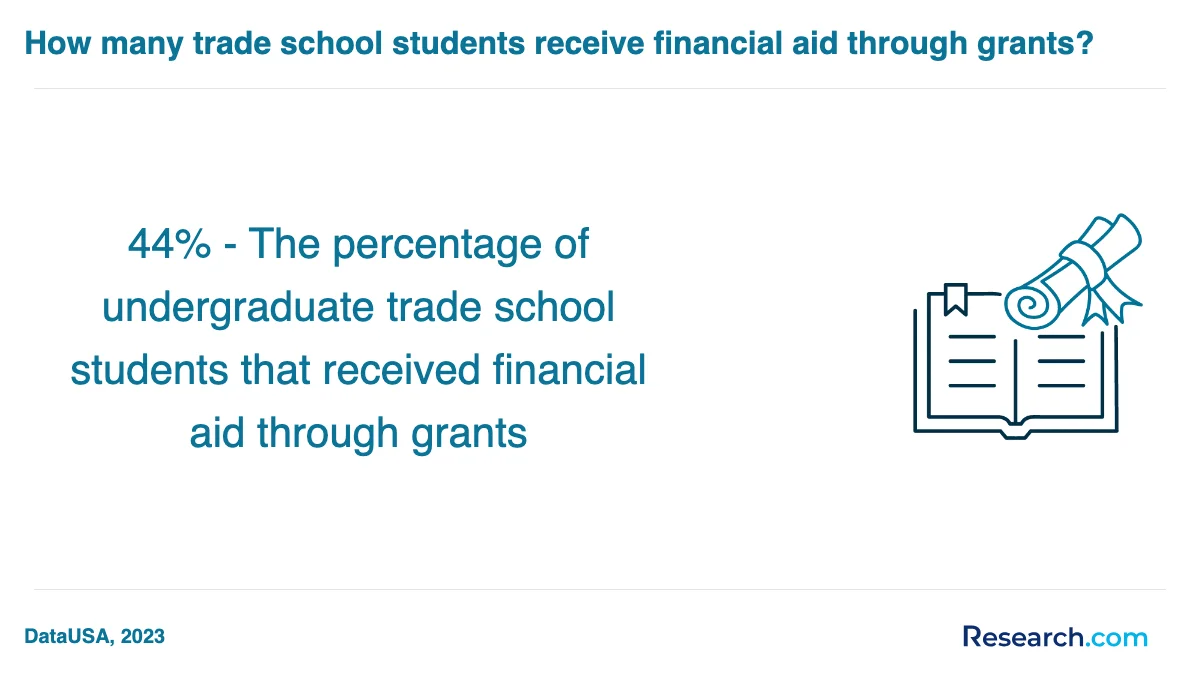
Trade school students in Albany often find financial aid indispensable in managing tuition and living costs. For example, a recent graduate from a popular Albany trades college shared how completing the Free Application for Federal Student Aid (FAFSA) unlocked multiple funding streams, including federal grants and loans that made their education feasible without overwhelming debt.
The New York State Tuition Assistance Program (TAP) is another key resource. Eligible students attending Albany trade schools can receive between $1,000 and $5,665 annually with no repayment necessary. The amount reflects real-life family circumstances-one graduate recalled how TAP adjusted to their changing family income, providing steady support through their studies.
Federal loans also offer flexibility; dependent students can borrow up to $7,500 yearly, while independent students may access up to $12,500. Importantly, subsidized loans pause interest accrual during half-time enrollment, easing financial pressure in the midst of study.
Institutional scholarships in Albany often reward merit and need, blending academic effort with genuine financial help. Students sharing these experiences emphasize how awards motivated them to persist and excel, reflecting the practical benefits of tapping into local aid sources early and strategically.
To enroll in a trade school program in Albany, the fundamental prerequisite is a high school diploma or its equivalent, such as a GED. Graduates from popular institutions like Albany Technical College often reflect on how this requirement grounded them with essential skills before advancing into technical training.
Additional prerequisites can vary by program and field. For example, some students pursuing health careers or electrical trades found that having completed high school coursework in mathematics, science, or English strengthened their applications and better prepared them for the hands-on challenges ahead.
Key points prospective students should consider include:
- Applicants usually must submit transcripts and proof of residency as part of the application process.
- Certain programs may require recommendations or additional documentation, especially if they receive Perkins V funding.
- Health forms or screenings are commonly requested before participation in clinical or laboratory work.
High school juniors and seniors in Albany can sometimes access technical education early through local career and technical education (CTE) programs, which many find motivating and career-affirming. Real-life experiences shared by past enrollees highlight how meeting these prerequisites was not just a formality but a meaningful step toward gaining confidence and readiness for a skilled career.
Trade school programs in Albany typically include a variety of hands-on, career-focused courses designed to equip students with practical skills that employers value. Graduates from institutions like Capital Region BOCES and Hudson Valley Community College often highlight the balance between classroom learning and real-world application, which helps them feel confident entering the workforce.
Common courses include:
- Building Trades, Carpentry Services, Electrical Trades, Plumbing Technology, and HVAC/R - combining classroom theory with on-site training in framing, wiring, plumbing, and safety standards.
- Health sciences courses such as Adult Practical Nursing (LPN), Nurse Assisting, Sterile Processing Technician, and multi-year health career tracks that blend clinical experience with academic study.
- Computer and technology programs like Micro-Computer Repair Technician, focusing on troubleshooting and hardware repair tailored to local business needs.
- Specialized skills in welding and metal fabrication, criminal justice, early childhood education, and emerging fields like Offshore Wind Career Pathway programs.
Albany students often praise the ability to immediately apply their newly acquired skills in internships or community projects, making their education directly relevant and rewarding.
Trade school programs in Albany cover a diverse range of specializations that directly reflect the city's evolving job market and student passions. Graduates often highlight hands-on experiences in fields like Architecture and Construction, where programs focus on building trades, carpentry, and electrical skills. These courses not only teach practical work but also help students earn valuable certifications such as OSHA safety licenses, adding confidence and credibility in competitive job searches.
Health Science is another significant specialization, offering tracks such as Sterile Processing Technician and two-year health career sequences. Albany students share stories of engaging hospital partnerships that enhance real-world readiness for immediate healthcare roles.
Students interested in public service find programs in Criminal Justice and Early Childhood Education rewarding, preparing them for meaningful community roles. Additionally, the expanding technology programs, particularly through the New York State Pathways in Technology (NYS P-TECH), integrate high school and college coursework for a solid foundation in tech and manufacturing.
Many Albany vocational students seeking ultimate trade skills invest in best online hvac certification options to amplify their careers in HVAC/R, an industry with strong local demand.
To select the best trade school programs in Albany, start by verifying the accreditation status of each institution, as graduates often praise SUNY Hudson Valley Community College for its recognized credentials that open doors to reliable job opportunities. Graduates highlight how accreditation ensures employers acknowledge their skills and certifications, a crucial factor in competitive fields.
When learning how to compare Albany trade schools, look closely at student outcomes and reputation. For example, Mildred Elley School's alumni share positive experiences about strong graduation rates and job placement support, making the decision easier for students balancing work and study. Visiting campuses or connecting with current students can reveal the quality of hands-on training and externships offered, which many say significantly boosted their confidence and competence.
Affordability is often a deciding factor. Albany graduates frequently mention how SUNY Hudson Valley's lower net price and financial aid availability made pursuing trade education less stressful. Considering flexible scheduling options, such as evening or online classes, is also key for those juggling family or jobs. Such options provide practical pathways to success without sacrificing personal obligations.
Deciding which program suits your aspirations and lifestyle could start by understanding why a trade school is better than college for many seeking quick, practical skills that translate directly to the workforce.

Trade school graduates in Albany have access to a variety of promising career paths that cater to the city's evolving job market. Many graduates find rewarding opportunities in construction and building trades, including carpentry, electrical work, HVAC/R, and plumbing technology. These skills are essential as Albany experiences growth in residential and commercial projects, and graduates often secure jobs with local unions and construction firms. Graduates from popular Albany trade schools report immediate placement in entry-level positions, enabling quick workforce entry.
Healthcare-related roles also present strong prospects, with programs preparing students for positions such as sterile processing technicians and early childhood educators. Local hospitals and clinics frequently collaborate with trade schools to offer hands-on experience, which enhances employment chances. This reflects Albany technical education job opportunities rooted in the region's significant health sector.
Additional career options include:
- Criminal justice and public administration with local law enforcement roles
- Hospitality sector jobs in culinary arts and hotel management
- Cosmetology, automotive technology, IT fields like game design, and manufacturing trades such as welding
Graduates often highlight how practical training aligns with workforce needs, making their skills marketable and valued. For students aiming to expand their technical expertise affordably, programs like low cost flooring installation training online can complement their Albany education.
The trade school job opportunities in Albany NY are strong, reflecting the city's demand for skilled trades in construction, electrical work, welding, HVAC, and commercial driving. Graduates from popular Albany programs often step directly into roles with local unions and construction firms, benefiting from comprehensive hands-on training that employers highly value. For example, many recent building trades graduates report positive experiences securing positions where their certifications lead to better pay and responsibility.
Several factors make the Albany NY workforce demand for skilled trades particularly robust:
- Over 40 trade-related job vacancies in August 2025 alone, emphasizing immediate hiring needs.
- Employment benefits including tuition reimbursement and health insurance that support new workers.
- Strong local apprenticeship programs providing practical pathways to steady careers.
Graduates frequently mention how these opportunities align with their training, making the transition to employment smoother. For prospective students seeking a reliable career path, considering most affordable cosmetology schools with online courses or other trade programs in Albany could be a valuable step toward stable work in a thriving local market.
Most Affordable Trade School & Training Programs - Leading Certification Courses in Albany for 2026
# 1 position
Albany Technical College - Industrial Mechanics and Maintenance Technology/Technician.
associateAlbany Technical College offers a hybrid Industrial Mechanics and Maintenance Technology/Technician program that prepares students to repair and maintain various industrial machinery, including cranes, pumps, engines, and conveyor systems. The program is accredited by the Southern Association of Colleges and Schools Commission on Colleges. Annual in-state tuition is $3,196. Graduates earn a median salary of $47,764 one year after completing the program.
# 2 position
Albany Technical College - Business Administration and Management, General.
associateAlbany Technical College offers a program in Business Administration and Management, General, designed to prepare students to plan, organize, direct, and control business functions. The curriculum covers management theory, human resources, accounting, purchasing, logistics, marketing, and business decision-making. Annual in-state tuition is $3,196. The program is accredited by the Southern Association of Colleges and Schools Commission on Colleges. Median earnings one year after completion are $30,269.35.
# 3 position
Albany Technical College - Computer Systems Networking and Telecommunications.
associateAlbany Technical College offers a hybrid Computer Systems Networking and Telecommunications program focused on the design, implementation, and management of linked computer systems and software to improve efficiency. The curriculum covers operating systems, network theory, system design, security, and troubleshooting. Annual in-state tuition is $3,196. The program is accredited by the Southern Association of Colleges and Schools Commission on Colleges and prepares students for roles as network specialists and managers.
# 4 position
Albany Technical College - Computer and Information Systems Security/Auditing/Information Assurance.
associateAlbany Technical College offers a hybrid Computer and Information Systems Security/Auditing/Information Assurance program. It trains students to evaluate security needs, recommend safeguards, and manage security systems, including auditing and maintenance. The curriculum covers computer architecture, programming, networking, cryptography, risk assessment, policy analysis, and investigation techniques. The annual in-state tuition is $3,196. The program is accredited by the Southern Association of Colleges and Schools Commission on Colleges.
# 5 position
Albany Technical College - Accounting Technology/Technician and Bookkeeping.
associateAlbany Technical College offers a program in Accounting Technology/Technician and Bookkeeping designed to prepare individuals for technical administrative roles in accounting and financial management. The curriculum includes instruction on posting transactions, record-keeping systems, accounting software operation, and general accounting principles. Annual in-state tuition is $3,196. The program is accredited by the Southern Association of Colleges and Schools Commission on Colleges.
# 6 position
Albany Technical College - Marketing/Marketing Management, General.
associateAlbany Technical College offers a Marketing/Marketing Management, General program designed to prepare students for managing consumer audiences and product distribution. The curriculum covers buyer behavior, marketing research principles, demand analysis, pricing theory, strategic planning, advertising, sales operations, and consumer relations. The annual in-state tuition is $3,196. The program is accredited by the Southern Association of Colleges and Schools Commission on Colleges.
# 7 position
Albany Technical College - Criminal Justice/Safety Studies.
associateAlbany Technical College offers a Criminal Justice/Safety Studies program focusing on the criminal justice system, including criminal law, policy, police and correctional systems, administration of justice, and public attitudes. The program is accredited by the Southern Association of Colleges and Schools Commission on Colleges. Annual in-state tuition is $3,196. Median earnings of students one year after completion are $21,029.
# 8 position
Albany Technical College - Industrial Mechanics and Maintenance Technology/Technician.
certificate or diplomaAlbany Technical College offers a Hybrid program in Industrial Mechanics and Maintenance Technology/Technician that prepares students to repair and maintain industrial machinery such as cranes, pumps, engines, and conveyor systems. The program’s annual in-state tuition is $3,196. Graduates earn a median salary of $47,764 one year after completion. The program is accredited by the Southern Association of Colleges and Schools Commission on Colleges.
# 9 position
Albany Technical College - Nursing Assistant/Aide and Patient Care Assistant/Aide.
certificate or diplomaAlbany Technical College offers a Nursing Assistant/Aide and Patient Care Assistant/Aide program with a hybrid format that includes some distance education. The program prepares students to perform routine nursing-related services under supervision in hospitals or long-term care facilities. Annual in-state tuition is $3,196. Graduates have median earnings of $42,057 one year after completion. The program is accredited by the Southern Association of Colleges and Schools Commission on Colleges.
# 10 position
Albany Technical College - Dental Assisting/Assistant.
certificate or diplomaAlbany Technical College offers a hybrid Dental Assisting/Assistant program that prepares students for patient care, dental radiography, and office administrative tasks under dentist supervision. The curriculum includes medical record-keeping, scheduling, equipment maintenance, sterilization, and chairside assisting. The program is accredited by the Southern Association of Colleges and Schools Commission on Colleges. Annual in-state tuition is $3,196, with median earnings of $28,683 one year after completion.
Frequently Asked Questions about trade school programs
After completing a trade school program in Albany, preparing for the job market involves several key steps. First, students should utilize career services offered by their schools, which often include resume workshops, interview coaching, and job placement assistance. According to the New York State Department of Labor, trade school graduates in Albany have an employment rate above 80% within six months of graduation.
Networking locally is crucial; attending industry events and joining professional groups can connect graduates with potential employers. Additionally, obtaining relevant certifications or licenses associated with trade fields, such as HVAC or electrical work, boosts employability. Continuous skill development is important to keep pace with industry changes.
Employers in Albany highly value practical skills among trade school graduates, especially in fields like construction, HVAC, and electrical work. According to the New York State Department of Labor, proficiency in hands-on technical abilities such as equipment operation, troubleshooting, and repair ranks as a top requirement.
Besides technical know-how, soft skills are crucial. Communication, teamwork, and time management are frequently highlighted by local employers in surveys reported by the Albany-Colonie Regional Chamber of Commerce.
Additionally, safety awareness and adaptability stand out, reflecting the evolving demands of Albany's industries. Trade schools that integrate these skills into their curriculum improve graduate success in the local job market.
Finding internships in Albany that align with your trade school program involves a combination of research and networking. Start by contacting your trade school's career services department, which often maintains partnerships with local businesses offering internships. Many programs in Albany have established connections with employers in industries such as construction, healthcare, and information technology.
Additionally, use local job boards like Albany's official city website and platforms such as Handshake and Indeed, filtering for internship positions relevant to your field. According to the New York State Department of Labor, Albany's growing sectors provide over 300 internship opportunities annually for students in trades.
Networking events and trade associations in Albany also serve as valuable resources. Attending these can help you meet employers looking for interns with specific skills. Finally, consider reaching out directly to local companies that match your trade area, as many apprenticeships and internships are not widely advertised.
A trade school diploma in Albany significantly enhances career mobility and advancement prospects. Trades such as HVAC, plumbing, and electrical work are in high demand locally, supported by Albany's growing construction and service sectors. According to the New York State Department of Labor, skilled trades experience faster job placement rates, often exceeding 85% within six months post-graduation.
Graduates benefit from specialized training that meets industry standards, making them competitive candidates for promotions and higher wages. Data from the Albany-Colonie Regional Chamber of Commerce highlights that certified trade professionals in Albany can see salary increases of 10-20% within five years.
Employers in Albany frequently prioritize applicants with formal trade credentials, linking diplomas to on-the-job leadership opportunities and long-term career growth.
Students attending trade schools in Albany can benefit from numerous part-time job opportunities that align with their vocational training. Positions such as automotive technician assistants, HVAC helpers, and electrical apprenticeships allow hands-on experience while earning an income. Local businesses often seek part-time employees with basic skills, particularly in construction and maintenance sectors.
According to the U.S. Bureau of Labor Statistics, Albany's trade-related industries have shown steady employment growth, with a 5% increase in construction jobs over the past two years. Many employers offer flexible schedules, which are ideal for students balancing coursework.
Additionally, healthcare support roles like medical assistants or pharmacy technicians provide practical exposure for students in health-related trade programs. These jobs help build valuable skills and add to a student's resume.
To choose the most affordable degree program near you in Albany, GA, start by researching local colleges and universities that offer programs aligned with your interests and career goals. Consider visiting Research.com to compare the tuition rates and financial aid opportunities provided by institutions near Albany, GA. Additionally, many programs and universities near me offer flexible payment plans, scholarships, and grants to help manage costs effectively.
- Learn A Trade - SUNY https://www.suny.edu/trades/
- Career and Technical Education (CTE) | High School Academics https://www.albanyschools.org/academics/high-school/cte-info
- Registered WBL Experiences | New York State Education Department https://www.nysed.gov/career-technical-education/registered-work-based-learning-experiences
- Albany, NY Campus - Mildred Elley https://www.mildred-elley.edu/campuses/albany/
- Year 10 Students Get Hands-On and Try a Trade https://www.albanyshs.wa.edu.au/articles/1034
- Building Trades | HVCC https://www.hvcc.edu/programs/eoc/programs/building-trades.html
- Career and Trade Schools in the Albany region - Albany Business Review https://www.bizjournals.com/albany/subscriber-only/2024/11/08/career-and-trade-schools-in-the-albany-region.html
- Albany Technical College: Workforce Development in Southwest Georgia https://www.albanytech.edu/


