
Most Affordable Certificate Programs - Leading Certification Courses in Ocala for 2026

Co-Founder and Chief Data Scientist
Choosing the right trade school certificate program can be overwhelming, especially when affordability matters most. This article introduces a carefully crafted ranking of the most affordable certificate programs in Ocala for 2026, developed by the Research.com team of data scientists.
Our goal is to help you make an informed choice by highlighting programs that offer great value without compromising quality. Earning a trade school diploma or certification opens doors to new career opportunities and personal growth.
Explore the options that fit your budget and goals to take confident steps toward a rewarding future.
Key benefits of getting trade school certificate in Ocala
- Trade school graduates in Ocala can earn competitive salaries, such as electricians making between $58,240 and $83,200 annually, and skilled carpenters earning about $41,600 to $72,800 per year, offering strong financial rewards right after certification.
- Popular career paths for certified graduates include electrical trades, carpentry, building maintenance, and technical education, providing diverse opportunities that fit different interests and skills in the local job market.
- Completing a trade school certification online offers flexibility and convenience, allowing students to balance work and study, often enabling faster entry into well-paying local jobs compared to traditional campus programs.
- Most Affordable Certificate Programs - Leading Certification Courses in Ocala for 2026
- What can I expect from trade school certification programs in Ocala?
- Where can I work with trade school certification in Ocala?
What can I expect from trade school certification programs in Ocala?
The average cost of a trade school certification program in Ocala is notably affordable compared to traditional four-year colleges, with tuition often a fraction of those expenses. Graduates from Marion Technical College, for instance, recount paying tuition that fits within a tight budget, making financial worries less daunting. Many benefit from state grants and federal aid through FAFSA, which significantly ease the burden, allowing them to focus on mastering practical skills rather than stressing over loans.
Students frequently mention how this cost-effectiveness paired with hands-on training-like welding or commercial driving-adds immediate value to their investment. The relatively low price point encourages swift transitions into careers without years of debt looming overhead. Additionally, some online and evening classes offer the chance to earn credentials without sacrificing current jobs or family time, creating a sensible path for working adults aiming to upskill in Ocala's dynamic job market.
Where can I work with trade school certification in Ocala?
Graduates of trade school certification programs in Ocala find themselves stepping into dynamic roles across several thriving industries. Many begin as apprentice carpenters or tile installers, gaining hands-on experience on bustling construction sites, while others join the ranks as industrial electricians or service installation technicians, roles highly sought after by local employers.
In Ocala's automotive sector, trade school alumni often land entry-level jobs as road or field technicians, positions that quickly build expertise and open doors to career advancement. Some graduates with a knack for communication and detail rise to roles like technical sales estimators or design specialists, blending their trade knowledge with client-facing responsibilities.
Healthcare support also offers rewarding career paths, with opticians and professional cleaners regularly hired by clinics needing dedicated, certified staff. Graduates recall taking pride in securing jobs that offer not only satisfactory wages but also benefits such as health insurance and tuition reimbursement, making their educational investment in Ocala's trade schools valuable and sustainable.
Graduates from trade school certification programs in Ocala often find themselves stepping into careers with starting wages between $22 and $30 per hour. Imagine completing a well-regarded technical certification in Ocala and quickly landing a role as a field technician, earning an annual salary close to $45,000 to $62,000. These numbers reflect real experiences of graduates who have trained locally, benefiting from courses tailored to meet Ocala's job market demands.
For those pursuing careers in technical sales or installation, the pay closely matches this range, with many employers offering valuable benefits, such as health insurance and paid holidays. Graduates who specialized in healthcare-related certifications, such as becoming physical therapist assistants, often enjoy starting salaries that meet or surpass these levels, reflecting growing demand.
Some students note beginning in entry-level roles paying around $13 to $18 per hour, such as facilities maintenance, with clear pathways to higher earnings through further certifications or experience. Graduates from Ocala's respected trade programs frequently mention how additional credentials can boost their salary by an extra $2,000 annually, turning their trade skills into increasingly rewarding careers.
- Maria: Earning my HVAC certification in Ocala was a game-changer. The hands-on training prepared me well, and local employers value the skills I gained. Now, I have a rewarding job installing systems and helping families stay comfortable year-round. The supportive instructors made all the difference.
- Jared: Studying automotive technology in Ocala was intense but fulfilling. The small class sizes meant personal attention, and I quickly applied what I learned during internships. Today, I work at a busy local garage fixing cars with confidence. This trade school truly opened doors for my career.
- Erika: The welding program in Ocala gave me both practical skills and self-confidence. From day one, I felt engaged and challenged. After graduating, I secured a job working on construction projects here in town. This school's focus on real-world experience made all the difference in landing my dream job.
- Marion Technical College offers over 23 career certificate programs including aviation mechanics, automotive service, IT, baking, and healthcare.
- Applicants must complete an application, provide ID and social security card, pay fees, and take placement tests to determine class level.
- Program costs range from $1,700 to $2,200 depending on the field and transferred credits; financial aid options include state scholarships and FAFSA.
- Programs have multiple start dates yearly with morning and evening classes available; some specialized fields require prerequisites like existing certifications.
- Entry-level salaries typically range from $35,000 to $50,000 annually, with experienced workers earning $50,000 to $70,000 or more in high-demand sectors.
Completing a trade school certification program in Ocala can be surprisingly swift, depending on the path you choose. Many graduates share how short-term programs, lasting just 4 to 8 weeks, gave them the freedom to quickly gain essential skills like forklift operation or OSHA safety training without interrupting their daily routines. Imagine finishing a course by late August and stepping confidently into a new job by fall.
For those pursuing more in-depth training, programs such as Licensed Practical Nursing or Welding Technology often take 9 to 12 months at places like Marion Technical College. Graduates often describe balancing daytime or evening classes with family or work commitments, appreciating the flexible schedules starting in January or July.
More specialized tracks, including aviation certificates, might require 18 to 24 months, allowing students to gain hands-on experience gradually. These timelines reflect Ocala's commitment to providing practical, real-world training that fits diverse lifestyles while paving the way for rapid workforce entry.
Choosing between online and on-campus trade school certification programs in Ocala often comes down to how you want to balance learning with life. Online courses, like those offered by Marion Technical College and ed2go, fit seamlessly into busy schedules, letting students study accounting or electrical work whenever they find a quiet moment. Graduates recall appreciating the freedom to juggle family and jobs without the stress of daily commutes. The digital tools-virtual classrooms and interactive videos-create a flexible, thoughtful pace where every student can participate fully.
On the other hand, on-campus programs demand your presence at set times in Ocala, perfect for hands-on trades like robotics or forklift operation. Graduates describe the immediate feedback from instructors and the buzz of peer collaboration as invaluable, especially when mastering complex equipment or safety skills. The structured environment helps many stay focused, surrounded by classmates sharing the same goals.
Both paths share expert instruction, but your choice depends on whether you thrive with flexible independence or live learning energy in Ocala's trade schools.
The average trade school cost in Ocala generally falls between $1,000 and $2,200, making it one of the more affordable options for vocational training in Florida. Graduates from local programs at institutions like Marion Technical College often share how accessible these tuition rates allowed them to pursue a new career without overwhelming debt. For example, those who enrolled in electrical or HVAC certification courses found the Ocala vocational program tuition and fees manageable, especially compared to other regions where similar certifications can exceed $9,000 annually.
Beyond tuition, students appreciate that many trade schools in Ocala offer financial aid, scholarships, and federal grants, which considerably lowers out-of-pocket costs. It's common for candidates to qualify for programs like the Federal Pell Grant or local workforce initiatives, so training in areas such as healthcare or automotive technology can sometimes feel within reach even for those on tight budgets. Graduates often recall the relief of completing their studies knowing their investment was controlled and supported by financial aid resources.
For those weighing their options, it's encouraging to know that Ocala's trade schools blend affordability with quality, providing pathways into quick-to-learn trade jobs that lead to well-paying careers. Real-life success stories frequently highlight how the cost-effective nature of certification programs here allowed students to transition swiftly into skilled professions, empowering them to improve their futures without excessive financial strain.

Students pursuing trade school certification programs in Ocala find a surprising range of financial aid options that can transform the challenge of tuition into an achievable goal. Many rely on the Federal Pell Grant, which can provide up to $7,395 annually without the burden of repayment. Graduates from schools like Marion Technical College often share how this grant was crucial in covering a significant part of their expenses while balancing work and study.
Merit-based awards such as the Florida Bright Futures Scholarship, particularly the Florida Academic Scholars (FAS) program, stand out by potentially covering 100% of tuition and fees at local public technical institutions. Imagine attending a trade school in Ocala completely tuition-free because of academic excellence-it's a reality for many driven students.
Need-based support goes beyond federal aid. Some students benefit from the Open Door Grant Program offered at Marion Technical College, which covers the full cost of tuition, fees, and supplies after other aid is applied. This flexibility eases financial stress and lets students focus on mastering their trades.
Work-study programs also blend earning with learning, providing hands-on job experience right in Ocala's industries while offsetting education costs. Graduates often recount how these jobs deepened their skills and confidence, creating a strong foundation for their careers.
Finally, for some, payment plans offered by local trade schools serve as a lifeline, making expenses manageable over time. Navigating these options with the help of college financial aid offices empowers students to tailor their education funding in ways that suit their unique situations.
Enrolling in a trade school certification program in Ocala, like those at Marion Technical College, starts with meeting clear prerequisites designed to set you up for success. Graduates often recall how meeting the minimum age requirement of 16 years and having a high school diploma, GED, or equivalent credential ensured they were ready for the challenge.
Most students also complete a basic skills assessment, such as the Postsecondary Education Readiness Test (PERT), which gauges strengths in reading, math, and writing. While some graduates found this test straightforward-especially if they held prior college credits or valid SAT/ACT scores-others appreciated the early chance to identify areas for improvement.
Additional requirements often depend on the program; for example, pursuing Welding Technology - Advanced means having completed the basic welding course or demonstrating equivalent skills, while Medical Laboratory Technology demands a minimum GPA of 2.5, high school biology and chemistry, a background check, and lab observation hours.
- Be at least 16 years old and out of K-12
- Hold a standard diploma, GED, or equivalent
- Pass a basic skills assessment (PERT or equivalent)
- Meet specific program prerequisites (e.g., GPA, permits, prior coursework)
Graduates often emphasize how these requirements didn't feel like barriers but rather stepping stones that built confidence as they prepared to advance in fulfilling, hands-on careers in Ocala's thriving trade industries.
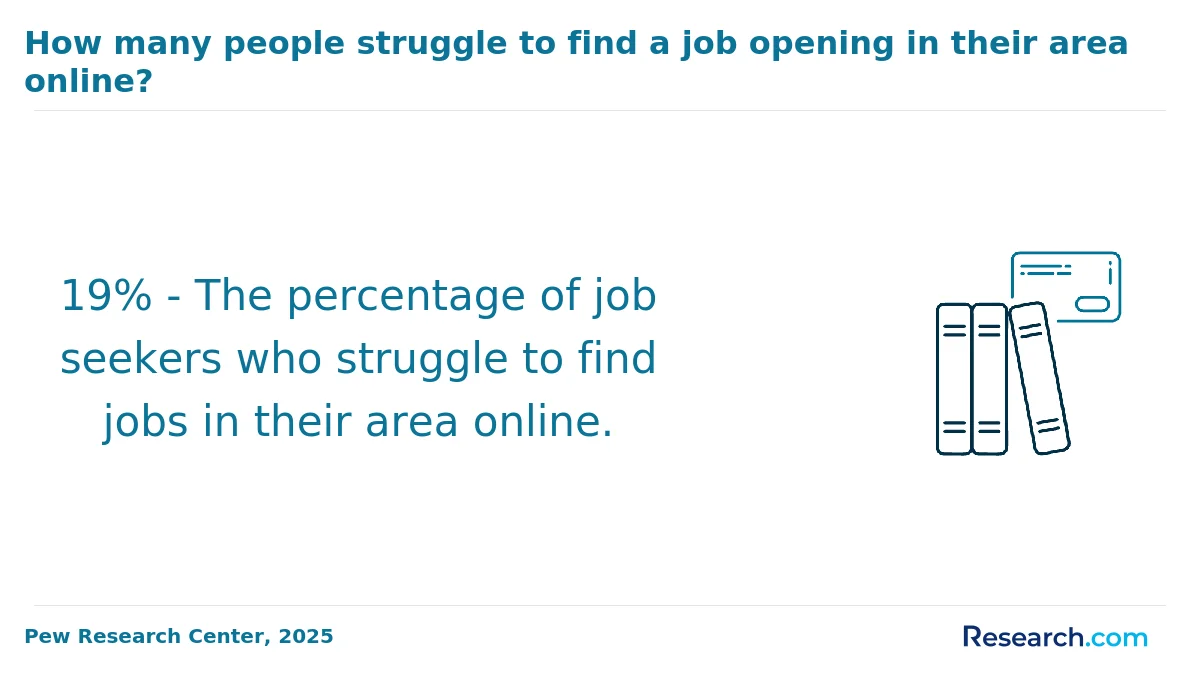
Trade school certification programs in Ocala consistently focus on hands-on skills that prepare students for real-world jobs right after graduation. Graduates often highlight HVAC/R training, electrical work, and plumbing as standouts due to their practical approach and immediate applicability. These programs combine classroom theory with extensive lab time, enabling students to confidently tackle everything from troubleshooting HVAC systems to complex wiring installations.
Typical courses you'll find in Ocala technical courses and training programs include:
- HVAC/R systems maintenance and certification preparation
- Electrical theory, wiring, and safety compliant with the National Electrical Code®
- Plumbing techniques for residential and commercial setups
- Diesel systems diagnosis and repair, crucial for local transport sectors
- Robotics programming and industrial machinery operation
Students frequently share how forklift operation and warehouse management certifications have boosted their confidence and job prospects in logistics. Beyond technical trades, programs in medical assisting and graphic arts expand options for those pursuing diverse career paths. Tuition remains accessible, with some courses ranging between $1,700 and $2,200 at institutions like Marion Technical College.
Many find flexible evening and online schedules especially helpful, including options like the most affordable hvac trade school programs online, making it easier to balance work and study. This blend of convenience and focused career training embodies what certificate programs offered in Ocala trade schools aim to deliver.
Choosing the best trade school certification program in Ocala starts with ensuring the program is accredited and offers a curriculum tailored to current industry needs. Graduates from Marion Technical College often share how hands-on training with state-of-the-art equipment prepared them for real-world challenges in fields like electrical work and forklift operation. Such programs emphasize practical skills and work-based learning, which makes the educational experience feel relevant and actionable.
Next, investigate how to compare Ocala certificate program costs. Flexibility in scheduling is crucial-many students juggling family or work commitments appreciate schools that offer evening, weekend, or even online classes. Programs that also prepare you for recognized industry certifications, such as OSHA safety credentials, can significantly boost your employability. Finally, check for financial aid options to ease tuition expenses. Exploring what's the best trade school options helps balance quality with affordability, making your path to certification both manageable and rewarding.
Trade school jobs in Ocala FL open doors to a variety of rewarding career paths. Graduates from recognized local programs like Marion Technical College and the College of Central Florida often share how quickly their certifications led to real-world roles, transforming their ambitions into steady incomes. Many find themselves thriving as electricians, HVAC/R technicians, or CNC machinists, all roles in high demand due to ongoing construction and manufacturing growth in the region.
Career opportunities for Ocala trade school graduates also extend to aviation maintenance, where certifications in Airframe and Powerplant Mechanics enable graduates to service the expanding fleet of aircraft operating within Florida's busy airspace. Logistics roles such as forklift operators and warehouse associates further demonstrate the city's evolving economic landscape, offering hands-on positions with career stability.
Additionally, those seeking non-traditional routes often explore business administration, culinary arts, or design certifications, tapping into Ocala's diverse industries. For practical and affordable options, many consider programs focused on most affordable online landscaping training, enhancing their skills while balancing work and study.
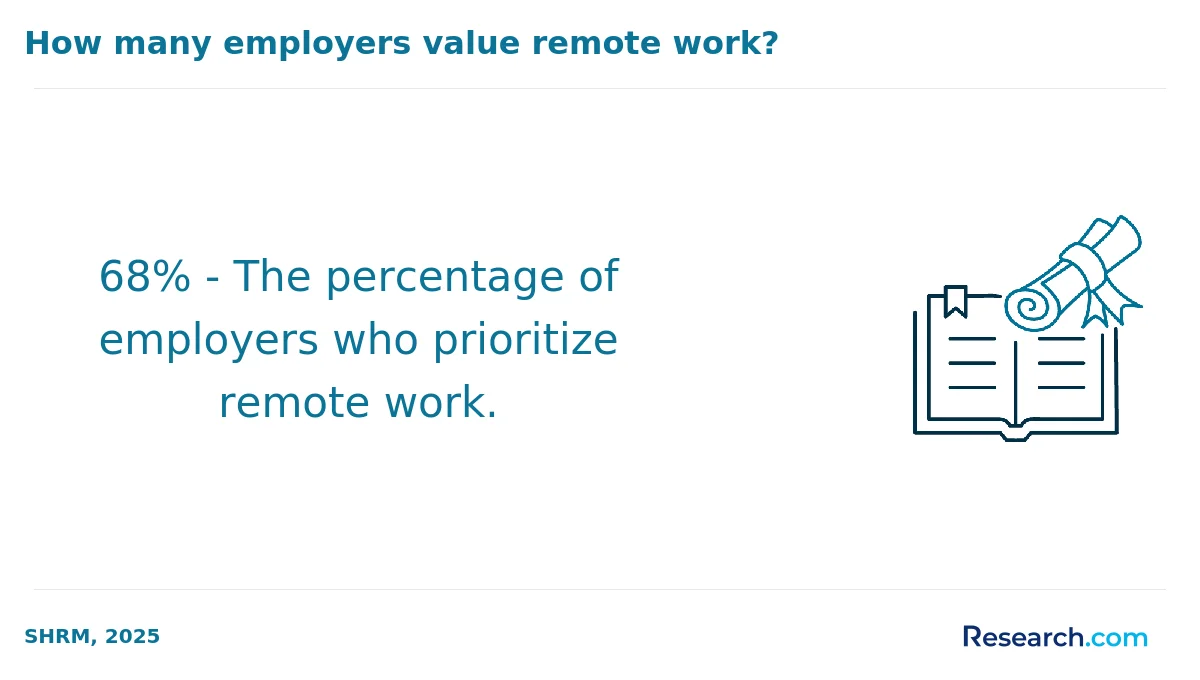
The job market for trade school graduates in Ocala remains robust, offering numerous opportunities across multiple industries. Graduates from popular local trade schools often find themselves quickly employed in in-demand fields like plumbing, industrial electrical work, and HVAC installation. Many report that employers prioritize candidates holding trade school certification due to their practical skills and readiness to contribute on day one.
Examples from recent graduates highlight:
- Competitive hourly wages reaching up to $32 for commercial HVAC installers
- Annual salaries between $85,000 and $120,000 for residential service electricians
- Access to comprehensive benefits, including health insurance and retirement plans
For those seeking accessible and affordable education pathways, programs identified in resources such as cheapest maintenance technician certification online serve as attractive options.
This strong demand in Ocala trade school certification employment opportunities reflects the broader Florida trend, where industries like healthcare, construction, and technology are expanding. Graduates appreciate the real-world training and networking opportunities provided by Ocala's trade schools that help turn certifications into rewarding careers.
Most Affordable Certificate Programs - Leading Certification Courses in Ocala for 2026
# 1 position
College of Central Florida - Welding Technology/Welder.
certificate or diplomaThe Welding Technology/Welder program at College of Central Florida offers a hybrid format with some distance-education options, preparing students to apply technical skills in welding and metal cutting. Instruction covers arc welding, resistance welding, brazing, soldering, and more, including safety and applicable codes. Annual in-state tuition is $2,710. The program is accredited by the Southern Association of Colleges and Schools Commission on Colleges.
# 2 position
College of Central Florida - Dental Assisting/Assistant.
certificate or diplomaThe College of Central Florida offers a Dental Assisting/Assistant program with a hybrid format that includes some distance education. The curriculum prepares students to provide patient care, take dental radiographs, assist with dental procedures, and manage office administrative tasks under supervision. Instruction covers medical records, office duties, equipment maintenance, radiography, and chairside assisting. The program’s annual in-state tuition is $2,710, and it is accredited by the Southern Association of Colleges and Schools Commission on Colleges.
# 3 position
College of Central Florida - Medical Insurance Specialist/Medical Biller.
certificate or diplomaThe Medical Insurance Specialist/Medical Biller program at College of Central Florida prepares students to manage medical and health insurance operations in various healthcare settings. This hybrid program includes instruction in insurance processes, law, office administration, billing, medical terminology, and communication skills. The annual in-state tuition is $2,710. The program is accredited by the Southern Association of Colleges and Schools Commission on Colleges.
# 4 position
Rasmussen University-Florida - Nursing Assistant/Aide and Patient Care Assistant/Aide.
certificate or diplomaThe Nursing Assistant/Aide and Patient Care Assistant/Aide program at Rasmussen University-Florida offers a hybrid format with some distance-education options. It prepares students to perform routine nursing-related services under the supervision of registered or licensed practical nurses. The program is accredited by the Higher Learning Commission. Annual in-state tuition is $15,117, and median earnings for graduates one year after completion are $45,271.
# 5 position
Rasmussen University-Florida - Medical Insurance Coding Specialist/Coder.
certificate or diplomaThe Medical Insurance Coding Specialist/Coder program at Rasmussen University-Florida is fully online, preparing students for specialized data entry, classification, and record-keeping related to medical billing and insurance documentation. The curriculum covers medical terminology, anatomy, physiology, coding, and Medicare regulations. Accredited by the Higher Learning Commission, the annual in-state tuition is $15,117, and median earnings one year after completion are $39,372.
# 6 position
Rasmussen University-Florida - Medical Administrative/Executive Assistant and Medical Secretary.
certificate or diplomaRasmussen University-Florida offers a fully online Medical Administrative/Executive Assistant and Medical Secretary program designed to prepare students for roles supporting physicians, nurses, and healthcare administrators. The curriculum covers medical terminology, business communications, healthcare operations, scheduling, and professional ethics. Annual in-state tuition is $15,117. Graduates earn a median income of $39,372 one year after completion. The program is accredited by the Higher Learning Commission.
# 7 position
Taylor College - Allied Health and Medical Assisting Services, Other.
certificate or diplomaTaylor College offers a program in Allied Health and Medical Assisting Services, Other, accredited by the Accrediting Bureau of Health Education Schools. The annual in-state tuition for this program is $13,263. This instructional program covers allied health and medical assisting services not specified elsewhere, providing specialized training for students seeking careers in these fields.
Frequently Asked Questions about trade school certificates
Preparing for the job market after completing trade school certification programs in Ocala involves several key steps. First, graduates should leverage local workforce development resources, such as CareerSource Citrus Levy Marion, which offers job search assistance and employer connections tailored to Central Florida. According to the U.S. Bureau of Labor Statistics, trade certifications typically increase employability by 15-20% compared to non-certified workers. Networking with local businesses and attending job fairs in Ocala can significantly improve chances of employment, especially in in-demand fields like HVAC, electrical work, and healthcare. Updating a professional resume to highlight specific trade skills and certifications is essential to stand out to employers. Additionally, pursuing apprenticeships or entry-level positions can provide valuable hands-on experience to complement formal training.
Employers in Ocala value trade school graduates who possess both technical expertise and strong soft skills. According to the Florida Department of Economic Opportunity, skills in electrical systems, welding, HVAC repair, and automotive technology are among the most in demand locally.
Beyond technical knowledge, employers emphasize reliability, communication, and problem-solving abilities. A 2023 survey by the National Skills Coalition found that 85% of employers nationwide consider these soft skills crucial for certified trade workers' success.
Additionally, safety training and adherence to OSHA standards remain essential. Graduates who demonstrate hands-on experience and workplace readiness frequently have better job prospects in Ocala's competitive trades market.
Finding internships in Ocala relevant to your trade school certification program involves several practical steps. Start by contacting the career services office at your trade school, as many institutions maintain partnerships with local businesses that offer internship opportunities.
The Ocala-Marion County Chamber & Economic Partnership provides listings of internships and apprenticeships in industries like construction, healthcare, and automotive services, which align well with trade certifications.
Additionally, platforms such as Indeed and Handshake often feature internships in Ocala, filtered by trade-related keywords. Networking with local employers through job fairs hosted at the Ocala Civic Theatre or in collaboration with the Florida State College at Jacksonville's Ocala campus can also uncover opportunities.
Finally, the Florida Department of Education reports that about 40% of technical program completers secure internships through direct employer outreach, emphasizing the importance of proactive contact.
Trade school certification programs in Ocala significantly enhance career mobility by providing specialized skills that are in demand locally. According to the Florida Department of Education, industries such as healthcare, construction, and automotive service, which represent large employment sectors in Ocala, show higher employment growth for certified professionals compared to those without credentials. These certifications often lead to quicker job placements and higher starting wages, improving economic stability.
Moreover, certified trade workers in Ocala benefit from clearer advancement pathways. Employers frequently prioritize candidates with certifications for promotions and leadership positions, as these credentials demonstrate verified competencies. A 2023 report from the National Skills Coalition found that certified workers earn on average 15% more annually than their uncertified peers, a trend that holds true in regional data for Ocala.
By completing a trade school certification, individuals may also pivot careers more easily, moving into emerging local industries. This flexibility is crucial for long-term career growth in a changing job market.
Part-time job opportunities in Ocala that complement trade school certification program education often align with the skills gained through such programs. For example, students pursuing automotive technology certifications can find part-time work as service assistants or tire technicians at local repair shops. These roles provide hands-on experience relevant to their studies.
Individuals certified in healthcare fields may secure part-time positions as medical assistants or pharmacy technicians, which enhance their practical knowledge and patient interaction skills. According to local job listings on Indeed and the Bureau of Labor Statistics, healthcare and automotive sectors are among the fastest-growing in Ocala for part-time employment.
Trade school students in construction-related specialties may benefit from part-time laborer or apprentice roles with regional contractors, offering valuable on-the-job training alongside their classroom education.
To find the most affordable degree program near me, it's useful to start by researching local colleges and universities which often offer competitive tuition rates. Specifically near Ocala, FL, institutions such as the College of Central Florida provide a range of affordable degree options. Utilizing resources like Research.com can assist in comparing program costs and identifying economical choices in your area.
- Taylor College - Career Training in Ocala, FL https://taylorcollege.edu/
- What Employers Want From Trade School Graduates Today | UTI https://www.uti.edu/blog/education/employers-trade-school-graduates
- Collegescorecard https://collegescorecard.ed.gov/
- What Skills Do Employers Want from Graduates? 20 Key Skills - HE Professional https://heprofessional.co.uk/edition/what-skills-do-employers-want-from-graduates-release
- Hot Job Trends: The Benefits of Attending Trade School | JobTrain https://www.jobtrainworks.org/hot-job-trends-benefits-of-attending-trade-school/
- Nces https://nces.ed.gov/
- Career and Technical Education in the Learning Economy: Toward a Promise of Racial Equity - Race and Ethnicity in Higher Education https://www.equityinhighered.org/resources/ideas-and-insights/career-and-technical-education-in-the-learning-economy-toward-a-promise-of-racial-equity/
- Career & Technical Education Certification - Marion County Public Schools https://www.marionschools.net/departments/employment_services/certification_information/career___technical_education_certification/
- A Guide to Skilled Trades Apprenticeships and Internships | BestColleges https://www.bestcolleges.com/trades/guide-to-skilled-trades-apprenticeships-internships/
- How to Recruit Top Talent from Trade Schools | Onrec https://www.onrec.com/news/news-archive/how-to-recruit-top-talent-from-trade-schools


