Best Trade School & Training Programs - Leading Certification Courses in West Columbia for 2026

Co-Founder and Chief Data Scientist
Choosing the right trade school in West Columbia can feel overwhelming, but we're here to help. This article introduces a carefully crafted trade school programs ranking developed by the Research.com team of data scientists. It’s designed to guide you toward programs that truly stand out.
Whether you're seeking a diploma or certification, exploring these options can open doors to rewarding careers. Reading this article will equip you with reliable insights, helping you make confident decisions about your future.
Investing in trade education is a meaningful step-and it’s worth celebrating.
Key benefits of finishing trade school programs trade school in West Columbia
- Trade school graduates in West Columbia can earn competitive salaries, with starting wages typically between $29 and $33 per hour, and annual salaries ranging from around $32,000 to over $92,000 depending on experience and certifications.
- Popular career paths include automotive technology, welding, HVAC, plumbing, and industrial maintenance, offering diverse opportunities that match many interests and skills.
- Online trade school diplomas provide flexible learning schedules and accessibility, making it easier for students to balance work and study while gaining the same valuable certifications as traditional on-campus programs.
- Best Trade School & Training Programs - Leading Certification Courses in West Columbia for 2026
- What can I expect from trade school programs trade schools in West Columbia?
- Where can I work after finishing trade school programs trade schools in West Columbia?
What can I expect from trade school programs trade schools in West Columbia?
The average cost of a trade school program in West Columbia typically ranges between $5,000 and $15,000. Graduates often recall balancing this investment with the tangible benefits gained-like hands-on training that quickly led them to meaningful employment.
Many students in popular local trade schools note how this cost covers access to modern facilities and industry-grade equipment, making their education feel practical and connected to real-world jobs. For example, those pursuing nursing or cosmetology appreciate how their tuition includes clinical experiences that build confidence and skills.
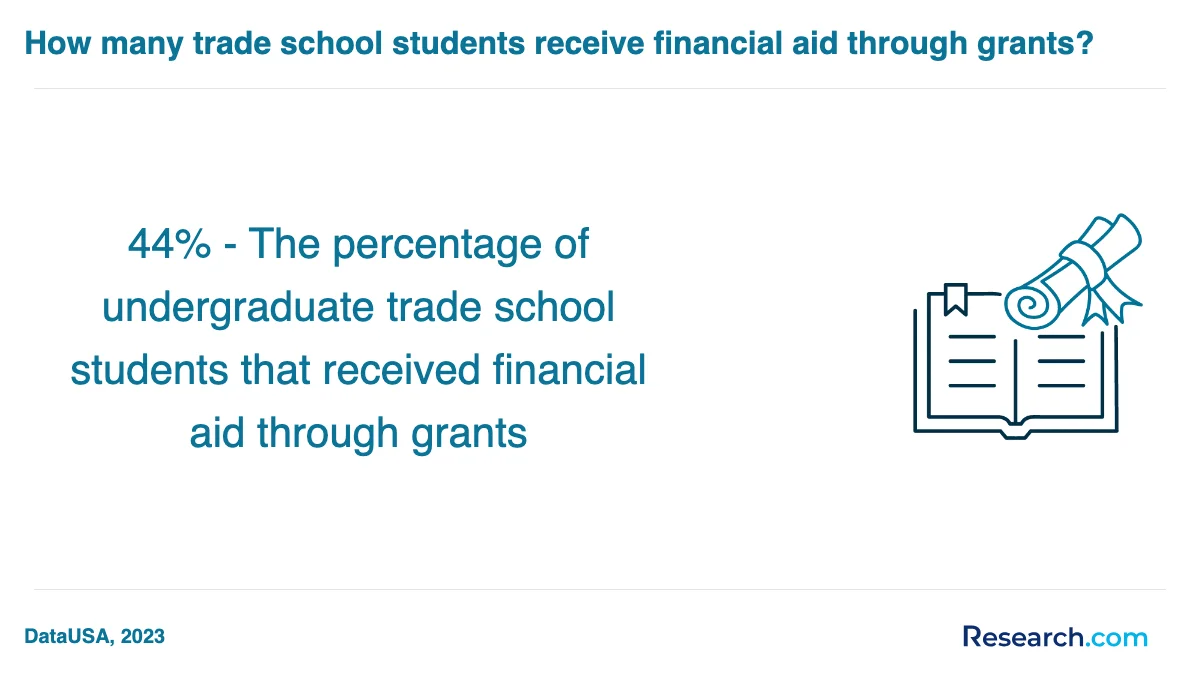
Financial aid options such as grants, scholarships, and federal loans are frequently available, and graduates often encourage new students to research these thoroughly. Entering programs that span 300 to 1,200 hours, students value the accelerated pace that allows them to begin careers in healthcare, skilled trades, or business much sooner than a traditional degree path.
Workers who once sat in small, supportive classes now share how that focused environment helped them succeed, making the financial investment worthwhile and the entire experience motivating and rewarding.
Where can I work after finishing trade school programs trade schools in West Columbia?
After finishing a trade school program in West Columbia, many graduates find rewarding careers across thriving local industries. For example, healthcare graduates often secure roles as medical assistants or radiologic technologists, enjoying the satisfaction of helping patients daily while earning competitive salaries. Graduates from popular local trade schools frequently share how their hands-on training gave them confidence to step directly into jobs at clinics or hospitals, where demand remains strong.
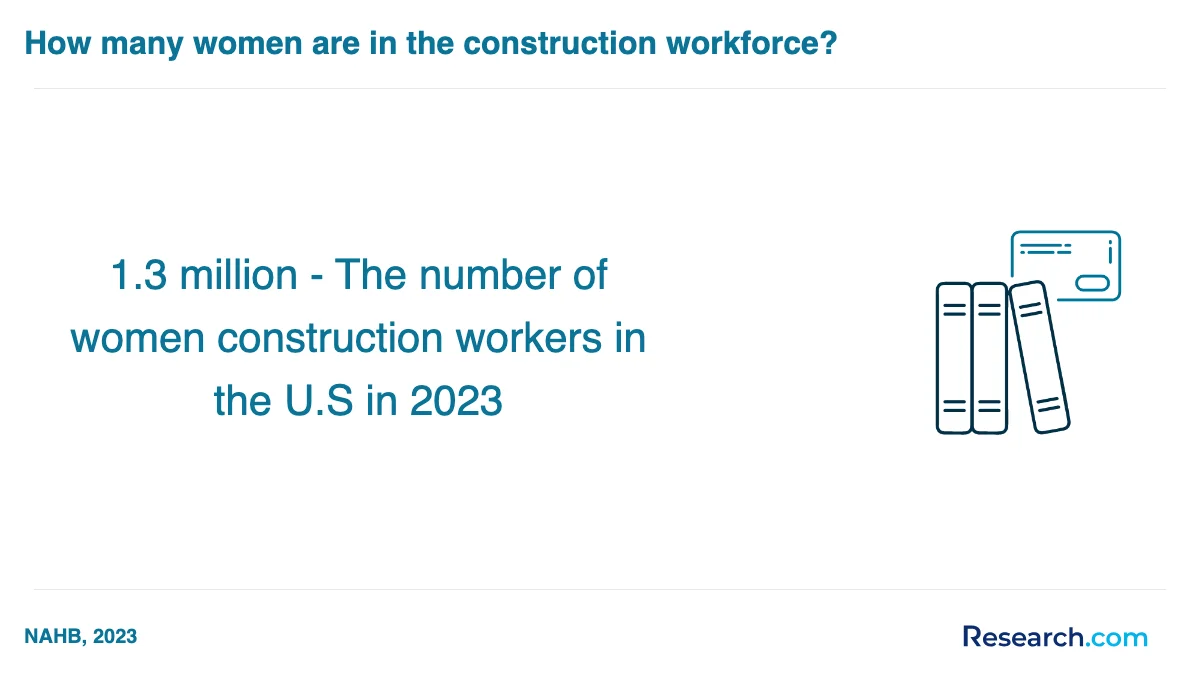
Others pursue opportunities in construction and maintenance, becoming electricians or HVAC specialists. Many recall how their instructors at West Columbia trade schools emphasized practical skills that employers value, leading to steady work in both private firms and local government roles offering solid benefits. The growth of the construction sector means these graduates experience both job stability and personal pride in building their communities.
Trade programs focused on logistics and technical trades prepare students for positions in warehouses or shipping departments, with companies like Nephron Nitrile LLC and Walmart actively hiring. Graduates often appreciate how their education tailored to industry standards helped them step into skilled roles quickly and with confidence.
After completing a trade school program in West Columbia, many graduates find themselves stepping into a job market that offers solid earning potential. On average, trade school graduates here earn about $54,830 per year, or roughly $26.36 an hour. This gives a promising start, especially compared to entry-level jobs in other fields.
Several graduates from popular local trade schools share how their experiences turned into rewarding careers. For instance, an installation technician who began shortly after graduation reported starting wages between $29 and $33 per hour, which translates into an annual salary close to $60,000. Others, especially those who pursued apprenticeships, see yearly incomes ranging from $32,000 to $47,700. This is true for many trades requiring licenses or specialized skills.
It's encouraging to see that with consistent effort and additional certifications, earnings tend to climb steadily. Many West Columbia trade school alumni highlight how their growing expertise opened doors to roles paying more than $60,000, reflecting a clear path for career advancement right in their hometown.
- Trade schools in West Columbia include Remington College, Fortis College, Southeastern College, and the Paul Mitchell School, offering programs in healthcare, skilled trades, business, culinary arts, and beauty services.
- Admissions are generally open with high school diploma or GED required, and some programs may require placement exams or interviews.
- Program lengths range from 12 to 24 months for certificates and diplomas, with associate degrees taking up to two years.
- Annual net tuition costs for in-state students typically range from $5,400 to $5,900, with financial aid and scholarships often available.
- Starting salaries for entry-level HVAC technicians and medical assistants range from $35,000 to $42,000, with median wages rising to $50,000 or more after experience.
In West Columbia, completing a trade school program can feel like a rewarding journey that fits well within your life's pace. Many graduates from Midlands Technical College find certificate programs appealing because they take only about 6 to 18 months, allowing for a swift path into a new career without the long wait of traditional degrees.
Others pursuing associate degrees at local schools experience around two years of full-time study, blending both technical skills and general education. This approach prepares you not just for your trade but for a broader professional outlook. Some accelerated options, like those at ECPI University, let motivated students finish in just 18 months, saving precious time.
For those eager to jump right into the workforce, short-term trainings such as truck driving courses lasting only a few weeks are also popular. Graduates often express pride and relief at how these flexible paths accommodate their work and life schedules, enabling them to advance confidently with new skills in hand.
The primary distinction between online and on-campus trade school programs in West Columbia lies in how students engage with their studies. Graduates from Midlands Technical College often share how on-campus programs offer them the invaluable chance to work directly with equipment and instructors, especially in hands-on fields like HVAC or nursing. Being on campus means experiencing real-time collaboration and immediate support, which fosters confidence and a tangible sense of progress.
Conversely, students choosing online programs appreciate the flexibility to study around jobs or family obligations. Many find relief in being able to learn at their own pace, tapping into courses remotely without the stress of commuting. This remote access suits subjects like business administration or IT, where digital resources suffice. However, some acknowledge missing the in-person practice crucial for certain trades.
Both paths reflect personal priorities-whether it's the structured environment and community on campus or the autonomy and adaptability that online learning offers to busy West Columbia residents.
The average trade school cost in West Columbia is shaped largely by whether a student attends a public or private institution. Graduates often recall that public schools like Midlands Technical College offer more affordable options, with in-state tuition and fees around $5,640 per year. For those out of state, costs rise to approximately $13,536 annually. These figures capture the essence of West Columbia trade school tuition and fees, which are notably lower compared to many private schools where tuition may reach between $10,000 and $25,000 for full program completion.
Students at West Columbia trade schools frequently mention that beyond tuition, additional costs such as textbooks, tools, and equipment-ranging from $500 to $5,000-also factor into the overall expense. This expanded view encourages prospective learners to budget carefully, considering not just classes but the ready-to-use materials that make hands-on learning possible.
Many students find reassurance in learning about available financial support. State grants like the South Carolina Higher Education Tuition Grants provide up to $3,600, easing the financial burden. Personal stories often highlight how this aid turns the dream of attending a trade school into an attainable goal.
Those interested in specialized fields can explore a trade school for construction management, a popular choice that combines practical skill-building with manageable costs. Understanding the true average cost helps students feel confident about taking the next steps toward a rewarding career path.

Students pursuing trade school programs in West Columbia often find relief through various financial aid options, beginning with the essential FAFSA application. Graduates from Midlands Technical College recall how Pell Grants eased their burden, providing need-based aid that never requires repayment. This helped them focus fully on their coursework without lingering financial stress.
South Carolina residents benefit further from state programs like the Lottery Tuition Assistance, which awards up to $85 per credit hour for those enrolled at least half-time. One Fortis College graduate described how this support made a real difference, allowing them to manage tuition costs while gaining crucial hands-on skills. However, recipients of the merit-based LIFE Scholarship-which covers tuition and books for students with a minimum 3.0 GPA-must choose between these options as both cannot be combined.
For those entering high-demand fields, the SC Workforce and Industrial Needs Scholarship (SC WINS) offers up to $65 per credit hour and covers additional expenses, motivating students to maintain their studies with a 2.0 GPA. Many West Columbia students appreciate how these layered aids create a safety net, empowering them to chase career goals confidently and without overwhelming debt.
To enroll in a trade school program in West Columbia, most graduates recall the essential step of having a high school diploma or GED. This foundational requirement ensures readiness for hands-on technical training. For instance, students at Fortis College often share how meeting the minimum age requirement of 17 years old was a key milestone-nursing tracks even require students to be 18 or older, emphasizing the school's dedication to mature, focused learners.
Applicants are expected to provide valid government-issued identification, like a driver's license or passport, which verifies age and residency. The following list highlights typical prerequisites reported by students:
- Completion of an application form and participation in an admissions interview, fostering a personal connection and readiness assessment
- Successful completion of an academic skills assessment, such as the Wonderlic SLE at Fortis College, which gauges math and verbal abilities
- Provision of official transcripts, especially important for recent high school graduates
- Residency documentation when required by local funding guidelines, often utility bills or leases
Graduates often recall feeling encouraged after navigating these steps, knowing they were fully prepared to embrace their chosen career paths. Trade schools in West Columbia create a supportive environment where applicants gain confidence through clear processes and tailored assessments.
Trade school programs in West Columbia typically offer courses that blend hands-on training with essential theoretical knowledge, preparing students for rewarding careers with real-world skills. Graduates from local schools often recall the confidence gained in skilled trades such as HVAC technician training, where they mastered the mechanics of heating and cooling systems vital to the South Carolina climate.
Healthcare remains a cornerstone of West Columbia trade programs, with courses in nursing, medical assisting, dental assisting, and surgical technology. Graduates from institutions like Southeastern College share how clinical experiences made complex healthcare tasks feel approachable and meaningful.
- Automotive technology students develop diagnostic and repair skills with cutting-edge equipment, earning certifications like OSHA and forklift operation.
- Many find business administration and criminal justice courses open pathways to stable careers in local industries and public service.
- Beauty industry programs deliver engaging experiences through cosmetology, barbering, esthetics, and nail technology, sparking passion and creativity.
Such diversity allows students to find a course that resonates with their personal goals, making the journey both practical and fulfilling in West Columbia's supportive trade school environment.
Trade school programs in West Columbia cover a diverse range of specializations, carefully tailored to meet the evolving demands of today's workforce. Graduates often reflect on their hands-on experiences in healthcare, where schools like Fortis College prepare them for roles in nursing, medical assisting, and dental assisting. These programs blend classroom knowledge with clinical practice, making the learning vivid and practical amid South Carolina's rising healthcare needs.
Skilled trades also form a vital backbone, with HVAC technician programs standing out. Students take pride in mastering complex systems that keep homes and businesses comfortable year-round. The real-life satisfaction of repairing a unit on a sweltering summer day exemplifies why these trades remain relevant.
Additionally, specializations in business administration, information technology, criminal justice, and public health at institutions like South University provide pathways aligned with growing tech and public sector careers. For those exploring varied options, the South Carolina Technical College System offers hundreds of certificate and degree programs, including advanced manufacturing and logistics.
Many students find that combining their passion with practical skills, sometimes enhanced through cheap online beauty courses programs, enriches their educational journey, broadening future career prospects.
To choose the best trade school program in West Columbia, start by exploring programs that truly match your passions and career goals. Graduates from Midlands Technical College often speak fondly of how the school's strong academic reputation and wide range of programs-from healthcare to IT-helped them feel confident entering the workforce. These graduates appreciate the supportive faculty and real-world training that made learning practical and engaging.
Accreditation and program outcomes matter deeply. Schools with solid job placement rates and strong employer partnerships, like those in West Columbia, can make all the difference. Hearing from former students about positive internship experiences or smooth transitions into employment often reassures those still deciding. For instance, students at Paul Mitchell benefit from hands-on cosmetology training that prepares them for immediate career success.
Cost and flexibility also play a big role. Many find that West Columbia's technical colleges offer affordable tuition and part-time or online options suited to busy schedules. Considering these aspects helps ensure your education fits your life.
For a clearer sense of career paths, explore trades with high demand that align with your ambitions and the market's needs.
Trade school graduates in West Columbia discover a variety of rewarding career paths shaped by local demand and community ties. Many who train at Fortis College or Southeastern College find themselves stepping directly into well-paying healthcare roles such as nursing, medical assisting, or occupational therapy assistance. These fields offer both stability and fulfillment, especially with employers eager to hire skilled graduates ready to support growing healthcare needs.
Others thrive in skilled trades, taking on HVAC, welding, or electrical work. The area's climate drives strong demand for HVAC technicians, and those graduates often branch out as independent contractors, building lasting businesses. For those curious about advancing quickly, enrolling in an hvac online course with certificate complements hands-on trade programs perfectly.
In West Columbia, trade school career opportunities extend beyond healthcare and trades. Graduates from Paul Mitchell School flourish in beauty and wellness, while others explore careers in business, culinary arts, and transportation through places like Remington College and Strayer University. Each path reflects the region's vibrant job market, making high paying trade jobs in West Columbia an achievable goal for many.
The trade school job opportunities in West Columbia are notably strong, driven by local industries that value hands-on skills. Graduates from popular trade schools often find themselves quickly employed in roles like electricians, HVAC technicians, and welders, benefiting from employers who provide apprenticeships with paid training. Many report starting wages around $15 per hour, with clear paths for wage growth as skills improve.
Students reflect positively on the practical training received, which matches the needs of West Columbia's robust market for skilled trades employment outlook West Columbia. Midlands Technical College's QuickJobs program, for example, prepares learners efficiently for in-demand roles such as medical assisting and industrial maintenance, leading to rewarding entry-level positions.
Key factors contributing to this encouraging job market include:
- Hundreds of trade-specific openings across Columbia and surrounding areas
- Paid apprenticeships that blend earning with learning
- Career advancement opportunities in manufacturing and healthcare sectors
For those exploring options like the most affordable online electrical lineworker training programs, West Columbia offers a promising foundation to launch a skilled trade career locally or regionally.
Best Trade School & Training Programs - Leading Certification Courses in West Columbia for 2026
# 1 position
Midlands Technical College - Dental Assisting/Assistant.
certificate or diplomaMidlands Technical College offers a Dental Assisting/Assistant program in a hybrid format, combining distance education with hands-on training. The program prepares students to provide patient care, assist with dental procedures, take radiographs, and manage office administrative tasks under supervision. Instruction includes medical record-keeping, patient intake, scheduling, equipment maintenance, sterilization, and chairside assisting. Annual in-state tuition is $4,788. The program is accredited by the Southern Association of Colleges and Schools Commission on Colleges.
# 2 position
Midlands Technical College - Nursing Assistant/Aide and Patient Care Assistant/Aide.
certificate or diplomaThe Nursing Assistant/Aide and Patient Care Assistant/Aide program at Midlands Technical College offers a hybrid format with some distance education options. It prepares students to perform routine nursing-related services under the supervision of registered or licensed practical nurses. The program is accredited by the Southern Association of Colleges and Schools Commission on Colleges. Annual in-state tuition is $4,788, and median earnings one year after completion are $46,823.
# 3 position
Midlands Technical College - Heating, Air Conditioning, Ventilation and Refrigeration Maintenance Technology/Technician.
associateMidlands Technical College offers a hybrid program in Heating, Air Conditioning, Ventilation and Refrigeration Maintenance Technology/Technician. The curriculum prepares students to repair, install, service, and maintain HVAC and refrigeration systems, covering diagnostic techniques, testing equipment, and principles of mechanics, electricity, and electronics. Annual in-state tuition is $4,788. Median earnings one year after completion are $46,803. The program is accredited by the Southern Association of Colleges and Schools Commission on Colleges.
# 4 position
Midlands Technical College - Heating, Air Conditioning, Ventilation and Refrigeration Maintenance Technology/Technician.
certificate or diplomaMidlands Technical College offers a hybrid Heating, Air Conditioning, Ventilation and Refrigeration Maintenance Technology/Technician program. This program prepares students to repair, install, service, and maintain HVAC and refrigeration systems using diagnostic techniques and testing equipment. It covers mechanics, electricity, and electronics principles related to these systems. The annual in-state tuition is $4,788. Graduates earn a median salary of $46,803 one year after completing the program. The program is accredited by the Southern Association of Colleges and Schools Commission on Colleges.
# 5 position
Midlands Technical College - Physical Therapy Assistant.
associateThe Physical Therapy Assistant program at Midlands Technical College is a hybrid program designed to prepare students to assist physical therapists in implementing treatment plans, training patients, and documenting progress. The curriculum includes anatomy, physiology, biomechanics, clinical pathology, and professional ethics. Annual in-state tuition is $4,788. Graduates have median earnings of $43,709 one year after completion. The program is accredited by the Southern Association of Colleges and Schools Commission on Colleges.
# 6 position
Midlands Technical College - Phlebotomy Technician/Phlebotomist.
certificate or diplomaMidlands Technical College offers a Phlebotomy Technician/Phlebotomist program with a hybrid format that includes some distance education. The program trains students to collect blood samples using various techniques under medical supervision, covering vascular anatomy, blood physiology, venipuncture, safety, and regulations. Annual in-state tuition is $4,788. The program is accredited by the Southern Association of Colleges and Schools Commission on Colleges.
# 7 position
Midlands Technical College - Accounting.
associateMidlands Technical College offers an Accounting program designed to prepare students for the accounting profession and related business functions. The curriculum covers accounting principles, financial and managerial accounting, tax and cost accounting, auditing, and business information systems. Annual in-state tuition is $4,788. Graduates have a median earning of $41,233 one year after completion. The program is accredited by the Southern Association of Colleges and Schools Commission on Colleges.
# 8 position
Midlands Technical College - Legal Assistant/Paralegal.
associateMidlands Technical College offers a Legal Assistant/Paralegal program with a hybrid format, allowing some distance education. The program prepares students for legal research, drafting, investigatory, and administrative duties under attorney supervision. It includes training in legal research, document drafting, courthouse procedures, and legal specializations. The annual in-state tuition is $4,788. Graduates have a median earning of $37,615 one year after completion. The program is accredited by the Southern Association of Colleges and Schools Commission on Colleges.
# 9 position
Midlands Technical College - Welding Technology/Welder.
certificate or diplomaThe Welding Technology/Welder program at Midlands Technical College offers hybrid learning with some distance-education options. It trains students in arc welding, resistance welding, brazing, soldering, high-energy beam welding, and cutting, along with welding metallurgy, processes, safety, and codes. Annual in-state tuition is $4,788. Graduates have median earnings of $47,556 one year after completion. The program is accredited by the Southern Association of Colleges and Schools Commission on Colleges.
# 10 position
Midlands Technical College - Business Administration and Management, General.
associateMidlands Technical College offers a Business Administration and Management, General program with a hybrid format that includes some distance education options. The program prepares students to plan, organize, direct, and control business functions, covering management theory, human resources, accounting, logistics, marketing, and decision-making. Annual in-state tuition is $4,788. Graduates have a median earning of $31,245 one year after completion. The program is accredited by the Southern Association of Colleges and Schools Commission on Colleges.
Frequently Asked Questions about trade school programs
After completing trade school in West Columbia, preparing for the job market involves a few key steps. First, graduates should obtain relevant certifications and licenses, as many trades require them for employment. The South Carolina Department of Labor and Licensing provides resources for this process.
Networking is also essential; attending local industry events and joining trade unions can improve job prospects. According to the U.S. Bureau of Labor Statistics, trade school graduates in South Carolina have an employment rate of approximately 85% within six months of completion.
Additionally, job seekers should polish resumes and practice interview skills focused on practical experience gained during schooling. Many trade schools offer career services to assist with this transition.
Employers in West Columbia value trade school graduates who demonstrate strong technical skills relevant to their specific fields. According to the South Carolina Department of Employment and Workforce, skills in welding, electrical systems, and HVAC are highly sought after in local industries. Additionally, practical problem-solving abilities and hands-on experience are critical for immediate job readiness.
Soft skills also play an essential role. Communication, teamwork, and punctuality are frequently cited by employers as key traits. The National Skills Coalition reports that nearly 80% of employers in the region prioritize these interpersonal skills alongside technical expertise.
In summary, a combination of industry-specific skills and solid soft skills improves graduates' employability in West Columbia's competitive job market.
Finding internships in West Columbia related to your trade school program involves several strategic steps. Start by connecting with your trade school's career services, as many schools maintain partnerships with local businesses. According to the South Carolina Department of Commerce, West Columbia hosts numerous manufacturing, construction, and healthcare employers who frequently offer internships.
Networking is crucial; attend local job fairs and industry meetups to meet potential employers. Websites like Indeed and the South Carolina Works portal list internship opportunities specific to the region. Additionally, consider contacting chambers of commerce or trade associations such as the Midlands Technical College Workforce Development for guidance and job placement assistance.
Many trade internships in West Columbia provide on-the-job training, invaluable for costly certifications and licensing. Remember to prepare a professional resume emphasizing your specific trade skills and certifications to increase your chances of securing competitive placements.
In West Columbia, earning a trade school diploma can significantly enhance career mobility and advancement. According to the U.S. Bureau of Labor Statistics, jobs requiring vocational credentials often offer higher median wages than those requiring only a high school diploma. Trade school graduates in fields like electrical work, HVAC, and welding benefit from employer recognition of practical skills, which leads to faster job placement.
Schools in West Columbia collaborate with local industries, creating pathways for internships and apprenticeships. The South Carolina Department of Employment reports that trade school graduates experience a 15% higher employment rate within six months of completion compared to non-credentialed workers. This credential supports advancement by qualifying individuals for supervisory roles and certifications.
Part-time job opportunities in West Columbia that align well with trade school education include positions in construction, automotive repair, and healthcare support roles. For example, many students find work as apprentice electricians or helpers on construction sites, gaining hands-on experience while earning an hourly wage.
Local businesses often seek part-time automotive technicians or service assistants, which complements study programs in automotive technology. According to the U.S. Bureau of Labor Statistics, entry-level roles in these fields typically pay between $12 and $18 per hour, providing valuable income alongside education.
Healthcare programs benefit from part-time roles like medical assistants or home care aides, which are in demand locally due to a growing senior population.
To find the best degree programs near you, consider researching local universities and colleges near West Columbia, SC, such as the University of South Carolina, which offers various degree programs. Furthermore, online resources like Research.com can offer insights into program rankings and reviews to help identify programs that meet your academic and career goals. For more personalized guidance, inquire about career counseling services available at schools near you to evaluate which options may be best suited for your interests and professional aspirations.
- Trade School Programs in Columbia, SC | Fortis https://www.fortis.edu/campuses/south-carolina/columbia.html
- Home - Columbia Area Career Center https://career-center.org/
- Career Clusters - South Carolina Department of Education - 08/13/2025 3:59 PM https://ed.sc.gov/instruction/career-and-technical-education/programs-and-courses/career-clusters/
- Best Trade School Programs In South Carolina 2024 https://www.accreditedschoolsonline.org/vocational-trade-school/south-carolina/
- Apprenticeship https://www.columbiabasin.edu/learn/discover-your-path/career-technical-education/apprenticeship/index.html
- School of Trades | Sprott Shaw College https://sprottshaw.com/campuses/school-trades/
- Technical & Healthcare Trade Schools | Centura College https://www.centuracollege.edu/
- Learn A Trade - SUNY https://www.suny.edu/trades/