
Most Affordable Certificate Programs - Leading Certification Courses in Indiana for 2026

Co-Founder and Chief Data Scientist
If you’re considering a trade school in Indiana, finding an affordable certificate program is key to starting a rewarding career. This article introduces a carefully crafted trade school certificate programs ranking created by the Research.com team of data scientists. It aims to guide you in making smart choices about which programs truly stand out.
By exploring these options, you’ll discover valuable opportunities to gain skills, boost your confidence, and open doors in the job market. Earning a trade certification can be a practical step toward a bright future, and this guide is here to help you make that leap with ease.
Key benefits of getting trade school certificate in Indiana
- Trade school graduates in Indiana can earn strong salaries, such as HVAC technicians making around $51,390 per year, automotive service technicians averaging $46,880, and plumbing service technicians earning $75,000 or more with experience.
- Popular career paths after trade school include roles like medical sonographers and dental hygienists, who earn over $81,000 annually, showing the variety of well-paying opportunities available across different industries.
- Completing a trade school certification online offers flexibility and convenience, allowing students to balance work and study, just like successful online graduates from well-known Indiana trade schools have experienced.
- Most Affordable Certificate Programs - Leading Certification Courses in Indiana for 2026
- What can I expect from trade school certification programs in Indiana?
- Where can I work with trade school certification in Indiana?
What can I expect from trade school certification programs in Indiana?
The average cost of a trade school certification program in Indiana generally falls between $5,351 and $6,065 for a full program, as reported by graduates from Ivy Tech Community College, the state's largest public postsecondary institution. These costs reflect comprehensive training that combines classroom instruction with hands-on lab work, creating a learning environment similar to real job sites. Many students have found this balance essential to building confidence and practical skills quickly.
Some graduates share how accelerated programs at places like Hoosier Trade School enable them to earn key industry certifications in just four months, making the financial investment feel manageable and worthwhile. These programs often include flexible scheduling, allowing working adults to maintain employment while studying, which helps ease financial stress.
Overall, students report positive experiences knowing that their tuition leads to valuable, industry-recognized credentials enabling direct entry into growing fields such as HVAC, welding, and medical assisting. The presence of career advisors offering job search support further increases the perceived return on their educational investment.
Where can I work with trade school certification in Indiana?
After finishing a trade school certification program in Indiana, graduates find a variety of rewarding career paths aligned with the state's high-demand sectors. For example, those trained in advanced manufacturing often move quickly into jobs as machinists or industrial maintenance technicians, with the Indiana Department of Workforce Development reporting nearly 15,000 openings and wages between $15 and $32 per hour.
Graduates from building and construction programs, commonly completed at institutions like Ivy Tech Community College, share stories of securing apprenticeships as electricians or carpenters, leading to median salaries exceeding $60,000 annually. These real-world training opportunities create a strong foundation of confidence and practical skills.
Health sciences credentials open doors to roles such as medical assistants or pharmacy technicians, where wages can range widely but reflect critical community needs. Similarly, IT-certified students often find themselves working as help desk personnel or network technicians, benefiting from hourly wages up to $64.
Trade schools focused on transportation prepare students for careers as diesel mechanics or CDL drivers, with employers frequently providing paid apprenticeships. Students appreciate knowing they can earn while they learn, smoothing the transition from classroom to career.
Graduates of trade school certification programs in Indiana often find themselves earning a solid income quickly. Many report starting salaries around $48,000 annually, especially in popular schools offering programs in HVAC, electrical work, and welding. For instance, a recent graduate from a well-known Indiana technical school shared how, just months after finishing their certification, they secured a job paying close to $50,000, feeling both proud and financially stable.
As experience grows, so do earnings. Skilled tradespeople in Indiana typically earn about $72,000 per year, with some reaching upwards of $80,000 or more. Graduates working as technical instructors or trainers in the state often start near $47,000, but with time can surpass $100,000, reflecting their advanced skills and industry demand.
The appeal is clear: entering the workforce fast with minimal debt, enjoying competitive salaries, and feeling confident about financial growth. Many trade school alumni describe their career paths as rewarding, not only financially but in daily job satisfaction within Indiana's strong trades market.
- Jasmine: Enrolling in the HVAC certification program in Indiana was life-changing. The hands-on training gave me real confidence, and the staff's support helped me land a job right after graduation. I love knowing my skills keep homes comfortable and safe every day.
- Marcus: The welding trade school experience exceeded my expectations. The instructors' expertise and the small class sizes made learning complex techniques manageable. Now, I work on large-scale construction projects across Indiana, proud of my contribution to building our community.
- Linda: Automotive technology classes were intense but incredibly rewarding. The modern labs and career counseling helped me transition smoothly into a mechanic role at a top dealership. This certification opened doors I never thought possible, making me excited for my future in Indiana's automotive sector.
- Trade school certification programs in Indiana typically take between six months and one year to complete, depending on full-time or part-time enrollment.
- Tuition costs range from $5,300 to $9,800, but eligible students can access free tuition through the Next Level Jobs program for certain high-demand fields.
- Accreditation is provided by the Higher Learning Commission for public schools and the Accrediting Commission of Career Schools and Colleges for private schools.
- Graduates can expect starting salaries between $35,000 and $50,000 per year, with many technical and healthcare roles reaching median wages above $50,000 after gaining experience.
- A high school diploma or GED is required for enrollment, with some programs needing additional prerequisites or testing.
Completing a trade school certification program in Indiana can vary significantly based on the specific field and school, but many students at institutions like Ivy Tech Community College find that they can finish as quickly as six months. These fast-track certificates, often requiring between 9 and 27 credit hours, allow graduates eager to jump into the workforce to start new careers with enthusiasm and confidence in a very short time.
For those enrolling in more technical certificate programs-such as welding or medical assisting-completion usually takes around one year. Graduates often describe the balance of classroom learning and hands-on training as challenging yet rewarding, helping them build practical skills essential for their trade. This timeframe feels just right to many, providing enough depth without overwhelming delays.
More complex certifications, especially in fields like HVAC or electrician training, can extend to two years. Graduates recognize this longer duration as necessary to master intricate skills and meet licensure requirements, though the dedication needed can test their patience. However, many appreciate the structured timeline offered by these programs, emphasizing real-world readiness over speed alone.
The primary difference between online and on-campus trade school certification programs in Indiana lies in how and where instruction happens. Online programs, like those at Indiana University Northwest, give graduates the freedom to study at their own pace without fixed schedules. One graduate mentioned appreciating the ability to balance family life and work while completing coursework entirely from home. However, this flexibility requires strong self-discipline since there's less direct supervision compared to traditional settings.
On-campus programs, offered by schools such as International Business College in Indianapolis, deliver hands-on training crucial for skills that need practice with real equipment. Graduates often recall the value of immediate instructor feedback during lab sessions and how practical experiences, like supervised externships, boosted their confidence before entering the workforce.
Both models serve different needs: online suits those needing schedule adaptability, while on-campus immerses students in a physical learning environment essential for certain trades. Indiana students must weigh these factors against their personal circumstances and career goals when choosing a path.
The average cost of trade school in Indiana can vary widely depending on the type of institution and program chosen. Public trade schools tend to offer more affordable options, with annual tuition rates usually between $4,000 and $9,000. For example, many graduates from Ivy Tech Community College, one of the state's largest providers, recall feeling relieved by its in-state tuition of about $4,637 per year, which helps keep education accessible. However, students must still budget for supplies and fees on top of tuition, which can add significantly.
Private trade schools in Indiana, on the other hand, generally charge higher tuition, ranging from $12,000 up to over $28,000 annually for some specialized programs. Graduates often mention the value of the hands-on experience despite these higher costs, especially in fields requiring expensive equipment and materials. Books and materials typically cost another $500 to $1,000 per year, and technical programs can push yearly expenses further by needing up to $5,000 for equipment alone. Student fees usually add on another $500 to $1,000 annually.
Many Indiana residents benefit from financial aid programs. The Workforce Ready Grant covers tuition for qualifying residents in in-demand certification areas such as health sciences and manufacturing. Some programs also offer scholarships or free tuition for eligible learners. For those researching affordable options, sites like cheap maintenance technician training online can be very helpful to explore diverse pathways toward certification. Factoring in these aids alongside the raw numbers for Indiana trade school tuition and fees is essential for a clear picture of total educational investment.
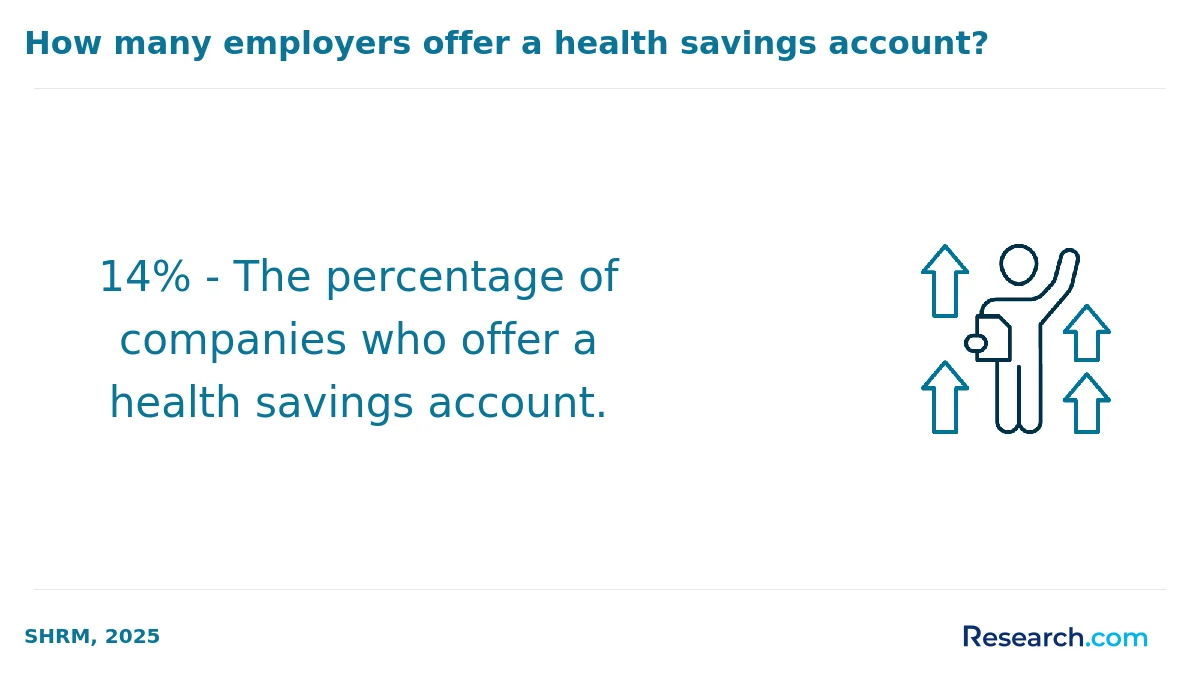
Students pursuing trade school certification programs in Indiana can access a mix of federal and state financial aid designed to ease their educational expenses. For instance, a graduate from Ivy Tech Community College recalls how completing the FAFSA unlocked Pell Grant eligibility, which covered a significant portion of their tuition without the stress of repayment.
Beyond federal aid, many Indiana students benefit from the Workforce Ready Grant, a standout state program that covers tuition and mandatory fees in in-demand fields like advanced manufacturing or health sciences at institutions such as Vincennes University. This grant acts as a "last-dollar" resource, perfectly complementing other financial aid sources.
Adult learners returning to school often mention the relief brought by the Adult Student Grant, which provides up to $2,000 annually, helping them balance education with family or work.
Additional support exists for veterans' families, and many local scholarships through schools or employers add layers of financial relief, making career transitions into skilled trades more achievable and personally rewarding.
Enrolling in a trade school certification program in Indiana typically requires a high school diploma or GED, ensuring students have basic academic skills. Many graduates from well-known schools like the Southern Indiana Career & Technical Center recall how presenting their diploma or transcript was a straightforward step that opened doors to hands-on learning.
Some programs ask students without these credentials to take placement tests, helping the school gauge readiness, while others may accept personal essays or recommendations-especially for those with unique academic backgrounds.
Trade schools often require students to be at least 17 or 18 years old, aligning with legal employment age after certification. For instance, healthcare-focused programs sometimes expect a minimum GPA near 2.0, reflecting the competitive nature of those fields.
- Verification of high school completion (diploma, GED, or school letter)
- Placement tests for students lacking formal credentials
- Minimum age requirement, usually 17 or 18
- Occasional GPA minimum for certain technical disciplines
Graduates frequently emphasize the balance of academic readiness and practical training embedded in these prerequisites, making trade school in Indiana an achievable and rewarding path toward skilled employment.
When exploring trade school courses in Indiana, students often find a diverse curriculum designed to meet labor market demands. Graduates from popular institutions in the state report deeply engaging programs in healthcare fields such as healthcare administration, medical billing and coding, and certified clinical medical assistant training. Many highlight hands-on practice that mirrors real clinical environments, preparing them well for immediate employment.
In skilled trades, typical courses encompass automotive service technology, welding, HVAC, and residential electrician training. For example, students in welding programs at Indiana trade schools share positive experiences with practical workshops that build both skill confidence and industry readiness. The Indiana certificate program curriculum also extends into business and technology sectors, offering studies in accounting, AI and business innovation, graphic design, and programming. Many students appreciate the logical progression from foundational topics to specialized skills like forensic science or PCB layout, which are highly relevant to local employers.
Some programs provide flexible six-week online skills courses through partnerships with providers like ed2go, allowing learners to balance study with other responsibilities. This adaptability is well suited for those who must juggle work or family life. Additionally, those seeking niche skills might explore affordable online appliance repair courses, which open doors to promising careers without geographic limitations.
Choosing the best accredited trade schools in Indiana requires a clear focus on program alignment with state standards and workforce needs. Graduates from schools partnered with Ivy Tech or Vincennes University often praise seamless credit transfers and practical, dual credit options that make the certification journey accessible and meaningful. Carefully review the Next Level Programs of Study (NLPS) to understand certification pathways and ensure the courses you select satisfy both your career goals and local industry demands.
Many successful students emphasize the importance of understanding how to compare Indiana trade school costs, especially when weighing short-term certificate programs. Programs often last around 16 weeks with clear registration timelines and provide options for scholarships or self-pay. For convenience, consider exploring flexible schedules offered by adult education centers in regions like Wayne Township.
For those interested in trades like HVAC, investigating local demand is key. With strong job projections in construction and cosmetology, linking your training to these fields improves employment prospects. Many find affordable online hvac courses with certificates to be a convenient step that complements their hands-on classroom experience.

Graduates of trade school certification programs in Indiana find robust trade school career opportunities in Indiana across multiple industries shaped by the state's workforce needs. Many students from Ivy Tech Community College and Indiana University Northwest quickly enter roles such as CNC machinists, electricians, HVAC technicians, carpenters, and welders after completing programs that often last six months or less. These careers not only offer competitive salaries-like ironworkers earning around $57,160 annually-but also the satisfaction of hands-on work in growing sectors.
In-demand skilled trades Indiana jobs extend beyond manufacturing and construction. Health sciences certifications produce medical assistants, dental technicians, and pharmacy aides critical to healthcare, where workforce demand continues to rise. IT remains a strong pathway as well, with graduates becoming web developers, cybersecurity specialists, and IT technicians earning $55,500 to $75,000 yearly. Such diverse options empower students seeking practical skills with immediate employment.
Additional options include logistics, transportation, business roles, and hospitality. Many trade schools emphasize accessible, flexible learning for working adults and recent grads. For those researching the best fits, including available online options, consulting lists like the top online vocational trade schools helps pinpoint programs tailored to Indiana's labor market.
The job market for trade school certification program graduates in Indiana is notably strong, driven by demanding industries like manufacturing, healthcare, and construction. Graduates from popular institutions such as Ivy Tech Community College often share stories of seamless transitions into well-paying roles due to the close alignment between their training and employer needs. These schools emphasize hands-on experience through apprenticeships and partnerships, which many report as critical to their immediate employment success.
Indiana skilled trades employment outlook continues to highlight opportunities, particularly in fields such as welding, electrical work, and diesel technology. Graduates commonly benefit from support services including job placement and resume workshops, smoothing their pathway into careers that offer paid apprenticeships, sign-on bonuses, and relocation aid. For example, welding students from Calumet Welding Center cite local industry ties as key to securing strong job offers.
For those evaluating quick credential programs, exploring 6-month certificate programs that pay well can be a valuable step toward entering Indiana's vibrant trades workforce.
Most Affordable Certificate Programs - Leading Certification Courses in Indiana for 2026
# 1 position
Ivy Tech Community College - Electrical and Power Transmission Installation/Installer, General.
certificate or diplomaIvy Tech Community College offers a hybrid Electrical and Power Transmission Installation/Installer, General program that prepares students to install indoor and outdoor electrical systems and power transmission lines. The curriculum covers electricity, safety, wiring, insulation, grounding, blueprint interpretation, equipment operation, maintenance, and relevant codes. The program is accredited by the Higher Learning Commission, features an annual in-state tuition of $4,912, and graduates report median earnings of $80,734 one year after completion.
# 2 position
Ivy Tech Community College - Electrician.
certificate or diplomaThe Electrician program at Ivy Tech Community College offers a hybrid format with some distance-education options. It prepares students to install, operate, maintain, and repair electric systems including residential, commercial, and industrial wiring, motors, and electrical panels. Instruction covers electronics principles, safety, job estimation, testing, inspection, and relevant codes. Annual in-state tuition is $4,912, and median earnings one year after completion are $80,734. The program is accredited by the Higher Learning Commission.
# 3 position
Ivy Tech Community College - Electrocardiograph Technology/Technician.
certificate or diplomaThe Electrocardiograph Technology/Technician program at Ivy Tech Community College offers a hybrid learning format, combining distance education with in-person instruction. The program trains students to administer EKG and ECG diagnostic tests under medical supervision and report results. Coursework includes anatomy, physiology, cardiovascular systems, medical terminology, patient care, and professional ethics. The annual in-state tuition is $4,912. Median earnings one year after completion are $73,452. The program is accredited by the Higher Learning Commission.
# 4 position
Ivy Tech Community College - Heating, Air Conditioning, Ventilation and Refrigeration Maintenance Technology/Technician.
certificate or diplomaThe Heating, Air Conditioning, Ventilation and Refrigeration Maintenance Technology/Technician program at Ivy Tech Community College prepares students to repair, install, service, and maintain HVAC and refrigeration systems. The hybrid program includes instruction in diagnostic techniques, testing equipment, and principles of mechanics, electricity, and electronics. Annual in-state tuition is $4,912. Graduates earn a median salary of $57,323 one year after completion. The program is accredited by the Higher Learning Commission.
# 5 position
Ivy Tech Community College - Dental Assisting/Assistant.
certificate or diplomaThe Dental Assisting/Assistant program at Ivy Tech Community College offers a hybrid format with some distance education options. It trains students in patient care, dental radiography, office administrative duties, and chairside assisting under professional supervision. The program includes instruction in medical record-keeping, equipment maintenance, and patient preparation. Annual in-state tuition is $4,912, and median earnings one year after completion reach $46,036. The program is accredited by the Higher Learning Commission.
# 6 position
Ivy Tech Community College - Baking and Pastry Arts/Baker/Pastry Chef.
certificate or diplomaIvy Tech Community College offers a hybrid Baking and Pastry Arts/Baker/Pastry Chef program preparing students for professional roles in commercial baking. The curriculum covers bread and pastry making, handling and storage, cake decorating, industry operations, packaging, marketing, and service. Annual in-state tuition is $4,912. The program is accredited by the Higher Learning Commission and includes some distance education options to enhance flexibility for students.
# 7 position
Ivy Tech Community College - Physical Fitness Technician.
certificate or diplomaThe Physical Fitness Technician program at Ivy Tech Community College offers a hybrid learning format with some distance education options. It prepares students for roles in health and fitness clubs, wellness centers, hospitals, and corporate fitness programs through instruction in anatomy, exercise science, personal training, nutrition, and customer service. Annual in-state tuition is $4,912. The program is accredited by the Higher Learning Commission.
# 8 position
Ivy Tech Community College - Industrial Mechanics and Maintenance Technology/Technician.
certificate or diplomaIvy Tech Community College offers a hybrid Industrial Mechanics and Maintenance Technology/Technician program designed to equip students with skills to repair and maintain industrial machinery, including cranes, pumps, engines, and conveyor systems. The program is accredited by the Higher Learning Commission. Annual in-state tuition costs $4,912, providing accessible technical education with some distance-learning options for flexibility.
# 9 position
Ivy Tech Community College - Welding Technology/Welder.
certificate or diplomaThe Welding Technology/Welder program at Ivy Tech Community College offers a hybrid format with some distance-education options. Annual in-state tuition is $4,912. The curriculum covers arc welding, resistance welding, brazing, cutting, welding metallurgy, structural design, safety, and applicable codes. Students learn to work with ferrous and non-ferrous materials and various welding processes. The program is accredited by the Higher Learning Commission. Median earnings one year after completion are $41,767.
# 10 position
Ivy Tech Community College - Computer Numerically Controlled (CNC) Machinist Technology/CNC Machinist.
certificate or diplomaIvy Tech Community College offers a hybrid Computer Numerically Controlled (CNC) Machinist Technology program that prepares students to operate CNC machine tools, including lathes and mills. The curriculum covers CNC programming, setup, blueprint reading, technical math, CAD/CAM systems, and shop safety. The program’s in-state tuition is $4,912 annually, and graduates earn a median salary of $41,767 one year after completion. It is accredited by the Higher Learning Commission.
Frequently Asked Questions about trade school certificates
After completing trade school certification programs in Indiana, effective preparation for the job market involves several practical steps. First, graduates should develop a professional resume clearly highlighting their certification, hands-on skills, and any internships or apprenticeships completed. According to the Indiana Department of Workforce Development, sectors like advanced manufacturing and healthcare have seen 5% growth in job openings for certified technicians in recent years.
Networking plays a crucial role; graduates are encouraged to join local trade organizations and attend job fairs. Additionally, Indiana offers resources such as the Hoosier Hot 50 Jobs report, which identifies high-demand occupations requiring certifications. Leveraging career services at trade schools can also connect graduates with employers actively seeking skilled workers.
Employers in Indiana highly value practical skills and reliability in graduates of trade school certification programs. According to the Indiana Department of Workforce Development, technical proficiency relevant to the chosen trade-such as welding, electrical work, or HVAC-is essential. Nearly 70% of employers emphasize hands-on experience gained through internships or apprenticeships.
Additionally, Indiana employers often seek strong problem-solving abilities and effective communication skills. These soft skills are critical for teamwork and adapting to changing work environments. The National Skills Coalition highlights that 80% of Indiana jobs require such competencies alongside technical knowledge.
Time management and safety awareness are other key traits. Graduates familiar with industry-specific safety protocols are preferred, reducing workplace accidents and downtime. This combination of technical and interpersonal skills makes candidates more competitive in Indiana's job market.
Finding internships in Indiana relevant to your trade school certification program requires several strategic steps. Start by contacting your trade school's career services office, as many schools maintain partnerships with local employers specifically seeking skilled interns. According to the Indiana Department of Workforce Development, industries like manufacturing, healthcare, and construction frequently offer internship opportunities conducive to hands-on training.
Utilize state resources such as Indiana Intern, a program connecting students with paid internships throughout the state. Additionally, explore job boards from organizations like Indy Chamber and Hoosier Workforce Connection, which regularly list internships tailored to technical skills.
Networking through professional associations related to your trade and attending local trade fairs can also uncover hidden internship prospects in Indiana's diverse economy.
Trade school certification programs in Indiana offer practical skills that directly impact career mobility and advancement. According to the Indiana Department of Workforce Development, many certified trades such as welding, electrical work, and HVAC have projected job growth rates above the national average through 2030.
Certified workers often experience faster job placement and higher earning potential compared to non-certified peers. For example, a certificate in advanced manufacturing can increase median wages by 15% to 25%, helping graduates move from entry-level roles to supervisory positions more quickly.
Employers in Indiana prioritize certifications as proof of competency, which can open doors to promotions and specialized roles within local industries.
Part-time job opportunities in Indiana can effectively complement trade school certification program education by providing practical experience and additional income. Positions such as certified nursing assistants (CNAs), automotive service technicians, and HVAC apprenticeships align well with respective certification fields.
According to the Indiana Department of Workforce Development, healthcare support roles like CNAs and home health aides are among the fastest-growing part-time jobs, offering flexible hours that fit around class schedules. Similarly, retail positions in hardware and automotive stores can enhance skills in trades like electrical or automotive repair.
These part-time roles not only reinforce technical knowledge but also improve workplace communication and time management, crucial for career advancement after certification completion.
To choose the most affordable degree program near you in Indiana, start by identifying programs and universities near Indiana that fit your field of interest, and then compare tuition costs, available financial aid, and scholarship opportunities. Programs near me and throughout Indiana may have varying costs depending on whether they are public or private institutions, and in-state tuition rates generally offer a more economical option. Research.com can be a helpful resource to find a list of programs that suit your financial and academic needs.
- Most Affordable Certificate Programs - Leading Certification Courses in Ohio for 2026
- Most Affordable Certificate Programs - Leading Certification Courses in Illinois for 2026
- Most Affordable Certificate Programs - Leading Certification Courses in Kentucky for 2026
- Most Affordable Certificate Programs - Leading Certification Courses in Missouri for 2026
- Most Affordable Certificate Programs - Leading Certification Courses in West Virginia for 2026
- Most Affordable Certificate Programs - Leading Certification Courses in Minnesota for 2026
- Most Affordable Certificate Programs - Leading Certification Courses in Georgia for 2026
- Most Affordable Certificate Programs - Leading Certification Courses in South Carolina for 2026
- Most Affordable Certificate Programs - Leading Certification Courses in Virginia for 2026
- Most Affordable Certificate Programs - Leading Certification Courses in Louisiana for 2026
- Trade Schools in Indiana | Indiana Scholarships & Grants https://www.tradeschoolgrants.com/mechanic-schools/indiana/
- Lincoln Tech Indianapolis IN Campus - Career & Skilled Trade School https://www.lincolntech.edu/campus/indianapolis-in
- Trade School vs. Traditional University | North American Trade Schools https://nats.ca/Home/NewsArticle/trade-school-vs-traditional-university/
- Nimble https://app.hirenimble.com/jobs/state/in
- The Role of Vocational Education in Social Mobility - Mas National Mas National https://masnational.com.au/blog/the-role-of-vocational-education-in-social-mobility/
- Indiana's ambitious plan to boost apprenticeships 'will be challenging,' per new report • Indiana Capital Chronicle https://indianacapitalchronicle.com/2024/08/26/indianas-ambitious-plan-to-boost-apprenticeships-will-be-challenging-per-new-report/
- Career Training Programs - Indiana University Northwest https://northwest.iu.edu/adult-education/online-courses/career-training-programs.html
- Certificate Program Application | The Higher Learning Commission https://www.hlcommission.org/accreditation/cycles-and-processes/substantive-change/new-educational-programs/certificate-program-application/
- 15 Trade Schools In Indiana | Become With Lantern https://www.learnhowtobecome.org/trade-schools-indiana/
- What Are Employers Looking for When Reviewing College Students’ Resumes? https://www.naceweb.org/talent-acquisition/candidate-selection/what-are-employers-looking-for-when-reviewing-college-students-resumes


