
Most Affordable Certificate Programs - Leading Certification Courses in Hampton for 2026

Co-Founder and Chief Data Scientist
Choosing the right trade school certificate program can feel overwhelming, especially when you want to make the best investment in your future. This article introduces the most affordable certificate programs in Hampton for 2026, carefully ranked by a team of data scientists from Research.com.
By exploring these options, you’ll gain useful insights to help you pick a program that fits your goals and budget. Earning a trade school diploma or certification can open doors to meaningful careers, offering both skill mastery and confidence.
Take this step toward a brighter future with information you can trust.
Key benefits of getting trade school certificate in Hampton
- Trade school graduates in Hampton can earn solid salaries, such as electricians making about $64,730, dental hygienists earning up to $91,800, and occupational therapy assistants receiving around $72,060 annually.
- Popular career paths include skilled trades like shipbuilding, construction, dental hygiene, and healthcare support roles-all offering great opportunities tailored to local demand.
- Online trade school certifications offer flexibility and convenience, letting students balance work and study easily, often leading to successful careers while saving time and commuting costs compared to traditional schooling.
- Most Affordable Certificate Programs - Leading Certification Courses in Hampton for 2026
- What can I expect from trade school certification programs in Hampton?
- Where can I work with trade school certification in Hampton?
What can I expect from trade school certification programs in Hampton?
Students enrolling in trade school certification programs in Hampton typically encounter costs ranging between $1,200 and $5,000, depending on the program length and specialization. For instance, graduates from Virginia Technical Academy report affordable tuition for their foundational HVAC or electrical courses, which can be completed in just a few days or weeks, making the investment manageable and efficient.
Many programs at institutions like Hampton University provide flexible payment plans and accept workforce development grants, reducing financial strain and allowing students to focus on learning. Veterans have noted the benefit of GI Bill® funding, which often covers most or all expenses, easing their transition into skilled careers.
Graduates often describe the tuition as a valuable investment, given the rapid skill acquisition and strong job placement support. They appreciate small class sizes and hands-on training, which produce measurable results within months instead of years, underscoring the practical, career-focused nature of these affordable programs.
Where can I work with trade school certification in Hampton?
After finishing a trade school certification program in Hampton, graduates find diverse job opportunities across several high-demand industries. Many land roles in shipbuilding and maritime trades, thanks to nearby employers like Newport News Shipbuilding. Certified welders or shipfitters often begin as trainees, contributing to vital ship repair and construction projects, which graduates describe as both challenging and rewarding.
Construction and maintenance sectors also attract many trade school alumni. Electricians, HVAC technicians, carpenters, and plumbers certified through popular programs in Hampton often secure positions on residential and commercial projects. Some graduates mention working as assistant project managers in fencing or as technicians in automotive centers, highlighting the breadth of career options.
The local WorkOne Center plays a crucial role by offering job placement assistance and resume coaching. Graduates share that this support boosts their confidence and accelerates employment. Overall, Hampton's trade schools equip students with practical skills that connect directly to stable, well-paying jobs in the region's core industries.
Graduates of trade school certification programs in Hampton can anticipate solid earning potential that matches the local job market's demand. On average, trade school graduates in Hampton earn approximately $64,895 annually or about $31.20 per hour, making this a rewarding path for those focused on skilled trades.
For example, recent graduates from welding certification programs, popular in Hampton's vocational schools, have reported starting salaries around $40,100, quickly rising to $59,200 as they gain experience. This steady growth reflects a strong need for skilled welders in the region, with over 2,300 active workers and ongoing hiring opportunities.
Similarly, graduates pursuing electrician certifications often see average wages near $64,730, while those completing programs for dental hygiene enjoy higher average earnings around $91,800 annually. Trade school alumni often describe feeling proud that their training directly led to jobs paying above local averages, giving them financial independence and confidence.
These earnings highlight how specialized training in Hampton's trade schools unlocks competitive salaries, especially when graduates build experience in high-demand trades.
- Tyler: Earning my HVAC certification at Hampton Technical Institute was a game changer. The hands-on training made complex systems easy to understand, and the career services helped me land a job quickly. I feel confident every day, knowing I'm building a reliable future in Hampton's growing trades market.
- Alicia: The welding program at Coastal Trade Academy was intense but so rewarding. The instructors were incredibly supportive, pushing me to develop real skills employers want. Now, I'm proud to work on important projects across Hampton, and I love knowing my expertise is in high demand.
- Marcus: Studying electrical technology through Hampton Career School opened doors I never imagined. The curriculum was modern and practical, and the small classes created a great community. Since graduating, I've joined a local company and enjoy the daily challenge of troubleshooting and installing systems for Hampton homes and businesses.
- Trade schools in Hampton offer certification programs in trades like HVAC, electrical, plumbing, welding, and healthcare, typically requiring a high school diploma or GED.
- Certification programs usually last from a few weeks up to one year, with flexible schedules including day, evening, and weekend classes.
- Tuition costs range from $1,500 to $6,000 depending on the program, with options for payment plans and financial aid available for veterans and through workforce grants.
- The skilled trades shortage in Hampton creates strong job demand, with entry-level salaries between $38,000 and $48,000 and experienced workers earning $55,000 to $75,000 or more.
- Many programs provide career services such as job placement help, networking, and access to certification exams, with apprenticeship options allowing students to earn while training.
Completing a trade school certification program in Hampton typically ranges from a few days to several months, depending on the trade and depth of study. For example, graduates from Hampton University's Workforce Development Enterprise often complete welding certifications within 4 to 6 weeks, appreciating the intensive hands-on approach that quickly prepares them for the job market.
HVAC certification students experience a tiered timeline: the Core Curriculum lasts about 6 weeks, while each advanced level takes 8 to 10 weeks. Many find this step-by-step progression manageable and rewarding, enabling them to pace their learning while building confidence in practical skills.
Flexible class schedules-morning, afternoon, and evening-are common at Hampton trade schools, providing working adults the chance to balance education with life responsibilities without prolonging total program time. Graduates often mention this flexibility as a key factor in their positive experience.
For those seeking quick credentialing or exam prep, institutions like Virginia Technical Academy offer very short, 1- to 2-day courses, ideal for immediate foundational knowledge.
Overall, most students finish their certifications in 4 to 10 weeks, making trade school an efficient path to workforce entry in Hampton.
Online trade school certification programs in Hampton offer significant scheduling flexibility, allowing students to study at their own pace from anywhere with internet access. Graduates from Thomas Nelson Community College often praise this format for fitting their busy lives, especially working adults balancing family and jobs. The programs use video lectures and digital materials, making theory and industry knowledge accessible; however, students sometimes express the challenge of limited hands-on practice, which many skilled trades require.
Conversely, on-campus programs at institutions like Virginia Technical Academy or Hampton University's Workforce Development Enterprise provide hands-on training in real workshops and labs. Graduates highlight the immediate instructor feedback and peer collaboration as invaluable, with structured schedules helping maintain focus and discipline. These programs often partner with local businesses for practical on-the-job training, enhancing networking and employment prospects. For trades such as HVAC or welding, in-person supervised skill demonstrations are crucial and often mandated by certifying bodies, a reality many on-campus students find reassuring as they prepare for their careers.
The average cost of trade school certification in Hampton typically falls between $900 and $2,875 per program, depending on the institution and program level. Graduates from Hampton University's Workforce Development Enterprise often share how the affordable pricing for HVAC certifications-ranging from core to advanced levels-made it easier for them to advance their careers quickly within 6 to 10 weeks. This practical timeline along with accessible tuition offers a manageable path for many students seeking efficient certification.
At Virginia Technical Academy, students face tuition fees structured per course plus additional textbook costs, ranging from $53 to $242 each. Graduates here recall budgeting carefully for textbooks alongside tuition, highlighting how materials are a notable extra expense. For those looking into apprenticeship programs like those at ABC Virginia, tuition costs vary by membership status, from $1,900 to $2,400, typically covering lab and administrative fees but sometimes requiring separate purchases such as code books.
When evaluating Hampton VA trade school tuition and fees broadly, certification programs in the region average roughly $1,000 to $3,000, aligning with community college pathways and larger technical programs that can extend costs up to $7,000-$10,000 for associate degrees. Many students find that investing within this range balances affordability and comprehensive training, providing clear value in skill acquisition. Prospective students may explore options, including most affordable online freight broker trade school programs, to align tuition costs with their career goals.

Students pursuing trade school certification programs in Hampton frequently access federal financial aid such as Pell Grants and federal student loans by completing the FAFSA. Graduates from Tidewater Tech report that federal grants significantly eased their financial burden, enabling them to focus fully on coursework instead of juggling multiple jobs. Many appreciate this direct aid because it covers the bulk of tuition based on need, offering peace of mind throughout their training.
State initiatives like Virginia's FastForward Tuition Assistance further reduce costs by allowing students to pay only one-third of tuition upfront, with the remainder covered after successful program completion. This model motivates students by linking financial relief directly to credential achievement.
Funding through WIOA, available via Virginia Career Works and Peninsula Worklink, supports comprehensive needs beyond tuition, including books, childcare, and transportation, which Hampton trainees often cite as essential for maintaining consistent attendance and focus.
Local scholarships from Virginia Technical Academy and private awards like the Mike Rowe Works Foundation Work Ethic Scholarship provide targeted support, often rewarding perseverance and residency in Hampton, making technical education feel attainable and encouraging for many.
Additional options such as military tuition assistance and flexible payment plans help students manage costs without overwhelming debt, reflecting a community committed to fostering skilled trades workforce growth.
To enroll in a trade school certification program in Hampton, the primary prerequisite is a high school diploma or GED. Graduates from popular local trade schools often recall how this credential opened the door to hands-on technical training. For those lacking this, programs like Virginia Technical Academy provide an alternative: passing an entry-level reading and math test to prove fundamental skills.
Applicants must also present a valid state ID or driver's license and a Social Security card, essential for verifying identity and completing enrollment. These are standard across accredited Hampton trade schools, ensuring compliance and smooth registration.
Many programs set additional requirements depending on the trade, such as being at least 18 years old for hands-on fields like HVAC or electrical work. Graduates mention routine background checks or drug screenings especially when work placements or licensure exams are involved.
High school students in Hampton City Schools can take advantage of Career and Technical Education (CTE) pathways, which require maintaining a "B" average and passing industry-recognized certification tests-steps that many successful students highlight as rewarding milestones.
The key prerequisites are:
- High school diploma or GED (or passing a basic skills test)
- Valid state-issued ID and Social Security card
- Meeting trade-specific requirements, including age limits, background checks, or course grade minimums
Trade school certification courses in Hampton VA commonly cover a spectrum of highly practical skills aligned with local industry demand. Students enrolling in these programs at institutions like Virginia Technical Academy gain expertise in HVAC/R, electrical, plumbing, welding, and building/property maintenance-certifications that graduates consistently praise for their direct employment applicability. Many report feeling confident entering the workforce, equipped with hands-on training and essential codes knowledge such as EPA 608 and R-410A certifications.
At New Horizons Regional Education Centers, the range includes dental assisting, phlebotomy, automotive technology, and cybersecurity. These certificate programs offer flexible scheduling allowing adult learners and recent high school grads alike to balance work and study. This flexibility, combined with industry-relevant skills, helps to address the strong demand for jobs in Hampton.
Virginia Peninsula Community College offers a mix of advanced manufacturing, precision welding, and machining courses that integrate computer-based national certification testing. Graduates often describe these programs as well-rounded stepping stones into skilled trades careers.
Common courses focus on safety, practical knowledge, and readiness for certification exams, ensuring students thrive in Hampton VA certificate programs for skilled trades. For those exploring options beyond local classes, affordable online construction training programs offer additional pathways to certification and skill-building.
Choosing the best trade school certification program in Hampton means prioritizing accreditation and industry relevance. Graduates from Virginia Technical Academy share how attending a fully accredited institution boosted their confidence when seeking HVAC, electrical, or plumbing jobs because employers value recognized credentials. Similarly, Hampton University's Workforce Development Enterprise is praised for its curriculum developed with local employers, giving students hands-on internships that directly matched job market demands.
Flexibility plays a crucial role; many students juggling work or family opt for Thomas Nelson Community College, where online and evening courses made completing over 400 workforce certification options feasible. Financial factors weigh heavily too-prospective students advised comparing tuition and exploring GI Bill® benefits and grants available in Hampton to reduce costs.
Those who consulted career services at Virginia Technical Academy mentioned feeling supported through resume workshops and employer networking, vital for stepping into Hampton's competitive trades. To dig deeper into cost-effective options, you can review affordable baking and pastry arts certificate programs online as part of how to compare Hampton trade school costs.

Graduates of trade school certification programs in Hampton have access to a broad range of career opportunities after trade school in Hampton, reflecting strong local demand for skilled trades jobs in Hampton VA. Popular paths include roles as HVAC/R Technicians, where many report securing employment quickly in system installation and repair, thanks to steady demand for these skills in the region. Electrician certification leads to positions in residential and commercial projects, with graduates highlighting hands-on experience gained through partnerships with Hampton trade schools.
- Plumber: Certified professionals find reliable work in new builds and maintenance, often advancing to supervisory roles.
- Building/Property Maintenance Technician: Graduates enjoy versatile employment in facilities management, handling preventative maintenance and emergencies.
- Appliance Repair Technician: Many leverage certification to launch independent services or join established companies.
Additionally, career options extend into advanced manufacturing, welding, and precision machining, often aligning with apprenticeships offered by local employers. Students who aim to enhance their qualifications can transfer credits toward degrees, opening doors to technical management or specialized engineering fields. Trade school programs in Hampton provide not only practical skills but also a supportive network including job placement services, which graduates cite as key to launching thriving careers.
For those exploring prospects in the region, employment data affirms that many of the highest paying trade jobs in Hampton are accessible directly after certification, making these programs a promising investment in a fulfilling career path.
Graduates of trade school certification programs in Hampton encounter a highly favorable employment outlook for Hampton trade school graduates, driven by a pronounced skills gap in the region's labor market. Local institutions like Tidewater Community College's Skilled Trades Academy and Hampton University's Workforce Development Enterprise equip students with hands-on training tailored to employer needs, leading many graduates to rapid job placement in sectors such as maritime, construction, and manufacturing.
Key aspects of the skilled trades job demand in Hampton Roads include:
- Over 370 skilled trade job openings in Hampton alone as of September 2025, including positions for carpenters, electricians, and shipfitters.
- Employers like HII and U.S. Fleet Forces Command actively recruiting certification holders with some offering guaranteed interviews.
- Higher starting wages often awarded to graduates who completed recognized certification or pre-apprenticeship programs.
Many graduates describe positive outcomes from programs that offer flexible schedules and workforce development grants, making it easier to balance training with personal commitments. Additionally, students seeking more flexible options might consider maintenance technician certification online, which expands accessibility without sacrificing quality.
Most Affordable Certificate Programs - Leading Certification Courses in Hampton for 2026
# 1 position
Virginia Peninsula Community College - Heating, Air Conditioning, Ventilation and Refrigeration Maintenance Technology/Technician.
certificate or diplomaVirginia Peninsula Community College offers a Hybrid program in Heating, Air Conditioning, Ventilation and Refrigeration Maintenance Technology/Technician. The program trains students to repair, install, service, and maintain HVAC and refrigeration systems, covering diagnostic techniques and principles of mechanics, electricity, and electronics. Annual in-state tuition is $4,944. The program is accredited by the Southern Association of Colleges and Schools Commission on Colleges.
# 2 position
Virginia Peninsula Community College - Automobile/Automotive Mechanics Technology/Technician.
certificate or diplomaVirginia Peninsula Community College offers a Hybrid Automobile/Automotive Mechanics Technology/Technician program that prepares students to repair, service, and maintain various automobiles. The curriculum covers brake systems, electrical systems, engine performance and repair, suspension and steering, transmissions, and heating and air conditioning systems. The annual in-state tuition is $4,944. The program is accredited by the Southern Association of Colleges and Schools Commission on Colleges.
# 3 position
Virginia Peninsula Community College - Welding Technology/Welder.
certificate or diplomaVirginia Peninsula Community College offers a Welding Technology/Welder program with a hybrid format that includes some distance education. The program covers arc welding, resistance welding, brazing, soldering, cutting, and advanced welding techniques. It also includes instruction in welding metallurgy, safety, structural design, and applicable codes. The annual in-state tuition is $4,944. The program is accredited by the Southern Association of Colleges and Schools Commission on Colleges.
# 4 position
Virginia Peninsula Community College - Dental Assisting/Assistant.
certificate or diplomaVirginia Peninsula Community College offers a Hybrid Dental Assisting/Assistant program designed to prepare students for patient care, dental radiography, and office administrative duties under supervision. The curriculum covers medical record-keeping, scheduling, equipment maintenance, sterilization, chairside assisting, and impression taking. The program's annual in-state tuition is $4,944 and it is accredited by the Southern Association of Colleges and Schools Commission on Colleges.
# 5 position
Virginia Peninsula Community College - Health and Medical Administrative Services, Other.
certificate or diplomaVirginia Peninsula Community College offers a hybrid program in Health and Medical Administrative Services, Other, providing some distance-education options. The program is accredited by the Southern Association of Colleges and Schools Commission on Colleges. Annual in-state tuition is $4,944. This instructional program covers health and medical administrative services not listed elsewhere, designed for students seeking focused administrative skills in the healthcare field.
# 6 position
Virginia Peninsula Community College - Allied Health and Medical Assisting Services, Other.
certificate or diplomaVirginia Peninsula Community College offers a hybrid program in Allied Health and Medical Assisting Services, Other, providing some distance-education options. The annual in-state tuition is $4,944. The program is accredited by the Southern Association of Colleges and Schools Commission on Colleges. It covers instructional content for allied health and medical assisting services not listed in other categories.
Frequently Asked Questions about trade school certificates
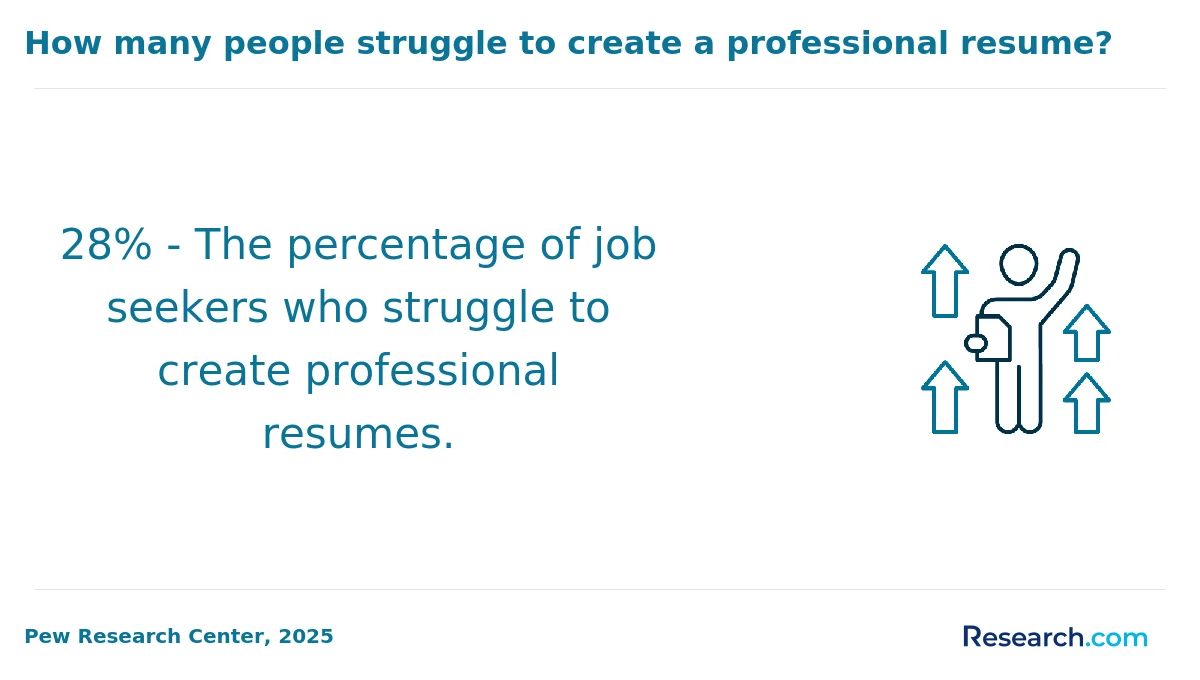
After completing a trade school certification program in Hampton, preparing for the job market involves several key steps. Start by developing a strong resume that highlights your specific skills and hands-on experience gained during training. Networking is also crucial; connecting with local employers through job fairs and trade associations in Hampton can open doors. According to the Virginia Employment Commission, sectors like construction and healthcare show steady job growth locally, making targeted applications in these fields beneficial.
Consider obtaining any required licensures or additional credentials to increase your employability. Utilizing Hampton's career services and local workforce centers can provide job leads and interview practice, improving your chances to secure employment quickly.
Employers in Hampton value specific skills when hiring graduates from trade school certification programs. According to local workforce reports, technical proficiency in fields like HVAC, automotive repair, and electrical work ranks highest. These skills ensure graduates can perform practical tasks efficiently on the job.
Beyond technical abilities, soft skills such as communication, teamwork, and punctuality are frequently emphasized. The Virginia Employment Commission highlights that 78% of employers in Hampton prioritize candidates who demonstrate reliability and strong interpersonal skills.
Problem-solving and adaptability also stand out, especially as workplaces evolve with technology. Graduates who combine hands-on knowledge with these essential soft skills tend to succeed in the competitive Hampton job market.
Finding internships in Hampton relevant to your trade school certification program involves several strategic steps. Start by utilizing your school's career services, which often partner with local businesses and industries to offer internship opportunities tailored to specific trades. Many trade schools in Hampton have connections with sectors like shipbuilding, manufacturing, and healthcare, which are prominent in the region.
Local job boards and listings, including those from the Hampton Roads Workforce Council, feature internships and apprenticeships that align with common trade certifications. Networking through local chambers of commerce or trade associations can also uncover hidden positions.
According to the National Association of Colleges and Employers, about 60% of internships in the U.S. lead to job offers, making internships a vital step. In Hampton, focusing on industries such as maritime technology, HVAC, and electrical work increases your chances of finding a relevant placement.
Trade school certification programs in Hampton significantly enhance career mobility and advancement opportunities for many local residents. These programs offer practical skills tailored to high-demand industries such as healthcare, construction, and information technology. According to the U.S. Bureau of Labor Statistics, sectors with certificate holders often show faster employment growth than their counterparts without certifications.
In Hampton, certification holders tend to experience a 15-20% higher chance of job promotions within the first two years post-completion, as reported by the Virginia Community College System. Employers in the region value hands-on expertise, which trade schools emphasize, making graduates competitive when seeking advancement.
Additionally, trade certifications can lead to higher earning potential, accelerating upward mobility without the financial burden of a four-year degree. As local industries evolve, maintaining relevant certifications enables sustained career growth and adaptability within Hampton's dynamic job market.
Part-time job opportunities in Hampton that complement trade school certification programs often align with the skills students develop in their studies. For example, those enrolled in HVAC or electrical programs can find part-time work assisting technicians or performing basic installations and repairs. This hands-on experience reinforces classroom learning and builds professional connections.
The demand for skilled labor in Hampton supports roles such as automotive service helpers, carpentry assistants, and medical technician aides. According to data from the U.S. Bureau of Labor Statistics, Hampton's service and construction sectors are growing steadily, increasing availability of part-time jobs in these fields.
Additionally, internships and apprenticeships with local businesses offer paid positions that provide practical exposure relevant to certifications. These positions are ideal for students balancing work and study, helping them transition smoothly into full-time employment after certification.
To find the most affordable degree program near you in Hampton, VA, start by researching local community colleges and state universities, as they often offer lower tuition rates than private institutions. Utilize resources like Research.com to compare program costs, financial aid opportunities, and scholarship options offered by these institutions near Hampton, VA. Additionally, visit campus financial aid offices near me to inquire about the latest tuition discounts and student support services that can help reduce overall educational expenses.
- Virginia Technical Academy | Trade School in Hampton Roads VA https://vtacademy.com/
- Collegescorecard https://collegescorecard.ed.gov/
- Home - Hampton University Financial Aid https://home.hamptonu.edu/financialaid/
- 7 Tips for a Smoother Transition from Trade School to Career | Refrigeration School, Inc. (RSI) https://www.rsi.edu/blog/skilled-trades/7-tips-for-a-smoother-transition-from-trade-school-to-career/
- The Value of Trade and Career Schools: Top Institutions for Skill-Based Education https://excelonassociates.com/the-value-of-trade-and-career-schools-top-institutions-for-skill-based-education/
- Workforce Programs - Virginia Peninsula Community College https://www.vpcc.edu/workforce-development/workforce-programs/
- 24 Short Career Programs That Lead to High-Paying Jobs https://www.trade-schools.net/articles/highest-paying-jobs-without-degree
- 1/30/25 - Hands-On Learning vs. Traditional Education: Why the Trades Offer the Best of Both Worlds - Gould Construction Institute https://www.gwgci.org/hands-on-learning-vs-traditional-education-trades/
- Online Trade School https://www.ashworthcollege.edu/area-of-study/trades/
- 20 Trade Schools In Virginia | Become With Lantern https://www.learnhowtobecome.org/trade-schools-virginia/





