
Most Affordable Trade School & Training Programs - Leading Certification Courses in Beaver for 2026

Co-Founder and Chief Data Scientist
If you're considering a trade school in Beaver for 2026, this article is here to guide you. Choosing the right program can feel overwhelming, but the trade school programs ranking created by the Research.com team of data scientists makes it easier to find quality options worth your time and investment.
Getting a trade school diploma or certification opens doors to rewarding careers and new opportunities. Reading this article will help you make confident, informed decisions about your future. Let’s explore the most affordable, promising trade schools in Beaver together.
Key benefits of finishing trade school programs trade school in Beaver
Trade school diplomas in Beaver open doors to well-paying jobs; electricians can earn around $75,751 annually, while entry-level apprentices start between $15 and $27 per hour. These salaries grow with experience, offering great financial motivation.
- Popular career paths include electrical work, HVAC, construction, and skilled labor, with many graduates benefiting from programs at places like the Beaver County Career & Technology Center.
- Online trade school diplomas offer flexibility, letting students balance work and study while gaining valuable certifications faster than traditional routes.
- Most Affordable Trade School & Training Programs - Leading Certification Courses in Beaver for 2026
- What can I expect from trade school programs trade schools in Beaver?
- Where can I work after finishing trade school programs trade schools in Beaver?
What can I expect from trade school programs trade schools in Beaver?
Trade school programs in Beaver often come with minimal direct costs for many students, especially apprentices. Numerous programs offer tuition-free apprenticeships or provide grants and financial assistance that substantially reduce or eliminate expenses. Graduates from popular Beaver trade schools commonly report entering their programs with no upfront tuition fees, particularly when enrolled through workforce development initiatives tailored to high-demand sectors like electrical or welding trades.
For those who do pay tuition, amounts vary widely based on the field and program length. Automotive Technology and Carpentry programs usually span around two years, with some costing a few thousand dollars if not covered by financial aid. Cosmetology programs, which typically require three years, may lead to higher overall expenses but often include scholarships or payment plans.
Graduates highlight that the blend of classroom theory and extensive hands-on training-such as 576 hours of instruction paired with thousands of on-the-job hours-adds immense value beyond the financial aspect. Many describe their programs as affordable pathways that prepare them effectively for immediate employment and certification acquisition without burdensome debt.
Where can I work after finishing trade school programs trade schools in Beaver?
After completing a trade school program in Beaver, graduates find numerous employment opportunities in both public and private sectors. Many secure positions as mechanics, HVAC installers, or kitchen equipment service technicians, reflecting the high demand seen in nearby Beaver Falls, where over 100 trade-related jobs were advertised in 2025. Popular trade schools in the area prepare students for roles in manufacturing, construction, and building maintenance, with common positions including maintenance person, facility supervisor, and HVAC supervisor. Graduates often share positive experiences of quickly landing jobs with local employers eager to hire skilled workers.
Entry-level roles like trade apprenticeships are widespread, offering hourly wages between $16 and $40 based on experience and the trade. Workforce programs in Beaver County further support graduates by connecting them with internships, paid work experiences, and job placements, which many alumni cite as key to their smooth employment transitions. Some students also pursue careers in technical education, teaching welding or machining at local colleges, demonstrating diverse pathways available after trade school in Beaver.
Graduates from trade school programs in Beaver, such as those at Beaver County Career & Technology Center, can anticipate strong earning potential right after completing their studies. The average annual salary for graduates is about $74,905, which is nearly 60% higher than the national average for similar skilled trades. Many recent alumni report securing positions with starting pay above $40,000, quickly rising with experience.
For example, those entering the electrician trade can expect to earn around $75,751 per year or roughly $36 per hour for chief electrician roles. Even entry-level electricians from Beaver schools find themselves earning notably more than peers in other postsecondary certificate fields. HVAC technicians, maintenance workers, and supervisors often see comparable wage ranges, with local job markets in Beaver Falls and nearby towns actively seeking skilled professionals.
Graduates consistently describe feeling optimistic and confident in their financial future, appreciating how their Beaver trade education opens doors to stable, well-paid careers supported by a local economy that values practical skills.
- Trade school applicants in Beaver usually apply online, with no fee for BCCTC, and should consider multiple programs due to quotas and waiting lists.
- Apprenticeship programs require about 576 classroom hours and 6,800 on-the-job training hours over four to five years.
- Tuition-free apprenticeships are common; paid programs cost between $3,000 and $15,000, which is less than traditional colleges.
- Entry-level salaries range from $35,000 to $50,000 annually, while experienced workers can earn $60,000 or more.
- Programs cover skills like blueprint reading, OSHA 10 safety, motor control, welding, and tele-data-pipe bending.
Completing a trade school program in Beaver typically takes between 9 months and 5 years, depending on the type of program and study pace. Graduates of Beaver County Career & Technology Center's certificate programs often share how they achieved full-time completion in about 36 weeks, roughly 9 months, which fit well with their goals for swift career entry.
Part-time students in specialized fields such as automotive technology may spend up to 2 years, but those who attend full-time often celebrate finishing in just 9 months, allowing them to quickly join the workforce with practical skills. Apprenticeship models, favored by students seeking hands-on training combined with classroom instruction, require more time commitment.
Trades like boilermaking and elevator construction involve 4 to 5 years of effort, blending at least 576 hours of classes with thousands of hours of on-the-job training. At the Community College of Beaver County, students completing basic certificates often find the timeline less than a year, while undergraduate certificates may range from one to four years based on enrollment status.
This range offers flexibility, helping students balance life responsibilities while pursuing a rewarding trade career in Beaver.
The key difference between online and on-campus trade school programs in Beaver revolves around how students engage with their education. Online programs at the Community College of Beaver County (CCBC) let students access about 103 courses remotely, offering unmatched flexibility for those juggling jobs or family life. Graduates often recall the freedom to study at their own pace from home, which enabled them to balance work and coursework without stress.
On-campus programs at CCBC, held at main or specialized centers like the Beaver Technology Education Center, deliver a more hands-on experience. Students pursuing trades such as Welding or Building Construction Technology highlight the benefit of using industry-grade equipment and face-to-face guidance, which builds confidence and practical skills employers seek.
Additionally, on-campus students enjoy campus amenities and direct social interaction, fostering a supportive community atmosphere. Both formats maintain strong accreditation, ensuring quality whether learning remotely or in person. These options cater well to diverse student lifestyles and career goals in Beaver, making trade education accessible and effective.
The average trade school cost in Beaver County generally ranges between $5,000 and $15,000, reflecting the diversity of programs offered locally. For instance, programs in automotive technology and welding typically fall within this bracket, while medical assisting courses may start as low as $2,000 but can reach $20,000 depending on the institution's structure and resources. Graduates from popular trade schools in Beaver often highlight how the cost-effectiveness of these programs made it easier for them to pursue hands-on careers without the burden of excessive debt.
Beaver PA trade school tuition and fees are commonly based on a per-credit model, such as at the Community College of Beaver County (CCBC), where in-district students pay $60 per credit hour and out-of-district students pay $70. Most certificate or diploma programs require 30 to 60 credits, estimating a total tuition cost of approximately $1,800 to $4,200 for locals. This affordability helps many students complete their programs while balancing work or family commitments. However, additional expenses like tools, uniforms, and certification exams can add several hundred dollars to the total cost.
Many graduates recall the peace of mind provided by available financial aid, scholarships, and flexible payment plans. For those exploring options, learning about the easiest trade to learn that pays well can be a practical step in choosing a field with both manageable costs and promising employment prospects.
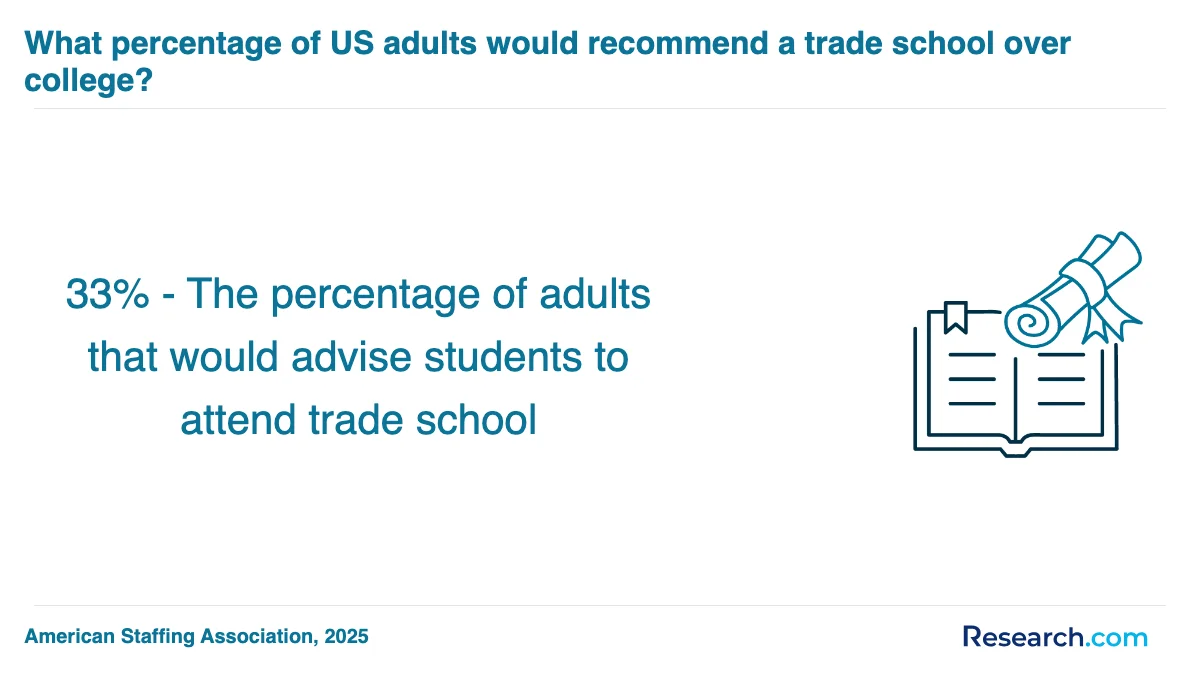
Trade school students in Beaver benefit from several accessible financial aid options. The FAFSA is the primary step, opening eligibility for federal programs like the Federal Pell Grant, which students appreciate because it requires no repayment and eases financial burdens. Pennsylvania residents can also pursue the PHEAA Grant, designed for programs of 21 months or longer, offering essential support based on financial need.
Graduates from local institutions such as the Beaver County Career and Technology Center (BC-CTC) often mention how the absence of application fees and personalized counselor advice clarified their financial options. Many students studying in Beaver report securing scholarships like the DEWALT Trades Scholarship, awarding up to $5,000 for technical fields, or local scholarships from foundations supporting those within 150 miles of Houston, PA.
Penn State Beaver students highlight the significance of both merit and need-based scholarships, including grants like the Steve A. Garban Grant-in-aid for children of technical staff. Nearly 90% of students receive aid, making education more attainable and reducing stress as they focus on trade skills and career growth.
Trade school programs in Beaver require clear, achievable prerequisites to prepare students effectively. For high school applicants aiming to attend institutions like the Beaver County Career and Technical Center (BCCTC), enrollment typically begins in 11th grade, with students expected to have completed 10th grade. Graduates often recall their steady attendance and passing grades being crucial to securing a spot in their chosen program.
Adult learners must be at least 18 years old and hold a high school diploma or GED to meet basic eligibility. For instance, electrical trade apprenticeships through the International Brotherhood of Electrical Workers Local 712 demand successful completion of Algebra I or an equivalent course-skills graduates view as essential foundations for their training and job success.
- Completion of 10th grade (high school applicants)
- Satisfactory grades and attendance
- High school diploma or GED (adult applicants)
- Minimum age of 18 (adult programs)
- Algebra I completion for electrical trades
- Additional requirements like residency, transportation, and drug screening depending on the program
Students describe the importance of these prerequisites as supportive steps rather than hurdles, making the learning experience at Beaver trade schools both manageable and rewarding. Programs often emphasize preparation and readiness, fostering confidence among enrollees prior to hands-on training.

Trade school programs in Beaver focus on equipping students with practical, career-ready skills across diverse industries. At the Beaver County Career and Technology Center (BCCTC), graduates often share how hands-on courses accelerated their job readiness, combining classroom knowledge with real-world projects.
Common programs include:
- Automotive Technology: learners practice diagnostics and repairs on vehicles, gaining skills employers seek.
- Welding and Carpentry: graduates recall working on live construction projects that built confidence for entry-level jobs.
- Electrical Occupations: students engage with wiring and circuitry labs, mirroring tasks encountered in the field.
- Collision Repair Technology and Machine Tool Technology: programs offering specialized training with direct application on equipment and machinery.
- Cosmetology: a three-year track blending creativity and technical expertise, preparing students for licensure.
Students aiming for service sectors enjoy courses in Health Occupations and Veterinary Assistant, combining theory with hands-on practice to ease transition into healthcare roles. Business Information Systems, Logistics & Materials Management, and Culinary Arts add variety, often including internships that cultivate workplace skills.
HVAC-R students benefit from simulation-based training, readying them for certifications like HVAC Excellence, enhancing confidence in managing service calls.
These focused programs reflect Beaver's local workforce demands, giving students tangible skills that graduates praise for their immediate relevance and employability.
Trade school programs in Beaver cover a broad spectrum of specializations to match local workforce demands and student interests. Graduates from Beaver County Career and Technology Center often highlight hands-on experience in high-demand fields such as Automotive Technology, Construction and Building Trades, and Cosmetology. These fields offer clear career pathways with practical skills for immediate employment in vehicle repair shops, construction sites, and personal care businesses.
Healthcare-related programs, including Medical Assisting and Healthcare Technology, prepare students for vital roles in local hospitals and clinics, often through immersive internships. Other popular specializations reflect Beaver's growing manufacturing sector, with options like Advanced Manufacturing and Welding & Metal Fabrication.
- Technology-focused pathways include Information Technology, Cybersecurity, and Drone & UAS Technology, preparing graduates for fast-evolving digital careers.
- Creative and service fields such as Culinary Arts, Veterinary Science, and Criminal Justice also attract students seeking diverse opportunities.
Many students appreciate that schools in Beaver offer chances to earn college credits early, with dual enrollment programs through institutions like the Community College of Beaver County. For those exploring green energy jobs, the availability of low cost solar technician certification online provides an accessible option to gain specialized skills in emerging fields.
To identify the best trade school programs in Beaver, focus initially on admission requirements. Most successful graduates from local schools emphasize how meeting prerequisites such as having a high school diploma or GED was crucial, along with passing any program-specific placement tests. This foundational step ensures smooth enrollment and access to financial aid. When selecting a Beaver trade school, verify these details early to avoid delays.
Program accreditation and reputation are critical. Graduates often share that attending an accredited institution in Beaver boosted their confidence and employability. Trade schools recognized by established agencies signal quality, increasing chances for scholarships and federal aid. Cost is another determining factor; understanding tuition variations and aid accessibility can ease financial pressures, as many students recount benefit from clear financial guidance during enrollment.
Consider programs offering direct career pathways with hands-on training and strong employer connections. For example, several students report valuable internships arranged through local partnerships, which helped secure jobs post-graduation. Flexibility in scheduling also plays a key role-part-time or evening options allow balancing work and study.
Exploring specific fields? Some Beaver programs align well with construction trades; a resource like the construction manager trade school listings offers insight into top-ranked options nationwide, aiding in how to select a Beaver trade school fitting your goals.

Trade school graduates in Beaver find diverse trade school career opportunities in Beaver spanning automotive technology, welding, carpentry, HVAC-R, health occupations, and more. Institutions such as Beaver County Career and Technology Center (BCCTC) equip students with practical skills that translate directly into high-demand skilled trades in Beaver County. Graduates often secure roles as technicians in local auto shops, welders in manufacturing plants, or entry-level electricians on construction sites.
Many graduates share positive experiences, noting that hands-on training and credentialing boosted their confidence entering the workforce. Popular programs prepare students for careers like:
- Certified HVAC-R technicians servicing heating and cooling systems
- Skilled welders and machine tool operators in regional industries
- Licensed cosmetologists flourishing in local salons or their own businesses
- Veterinary assistants supporting animal care centers
- Health occupations graduates working as medical aides or nursing assistants
Additionally, programs in Business Information Systems, Graphic Arts, and Logistics open doors to administrative and supply chain roles. The availability of registered apprenticeships and job training programs allows graduates to earn while learning under expert mentorship, creating rewarding career advancement paths.
Students researching options should consider affordable online construction trade school programs for flexible skill development tailored to high-demand trades in Beaver County.
The job market for trade school graduates in Beaver is marked by a strong demand for skilled workers in fields like automotive technology, carpentry, electrical occupations, HVAC-R, and welding. Graduates from local programs such as those at Beaver County Career & Technology Center consistently find opportunities with employers looking for hands-on skills and industry credentials. Many graduates report positive experiences accessing internships and job shadowing, which ease their transition into full-time roles and strengthen their competitive edge.
Job Training for Beaver County, Inc. supports this growth by collaborating directly with businesses to align training with real workforce needs. Graduates benefit from training tailored to local employer expectations, increasing their chances of rapid employment. Examples of success include graduates quickly filling essential roles in construction and manufacturing sectors, areas highlighted in Beaver PA skilled trades employment opportunities.
National projections also reflect this trend, as skilled trades are expected to grow faster than average through 2032. For the locally minded, programs such as PennDOT's On-the-Job Training provide further pathways. Students interested in expanding their options might consider exploring the cheapest baking and pastry arts certificate programs online for complementary skills.
Most Affordable Trade School & Training Programs - Leading Certification Courses in Beaver for 2026
# 1 position
New River Community and Technical College - Information Technology.
associateNew River Community and Technical College offers a program in Information Technology focused on designing technological information systems for business and research data and communications support. The curriculum covers computer hardware and software principles, algorithms, databases, telecommunications, application testing, human interface design, and user tactics. Annual in-state tuition is $5,158. The program is accredited by the Higher Learning Commission.
# 2 position
New River Community and Technical College - Computer and Information Systems Security/Auditing/Information Assurance.
associateNew River Community and Technical College offers a program in Computer and Information Systems Security/Auditing/Information Assurance that trains students to evaluate security needs and manage security systems. The curriculum includes computer architecture, programming, networking, cryptography, auditing, law, risk assessment, contingency planning, and investigation techniques. The program is accredited by the Higher Learning Commission. Annual in-state tuition is $5,158.
# 3 position
New River Community and Technical College - Legal Assistant/Paralegal.
associateNew River Community and Technical College offers a Legal Assistant/Paralegal program designed to prepare students for research, drafting, investigatory, and record-keeping tasks under attorney supervision. The curriculum includes legal research, document drafting, pleading, courthouse procedures, and legal specializations. The program is accredited by the Higher Learning Commission. Annual in-state tuition is $5,158, providing an affordable pathway for those seeking to enter the legal support profession.
# 4 position
New River Community and Technical College - Criminal Justice/Safety Studies.
associateNew River Community and Technical College offers a Criminal Justice/Safety Studies program focusing on the criminal justice system, including its organizational components, legal and public policy contexts. The curriculum covers criminal law and policy, police and correctional systems, administration of justice, judiciary, and public attitudes on criminal justice issues. The annual in-state tuition is $5,158. The program is accredited by the Higher Learning Commission.
# 5 position
New River Community and Technical College - Automobile/Automotive Mechanics Technology/Technician.
associateNew River Community and Technical College offers a Hybrid program in Automobile/Automotive Mechanics Technology/Technician. The curriculum prepares students to repair, service, and maintain various automobile systems, including brakes, electrical, engines, suspensions, transmissions, and heating/air conditioning. Annual in-state tuition is $5,158. The program is accredited by the Higher Learning Commission, providing technical skills essential for automotive careers.
# 6 position
New River Community and Technical College - Welding Technology/Welder.
associateNew River Community and Technical College offers a Welding Technology/Welder program designed to develop technical skills in various welding methods, including arc welding, resistance welding, brazing, soldering, and high-energy beam welding. The program covers materials, welding metallurgy, structural design, safety, and industry codes. It is delivered in a hybrid format, combining in-person and distance education. Annual in-state tuition is $5,158, and the program is accredited by the Higher Learning Commission.
# 7 position
New River Community and Technical College - Physical Therapy Assistant.
associateThe Physical Therapy Assistant program at New River Community and Technical College offers a hybrid format with some distance education options. It prepares students to assist physical therapists by implementing treatment plans, training patients, and recording progress. The curriculum covers anatomy, physiology, biomechanics, clinical documentation, and professional ethics. Tuition for in-state students is $5,158 annually. Graduates have median earnings of $16,129 one year after completing the program. The program is accredited by the Higher Learning Commission.
# 8 position
New River Community and Technical College - Business Administration and Management, General.
associateNew River Community and Technical College offers a Business Administration and Management, General program designed to prepare students to plan, organize, direct, and control organizational functions. The curriculum includes management theory, human resources, accounting, purchasing, logistics, marketing, and business decision-making. The program is accredited by the Higher Learning Commission. Annual in-state tuition is $5,158, making it an accessible option for prospective students.
# 9 position
New River Community and Technical College - Office Management and Supervision.
associateNew River Community and Technical College offers a program in Office Management and Supervision designed to prepare individuals for managing business office operations and personnel. The curriculum includes employee supervision, labor relations, budgeting, scheduling, office systems, records management, facilities design, and public relations. The program is accredited by the Higher Learning Commission. Annual in-state tuition is $5,158.
# 10 position
New River Community and Technical College - Automobile/Automotive Mechanics Technology/Technician.
certificate or diplomaNew River Community and Technical College offers a hybrid program in Automobile/Automotive Mechanics Technology/Technician designed to prepare students with technical skills for repairing and maintaining various automotive systems. The curriculum covers brake systems, electrical systems, engine performance and repair, suspension and steering, transmissions, and heating and air conditioning. In-state tuition is $5,158 annually. The program is accredited by the Higher Learning Commission.
Frequently Asked Questions about trade school programs
After completing a trade school program in Beaver, preparing for the job market involves several key steps. First, graduates should obtain relevant certifications and licenses required in their chosen field, as many employers prioritize certified professionals. Networking locally is crucial; joining Beaver-area trade associations or attending job fairs can connect graduates with potential employers.
Utilizing resources from trade school career services can improve job prospects, as these often offer resume workshops and interview practice. According to the U.S. Bureau of Labor Statistics, skilled trade jobs have a projected growth rate of 8% through 2030, indicating steady demand. Finally, keeping skills updated with continuing education boosts long-term employability in Beaver's evolving job market.
Employers in Beaver increasingly value practical skills alongside soft skills when hiring trade school graduates. According to the U.S. Bureau of Labor Statistics, proficiency in technical abilities such as HVAC repair, welding, and electrical work ranks highest. Local industry surveys from Pennsylvania's Department of Labor highlight that 75% of employers seek graduates who can adapt quickly to new tools and technology.
Employers also emphasize strong communication and teamwork skills. In a 2023 Beaver Workforce report, 68% of employers noted that graduates who demonstrate reliability and problem-solving abilities have better job retention rates. Safety awareness remains critical, especially in construction and manufacturing fields common in the region.
Finding internships in Beaver that match your trade school program begins with utilizing local resources. Many trade schools in Beaver have partnerships with businesses offering internships directly related to fields such as HVAC, welding, or automotive repair. Contact your school's career services office to access exclusive employer networks and internship listings.
Additionally, leverage local job boards like those managed by the Pennsylvania Department of Labor & Industry, which lists trade-specific internships within Beaver County. According to recent data, nearly 35% of trade students in the area secure internships through these platforms.
Networking is also vital. Attend community job fairs and connect with local trade unions, which frequently provide apprenticeship programs serving as paid internships.
Obtaining a trade school diploma in Beaver significantly enhances career mobility by providing practical skills that local employers actively seek. According to the U.S. Bureau of Labor Statistics, skilled trades in Pennsylvania are projected to grow by approximately 5% over the next decade, indicating steady job opportunities for graduates.
This diploma often leads to higher starting wages compared to those with only a high school education. For example, data from the National Center for Education Statistics shows that trade school graduates in the region earn, on average, 20% more within five years post-completion.
Additionally, many trade programs in Beaver include apprenticeships or on-the-job training, which further improve chances for advancement within organizations. Employers in construction, manufacturing, and healthcare value such credentials when promoting employees to supervisory roles.
Students enrolled in trade schools in Beaver can benefit from several part-time job opportunities that provide practical experience and support their education. Popular roles include apprenticeships in construction, electrical work, and HVAC services, which align directly with trade skills. According to the U.S. Bureau of Labor Statistics, these fields are expected to grow by 5-8% through 2030, offering solid employment prospects.
Other part-time options include automotive technician assistant positions and entry-level roles in manufacturing or logistics, where students can learn hands-on skills. Local businesses often seek part-time workers familiar with industry tools and safety practices.
Working while studying also helps students build professional networks and reduces financial burdens during their training.
To choose the most affordable degree program near Beaver, WV, begin by researching community colleges and public universities near me, as they often offer lower tuition rates than private institutions. You can find specific programs and compare costs by visiting their websites or consulting resources like Research.com for insights on program rankings and affordability. Additionally, consider financial aid opportunities and scholarships that these universities and programs might offer to reduce overall costs.
- Beaver County Career and Technology Center (BC-CTC) https://www.freedomareaschools.org/BeaverCountyCareerandTechnologyCenterBC-CTC.aspx
- About Us | Mysite https://www.bcctc.org/
- Skills & Training - Job Training for Beaver County, Inc. https://jtbc.org/job-seekers/skills-training/
- Technical School (BCCTC) https://www.quipsd.org/TechnicalSchool.aspx
- Should I Go to Trade School? Benefits of Trade Schools - Ohio Business College https://obc.edu/should-i-go-to-trade-school-benefits-of-trade-schools/
- Client Challenge https://reese.warrensburgr6.org/o/rec/article/1072020
- Trade School Benefits - New Castle School of Trades https://www.ncstrades.edu/trade-school-benefits/
- How Hands-On Learning Benefits Trade Job Seekers | Apex Technical School https://apexschool.com/toolbox/how-hands-on-learning-benefits-trade-job-seekers/


