
Most Affordable Certificate Programs - Leading Certification Courses in Bridgeport for 2026

Co-Founder and Chief Data Scientist
Looking for affordable certificate programs in Bridgeport for 2026? This article introduces a carefully crafted ranking of trade school certificate programs developed by the Research.com team of data scientists. It’s designed to help you make an informed choice about which programs offer the best value and quality.
Trade school diplomas and certifications open doors to practical career paths and skill development. Exploring the options here can empower you to find a program that fits your goals and budget. Take the first step toward a brighter future with confidence and clarity.
Key benefits of getting trade school certificate in Bridgeport
- Trade school certificates in Bridgeport can lead to strong salaries, such as $81,330 for radiologic technologists, $75,790 for aircraft mechanics, and starting wages around $40,000 to $50,000 for electricians, offering a solid financial foundation.
- Popular career paths include skilled roles like electricians, healthcare assistants, and cosmetologists-each providing hands-on, rewarding work that fits many interests and strengths.
- Completing a trade certification online offers flexibility and convenience, allowing graduates to balance work and study easily, just like many successful Bridgeport students who thrive while gaining skills remotely.
- Most Affordable Certificate Programs - Leading Certification Courses in Bridgeport for 2026
- What can I expect from trade school certification programs in Bridgeport?
- Where can I work with trade school certification in Bridgeport?
What can I expect from trade school certification programs in Bridgeport?
Students pursuing trade school certification programs in Bridgeport typically find they can access focused training without overwhelming costs. On average, tuition can range from approximately $2,195 for online process technician courses to around $2,345 for hands-on plumbing foundations training. For those choosing in-person apprenticeships, the cost might be closer to $325-$370 per course, plus a registration fee, making these programs an affordable path to skilled employment.
Graduates often describe feeling empowered by the practical nature of their studies at well-known Bridgeport institutions like the Industrial Management & Training Institute or the Porter and Chester Institute. These programs couple classroom learning with hands-on labs, giving you real-world experience that quickly translates to confidence on the job.
You'll encounter small class sizes and personalized support, ensuring you're never alone on your journey. Many students appreciate the opportunity to start new careers swiftly, benefiting from programs designed to be completed in less than a year while building practical skills recognized by local employers.
Where can I work with trade school certification in Bridgeport?
Graduates from trade school certification programs in Bridgeport discover a world of opportunity right in their hometown. After completing their studies, many quickly find rewarding jobs with respected local employers. For example, those trained in automotive technology often start their careers at dealerships like BMW or service centers such as Valvoline, where they work as skilled maintenance technicians or diagnostics specialists, gaining hands-on experience every day.
HVACR-certified students join teams at companies like ENCON or Air Solutions, stepping into roles from installer to lead technician with competitive pay and growth potential. Electrical technology graduates thrive working for regional contractors such as Camsan Electrical, handling diverse projects and advancing toward supervisory positions. Plumbing program completers find steady roles at firms like Main Enterprises or Roto Rooter, often combining apprenticeships with specialization opportunities.
Healthcare certifications open doors in busy clinics like AFC Urgent Care, where medical and dental assistants support patient care with confidence. Meanwhile, computer and network tech alumni secure positions as help desk technicians or IT specialists at providers like TekSystems, entering the expanding local tech scene. These success stories reflect the strong job market in Bridgeport and an inspiring path to fulfilling, stable careers.
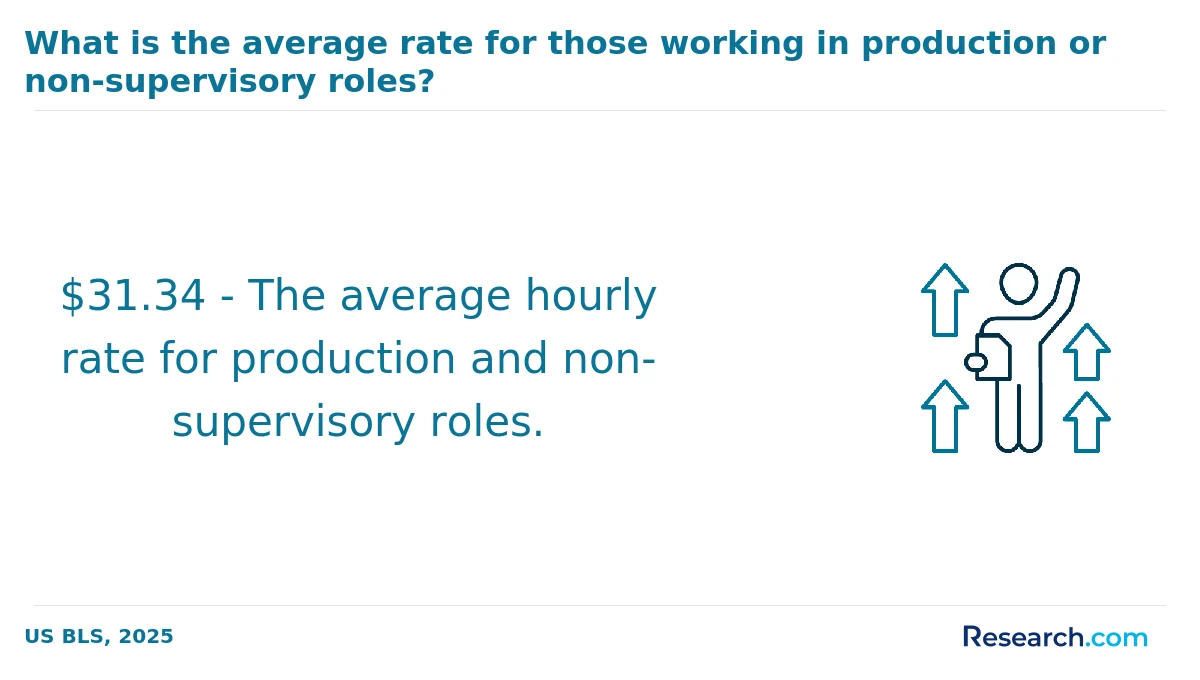
After finishing a trade school certification program in Bridgeport, many graduates proudly step into careers with an average annual salary of about $63,878, or roughly $30.71 per hour. Imagine earning this right after graduation from popular local trade schools where hands-on training turns ambition into well-paying reality.
For example, graduates trained as electricians or HVAC technicians in Bridgeport often begin earning close to or above the state average, reflecting the high demand for skilled trades. Others, like licensed practical nurses or automotive service technicians, find themselves securing jobs with steady incomes ranging from $48,000 to $77,500 annually, allowing them to build financial independence quickly.
Entry-level graduates might start near $25,685, but many Bridgeport alumni share stories of advancing rapidly with experience, sometimes reaching wages over $100,000. Their success highlights the real opportunity trade school offers to launch rewarding careers that support families and futures.
- Maria: Earning my HVAC certification in Bridgeport changed my life! The hands-on training prepared me so well that I landed a great job immediately after graduation. The instructors genuinely cared, making learning accessible and exciting. I'm proud to contribute to Bridgeport's growing energy sector.
- Jamal: The electrical apprenticeship program gave me real confidence. From day one, I felt supported while gaining crucial skills. Now, I'm working on commercial sites around Bridgeport, and I love the challenge every day brings. This school truly turned my passion into a rewarding career.
- Elena: As a student in Bridgeport's welding certification, I found the perfect mix of technical excellence and community. The small classes meant personalized attention, and after graduation, employers welcomed me with open arms. This experience sparked my professional growth and made me believe in my potential.
- Trade school programs in Bridgeport cover fields like automotive, HVAC, plumbing, electrical, medical assisting, dental assisting, and computer technology.
- State apprenticeship courses cost between $325 and $350 per in-person course, plus a $50 registration and technology fee.
- Online certification programs, such as those from Ed2Go, range from $2,195 to $2,345 and usually last about 12 months.
- The local job market for trade school graduates is expected to grow by 22% over the next decade, especially in industrial and utility sectors.
- Starting salaries typically range from $35,000 to $48,000, with experienced, licensed professionals earning over $60,000 annually.
Completing a trade school certification program in Bridgeport can be an exciting and achievable milestone, often faster than many expect. Some graduates have launched new careers in as little as a few weeks-like those who finished Certified Nursing Assistant training in just 2.5 weeks, diving straight into healthcare roles that make a difference every day.
Others pursuing certifications such as Phlebotomy or Security Guard training enjoy swift programs lasting from one to eight weeks, balancing their studies with life commitments. For those seeking more thorough skill development, programs like Medical Assistant or Electrical Training typically take between 6 to 20 months, depending on whether students choose day, evening, or accelerated schedules. Many find joy in managing their own pace, thanks to blended and weekend-intensive formats common among Bridgeport's trade schools.
These hands-on, focused programs empower students to confidently transition into meaningful careers. Bridgeport's trade schools nurture ambition, showing that with determination, the path to certification-and a new future-is within your reach.
Choosing between online and on-campus trade school programs in Bridgeport means deciding how you want to experience your education. Online courses, like those offered through platforms such as Ed2Go, provide incredible freedom-graduates often share how they balanced family responsibilities or jobs while advancing their skills at their own pace. Imagine studying electrical theory in the evening, from the comfort of home, then practicing in your own time.
On the other hand, on-campus programs at institutions like the Industrial Management & Training Institute immerse students in hands-on training that feels immediate and empowering. Graduates from these schools often recall the confidence gained from working directly with industry-standard equipment under expert guidance, feeling the satisfaction of mastering each skill in real time.
Some Bridgeport programs blend the best of both worlds, offering online coursework paired with on-campus labs or apprenticeships. This hybrid approach inspires students to stay motivated while gaining practical experience essential for trades like HVAC and automotive technology.
The average cost of trade school in Bridgeport varies widely but generally falls between $5,000 and $18,000. Many Bridgeport trade school certification program expenses reflect this range, offering affordable pathways especially through public institutions. Graduates from local programs often share how investing in certifications like cosmetology or healthcare offered them a swift route to rewarding careers without overwhelming debt.
For instance, students attending Branford Academy of Hair & Cosmetology in Bridgeport have reported an average net cost of around $5,655, making it an accessible choice for skilled trades training. Meanwhile, those pursuing specialized healthcare or technology certificates may encounter higher price points, sometimes stretching up to $30,000 for more advanced programs. Still, many find that the value of hands-on training and career-ready skills outweigh the initial expenses-empowering them to build strong futures.
Online and hybrid programs also expand affordable opportunities for Bridgeport learners. Courses in plumbing, robotics technician training, or process technology often cost between $2,000 and $2,500 and attract working adults aiming to balance life with new skills. Feeling encouraged by flexible options, students find these pathways exciting and manageable compared to traditional routes. If you're looking for easy online trade programs that leads to high paying jobs, exploring these affordable certifications could be the perfect first step to success.
Beyond tuition, graduates remind others to budget for books, materials, and fees. Thankfully, state and federal financial aid can soften these trade school certification program expenses, helping many Bridgeport students secure scholarships and grants that make their dreams achievable.

Trade school certification students in Bridgeport have access to a range of financial aid options designed to make their educational journey easier and more affordable. Many begin by completing the FAFSA, unlocking access to Federal Pell Grants and Direct Student Loans that provide vital support without overwhelming debt.
For instance, graduates from the Branford Academy of Hair & Cosmetology often share how federal aid combined with flexible school payment plans helped them pursue their passion without financial stress. Additionally, Connecticut's Mary Ann Handley Award covers tuition gaps for eligible community college certificate students, making it a game-changer for many local residents.
Military veterans and active service members attending Bridgeport trade schools can benefit from the GI Bill and tuition assistance, delivering invaluable support that honors their sacrifice.
In Bridgeport, financial aid isn't just about numbers - it's about opening doors. Students tap into these supports to confidently build skills and launch rewarding careers, transforming challenges into opportunities every step of the way.
Enrolling in trade school certification programs in Bridgeport is an exciting step toward a hands-on career, and the prerequisites are designed to set you up for success. Most entry-level programs, like those at Porter and Chester Institute or Bullard-Havens Technical High School, ask for a high school diploma or GED equivalent, proving you have the foundational knowledge to thrive. Graduates often reflect on how this simple requirement opened doors to skill-building and real-world experiences.
For those aiming higher, specialized programs such as the University of Bridgeport's Educational Administration & Supervision 092 Certificate expect more, including:
- A master's degree from an accredited institution with a 3.0 GPA or higher
- At least three years of certified teaching experience
- Official transcripts, a resumé, and proof of current certification
Apprenticeship-focused students in trades like electrical or plumbing often begin by registering with the Connecticut Department of Labor and obtaining a valid state apprentice ID. Yet many have shared how extension courses provide flexible alternatives to gain vital classroom hours without immediate registration.
Special programs at places like the Bridgeport Vocational Center highlight inclusivity, offering tailored options for young adults with special needs based on age and individual education plans rather than traditional credentials.
Across all programs, meeting these prerequisites brings you closer to your career goals with confidence and clear direction.
Trade school courses in Bridgeport CT open doors to vibrant career paths in healthcare, technology, and skilled trades, perfectly tailored for those eager to start strong. Graduates from local institutions like Training Direct find themselves well-prepared through hands-on courses such as Nurse's Aide, Phlebotomy Technician, and Medical Billing & Coding Specialist, mastering crucial skills that employers actively seek.
For those drawn to technical trades, the certificate program curriculum Bridgeport trade schools offer includes exciting options like HVAC, Electrical Technology, Plumbing, and Automotive Technology. At the Porter and Chester Institute, students blend classroom learning with real-world training, equipping themselves to thrive with companies like BMW and Roto Rooter. Industrial trades courses also provide powerful opportunities, with a focus on practical trades essential to local manufacturing and utilities.
Flexible learning options, including online courses offered through Ed2Go, help students balance life while gaining skills in welding, robotics, and maintenance. These comprehensive programs make mastering new trades accessible and motivating. For anyone ready to jump into Bridgeport's workforce with confidence, exploring vocational trade programs is a vital first step.
Choosing the best trade school programs in Bridgeport starts with understanding your career ambitions and the vibrant local job market. Graduates from Bullard-Havens Technical High School often share how their hands-on experience in electrical or HVAC training opened doors to well-paying jobs, underscoring the benefit of programs blending classroom theory with real-world practice. Consider schools like the Industrial Management & Training Institute, where apprenticeship opportunities make learning tangible and exciting, turning skills directly into confidence and employment.
Evaluating program accreditation and licensing is essential; Bridgeport students frequently highlight how attending state-recognized programs gave them the credential boost needed for licensing exams and employer trust. When exploring how to compare Bridgeport trade school costs, keep in mind that tuition for adult apprenticeship classes at local institutions typically ranges from $325 to $370 per course, a worthwhile investment for long-term career growth.
Many prospective students also look for affordable and flexible options-some even find success with the cheapest online solar technician course, which fits their schedules and budgets perfectly while preparing them for a cutting-edge field.
Graduates of trade school certification programs in Bridgeport step confidently into a wealth of career opportunities for trade school graduates in Bridgeport, particularly in skilled trades jobs in Bridgeport Connecticut. Many find rewarding pathways in plumbing, electrical work, and HVAC, where hands-on learning at institutions like the Industrial Management & Training Institute prepares them for steady roles with growth potential. These graduates often secure positions with local manufacturers and service companies, enjoying both job stability and competitive wages.
Others thrive in automotive technology programs at schools such as Porter and Chester Institute, moving quickly into roles with top employers like BMW and Honda of Westport. Healthcare-focused graduates build fulfilling careers as nurse aides, medical billing specialists, or phlebotomy technicians, supporting vital community health services. Additional fields like computer technology, process technician, and robotics open doors in IT and manufacturing, offering flexible learning options including online classes.
Many students appreciate the balance of real-world training and local connections, enhancing their future success. For those interested in electrical trades, exploring an affordable electrical lineworker training program online can be an exciting step forward.
The Bridgeport trade school job market is thriving, offering graduates a wealth of career opportunities across multiple skilled sectors. Graduates from well-known trade schools in Bridgeport often secure positions within two years or less, entering high-demand fields such as HVAC, electrical work, plumbing, and automotive technology. Many report immediate employment with local industry leaders, demonstrating the practical value of certification programs.
Some key highlights include:
- Employers like BMW, Firestone, and AFC Urgent Care actively seek certified technicians.
- Over 100 skilled trades jobs currently available in Bridgeport, with starting wages between $18 and $45 per hour.
- Apprenticeship programs offering paid, hands-on experience that often leads directly to full-time roles.
For students aiming to fast-track their careers, Bridgeport CT career opportunities for trade school graduates provide a promising path. Many opt for cheap online trade schools programs for electricians to balance quality education with affordability while gaining credentials that local employers trust.
Most Affordable Certificate Programs - Leading Certification Courses in Bridgeport for 2026
# 1 position
Porter & Chester Institute - Heating, Air Conditioning, Ventilation and Refrigeration Maintenance Technology/Technician.
certificate or diplomaThe Heating, Air Conditioning, Ventilation and Refrigeration Maintenance Technology/Technician program at Porter & Chester Institute offers a hybrid format with some distance education options. It prepares students to repair, install, service, and maintain HVAC and refrigeration systems, covering diagnostic techniques, testing equipment, mechanics, electricity, and electronics. The annual in-state tuition is $14,349. Graduates earn a median income of $43,235 one year after completion. The program is accredited by the Accrediting Commission of Career Schools and Colleges.
# 2 position
Porter & Chester Institute - Electrician.
certificate or diplomaThe Electrician program at Porter & Chester Institute offers hybrid learning to prepare students for installing, operating, and repairing electrical systems, including residential, commercial, and industrial wiring. It covers electronics principles, power transmission, safety, and applicable codes. The annual in-state tuition is $14,349. Median earnings one year after completion are $37,569. The program is accredited by the Accrediting Commission of Career Schools and Colleges.
# 3 position
Porter & Chester Institute - Plumbing Technology/Plumber.
certificate or diplomaThe Plumbing Technology/Plumber program at Porter & Chester Institute offers hybrid learning with some distance-education options. It trains students to become licensed plumbers by teaching technical skills for installing and maintaining piping systems in residential and commercial settings. The curriculum covers water distribution, pipe installation, welding, blueprint reading, and industry codes. Annual in-state tuition is $14,349. The program is accredited by the Accrediting Commission of Career Schools and Colleges.
# 4 position
Porter & Chester Institute - Welding Technology/Welder.
certificate or diplomaThe Welding Technology/Welder program at Porter & Chester Institute prepares students to apply technical skills in welding and metal cutting. Instruction covers arc welding, resistance welding, brazing, soldering, and high-energy beam welding. The curriculum includes welding metallurgy, structural design, safety, and industry codes. Annual in-state tuition is $14,349. The program is accredited by the Accrediting Commission of Career Schools and Colleges.
# 5 position
Porter & Chester Institute - Automobile/Automotive Mechanics Technology/Technician.
certificate or diplomaThe Automobile/Automotive Mechanics Technology/Technician program at Porter & Chester Institute offers hybrid learning with some distance-education options. It prepares students to repair, service, and maintain various automobile systems, including brakes, electrical, engine performance and repair, suspension, steering, transmissions, and heating and air conditioning. The annual in-state tuition is $14,349. Graduates have a median earning of $34,030 one year after completing the program. The program is accredited by the Accrediting Commission of Career Schools and Colleges.
# 6 position
Porter & Chester Institute - Dental Assisting/Assistant.
certificate or diplomaThe Dental Assisting/Assistant program at Porter & Chester Institute offers hybrid learning with some distance-education options. It trains students in patient care, dental radiographs, office administrative tasks, and chairside assisting under dentist supervision. Instruction includes medical record-keeping, reception, scheduling, equipment maintenance, sterilization, and supervised practice. The program is accredited by the Accrediting Commission of Career Schools and Colleges. Annual in-state tuition is $14,349, with median earnings one year after completion at $28,549.
Frequently Asked Questions about trade school certificates
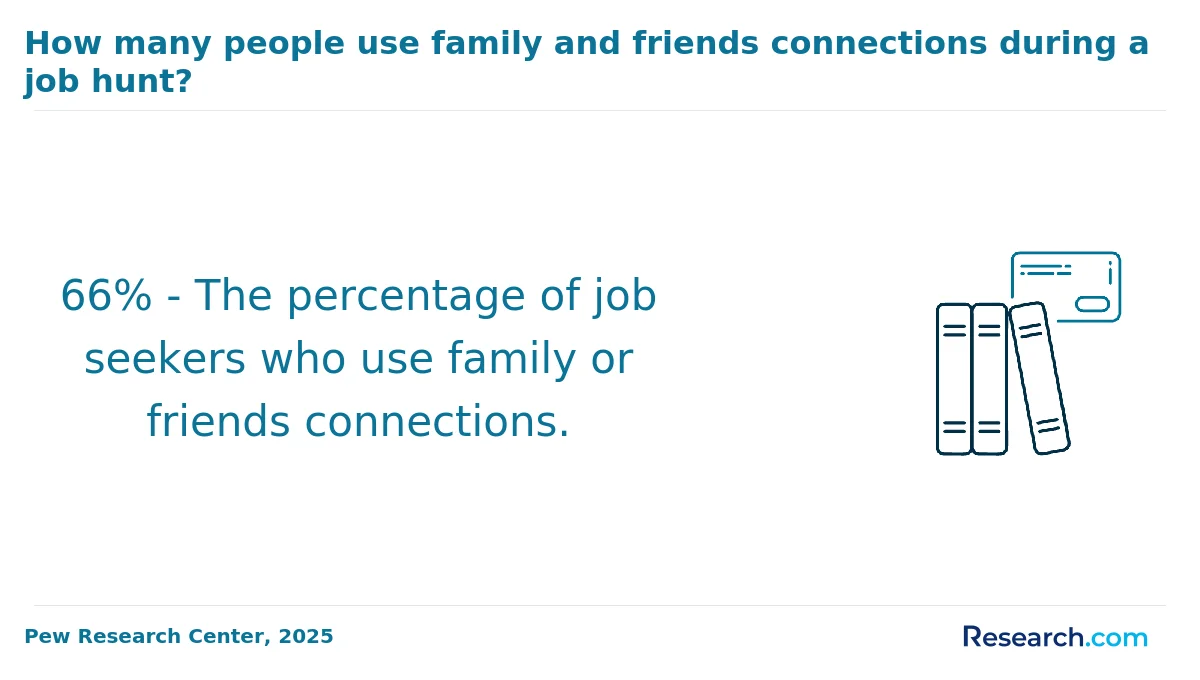
After completing trade school certification programs in Bridgeport, preparing for the job market requires strategic steps. Begin by refining practical skills acquired during training, as employers highly value hands-on experience. Networking locally through job fairs and industry events in Bridgeport can increase employment opportunities. According to the National Center for Education Statistics, about 82% of trade school graduates find jobs related to their field within six months.
Creating a professional resume focused on certifications and relevant skills is essential. Utilize Bridgeport's workforce development centers, which offer career counseling and job placement support. Additionally, gaining certifications recognized by local industries can boost credibility. Continuous learning and adaptability remain crucial in the evolving trade sectors.
Employers in Bridgeport consistently seek trade school graduates with strong technical skills relevant to their industry. For example, proficiency in electrical systems, HVAC maintenance, and welding is highly valued given Bridgeport's robust manufacturing and construction sectors, according to the Connecticut Department of Labor.
In addition to technical expertise, employers prioritize problem-solving abilities and effective communication. The National Association of Manufacturers highlights that 80% of manufacturers emphasize teamwork and clear communication as key skills.
Time management and reliability are also critical, with many Bridgeport employers noting these traits as essential for successful job performance in trade roles.
Finding internships relevant to your trade school certification program in Bridgeport involves several practical steps. Start by contacting the career services office of your trade school, as many maintain partnerships with local businesses offering internships. Additionally, Bridgeport's diverse economy-spanning manufacturing, healthcare, and construction-provides many opportunities for hands-on experience.
Local resources like the Bridgeport Regional Business Council and the Connecticut Department of Labor publish internship openings and apprenticeship programs frequently sought by trade students. According to recent state labor reports, Bridgeport hosts over 200 trade-related internship opportunities annually, especially in fields like electrical work and HVAC technology.
Networking at local job fairs and trade associations also enhances prospects. Online platforms such as Indeed or Handshake can be filtered specifically for Bridgeport internships in trades, offering an accessible starting point.
Trade school certifications in Bridgeport significantly enhance career mobility by equipping students with practical, industry-recognized skills. According to the U.S. Bureau of Labor Statistics, occupations that require vocational training are projected to grow 7% nationally through 2032, slightly faster than average. In Bridgeport, local employers especially value certifications in fields like construction, healthcare, and manufacturing.
Certified workers often experience faster job placement and higher starting wages compared to non-certified peers. The Connecticut Department of Labor reports that trade school graduates in Bridgeport can see up to a 20% wage increase within five years. Employers also tend to promote certified employees more readily, reflecting a direct link between certification and career advancement.
For adult learners and career changers, these certification programs provide flexible opportunities for upskilling without long-term commitment, enhancing employability in a competitively evolving local economy.
Students enrolled in trade school certification programs in Bridgeport can benefit from various part-time job opportunities that complement their education. Roles such as apprenticeships and assistant technician positions in fields like HVAC, electrical work, and automotive repair allow hands-on experience alongside coursework. According to the U.S. Bureau of Labor Statistics, Bridgeport's demand for skilled trades is growing steadily, making these jobs both available and relevant.
Part-time roles in construction sites or maintenance departments offer practical skills and flexible hours suited to student schedules. Additionally, local businesses often seek certified workers for tasks in plumbing or welding, providing valuable real-world application. Accessing positions through workforce development programs in Bridgeport can further support students.
To find the most affordable degree program near me, it's essential to compare tuition and fees of various programs offered by universities and colleges. Institutions near Bridgeport, CT, like the University of Bridgeport or Housatonic Community College, can be considered for their different financial aid opportunities. Research.com can be a helpful resource to compare programs and find one that fits your financial and academic needs.
- Careers You Can Pursue After Trade School | NSHSS | National Society of High School Scholars https://www.nshss.org/resources/blog/blog-posts/careers-you-can-pursue-after-trade-school/
- Trade School Careers https://auto.edu/blog/trade-school-careers
- Research - Most Affordable Online Electrician Trade School Programs https://research.com/degrees/most-affordable-online-electrician-trade-school-programs
- Trade School vs. Traditional College: Choosing the Right Path for Your Career https://blog.pcitraining.edu/blog/trade-school-vs.-traditional-college-choosing-the-right-path-for-your-career
- 5 Tips for Getting Ready for a Job After Trade School - Techneeds https://www.techneeds.com/2022/05/12/5-tips-for-getting-ready-for-a-job-after-trade-school/
- Petersonsdata https://petersonsdata.com/
- Teacher Certification Programs in CT | University of Bridgeport https://www.bridgeport.edu/academics/programs/teacher-certs/
- Porter and Chester Institute | Campus Locations | Bridgeport CT https://porterchester.edu/campuses/connecticut/bridgeport-ct/
- Tradel Schools in Bridgeport, Connecticut https://www.tradeschoolsnearme.co/metro-areas/bridgeport-stamford-norwalk-ct
- 7 Tips for a Smoother Transition from Trade School to Career | Refrigeration School, Inc. (RSI) https://www.rsi.edu/blog/skilled-trades/7-tips-for-a-smoother-transition-from-trade-school-to-career/


