Most Affordable Associate Degree Programs - Leading Certification Courses in Springfield for 2026

Co-Founder and Chief Data Scientist
Choosing the right associate degree program in Springfield can feel overwhelming, but it doesn’t have to be. This article introduces a carefully crafted associate degree programs ranking created by the Research.com team of data scientists, designed to guide you toward the most affordable and valuable options for 2026.
Exploring these programs can open doors to rewarding careers without breaking the bank. Whether you’re starting fresh or seeking a new path, an associate degree offers practical skills and opportunities that make a real difference.
Read on to discover programs that fit your goals and budget with confidence.
Key benefits of associate degrees in Springfield
- Good earning potential: Associate degree graduates in Springfield can expect solid salaries like $54,980 per year in business, $41,664 for program associates, and around $15.57 hourly for general associate roles, making it a smart investment.
- Variety of career paths: Popular options include business administration, program associate positions, and technical trades, giving you many chances to find a rewarding job that fits your skills and interests.
- Flexible online learning: Completing an associate degree online offers convenience and balance, letting you study at your own pace while managing work or family, just like many successful Springfield students have experienced.
- Most Affordable Associate Degree Programs - Leading Certification Courses in Springfield for 2026
- What can I expect from associate degree programs in Springfield?
- Where can I work after finishing associate degree programs in Springfield?
What can I expect from associate degree programs in Springfield?
The average cost of an associate degree program in Springfield typically ranges between $4,000 and $7,500 per year, depending on whether students attend public institutions like Ozarks Technical Community College (OTC) or private schools such as Cox College. Graduates often recall the manageable tuition as a significant factor in choosing local programs that balance affordability with quality education.
Students at OTC benefit from hands-on learning experiences in well-equipped labs and internships, which add substantial value without inflating expenses. Those pursuing health care programs at Cox College or Southwest Baptist University report that clinical placements and NCLEX-RN preparation support make the investment worthwhile, despite slightly higher costs.
Many students appreciate flexible scheduling options available at these Springfield schools, which help working adults accommodate night and online classes without extra fees. The close faculty interaction, enabled by small class sizes, further enhances the perceived return on tuition.
While additional certification costs may arise post-graduation, the upfront financial commitment remains accessible for a wide range of students seeking career-ready skills in Springfield.
Where can I work after finishing associate degree programs in Springfield?
Graduates of associate degree programs in Springfield find abundant employment opportunities across multiple industries. Many alumni from popular local institutions quickly secure roles in healthcare, joining employers like CoxHealth or Jordan Valley Community Health Center as Registered Nurses or Patient Advocates. These positions typically provide attractive salaries and benefits, helping graduates feel valued and stable early in their careers.
Others from Springfield's business administration programs often start in roles such as Accounts Payable Specialists or Legal Assistants at law firms and corporate offices. These jobs emphasize practical skills like office software proficiency, offering steady income with perks like healthcare plans, which former students have praised for supporting work-life balance.
Technology and engineering graduates report strong demand from companies including 3M and CoxHealth for positions like IT Customer Support Analysts or CAD Technicians. Hands-on work maintaining manufacturing or healthcare equipment creates rewarding, dynamic jobs where graduates quickly build confidence and technical expertise.
Those interested in trades find solid prospects as Diesel Mechanics or Installation Technicians. Springfield's manufacturing and logistics sectors frequently have multiple openings, providing a dependable pathway to skilled employment with sustained growth potential.
Graduates of associate degree programs in Springfield typically earn between $38,000 and $47,000 annually, depending on their chosen career path and industry. For example, graduates from popular Springfield colleges often start with an average salary around $41,664 as program associates, a common entry-level role in the area. Communications associates in Springfield report earnings near $38,463 per year, or about $18 per hour, which aligns with local job market trends.
Some technical programs offered by top-rated Springfield institutions lead to higher early-career salaries near $48,000, reflecting strong demand for applied sciences and trade skills. These figures resonate with local graduates who appreciate the immediate financial benefits of their education.
More experienced associates, such as senior program associates, can expect salaries upwards of $63,000, rewarding those who stay invested in their field. These earnings showcase the realistic, achievable progression Springfield graduates encounter, helping them envision a prosperous start after completing their associate degrees.
- Samantha: Earning my Associate Degree in Culinary Arts at Springfield Trade School was life-changing. The hands-on training gave me real confidence in the kitchen, and now I have a rewarding job as a sous chef in a popular local restaurant. The practical skills I gained were key to my success.
- Marcus: Studying Automotive Technology at Springfield Technical Institute was a great decision. The small class sizes and expert instructors made learning enjoyable, and I quickly landed a mechanic position with a leading Springfield dealership. I appreciate how trade schools focus on real-world skills that employers truly value.
- Hannah: Completing my Associate Degree in Nursing in Springfield opened doors I never imagined. The supportive environment helped me master the essential skills, and now I proudly serve my community as a registered nurse. The balance of theory and practice gave me confidence every step of the way.
- Associate degree programs in Springfield typically take two years of full-time study and are offered in fields like nursing, business, arts, health sciences, and technical trades.
- Admission often requires a high school diploma or GED, with specific programs such as nursing needing prerequisites in biology, chemistry, and math plus minimum GPA standards.
- Tuition at public community colleges ranges from $5,000 to $12,000 for the full program, while private institutions may charge over $20,000 for two years.
- Students must pass an American civics exam at public institutions in Missouri to graduate, as mandated by state law.
- Starting salaries for associate degree holders in healthcare range from $50,000 to $60,000, with experienced nurses earning over $70,000; business and technical graduates typically start between $35,000 and $45,000.
- Health-related associate degree programs in Springfield report job placement rates above 90%, highlighting strong employment prospects in local industries.
An associate degree program in Springfield generally takes about two years of full-time study to complete, particularly at leading institutions like Ozarks Technical Community College (OTC). Graduates who follow the recommended pace-roughly 15 credit hours each semester-often finish on time, aligning with the Missouri Department of Higher Education's "15 to Finish" initiative. This approach helps students avoid unexpected tuition costs and graduate with confidence.
Many students who enroll part-time, taking between 6 and 12 credit hours per semester, find their completion timeline extends to three years or more, depending on personal schedules and other life commitments. Those balancing work or family frequently appreciate the flexibility, even if it means additional time to earn their degree.
Trade and technical programs, like OTC's Associate of Applied Science degrees, also require 60 to 62 credit hours but may include specialized skill assessments. Students often experience a strong sense of accomplishment upon mastering these practical components while maintaining the two-year timeline.
Some OTC students highlight the benefit of completing 15 of their final 30 credits in residence, fostering deep connections with faculty and peers during this crucial phase.
Online associate degree programs in Springfield, such as those at Missouri State University-Springfield and Ozarks Technical Community College (OTC), offer students the flexibility to attend classes remotely, often on their own schedule. Graduates appreciate this approach, as it allows them to juggle work, family, and study without the constraints of fixed class times. For example, many working adults find asynchronous courses convenient, enabling them to study late at night or on weekends.
On the other hand, on-campus programs require physical attendance at scheduled times, providing a structured environment. Students in these traditional settings benefit from direct interaction with faculty and peers, hands-on labs, and immediate access to campus resources, which enhance their learning experience. For instance, graduates from Drury University value the face-to-face collaboration and immediate feedback they received in-person.
Both formats adhere to the same accredited curriculum and academic standards in Springfield. While online students sometimes need occasional campus visits for labs or testing, they still receive support via virtual advising and tutoring, ensuring a comprehensive educational experience.
The average associate degree cost in Springfield varies significantly depending on the institution and program chosen. At Cox College, known for its health sciences education, the total cost of attendance for full-time students in the Associate of Science in Radiology program is $30,797 for the 2024-2025 year. This includes tuition and fees totaling $11,640, plus clinical/lab fees, books, and living expenses. Nursing students at the same college face slightly higher costs, with a $34,367 total cost reflecting program-specific fees and comprehensive living costs. Graduates often remark on how these investments prepared them thoroughly for entering the workforce with confidence.
Public universities like Missouri State University offer a different financial picture. With tuition set at $302 per credit hour for in-state students during 2025-2026, an associate degree requiring around 60 credit hours costs roughly $18,120 in tuition alone. Students pursuing degrees here find that living expenses and supplies significantly impact the total amount paid, but appreciate the affordable tuition as a strong foundation.
Springfield College, a private institution, charges $562 per credit hour for online undergraduate courses, which sums to about $33,720 before additional fees and housing costs. This higher tuition reflects specialized academic support, and many students feel the personalized experience justifies the investment.
When considering Springfield associate degree tuition and fees, it's important to recognize that living with family can reduce total expenses. Per FAFSA guidelines, living, transportation, and miscellaneous costs may be halved, making local programs more accessible to many. Students interested in less traditional paths might explore options such as easy certifications that pay well to complement or substitute some formal schooling.
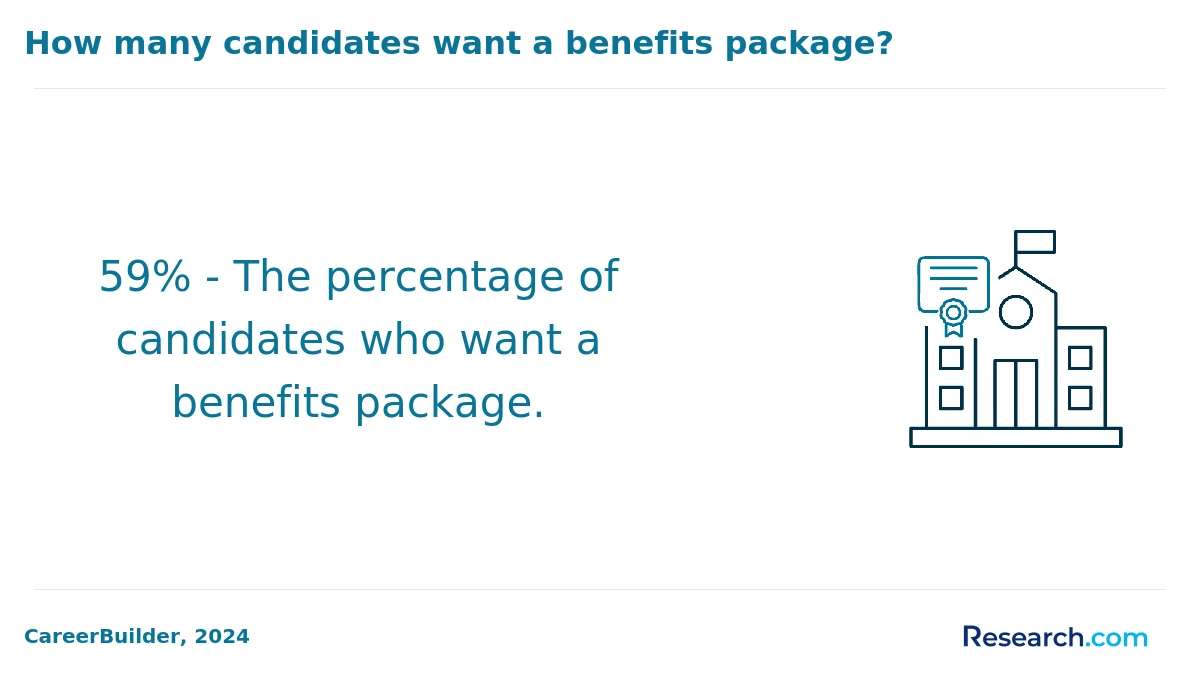
Students pursuing associate degrees in Springfield typically rely on a mix of federal, state, and institutional financial aid to make education affordable. Completing the FAFSA is crucial, as it unlocks eligibility for Pell Grants and federal loans, which many graduates recall as essential to covering basic costs without immediate repayment pressures.
State support plays a significant role; for instance, many Springfield community college students benefit from the Access Missouri Financial Assistance Program, receiving awards between $500 and $1,700 annually. Recipients, usually Missouri residents with specific income thresholds, describe this aid as a vital bridge, especially when juggling work and study.
Additionally, the A+ Scholarship Program resonates strongly with local graduates who attended designated Missouri high schools. It covers tuition and fees fully for up to 48 months, effectively eliminating financial barriers for those committed to completing their associate degrees.
Institutional scholarships and emergency funds offered by Springfield colleges, such as those at Southwest Baptist University, customize support based on academic merit and need. Graduates often highlight these combined resources as pivotal when unexpected expenses arise, reinforcing a sense of security and focus on their studies.
To enroll in an associate degree program in Springfield, applicants must first present a high school diploma or GED, a basic yet essential criterion at institutions like Ozarks Technical Community College (OTC) and Drury University. Graduates often recall the reassurance in submitting official transcripts that confirmed their readiness and opened doors to their chosen fields.
Most schools require placement assessments in subjects such as math and English to tailor course placement. For example, a student at OTC found these assessments valuable for identifying areas needing improvement, ensuring a smoother start to college-level work.
Residency requirements at OTC mandate completion of at least 15 credit hours on campus, helping students connect deeply with the local academic community. Transfer credits may ease progress but can't replace this local engagement.
Specific curriculum demands vary: Drury's associate programs emphasize 24 credit hours in general education covering technology, communication, and social sciences, preparing students comprehensively.
- High school diploma or GED
- Official transcripts submission
- Placement tests in core subjects
- Minimum on-campus credit hours for residency
- General and program-specific academic requirements
Graduates frequently highlight how meeting these prerequisites created a confident and structured path toward achieving career goals in Springfield's dynamic educational environment.
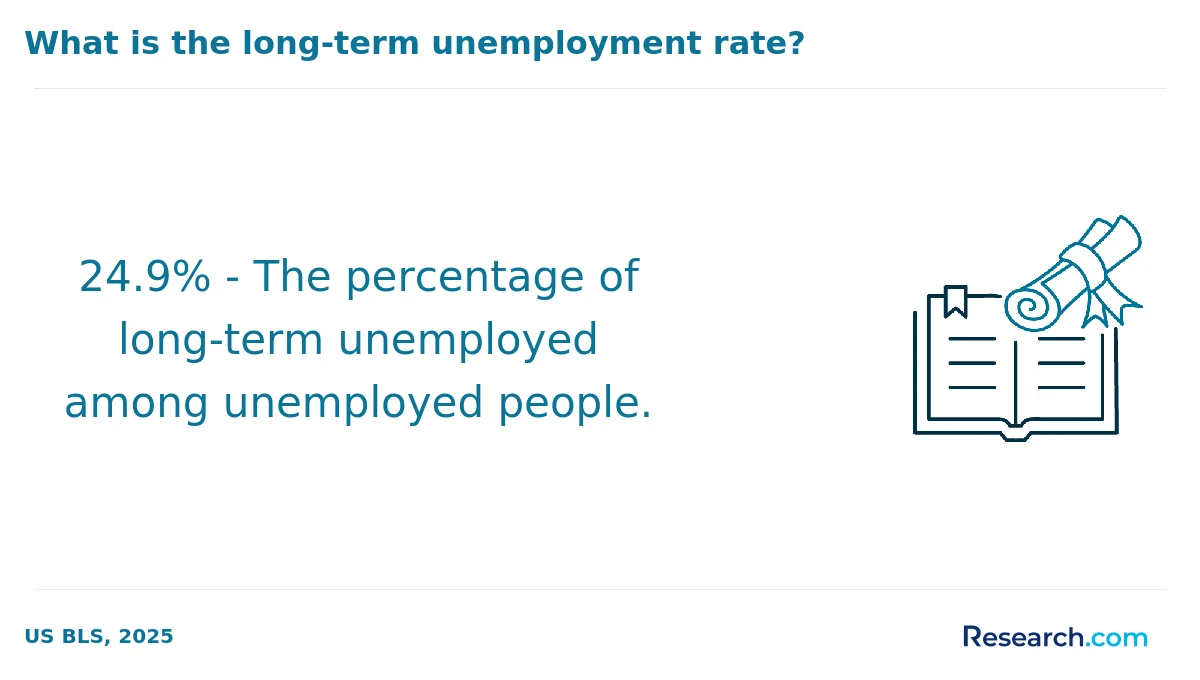
Associate degree course list Springfield programs commonly begin with foundational general education courses covering English composition, mathematics, natural sciences, and social sciences. For example, graduates from Springfield Technical Community College often describe gaining confidence through classes like college algebra, biology, and psychology which build critical communication and analytical skills applicable across industries. These courses lay the groundwork for a well-rounded academic experience.
Specialized courses form the core of Springfield Missouri associate degree curriculum, tailored to each field. Nursing students at Southwest Baptist University engage in hands-on learning through anatomy, microbiology, pharmacology, and practical clinical training, making the transition to healthcare roles smoother. Others pursuing technical fields such as Advanced Manufacturing Technology at STCC benefit from courses in CAD, engineering fundamentals, and applied mathematics, often reinforced by internships that bring classroom theory to life.
Business-related associate degrees include engaging coursework in economics, accounting, management, and business law, equipping students with skills for the workforce or transfer pathways. Thanks to these thoughtfully structured programs, graduates feel prepared and motivated. For those exploring further education options or considering easy online masters after completing their associate degree, resources like easy online masters can offer accessible next steps.
Choosing the best associate degree programs in Springfield requires analyzing program accreditation, structure, and graduate outcomes. Graduates from Cox College's accredited radiography program highlight how accreditation boosts their confidence when entering certification exams and the job market. At Ozarks Technical Community College, many students appreciate clear graduation requirements like the 62 credit hour Associate of Arts degree, which includes the CORE 42 curriculum-this built-in transferability saves time and money by ensuring credits smoothly transition to four-year universities.
Another critical factor is program affordability and how to compare Springfield associate degree costs. Students often share that flexible options, such as OTC's dual-credit classes for high schoolers combined with financial aid, provided them with manageable payments and vital academic support. These real-life benefits emphasize the importance of support services, especially if balancing work with study.
When researching further educational opportunities after earning your associate, consider resources like phd no dissertation online programs that enable a smooth academic transition. Springfield students report that weighing these factors has helped them feel empowered and satisfied with their educational path.
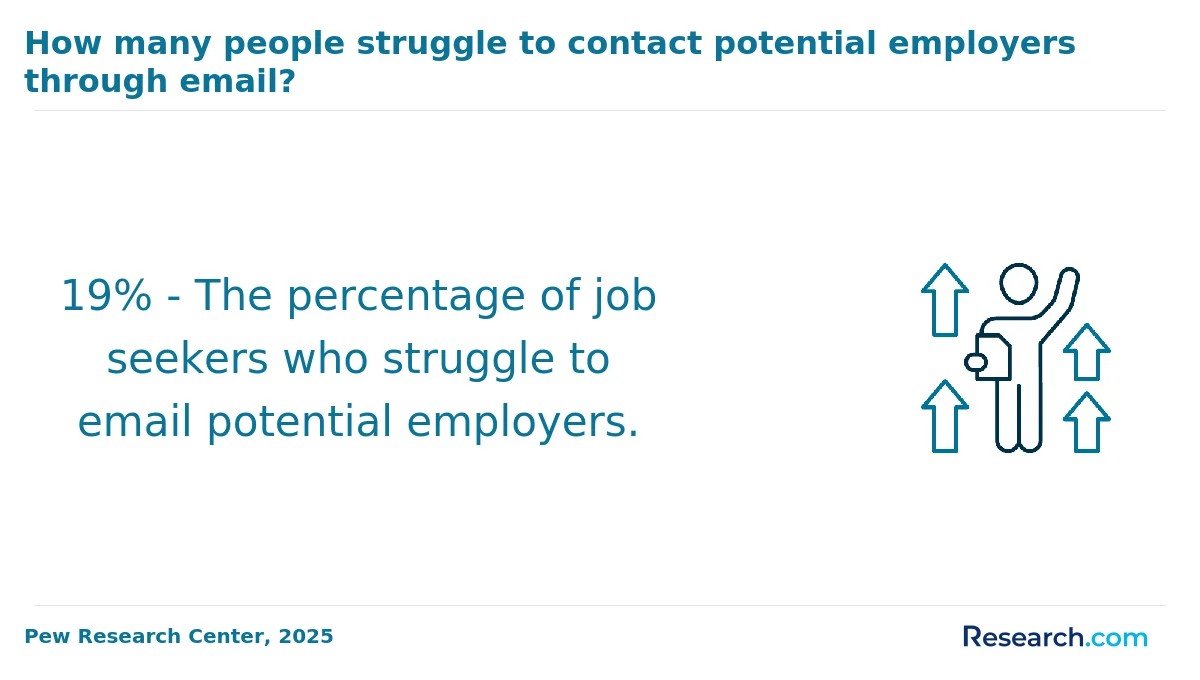
Associate degree graduates in Springfield find diverse career opportunities across several key sectors. Healthcare roles such as hospice registered nurses and patient advocates are in demand, with employers like CoxHealth frequently hiring graduates from local programs. Business fields offer positions including billing coordinators and data administrators, common among graduates from Ozarks Technical Community College.
Technical paths feature prominently, with helpdesk associates and CAD technicians noted for their growth in Springfield's job market. These roles especially attract those focused on career opportunities with associate degree Springfield, reflecting a blend of technical skill and credential value. Graduates frequently share positive experiences about applying practical knowledge from local courses to real-world technical support scenarios.
- Legal assistants and community facilitators provide critical support in public sector organizations, emphasizing strong communication and organizational abilities.
- Skilled trades such as warehouse order picker and installation technician offer hands-on work with room for advancement.
Missouri's projected 22% growth in jobs requiring associate degrees signals promising prospects, supported by an average wage exceeding $40,000. For those seeking accredited schools online with no fee to apply, Springfield's educational landscape provides strong options that connect students directly with these lucrative associate degree jobs in Springfield MO.
The Springfield MO job market for associate degree graduates is robust and diverse, with over 300 active positions requiring or preferring this credential. Graduates from popular local schools like Ozarks Technical Community College report timely employment in roles such as administrative assistant, helpdesk associate, and patient advocate, reflecting steady demand across healthcare, technology, and business sectors. Employers value associate degrees for technical proficiency and practical skills, with positions offering starting salaries between $16 and $18 per hour for administrative roles and higher wages for technical healthcare jobs.
Specific advantages for graduates include:
- High placement rates reported by Springfield community colleges, with some programs reaching 100% job placement.
- Starting salaries up to $60,000 in specialized fields like lineworker training.
- Opportunities for advancement into supervisory roles or further education through pathways provided by associate degrees.
In Springfield, the associate degree jobs in Springfield MO cater to both entry-level and specialized positions. Many local employers recognize community colleges as talent pools, making real-world connections easier. Graduates' experiences from these schools highlight steady employment and career growth, making associate degrees a valuable investment.
For students exploring options, Springfield offers a strong foundation augmented by partnerships between colleges and industry. Those interested can explore colleges with dual degree programs to maximize their credentials and job prospects locally and beyond.
Most Affordable Associate Degree Programs - Leading Certification Courses in Springfield for 2026
# 1 position
Clark State College - Business Administration and Management, General.
associateClark State College offers a fully online Business Administration and Management, General program designed to prepare students to plan, organize, direct, and control business functions. The curriculum includes management theory, human resources, accounting, purchasing, marketing, and decision-making. Annual in-state tuition is $4,200. Graduates earn a median income of $37,121 one year after completion. The program is accredited by the Higher Learning Commission.
# 2 position
Clark State College - Computer Systems Networking and Telecommunications.
associateClark State College offers a hybrid Computer Systems Networking and Telecommunications program that prepares students to become network specialists and managers. The curriculum covers operating systems, systems design, networking theory, network management, security, and troubleshooting. The program focuses on efficient design and management of linked computer systems and software. Annual in-state tuition is $4,200. The program is accredited by the Higher Learning Commission.
# 3 position
Clark State College - Computer and Information Systems Security/Auditing/Information Assurance.
associateClark State College offers a hybrid program in Computer and Information Systems Security/Auditing/Information Assurance that prepares students to evaluate and secure computer networks. The curriculum covers computer architecture, programming, networking, cryptography, security auditing, risk assessment, and related laws. The program includes hands-on training in implementing and maintaining security systems. Annual in-state tuition is $4,200, and the program is accredited by the Higher Learning Commission.
# 4 position
Clark State College - Court Reporting and Captioning/Court Reporter.
associateClark State College offers a hybrid Court Reporting and Captioning/Court Reporter program that prepares students to transcribe legal proceedings and official communications using print or electronic methods. The curriculum covers legal terminology, transcription, shorthand, verbatim recording, equipment operation, regulations, and professional ethics. The annual in-state tuition is $4,200. The program is accredited by the Higher Learning Commission.
# 5 position
Clark State College - Criminal Justice/Law Enforcement Administration.
associateClark State College offers a Hybrid Criminal Justice/Law Enforcement Administration program that prepares students for managing public law enforcement agencies. The curriculum covers law enforcement history, operational leadership, labor relations, incident response, legal responsibilities, budgeting, and public relations. The program is accredited by the Higher Learning Commission. Annual in-state tuition is $4,200.
# 6 position
Clark State College - Medical Administrative/Executive Assistant and Medical Secretary.
associateClark State College offers a hybrid Medical Administrative/Executive Assistant and Medical Secretary program designed to prepare students for roles supporting physicians, nurses, and health care administrators. The curriculum covers medical terminology, business communications, health care operations, scheduling, record-keeping, and professional ethics. The program is accredited by the Higher Learning Commission, and annual in-state tuition is $4,200.
# 7 position
Clark State College - Physical Therapy Assistant.
associateClark State College offers a hybrid Physical Therapy Assistant program that prepares students to assist physical therapists by implementing treatment plans, training patients, and documenting progress. The curriculum covers applied anatomy, physiology, biomechanics, neuroscience, and professional ethics. The program is accredited by the Higher Learning Commission. Annual in-state tuition is $4,200, and median earnings one year after completion are $35,365.
# 8 position
Clark State College - Allied Health and Medical Assisting Services, Other.
associateClark State College offers a hybrid program in Allied Health and Medical Assisting Services, Other, providing some distance-education options. The program's annual in-state tuition is $4,200. Graduates have median earnings of $35,365 one year after completing the program. This instructional program covers allied health and medical assisting services not specified elsewhere. The program is accredited by the Higher Learning Commission.
# 9 position
Clark State College - Diagnostic Medical Sonography/Sonographer and Ultrasound Technician.
associateClark State College offers a Diagnostic Medical Sonography/Sonographer and Ultrasound Technician program with a hybrid format that includes some distance education. The program prepares students to use medical ultrasound techniques under physician supervision for diagnosing various conditions. Instruction covers patient care, data integration, sonographic processing, equipment operation, and professional ethics. Annual in-state tuition is $4,200. The program is accredited by the Higher Learning Commission.
# 10 position
Clark State College - Accounting Technology/Technician and Bookkeeping.
associateClark State College offers a program in Accounting Technology/Technician and Bookkeeping designed to prepare students to provide technical administrative support to accountants and financial managers. The curriculum covers posting transactions, record-keeping systems, accounting software operation, and general accounting principles. The program’s annual in-state tuition is $4,200. It is accredited by the Higher Learning Commission.
Frequently Asked Questions about associate degree programs
After completing an associate degree in Springfield, preparing for the job market involves several strategic steps. First, graduates should pursue internships and work-study opportunities to gain practical experience related to their field. According to the Bureau of Labor Statistics, about 60% of associate degree holders find employment within their field in the first year after graduation.
Networking locally through Springfield's career fairs and community centers can also increase job prospects. Utilizing resources at community colleges, such as resume workshops and interview preparation, enhances readiness.
Additionally, obtaining relevant certifications or licenses alongside the associate degree often improves employability in industries like healthcare or technology.
Employers in Springfield prioritize a blend of technical and soft skills in associate degree graduates. According to the Springfield Workforce Development Board, over 70% of local employers value practical skills such as proficiency in computer applications, basic data analysis, and industry-specific tools.
Communication skills rank highly, with 65% of surveyed businesses emphasizing clear verbal and written communication as essential for teamwork and client interaction. Problem-solving and critical thinking are also crucial, helping graduates adapt to dynamic work environments.
Additionally, punctuality, reliability, and a strong work ethic are among the top soft skills expected by employers, reflecting a general preference for dependable employees who can work independently and collaboratively.
Finding internships in Springfield that align with your associate degree program begins with utilizing local resources. Community colleges often partner with Springfield businesses, offering students access to internship databases and career services. For example, Springfield Technical Community College provides tailored support for students in healthcare, engineering, and business fields.
Another effective strategy is connecting with the Springfield Regional Chamber of Commerce, which lists internship opportunities available within the area's key industries, including manufacturing and information technology. According to the U.S. Bureau of Labor Statistics, Springfield's job market shows a 3% annual growth in internships related to technical and healthcare fields.
Online platforms such as Handshake and internships.com also feature Springfield-specific listings, helping students filter opportunities by degree program. Networking through local job fairs and professional groups can further increase your chances of finding relevant internships. Research consistently shows that 60% of internships in Springfield lead to full-time employment, highlighting the practical value of these experiences.
In Springfield, earning an associate degree significantly boosts career mobility and advancement opportunities. According to the U.S. Bureau of Labor Statistics, individuals with associate degrees earn about 20% more annually than those with only a high school diploma.
Local employers in healthcare, technology, and skilled trades increasingly prefer candidates with this level of education. Springfield's Workforce Development Board reports a 15% job growth in sectors typically requiring associate degrees over the last five years.
Additionally, many community colleges in Springfield provide articulation agreements with four-year institutions, allowing seamless transfer for further education and improved career prospects.
In Springfield, several part-time job opportunities align well with associate degree studies, especially in healthcare, information technology, and business. For example, roles like medical assistants, billing clerks, and IT support technicians are in demand. According to the U.S. Bureau of Labor Statistics, healthcare support positions in Springfield are projected to grow by 12% through 2030, offering steady part-time employment options.
Retail management and administrative assistant positions also complement business-related associate degrees. These roles often provide flexible hours, allowing students to balance work and study. The Springfield Chamber of Commerce highlights that small businesses frequently seek part-time staff with practical skills.
Students engaged in these roles gain valuable experience, enhancing their resumes and improving job prospects post-graduation.
If you're looking for affordable degree programs near Springfield, OH, local community colleges and state universities often provide cost-effective options. Institutions such as Clark State College or nearby universities offer a variety of programs that may fit your budget and educational needs. For specific details on the most affordable options near Springfield, OH, consulting platforms like Research.com can help you find programs "near me" that align with your financial and academic requirements.
- How Converting Your Associate's Degree Into a Bachelor’s Degree Can Impact Your Salary | Regis College https://www.regiscollege.edu/blog/completing-your-degree/how-converting-your-associates-degree-bachelors-degree-can-impact-your
- Springfield Campus Cost and Financial Aid https://www.sbuniv.edu/admissions/springfield/springfield-cost-aid.php
- Tuition and Fees | STCC https://www.stcc.edu/pay-for-college/costs/tuition-and-fees/
- Experiential Learning | Springfield College https://springfield.edu/academics/experiential-learning
- Is an Online Degree the Same as a Traditional College Degree? | Bryan University Online© https://bryanuniversity.edu/faq/is-an-online-degree-the-same-as-a-traditional-college-degree/
- Virtual University of Pakistan https://www.vu.edu.pk/AboutUs/ProgramsOffered
- Unlocking Career Opportunities with an Associate Degree ‐ CareerExplorer https://www.careerexplorer.com/unlocking-career-opportunities-with-associate-degree/
- Collegescorecard https://collegescorecard.ed.gov/
- Why You Should Consider an Online Associate Degree Program - Lakewood University https://lakewood.edu/online-associate-degree-benefits/
- Is an Online Degree the Same as a Traditional Degree | Online Degree https://www.cambridgehealth.edu/online-degrees/get-an-online-degree/is-an-online-degree-the-same-as-a-traditional-degree/