
Most Affordable Associate Degree Programs - Leading Certification Courses in Miles City for 2026

Co-Founder and Chief Data Scientist
Choosing the right associate degree program in Miles City can be both exciting and overwhelming. To help you navigate this important step, this article presents a carefully crafted ranking of the most affordable programs for 2026, created by the Research.com team of data scientists.
By exploring these options, you'll discover programs that offer great value without compromising quality. Earning an associate degree opens doors to new career opportunities and personal growth, making it a worthwhile investment in your future.
Whether you’re starting fresh or returning to education, this guide aims to support your goals with clear, trusted information.
Key benefits of associate degrees in Miles City
- Associate degree graduates in Miles City can expect competitive salaries, such as $20.28 per hour for sales associates with potential commissions around $6,000, and about $50,799 annually for operations associates. Nursing graduates often start between $52,000 and $58,000 per year, reflecting strong earning potential.
- Popular career paths include nursing, business administration, accounting, and general studies, with many successful graduates from local schools finding rewarding opportunities in healthcare, technical support, and administrative roles.
- Online associate degrees offer flexibility and convenience, allowing students to balance work and study while earning recognized credentials from respected schools, making education more accessible without compromising quality.
- Most Affordable Associate Degree Programs - Leading Certification Courses in Miles City for 2026
- What can I expect from associate degree programs in Miles City?
- Where can I work after finishing associate degree programs in Miles City?
What can I expect from associate degree programs in Miles City?
The average cost of pursuing an associate degree in Miles City, specifically at Miles Community College (MCC), is quite manageable compared to larger universities. For the 2024-2025 academic year, in-state tuition and fees hover around $6,242. On top of that, students generally budget about $8,300 for room and board if they choose to live on campus or nearby. Graduates from programs like Nursing or Automotive Technology often share how this affordability allowed them to focus more on their studies and less on financial stress.
Many students appreciate the open acceptance policy, which means they don't have to jump through excessive hoops just to get started. With small class sizes, faculty are approachable and ready to support your success, whether in a hands-on agriculture class or clinical rotations in healthcare. Scholarships and work-study options frequently help make education even more accessible, supporting real-life concerns like balancing family or jobs.
In practical terms, this means you can expect an affordable, community-focused environment that's geared toward helping you achieve your goals without overwhelming debt.
Where can I work after finishing associate degree programs in Miles City?
After finishing an associate degree program in Miles City, you'll find a range of rewarding job options waiting. Graduates from popular local schools often share how quickly they landed roles in healthcare, like community health workers or dental hygienists, thanks to strong connections between their programs and employers such as One Health and nearby clinics. These positions not only provide stable incomes but also offer benefits like health insurance and paid time off, making daily life more secure.
Others have stepped into business roles-administrative assistants or parts specialists at local companies-where starting wages around $23 an hour come with room to grow professionally. Some even moved into management roles in retail, enjoying leadership growth and bonuses.
For those with technical training, Miles City's busy agricultural and logistics industries offer careers like chemical plant operators or truck drivers, with salaries potentially exceeding $70,000 annually. Many graduates find themselves working for federal agencies, such as Border Patrol, where associate degrees open doors to steady public service jobs with great benefits.
After finishing an associate degree program in Miles City, you can expect to earn competitive wages that reflect both the local economy and in-demand skills. For instance, many graduates from popular local schools land roles as sales associates earning about $20.28 per hour. That's roughly $42,180 annually before commissions, with additional earnings around $6,000 per year for many through bonuses-quite encouraging for a first job.
Others who pursue retail or customer service roles, like front end associates, typically start around $15.47 per hour, which adds up to about $32,178 a year. These figures come from graduates eager to apply their new skills right here in Miles City, where local businesses value hands-on education.
Overall, salaries vary widely, with many associate degree holders in the area making between $38,000 and $81,851 annually, depending on experience and field. This range reassures you that investing in an associate degree can open doors to fulfilling careers with promising pay, whether you're aiming for healthcare, business, or skilled trades locally.
- Carla: Earning my Associate Degree in Automotive Technology from Miles Community College was a game changer. The hands-on training prepared me perfectly for my job at a local repair shop. The instructors really care, and the smaller class sizes made learning personal and effective.
- Jared: Getting an Associate Degree in Nursing here in Miles City gave me confidence and skill. Balancing study and life was tough, but the supportive faculty and real-world clinical experiences made it rewarding. Now, I'm proud to serve my community at the Miles City Hospital.
- Emily: The Associate Degree in Welding opened doors I never imagined. Studying at a trade school gave me practical skills right from day one. I landed a welder position at a construction company here in Miles City, and the sense of accomplishment and stability is priceless.
- There are four community colleges in Miles City offering two-year associate degrees, with Miles Community College being the largest, enrolling 500-600 students.
- Admission policies are mostly open acceptance, making associate degree programs accessible to a wide range of applicants including adult learners.
- In-state tuition and fees at Miles Community College cost about $6,242 per year, with total tuition for a two-year degree averaging $12,000-$13,000, excluding room and board.
- Popular programs include nursing, business, agriculture, equine studies, engineering, liberal arts, and technical trades.
- Entry-level salaries for graduates typically range from $38,000 to $55,000 annually, with potential to earn $60,000 or more based on experience and occupation.
- Most associate degree programs are delivered on campus with only a few online options available locally.
Most associate degree programs in Miles City, especially at Miles Community College, are designed to be completed within two years of full-time study. Graduates often share how staying on track with the recommended course schedules helped them finish on time, feeling proud and ready to step confidently into their careers.
Typically, these programs require completion of four semesters, though some like the Associate of Science in Nursing extend to six semesters. Graduates in nursing mention how the structure, including summer classes, allowed them to accelerate their education and enter the workforce faster than expected.
For those seeking quick entry into skilled trades, programs like Heavy Equipment Operator Training can be completed in just one academic year (two semesters). Graduates from this program appreciate the expedited path that still offers comprehensive training.
Part-time students or those who need remedial courses often take longer, but many find flexible scheduling helps balance work and life without losing momentum. Advisors at Miles Community College are always ready to help craft a plan tailored to your pace and goals.
The main difference between online and on-campus associate degree programs in Miles City lies in how you experience your studies. Online programs let you complete coursework from anywhere, fitting your studying around work, family, or other commitments. Imagine logging in after your kids are asleep or during a lunch break-this flexibility is a real game-changer for many. However, while national numbers show thousands earning degrees online, local community colleges like Miles Community College and Little Big Horn College still offer limited fully online options, so you'll want to check if your chosen major is available remotely.
On the other hand, attending classes on campus in Miles City offers the chance to connect face-to-face with instructors and classmates, access libraries and labs, and join campus activities. Graduates often recall the energy of hands-on labs and building networks right on site at MCC-these experiences can boost both confidence and career readiness.
Cost-wise, online students may save on travel and housing but can expect tuition similar to on-campus rates. Plus, on-campus students often benefit from easier access to in-person advising and support, while online learners rely on virtual services.
The average associate degree cost in Miles City largely revolves around the tuition and fees at Miles Community College, the area's prominent institution offering these programs. For in-state students, the annual tuition and fees come to about $7,110, which means completing a two-year associate degree typically costs roughly $14,220. Out-of-state students face higher costs, with annual tuition and fees near $10,718, totaling approximately $21,436 for their entire program. Graduates often recall that understanding these upfront numbers helped them plan financially and focus on their studies without unexpected surprises.
Of course, tuition isn't the full story. Books and supplies usually add around $1,100 each year, and if you choose to live on campus, you would budget about $8,405 annually for room and board. Add in estimated living expenses such as transportation and personal costs-about $1,400-and your total yearly cost rises to nearly $18,065 for in-state students. Those attending from out of state often see this figure exceed $21,600 yearly. Many Miles City community college tuition and fees also qualify for financial aid, making these costs more manageable for many students.
Looking at per-credit pricing can also clarify expenses. In-state residents pay around $156 per credit, and since most associate degrees require about 60 credits, the tuition before fees and living costs typically amounts to $9,360. For out-of-state students paying $289 per credit, this jumps to $17,340. Alumni from these programs often share how careful budgeting around these figures made their educational goals feel within reach.
For students balancing work or family commitments, exploring options with accelerated schedules can be a game-changer. One can find more information about accelerated online undergraduate degrees for working adults to fit studying into a busy life while managing costs.
If you're pursuing an associate degree in Miles City, financial aid can truly ease your journey. Many students who attend Miles Community College find that the Free Application for Federal Student Aid (FAFSA) is their gateway to help, unlocking access to grants, scholarships, and loans. Imagine a fellow student receiving a Pell Grant that covers a significant portion of their tuition, allowing them to focus more on studies than on worries about money.
Grants are especially helpful here-during the 2019/2020 school year, over three-quarters of full-time students secured grant aid, with averages around $6,500. Residents who qualify often benefit from institutional grants that help reduce costs further, making degrees at MCC more affordable.
Scholarships also brighten the path; for example, the 2 Plus 2 Honor Scholarship motivates high-achieving associate degree graduates to continue at four-year schools in Montana. Many students share how applying before March or December deadlines brought rewards that turned dreams into reality.
For those needing loans, federal options carry reasonable terms, and maintaining a 2.0 GPA while completing credits at MCC keeps you eligible. Graduates often reflect on how these supports combined to make their education in Miles City manageable and rewarding.
To enroll in an associate degree program in Miles City, you'll first need a high school diploma or GED. This basic step is something every graduate from Miles Community College or similar schools has successfully met before they started their journey.
Many programs, especially competitive ones like the Associate Degree in Nursing (ADN) at Miles Community College, require a minimum GPA-typically around 2.5 to 2.75. Graduates often tell how maintaining this GPA gave them confidence as they moved into more demanding coursework.
Standardized tests such as the ACT or SAT are common prerequisites, particularly for specialized fields. For instance, nursing students often need a good ACT math score (usually 18 or higher), ensuring they are ready for technical challenges ahead.
- Completion of prerequisite courses like biology, chemistry, anatomy, and physiology is standard for health-related programs.
- Technical programs might ask for introductory algebra or technical math courses.
- Applicants must be at least 18 years old and submit official transcripts from prior schools.
Graduates often recall how meeting these prerequisites built a solid foundation, making their classroom experiences more rewarding and their career goals attainable in Miles City's welcoming academic community.

Associate degree course requirements Miles City programs combine core general education classes and specialized technical subjects tailored to local job demands. Graduates often share how their schedules balanced both foundational studies and career-focused learning, allowing them to swiftly enter the workforce with confidence. For instance, many programs include general education classes associate degrees Miles City students expect, such as English composition, mathematics, social sciences, and basic sciences. These courses not only build essential skills but enable seamless transfer to four-year colleges.
Students pursuing career-specific paths in Miles City typically engage in hands-on courses, including anatomy, patient care, radiologic techniques, or agricultural management. A student completing the Radiologic Technology track benefited from a blend of classroom learning and clinical lab experience, prepping perfectly for certification exams.
Many Miles City associate schools also offer flexible two-year or shorter programs addressing diverse interests like business technology, agriculture, or graphic design. Those looking to explore top degree programs for seniors online often highlight this flexibility as a key advantage.
Choosing the best associate degree programs in Miles City starts with aligning your goals to what local colleges offer. Many graduates from Miles Community College share how focusing on carefully approved programs, like their nursing degree sanctioned by the Montana Board of Nursing, ensured smooth licensure and job placement. If your passion lies in business or agriculture, look for programs with hands-on coursework that suits your career vision. One graduate found that studying agricultural management there really prepared them for immediate work in the field.
It's smart to compare tuition and costs Miles City associate degrees require, since affordability impacts your overall experience. Students often appreciate how financial aid and flexible scheduling at local schools allowed them to balance work and study without overwhelming debt.
Check if the curriculum fits your needs and explore specializations that boost employability. Also, don't overlook valuable support services like tutoring and career advising that locals praise for helping them succeed.
For those considering further education options, some seek phd programs that do not require a dissertation for a focused academic path without extensive thesis work.

Associate degree graduates in Miles City find a wide array of career opportunities tailored to the local economy and employer needs. Many who studied at Miles Community College have successfully stepped into career opportunities for associate degree graduates in Miles City, particularly in healthcare, where roles like medical assistants and nursing aides are in high demand. Graduates often describe rewarding experiences working in local clinics and hospitals where their skills are immediately needed.
For those drawn to technical fields, programs in applied sciences such as automotive technology or building management open doors to hands-on careers with strong local employer support. Many graduates quickly advance to supervisory roles, appreciating the practical skills gained during their studies.
Business and administrative roles also attract associate degree holders, with entry-level positions in accounting and office management providing stable employment options. Others have found fulfilling jobs in community services, supporting mental health and social assistance efforts critical to Miles City's well-being.
Exploring in-demand jobs with associate degree Miles City also includes opportunities in early childhood education, IT, and agricultural sciences, reflecting the region's economic landscape. Many graduates choose to enhance their credentials by transferring credits toward two year doctoral programs, aiming to boost career growth and salary potential.
For those exploring job opportunities for associate degree graduates in Miles City, the local market shows promising demand across healthcare, retail, and skilled trades. Many graduates from popular associate degree schools in Miles City find themselves well-prepared for roles like community health workers or retail supervisors, which come with benefits such as health insurance and retirement plans. One graduate shared excitement about securing a store clerk position with competitive wages and paid time off soon after completing their program.
The Miles City associate degree employment outlook extends into statewide growth sectors like business and technology, where skills from two-year degrees open doors to positions such as training and development specialists. This field, for example, offers an average $76,000 annual salary with strong job growth, motivating many local students to stay close to home while aiming for rewarding careers.
Recent graduates often highlight that practical skills learned at local colleges give them an edge in logistics, e-commerce, and production supervision roles, making their job searches more successful. If you're weighing options, consider exploring top accredited online trade schools for flexible pathways that complement Miles City's robust employment landscape.
Most Affordable Associate Degree Programs - Leading Certification Courses in Miles City for 2026
# 1 position
Miles Community College - Computer and Information Systems Security/Auditing/Information Assurance.
associateMiles Community College offers a hybrid program in Computer and Information Systems Security/Auditing/Information Assurance. The curriculum covers assessing security needs, recommending safeguards, and managing security systems. Instruction includes computer architecture, programming, networking, cryptography, auditing, law, risk assessment, and troubleshooting. The program is accredited by the Northwest Commission on Colleges and Universities. Annual in-state tuition is $5,648, providing affordable access to specialized training in information security.
# 2 position
Miles Community College - Automobile/Automotive Mechanics Technology/Technician.
associateMiles Community College offers a Hybrid Automobile/Automotive Mechanics Technology/Technician program that prepares students to repair, service, and maintain various automobile systems. The curriculum covers brake systems, electrical systems, engine performance and repair, suspension and steering, transmissions, and heating and air conditioning. The annual in-state tuition is $5,648. The program is accredited by the Northwest Commission on Colleges and Universities.
# 3 position
Miles Community College - Business Administration and Management, General.
associateMiles Community College offers a Business Administration and Management, General program that prepares students to plan, organize, direct, and control the functions of a firm or organization. The curriculum includes management theory, human resources, accounting, purchasing, logistics, marketing, and business decision-making. The program is accredited by the Northwest Commission on Colleges and Universities. Annual in-state tuition is $5,648.
# 4 position
Miles Community College - Accounting Technology/Technician and Bookkeeping.
associateMiles Community College offers a program in Accounting Technology/Technician and Bookkeeping designed to prepare individuals for technical administrative support roles in accounting and financial management. The curriculum includes instruction on posting transactions, record-keeping systems, accounting software operation, and general accounting principles. The annual in-state tuition is $5,648. The program is accredited by the Northwest Commission on Colleges and Universities.
Frequently Asked Questions about associate degree programs
After completing an associate degree in Miles City, preparing for the job market involves several key steps. First, graduates should utilize career services offered by local colleges, which often provide resume workshops, interview practice, and job placement assistance. According to the National Center for Education Statistics, about 57% of associate degree holders find employment within six months of graduation nationwide, with local resources improving this rate.
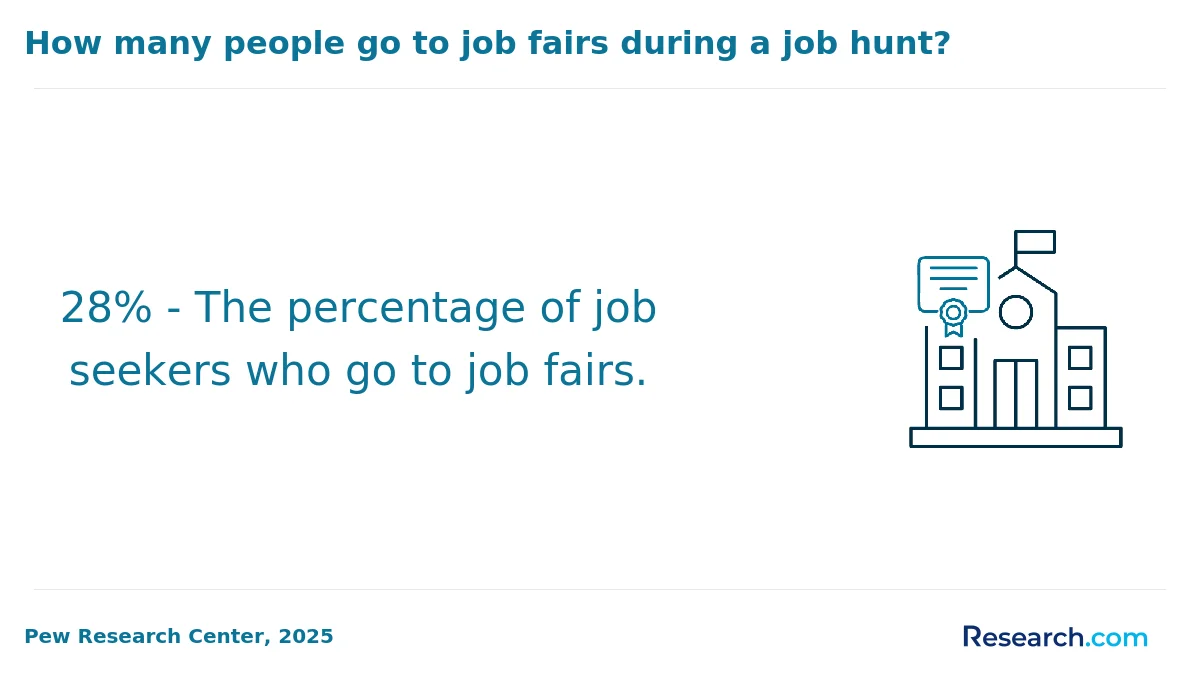
Networking is essential; attending local job fairs and connecting with Miles City employers can open doors. Additionally, earning relevant certifications related to your degree can enhance job prospects. Staying informed about industries growing in Miles City, such as healthcare or skilled trades, increases your chances of success.
Employers in Miles City highly value associate degree graduates who possess strong technical and interpersonal skills. According to the Montana Department of Labor & Industry, proficiency in computer literacy, especially in Microsoft Office and basic data management, ranks among the top job requirements.
Additionally, effective communication is essential. Employers expect graduates to clearly convey information both verbally and in writing. Critical thinking and problem-solving abilities are also frequently mentioned in regional job postings, with over 60% of local employers prioritizing these skills in 2023.
Time management and teamwork are equally important soft skills, helping graduates adapt to diverse work environments. Being dependable and showing initiative can significantly enhance employment prospects in Miles City's competitive job market.
Finding internships in Miles City that align with your associate degree program involves several strategic steps. Start by contacting local community colleges such as Miles Community College, which often maintain partnerships with regional employers to offer internship placements. The college's career services can be invaluable for connecting students with opportunities in fields like healthcare, business, or technology.
The Miles City Chamber of Commerce also serves as a resource hub, listing businesses willing to host interns. According to the Montana Department of Labor, small businesses in Miles City account for over 70% of local employment, making them potential internship sites, especially in trades and services.
Additionally, online job boards like Handshake and MontanaWorks.gov provide internship listings specific to Eastern Montana, including Miles City. Networking at local events can further enhance your chances.
In Miles City, earning an associate degree can significantly impact career mobility and advancement. According to data from the U.S. Bureau of Labor Statistics, workers with an associate degree often earn about 20% more than those with only a high school diploma. This credential provides specialized skills valued by local employers in healthcare, manufacturing, and business sectors.
Many associate degree programs in Miles City are designed to meet regional labor market needs, helping graduates qualify for higher-paying jobs or supervisory roles. Additionally, an associate degree serves as a stepping stone to pursuing a bachelor's degree, further enhancing career prospects.
Employers in Miles City increasingly recognize the practical training associate degrees offer, making graduates more competitive. The Montana Department of Labor reports that adults with associate degrees have a 15% higher employment rate locally, reflecting greater job stability and advancement opportunities.
In Miles City, part-time job opportunities that complement associate degree education are diverse and relevant to local industries. Healthcare support roles, such as medical assistants or pharmacy aides, provide practical experience for students pursuing health-related degrees. Retail and customer service positions, common in the area, allow students in business or communications programs to develop interpersonal and management skills.
According to the Montana Department of Labor & Industry, jobs in the healthcare and social assistance sectors are expected to grow steadily, offering stable part-time options. Additionally, positions in local government or education support can benefit students studying public administration or early childhood education.
These part-time jobs not only offer income but also valuable experience related to associate degree fields, enhancing employability after graduation.
If you're searching for affordable degree programs near Miles City, MT, there are educational institutions available, such as community colleges or technical schools, that often offer cost-effective options. Research.com can be a useful resource for checking cost and program specifics. Additionally, programs and universities near me typically offer financial aid and scholarships to further assist with affordability.
- Is an Online Degree the Same as a Traditional Degree | Online Degree https://www.cambridgehealth.edu/online-degrees/get-an-online-degree/is-an-online-degree-the-same-as-a-traditional-degree/
- A comprehensive overview of the Associate Degree https://www.crimsoneducation.org/us/blog/what-is-an-associate-degree
- Research - Shortest Doctoral Programs Online https://research.com/degrees/shortest-doctoral-programs-online
- Cost of Attendance - Miles Community College https://www.milescc.edu/FinAid/Cost-of-Attendance.aspx
- The Ultimate Guide to Internships | BestColleges https://www.bestcolleges.com/resources/ultimate-guide-internships/
- Collegescorecard https://collegescorecard.ed.gov/
- How to Properly List Your Academic Degrees and Credentials - ASET - The Neurodiagnostic Society https://www.aset.org/docs/individuals/how-to-properly-list-your-academic-degrees-and-credentials/
- Learn the Top Six “Soft Skills” Employers Look for in College Graduates https://admissions.usf.edu/blog/learn-the-top-six-soft-skills-employers-look-for-in-college-graduates
- profile icon https://www.niche.com/colleges/search/top-associates-degrees-in-information-technology/s/montana/
- Online vs Traditional Degrees: Similarities and Differences https://www.aiu.edu/blog/online-vs-traditional-degrees/


