Most Affordable Associate Degree Programs - Leading Certification Courses in Midwest for 2026

Co-Founder and Chief Data Scientist
Choosing the right associate degree program can shape your future, especially when affordability matters. This article introduces the most affordable associate degree programs in the Midwest for 2026, designed to guide you through your options.
The Research.com team of data scientists created a detailed ranking of trade school programs to help you make an informed decision about which paths deliver the best value.
By exploring these programs, you’ll discover opportunities that align with your goals and budget, making your journey toward a rewarding career more accessible and confident.
Key benefits of associate degrees in Midwest
- Associate degree graduates in the Midwest can earn impressive salaries, such as $144,580 for air traffic controllers, $104,240 for nuclear technicians, and $94,260 for dental hygienists, showing strong earning potential across various fields.
- Popular career paths include healthcare roles like radiation therapists and diagnostic medical sonographers, and technical jobs like electrical engineering technologists-offering diverse options for graduates to find rewarding work.
- Online associate degrees provide flexibility and convenience, allowing students from busy lives or remote areas in the Midwest to earn their credentials without sacrificing job or family time, just like many successful online school graduates.
- Most Affordable Associate Degree Programs - Leading Certification Courses in Midwest for 2026
- What can I expect from associate degree programs in Midwest?
- Where can I work after finishing associate degree programs in Midwest?
What can I expect from associate degree programs in Midwest?
The average cost of an associate degree program in the Midwest generally ranges from $138 to $344 per credit hour at in-state public community colleges, as seen in Missouri institutions. Graduates often recall how this affordability made pursuing higher education manageable alongside work or family commitments.
Many students experience a blend of general education and specialized coursework designed to prepare them for immediate employment or transfer to a bachelor's program. For instance, a graduate from a popular Midwest community college shared how evening classes in healthcare allowed hands-on clinical placements without disrupting their day job. Another described how small class sizes in IT programs encouraged direct faculty mentorship, boosting confidence and practical skills.
Financial aid, including federal grants and state scholarships, often eases expenses further, with some employers offering tuition assistance. This support, combined with flexible scheduling and multiple annual start dates at urban and suburban campuses, helps students balance education with life demands, making associate degree programs both accessible and rewarding.
Where can I work after finishing associate degree programs in Midwest?
After completing an associate degree program in the Midwest, graduates often find rewarding careers in healthcare, automotive technology, IT, administration, manufacturing, and skilled trades. For instance, many healthcare graduates from community colleges near Chicago and Detroit quickly secure roles as medical assistants or licensed practical nurses, benefiting from a region-wide demand with about 1.9 million healthcare openings annually nationwide.
Automotive service technicians trained at technical schools in cities like Cleveland report satisfaction working in dealerships or repair shops, earning median salaries near $57,000. Information technology graduates from popular Midwest programs in Cincinnati frequently enter growing tech hubs as IT support specialists, enjoying a steady 6% job growth outlook.
Administrative roles are plentiful-office managers and executive assistants from local colleges find themselves in stable positions with median pay over $54,000. Skilled trades graduates skilled in welding or HVAC feel confident knowing factories and construction sites across the Midwest consistently seek their expertise.
Physical therapy assistants trained through programs in community colleges experience a promising career trajectory, often seeing a 19% growth in demand, which brings both job security and personal fulfillment in rehabilitation settings.
Graduates from associate degree programs in the Midwest often see a promising jump in earnings compared to their high school peers. For example, men typically earn a median annual salary of about $62,868, while women earn around $47,892. These figures reflect a strong financial benefit from completing a two-year degree, especially for students attending well-known Midwestern schools where costs remain manageable.
Racial and ethnic disparities exist but overall median earnings for associate degree holders 25 and older stand at $52,170 for Asian graduates, $50,930 for White, $46,950 for Black, and $45,770 for Hispanic graduates. Graduates often share stories of landing strong starting salaries in careers like registered nursing, where wages typically range from $60,000 to $70,000. Technical roles in engineering or paralegal fields yield starting pay from $45,000 to $65,000, showing the tangible returns of Midwestern programs.
Many graduates from schools around Kansas, Iowa, and Wisconsin emphasize how their pay stretches further due to the lower cost of living, making their degrees a wise investment for a stable, fulfilling career.
- "Completing my Associate Degree in HVAC Technology at a Midwest trade school was a game-changer. The hands-on training made me confident, and local job connections helped me secure a role as a refrigeration technician quickly. I love knowing my skills directly contribute to keeping homes comfortable all year." - Tyler
- "Attending a community college in the Midwest for my Associate Degree in Business Administration gave me a strong foundation and flexible schedule to balance family life. The practical coursework prepared me well for my marketing assistant job, where I now thrive and continue to grow professionally." - Maria
- "Earning an Associate Degree in Culinary Arts from a Midwest culinary institute was an amazing journey. The intensive trade-focused program boosted my creativity and technical abilities, leading me to a rewarding role as a sous chef at a top local restaurant. It truly turned my passion into a career." - Jordan
- Admission usually requires a high school diploma and a GPA between 2.0 and 3.0, with some programs needing prerequisite courses like biology and chemistry.
- The average tuition and fees cost about $4,000 to $5,000 per year at public community colleges, totaling around $8,000 to $10,000 for the full two-year program.
- Programs offer on-campus, hybrid, and online formats, often including internships or externships for practical experience.
- Starting salaries for graduates typically range from $35,000 to $45,000 per year, with potential to earn $50,000 or more with experience and certifications.
- Students must usually maintain a minimum GPA of 2.0 to stay in good standing and graduate.
Most associate degree programs in the Midwest take about two years to complete, assuming full-time study with roughly 15 credits per semester. Graduates from popular Midwest associate degree schools often share how staying on this traditional schedule helped them enter the workforce quickly and confidently. For many, balancing studies with campus life and part-time jobs feels achievable within this two-year frame.
Part-time students, on the other hand, may extend their associate degree journey to three years or more. Those juggling family responsibilities or full-time work often appreciate Midwest colleges' flexible scheduling, allowing slower but steady progress without sacrificing other commitments.
Some students thrive in accelerated programs offered by trade schools and technical colleges in the region. With eight-week terms or year-round classes, motivated learners can finish their degrees in less than two years, speeding up their career entry and earning potential.
Additionally, prior learning assessments and transfer credits common at Midwest institutions can shorten completion times, rewarding past experiences and knowledge, which many graduates find encouraging and motivating.
The core difference between online and on-campus associate degree programs in the Midwest is the mode of instruction and flexibility offered. Online programs, like those available through the University of Wisconsin system, provide students with the convenience to study anywhere and anytime. Graduates often mention the relief of juggling family and work commitments while progressing through self-paced competency-based formats, which can shorten completion time and reduce costs with flat-rate tuition. Others appreciate the structured semester-based online classes that mimic traditional timelines but allow remote participation.
In contrast, on-campus programs require physical attendance at colleges or community campuses. Many students praise the direct interactions with professors and peers, finding motivation and engagement through hands-on labs and campus resources. The set class schedules foster discipline and a strong routine, which suits those who thrive in structured environments. Most Midwest institutions, regardless of format, require 60 credits for graduation and give access to support services, though online students access these digitally while on-campus learners benefit from immediate face-to-face help.
The average cost of associate degree programs in Midwest public institutions ranges broadly, typically between $3,000 and $8,200 per year for tuition and mandatory fees. For instance, graduates from the University of Wisconsin-Milwaukee, a well-known regional institution, often pay around $5,628 annually if they are Wisconsin residents, while those eligible for the Midwest regional tuition rate face costs closer to $8,204. These figures provide a realistic picture for students budgeting for their education in this region.
At technical colleges such as Milwaukee Area Technical College, the Midwest associate degree tuition and fees tend to be more affordable. A full-time resident student taking 12 credits per semester typically pays about $1,481.40 per semester, summing to approximately $2,963 each academic year. This lower cost appeals to many recent graduates who appreciated balancing quality education with financial practicality. Non-residents, however, encounter higher tuition costs, roughly $3,880 yearly.
More traditional universities with associate degrees, such as UW-Platteville, charge per credit-around $367 per credit-leading to an overall tuition near $22,000 for the full 60-credit associate program. Despite this, many students find success attending community colleges or technical schools where tuition is significantly lower. Online associate degree programs in the Midwest also offer competitive tuition, often between $7,590 and $8,820 annually, which fits well for working adults seeking flexibility.
When estimating total expenses, it is essential to consider additional costs such as books, which average about $200 per course. Graduates often highlight the value of affordable tuition combined with manageable ancillary costs, enabling them to pursue a variety of career paths. For those researching certificates that make the most money, Midwest associate degree programs offer practical education with financial accessibility.
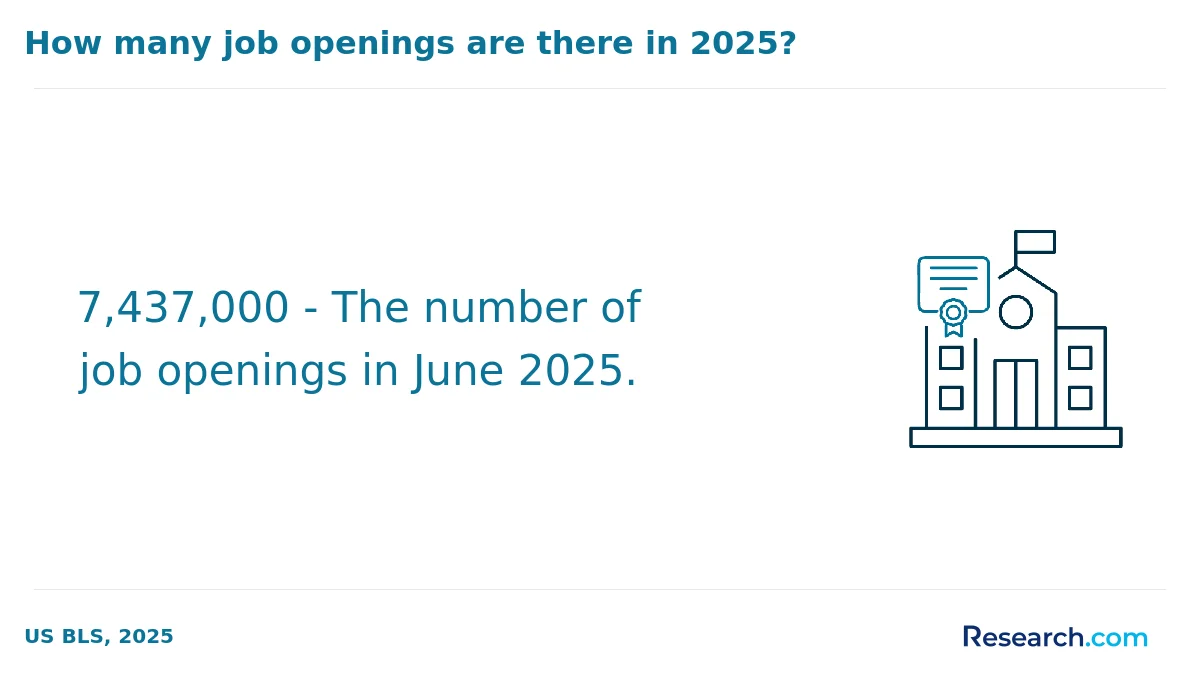
Students pursuing associate degrees in the Midwest benefit from a variety of financial aid options that significantly ease the cost burden. Federal aid, accessed through FAFSA, remains the cornerstone. Graduates from community colleges in Illinois and Michigan often highlight how Pell Grants covered large portions of their tuition, allowing them to focus on studies without immediate financial stress. Federal student loans are available but only require repayment after graduation or dropping below half-time status, providing essential breathing room during study periods.
State-specific programs also play a crucial role. In Wisconsin, many first-time, full-time students from families earning $55,000 or less take advantage of the Wisconsin Tuition Promise, which covers tuition and fees at University of Wisconsin campuses. This aid has been transformative for Midwest students who otherwise might have deferred education due to cost.
Institutional scholarships awarded by colleges often reward academic excellence or financial need. Graduates from popular Midwest schools commend how automatic consideration for these aids-triggered by FAFSA submission-encouraged their persistence and academic progress. Maintaining Satisfactory Academic Progress ensures ongoing eligibility, reflecting a system that motivates consistent achievement.
To enroll in an associate degree program in the Midwest, applicants generally must have a high school diploma or an equivalent credential such as a GED. Graduates from community and technical colleges across states like Wisconsin and Illinois often share how submitting official transcripts was a straightforward but crucial first step to confirm their academic readiness.
For those targeting healthcare-related associate degrees, prerequisites intensify. For instance, at Northwood Technical College in Wisconsin, students must complete foundational courses like English Composition, General Anatomy and Physiology, and Developmental Psychology before progressing to nursing-specific subjects. Many students appreciate this structure as it builds confidence and solid knowledge prior to clinical practice.
Additional requirements in these programs typically include:
- Completion of a nursing assistant course with at least a C grade
- Current Basic Life Support (BLS) certification
- Recent physical exam and necessary immunizations
- Clear criminal background checks
Non-healthcare associate tracks usually have more flexible entry criteria, often requiring only a diploma and a college application. Some students remember placement testing in math or English helped tailor their starting point, making their transition smoother and success more attainable.
Transfer students should note that official transcripts and proof of prior college coursework improve their chances of seamless integration into Midwest programs. Many graduates emphasize that, despite variations, Midwest colleges maintain accessible and student-supportive admissions policies that promote academic achievement and personal growth.
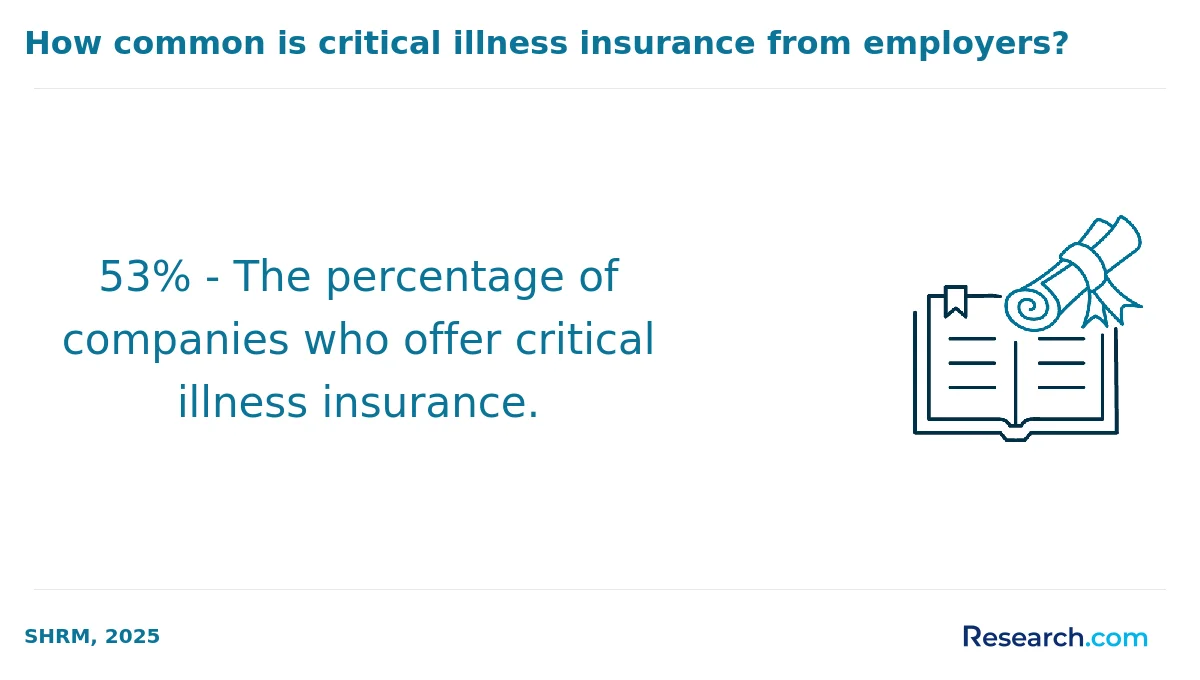
Associate degree curriculum Midwest colleges typically includes a balanced mix of general education and specialized courses designed to equip students with foundational knowledge and practical skills. Graduates from popular Midwest associate degree schools often praise the well-structured programs that prepare them effectively for either immediate employment or smooth transfer to four-year institutions.
Common courses in Midwest associate degree programs focus heavily on core subjects such as:
- Communications, including English composition and public speaking
- Mathematics
- Humanities and Fine Arts
- Social and Behavioral Sciences
- Natural Sciences
This combination is evident in curricula like Missouri's CORE 42, which requires 42 credits across these key areas to ensure transferability within the state's public colleges.
Students often choose electives or pre-professional tracks in fields like nursing or engineering to align with their career ambitions. Technical programs emphasize career-specific skills in areas such as cybersecurity, health information technology, and advanced manufacturing. Many graduates feel well-prepared to enter the workforce, citing hands-on courses and relevant training from institutions known for strong applied science programs.
Midwest students seeking flexible, reputable options can find comprehensive offerings among the top programs for older adults online, highlighting the region's commitment to accessibility and practical education.
Choosing the best Midwest associate degree program involves evaluating accreditation, program relevance, affordability, and outcomes. Graduates from Bismarck State College often commend its accredited cybersecurity and health sciences programs for preparing them effectively for high-demand jobs with employment rates above 90%. Students attracted by the best Midwest associate degree program criteria also emphasize the importance of a school's faculty support, noting smaller class sizes at Olney Central College provided personalized guidance that boosted their confidence and academic success.
For budgeting, prospective students must focus on how to compare Midwest associate degree costs beyond sticker prices. Donnelly College and Bismarck State offer tuition under $9,000 yearly, which many find manageable compared to private options. Those looking for cost-effective pathways often explore financial aid and scholarships alongside tuition fees.
Many graduates share positive experiences balancing academic rigor with affordable investment, a sentiment echoed widely in the Midwest. For individuals aiming for a practical approach to affordable education and career advancement, the cheapest easiest masters degree resources offer insights that can complement their associate degree planning.
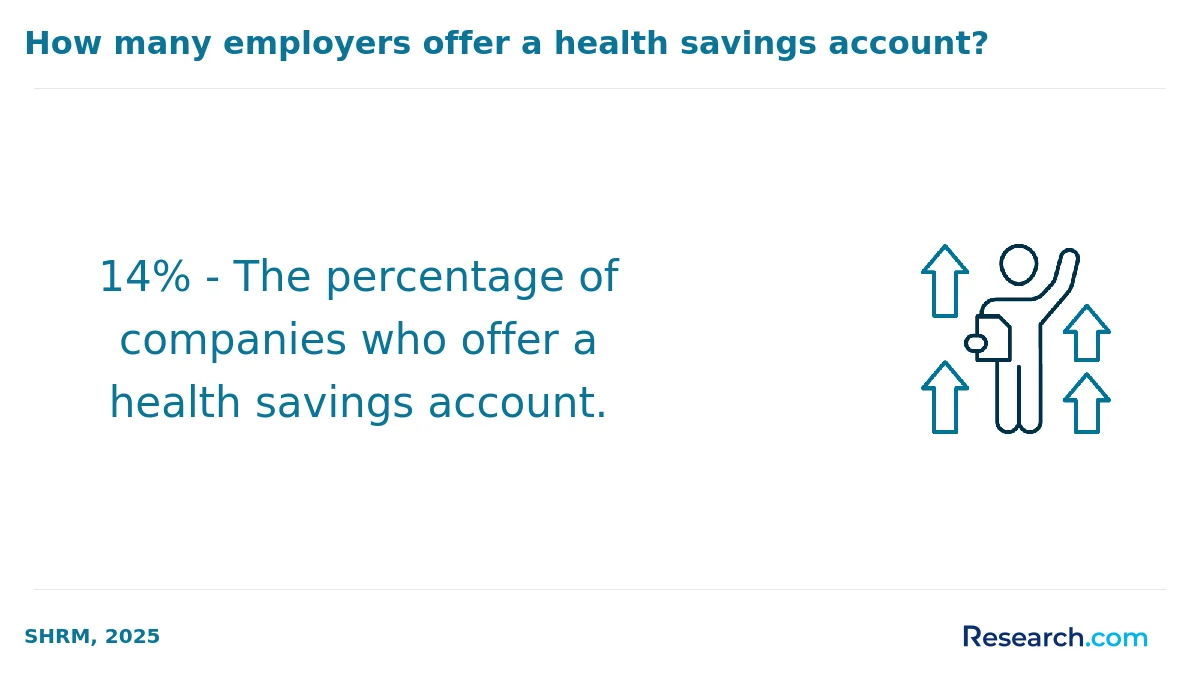
Associate degree jobs in Midwest span multiple thriving industries offering robust career opportunities with strong salaries. Graduates from popular associate degree schools in the region often find employment in healthcare fields such as radiation therapists, dental hygienists, and respiratory therapists, with salaries reaching up to $144,580 annually. The healthcare sector emphasizes certification but relies heavily on the foundational education provided by these programs.
In technology and business, graduates step into roles like computer support specialists and business analysts, benefiting from approximately 356,700 annual job openings nationwide. Many from Midwest colleges report satisfaction entering sales and finance positions, where sales managers see 6% projected growth. These career opportunities for Midwest associate degree graduates reflect a practical path for sustained earnings and growth.
Skilled trades and public service also represent meaningful options. Automotive technicians, police officers, and correctional officers, with median salaries around $60,719, benefit from steady demand and clear advancement paths. Science-related roles such as biological and environmental technicians are expanding by 7% and serve as gateways to advanced studies.
Graduates share how these paths enable rapid entry into stable jobs, especially when studying at institutions recognized among the best cheap online universities that accept fafsa. This accessibility amplifies their career prospects and financial confidence.
Employment data from October 2024 shows that recent associate degree graduates in the Midwest enjoy a strong job outlook, with a 78.1 percent employment rate surpassing that of recent bachelor's degree holders aged 20 to 29. Graduates from well-known associate degree schools in the region often share success stories in healthcare support and manufacturing, reflecting a stable demand for middle-skill workers-those with education beyond high school but below a bachelor's degree.
Key factors driving the job outlook for associate degree holders in Midwest include:
- In Iowa, 37 percent of job openings from 2010 to 2025 require middle-skill qualifications, making associate degrees highly relevant.
- Healthcare support jobs constitute a large segment, with 67 percent needing some postsecondary education but not a bachelor's degree.
- 400,000 middle-skill jobs in Iowa pay at least $35,000 annually, with 40 percent exceeding $50,000, highlighting lucrative earning potential.
Michigan's leadership in adult credential attainment further boosts opportunities by providing career services and tailored training to graduates. Many examples of fastest growing associate degree careers Midwest are found in healthcare, sales, and skilled trades, where graduates access rewarding paths that don't require four-year degrees. Exploring in-demand trade jobs offers valuable insight into the evolving market and career options for associate degree holders in the Midwest.
Most Affordable Associate Degree Programs - Leading Certification Courses in Midwest for 2026
# 1 position
Metropolitan Community College Area - Electrician.
associateThe Electrician program at Metropolitan Community College Area offers a hybrid format with some distance education options. It prepares students to install, operate, maintain, and repair electrical systems and apparatus in residential, commercial, and industrial settings. The curriculum covers electronics principles, wiring, power transmission, safety, and applicable codes. Annual in-state tuition is $3,285, and median earnings one year after completion reach $64,751. The program is accredited by the Higher Learning Commission.
# 2 position
Metropolitan Community College Area - Automobile/Automotive Mechanics Technology/Technician.
associateThe Automobile/Automotive Mechanics Technology/Technician program at Metropolitan Community College Area offers a hybrid learning format. It prepares students to repair, service, and maintain various automobile systems, including brakes, electrical, engines, transmissions, and heating/air conditioning. The program is accredited by the Higher Learning Commission. Annual in-state tuition is $3,285, and median earnings one year after completion reach $52,060.
# 3 position
Metropolitan Community College Area - Computer and Information Sciences, General.
associateThe Computer and Information Sciences, General program at Metropolitan Community College Area is fully online, offering flexible distance learning. The annual in-state tuition is $3,285. This general program covers computing, computer science, and information science and systems without focusing on specific specializations. Graduates have a median earnings of $48,719 one year after completion. The program is accredited by the Higher Learning Commission.
# 4 position
Metropolitan Community College Area - Legal Assistant/Paralegal.
associateThe Legal Assistant/Paralegal program at Metropolitan Community College Area is a hybrid course designed to prepare students for research, drafting, investigatory, and administrative tasks under attorney supervision. The curriculum includes legal research, document drafting, pleading, courthouse procedures, and legal specializations. Annual in-state tuition is $3,285. The program is accredited by the Higher Learning Commission, providing recognized credentials for students pursuing a legal support career.
# 5 position
Metropolitan Community College Area - Heating, Air Conditioning, Ventilation and Refrigeration Maintenance Technology/Technician.
associateThe Heating, Air Conditioning, Ventilation and Refrigeration Maintenance Technology/Technician program at Metropolitan Community College Area prepares students to repair, install, service, and maintain heating, air conditioning, and refrigeration systems. The hybrid program includes instruction in diagnostic techniques, testing equipment use, and principles of mechanics, electricity, and electronics. Annual in-state tuition is $3,285. The program is accredited by the Higher Learning Commission.
# 6 position
Metropolitan Community College Area - Industrial Mechanics and Maintenance Technology/Technician.
associateThe Industrial Mechanics and Maintenance Technology/Technician program at Metropolitan Community College Area offers hybrid learning with some distance-education options. It prepares students to repair and maintain industrial machinery and equipment, including cranes, pumps, engines, pneumatic tools, conveyor systems, and refinery systems. The program’s annual in-state tuition is $3,285. It is accredited by the Higher Learning Commission.
# 7 position
Metropolitan Community College Area - Welding Technology/Welder.
associateThe Welding Technology/Welder program at Metropolitan Community College Area offers hybrid learning with some distance-education options. It prepares students to work with various welding techniques, including arc welding, brazing, cutting, and welding metallurgy. The program covers safety, structural design, and industry codes and standards. Annual in-state tuition is $3,285. The program is accredited by the Higher Learning Commission.
# 8 position
Metropolitan Community College Area - Medical Insurance Coding Specialist/Coder.
associateThe Medical Insurance Coding Specialist/Coder program at Metropolitan Community College Area is fully online, offering specialized training in medical data entry, classification, and record-keeping related to diagnostic, treatment, billing, and insurance documentation. The curriculum covers medical records software, anatomy, medical terminology, coding procedures, and relevant Medicare regulations. Annual in-state tuition is $3,285. The program is accredited by the Higher Learning Commission, with median earnings of $44,112 one year after completion.
# 9 position
Metropolitan Community College Area - Accounting.
associateThe Accounting program at Metropolitan Community College Area prepares students for careers in accounting and related business functions. It covers principles and theory, financial and managerial accounting, cost accounting, tax accounting, auditing, and reporting procedures. Students learn about business information systems, professional standards, ethics, and applications in various organizations. Annual in-state tuition is $3,285. The program is accredited by the Higher Learning Commission.
# 10 position
Metropolitan Community College Area - Business Administration and Management, General.
associateMetropolitan Community College Area offers a fully online Business Administration and Management, General program. It prepares students to plan, organize, and direct organizational functions, covering management theory, human resources, accounting, purchasing, marketing, and business decision-making. The program is accredited by the Higher Learning Commission. Annual in-state tuition is $3,285, and median earnings one year after completion are $43,956.
Frequently Asked Questions about associate degree programs
Preparing for the job market after completing an associate degree in the Midwest involves several key steps. Graduates should focus on gaining relevant work experience through internships or part-time positions, which 46% of employers in the region prioritize when hiring associate degree holders, according to the National Center for Education Statistics. Building a strong resume and practicing interview skills are essential to showcase technical competencies and soft skills. Additionally, networking through local job fairs and community colleges can connect graduates with employers in industries like healthcare, manufacturing, and information technology, which dominate Midwest job markets. Continued skill development, such as certifications, also improves employment prospects.
Employers in the Midwest highly value both technical and soft skills in associate degree graduates. According to the National Association of Colleges and Employers (NACE) 2023 report, critical thinking and problem-solving top the list, with 84% of employers seeking these abilities. Additionally, communication skills remain essential, as 79% of employers emphasize the need for clear verbal and written communication.
Technical proficiency also plays a crucial role. For example, in healthcare and manufacturing sectors common in the Midwest, skills such as data analysis, computer literacy, and applied mathematics are frequently required. The U.S. Bureau of Labor Statistics highlights that proficiency in these areas can increase job placement rates significantly.
Employers further value teamwork and adaptability, given the dynamic nature of many regional industries. A 2022 survey by the Midwest Economic Policy Institute found that 68% of businesses prioritize graduates who demonstrate flexibility and collaboration in the workplace.
Finding internships relevant to your associate degree program in the Midwest involves several key steps. Start by contacting the career services office at your college, as many community colleges maintain partnerships with local employers. According to the National Association of Colleges and Employers, about 60% of internships come through such campus connections.
Utilize regional job boards like Handshake and state workforce development websites, which regularly list internship opportunities in states like Illinois, Ohio, and Michigan. In addition, joining professional associations aligned with your field can expand your network and internship leads.
Many Midwest industries, such as manufacturing and healthcare, offer internships specifically designed for associate degree students, often paid and ranging from 8 to 12 weeks. Checking directly with local businesses and industry groups increases your chances of finding a good fit.
In the Midwest, earning an associate degree can significantly enhance career mobility and advancement opportunities. According to the National Center for Education Statistics (NCES), nearly 40% of Midwest jobs requiring postsecondary education are accessible with an associate degree. These programs often equip students with practical skills preferred by local employers, especially in healthcare, manufacturing, and information technology.
Moreover, the Bureau of Labor Statistics data shows that Midwest workers with an associate degree earn roughly 20% more on average than those with only a high school diploma. This wage premium supports upward career movement and increases job stability.
Community colleges in states like Illinois and Ohio offer pathways for credit transfer to four-year institutions, further aiding long-term career growth. Such flexibility combined with relatively low tuition costs makes associate degrees a practical choice for many Midwest residents seeking economic advancement.
Part-time job opportunities in the Midwest that complement associate degree education often align with the field of study. For example, students studying healthcare-related programs can find work as medical assistants, pharmacy technicians, or home health aides. According to the U.S. Bureau of Labor Statistics (BLS), healthcare support jobs in the Midwest are projected to grow by 10% from 2022 to 2032.
In technology, positions like IT support specialists or computer user support technicians offer relevant part-time roles. These jobs provide practical experience while helping offset educational costs. Manufacturing roles, common in states like Ohio and Indiana, also offer part-time assembly or quality control jobs for students in technical programs.
Retail and customer service remain prevalent, especially in urban centers such as Chicago and Minneapolis, providing flexible hours that accommodate class schedules.
To find the most affordable degree program near me, focusing on institutions near Midwest, I would begin by identifying universities and educational institutions in the region that are known for offering cost-effective tuition rates and financial aid options. Utilizing resources such as Research.com can provide insights into various programs and university rankings based on affordability and other key factors. Reaching out to admission offices directly for detailed information about tuition costs, scholarships, and financial aid programs can also aid in narrowing down affordable choices.
- Requirements For Associate In Applied Science (AAS Degree Programs) - McHenry County College - Modern Campus Catalog™ https://catalog.mchenry.edu/content.php
- In Michigan, College is Unaffordable for Everyone, Especially Low-Income Students. We Must do More to Help Students Earn a Degree. - The Institute for College Access & Success https://ticas.org/michigan/in-michigan-college-is-unaffordable-for-everyone-especially-low-income-students-we-must-do-more-to-help-students-earn-a-degree/
- Financial Aid Eligible Programs | Madison College https://madisoncollege.edu/paying-for-college/financial-aid/eligible-programs
- Financial Aid Available for Some Technical Diplomas | Mid-State Technical College https://www.mstc.edu/financial-aid-available-for-some-technical-diplomas
- Part-time Studies Tuition and Value | Carroll University https://www.carrollu.edu/financial-aid/associate-degree-students/tuition
- What is an associate’s degree? | Top Universities https://www.topuniversities.com/blog/what-associates-degree
- Associate Degree Program | Dominican University https://www.dom.edu/admission/undergraduate/associate-degree-program
- Online vs Traditional School: A Look at the Pros and Cons https://www.uopeople.edu/blog/online-colleges-vs-traditional-colleges/
- Petersonsdata https://petersonsdata.com/
- Unlocking Career Opportunities with an Associate Degree ‐ CareerExplorer https://www.careerexplorer.com/unlocking-career-opportunities-with-associate-degree/