Most Affordable Trade School & Training Programs - Leading Certification Courses in Tuscaloosa for 2026

Co-Founder and Chief Data Scientist
Choosing the right trade school in Tuscaloosa can feel overwhelming, but we’re here to help. This article introduces a trade school programs ranking developed by the Research.com team of data scientists to guide you toward the best and most affordable options.
Getting a diploma or certification from a trade school opens doors to rewarding careers and valuable skills. Exploring these options thoughtfully can boost your confidence and set you on a path to success. Let’s make this important decision easier together.
Key benefits of finishing trade school programs trade school in Tuscaloosa
- Expected salary: Trade school graduates in Tuscaloosa can earn competitive salaries, with many making around $62,304 per year, or about $29.95 per hour, depending on the trade and experience.
- Popular careers: Many graduates find rewarding jobs in welding, electrical work, HVAC technology, and fabrication, all of which have steady local demand and opportunities for growth.
- Online benefits: Earning a trade school diploma or certification online offers flexibility and often faster entry into the workforce, making it easier to balance life while gaining valuable skills from a recognized Tuscaloosa trade school.
- Most Affordable Trade School & Training Programs - Leading Certification Courses in Tuscaloosa for 2026
- What can I expect from trade school programs trade schools in Tuscaloosa?
- Where can I work after finishing trade school programs trade schools in Tuscaloosa?
What can I expect from trade school programs trade schools in Tuscaloosa?
Picture walking into a Tuscaloosa trade school classroom where your $3,000 to $8,000 program cost doesn't just buy theory-it buys hands-on drills in welding or culinary arts, guided by pros who've been in the trenches. Graduates from places like Shelton State Community College often recall balancing lab time with internships at local businesses, feeling the thrill of learning skills that immediately translate to paychecks.
Imagine earning industry certifications that open doors across Alabama, all while juggling a schedule packed with real-world tasks instead of just textbooks. At the Nucor Technical Academy, some students describe earning $12 to $16 an hour during paid training-covering part of their tuition as they sharpen skills for high-demand manufacturing jobs.
Costs vary, but many find the investment low compared to the paycheck waiting on the other side. For those balancing work, family, or virtual classes, the flexibility of Tuscaloosa's trade schools turns education into an achievable goal, not a distant dream.
Where can I work after finishing trade school programs trade schools in Tuscaloosa?
After finishing a trade school program in Tuscaloosa, your options light up like a city skyline at night. Graduates from Shelton State Community College and Skilled Trades of West Alabama don't wait long to hear back from employers hungry for skilled hands. Imagine stepping right into a bustling manufacturing plant, or walking the floor at Nucor Steel's technical academy, where recent grads train during the day and earn $14-$16 an hour as electrical maintenance rookies by evening.
Others dive straight into construction roles, swapping theory for hands-on work as HVAC techs, electricians, or plumbers. Local contractors are eager to hire, offering apprenticeships that feel more like a launchpad than a job. Skilled Trades of West Alabama graduates often reflect on how quickly their certifications opened doors around Tuscaloosa - from senior production roles to low-voltage tech jobs.
For many, it's not just a paycheck but a career with upward mobility and ongoing learning. The feeling of turning a fresh skill into a thriving career, backed by local employers actively seeking talent, creates a vibrant, energizing journey you can start right here in Tuscaloosa.
After finishing a trade school program in Tuscaloosa, imagine clocking in at around $29.95 per hour on average-enough to earn roughly $62,304 a year. Graduates from well-known local schools often share stories of starting out at entry-level wages like $20 per hour for apprentice electricians but soon advancing to roles pulling in $45 to $50 hourly as boom lift or scissor lift operators. One graduate recalls moving from hands-on training right on campus to landing a telehandler operator job paying close to $75 per hour, all within the first year.
Trade careers in Tuscaloosa aren't just about steady checks but visible growth. For instance, surveying technicians start near $36,100, then rise close to $60,511 annually with some experience. Graduates mention how local employers seek skilled workers, meaning your paycheck often reflects your new certifications and grit. You're not just crafting a trade; you're building a career that grows as surely as Tuscaloosa's skyline.
- Most trade programs in Tuscaloosa require a high school diploma or GED, with some specialized programs needing a minimum GPA of about 2.75.
- Applications generally involve submitting an online form, proof of education, and sometimes a small fee, with both day and night classes available at many schools.
- Annual tuition for in-state students at local community colleges typically ranges between $4,000 and $5,000, excluding books and fees.
- Financial aid options like Pell Grants can significantly reduce education costs for eligible students.
- Entry-level salaries in trades such as electrical work, HVAC, welding, and healthcare support usually range from $35,000 to $50,000 annually in Tuscaloosa.
- Experienced tradespeople in high-demand fields can earn more than $60,000 per year, reflecting strong local employer demand.
Picture this: you're ready to dive into a new skill, and in Tuscaloosa, some graduates from Skilled Trades of West Alabama brag about finishing their construction trade course in just 12 weeks. Two classes a week, and suddenly, you've got the basics of electrical work or general maintenance tucked under your tool belt. It's fast, focused, and designed for those eager to jump straight into the workforce.
Others chase diplomas at Shelton State Community College, wrapping up their Electrical Technology certificate in under a year. Students often share how this balance of speed and depth gave them confidence and real-world skills just in time for new job opportunities.
Looking for something meatier? Associate degrees in applied sciences can stretch up to two years-many graduates mention managing day jobs alongside their courses in automotive or welding technology, grateful for Tuscaloosa's flexible schedules that fit life's curveballs.
For those who crave immersion, the Nucor Technical Academy offers a near-three-year intensive of classroom learning mixed with on-the-job training at the mill, crafting experts ready for tough industrial roles.
Imagine juggling a full-time job, family dinners, and sudden car trouble-all while earning an associate degree from Shelton State Community College in Tuscaloosa. That's the reality for online trade school students here, who cherish the freedom to log in late at night or during work breaks. The online setup offers asynchronous lessons, perfect for those who thrive on self-motivation and crave control over their schedule.
Now picture stepping into a bustling workshop on campus, the scent of metal and machinery filling the air. On-campus trade students master hands-on skills-whether it's HVAC repair or welding-under the watchful eyes of instructors, surrounded by peers who share the same noise and excitement. This tangible connection sparks immediate feedback and fosters friendships over lunch breaks.
Graduates from both paths leave Tuscaloosa with solid credentials, but their daily experiences couldn't be more different. Online learners admire flexibility; on-campus students value the structured, interactive environment where skill meets community. Choosing your path here means considering how you want to learn, live, and connect during those transformative months.
Looking closely at the average trade school cost in Tuscaloosa, most programs fall between $5,000 and $15,000 for the full course, covering tuition and fees but not always the extras like books or tools. For example, graduates from Shelton State Community College report paying around $8,997 in tuition and fees for their trade programs during the 2024-2025 academic year. This college is a favorite in Tuscaloosa for tech and trade education, offering a solid balance of affordability and quality that many students celebrate in their success stories.
Imagine starting your day at Shelton State, hands-on in a workshop where the cost you've invested feels like a smart step toward building a future. However, be prepared for additional costs. Students often mention the challenge of budgeting for materials and supplies, which can add about $2,380 to the price tag depending on their chosen field. Living expenses like housing and travel are another factor to consider, though many find ways to minimize these by living close to campus or carpooling with classmates.
When discussing Tuscaloosa trade school tuition and fees, it's important to keep in mind financial aid options that local students find invaluable. Federal Pell Grants may offer up to $6,345 annually, and the Alabama Student Assistance Program adds another layer of support, granting $300 to $5,000 depending on eligibility. Some trade schools, like the Nucor Technical Academy, even combine paid work with training, letting students offset costs through wages. For those wondering about flexible learning options, can you do community college online is a great question to explore, with many offering hybrid or online courses that fit different lifestyles perfectly.

Imagine walking into Shelton State Community College with your FAFSA already submitted, unlocking access to federal Pell Grants that can cover thousands of dollars without a repayment shadow looming over you. Graduates recall the relief of seeing their tuition shrink thanks to these grants, which vary based on need and enrollment but can reach up to $7,395 for 2025-2026.
Then there's the little-known Federal Supplemental Educational Opportunity Grants (FSEOG) and work-study gigs, perfect for those who want to earn while learning, balancing part-time jobs tailored to their schedules. Some trade students share that these work-study programs helped them avoid piling up debt while gaining valuable experience.
Beyond government aid, Shelton State's financial aid team is a lifesaver, guiding students through forms, deadlines, and decisions so no dollar is left unclaimed. Plus, trade programs like Nucor Technical Academy sweeten the deal with paid training - earning $12 to $16 per hour while mastering skills and even getting travel expenses reimbursed. That's not just schooling; that's earning your future in Tuscaloosa.
If you're considering a trade school in Tuscaloosa, expect to show you've got the basics covered before diving in. Most programs want you to have your high school diploma or GED-think of it as your ticket to the hands-on world of welding, nursing assistant training, or automotive tech. Graduates often recall the relief of clearing that hurdle, knowing it lined them up perfectly for success.
For those eyeing dual enrollment at Shelton State Community College, it's a bit more specific: a 2.5 GPA usually opens doors to academic-intensive tracks, while 2.0 suffices for many vocational courses. Imagine a student juggling high school and college credits proudly submitting their high school transcript and photo ID, feeling ready to take on practical skills.
Specific course prerequisites might pop up, too. Past students remember needing solid math or science backgrounds, sometimes even computer literacy, before they could start labs or workshops. It's all about setting you up to thrive on the job.
Plus, Tuscaloosa City Schools require seniors to map out their next steps-whether that's trade school, an apprenticeship, or more hands-on work-guided by career coaches who turn dreams into plans.
- High school diploma or GED essential
- GPA requirements vary by program, often 2.5 or 2.0 minimum
- Official transcripts and photo ID needed at application
- Course prerequisites like math, science, or computer basics common
- Postsecondary plan required for high school seniors
Trade school programs in Tuscaloosa unlock hands-on skills that translate into real jobs fast. Graduates often share stories of mastering practical crafts like:
- Electrical technology-powering homes and businesses with confidence;
- Plumbing-fixing leaks and installing pipes with precision;
- Welding-sparking metal into strong, sturdy structures;
- HVAC/R-keeping air cool or warm, mastering comfort control;
- Maintenance technician training-becoming the go-to expert for fixing machines and systems;
- Construction trades-building the city's foundation while learning safe, efficient tool use.
For example, students at Shelton State dive deep into plumbing and welding, gaining everything from safety know-how to advanced skills that employers crave. Those enrolled in the Maintenance Technician program leave feeling ready to wow hiring managers with verified competencies.
Over at Skilled Trades of West Alabama, a 12-week boot camp immerses newcomers in career planning and power tool mastery, all taught by NCCER-certified pros. It's the kind of course that turns nervous beginners into confident builders.
Meanwhile, tech-hungry learners at Nucor Technical Academy team up with Shelton State to earn an Associate degree in Electrical Technology, blending classroom lessons and on-the-job experience-perfect for those aiming to maintain complex electrical systems.
Trade schools in Tuscaloosa serve up a vibrant menu of specializations that truly match the pulse of local industries. Imagine diving into Electrical Technology or Industrial Electronics at Shelton State Community College, where graduates share stories of hands-on projects that felt like real-world problem-solving from day one. Some even rave about the Mercedes-Benz Mechatronics Program, which trains you for cutting-edge manufacturing roles often bustling right here in Alabama.
For those who love tangible skills with immediate payoff, the Skilled Trades of West Alabama offers programs like HVAC, Plumbing, and Electrical that fit into busy lives with flexible daytime and evening classes. Graduates step into these fields with confidence, knowing their training aligns perfectly with employer expectations.
High school students aren't left behind-Tuscaloosa's Career and Technology Academy features over 25 Career and Technical Education (CTE) programs, including accounting and computer science, getting teens industry-ready early.
Throughout the state, trade schools also champion roles in dental hygiene, pharmacy technician, hospitality management, and automotive repair. If you want to explore affordable online trade schools programs for electricians, check out affordable online trade schools programs for electricians. This broad array ensures Tuscaloosa students land in career paths that are as rewarding emotionally as they are financially.
Choosing from the best trade school programs in Tuscaloosa starts with pinpointing what lights your fire. Graduates from local institutions often rave about how programs in healthcare or welding matched their pace and passion, turning curious beginners into confident pros ready for the workforce. Imagine balancing hands-on classes at Tuscaloosa Career & Technology Academy with a part-time job; that's the kind of flexibility many students appreciate.
When you compare Tuscaloosa trade schools, accreditation is your trusty compass. Graduates celebrate how industry certifications opened doors to apprenticeships and secured jobs, especially in electric work or robotics. The secret sauce? Programs combining classroom learning with real-world training to boost confidence and job readiness.
Cost is no small consideration. Students juggling family and budgets often seek schools offering scholarships or affordable tuition. For those diving into niche fields, exploring programs featured in most affordable online freight broker training can expand your options beyond Tuscaloosa without breaking the bank.
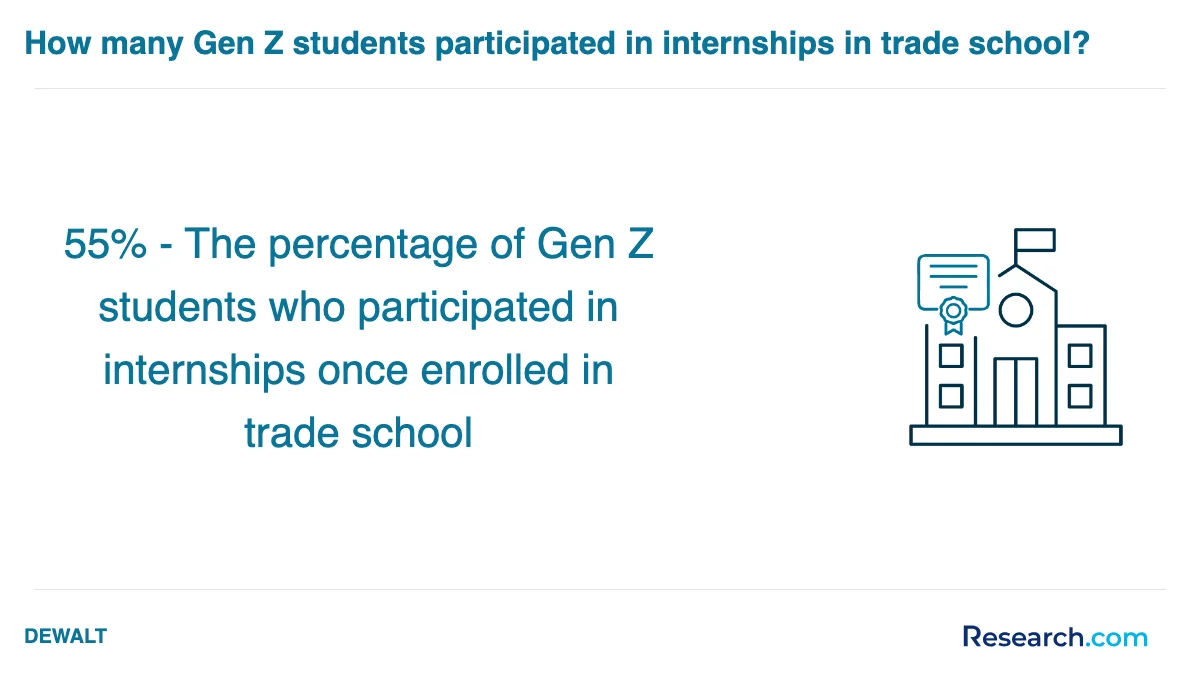
Peer insights and strong career support tip the scales-imagine connecting with local employers through your school's network, landing internships that feel less like chores and more like stepping stones to your dream job.

Trade school graduates in Tuscaloosa step into a vibrant world of career opportunities for trade school graduates in Tuscaloosa, where the pathways are as diverse as the city itself. Imagine starting your day equipped with hands-on skills from automotive repair or HVAC programs-graduates often share how fixing engines or tuning heating systems in West Alabama's homes lights up their confidence and bank accounts alike. At Skilled Trades of West Alabama, graduates recall how a 12-week construction course transformed them from novices to crew leaders, mastering everything from power tool safety to blueprint reading under NCCER Certified instructors.
For those drawn to the cutting-edge, coding bootcamps at Shelton State Community College offer a thrilling dive into fast-growing IT fields. Graduates frequently describe their leap into exciting roles in cybersecurity and software development with salaries up to $95,000. Certification in A+, Cisco Networking, and CompTIA add strong credentials to their resumes-proof that tech dreams are well within reach here.
Other lifelong learners have found their place in hospitality, manufacturing, or business administration programs provided through Tuscaloosa's broad educational system, backed by 25 career and technical programs at the high school level. For adventurous souls, exploring cheapest online electrical lineworker trade school programs can open even more doors.
Trade school graduates in Tuscaloosa step into a job market buzzing with opportunity, thanks to steady nonfarm employment hovering around 118,000 jobs. Those who trained at Shelton State Community College or the Tuscaloosa Career & Technology Academy often share stories of snagging positions with local giants like Mercedes-Benz or the Alabama Technology Network, industries hungry for skilled hands. The secret sauce? Matching vocational skills with regional demand means graduates don't just find jobs-they find careers.
Tuscaloosa employment trends for trade school graduates show a clear pattern: steady openings in manufacturing, healthcare, and technical services. Imagine a recent graduate skilled in industrial maintenance quickly landing a role paying mid-$30,000s, with a path to $90,000 for those who keep honing their craft.
For those scouting the most affordable solar technician training program, the city's network promises entry into this growing field, merging green energy skills with solid paychecks.
Key takeaways for trade school job opportunities in Tuscaloosa:
- Competitive salaries averaging around $60,863 annually
- Strong ties between training programs and employers
- High demand in technical trades like electrical assembly and dental lab tech
Most Affordable Trade School & Training Programs - Leading Certification Courses in Tuscaloosa for 2026
# 1 position
Shelton State Community College - Computer and Information Sciences, General.
associateShelton State Community College offers a hybrid Computer and Information Sciences, General program focusing on computing, computer science, and information science and systems. The program is accredited by the Southern Association of Colleges and Schools Commission on Colleges. Annual in-state tuition is $5,067. This program provides some distance-education options, allowing flexibility for students pursuing a diploma or certification in the field.
# 2 position
Shelton State Community College - Electrician.
associateThe Electrician program at Shelton State Community College offers hybrid learning to prepare students for installing, operating, and repairing electrical systems in residential, commercial, and industrial settings. Instruction covers electronics, wiring, power transmission, safety, and electrical codes. The program is accredited by the Southern Association of Colleges and Schools Commission on Colleges. Annual in-state tuition is $5,067, and median earnings one year after completion are approximately $28,129.
# 3 position
Shelton State Community College - Welding Technology/Welder.
associateThe Welding Technology/Welder program at Shelton State Community College offers a hybrid format with some distance-education options. It prepares students to apply technical skills in arc welding, resistance welding, brazing, soldering, and cutting metal surfaces. The curriculum includes welding metallurgy, heat treating, structural design, safety, and relevant codes and standards. Annual in-state tuition is $5,067. The program is accredited by the Southern Association of Colleges and Schools Commission on Colleges.
# 4 position
Shelton State Community College - Computer Numerically Controlled (CNC) Machinist Technology/CNC Machinist.
associateShelton State Community College offers a hybrid Computer Numerically Controlled (CNC) Machinist Technology program. It trains students to operate CNC machine tools, including lathes and mills, focusing on setup, programming, and troubleshooting. The curriculum covers blueprint reading, machining, technical math, CAD/CAM systems, safety, and regulations. Annual in-state tuition is $5,067. The program is accredited by the Southern Association of Colleges and Schools Commission on Colleges.
# 5 position
Shelton State Community College - Office Management and Supervision.
associateShelton State Community College offers a program in Office Management and Supervision designed to prepare individuals to oversee business office operations and personnel. The curriculum covers employee supervision, labor relations, budgeting, scheduling, office systems, records management, facility design, and public relations. The program's annual in-state tuition is $5,067. It is accredited by the Southern Association of Colleges and Schools Commission on Colleges.
# 6 position
Shelton State Community College - Automobile/Automotive Mechanics Technology/Technician.
associateShelton State Community College offers a hybrid Automobile/Automotive Mechanics Technology/Technician program designed to prepare students for repairing and maintaining various automobile systems. The curriculum covers brake, electrical, engine performance and repair, suspension, transmissions, and heating and air conditioning systems. The program’s annual in-state tuition is $5,067. It is accredited by the Southern Association of Colleges and Schools Commission on Colleges, with graduates earning a median of $27,406.55 one year after completion.
# 7 position
Shelton State Community College - Nursing Assistant/Aide and Patient Care Assistant/Aide.
certificate or diplomaThe Nursing Assistant/Aide and Patient Care Assistant/Aide program at Shelton State Community College offers a hybrid format with some distance-education options. It prepares students to perform routine nursing-related services under supervision in hospitals or long-term care facilities. The program is accredited by the Southern Association of Colleges and Schools Commission on Colleges. Annual in-state tuition is $5,067, and median earnings one year after completion are $31,713.50.
# 8 position
Shelton State Community College - Electrician.
certificate or diplomaThe Electrician program at Shelton State Community College offers a hybrid format with some distance-education options. It prepares students to install, operate, maintain, and repair electric apparatus and systems, including residential, commercial, and industrial wiring. Instruction covers electronics principles, safety, electrical testing, and applicable codes. The annual in-state tuition is $5,067, and median earnings one year after completion are $28,129. The program is accredited by the Southern Association of Colleges and Schools Commission on Colleges.
# 9 position
Shelton State Community College - Industrial Mechanics and Maintenance Technology/Technician.
certificate or diplomaShelton State Community College offers a hybrid Industrial Mechanics and Maintenance Technology/Technician program designed to prepare students to repair and maintain industrial machinery and equipment, including cranes, pumps, engines, pneumatic tools, conveyor systems, and refinery systems. The program's annual in-state tuition is $5,067. It is accredited by the Southern Association of Colleges and Schools Commission on Colleges and includes some distance-education options.
# 10 position
Shelton State Community College - Welding Technology/Welder.
certificate or diplomaThe Welding Technology/Welder program at Shelton State Community College offers a hybrid format with some distance-education options. It prepares students to apply technical skills in various welding techniques, including arc welding, resistance welding, brazing, soldering, and high-energy beam welding. The curriculum covers welding metallurgy, processes, safety, structural design, and relevant codes. Annual in-state tuition is $5,067. The program is accredited by the Southern Association of Colleges and Schools Commission on Colleges.
Frequently Asked Questions about trade school programs
Preparing for the job market after completing trade school in Tuscaloosa involves several strategic steps to enhance employability. Graduates should start by obtaining relevant certifications, as many local employers seek licensed professionals, especially in fields like HVAC, automotive repair, and electrical work. According to the U.S. Bureau of Labor Statistics, trade graduates with certifications often see employment rates above 85% within six months post-graduation.
Networking is equally vital; joining local trade associations in Tuscaloosa and attending job fairs can open doors to hands-on opportunities. Additionally, crafting a strong resume that highlights practical skills gained through internships or apprenticeships can significantly improve hiring chances.
Continuous learning and upskilling remain important, as many trades evolve with technology. Using resources like the Alabama Department of Labor's job matching services can also help graduates connect with local employers actively seeking trade professionals.
Employers in Tuscaloosa highly value both technical and soft skills when hiring trade school graduates. Technical skills such as proficiency in electrical systems, HVAC maintenance, welding, and automotive repair are essential, reflecting the region's demand for skilled labor in manufacturing and construction. According to the U.S. Bureau of Labor Statistics, certifications and hands-on experience increase employability by over 30% in skilled trades nationwide.
In addition to technical knowledge, employers emphasize communication, problem-solving, and teamwork skills. The Alabama Department of Labor highlights that 72% of local employers prioritize adaptability and strong work ethic alongside trade-specific abilities. These combined skills enhance graduates' readiness for fast-paced, real-world job environments in Tuscaloosa's growing industries.
Finding internships in Tuscaloosa that align with your trade school program involves several strategic steps. Begin by exploring connections through your school's career services, which often maintain partnerships with local businesses and industries. Trade schools in Tuscaloosa commonly collaborate with sectors like automotive repair, construction, and healthcare, reflecting the city's economic landscape.
Online resources such as the Alabama Career Center and local job boards can also list internship opportunities. According to the Alabama Department of Labor, Tuscaloosa's manufacturing and health services sectors have shown significant growth, increasing internship availability in these fields.
Networking with industry professionals at local trade associations or through Tuscaloosa's Chamber of Commerce can provide leads not easily found online. Additionally, attending job fairs specifically targeting vocational skills can boost your chances substantially.
In Tuscaloosa, a trade school diploma significantly enhances career mobility and advancement opportunities. According to recent data from the U.S. Bureau of Labor Statistics, individuals with trade certifications often earn 20% to 30% more than those without such credentials, reflecting increased demand for skilled labor in fields like electrical work, HVAC, and healthcare. Local employers in Tuscaloosa value these diplomas because they demonstrate practical skills and readiness for specialized roles, which can lead to faster promotions and wage growth. Additionally, the Alabama Department of Labor reports that trade school graduates have a higher employment rate locally, helping to reduce underemployment among young adults.
Trade diplomas also open pathways to apprenticeship programs and professional licenses, essential for career progression in many technical trades. This can accelerate movement into supervisory roles or self-employment, offering long-term economic benefits. For Tuscaloosa residents, investing in trade education can thus be a strategic step toward stable, well-paying careers in industries crucial to the regional economy.
Part-time job opportunities in Tuscaloosa that align well with trade school education span several in-demand fields. Students pursuing programs in automotive technology, HVAC, or electrical work can find part-time roles as apprentice technicians or helpers with local repair shops. According to the Alabama Department of Labor, Tuscaloosa's trade sectors have seen steady growth, with a 4% increase in skilled labor openings since 2022.
Healthcare trade students might secure part-time work as medical assistants or aides at clinics or hospitals, gaining practical experience while studying. The University of Alabama's Career Center notes healthcare roles offer flexible hours suitable for balancing coursework.
Construction-related trades also provide opportunities such as laborer or assistant positions, often available through local contractors needing support during peak seasons.
To find the most affordable degree program near me in Tuscaloosa, AL, you can start by exploring local universities such as The University of Alabama and Shelton State Community College, which offer a variety of programs and financial aid options. Research.com can be a helpful resource to compare the cost of tuition, available scholarships, and financial aid programs. Additionally, consider contacting the financial aid offices of these institutions for detailed information about programs near Tuscaloosa, AL that fit your budget and academic goals.
- Most Affordable Trade School & Training Programs - Leading Certification Courses in Statesboro for 2026
- Most Affordable Trade School & Training Programs - Leading Certification Courses in Ocala for 2026
- Most Affordable Trade School & Training Programs - Leading Certification Courses in Tulsa for 2026
- Most Affordable Trade School & Training Programs - Leading Certification Courses in Overland Park for 2026
- Most Affordable Trade School & Training Programs - Leading Certification Courses in Olathe for 2026
- Most Affordable Trade School & Training Programs - Leading Certification Courses in Topeka for 2026
- Trades Training Facility | Tuscaloosa, AL | Skilled Trades of West Alabama https://skilledtradesofwestalabama.com/
- Career & Technical Education - Tuscaloosa County School System https://www.tcss.net/departments/career-technical-education
- Technical Programs – Shelton State https://www.sheltonstate.edu/instruction-workforce-development/technical-programs/