Best Associate Degree Programs - Leading Certification Courses in Gallatin for 2026

Co-Founder and Chief Data Scientist
Choosing the right associate degree program in Gallatin can shape your future career and open new opportunities. This article introduces a carefully crafted ranking of the best associate degree programs, developed by the Research.com team of data scientists to help you make an informed decision.
Whether you're seeking practical skills or a stepping stone to further education, an associate degree offers valuable benefits. Explore this guide to find programs that match your goals and set you up for success.
Key benefits of associate degrees in Gallatin
- Expected salary: Graduates with an associate degree in Gallatin can earn competitive salaries, such as $87,417 annually for pre-nursing roles or $42,584 for administrative positions, with sales associates earning about $15.42 per hour plus commissions.
- Popular career paths: Common fields include healthcare, technical administration, and sales, offering diverse options that match different interests and skills from schools around Gallatin.
- Online degree benefits: Completing an associate degree online provides flexibility and convenience, helping students balance work and study while earning the same valued credential as traditional on-campus programs.
- Best Associate Degree Programs - Leading Certification Courses in Gallatin for 2026
- What can I expect from associate degree programs in Gallatin?
- Where can I work after finishing associate degree programs in Gallatin?
What can I expect from associate degree programs in Gallatin?
The average cost of an associate degree program in Gallatin tends to be quite reasonable, making it a popular choice for students looking to avoid heavy debt. Graduates from schools like Welch College and Volunteer State Community College often share how affordable tuition helped them focus on their studies instead of stressing over finances. Many associate programs fall well within reach thanks to state financial aid options like Tennessee Promise, which covers a big part of the expense for eligible students.
Students appreciate that even with a modest budget, they get high-quality instruction and access to hands-on experiences like labs and internships. For example, one graduate from the nursing program at Volunteer State mentioned how the program's structure and cost allowed them to balance work and study without feeling overwhelmed.
Overall, the cost combined with flexible scheduling and transfer-friendly courses makes Gallatin's associate degrees a smart and practical investment in your future.
Where can I work after finishing associate degree programs in Gallatin?
After finishing an associate degree program in Gallatin, many graduates step right into jobs that match their training and interests. For example, those studying healthcare at local colleges find roles as medical lab technicians, dental hygienists, or radiologic technologists, often earning strong salaries that make the hard work feel worthwhile. One graduate shared how starting as a registered behavior technician gave them meaningful daily work and a clear path to grow in the health sector.
Business-focused grads discover opportunities nearby too-many land positions as client service associates or office support specialists with companies around Gallatin, such as those in manufacturing or finance. Some even begin as enterprise applications analysts at local community colleges, where they feel part of a supportive team.
In addition, folks with associate degrees in skilled trades or technology often find hands-on roles like mechanical designer or CT technologist, practical jobs where they use what they learned every day. Graduates appreciate how these careers combine steady pay with benefits like tuition reimbursement, making their investment in education pay off quickly.
If you finish an associate degree program in Gallatin, you can expect to make a solid living depending on your field. For instance, graduates from healthcare programs often find themselves earning around $87,417 per year, which breaks down to about $42.03 an hour. This kind of paycheck really reflects the demand for healthcare pros in the area, especially those coming from colleges like Volunteer State Community College.
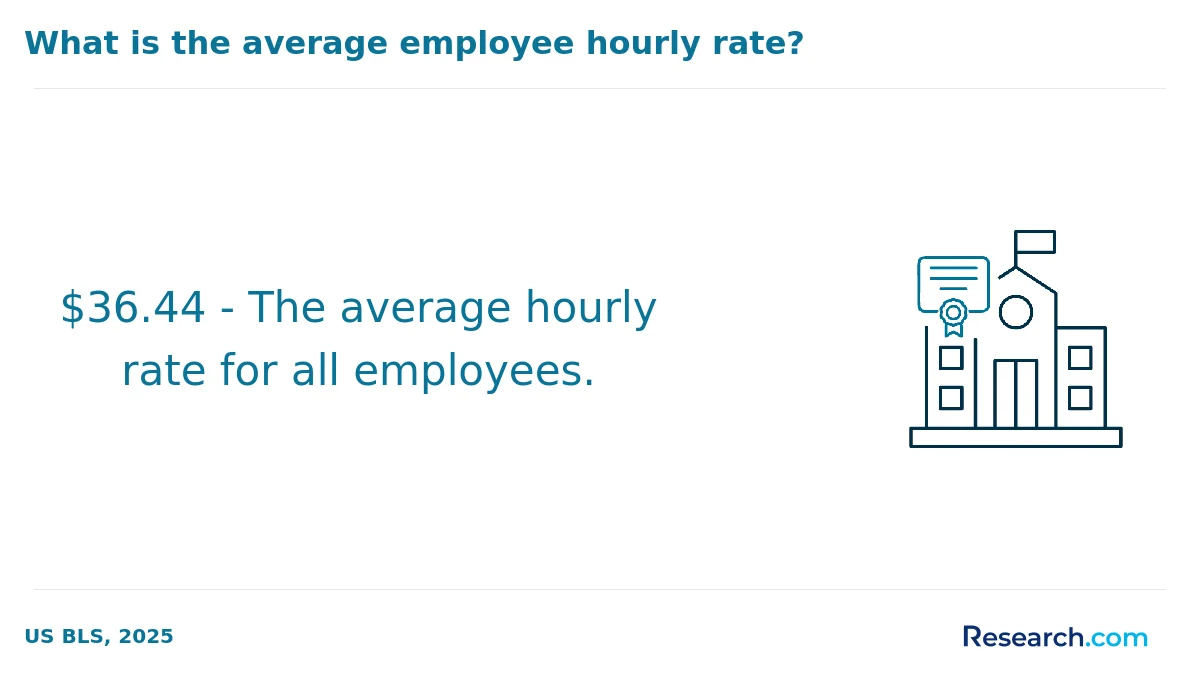
Business grads, such as Talent Acquisition Associates, typically bring in about $74,337 annually, or $36 per hour. Those starting out in retail or entry-level college jobs might see salaries between $31,578 and $37,893 per year, which is a nice stepping stone. Manufacturing or quality assurance roles can pull in between $58,867 and $79,643, showing the value of specialized training.
Even sales associates in Gallatin earn around $15.42 per hour plus commissions, which makes these jobs flexible for many grads balancing life and work. Overall, there's a good mix of opportunities that make studying for an associate degree in Gallatin worthwhile.
- Maria: Earning my Associate in Nursing from a Gallatin trade school was a life-changer. The hands-on training prepared me perfectly to start working at the local hospital quickly. I felt supported every step of the way, and now I love making a real difference in patients' lives.
- James: The Automotive Technology associate degree I earned in Gallatin gave me the practical skills employers want. It was tough but rewarding. Thanks to the career services, I landed a mechanic job right away. I appreciate how the program balances theory with real-world work.
- Emily: Studying Business Management at a Gallatin college was a smart decision. The instructors were passionate and accessible, making learning enjoyable. After graduation, I found a great administrative role locally. This trade school experience boosted my confidence and career in ways I did not expect.
- Associate degree programs in Gallatin typically take two years of full-time study and include Associate of Arts, Science, or Applied Science options.
- Admission usually requires a high school diploma or GED, with some health programs needing additional prerequisites like coursework or exams.
- Annual in-state tuition at Vol State Community College is about $4,300, with financial aid and scholarships available.
- Graduates can find jobs in healthcare, business, education, and technology, with average salaries ranging from $37,000 to $49,000 per year.
- Many programs offer internships and align with local job market needs to support employment or transfer to four-year universities.
If you're wondering how long it takes to complete an associate degree program in Gallatin, the short answer is about two years of full-time study. Graduates from Volunteer State Community College often share how enrolling in roughly 15 credit hours each semester lets them hit the 60-credit requirement within four semesters-two full academic years. This timeline feels manageable and keeps motivation high, especially when classes fall into a consistent schedule across fall and spring terms.
For those balancing jobs or family, part-time enrollment is common. Some graduates took it slower, with six credits per semester, stretching their studies over four years or more. Despite the longer road, they appreciated the flexibility and steady progress without burnout.
There's also good news for students with previous college experience. At Welch College, adult learners have found programs that let them wrap up their associate degree in as little as five semesters, which feels like a smart way to save time while still managing other life demands.
Whether you prefer on-campus or online classes-which volunteer students say fits into busy lives nicely-the key is meeting that 60-credit minimum while keeping a solid GPA. It's all about finding your groove in Gallatin's welcoming community college environment.
The main difference between online and on-campus associate degree programs in Gallatin comes down to how you attend classes and interact with your school. For example, students at Volunteer State Community College and Nashville State Community College who choose the online route enjoy the freedom to study from anywhere with internet access. This is a huge plus if you're juggling work, family, or transportation challenges. Imagine logging in after a shift or while kids are napping, catching up on lectures when it fits your schedule-that flexibility helps many stay on track without sacrificing other parts of their life.
On the other hand, students attending on-campus programs experience a more traditional college vibe. They get face-to-face time with instructors, can join study groups right away, and have easy access to libraries and labs. Graduates often talk about how the campus atmosphere made it easier to stay motivated and build friendships. Some technical programs in Gallatin require hands-on labs, so being on campus ensures you get that practical experience.
Whether online or in person, the courses are designed to offer the same quality education and lead to the same degree, so your choice really depends on what fits your lifestyle best.
The average cost of associate degree programs in Gallatin is quite affordable, especially if you attend Volunteer State Community College, the main hub for these degrees in the area. In-state students typically pay around $4,900 per year in tuition and fees, which feels like great value compared to many other schools. Graduates often share how this pricing made their goals feel reachable without overwhelming financial stress. Add roughly $1,520 for books and supplies, and you're looking at about $6,420 annually if you live with family, which many find manageable while balancing work and studies.
Thinking about out-of-state costs? They can go up to around $8,260 a year, but plenty of students tap into grants or scholarships-Volunteer State offers aid to about 59% of its students, with average awards near $4,594. This kind of support often eases the price, making Gallatin TN community college tuition and fees even more accessible.
Some folks also explore technical colleges like Tennessee College of Applied Technology, where trimester fees vary but generally cost less than traditional programs. For those interested in quicker paths, checking out the fastest associates degree options can be a smart move to save both time and money.
Students pursuing associate degrees in Gallatin often find strong financial aid support that really helps ease the stress of paying for college. For example, many graduates from local schools benefit from the Tennessee Promise, which covers tuition and fees after other grants are applied. Imagine finishing your last class of the day without worrying about tuition bills-it's a real relief for those balancing work and family.
The Tennessee Reconnect Grant is another lifesaver, especially for adults returning to school. A lot of folks enrolling at Gallatin's popular community colleges appreciate how this grant covers remaining tuition costs, letting them focus on their classes instead of finances. To qualify, students just need to follow a simple Reconnect Success Plan, which many find encouraging and supportive.
On top of that, local students often tap into the HOPE Scholarship for high-achievers and the need-based Tennessee Student Assistance Award, which can provide up to $4,000 a year. Filling out the FAFSA early is key-graduates often say getting that done helped unlock aid that made all the difference.
If you're aiming to enroll in an associate degree program in Gallatin, there are a handful of key prerequisites you'll want to have ready before applying. First off, having your high school diploma or GED documentation on hand is crucial-schools here require official proof to move your application forward.
For younger students, especially those under 21, submitting ACT or SAT scores is a common step. These aren't usually used to decide if you get in, but they help advisers place you in the right classes and offer the support you might need. Many graduates from Gallatin's top associate degree schools share how submitting these scores helped them avoid unnecessary beginner courses.
If you've taken classes elsewhere before, sending official transcripts from previous colleges is a must. This can speed up your progress by letting you transfer credits, which a lot of students find exciting because it means less time in school and sooner graduation.
- Proof of high school graduation or GED
- ACT or SAT scores if you're under 21
- Official transcripts from any prior colleges attended
- Completion of program-specific prerequisite courses or placement exams, especially for technical or health science tracks
For example, students entering health science programs often share experiences of completing math or science prerequisites before jumping into their major courses. This extra step might sound like a hurdle, but it really sets you up for success by building a solid foundation.
Overall, Gallatin's associate degree programs focus on making sure you're ready to thrive, not just get through the door. Many graduates look back and appreciate how these initial steps helped frame their college experience in a positive, confident way.
Associate degree programs in Gallatin blend a solid mix of general education and major-specific classes to build both foundational skills and career-focused knowledge. Graduates from popular schools like Volunteer State Community College often share how courses in English composition, math, natural sciences, social sciences, and humanities helped them develop critical thinking and communication skills they still use every day. These common classes for Gallatin associate programs include:
- English and Statistics or College Algebra
- Biology or Physical Science
- History and Psychology
Alongside these, students tackling fields like Business Administration or Computer Information Technology dive into hands-on courses such as Accounting, Management, Networking, and Cyber Defense, giving their resumes a boost. For those leaning towards Criminal Justice or Early Childhood Education, classes like Legal Systems or Child Development offer a real-world feel that keeps learning engaging and relevant.
Many locals appreciate the flexibility too - with some programs offered fully online, yet still including practical labs that bring a great balance between convenience and hands-on experience. If you're curious about the best fit for your career path or want to explore best degrees for seniors online, Gallatin's associate degree course list Gallatin TN may offer exactly what you need.
When choosing an associate degree program in Gallatin, start by thinking about what truly excites you career-wise. Graduates from Volunteer State Community College often share how picking a program aligned with their passions-like health information or trades-made their studies feel much more rewarding. Checking out programs that match your interests is key before diving into the cost comparison, as Gallatin associate degree program cost comparison helps you find affordable options without sacrificing quality.
Look closely at accreditation and support services. Many students praise Gallatin schools for strong library resources and helpful staff that make campus life enjoyable and manageable. For instance, some graduates found that the flexible class formats at local colleges fit perfectly around their busy lives, especially when balancing work and family.
Finally, explore programs that offer clear pathways to meaningful jobs or further education. If you're curious about top career choices, it's smart to see which fields offer the most lucrative bachelor degrees-they often start with solid associate degree foundations. This way, you choose the best value associate degree Gallatin has to offer for your future.
Associate degree graduates in Gallatin have plenty of career paths to choose from, whether you're interested in healthcare, business, or technical fields. Many graduates from popular local schools like Volunteer State Community College find roles as registered nurses, dental hygienists, or physical therapist assistants-positions that offer stable work and great growth potential within the area's bustling healthcare scene.
If business is more your style, roles such as administrative assistant or quality assurance coordinator can be a great fit. Gallatin associates in these positions often enjoy a solid earning potential for associate degree graduates in Gallatin, with some jobs paying annually between $58,866 and $79,643. Plus, experience gained here often opens doors to promotions and higher pay.
Technical and skilled trades also attract many graduates. Programs in fire science, criminal justice, and computer information technology prepare students for practical roles like firefighters, law enforcement officers, or IT support specialists. This variety means you can tailor your path to fit your passion.
Many students also appreciate quick entry options, such as certificates from local colleges leading to jobs in under a year. For those curious about advanced degrees, a 1 year doctorate program offers a fast track to higher qualifications.
- Healthcare roles like RN, dental hygienist, sonographer
- Business jobs including sales associate and quality assurance
- Skilled trades such as firefighting or law enforcement
- Fast certificate programs for rapid job placement
The job market for associate degree graduates in Gallatin is buzzing with opportunity. Local employers actively seek candidates with practical skills, especially in industries like manufacturing, healthcare, and aviation. Graduates from popular schools such as Volunteer State Community College often find roles like Quality Assurance Coordinator or Parts Department Manager, with salaries ranging from about $58,000 to $80,000. Many grads share stories of starting in these positions and quickly advancing thanks to the solid foundation their associate degree provided.
When exploring associate degree jobs in Gallatin TN, you'll notice employers offer perks that make these roles even more appealing, like 401(k) matching and tuition reimbursement. This helps graduates feel valued and supported as they grow their careers.
Nearby Nashville also impacts Gallatin's workforce. Graduates report that roles like Desktop Support Technician or Clinical Informatics Specialist are within reach, typically paying around $70,000. If you want to dive deeper into educational options, check out the best online nationally accredited schools that offer flexible paths for associate degrees.
Understanding Gallatin TN associate degree salary trends helps you see the real benefits of pursuing this path. With solid earnings and career stability, it's no wonder many choose to start their journey with an associate degree right here.
Best Associate Degree Programs - Leading Certification Courses in Gallatin for 2026
# 1 position
Volunteer State Community College - Physical Therapy Assistant.
associateVolunteer State Community College offers a Physical Therapy Assistant program with a hybrid format, combining in-person and distance education. Graduates work under physical therapist supervision to implement treatment plans, train patients, and document progress. The curriculum covers anatomy, physiology, biomechanics, neuroscience, and professional ethics. Annual in-state tuition is $4,524. Median earnings one year after completion reach $45,598. The program is accredited by the Southern Association of Colleges and Schools Commission on Colleges.
# 2 position
Volunteer State Community College - Veterinary/Animal Health Technology/Technician and Veterinary Assistant.
associateVolunteer State Community College offers a program in Veterinary/Animal Health Technology/Technician and Veterinary Assistant designed to prepare students for roles assisting veterinarians and animal health professionals. The curriculum covers animal nursing care, clinical procedures, radiology, anesthesiology, surgical assisting, and office administration. The program’s annual in-state tuition is $4,524 and it is accredited by the Southern Association of Colleges and Schools Commission on Colleges.
# 3 position
Volunteer State Community College - Criminal Justice/Safety Studies.
associateVolunteer State Community College offers a Criminal Justice/Safety Studies program focusing on the criminal justice system, including criminal law, police and correctional systems, and the administration of justice. The hybrid program provides some distance-education options. Annual in-state tuition is $4,524. The program is accredited by the Southern Association of Colleges and Schools Commission on Colleges.
# 4 position
Volunteer State Community College - Business Administration and Management, General.
associateThe Business Administration and Management, General program at Volunteer State Community College offers a hybrid format with some distance-education options. It prepares students to plan, organize, direct, and control business functions, covering management theory, human resources, accounting, logistics, marketing, and decision-making. Annual in-state tuition is $4,524. Median earnings one year after completion are $40,513. The program is accredited by the Southern Association of Colleges and Schools Commission on Colleges.
# 5 position
Welch College - Business Administration and Management, General.
associateWelch College offers a Hybrid program in Business Administration and Management, General, designed to prepare students to plan, organize, direct, and control business operations. The curriculum covers management theory, human resources, accounting, purchasing, logistics, marketing, and decision-making. Annual in-state tuition is $20,796. The program is accredited by the Southern Association of Colleges and Schools Commission on Colleges.
# 6 position
Volunteer State Community College - Information Technology.
associateThe Information Technology program at Volunteer State Community College focuses on designing technological information systems, including computing systems, to support business and research data and communications. It covers computer hardware, software components, algorithms, databases, telecommunications, user tactics, application testing, and human interface design. The annual in-state tuition is $4,524. Graduates have a median earning of $35,042 one year after completion. The program is accredited by the Southern Association of Colleges and Schools Commission on Colleges.
Frequently Asked Questions about associate degree programs
Graduates with associate degrees in Gallatin should begin preparing early for the job market by developing relevant skills and gaining practical experience. Many employers in Tennessee value hands-on training alongside academic credentials. Participating in internships or cooperative education programs can significantly enhance employability.
Additionally, graduates should utilize local job resources such as the Tennessee Department of Labor and Workforce Development, which provides employment data and career services tailored to regional markets. According to the U.S. Bureau of Labor Statistics, associate degree holders in Tennessee have a 7% higher employment rate than those with only a high school diploma.
Networking through local professional organizations and attending career fairs in Gallatin can also open opportunities. Crafting a strong resume and practicing interview skills are essential final steps in job preparation.
Employers in Gallatin highly value associate degree graduates who demonstrate strong technical and interpersonal skills. According to recent regional labor market data, proficiency in computer literacy, especially in Microsoft Office and basic software relevant to healthcare, business, or IT, is critical. Communication skills, both verbal and written, remain top priorities, as 71% of local employers emphasize the need for clear collaboration and teamwork abilities.
Problem-solving and critical thinking are also frequently cited, with Gallatin businesses seeking individuals who can independently manage tasks and make informed decisions. Additionally, adaptability and time management are important, reflecting the dynamic workplace environment across industries such as manufacturing and healthcare.
Finding internships in Gallatin that align with your associate degree program involves several targeted strategies. Start by contacting career services at local community colleges like Volunteer State Community College, which offers assistance connecting students with employers in industries such as healthcare, business, and technology. Utilize online job platforms like Handshake and Indeed, filtering searches by your field and location.
Many Gallatin employers, including companies in manufacturing and healthcare sectors, offer seasonal internships. According to the Tennessee Department of Labor, internship opportunities in Gallatin have grown by approximately 8% annually over recent years, reflecting increasing demand for skilled entry-level workers.
Networking events hosted by local chambers of commerce and industry groups provide valuable contacts. Additionally, explore Gallatin's public resources such as workforce development centers, which often list internships relevant to technical and trade programs.
An associate degree in Gallatin serves as a valuable credential that can enhance career mobility and advancement. Data from the U.S. Bureau of Labor Statistics shows that individuals with an associate degree earn approximately 20% more on average than those with only a high school diploma. Additionally, Gallatin's local employers often recognize the practical skills gained through these programs, particularly in healthcare, business, and technology.
Community colleges in Gallatin provide tailored associate degrees that align with regional job market demands, improving graduates' chances of promotions and wage increases. According to Tennessee's Department of Labor, those with an associate degree in Gallatin experience lower unemployment rates compared to non-degree holders.
Associate degrees also offer pathways to further education, which supports long-term career growth. For many residents, this credential represents an accessible step toward better employment outcomes within Gallatin's evolving economy.
Part-time job opportunities in Gallatin that complement associate degree education are diverse and cater to various fields of study. Many students in healthcare-related programs find work as medical assistants or pharmacy technicians, roles that provide valuable hands-on experience while earning an average hourly wage of $15 to $18, according to the Bureau of Labor Statistics.
Retail positions, particularly in local businesses and supermarkets, are common for those studying business or communications, offering flexible hours alongside skill development.
Additionally, childcare providers and teacher aides are sought after in Gallatin's growing educational sector, benefiting students pursuing associate degrees in education or early childhood development.
These part-time jobs often provide practical skills and networking prospects essential for career advancement.
To find the best degree program near you, including near Gallatin, TN, research online databases like Research.com that provide comprehensive information on various programs and universities available in your area. These resources allow you to filter programs by location, field of study, and ranking, helping you discover options that fit your career goals and geographical constraints. Additionally, visiting local university campuses or attending education fairs can provide further insight and details about offerings near you.
- Best Trade School & Training Programs - Leading Certification Courses in Florence for 2026
- Best Trade School & Training Programs - Leading Certification Courses in Little Rock for 2026
- Best Trade School & Training Programs - Leading Certification Courses in Angola for 2026
- Best Trade School & Training Programs - Leading Certification Courses in Springfield for 2026
- Best Trade School & Training Programs - Leading Certification Courses in Adrian for 2026
- Best Trade School & Training Programs - Leading Certification Courses in Akron for 2026
- How Should I List Multiple Degrees After My Name? | ProFellow https://www.profellow.com/askdrjohnson/how-should-i-list-multiple-degrees-after-my-name/
- Here’s How an Associate Degree Can Advance Your Career https://flex.wisconsin.edu/stories-news/heres-how-an-associate-degree-can-advance-your-career/
- How to Go from an Associate’s Degree to a Bachelor’s Degree | George Fox University https://www.georgefox.edu/adult-degree/articles/associate-to-bachelor-degree.html
- State and Federal Aid Programs | Vol State https://www.volstate.edu/financialaid/federal-state
- Tuition and Financial Aid | Welch College https://welch.edu/admissions/tuition-financial-aid/
- Research - Highest Paying Bachelors Degrees https://research.com/degrees/highest-paying-bachelors-degrees
- Explore the Different types of Credentials. | GEAR UP https://gearup.wa.gov/student-credentials
- Traditional vs Online Degrees 2025: Which One is Better for You? https://www.pw.live/online-degree/exams/traditional-vs-online-degree
- Options for Students with an Associate Degree | LSU Online https://online.lsu.edu/newsroom/articles/what-can-i-do-after-earning-associate-degree/
- Online vs Traditional Degrees: Similarities and Differences https://www.aiu.edu/blog/online-vs-traditional-degrees/