Most Affordable Associate Degree Programs - Leading Certification Courses in Lansing for 2026

Co-Founder and Chief Data Scientist
Choosing the right associate degree program can feel overwhelming, especially when budget matters. This article aims to simplify that decision for students in Lansing looking for affordable options in 2026.
The Research.com team of data scientists has developed an associate degree programs ranking to guide you toward quality trade schools worth considering. Their analysis helps highlight programs that balance cost and value effectively.
By exploring these options, you’ll gain insight into pathways that open career opportunities and personal growth. An associate degree can be a powerful step toward a brighter future, and we’re here to help you find the best fit.
Key benefits of associate degrees in Lansing
- Strong salary potential: Associate degree graduates in Lansing earn competitive salaries, such as Accounting Associates making between $39,688 and $59,573 annually, and Research Associates earning around $54,846, showing great earning opportunities.
- Popular career paths: Graduates from local schools like Lake Michigan College and Davenport University find success in fields like business, healthcare, and IT, making these degrees practical for stable and growing jobs.
- Flexible learning options: Online associate degrees offer convenience and allow students to balance work and study, giving a valuable alternative to traditional on-campus programs without sacrificing quality.
- Most Affordable Associate Degree Programs - Leading Certification Courses in Lansing for 2026
- What can I expect from associate degree programs in Lansing?
- Where can I work after finishing associate degree programs in Lansing?
What can I expect from associate degree programs in Lansing?
The average cost of an associate degree program in Lansing varies significantly depending on the institution and the mode of study. For example, public institutions like Lansing Community College offer affordable tuition, often ranging from $4,000 to $7,000 per year for in-district students. Graduates from such schools frequently mention how this accessibility reduced their financial stress and enabled them to balance school with part-time work. Meanwhile, private institutions like Franklin University tend to have higher tuition, sometimes exceeding $10,000 annually, but many students appreciate the flexibility of online learning options, which allows them to continue working full time.
Students should expect to invest not only in tuition but also in fees, textbooks, and materials, though many report that campus resources like labs and advising made every dollar worthwhile. The ability to transfer credits-as Franklin University allows up to 44 hours-also helps students save money and time. Some graduates mention that careful financial planning and choosing part-time study paths helped them manage costs without sacrificing the quality of education or career readiness.
Where can I work after finishing associate degree programs in Lansing?
Graduates of associate degree programs in Lansing find a variety of rewarding employment opportunities across multiple industries. For example, graduates from Lansing Community College often step directly into healthcare roles such as registered nurses or dental hygienists, where they quickly feel valued for their practical skills and contribute meaningfully to patient care.
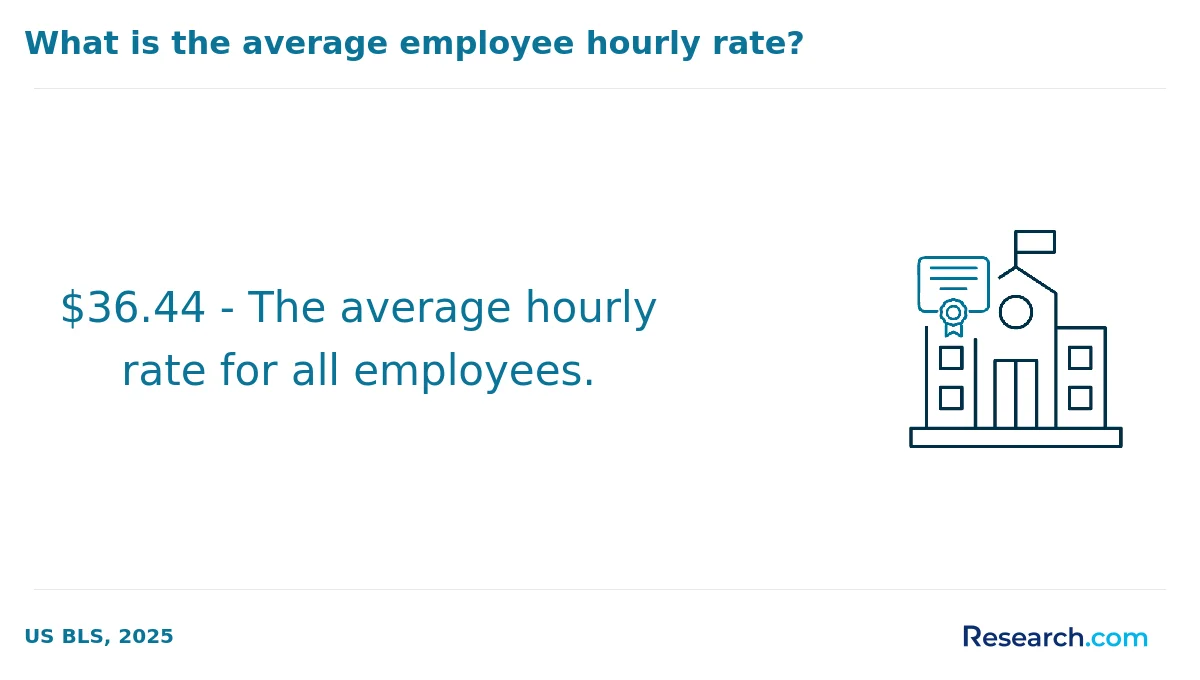
Others with degrees in business administration experience similar success, landing positions as administrative assistants or business analysts with local law firms and state offices. These roles provide a blend of stability and growth potential, with hourly wages ranging from $20 to $43-which many find motivating as they advance their careers.
Information technology majors benefit from strong regional demand, securing jobs as IT specialists or data coordinators within state agencies or education sectors. Graduates frequently highlight how these associate programs at Lansing schools equipped them with hands-on experience needed to navigate technical challenges confidently.
Similarly, associate degrees in human services open doors to school districts and nonprofit organizations, where new hires often describe a deep sense of fulfillment supporting communities while earning entry-level wages of around $16 per hour.
Trade-related programs also offer practical pathways into fields like manufacturing and logistics, fulfilling local employers' need for skilled workers and giving graduates a clear sense of purpose in their daily work.
After completing an associate degree program in Lansing, graduates can expect a starting salary around $36,020 per year, roughly $17.32 per hour. Many recent graduates from popular local schools like Lake Michigan College have reported early-career salaries near $47,246 annually, which brings real optimism for those entering the workforce.
Individuals pursuing fields like accounting can earn closer to $46,685 per year in Lansing, with some professionals breaking into the mid-50,000s. For roles like program associates or administrative assistants, salaries often range from about $41,000 to $52,000 annually. Imagine finishing your degree and stepping into an administrative role where you make a comfortable living supporting business operations every day.
More specialized titles, such as administrative supervisors, can yield earnings up to $61,670 annually, reflecting the value of experience combined with an associate degree. Even entry-level administrative support roles often pay between $20 and $25 per hour, providing solid hourly income right out of school.
On the other hand, customer service associate jobs tend to start lower, around $32,710 yearly, but can provide important stepping stones for future advancement. Graduates from Davenport University's associate programs report early salaries averaging about $37,926 annually, illustrating how the choice of school and program can influence earning potential.
- Jason: Pursuing an Associate Degree in Automotive Technology in Lansing was life-changing. The hands-on training at the trade school prepared me perfectly for local mechanic jobs. Not only did I gain practical skills, but the supportive instructors helped me build confidence. Now I have stable work I love right here at home.
- Monica: Earning my Associate Degree in Nursing from Lansing was truly empowering. The small class sizes and real-world clinical experience gave me the skills and compassion needed for healthcare. After graduation, I quickly found a nursing position at a nearby hospital. The trade school's focus on career readiness made all the difference.
- Andre: Getting an Associate Degree in Information Technology through Lansing's trade school was a smart choice. The program's practical approach and industry-relevant courses helped me land a job in local IT support. I appreciated how the instructors' real-life experience made learning engaging and applicable to my career goals.
- Lansing offers associate degrees including Associate of Arts (AA), Associate of Science (AS), and applied degrees like Associate of Applied Science (AAS) for workforce entry.
- Admission generally requires a high school diploma, with some programs needing additional prerequisites or placement tests.
- Costs range from about $8,000 to $18,000 for the full associate program, with community colleges like Lansing Community College being more affordable.
- Graduates typically start with salaries between $36,000 and $48,000 annually, especially in nursing, IT, and skilled trades.
- In 2023, 1,619 associate degrees were earned in Lansing, showing a 38% decrease from 2019 enrollment numbers.
- Many AA and AS programs allow easy credit transfer to four-year universities through the Michigan Transfer Agreement, while applied degrees have limited transfer options.
Completing an associate degree program in Lansing typically takes two academic years for full-time students, as seen at well-known local schools like Lansing Community College. Graduates often describe their journey as a balanced challenge-handling 12 to 15 credits per semester over four semesters keeps their workload steady and manageable.
Part-time students, however, may experience a longer timeline, extending to three years or more because of lighter semester course loads. Many graduates reflect on how juggling work or family commitments extended their studies but still valued the flexibility offered by Lansing's community colleges.
For those enrolled in technical or trade programs, the two-year, 60-credit structure remains consistent, although some accelerated tracks and transfer credit opportunities have enabled others to finish sooner. Students appreciate that Lansing institutions require at least 15 credits completed locally, ensuring they receive hands-on, community-focused education.
This structure within Lansing's associate degree programs supports both academic growth and practical experience, making graduation a rewarding milestone for many.
The key difference between online and on-campus associate degree programs in Lansing lies in how and when coursework is completed. Graduates from Lansing Community College or Baker College often share how online programs offer unmatched flexibility, letting them balance studies with work or family by accessing lectures on their own schedule-sometimes in accelerated 8-week formats. This fits the lifestyle of many local students who juggle multiple commitments.
Conversely, on-campus students value the routine of attending classes in person, especially on LCC's campus where face-to-face interaction, campus resources like libraries, and immediate access to tutoring create a more immersive environment. These in-person experiences often foster stronger connections with faculty and peers, which some graduates say helped keep them motivated.
Both formats deliver the same accredited curriculum and degree, ensuring students graduate with equal credentials. For many in Lansing, the choice hinges on whether they prefer the convenience of digital learning or the engagement found in a physical classroom setting.
The average cost of associate degree programs in Lansing is best exemplified by Lansing Community College (LCC), the region's leading provider of two-year degrees. For Michigan residents, the Lansing community college tuition and fees 2026 are approximately $7,700 for the entire program, covering tuition and standard fees but excluding books or living expenses. Many graduates recall managing their budgets carefully with this tuition cost, finding it an accessible investment compared to four-year universities.
Out-of-state students face higher tuition, totaling around $11,300, reflecting the $360 per credit hour rate that LCC charges compared to $120 per credit hour for in-state students. A typical full-time student taking 30 credits yearly pays about $3,600 per year if qualifying as in-state and about $10,800 annually out-of-state. These figures highlight a significant difference but also demonstrate the affordability and competitive pricing of LCC's programs within Michigan.
Beyond tuition, students should plan for additional expenses such as books and supplies, which average around $600 annually, and living costs, estimated at $9,600 per year. Many learners describe receiving financial aid or scholarships that considerably offset these expenses, sometimes reducing tuition by $500 to $3,000 per year. For those aiming to expedite their education, some explore an associate's degree in 6 months to jumpstart their careers while controlling costs effectively.
Associate degree students in Lansing often rely on the Free Application for Federal Student Aid (FAFSA) as their gateway to crucial financial resources. For example, those attending Lansing Community College can qualify for the Federal Pell Grant, which has eased financial burdens by providing up to $7,400 annually. Graduates frequently share how this grant covered not only tuition but also helped with rent and textbooks, making college life less stressful.
State programs amplify this support. The Michigan Achievement Scholarship offers up to $5,500 yearly for eligible students enrolled in public Michigan institutions, such as those in Lansing. Many students express relief knowing this scholarship diminishes out-of-pocket costs significantly. Additionally, the Community College Guarantee enables local community college enrollees to attend tuition-free, a transformative benefit that saves approximately $4,800 each year. Students receiving Pell Grants might also obtain an extra $1,000 for living expenses, enhancing their ability to focus on studies rather than finances.
Adult learners returning to school benefit from Michigan Reconnect, which covers remaining tuition costs after other aid is applied, provided they maintain a 2.0 GPA. Numerous students report this as a critical factor in balancing education with work and family obligations, illustrating how Lansing's financial aid landscape supports diverse student needs.
To enroll in an associate degree program in Lansing, students must first have a high school diploma or an equivalent credential like a GED. This basic requirement is non-negotiable and ensures readiness for college-level work. Graduates from Lansing Community College (LCC), one of the area's most popular schools, often recall how this foundation gave them confidence as they started their academic journey.
Students also need to complete college-level courses, typically numbered 100 or above at LCC, since remedial classes don't count toward degree progress. Many find that meeting these prerequisites is a rewarding challenge that prepares them well for the rigor of their program.
Specific programs, especially in health-related fields, require prerequisite courses in subjects like biology and math. For example, nursing applicants must meet GPA minimums and sometimes submit to background checks, which some graduates describe as hurdles that ultimately raised the quality of their training.
Additional common prerequisites include:
- Completion or waiver of a First-Year Experience course, such as ACAD 100 at LCC
- Alignment with Michigan Transfer Agreement courses for easy credit transfer
- Proof of academic readiness for general education requirements
Many Lansing students highlight the helpful guidance from academic advisors who tailor advice based on individual goals, making the enrollment process smoother and more approachable despite the many requirements.
In Lansing, the associate degree course list generally balances major-specific subjects, general education, and electives, ensuring graduates feel prepared for both work and further study. For students pursuing business, popular classes include accounting, management principles, marketing, and business communications. Technology-focused programs emphasize programming, operating systems, networking fundamentals, and information security-skills highly valued by local employers. Health programs typically cover anatomy, medical terminology, healthcare administration, and patient care procedures, equipping students with practical knowledge applicable in fast-growing healthcare settings.
General education forms a core part of common classes in Lansing associate programs, with many students enjoying courses that sharpen critical thinking, communication, and quantitative skills. These include English composition, college-level math, introductory social sciences like psychology or sociology, and natural sciences. Graduates often share that these courses helped them develop confidence and adaptability, whether they transitioned into the workforce or pursued further education.
Flexibility is key for many Lansing students balancing studies with work or family. Schools like Franklin University offer fully online options, while Baker College provides hybrid formats. This allows students to pace their education effectively and even explore the easiest online bachelor's degree programs online after completing their associate degree.
Choosing the best associate degree program in Lansing starts with understanding your goals: do you want to transfer to a four-year school or enter the workforce quickly? Graduates from Lansing Community College often praise its strong transfer agreements and regional accreditation, which simplify continuing their education at Michigan universities. Meanwhile, students at Davenport University's Lansing campus appreciate the smaller class sizes and career-focused programs, which help them land jobs faster in local industries like healthcare and IT.
Consider how the program's flexibility fits your lifestyle. Many Lansing-area colleges offer online or hybrid courses, a crucial factor for working adults or parents balancing commitments. Also, research the cost of associate degree programs in Lansing carefully; affordable options with solid support services like tutoring and advising can make a huge difference in feeling confident and supported throughout your studies.
Finally, investigate career outcomes and how programs align with local job demand. The healthcare and information technology sectors are booming here. Students benefit from internships and job placement partnerships with employers. For those uncertain about the long-term academic path, looking into options like doctorate programs without dissertation after completing an associate's degree may offer unexpected flexibility and advancement.
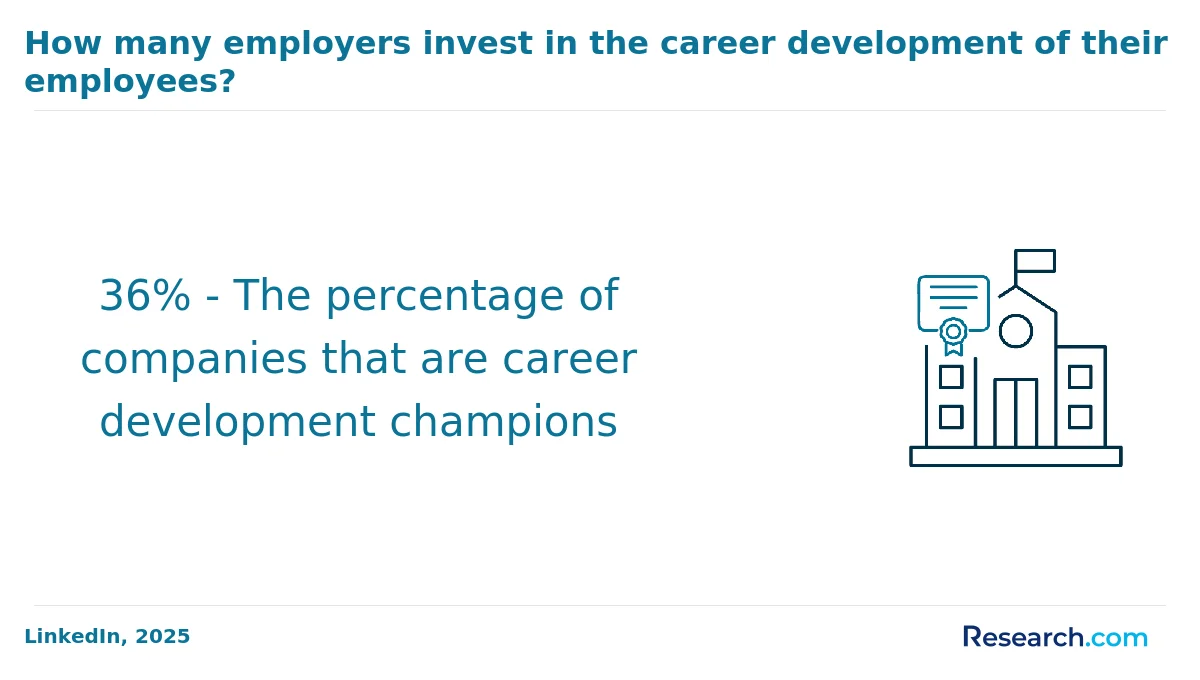
Associate degree jobs in Lansing MI span diverse sectors, offering tangible career opportunities for graduates of popular local institutions. Healthcare dominates, with many graduates from Lansing's well-regarded nursing programs quickly securing positions as registered nurses, dental hygienists, or respiratory therapists. These roles not only provide competitive salaries but also open doors to supervisory responsibilities. Graduates often share that the hands-on training received in Lansing's community colleges directly prepared them for the rapid pace and demands of healthcare settings.
Business fields also attract many associate degree graduates in Lansing, MI. From administrative assistants to property analysts, those trained locally find that employers value the practical knowledge acquired. For instance, an associate graduate from a well-known East Lansing college mentioned successfully transitioning into a human resources assistant role, benefiting from the program's blend of theory and real-world skills.
Career opportunities for Lansing associate degree graduates extend into public service and technical roles, too. Paraprofessional jobs with the State of Michigan often require associate-level credentials, and graduates report positive experiences entering government or community service fields. Technical support roles such as claims operations technicians or queue associates also provide steady employment paths, enhanced by programs that emphasize relevant software and workflow management.
For students seeking affordable options, exploring low tuition colleges online that accept financial aid can be a helpful addition to their studies in Lansing, complementing on-campus training for flexible career development.
The job market for associate degree graduates in Lansing is notably vibrant, with numerous employers actively seeking candidates with two-year degrees. Graduates from popular associate degree schools in Lansing share experiences of quickly landing positions as respiratory therapists, dental hygienists, and administrative assistants, reflecting strong demand across healthcare and business sectors. These roles commonly offer hourly wages ranging from $20 to $25, combined with benefits like health insurance and paid time off.
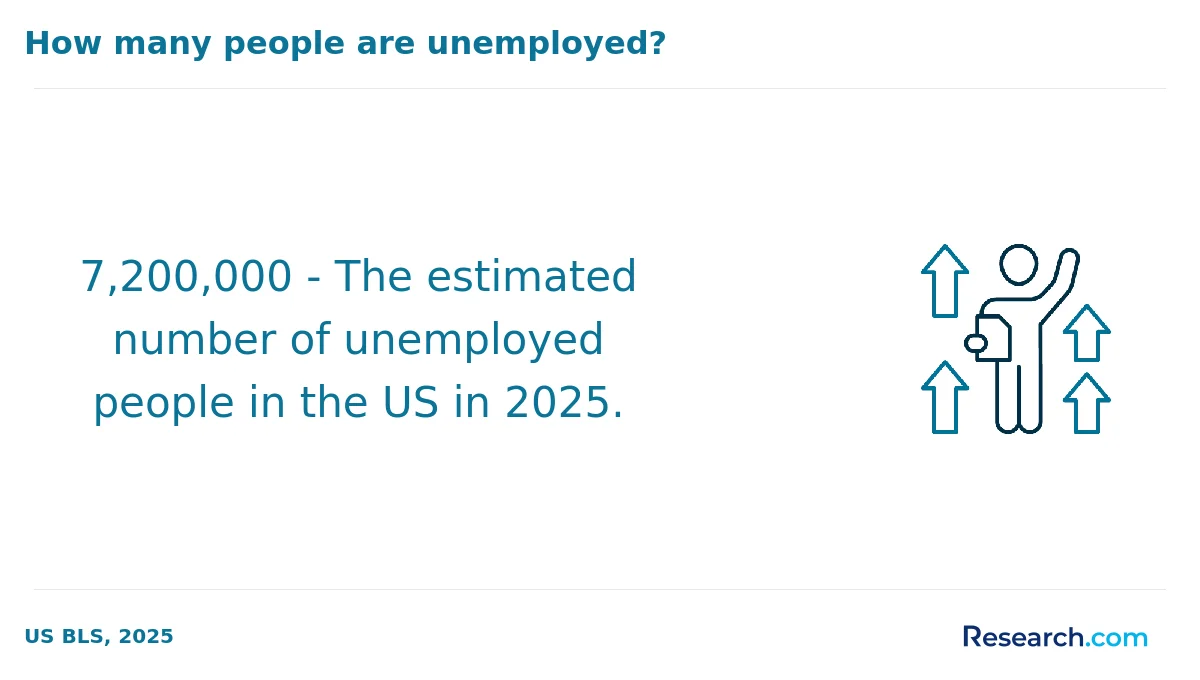
For those curious about Lansing Michigan associate degree salaries, it's important to note that specialized healthcare positions such as dental hygienists or occupational therapy assistants tend to command higher pay. Meanwhile, fields like technology and laboratory sciences also provide entry-level openings with competitive starting wages between $16 and $19 per hour. Graduates often report feeling encouraged by the steady flow of job postings-typically between 350 to 570 associate degree jobs-on local platforms like Indeed and ZipRecruiter.
Many students see their associate degree as a stepping stone toward career growth in dynamic sectors. For those considering alternatives, exploring the most popular online trade schools can offer flexible pathways to complement local opportunities.
Most Affordable Associate Degree Programs - Leading Certification Courses in Lansing for 2026
# 1 position
Lansing Community College - Electrical and Power Transmission Installation/Installer, General.
associateThe Electrical and Power Transmission Installation/Installer, General program at Lansing Community College offers hybrid learning with some distance education options. It trains students to install residential, commercial, and industrial electrical systems and power transmission lines. The curriculum covers electricity, safety, wiring, grounding, blueprint reading, equipment operation, and relevant codes. Annual in-state tuition is $4,010. Median earnings one year after completion are $66,608.55. The program is accredited by the Higher Learning Commission.
# 2 position
Lansing Community College - Electrician.
associateThe Electrician program at Lansing Community College offers a hybrid format, combining in-person and distance education. It trains students in installing, operating, maintaining, and repairing electrical systems across residential, commercial, and industrial settings. The curriculum covers electronics, wiring, power transmission, safety, and relevant codes. Annual in-state tuition is $4,010. Graduates earn a median income of $66,608 one year after completion. The program is accredited by the Higher Learning Commission.
# 3 position
Lansing Community College - Diagnostic Medical Sonography/Sonographer and Ultrasound Technician.
associateThe Diagnostic Medical Sonography/Sonographer and Ultrasound Technician program at Lansing Community College offers a hybrid format with some distance education. It prepares students to use medical ultrasound techniques for diagnostic purposes under physician supervision. The program includes training in patient care, data recording, and sonography equipment operation. Annual in-state tuition is $4,010. Graduates have a median earning of $62,717 one year after completion. The program is accredited by the Higher Learning Commission.
# 4 position
Lansing Community College - Veterinary/Animal Health Technology/Technician and Veterinary Assistant.
associateLansing Community College offers a program in Veterinary/Animal Health Technology/Technician and Veterinary Assistant designed to train individuals to assist veterinarians and animal specialists in patient care and clinical procedures. The curriculum includes animal nursing, health, nutrition, clinical pathology, radiology, anesthesiology, surgical assisting, laboratory procedures, and office administration. The program is accredited by the Higher Learning Commission, with an annual in-state tuition of $4,010.
# 5 position
Lansing Community College - Computer and Information Sciences, General.
associateLansing Community College offers a hybrid program in Computer and Information Sciences, General, combining computing, computer science, and information systems. The program is accredited by the Higher Learning Commission. Annual in-state tuition is $4,010. This program provides a flexible learning option with some distance education, designed for students seeking a foundational understanding in computing and information sciences without specialization in related support services.
# 6 position
Lansing Community College - Computer Systems Networking and Telecommunications.
associateLansing Community College offers a hybrid program in Computer Systems Networking and Telecommunications, focusing on the design, implementation, and management of linked computer systems and software. The curriculum covers operating systems, networking theory, network management, security, and troubleshooting. Annual in-state tuition is $4,010. The program is accredited by the Higher Learning Commission and prepares students for roles as network specialists and managers.
# 7 position
Lansing Community College - Computer and Information Systems Security/Auditing/Information Assurance.
associateLansing Community College offers a program in Computer and Information Systems Security/Auditing/Information Assurance designed to prepare students to assess and secure computer and network systems. The curriculum includes computer architecture, programming, networking, cryptography, security auditing, applicable laws, risk assessment, and troubleshooting. The program is accredited by the Higher Learning Commission. Annual in-state tuition is $4,010.
# 8 position
Lansing Community College - Legal Assistant/Paralegal.
associateThe Legal Assistant/Paralegal program at Lansing Community College offers a hybrid format with some distance-education options. It prepares students to perform research, drafting, investigatory, record-keeping, and administrative tasks under attorney supervision. Coursework includes legal research, drafting documents, appraising, pleading, courthouse procedures, and legal specializations. The program's annual in-state tuition is $4,010 and it is accredited by the Higher Learning Commission.
# 9 position
Lansing Community College - Physical Fitness Technician.
associateLansing Community College offers a Physical Fitness Technician program with a hybrid format, including some distance-education options. The program prepares students for roles in health clubs, wellness centers, hospitals, and corporate fitness programs, covering topics such as human anatomy, exercise science, personal training, nutrition, and customer service. Annual in-state tuition is $4,010. The program is accredited by the Higher Learning Commission.
# 10 position
Lansing Community College - Heating, Air Conditioning, Ventilation and Refrigeration Maintenance Technology/Technician.
associateThe Heating, Air Conditioning, Ventilation and Refrigeration Maintenance Technology/Technician program at Lansing Community College offers hybrid learning options. It prepares students to repair, install, service, and maintain heating, air conditioning, and refrigeration systems. The curriculum covers diagnostic techniques, testing equipment, and principles of mechanics, electricity, and electronics relevant to these systems. Annual in-state tuition is $4,010. The program is accredited by the Higher Learning Commission.
Frequently Asked Questions about associate degree programs
After completing an associate degree in Lansing, preparing for the job market involves several key steps. First, students should utilize resources at local community colleges such as Lansing Community College, which often offer career counseling and job placement services tailored to associate degree holders. According to the U.S. Bureau of Labor Statistics, associate degree graduates have median weekly earnings about 20% higher than those with only a high school diploma, making job market readiness important.
Networking is essential; attending industry events and joining local professional groups can help build connections. Additionally, gaining relevant internships or part-time work during study increases employability. Utilizing Michigan Works! and similar regional workforce agencies can provide access to job training and placement specifically designed for Lansing-area associate graduates.
Employers in Lansing highly value associate degree graduates who demonstrate strong technical and interpersonal skills. According to the National Association of Colleges and Employers (NACE), communication skills rank among the top attributes sought, with 77% of employers emphasizing verbal and written communication abilities. Additionally, problem-solving and critical thinking skills are essential in fields like healthcare, manufacturing, and IT, which are prominent in Lansing's job market.
Technical proficiency related to specific industries, such as computer literacy and healthcare certifications, also increases employability. The Michigan Works! agency highlights teamwork and adaptability as key soft skills that local employers prioritize in associate degree holders. These combined skills improve graduates' workforce readiness in Lansing's competitive environment.
Finding internships in Lansing related to your associate degree program involves several strategic steps. Start by connecting with your college's career services office, as many Lansing community colleges maintain partnerships with local businesses. According to the National Association of Colleges and Employers, about 60% of internships come through campus connections.
Explore online platforms such as Handshake, which several Lansing institutions use to post internships specifically for their students. Additionally, consider contacting local organizations directly-Lansing has a growing healthcare, manufacturing, and IT sector that often offers internship opportunities.
Networking through local events, job fairs, and professional associations in Lansing can also uncover hidden internship options. The Lansing Economic Area Partnership and MichiganWorks! provide resources and listings tailored to the region's job market.
In Lansing, earning an associate degree can significantly improve career mobility and advancement opportunities. According to data from the U.S. Bureau of Labor Statistics and regional workforce reports, individuals with an associate degree often earn about 20% more than those with only a high school diploma. This boost in earnings reflects employers' preference for candidates with specialized technical skills or foundational knowledge, often gained through associate programs.
Many local employers in Lansing value associate degrees in fields like healthcare, information technology, and manufacturing. Graduates frequently move into supervisory roles more quickly, demonstrating career progression tied to educational attainment. Additionally, associate degrees can serve as a stepping stone toward a bachelor's degree, further enhancing advancement possibilities.
In Lansing, part-time job opportunities that align with associate degree education are diverse and growing. Healthcare support roles, such as medical assistants or pharmacy technicians, are in demand and often require certifications linked to associate programs. According to the U.S. Bureau of Labor Statistics, healthcare jobs in Michigan are expected to grow by about 12% through 2030, providing ample positions for students to gain experience while studying.
Additionally, information technology positions, including help desk support and network technicians, are available for individuals with associate degrees in IT fields. Lansing's expanding tech sector offers flexible part-time roles suitable for students.
Retail and customer service jobs remain prevalent but are often less specialized. However, gaining experience in office administration or business support roles can complement associate degrees in business or administration, providing practical skills alongside academic knowledge.
When choosing the most affordable degree program near you in Lansing, MI, consider researching various community colleges and universities in your vicinity that offer competitive tuition rates and financial aid packages, which can significantly reduce overall costs. Programs like those found through Research.com can help identify local educational institutions with a strong focus on cost-effectiveness while still maintaining academic quality. Visiting campuses near Lansing, MI, for informational sessions and speaking with academic advisors can provide valuable insights to help you make an informed decision.
- Explore our General Studies Associate Degree at Baker College https://www.baker.edu/academics/undergraduate-studies/college-of-liberal-arts-and-sciences/general-studies-associate/
- How to apply | First-year applicants | Admissions | Michigan State University https://admissions.msu.edu/apply/first-year/how-to-apply
- Collegescorecard https://collegescorecard.ed.gov/
- Research - Online Ph D Programs With No Dissertation https://research.com/degrees/online-ph-d-programs-with-no-dissertation
- Associates Degree Jobs in Lansing, MI - Now Hiring | Snagajob https://www.snagajob.com/search/w-lansing,+mi/q-associates+degree
- Enrollment and Student Services Specialist | Cooley Law School https://www.cooley.edu/students/student-services-specialist
- Lansing-East Lansing - Center for Economic Analysis https://www.canr.msu.edu/cea/economic-forecast/lansing-east-lansing/index
- Michigan Works To Match Dropouts With Degrees Already Earned : NPR https://www.npr.org/2013/11/06/243532339/michigan-works-to-match-dropouts-with-degrees-already-earned
- MSU students finish school before peers statewide https://www.lansingstatejournal.com/story/news/local/2016/07/25/msu-students-finish-school-before-peers-statewide/87435292/
- Traditional vs Online Education - Which One Is Right For You? | Penn Foster https://www.pennfoster.edu/blog/traditional-vs-online-education