Most Affordable Associate Degree Programs - Leading Certification Courses in Hudson for 2026

Co-Founder and Chief Data Scientist
Choosing the right associate degree program in Hudson can feel overwhelming, but it doesn’t have to be. This article introduces the most affordable options for 2026, giving you a clear path toward advancing your education without breaking the bank.
The associate degree programs ranking, developed by the Research.com team of data scientists, offers reliable insights to help you find quality trade schools worth your time and effort.
By exploring these programs, you’ll discover opportunities that fit your goals and budget, setting you up for a successful future with confidence.
Key benefits of associate degrees in Hudson
- Associate degree graduates in Hudson can expect competitive salaries: collections associates earn about $41,996 per year, operations associates around $48,127, while retail sales associates make approximately $12.66 per hour, often with additional commissions.
- Popular career paths for associate degree holders include business, healthcare, and technical roles, providing diverse and rewarding opportunities suited to many interests and skills.
- Online associate degrees offer flexible learning that fits busy schedules, as shown by graduates from local Hudson schools who balance work and study effectively, often finishing faster than traditional on-campus programs.
- Most Affordable Associate Degree Programs - Leading Certification Courses in Hudson for 2026
- What can I expect from associate degree programs in Hudson?
- Where can I work after finishing associate degree programs in Hudson?
What can I expect from associate degree programs in Hudson?
The average cost of an associate degree program in Hudson typically ranges from $6,000 to $12,000 for full-time students, depending on the institution and program chosen. Graduates from Hudson County Community College often note the affordability combined with quality instruction as a key factor that made completing their degrees manageable without excessive debt.
Many associate programs at local schools, including Los Angeles Pacific University's online options, provide flexible scheduling that supports working adults balancing jobs and family. This flexibility appeals to students who appreciate the ability to progress at their own pace without compromising their responsibilities.
Students frequently share positive experiences about the smaller class sizes in Hudson, which create a supportive environment with more direct access to faculty and personalized advising. For example, those in medical assisting or cyber security programs describe hands-on training opportunities that build confidence and job-ready skills.
Financial aid, scholarships, and grants are widely accessible at Hudson-area colleges, reducing out-of-pocket expenses and making an associate degree a realistic goal for many residents seeking career advancement or further education.
Where can I work after finishing associate degree programs in Hudson?
Graduates of associate degree programs in Hudson find diverse employment opportunities across manufacturing, healthcare, education, and business sectors. For example, many who trained in trade-focused programs secure machine operator roles at local firms like American Axle & Manufacturing, earning up to $23 per hour. These roles offer hands-on experience and career growth, which graduates from Hudson's technical colleges often praise for providing stability and skill development.
In healthcare, graduates from nearby medical programs frequently land positions as medical claims representatives with offices such as Edwards Health Care Services, enjoying hybrid schedules and strong benefits. Others move into clinical support roles or become dental hygienists and certified occupational therapy assistants in Cleveland, with wages commonly ranging from $25 to $36 per hour. These roles align well with the practical, applied training received at Hudson's health-focused schools.
Education pathways are also popular. Early childhood programs in Hudson enable graduates to work as preschool teachers at centers like Primrose School of Hudson, where full-time jobs come with benefits and paid time off. Business and administrative roles such as office clerks or budget coordinators at local organizations provide additional steady career options, often with flexible schedules favored by associate degree holders.
Graduates from popular associate degree programs in Hudson can expect varied earnings depending on their field. For example, those pursuing nursing through well-regarded local schools often earn an average annual salary of $83,535, with hourly wages around $40.16. Many nursing graduates share how their specialized training quickly leads to solid job opportunities, sometimes reaching top earnings of $124,541 as they gain experience and certifications.
For graduates entering other industries, salaries tend to be more modest initially. Average pay across Hudson's associate degree holders is about $41,610 per year or $20 per hour. Those stepping into retail or sales roles, such as sales associates from programs popular in Hudson, start near $12.66 per hour, often supplemented by commissions averaging $338 annually.
Operations associates with associate degrees from Hudson schools report annual salaries around $48,127. These positions often offer positive growth prospects, with many graduates excited about advancing their careers and increasing their income over time.
- Liam: Studying HVAC at Hudson Trade School gave me hands-on skills that employers truly value. The small classes meant personalized attention, and I landed a great job in Hudson's growing construction sector right after graduation. I feel confident and prepared every day in my career.
- Sophia: Earning my Associate in Nursing was life-changing. Hudson's program balanced rigorous coursework with compassionate training that made me feel ready for real-world challenges. Now working in a Hudson clinic, I love making a difference and knowing my education truly matters.
- Michael: The Automotive Technology associate degree I earned in Hudson opened doors I never imagined. The practical experience at the trade school was invaluable, and employers respected my expertise. Now I'm running my own workshop here, doing work I'm passionate about every single day.
- Associate degree programs in Hudson require completion of at least 60 semester credit hours, with a minimum 2.0 GPA to graduate.
- Students must complete at least 20 credit hours at the college offering the program to ensure local academic engagement.
- Annual tuition and fees range from $4,500 to $6,000, with total costs for the two-year degree averaging $9,000 to $12,000 for in-district students.
- Graduates commonly enter fields like healthcare, technology, and business administration with starting salaries between $35,000 and $55,000 per year.
- After five years, many graduates earn $60,000 or more, especially in high-demand sectors such as healthcare and technology.
Completing an associate degree program in Hudson typically takes about two years for full-time students, aligning with a 60 to 65 credit hour requirement common to most local colleges and trade schools. Full-time students usually enroll in 12 to 15 credit hours per semester, allowing them to graduate within four semesters. Graduates often share a sense of accomplishment, noting how structured schedules helped them balance studies and work.
Part-time students, including many juggling jobs or family responsibilities, may extend their coursework beyond two years by taking fewer classes each term. Online programs based in Hudson offer additional flexibility, with some motivated students finishing their degrees in as little as 16 to 18 months through accelerated courses. Others benefit from transferring previous credits or leveraging professional experience to shorten their timeline significantly.
Technical fields, such as healthcare, sometimes add practical training components, which can extend completion times but also boost hands-on readiness-something graduates frequently appreciate when entering the workforce in Hudson's job market.
The key distinction between online and on-campus associate degree programs in Hudson centers on delivery format and student experience. Online programs offer the flexibility to study anytime from home, supported by features like 24/7 tutoring and digital libraries, as seen at Hudson County Community College. Graduates often appreciate balancing coursework with jobs or family, enjoying remote access to academic advising and career services. For instance, many students choose online formats for convenience without relocating, reflecting Ohio University's large online enrollment.
Conversely, on-campus programs in Hudson require physical attendance, fostering direct interaction with faculty and peers. Students benefit from in-person networking, hands-on use of campus labs, and structured class schedules. Those who thrive on community engagement and real-time collaboration typically find this mode more rewarding.
Both formats maintain consistent program quality and faculty involvement. However, practical fields, especially health and technical areas, might require occasional campus visits for labs or clinicals, combining online theory with on-site practice to deliver comprehensive learning.
The average associate degree cost in Hudson is influenced heavily by residency status and available financial aid. For example, Hudson County Community College, a top choice for many local students, charges $8,390 annually for in-state tuition and fees in the 2023-2024 academic year, while out-of-state students face a higher rate of $11,798 per year. Graduates often mention how important it was to access scholarships and grants, as about 80% of students benefit from such financial support, significantly reducing their net expenses.
More importantly, the net price-which factors in grants and scholarships-is a crucial metric. At Hudson County Community College, the average annual cost after aid is $4,717, making it more affordable than sticker prices suggest. Students from lower-income families, earning under $30,000, typically pay around $4,238, whereas those from families earning over $110,000 pay closer to $11,640. This tiered approach reflects a commitment to accessibility and fairness, a reality shared by many alumni who found the financial burden manageable after aid.
Those exploring Hudson community college tuition and fees 2026 should also consider living expenses and supplies, which can raise the total cost of attendance-for instance, HCCC estimates about $29,872 for in-state students living off campus. Prospective students benefit greatly from using the college's net price calculator to personalize their financial outlook. Many who pursued an associate's degree in 6 months have reported the affordability and speed helped them enter the workforce with minimal debt and a strong foundation.
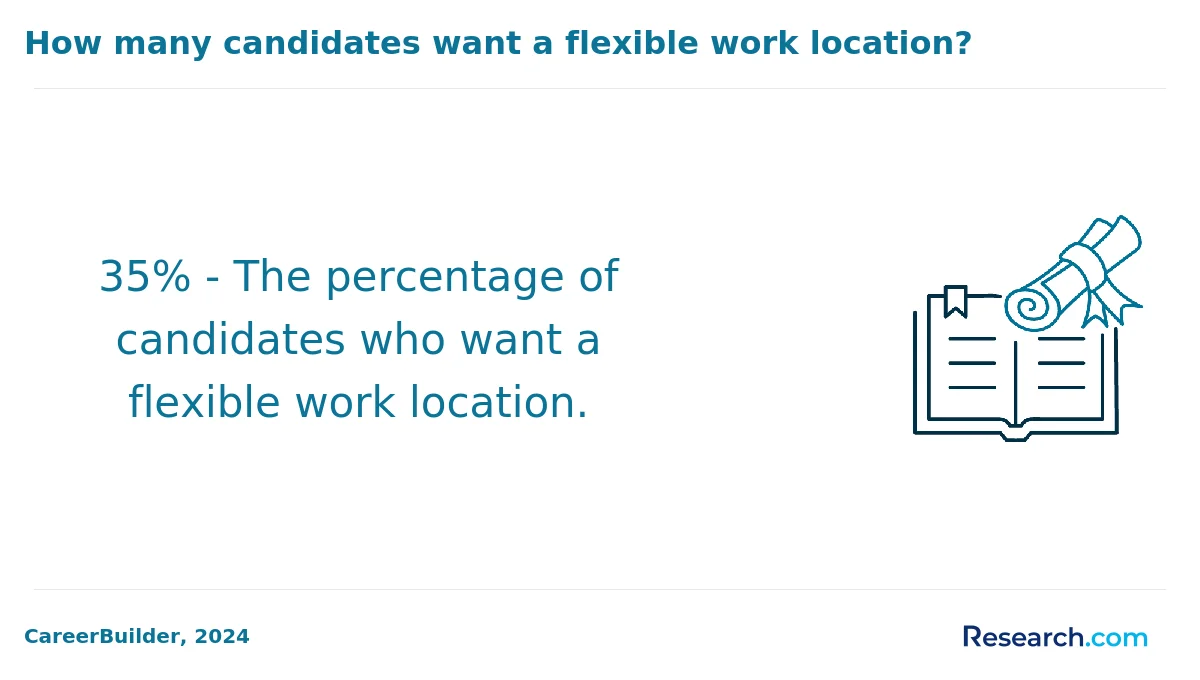
Students pursuing associate degrees in Hudson frequently rely on the Free Application for Federal Student Aid (FAFSA) as their gateway to crucial funding. Completing FAFSA opens access to federal aid such as Pell Grants, which students appreciate for not requiring repayment-it feels like a tangible boost toward their dreams. For the 2025-2026 year, Pell Grants can cover up to $7,395, easing the financial pressure for many graduates of Hudson Valley Community College.
Beyond federal aid, New York State residents benefit from the Tuition Assistance Program (TAP), which many Hudson students use to cover tuition at local institutions. Graduates often recall the relief of securing TAP funds after applying post-FAFSA, making their education feel attainable.
Local schools, including Hudson County Community College, supplement these with institutional scholarships and emergency aid. Work-Study programs also provide hands-on job experience near campus, letting students earn while they learn. Many students share how this balanced approach helped them manage expenses and graduate with less debt.
Applicants seeking admission to associate degree programs in Hudson must present a high school diploma or an equivalent credential like a GED. Graduates from well-known local colleges emphasize how submitting official transcripts directly to the college's admissions office, either by mail or secure electronic systems, is a straightforward but crucial step to confirm eligibility for enrollment.
Minimum GPA requirements vary, with many programs expecting at least a 2.3 cumulative GPA. For competitive fields such as radiography at Hudson County Community College, a 2.5 GPA or higher is essential. Graduates recall how maintaining strong grades enhanced their chances, especially for health-related pathways.
Standardized test scores, including a minimum SAT score of 900 or an ACT composite of 16, often factor into admission decisions, particularly for recent high school graduates. However, some programs waive these tests for returning adult learners, easing their entry process.
Specialized prerequisites for healthcare programs frequently include:
- Completion of prerequisite courses (biology, chemistry, math) with at least a C grade
- Attendance at an informational session clarifying program expectations
- Proof of college-level readiness in English and math through tests or prior coursework
- Passing a pre-admission exam such as the HESI-A2, with required minimum scores
Applicants from local schools also highlight the importance of meeting strict deadlines, like the radiography program's March 27, 2026 cutoff, and the advantage of early submissions to secure placement in limited-enrollment programs.
Proactive students note completing the FAFSA early to maximize financial aid opportunities, which is a vital component of the enrollment process in Hudson's associate degree programs.
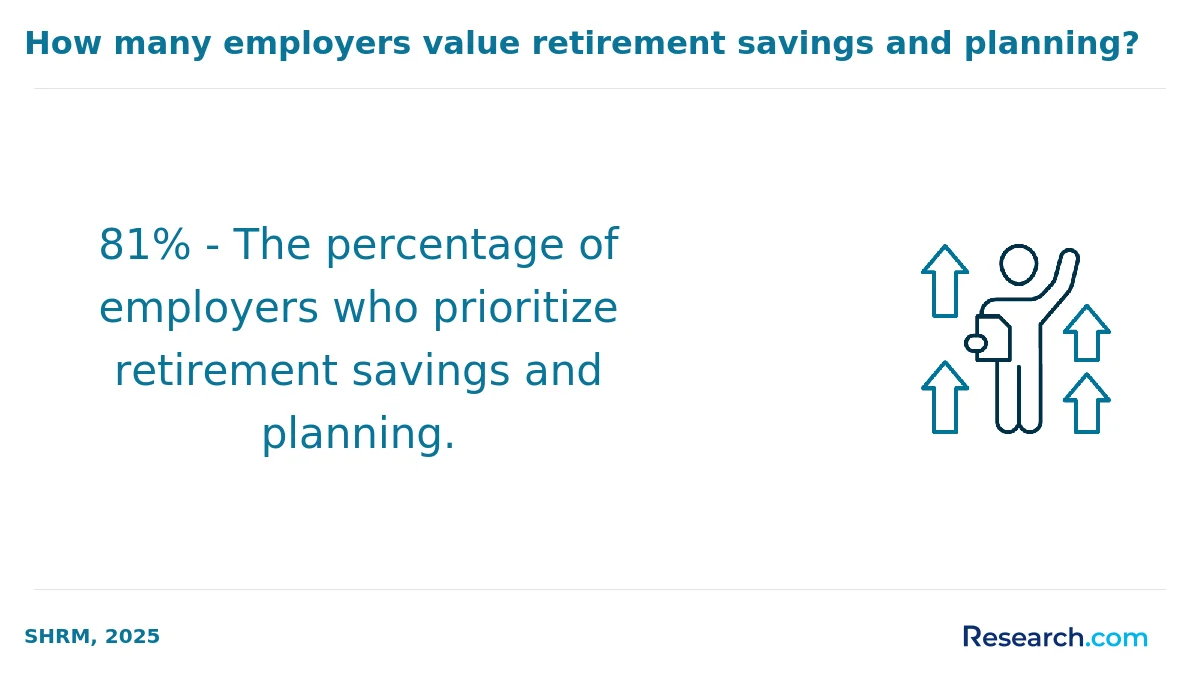
Associate degree programs in Hudson commonly include a strong core of general education classes such as English composition, mathematics, social sciences, and natural sciences, creating a well-rounded academic foundation favored by graduates of local schools. These common classes in Hudson community college programs equip students with essential skills in critical thinking, communication, and quantitative analysis that translate well across various fields.
Specialized courses vary widely depending on the program, reflecting Hudson's diverse educational landscape. For example, graduates from business tracks often recall taking principles like Principles of Accounting, Introduction to Business, and Business Law, which eased their transitions into competitive local job markets. Health-focused programs include rigor in anatomy, medical terminology, and pharmacology, vital for students entering regional healthcare roles.
Hudson associate degree course list options also respond directly to community and industry needs. Some students benefit from emerging classes in Cannabis Business Management or Advanced Manufacturing, programs unique to Hudson's economic environment. Liberal Arts tracks offer electives in Psychology, Theatre Arts, and Early Childhood Education, perfect for those planning transfer pathways to four-year colleges.
Recognizing busy adult learners, many Hudson schools provide flexible course delivery with online, evening, and hybrid classes. Students appreciate this approach as it helps balance work, family, and study. For those wondering what is the easiest online degree to get, Hudson's programs showcase accessible options without sacrificing quality.
Start by verifying accreditation to ensure the program meets recognized quality standards in Hudson. Graduates from popular local associate degree schools often emphasize how this impacts credit transfers and job prospects. Next, consider the range of programs offered; many Hudson institutions provide options from health sciences to technology, letting students tailor their education to specific career goals.
Flexibility is vital as many students juggle work and family commitments. Hudson programs frequently offer online, hybrid, or in-person formats, giving learners freedom to choose what suits their lifestyle. When you compare associate degree costs in Hudson, pay attention not only to tuition but also available scholarships and financial aid, which local community colleges often support robustly.
Finally, Hudson associate degree program selection tips also highlight the importance of student support services. Academic advising, career counseling, and job placement can significantly enhance the learning experience, as many graduates attest to the benefit of these resources when transitioning into the workforce.

Associate degree graduates in Hudson find robust career opportunities across multiple industries, reflecting the city's diverse local economy. Retail positions such as store associate and retail sales associate are frequently available, providing graduates essential skills in customer service and inventory management. Graduates report swift transitions into roles like front end associate, gaining valuable team leadership experience at major Hudson employers. In logistics, roles including warehouse associate and merchandise stocking associate offer competitive wages and clear advancement pathways.
Business-related careers also present strong potential. Graduates from Hudson's popular associate degree programs in business have secured jobs as human resources partners, project coordinators, and executive administrative assistants, with annual salaries ranging from $50,000 to $60,000. Additional roles include client service associate and project support specialist, which emphasize communication and organizational skills.
Healthcare remains a vital sector; local programs such as the University of Akron's nursing associate degree effectively prepare graduates for entry-level nursing roles that promise stability and competitive pay. The variety and volume of Hudson associate degree jobs and earning potential appear promising overall, encouraging new students to explore diverse career paths.
For those seeking to identify the fastest career routes with rewarding incomes, checking out resources on fastest highest paying degrees may provide helpful guidance as you plan your educational investment in Hudson.
The Hudson Valley associate degree job outlook shows a competitive yet promising environment for graduates. Recent local associate degree earners from popular schools often secure entry-level roles such as medical claims representatives or machine operators, earning between $13 and $23 per hour. Graduates appreciate the benefits packages-including health insurance and retirement plans-that accompany many of these positions, supporting a stable start to their careers. Many share experiences of gaining hands-on skills through their programs, which employers highly value in healthcare and manufacturing sectors.
Top industries hiring associate degree graduates in Hudson include healthcare, manufacturing, business, and education. Students who studied at well-known associate degree institutions leverage their training to enter roles like dental hygienists or occupational therapy assistants, which project sustained growth through 2030. Access to the larger Cleveland metropolitan job market further expands opportunities with roles paying $42,000 to $62,000 annually, broadening career paths for Hudson graduates willing to commute or work hybrid schedules.
For those considering study options, exploring affordable online colleges for working adults that offer associate degrees may complement local opportunities with flexible learning tailored to today's job market demands.
Most Affordable Associate Degree Programs - Leading Certification Courses in Hudson for 2026
# 1 position
Columbia-Greene Community College - Automobile/Automotive Mechanics Technology/Technician.
associateColumbia-Greene Community College offers a hybrid program in Automobile/Automotive Mechanics Technology/Technician. This program prepares students to repair, service, and maintain various automobile systems, including brakes, electrical, engine, suspension, transmissions, and HVAC. The annual in-state tuition is $5,904. Graduates earn a median salary of $46,236 one year after completion. The program is accredited by the Middle States Commission on Higher Education.
# 2 position
Columbia-Greene Community College - Information Technology.
associateColumbia-Greene Community College offers a hybrid Information Technology program focused on designing technological information systems for business and research. The curriculum covers computer hardware and software, algorithms, databases, telecommunications, application testing, and user interface design. The program is accredited by the Middle States Commission on Higher Education. Annual in-state tuition is $5,904, providing students with accessible education options that include some distance learning opportunities.
# 3 position
Columbia-Greene Community College - Computer Science.
associateColumbia-Greene Community College offers a Computer Science program delivered in a hybrid format, combining in-person and distance-education options. The curriculum covers computer theory, programming, and the design of computer systems and user interfaces with a scientific approach. The program is accredited by the Middle States Commission on Higher Education. Annual in-state tuition is $5,904. This program emphasizes computational science principles and practical applications in various end-use scenarios.
# 4 position
Columbia-Greene Community College - Business Administration and Management, General.
associateColumbia-Greene Community College offers a program in Business Administration and Management, General, designed to prepare students for planning, organizing, directing, and controlling business functions. The curriculum includes management theory, human resources, accounting, purchasing, logistics, marketing, and business decision-making. The program's annual in-state tuition is $5,904. It is accredited by the Middle States Commission on Higher Education.
# 5 position
Columbia-Greene Community College - Accounting Technology/Technician and Bookkeeping.
associateColumbia-Greene Community College offers a hybrid Accounting Technology/Technician and Bookkeeping program that prepares students to support accountants and financial managers. The curriculum covers posting transactions, record-keeping systems, accounting software, and core accounting principles. The annual in-state tuition is $5,904. The program is accredited by the Middle States Commission on Higher Education, providing recognized quality standards for students pursuing technical administrative roles in accounting.
# 6 position
Columbia-Greene Community College - Criminal Justice/Law Enforcement Administration.
associateColumbia-Greene Community College offers a Hybrid Criminal Justice/Law Enforcement Administration program that prepares students for leadership roles in public law enforcement. The curriculum covers law enforcement history, operational command, labor relations, budgeting, and legal responsibilities. Annual in-state tuition is $5,904. Graduates earn a median salary of $34,411 one year after completion. The program is accredited by the Middle States Commission on Higher Education.
Frequently Asked Questions about associate degree programs
To prepare for the job market after completing an associate degree in Hudson, students should focus on building practical skills and relevant experience. Many local employers value hands-on training and internships, which can be arranged through Hudson's community colleges or career centers. According to the National Center for Education Statistics, nearly 60% of associate degree holders find employment within six months of graduation.
Networking is also crucial. Attending local job fairs and joining professional groups in Hudson can increase job prospects. Additionally, updating a resume to highlight specific skills gained during the program is essential for standing out to employers.
Finally, researching industry trends relevant to Hudson's economy can guide graduates to in-demand fields such as healthcare, technology, and manufacturing.
Employers in Hudson increasingly value both technical and soft skills when hiring associate degree graduates. According to the National Skills Coalition, critical thinking, communication, and problem-solving rank among the top soft skills desired by local employers. In technical areas, proficiency in computer literacy and industry-specific tools is essential, especially in fields like healthcare, information technology, and manufacturing, which are prominent in the region.
Hudson employers also prioritize adaptability and teamwork, reflecting the collaborative nature of many local workplaces. Data from the U.S. Bureau of Labor Statistics indicates that jobs requiring associate degrees often demand strong practical skills paired with effective interpersonal abilities. Graduates who develop these competencies tend to have improved employment prospects in Hudson's competitive job market.
Finding internships in Hudson that align with your associate degree program involves leveraging local resources and institutional connections. Many community colleges and technical schools in Hudson maintain partnerships with businesses to offer relevant internship opportunities. According to the National Association of Colleges and Employers (NACE), approximately 60% of U.S. internships lead to job offers, highlighting their importance.
Start by visiting your school's career services office, which often lists Hudson-based internships specific to majors. Additionally, explore Hudson-area job and internship boards such as those provided by local chambers of commerce or workforce development centers. Networking events and career fairs in Hudson also provide direct employer contacts.
Finally, consider reaching out to local businesses in sectors related to your field; many offer internships even if they are not formally advertised. Staying proactive and informed about Hudson's economic sectors increases chances of securing a valuable internship.
In Hudson, earning an associate degree can significantly enhance career mobility and advancement opportunities. According to data from the National Center for Education Statistics, individuals with associate degrees tend to earn about 20% more than those with only a high school diploma. This credential provides practical skills and foundational knowledge valued by local employers in industries such as healthcare, technology, and business administration.
Many employers in Hudson view associate degrees as evidence of both commitment and competence, often leading to higher starting positions and faster promotions. Additionally, an associate degree can serve as a stepping stone for further education, potentially enabling transfer to four-year institutions, which may further increase career prospects.
Research from the U.S. Bureau of Labor Statistics highlights that associate degree holders in the region experience lower unemployment rates compared to those without postsecondary education. This trend underscores the degree's role in improving job security and creating pathways for upward social mobility within Hudson's competitive job market.
In Hudson, students pursuing associate degrees often find part-time employment opportunities that complement their field of study. Roles in healthcare support, such as medical assistants or pharmacy technicians, align well with health-related programs and can provide valuable practical experience. According to data from the U.S. Bureau of Labor Statistics, healthcare support jobs in the Hudson area are projected to grow by 10% over the next decade.
Retail positions and administrative assistant roles offer flexible schedules suitable for students in business or liberal arts programs. Local businesses in Hudson frequently seek part-time workers, helping students build both soft and technical skills relevant to their coursework.
Additionally, opportunities in food service and customer support remain prevalent and can help students develop communication and time-management skills. Hudson's diverse economy ensures a variety of part-time jobs that not only support students financially but also enhance their academic and career prospects.
To choose the most affordable degree program near Hudson, NY, consider researching local community colleges and state universities, which typically offer lower tuition compared to private institutions. You might find comprehensive lists of such programs on platforms like Research.com, which can provide guidance on available academic options. Finally, by searching for programs "near me," you can identify institutions that balance proximity and affordability, allowing you to attend school without hefty transportation or relocation costs.
- Benefits of a College Degree on Salary & Earning Potential | UMass Global https://www.umassglobal.edu/blog-news/how-college-impacts-salary-and-future-earning-potential
- Four Students Earn Associate's From HVCC - Tech Valley High School https://www.techvalleyhigh.org/four-students-earn-associates-from-hvcc/
- Occupations with the Most Expected Hiring in the Hudson Valley | Department of Labor https://dol.ny.gov/occupations-most-expected-hiring-hudson-valley
- Cost of Attendance (2025-2026) | Tuition and Fees | Paying for College | Hudson County Community College https://www.hccc.edu/paying-for-college/tuition-fees/cost-of-attendance.html
- Applying for a Program | HVCC https://www.hvcc.edu/admissions/get-started/program.html
- Here’s How an Associate Degree Can Advance Your Career https://flex.wisconsin.edu/stories-news/heres-how-an-associate-degree-can-advance-your-career/
- Top Career Skills for Two-Year College Grads in 2025 https://www.hanoverresearch.com/reports-and-briefs/higher-education/top-career-skills-for-two-year-college-grads-in-2025/
- Find Remote Internships For College Students https://www.accreditedschoolsonline.org/resources/college-internships-and-employment/
- Online Degree vs. Traditional | University of Arkansas Grantham https://www.uagrantham.edu/blog/pros-cons-online-degree-vs-traditional-university/
- Online Associate Degree Programs | SNHU https://www.snhu.edu/online-degrees/associate