Most Affordable Trade School & Training Programs - Leading Certification Courses in Ina for 2026

Co-Founder and Chief Data Scientist
Choosing the right trade school in Ina can feel overwhelming, but understanding your options makes all the difference. This article introduces the most affordable trade schools for 2026, carefully selected to help you find the best fit for your goals.
The trade school programs ranking, developed by the Research.com team of data scientists, offers clear insights based on real data. Reading this guide will empower you to make an informed decision and confidently pursue a diploma or certification that opens doors.
Investing in your education is an exciting step toward a fulfilling career, and this article is here to guide you every step of the way.
Key benefits of finishing trade school programs trade school in Ina
- Expected salaries for trade school graduates in Ina are promising, with averages around $65,000 annually, and skilled trades like electrical work and HVAC offering even higher pay up to $90,000 or more as experience grows.
- Popular career paths include electricians, plumbers, HVAC technicians, and welders-each offering solid starting salaries in the $40,000-$50,000 range and strong opportunities for growth with added skills and certifications.
- Online trade school diplomas provide flexibility and convenience, allowing graduates to balance work and study while gaining valuable certifications that lead to rewarding local jobs without the need to attend classes on campus.
- Most Affordable Trade School & Training Programs - Leading Certification Courses in Ina for 2026
- What can I expect from trade school programs trade schools in Ina?
- Where can I work after finishing trade school programs trade schools in Ina?
What can I expect from trade school programs trade schools in Ina?
The average cost of a trade school program in Ina varies but generally falls between $4,000 and $15,000 depending on the length and type of credential sought. Graduates from popular programs have noted that investing in a certificate or Associate of Applied Science degree often feels worthwhile given the direct career pathways these schools offer. A student pursuing HVAC training, for example, described how the hands-on lab work justified costs by preparing them for immediate employment, avoiding the extended expenses of a traditional four-year degree.
Students entering commercial driver's license programs have mentioned additional fees tied to mandatory physical exams and drug screenings, which are part of regulatory compliance. Despite these extra requirements, the streamlined, skill-focused nature of trade schools in Ina means students can often complete their education and enter the workforce in under two years, a significant benefit for those eager to start earning.
Flexibility is another key factor; many working adults appreciate evening or online classes, making the cost more manageable as they balance jobs. Graduates emphasize the value of industry-recognized certifications earned alongside core training, which enhance job prospects and long-term income potential.
Where can I work after finishing trade school programs trade schools in Ina?
Graduates from trade school programs in Ina find a wide range of employment opportunities across Illinois, reflecting the state's diverse economy. For example, those who trained in automotive technology often land jobs as technicians or mechanics at local repair shops or larger dealerships. Many express satisfaction with the hands-on work and steady demand in this field, especially since these roles don't require a four-year degree.
Others who completed welding or HVAC training report working in manufacturing plants or construction sites near Ina, appreciating the variety and physical engagement the careers provide. Commercial truck driving graduates frequently secure positions with regional logistics companies, enjoying the independence and travel aspects of the job.
Healthcare graduates from Ina's practical nursing or medical assisting programs share stories of quickly finding roles in area clinics and long-term care facilities, where their skills are highly valued. Meanwhile, cosmetology and barbering program alumni thrive in the over 16,000 salons and spas statewide, often benefiting from steady client relationships and creative work environments.
Construction trade students note real growth potential, with opportunities available in carpentry, drywall, and finishing trades. Many speak positively about apprenticeship pathways that enable earning while building expertise, making the transition from school to career smoother and more fulfilling.
After finishing a trade school program in Ina, many graduates find themselves earning a competitive salary that supports both stability and growth. On average, trade school graduates in Illinois earn around $65,069 per year, or about $31.28 per hour. This means if you complete a program in Ina, you could realistically start with a salary near $48,900 and work your way up to $79,000 with experience and additional skills.
Consider a graduate from a popular automotive trade school in Ina who started as a diesel engine specialist earning close to $49,000 annually. With dedication, they found steady work and have steadily increased their income. Others pursuing careers like heavy and tractor-trailer truck driving often earn around $52,800 yearly, which is a solid paycheck for many locals.
The steady wage growth of 3.6% in the Chicago-Naperville region, which impacts southern Illinois near Ina, means your earning potential is likely to keep pace with inflation, offering encouraging financial prospects. Many grads report feeling pride and satisfaction knowing their skills translate directly into well-paid jobs right after completing their programs.
- Trade school programs in Ina, Illinois, typically last 24 to 32 weeks, focusing on hands-on training and flexible class schedules including evenings and weekends.
- Applicants usually need a high school diploma or GED, with an open admissions policy and a requirement to complete an application and orientation.
- Average costs at Rend Lake College include $6,600 per year in tuition, $1,200 in additional fees, and about $400 for books and supplies.
- Programs often provide OSHA-10 and CPR/First Aid certifications to prepare students for licensure or immediate employment.
- Graduates can expect average yearly salaries around $40,000 in Illinois, with strong job prospects in healthcare, HVAC, and IT fields.
Trade school programs in Ina commonly range from under nine months to three years, depending largely on the field and credential pursued. Graduates from short-term courses often share how quickly they mastered entry-level skills in trades like carpentry or plumbing, completing certifications such as OSHA safety training in just a few months. This swift progression enables many to enter the workforce promptly with confidence.
Many students at local institutions, like Universal Technical Institute near Ina, report completing diploma programs in automotive or diesel technology within one year-some finishing the Diesel Technology program in around 45 weeks. These timelines strike a balance between intensive learning and avoiding prolonged commitments.
Associate degree seekers at schools such as Rend Lake College typically spend about two years gaining broader technical knowledge, which several graduates appreciate for opening doors to more advanced roles. Meanwhile, specialized fields like dental hygiene demand closer to three years, reflecting the complexity and depth of required skills.
Apprenticeships vary more widely, blending paid on-the-job training with classes over one to four years. For many, this hands-on approach creates rewarding experiences that feel directly tied to future career success.
The difference between online and on-campus trade school programs in Ina centers on how students experience learning and manage their time. Graduates from the online programs often share how the flexibility transformed their busy lives, allowing them to balance work and family while studying automotive technology or HVAC through platforms like Canvas. They describe the convenience of accessing lectures at any hour, especially when juggling unpredictable schedules.
Conversely, those who completed on-campus programs speak about the irreplaceable value of hands-on practice and immediate instructor guidance in well-equipped facilities. For example, students training on-site at Ina's technical schools highlight how real-time feedback while using specialized machinery boosted their confidence and skill mastery.
Both formats rely on the same qualified Illinois faculty, ensuring that whether learning remotely or face-to-face, the credential's quality remains strong. However, online students warn that self-motivation is vital, as flexibility comes with greater personal responsibility to keep pace without set class times.
The average trade school tuition in Ina varies depending on whether you attend a public or private institution, with public trade schools generally costing between $9,000 and $14,500 for the entire program. Graduates from popular trade schools in Ina often share that they appreciate the affordability combined with quality hands-on training, especially since tuition alone at public schools usually falls between $3,000 and $8,000. This makes vocational education accessible for many local students seeking specialized skills without the burden of excessive debt.
Cost of vocational programs in Ina also includes expenses for books, materials, and equipment, which typically add up to an extra $1,000 to $6,000. For example, students enrolled in welding or automotive technology programs frequently highlight how these fees cover tools and supplies crucial for real-world practice. A few graduates have remarked on the value of this investment, noting how well-prepared they felt entering the workforce after completing their programs on a budget that was substantially lower than traditional four-year colleges.
Tuition per credit hour at community colleges in Illinois, including those servicing Ina, averages around $166.46 for technical programs, giving students a transparent way to calculate their costs based on program length. Those considering medical assisting or other healthcare-related programs in the area report a wider cost range, sometimes reaching up to $20,000 due to the specialized nature of training.
Many Ina students find that trade schools offer fast, focused paths into careers they enjoy. Those curious about what are the highest paying trades often discover that these programs not only provide valuable skills but also affordable pricing that fits well with their financial realities.

Trade school students in Ina commonly access federal aid by completing the Free Application for Federal Student Aid (FAFSA), which unlocks opportunities like Federal Pell Grants. Graduates from local trade schools often share how receiving Pell Grants-up to $7,395 annually-relieved the stress of tuition costs, especially when juggling part-time jobs alongside hands-on training.
The Illinois Monetary Award Program (MAP) grant is another vital resource, offering up to $8,400 yearly for eligible residents attending approved Illinois trade schools. Many students describe the MAP grant as a game-changer that made programs at popular Ina institutions, such as technical colleges or specialized vocational schools, feel financially within reach.
Subsidized and unsubsidized federal student loans also assist Ina students. The key distinction is that subsidized loans don't accumulate interest while enrolled at least half-time-a relief echoed by graduates recalling manageable repayment plans after finishing their courses.
Programs like Illinois Promise target families living near the poverty line, covering tuition and fees for qualifying students. Additionally, undocumented students benefit from state aid via the RISE Act's Alternative Application, expanding access beyond traditional federal routes.
Many Ina students tap into private scholarships, local workforce initiatives, or employer tuition reimbursement, which further ease financial burdens. Graduates emphasize how exploring multiple aid avenues created a positive, hopeful experience during their trade education.
To enroll in a trade school program in Ina, the most fundamental prerequisite is holding a high school diploma or a GED certificate. Graduates from local trade schools often recall how meeting this baseline opened doors for them, allowing access to hands-on training that sparked their confidence and fueled career growth.
Students who completed recognized homeschooling find that their completion proof is generally accepted as well, ensuring flexibility for various educational backgrounds.
Age requirements typically mandate that applicants be at least 17 or 18 years old. However, some schools offer pathways for younger students with parental consent, reflecting the community's supportive stance toward motivated learners eager to begin their trades early.
Notably, SAT or ACT scores are rarely required, streamlining the process. Instead, students may encounter placement tests designed to align their skills with program demands. Applicants should prepare to submit:
- A completed application form
- A non-refundable application fee
- Supporting documents like transcripts or certificates
- Occasionally, essays or recommendation letters for competitive fields
Graduates often describe how this straightforward process made enrollment accessible without unnecessary barriers. Still, certain programs-especially in healthcare or automotive trades-may request background checks or physical exams, underscoring the importance of checking specific requirements early on.

Trade school programs in Ina typically include a set of courses targeting practical skills and certifications that prepare students for immediate employment. Graduates from local schools often share how hands-on training in areas like healthcare and skilled trades gave them confidence entering the workforce.
Common courses students encounter include:
- Healthcare fields such as Certified Nursing Assistant (CNA), Medical Assistant, Pharmacy Technician, Medical Coding, and Phlebotomy, which blend patient care with certification prep.
- Skilled trades like Welding Technology, CNC Machining, Heavy Equipment Operation, Diesel Technology, and Industrial Electronics, featuring lab work with real-world equipment.
- Automotive Technology and Truck Driver Training, focusing on engine repair and logistics, highlighted by many graduates who quickly secured jobs after internships.
- Cosmetology, Barbering, and Personal Care Aide courses that foster creative skills and personal interaction.
- Culinary arts, business, computer science, and visual communications courses that balance technical expertise with teamwork and communication skills.
Students appreciate that many programs also offer certifications like OSHA-10 and CPR/First Aid, especially valuable for construction and healthcare careers. Flexible schedules with evening or weekend classes help those balancing work and study, making these programs accessible and practical for Ina residents aiming to improve their careers rapidly.
Trade school programs in Ina offer a variety of specializations tailored to meet the demands of local industries, providing practical skills that directly translate to high-demand careers. Graduates from these schools often share how hands-on training in Construction Trades-such as carpentry, masonry, electrical line work, plumbing, and fire protection-gave them confidence entering the workforce. For instance, students at Dawson Technical Institute benefit from both certificates and associate degrees that prepare them for real-world challenges with focused programs in welding and utility work.
Other popular paths include Manufacturing and Engineering, where learners gain experience as HVAC technicians or civil engineering assistants, often through partnerships like the PAC program with Triton College, which offers invaluable architectural construction projects.
Information Technology and Health Sciences also present exciting options, allowing students to acquire certificates and degrees in fields like education and human services.
The apprenticeship pathways emphasized by schools such as Walsh Academy let students earn while they learn, making it easier to advance in high-paying trades.
- Construction Trades with hands-on workshops and internships
- Manufacturing and Engineering technician roles
- Information Technology, Health Sciences, and Human Services
- Apprenticeship programs for experiential learning
Many graduates attest to how these programs align with job market needs-for example, pursuing cheap online welding trade school programs enables flexibility while acquiring in-demand skills. Salaries reflect this value, with pipefitters and welders earning up to $51 per hour. These practical specializations in Ina's trade schools thus provide rewarding career pathways supported by both industry standards and union apprenticeship opportunities.
Choosing the best trade school program in Ina starts with confirming you meet the basic admission requirements, such as having a high school diploma or GED and being of eligible age. Graduates from popular Ina colleges often recall how straightforward this process was for them, especially when the school offered support with documents and deadlines. It's vital to explore programs that align with your interests and local job market demands; this practical focus boosts confidence as students transition to employment. For instance, those interested in automotive fields have praised programs that combine hands-on training with partnerships at nearby garages and dealerships.
To compare trade schools in Ina effectively, examine accreditation status and reputation because these impact not only education quality but also job placement success. Many Ina graduates have expressed satisfaction with schools boasting strong employer connections, which eased their job searches. Additionally, cost and financial aid availability, including scholarships and federal aid, can make a difference in maintaining motivation and focus during training.
When evaluating specific trades, students in Ina have benefited from researching demand trends alongside online options like an online auto mechanic school to supplement in-person learning. This blended approach has gained praise for its flexibility and thorough skill development, helping individuals feel ready to enter the workforce confidently.
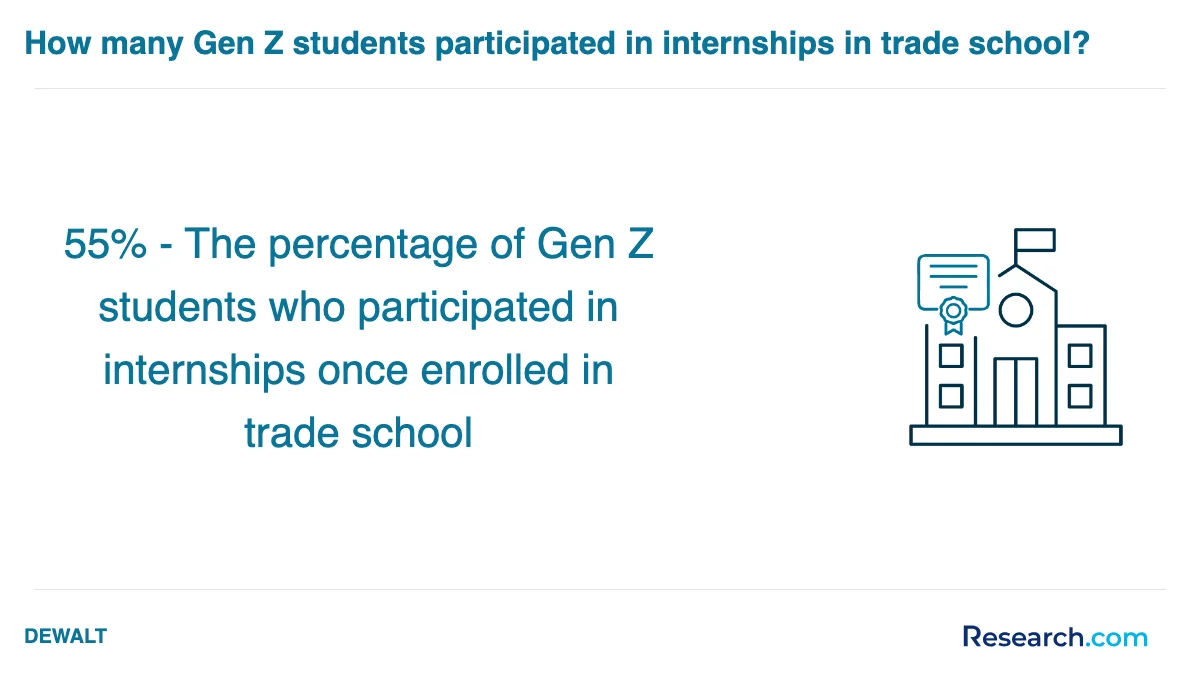
Trade school career opportunities in Ina extend across several thriving industries, offering graduates practical routes to stable and rewarding jobs. Healthcare roles such as practical nurse and certified nursing assistant are common outcomes from programs at Gottlieb and Graham schools, where graduates often share how hands-on training directly prepared them for valuable licensed positions.
The skilled trades remain a robust option, with many students training at ETI School of Skilled Trades or the HVAC Technical Institute. Graduates frequently highlight the appeal of completing electrician or welding certifications quickly and stepping into high-demand roles in Illinois' residential and industrial sectors. Typical career paths include:
- Welding and fabrication jobs in manufacturing hubs near Ina
- HVAC technician roles serving local residential and commercial clients
- Electrician positions with apprenticeships offering paid on-the-job experience
High-demand jobs for Ina trade school graduates also expand into cosmetology, automotive technology, IT, and early childhood education. Apprenticeship programs with District 214 connect learners directly to local employers, demonstrating a successful "learn while you earn" model that many graduates cite as key to starting their careers without debt.
For students with an interest in public infrastructure, the Highway Construction Careers Training Program offers pre-apprenticeship experience with paid stipends, enabling entry into construction trades on practical terms. Many graduates appreciate the tangible benefit of no upfront tuition cost.
Ina's trade schools benefit from Illinois' broad network of more than 140 such institutions, allowing students to find personalized career paths that align closely with local market demands. Some also seek out cheap flooring installer training courses available online, diversifying their skills and increasing employment options.
The job market for trade school graduates in Ina is characterized by steady demand across key industries like manufacturing, healthcare, and construction. Graduates from popular trade schools in Ina often find themselves quickly employed, benefiting from programs aligned with local labor needs. For instance, many graduates from HVAC and electrical programs report immediate job offers due to ongoing infrastructure projects. The employment outlook for skilled trades in Ina is bolstered by a diverse economic base and targeted vocational training that produces career-ready candidates.
Graduates highlight several advantages of studying locally:
- Short program durations making it easier to enter the workforce swiftly
- Hands-on experiences that match employer expectations
- Access to federal and state funding that supports certification and retraining
Moreover, sectors like logistics and IT are expanding, providing new opportunities for graduates with technical credentials. Some students build on their credentials through online hvac training, increasing their employability. This direct connection between education and workforce demands makes the job market for trade school graduates in Ina particularly promising.
Most Affordable Trade School & Training Programs - Leading Certification Courses in Ina for 2026
# 1 position
Rend Lake College - Computer and Information Systems Security/Auditing/Information Assurance.
associateRend Lake College offers a hybrid program in Computer and Information Systems Security/Auditing/Information Assurance. The curriculum prepares students to assess security needs, manage implementation and auditing of security systems, and address risk and policy issues. The program includes instruction in computer architecture, programming, cryptography, and applicable laws. Annual in-state tuition is $4,500. The program is accredited by the Higher Learning Commission.
# 2 position
Rend Lake College - Criminal Justice/Police Science.
associateRend Lake College offers a Hybrid Criminal Justice/Police Science program that prepares students for roles in law enforcement, including patrol, investigations, traffic and crowd control, evidence management, and report writing. The program covers basic crime prevention and weapon operation skills. Annual in-state tuition is $4,500. This program is accredited by the Higher Learning Commission, ensuring recognized educational standards.
# 3 position
Rend Lake College - Industrial Mechanics and Maintenance Technology/Technician.
associateRend Lake College offers a hybrid Industrial Mechanics and Maintenance Technology/Technician program focused on repairing and maintaining industrial machinery and equipment, including cranes, pumps, engines, and conveyor systems. The program is accredited by the Higher Learning Commission. Annual in-state tuition is $4,500. Graduates have median earnings of $61,677 one year after completing the program.
# 4 position
Rend Lake College - Automobile/Automotive Mechanics Technology/Technician.
associateRend Lake College offers a hybrid program in Automobile/Automotive Mechanics Technology/Technician, preparing students to repair, service, and maintain various automobile systems. The curriculum covers brake systems, electrical systems, engine performance and repair, suspension and steering, transmissions, and heating and air conditioning. The program is accredited by the Higher Learning Commission. Annual in-state tuition is $4,500, and some distance-education options are available.
# 5 position
Rend Lake College - Welding Technology/Welder.
associateRend Lake College offers a hybrid Welding Technology/Welder program that prepares students to apply technical skills in various welding methods, including arc welding, resistance welding, and brazing. The curriculum covers welding metallurgy, safety, structural design, and applicable codes. The program is accredited by the Higher Learning Commission. Annual in-state tuition is $4,500, providing accessible training for individuals aiming to work with ferrous and non-ferrous materials in welding and cutting.
# 6 position
Rend Lake College - Veterinary/Animal Health Technology/Technician and Veterinary Assistant.
certificate or diplomaRend Lake College offers a program in Veterinary/Animal Health Technology/Technician and Veterinary Assistant that prepares students to assist veterinarians and other animal professionals in patient care and clinical procedures. The curriculum covers animal nursing, health, nutrition, clinical pathology, radiology, anesthesiology, surgical assisting, laboratory procedures, and office administration. The program is accredited by the Higher Learning Commission, with an annual in-state tuition of $4,500.
# 7 position
Rend Lake College - Baking and Pastry Arts/Baker/Pastry Chef.
certificate or diplomaRend Lake College offers a hybrid Baking and Pastry Arts/Baker/Pastry Chef program that prepares students for careers as professional bakers and pastry specialists. The curriculum includes instruction in bread and pastry making, decorating, handling, storage, and baking industry operations. Annual in-state tuition costs $4,500. The program is accredited by the Higher Learning Commission and provides training relevant to commercial baking establishments and customer service.
# 8 position
Rend Lake College - Industrial Mechanics and Maintenance Technology/Technician.
certificate or diplomaRend Lake College offers a hybrid Industrial Mechanics and Maintenance Technology/Technician program designed to equip students with skills to repair and maintain industrial machinery like cranes, pumps, engines, and conveyor systems. The program is accredited by the Higher Learning Commission. Annual in-state tuition is $4,500. Graduates have a median earning of $61,677 one year after completing the program, reflecting strong job market potential in this technical field.
# 9 position
Rend Lake College - Automobile/Automotive Mechanics Technology/Technician.
certificate or diplomaRend Lake College offers a hybrid program in Automobile/Automotive Mechanics Technology/Technician that prepares students to repair, service, and maintain various automobile systems. The curriculum includes brake systems, electrical systems, engine performance and repair, suspension and steering, transmissions, and heating and air conditioning. Annual in-state tuition is $4,500. The program is accredited by the Higher Learning Commission, providing technical skills with some distance-education options.
# 10 position
Rend Lake College - Welding Technology/Welder.
certificate or diplomaRend Lake College offers a Hybrid Welding Technology/Welder program that trains students in various welding techniques, including arc welding, resistance welding, and brazing. The curriculum covers welding metallurgy, safety, codes, and structural design. The annual in-state tuition is $4,500. The program is accredited by the Higher Learning Commission, providing technical knowledge and skills essential for working with ferrous and non-ferrous materials and advanced welding processes.
Frequently Asked Questions about trade school programs
After completing a trade school program in Ina, effectively preparing for the job market involves several strategic steps. First, graduates should focus on building a professional resume highlighting their specific skills and any hands-on training gained during their program. According to the Illinois Department of Employment Security, the demand for skilled trade workers in the region is projected to grow by 8% over the next decade, making targeted job applications essential.
Networking is also crucial; attending local job fairs and connecting with employers through trade associations can open opportunities. Additionally, obtaining industry-recognized certifications beyond the initial credential can boost employability. Many employers in Ina prefer candidates who show ongoing commitment to skill development. Finally, using resources available through the school's career services can aid in interview preparation and job placement assistance, increasing a graduate's chances of securing employment swiftly.
Employers in Ina prioritize both technical and soft skills when hiring trade school graduates. According to recent data from the U.S. Bureau of Labor Statistics, proficiency in hands-on skills such as electrical work, welding, and HVAC installation ranks highly due to local industry demands. Additionally, foundational knowledge of safety standards and equipment operation is essential.
Soft skills such as communication, teamwork, and problem-solving are equally important. A 2023 workforce survey by the Illinois Department of Commerce highlights that 87% of employers value trade graduates who can collaborate effectively on-site and adapt to changing project requirements.
Overall, a combination of certified technical abilities and strong interpersonal skills increases job prospects for trade school graduates in Ina.
Finding internships in Ina relevant to your trade school program involves several practical steps. Begin by contacting your trade school's career services office, as many maintain partnerships with local businesses offering internships tailored to specific trades.
Networking is vital. Attend local job fairs and industry events in Ina, such as those hosted by the Chamber of Commerce. These events connect students directly with employers seeking interns in skilled trades.
Online job platforms like Indeed and local government websites often list internship opportunities in Ina. According to the Illinois Department of Employment Security, trade internships in manufacturing and construction fields in the region have grown by 5% annually over the past three years.
Additionally, reaching out to local businesses directly can uncover unadvertised internships. Trades like automotive repair, electrical work, or HVAC often rely on word-of-mouth placements.
Obtaining a trade school diploma in Ina can significantly enhance career mobility and advancement opportunities. Many local employers recognize the practical skills and certifications offered by trade schools, which often results in faster job placement compared to traditional degrees. According to the Illinois Department of Employment Security, trade school graduates in the region experience an average wage increase of 15-25% within two years after completion.
Trade diplomas also help workers adapt to evolving industries such as manufacturing and healthcare, both prominent in Ina's economy. These credentials demonstrate specialized knowledge that can lead to promotions and higher responsibility roles.
Furthermore, trade schools often have partnerships with Ina-area businesses, creating internship and apprenticeship programs that ease entry into the workforce and support career growth.
Part-time job opportunities in Ina that complement trade school education often align with the practical skills students acquire in their programs. For example, automotive technology students can seek part-time roles as auto repair assistants, gaining hands-on experience with vehicle diagnostics and maintenance. Building and construction trade students frequently find positions as laborers or apprentices on local job sites, allowing them to apply classroom knowledge in real-world projects.
According to the U.S. Bureau of Labor Statistics, trade-related part-time jobs in the Midwest, including areas like Ina, have seen a steady increase of about 3% annually in recent years. This growth reflects a demand for skilled labor in industries such as electrical work, HVAC, and welding, which offer roles suitable for students managing both work and study schedules.
Additionally, retail or warehouse positions within local businesses can complement studies by developing soft skills such as customer service and inventory management, beneficial across various trades. Job boards such as Indeed and local workforce centers regularly list openings suitable for trade students seeking flexible, part-time roles in Ina.
Yes, there are affordable degree programs available at institutions near Ina, IL, offering a variety of academic disciplines. Researching local community colleges or universities can reveal cost-effective options, as many have developed programs to cater to students seeking affordable education. For further exploration of what might be available near me, Research.com can be a helpful resource for identifying degree programs and their affordability.
- Skilled Trades Careers: High Demand, Good Pay, and Job Security https://intuitclasses.com/career-choices/skilled-trades
- Career in a Year - Miami Dade County Public Schools https://www.careerinayear.com/
- Trade Schools: Choose a Vocational School for Your Best Career! https://www.trade-schools.net/
- How to Pursue Vocational Study in the USA: A Guide for International Students | Shorelight https://shorelight.com/student-stories/vocational-study-in-the-usa/
- Vocational school - Wikipedia https://en.wikipedia.org/wiki/Vocational_school
- The Best Trade Schools of 2025 | CourseCompare.ca https://www.coursecompare.ca/best-trade-schools/
- Online Skilled Trades Training Programs | Penn Foster https://www.pennfoster.edu/programs/trades
- Indiana Tech https://www.indianatech.edu/
- Earn While You Learn: Balance Work & Education Successfully https://www.smart-academy.in/blog/earn-while-you-learn/
- Trade School vs. College: Why Hands-On Learning Could Be the Smarter Path - Kiwi Box https://www.kiwibox.com/trade-school-vs-college/