
Most Affordable Associate Degree Programs - Leading Certification Courses in Hawaii for 2026

Co-Founder and Chief Data Scientist
Are you considering pursuing an associate degree in Hawaii but want to keep costs manageable? This article introduces you to the most affordable associate degree programs available in 2026, designed to help you find quality education without breaking the bank.
The list features a comprehensive ranking created by the Research.com team of data scientists, ensuring reliable insights for making smart decisions about trade school options in the islands.
Discover programs that offer great value, flexible paths to career growth, and a solid foundation for your future success. Getting an associate degree can open many doors - and this guide is here to help you take the first step with confidence.
Key benefits of associate degrees in Hawaii
- Associate degree graduates in Hawaii can expect salaries ranging from $32,700 to $45,989 per year, with higher pay in fields like nursing and information technology reaching over $40,000 early on.
- Popular career paths include technical and healthcare roles, with graduates from Kauai, Honolulu, and Kapiʻolani Community Colleges finding success in these growing industries, offering strong job opportunities and steady income.
- Online associate degrees offer flexible learning options, allowing students to balance work and studies, similar to graduates from recognized Hawaii community colleges, making education more accessible without sacrificing quality.
- Most Affordable Associate Degree Programs - Leading Certification Courses in Hawaii for 2026
- What can I expect from associate degree programs in Hawaii?
- Where can I work after finishing associate degree programs in Hawaii?
What can I expect from associate degree programs in Hawaii?
The average cost of earning an associate degree in Hawaii typically ranges between $4,500 and $9,000 per year at community colleges, making it a financially accessible option for many local students. Graduates often share how attending colleges like Honolulu Community College or Windward Community College allowed them to gain valuable skills without the heavy burden of debt. For example, students balancing work and family commitments appreciate the flexible online and hybrid course options, which can reduce transportation and childcare costs.
Many students find that the ability to transfer up to 44 credits into their associate programs significantly shortens completion time and lowers overall expenses. Attending private institutions in Hawaii may incur higher tuition, but those schools often offer personalized support and career counseling, which past students credit for helping them secure employment quickly after graduation.
Whether pursuing an Associate in Arts or Associate in Applied Science, students consistently highlight the combination of affordability, comprehensive education, and community support as key reasons for their satisfaction with studying locally.
Where can I work after finishing associate degree programs in Hawaii?
After finishing an associate degree program in Hawaii, many graduates find rewarding employment locally in bustling sectors like healthcare, technology, and hospitality. For instance, graduates from community colleges in Honolulu often step confidently into roles such as radiologic technologists at major hospitals or IT support staff within local tech firms. These positions not only provide competitive entry-level salaries but also offer clear paths for career growth.
Others graduating from trade and technical programs discover impactful work as licensed practical nurses or dental hygienists, directly serving Hawaii's vibrant communities. These roles often bring a fulfilling sense of purpose, helping students feel connected and valued in the islands' essential healthcare services.
Many associate degree holders also thrive in public agencies and schools, becoming employment specialists or junior instructors, where their education opens doors to steady and meaningful careers. Graduates often share how starting with an associate degree allowed them to quickly launch into practical jobs that matched their interests and supported their families.
In this evolving job market, finishing an associate degree in Hawaii creates solid opportunities to join reputable local employers and contribute to the islands' growing economy.
After finishing an associate degree program in Hawaii, many graduates find themselves earning between $32,700 and $45,989 annually, though these numbers can vary depending on the school and field of study. For instance, graduates from Honolulu Community College often start with salaries around $36,700, while those from Kauai Community College typically see figures closer to $34,100. A recent graduate from Hawaii Community College shared how an early career salary near $37,147 helped them feel confident in managing living expenses on the islands.
These earnings reflect local opportunities in fast-growing sectors like healthcare, technology, and business. Some Honolulu-based associate degree holders in roles such as nursing or IT have climbed to $50,000+ within a few years, relishing the boost from hands-on experience. Even entry-level positions pay well enough to cover the higher cost of living, allowing graduates to imagine a stable and fulfilling life in Hawaii.
With unemployment rates near 2%, earning potential from an associate degree here not only supports financial goals but also builds valuable local connections that help graduates thrive.
- Kaleo: Earning my Associate in Culinary Arts in Hawaii transformed my passion into a career. The hands-on training at the trade school prepared me perfectly, and I now work at a top local resort. The community feel and practical skills made all the difference in landing my dream job.
- Leilani: Choosing an Associate Degree in Early Childhood Education from a Hawaiian institute was life-changing. The supportive instructors and real-world internships helped me build confidence. I'm proud to nurture our keiki and contribute to the island's future while enjoying a fulfilling career close to home.
- Jalen: My Associate Degree in Automotive Technology opened doors I never imagined. The technical training was intense but rewarding, and now I manage my own repair shop in Honolulu. The trade school gave me practical skills and connections, turning my ambition into a thriving business.
- Admission typically requires a high school diploma or GED, with some programs like BYU-Hawaii requiring a minimum 3.0 GPA for priority admission.
- Annual tuition for in-state students at public colleges ranges from $3,200 to $4,000, with total two-year costs between $6,500 and $8,000, excluding living expenses.
- Associate degree graduates in Hawaii commonly work in healthcare, business, education, IT, and skilled trades, with starting salaries between $34,000 and $48,000 per year.
- Experienced professionals with associate degrees may earn median wages of $55,000 or more depending on their industry and occupation.
- Completing an articulated associate in arts degree guarantees fulfillment of general education requirements for transfer to a University of Hawai'i four-year campus.
An associate degree program in Hawaii typically takes about two years to complete when attending full-time at popular community colleges or technical schools. Graduates often share how a full-time course load of 12 to 15 credit hours per semester keeps their momentum steady, fitting into a lifestyle balanced between studies and local island life. Many appreciate the clear structure of two main semesters-fall and spring-that guide them through those 60 to 65 credit hours.
For those juggling jobs or family, part-time enrollment extends the timeline, sometimes beyond two years, as students take fewer courses each term. However, Hawaii's schools offer flexible options like summer sessions or accelerated paths, enabling motivated students to potentially finish in as little as 12 to 18 months. Some graduates recall taking summer courses to get ahead or leveraging online classes from Hawaii-based programs to finish faster.
Programs with clinical hours or trade-specific requirements might lengthen the process but provide valuable hands-on experience. This balance of flexibility and practical training makes pursuing an associate degree in Hawaii feel both achievable and rewarding for many students.
Online associate degree programs in Hawaii offer students the freedom to study from anywhere, perfect for those balancing work or family. Graduates from schools like Honolulu Community College often share how the flexible schedule allowed them to complete coursework late at night after their day jobs, making education accessible without uprooting their lives.
In contrast, on-campus programs provide a vibrant campus atmosphere with direct access to facilities such as libraries and labs, which students at Kapi'olani Community College frequently praise. Being physically present fosters community connections and instant feedback from instructors, enhancing the hands-on learning experience many find motivating and engaging.
Online learners report feeling empowered by mastering new technologies and managing their time, but sometimes miss the face-to-face camaraderie of campus life. On-campus students, meanwhile, appreciate the structured routine that encourages steady progress and real-time collaboration, which can especially benefit those new to college academics in Hawaii's unique cultural setting.
For many students pursuing an associate degree in Hawaii, the average associate degree cost in Hawaii typically ranges from $3,600 to $4,200 annually at public community colleges. This translates to approximately $7,200 to $8,400 for the full two-year program, making schools like Honolulu Community College and Kauai Community College popular and attainable choices. Graduates often share how this affordable tuition eases financial stress, allowing them to focus more on studies and less on worries about debt.
At these community colleges, tuition runs about $120 to $140 per credit hour for residents. For example, a full-time student at Honolulu Community College taking 24 credits annually would pay around $3,144 in tuition. The Hawaii community college tuition and fees reflect this generally moderate pricing, with 60-credit programs totaling near $7,860 for in-state students at colleges like Kapiʻolani and Leeward Community Colleges. This affordability motivates many local residents to commit to their education without feeling overwhelmed by costs.
Out-of-state students pay markedly more, usually between one and two times the in-state tuition rates, while private institutions like Chaminade University and Hawaiʻi Pacific University can exceed $30,000 annually in tuition. However, many students find generous financial aid and scholarships help offset expenses, making community colleges a smart investment. For those considering alternatives, exploring programs such as a master degree online 1 year might also influence future educational decisions.
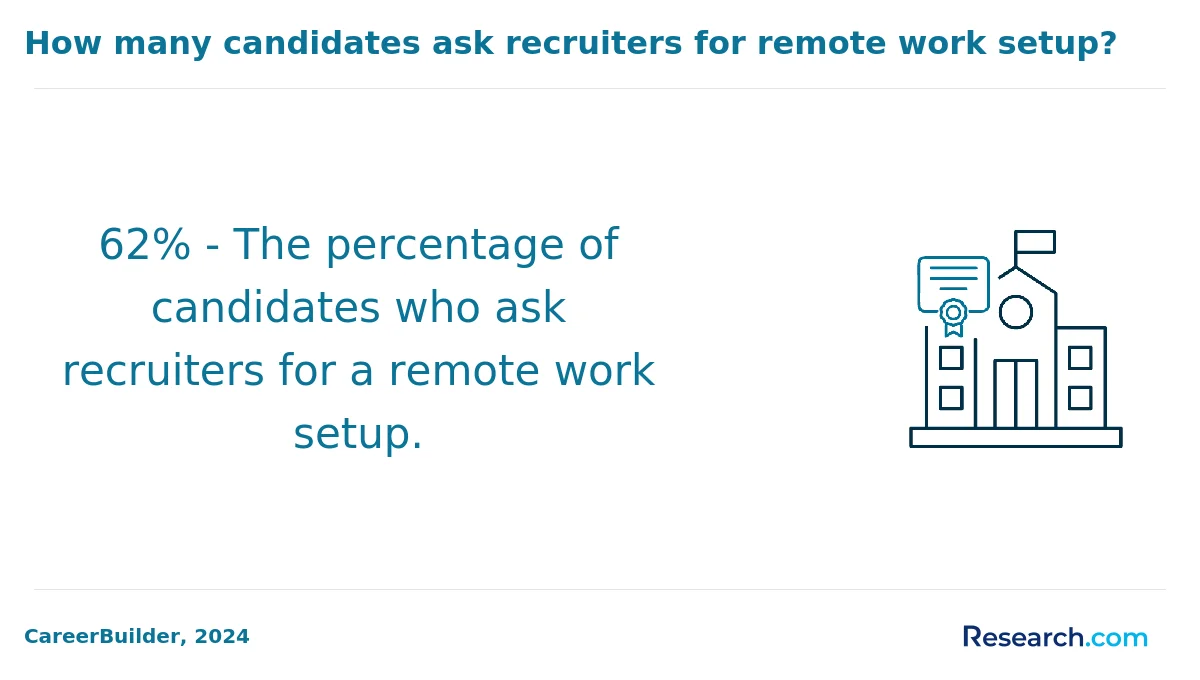
Students pursuing associate degrees in Hawaii often discover vital financial aid opportunities that truly transform their college experience. For instance, many graduates from Honolulu Community College emphasize how completing the FAFSA early unlocked federal Pell Grants, making a significant difference in managing tuition costs. These grants, awarded based on family income, can provide substantial support-such as for a family of four with income below $71,820, where the maximum award is possible.
Beyond federal aid, Hawaii's unique state scholarships, like the Royal Business Bank Scholarship or the Native Hawaiian Health Scholarship Program, offer targeted funds to local students. Graduates recall how these scholarships eased the burden of expenses beyond tuition-including books and fees-allowing them to focus more on studies and community involvement.
Work-study is another accessible aid, with many part-time jobs on campuses like Leeward Community College helping students earn while learning. Even part-time enrollees receive prorated aid, which many find encouraging as it keeps education affordable without overwhelming schedules.
To enroll in an associate degree program in Hawaii, students typically need to meet straightforward prerequisites that make higher education accessible. Most colleges, including popular UH Community Colleges, require you to be at least 18 years old or hold a high school diploma, GED, or equivalent. Graduates often recall the relief of meeting these simple baseline criteria, knowing their path to college wasn't blocked by complicated eligibility rules.
Specific programs, especially in health sciences, may ask for more, such as prerequisite courses or minimum GPA, which means being prepared academically can give you an edge. For example, students aiming for nursing or dental assistant tracks often share stories about focused preparation helping them succeed early on.
Here's what you'll likely need to prepare:
- Online application completion and official proof of graduation or equivalency
- Submission of transcripts or AP/CLEP scores if applicable
- Compliance with state health requirements, including immunization records for TB, Tdap, varicella, and MMR before registration
For international students, additional paperwork like visa documents and English proficiency proof may be required. Many local students appreciate the waiver of application fees when they prove residency-a small but encouraging incentive.
New entrants often describe their first days attending orientation as welcoming, helping them adjust easily to campus life and academic expectations in Hawaii's associate degree schools.

Typical courses in Hawaii associate degree programs combine foundational general education with electives that reflect both personal interests and local cultural contexts. Graduates from Leeward Community College often describe how their 31 credits in general education encompass essential skills-spanning writing, math, oral communication, arts, social sciences, and natural sciences. For instance, these courses build critical thinking and communication confidence, which many find empowering early in their academic journeys.
Students pursuing an associate degree class requirements Hawaii appreciate the inclusion of focus requirements tailored to regional relevance, such as Hawaiian, Asian, and Pacific issues, alongside contemporary ethical studies. This blend makes their education feel deeply connected to the unique social and cultural fabric of the islands.
Electives in these programs give learners the freedom to explore diverse subjects, nurturing curiosity and adaptability, especially at institutions like Hawai'i Pacific University where unrestricted electives complement the core curriculum.
Many graduates say this well-rounded approach prepares them effectively for transfer or career advancement, often encouraging them to seek in-depth paths like the easiest 2 year degree to get in related fields.
Choosing the best associate degree program in Hawaii means focusing on the factors that truly impact your personal and professional growth. Many graduates from Honolulu Community College emphasize how the school's strong reputation and affordable tuition helped them feel confident pursuing their studies without overwhelming financial stress. When evaluating options, comparing institutions based on academic quality and student support can make a big difference in your experience.
Understanding how to compare Hawaii associate degree costs is essential, especially since tuition and living expenses vary across community colleges like Kauai or Kapi'olani. Students note that lower student-to-faculty ratios, such as the 11:1 at Kauai Community College, create a more encouraging environment where personalized attention boosts motivation and success. Plus, programs offering flexible online options, like those seen at Hawaii Pacific University, accommodate busy schedules for working adults or parents.
For those seeking quicker paths to graduation, exploring easy associate degrees makes it possible to balance life's demands while reaching career goals efficiently. Considering post-graduation salary data alongside graduation rates at each school can add clarity on which programs provide the best return on investment for your future in Hawaii.
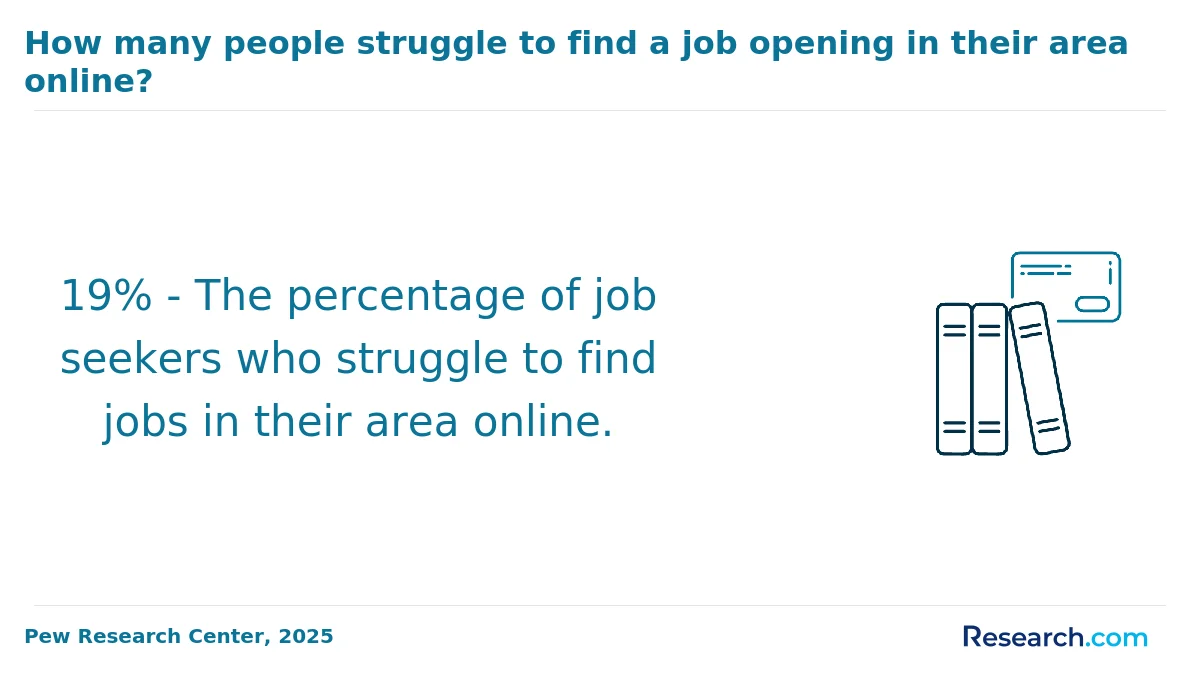
Associate degree graduates in Hawaii find a wealth of career opportunities that align closely with the state's evolving economic landscape. Popular programs at local colleges have enabled graduates to step confidently into roles in healthcare, business, IT, and education, with many reporting rewarding early career experiences. For example, healthcare positions such as dental hygienist or radiologic technologist are in high demand, offering competitive wages and the chance to make a meaningful community impact. Business-related roles like administrative coordinator or office manager often attract graduates who enjoy dynamic work environments and solid career growth.
Technical fields flourish for associate degree holders, as Hawaii's digital economy expands. Graduates frequently secure roles as desktop support representatives or regulatory affairs specialists, jobs that combine essential technical skills with problem-solving aptitude. Meanwhile, education and social service sectors provide stable, fulfilling careers for those passionate about community support, including school health assistants and employment specialists.
Graduates from well-known Hawaii institutions appreciate how their associate degrees translate into tangible job prospects. Balancing practical training with accessible tuition-students also explore options among the cheapest online universities to complement their studies or enhance credentials. This approach empowers many to pursue the highest paying associate degree jobs in Hawaii without overwhelming financial burdens. Exploring options like these can offer a flexible path forward for students seeking both immediate employment and future advancement.
The job outlook for associate degree holders in Hawaii remains promising as the state's economic landscape increasingly demands skilled workers with postsecondary credentials. Graduates from well-known community colleges find themselves in a favored position, especially in sectors like healthcare, business, information technology, and construction. For many graduates, entering construction means tapping into a market with higher wages, with about six times more associate degree holders employed in this field compared to others. This dynamic is encouraging for students pursuing such degrees locally.
Hawaii associate degree employment opportunities reflect the state's broader labor market trends. With an unemployment rate around 2.9% and job openings outnumbering unemployed persons, graduates often experience less competition for roles. Many associate degree holders from popular Hawaii institutions share positive accounts of quickly landing roles that offer financial stability, supported by internal rates of return estimated between 14% and 18% for applied science degrees.
Choosing an associate degree at Hawaii's colleges not only positions students for nearly 12% of upcoming jobs statewide likely to require this level of education but also aligns with strong growth in jobs favoring "some college" credentials. Those interested in affordable and accessible options may explore the best affordable online colleges for working students that help balance education with busy lifestyles.
Most Affordable Associate Degree Programs - Leading Certification Courses in Hawaii for 2026
# 1 position
Kapiolani Community College - Information Technology.
associateKapiolani Community College offers a program in Information Technology that emphasizes the design of technological information systems as solutions for business and research data and communications support. The curriculum covers computer hardware and software principles, algorithms, databases, telecommunications, user tactics, application testing, and human interface design. Annual in-state tuition is $3,284. The program is accredited by the Western Association of Schools and Colleges Accrediting Commission for Community and Junior Colleges.
# 2 position
Kapiolani Community College - Legal Assistant/Paralegal.
associateKapiolani Community College offers a Legal Assistant/Paralegal program with a hybrid format, including some distance education options. The program prepares students for research, drafting, investigatory, and administrative tasks under attorney supervision. Coursework covers legal research, document drafting, courthouse procedures, and legal specializations. Annual in-state tuition is $3,284. The program is accredited by the Western Association of Schools and Colleges Accrediting Commission for Community and Junior Colleges.
# 3 position
Kapiolani Community College - Physical Therapy Assistant.
associateThe Physical Therapy Assistant program at Kapiolani Community College offers a hybrid format with some distance education options. It prepares students to assist physical therapists by implementing treatment plans, training patients, and documenting progress. The program covers applied anatomy, physiology, biomechanics, neuroscience, and professional ethics. Annual in-state tuition is $3,284. Graduates have median earnings of $42,172 one year after completion. The program is accredited by the Western Association of Schools and Colleges Accrediting Commission for Community and Junior Colleges.
# 4 position
Kapiolani Community College - Accounting Technology/Technician and Bookkeeping.
associateKapiolani Community College offers a hybrid Accounting Technology/Technician and Bookkeeping program that prepares students to support professional accountants and financial managers. The curriculum covers posting transactions, record-keeping systems, accounting software, and general accounting principles. The annual in-state tuition is $3,284. The program is accredited by the Western Association of Schools and Colleges Accrediting Commission for Community and Junior Colleges.
# 5 position
Leeward Community College - Computer and Information Sciences, General.
associateLeeward Community College offers a fully online program in Computer and Information Sciences, General, focusing on computing, computer science, and information science and systems. The annual in-state tuition is $3,214. This program is accredited by the Western Association of Schools and Colleges Accrediting Commission for Community and Junior Colleges. It provides a broad foundation without specializing in specific computer science or information science areas.
# 6 position
Leeward Community College - Office Management and Supervision.
associateLeeward Community College offers a hybrid Office Management and Supervision program designed to prepare students for managing business offices and supervising personnel. The curriculum covers employee supervision, labor relations, budgeting, scheduling, office systems, records management, space design, and public relations. The program is accredited by the Western Association of Schools and Colleges Accrediting Commission for Community and Junior Colleges. Annual in-state tuition costs $3,214.
# 7 position
Leeward Community College - Accounting Technology/Technician and Bookkeeping.
associateLeeward Community College offers a hybrid Accounting Technology/Technician and Bookkeeping program designed to prepare students for technical administrative roles supporting accountants and financial managers. The curriculum covers posting transactions, record-keeping systems, accounting software, and general accounting principles. Annual in-state tuition is $3,214. The program is accredited by the Western Association of Schools and Colleges Accrediting Commission for Community and Junior Colleges.
# 8 position
Honolulu Community College - Computer Systems Networking and Telecommunications.
associateHonolulu Community College offers a hybrid program in Computer Systems Networking and Telecommunications, focusing on designing, implementing, and managing interconnected computer systems and software. The curriculum covers operating systems, systems design, networking theory, network management, security, and troubleshooting. The program prepares students for roles as network specialists and managers. Annual in-state tuition is $3,174. The program is accredited by the Western Association of Schools and Colleges Accrediting Commission for Community and Junior Colleges.
# 9 position
Honolulu Community College - Criminal Justice/Police Science.
associateHonolulu Community College offers a Hybrid Criminal Justice/Police Science program that prepares students for police and public security duties. The curriculum includes patrol and investigative work, traffic and crowd control, evidence management, crime prevention, and report preparation. Annual in-state tuition is $3,174. The program is accredited by the Western Association of Schools and Colleges Accrediting Commission for Community and Junior Colleges.
# 10 position
Honolulu Community College - Electrician.
associateHonolulu Community College offers a hybrid Electrician program that trains students to install, operate, maintain, and repair electrical systems and apparatus across residential, commercial, and industrial settings. The curriculum covers electronics, wiring, power transmission, safety, and electrical codes. Annual in-state tuition is $3,174. The program is accredited by the Western Association of Schools and Colleges Accrediting Commission for Community and Junior Colleges.
Frequently Asked Questions about associate degree programs
Preparing for the job market after completing an associate degree in Hawaii requires strategic planning. According to the Hawaii Department of Labor and Industrial Relations, the state's unemployment rate for associate degree holders has steadily decreased, indicating growing demand. Graduates should focus on gaining relevant work experience through internships or part-time jobs, which many community colleges in Hawaii facilitate.
Networking is essential; attending local job fairs and connecting with Hawaii's industry groups can open doors. Additionally, developing technical skills that align with Hawaii's leading sectors, such as tourism, healthcare, and technology, improves employability.
Polishing resumes and practicing interview techniques using campus career services strengthens job readiness.
Employers in Hawaii highly value both technical and soft skills in associate degree graduates. According to the Hawaii Workforce Development Council, critical technical abilities include proficiency in computer software relevant to the field, basic healthcare know-how for medical assistants, and skilled trades competencies like electrical or HVAC knowledge.
Equally important are soft skills such as effective communication, teamwork, and adaptability. A 2023 statewide employer survey reported that over 70% of hiring managers prioritize problem-solving skills and the ability to work independently. These qualities help graduates succeed in Hawaii's diverse and often collaborative work environments.
Time management and customer service skills are also frequently mentioned, especially in hospitality and retail sectors important to Hawaii's economy. Graduates who combine these technical and interpersonal skills tend to be the most competitive in the local job market.
To find internships in Hawaii relevant to your associate degree program, start by contacting your college's career services office. Many community colleges in Hawaii, such as Honolulu Community College and Hawaii Community College, maintain partnerships with local businesses and government agencies offering internship opportunities.
Another useful resource is the Hawaii Workforce Development Division, which lists internships across various industries including healthcare, technology, and tourism. According to recent state labor reports, over 60% of employers in Hawaii offer internship programs linked to vocational and associate degree fields.
Online platforms like HawaiiJobsOnLine.com also provide filtered internship listings by region and sector. Networking through professional organizations in your field can increase your chances of discovering internships not widely advertised.
In Hawaii, earning an associate degree significantly enhances career mobility and advancement opportunities. According to the Hawaii Department of Labor and Industrial Relations, individuals with associate degrees earn on average 20% more than those with only a high school diploma. This credential often qualifies graduates for middle-skill jobs that require specialized knowledge but not a four-year degree, such as healthcare support and technical fields.
Associate degree holders in Hawaii are also more likely to experience lower unemployment rates. The U.S. Bureau of Labor Statistics reports that statewide, employment prospects improve for those with postsecondary credentials, enabling upward career movement.
Moreover, many community colleges in Hawaii have articulation agreements with four-year institutions, facilitating transfer pathways. This flexibility supports continued education and long-term career growth, making associate degrees valuable stepping stones in the island's job market.
Part-time job opportunities in Hawaii that complement associate degree education are diverse and often aligned with key local industries. Healthcare support roles, such as medical assistants or dental hygienists, frequently require associate degrees and offer part-time positions. According to the U.S. Bureau of Labor Statistics (BLS), healthcare support jobs in Hawaii are projected to grow by 14% through 2032, providing ample opportunities for students.
Additionally, tourism-related jobs, including roles in hospitality management or event coordination, can complement associate degrees in business or hospitality. These roles often offer flexible scheduling, ideal for students balancing work and study.
Administrative assistant positions are also common part-time roles, allowing students with associate degrees in office administration or general studies to gain experience. The Hawaii Department of Labor notes continued demand in administrative occupations.
To choose the most affordable degree program near me in Hawaii, start by researching programs available in local universities and community colleges to compare tuition costs and available financial aid. Make use of resources like Research.com to gather information on the programs' reputation and ensure they meet your educational and career goals. Keep in mind to consider any living expenses near Hawaii and explore scholarships that can help reduce overall costs.
- Most Affordable Associate Degree Programs - Leading Certification Courses in California for 2026
- Most Affordable Associate Degree Programs - Leading Certification Courses in Oregon for 2026
- Most Affordable Associate Degree Programs - Leading Certification Courses in Washington for 2026
- Most Affordable Associate Degree Programs - Leading Certification Courses in Nevada for 2026
- Most Affordable Associate Degree Programs - Leading Certification Courses in Arizona for 2026
- Most Affordable Associate Degree Programs - Leading Certification Courses in Utah for 2026
- Most Affordable Associate Degree Programs - Leading Certification Courses in Colorado for 2026
- Most Affordable Associate Degree Programs - Leading Certification Courses in South Dakota for 2026
- Most Affordable Associate Degree Programs - Leading Certification Courses in North Dakota for 2026
- Most Affordable Associate Degree Programs - Leading Certification Courses in Nebraska for 2026
- Online vs Traditional Degrees: Similarities and Differences https://www.aiu.edu/blog/online-vs-traditional-degrees/
- 20 In-Demand Jobs You Can Get With a Two-Year Degree | BestColleges https://www.bestcolleges.com/blog/in-demand-jobs-you-can-get-with-a-two-year-degree/
- Online Associate Degree Programs | SNHU https://www.snhu.edu/online-degrees/associate
- Associate Degree programs - United International Business School (UIBS) https://www.uibs.org/undergraduate/associate/
- Time Allotment for Campus Enrollment - BYU–Hawaii Catalog https://catalog.byuh.edu/time-allotment-for-campus-enrollment
- Should I Intern if I'm in an Associate's Program? | Career Advice & Interview Tips | WayUp Guide https://www.wayup.com/guide/intern-im-associates-program/
- Hawaiʻi schools facing chronic underfunding, report reveals | University of Hawaiʻi System News https://www.hawaii.edu/news/2025/01/29/underfunding-hawaii-public-schools/
- Understanding Requirements and Careers after an Associate Degree https://leapscholar.com/blog/requirements-and-careers-after-an-associate-degree/
- Top Career Skills for Two-Year College Grads in 2025 https://www.hanoverresearch.com/reports-and-briefs/higher-education/top-career-skills-for-two-year-college-grads-in-2025/
- The University of Hawaiʻi System – Online Programs https://www.uhonline.hawaii.edu/programs


