Best Trade School & Training Programs - Leading Certification Courses in Thief River Falls for 2026

Co-Founder and Chief Data Scientist
Considering a trade school in Thief River Falls? This article will guide you through the best options available for 2026.
You’ll find a trade school programs ranking created by the Research.com team of data scientists to help you make an informed decision. This ranking highlights programs that stand out in quality and outcomes.
Choosing a trade school diploma or certification can open doors to fulfilling careers and practical skills. Exploring these options empowers you to build a future that matches your goals and passions.
Take a moment to see which programs might be the right fit for you.
Key benefits of finishing trade school programs trade school in Thief River Falls
- Competitive salaries: Trade school graduates in Thief River Falls can expect starting salaries from $28,000 in student support roles up to $41,580 for education-related jobs, with some technical positions exceeding $60,000 as experience grows.
- Popular career options: Graduates pursue careers in business management, maintenance and custodial services, and student support, with local schools and Northland Community & Technical College supporting these in-demand fields.
- Flexible online learning: Completing a trade school diploma online offers convenience and the chance to balance work and study, helping graduates gain skills faster without commuting to campus.
- Best Trade School & Training Programs - Leading Certification Courses in Thief River Falls for 2026
- What can I expect from trade school programs trade schools in Thief River Falls?
- Where can I work after finishing trade school programs trade schools in Thief River Falls?
What can I expect from trade school programs trade schools in Thief River Falls?
The average cost of attending a trade school program in Thief River Falls, such as those offered by Northland Community & Technical College, typically ranges from $4,000 to $10,000 per year for tuition and fees. Graduates often recall that this investment was manageable, especially given the flexible course formats like evening and online classes that helped them balance work and family.
Students appreciate the practical focus on real-world skills using current industry technology, which adds value beyond just cost. Many find the smaller class sizes create a supportive atmosphere where instructors with hands-on experience provide personalized guidance tailored to local job markets.
Besides tuition, some graduates mention additional expenses like books and materials, but financial aid services and payment plans available on campus make it easier to manage these costs. Career resources such as internships and job placement assistance also contribute to a positive return on investment, helping students transition smoothly into local employment.
Where can I work after finishing trade school programs trade schools in Thief River Falls?
After finishing a trade school program in Thief River Falls, many graduates quickly secure jobs that match their skills and passions. For example, those who studied industrial trades, like welding or electrical technology, often find rewarding positions at companies such as Digi-Key Corporation. One graduate shared how starting as a maintenance technician there gave them steady income between $17 and $25 per hour, with room to grow.
Healthcare graduates from local trade schools also step into roles like nursing assistants or LPNs at nearby hospitals and long-term care facilities, enjoying job stability and the fulfillment of helping others daily. Others with training in business administration or office support find themselves thriving in positions at banks or insurance agencies, where their organizational skills shine in real-world office environments.
A career in agriculture is another path graduates take, working with firms like CHS Inc. as operations specialists, combining hands-on learning from trade school with steady wages and advancement opportunities. Transportation, security, and retail management roles also provide diverse chances to apply trade school skills locally, making the transition from school to work smooth and encouraging for many students.
After finishing a trade school program in Thief River Falls, many graduates find themselves earning competitive wages that often meet or exceed the local median household income of $65,244 in 2023. For example, graduates from Northland Community and Technical College in nursing or radiologic technology frequently start with salaries between $55,000 and $75,000, reflecting strong regional demand for healthcare professionals.
Those who complete programs in skilled trades like automotive technology, welding, or electrical work typically begin their careers earning from $40,000 up to $55,000 annually. Many share stories of quickly growing their income as they gain experience or earn additional certifications.
Graduates in fields such as manufacturing, electronics, or IT support often report starting salaries in the $40,000 to $60,000 range, benefiting from the ongoing need for technical expertise in the upper Midwest. Even trades like construction and HVAC offer solid starting pay around $35,000 to $45,000, with ample opportunities for overtime and advancement.
This practical earning potential combined with short training programs makes trade schools in Thief River Falls a promising path to financial stability and career growth.
- Northland Community and Technical College offers over 80 trade programs including certificates, diplomas, and associate degrees with options like Wilderness Management and Forestry Technology.
- Admission typically requires a high school diploma or GED, with some programs needing placement tests or specific coursework.
- Programs are available on-campus, online, or in hybrid formats, allowing flexibility for students balancing other commitments.
- Tuition ranges from $6,052 to $8,857, with additional costs for books and fees; financial aid like federal grants and scholarships is available.
- Entry-level salaries for graduates range from $35,000 to $55,000 annually, with long-term earnings reaching $60,000 or more in technical or supervisory roles.
Completing a trade school program in Thief River Falls typically takes about two years for an associate degree, especially at Northland Community and Technical College, the area's main trade school. Graduates often share how the full-time pace allowed them to finish on schedule and quickly enter the workforce with confidence. For those balancing jobs or family, part-time study extends the timeline but offers flexibility without sacrificing quality.
Many students appreciate certificate programs that can be completed in one year or less. For example, a graduate who pursued a Farm Business Management certificate at Northland finished in under two years and praised the program's practical approach and flexible scheduling that fit around their busy life. Others found that shorter certificates, lasting less than a full academic year, provided a fast path to specialized skills and new job opportunities.
Evening and adaptable class times also help students progress steadily, making trade education in Thief River Falls accessible and manageable for diverse busy schedules.
Online trade school programs in Thief River Falls, like those at Northland Community and Technical College, offer flexibility that suits busy lifestyles. Graduates often share how they balanced work and family while accessing lectures and assignments anytime, making studying manageable without sacrificing daily responsibilities. This format allows for self-paced progress using interactive digital tools, ideal for those who prefer learning remotely or cannot commute regularly.
On the other hand, on-campus programs provide hands-on experiences that many students find invaluable. Graduates highlight the benefit of working directly with instructors in modern labs, especially in fields like welding or health sciences, where practical skills matter most. Being on campus also means engaging in clubs and accessing campus resources, enriching the overall learning experience through face-to-face interaction.
Both formats at Northland are accredited and offer similar tuition rates, allowing students to choose based on their personal learning preferences and schedules rather than cost differences.
The average trade school tuition in Thief River Falls centers around Northland Community and Technical College, the primary institution offering trade and technical programs locally. For the 2025 academic year, tuition is set at $6,262 annually for both in-state and out-of-state students. Graduates recall that while this base fee is reasonable, budgeting for additional expenses is essential. The typical full-time student should expect a total annual cost of about $6,589 when including mandatory fees and common charges. Books and supplies add roughly $1,000 per year, with some extra costs for parking and technology fees, which combine to a few hundred more dollars. These manageable expenses create a clear Thief River Falls trade school cost breakdown that helps students plan realistically.
Compared to the statewide average tuition and fees of $18,741, Northland offers a much more affordable path, making trade education accessible and practical. Many students receive financial aid, as approximately 87% qualify, with an average award of $5,342 yearly, dramatically easing the net cost. Those enrolling in specialized programs, such as Aviation Maintenance Technology or Automotive Service Technology, might see per-credit prices between $220 and $236, but even these remain competitive for the region.
For individuals considering alternatives to traditional trade schools, there are options like cheap online freight broker training, which can further reduce expenses while providing flexibility. By understanding this average trade school tuition in Thief River Falls and leveraging financial aid, prospective students can confidently pursue technical careers without overwhelming financial stress.

Trade school students in Thief River Falls commonly rely on the Free Application for Federal Student Aid (FAFSA) to access federal, state, and local financial support. For example, many enrolling at Northland Community & Technical College use FAFSA to apply for Pell Grants, which provide essential funding for low-income students, easing the burden of tuition and supplies.
Federal Supplemental Educational Opportunity Grants (SEOG) and work-study jobs offer additional help, with some graduates sharing how on-campus work allowed them to cover daily expenses while gaining valuable job experience. Since funds for work-study are limited, early FAFSA submission is crucial.
State-level aid through Minnesota's State Grant Program benefits residents attending eligible trade schools. Graduates often stress the importance of meeting FAFSA deadlines within the first 30 days of the semester to qualify.
Locally, scholarships from the Thief River Falls Education Foundation provide targeted support, especially appealing to recent high school graduates aiming to reduce debt. Many students find these scholarships a positive boost in financing their education journey.
Enrolling in a trade school program in Thief River Falls is designed to be straightforward, helping you start your career path without unnecessary hurdles. Most schools, like Northland Community & Technical College, require applicants to have a high school diploma or GED certificate. Graduates often recall how this simple step made their entry feel accessible and encouraging.
You'll need to submit official transcripts directly from your high school or GED center to the admissions office. If you've attended other colleges, you'll also provide their transcripts, though Minnesota State system schools often retrieve these automatically, saving you time.
State law requires all college students to submit immunization forms, verifying that you've had necessary vaccinations. This is a handy checklist item that ensures your eligibility.
- No minimum GPA or ACT/SAT scores are needed, which alumni say removes a lot of stress and makes trade school feel welcoming.
- Programs may require background checks or specific prerequisites-check the program's site for exact details.
- Rolling admissions allow you to apply up to the fifth day of the semester, giving flexibility if you decide last minute.
This practical approach builds confidence, letting you focus on your goals rather than bureaucratic roadblocks.
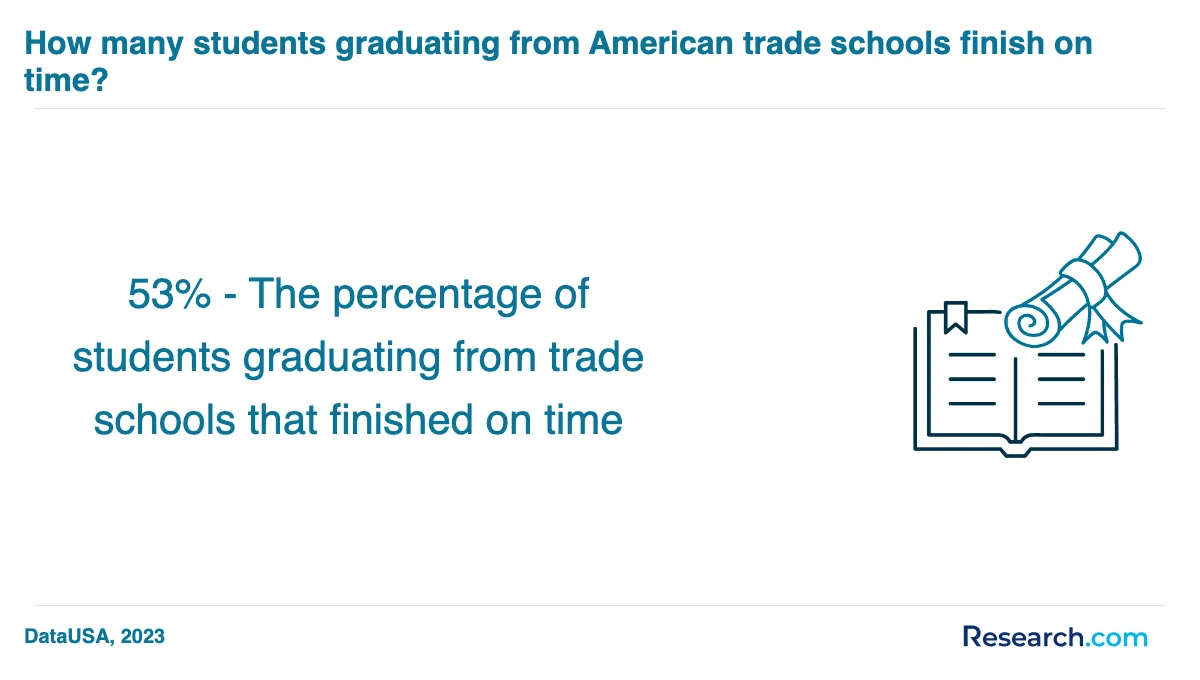
Trade school programs in Thief River Falls, especially at institutions like Northland Community & Technical College, offer practical courses that prepare students to enter the workforce with confidence and real skills. Graduates often share how hands-on training combined with classroom lessons helped them succeed quickly in their careers.
Typical courses include:
- Healthcare training such as nursing assistant and medical technician programs with clinical experience that builds patient-care skills.
- Industrial technology classes like welding, manufacturing technology, and electronics, where students work directly with industry-standard tools.
- Automotive technology covering vehicle repair, diagnostics, and maintenance, offering lots of time in automotive labs.
- Construction trades including carpentry, electrical work, and plumbing, matching strong local demand for skilled workers.
- Information technology courses focusing on computer networking, cybersecurity, and tech support.
Students also value additional classes in workplace communication, safety, and job readiness, which help them feel prepared for employers' expectations in northern Minnesota industries.
Trade school programs in Thief River Falls offer a variety of specializations tailored to meet local and regional job market demands. Graduates from Northland Community & Technical College often highlight how healthcare programs like Licensed Practical Nurse (LPN) training, Nursing Assistant, and Radiologic Technology prepared them for rewarding careers in Minnesota's expanding medical field. These hands-on tracks allow students to build confidence while mastering essential skills.
Technical areas are also popular. Students trained in fields such as Aviation Maintenance Technology, Automotive Technology, and Welding Technology benefit from real-world experience that employers highly value. For business-minded learners, programs in Digital Marketing, IT Cybersecurity, and Project Management Prep provide up-to-date tools to thrive in digital workplaces.
Additionally, agriculture-related specializations like Animal Science and Precision Agriculture equip graduates to actively support northwest Minnesota's farming communities with modern techniques. Those looking for flexible options can explore customized training opportunities, including options from cheap online solar technician trade school programs, enabling skill-building without disrupting current responsibilities.
Start by defining your career goals and exploring programs that align with in-demand local industries like healthcare, robotics, or skilled trades. Many graduates of Northland Community & Technical College in Thief River Falls highlight how the combination of hands-on labs and strong industry connections helped launch their careers confidently. When choosing among trade school programs in Thief River Falls, prioritize schools with solid accreditation and proven job placement rates, as these factors ensure quality education and better employment outcomes.
Understanding and comparing Thief River Falls trade school costs is essential. Tuition at Northland for Minnesota residents is around $6,262 annually, and several students have found financial aid options and workforce grants that eased their expenses significantly. Visiting campuses to check facilities and talking with advisors about scheduling flexibility also helped others balance education with family or work commitments. For more insights, explore trade schools careers opportunities to see how programs can match your aspirations.

Trade school graduates in Thief River Falls have access to diverse career opportunities for trade school graduates in Thief River Falls that match local industry needs. Programs at Northland Community & Technical College prepare students for roles in aviation maintenance, geospatial intelligence, and unmanned aircraft systems technology-fields that align with rapid technological growth in the region. Graduates often share how hands-on training helped them confidently secure jobs in these specialized areas.
Other graduates find success in high demand jobs in Thief River Falls for technical diploma holders such as:
- Construction trades including carpentry, electrical work, and architectural technology
- Automotive and welding technology for vehicle repair and fabrication
- Healthcare roles like nursing, radiologic technology, and respiratory therapy
- Agriculture programs focused on precision agriculture and animal science
- Emerging sectors like IT cybersecurity, digital marketing, and criminal justice
Many students appreciate the practical, real-world skills they gain, which local employers value highly. Community resources like CareerForce actively connect graduates to employers. For those exploring easy trades to learn that pay well, trade schools in Thief River Falls provide strong pathways to rewarding, stable careers built on in-demand skills.
The job market for trade school graduates in Thief River Falls is strong, supported by local institutions like Northland Community and Technical College. Graduates from this popular trade school find steady employment thanks to active connections between students and employers through events such as the Northland Expo. These gatherings expose students to real companies in manufacturing, healthcare, aviation, and public services, helping them match skills with current workforce demands.
Many graduates land roles as aircraft maintenance technicians, healthcare support staff, or technical instructors, reflecting the region's need for skilled workers. Success stories from former students highlight how hands-on training and certifications gained here can open doors quickly in both private and public sectors.
For those exploring additional training options, local students often seek low cost online carpentry classes to complement their skills and increase employment opportunities.
In summary, the employment opportunities for vocational school graduates in Thief River Falls are noteworthy, with growing demand in established industries and publicly supported roles that reward practical technical education.
Best Trade School & Training Programs - Leading Certification Courses in Thief River Falls for 2026
# 1 position
Northland Community and Technical College - Criminal Justice/Police Science.
associateNorthland Community and Technical College offers a Criminal Justice/Police Science program with a hybrid format, allowing some distance-education options. The program prepares students for roles in law enforcement, including patrol, investigations, traffic and crowd control, witness interviewing, evidence management, crime prevention, and report preparation. Annual in-state tuition is $6,262. Graduates earn a median salary of $47,216 one year after completing the program. The college is accredited by the Higher Learning Commission.
# 2 position
Northland Community and Technical College - Computer Systems Networking and Telecommunications.
associateNorthland Community and Technical College offers a hybrid program in Computer Systems Networking and Telecommunications, combining on-campus and distance education. The curriculum covers operating systems, systems design, networking theory, security, and troubleshooting to prepare students for roles as network specialists and managers. The annual in-state tuition is $6,262. The program is accredited by the Higher Learning Commission.
# 3 position
Northland Community and Technical College - Heating, Air Conditioning, Ventilation and Refrigeration Maintenance Technology/Technician.
associateNorthland Community and Technical College offers a hybrid program in Heating, Air Conditioning, Ventilation and Refrigeration Maintenance Technology/Technician. This program prepares students to repair, install, service, and maintain heating, air conditioning, and refrigeration systems. Instruction covers diagnostic techniques, testing equipment, and principles of mechanics, electricity, and electronics related to these systems. Annual in-state tuition is $6,262. The program is accredited by the Higher Learning Commission.
# 4 position
Northland Community and Technical College - Automobile/Automotive Mechanics Technology/Technician.
associateNorthland Community and Technical College offers a hybrid program in Automobile/Automotive Mechanics Technology/Technician. The program prepares students to repair, service, and maintain various automobile systems, including brakes, electrical, engines, transmissions, and HVAC. Annual in-state tuition is $6,262. Graduates earn a median salary of $43,254 one year after completion. The program is accredited by the Higher Learning Commission.
# 5 position
Northland Community and Technical College - Accounting Technology/Technician and Bookkeeping.
associateNorthland Community and Technical College offers a program in Accounting Technology/Technician and Bookkeeping designed to prepare individuals for technical administrative roles supporting professional accountants and financial management personnel. The curriculum covers posting transactions, record-keeping systems, accounting software operation, and general accounting principles. The program’s annual in-state tuition is $6,262. It is accredited by the Higher Learning Commission.
# 6 position
Northland Community and Technical College - Heating, Air Conditioning, Ventilation and Refrigeration Maintenance Technology/Technician.
certificate or diplomaNorthland Community and Technical College offers a hybrid program in Heating, Air Conditioning, Ventilation and Refrigeration Maintenance Technology/Technician. The curriculum covers repairing, installing, servicing, and maintaining HVAC and refrigeration systems, including diagnostic techniques and the use of testing equipment. Instruction also includes principles of mechanics, electricity, and electronics relevant to these systems. Annual in-state tuition is $6,262, and the program is accredited by the Higher Learning Commission.
# 7 position
Northland Community and Technical College - Automobile/Automotive Mechanics Technology/Technician.
certificate or diplomaNorthland Community and Technical College offers a hybrid program in Automobile/Automotive Mechanics Technology/Technician. The curriculum covers brake systems, electrical systems, engine performance and repair, suspension and steering, transmissions, and heating and air conditioning systems. Annual in-state tuition is $6,262. Graduates earn a median salary of $43,254 one year after completion. The program is accredited by the Higher Learning Commission.
# 8 position
Northland Community and Technical College - Phlebotomy Technician/Phlebotomist.
certificate or diplomaNorthland Community and Technical College offers a Phlebotomy Technician/Phlebotomist program with a hybrid format that includes some distance education. The program prepares students to draw blood samples using various techniques and covers vascular anatomy, blood physiology, and safety procedures. Tuition for in-state students is $6,262 annually. The program is accredited by the Higher Learning Commission.
# 9 position
Northland Community and Technical College - Physical Therapy Assistant.
associateThe Physical Therapy Assistant program at Northland Community and Technical College offers a hybrid format, combining in-person and distance education. The program prepares students to assist physical therapists in delivering treatment plans, training patients, and using relevant equipment. Instruction covers anatomy, physiology, biomechanics, communication, and professional ethics. Annual in-state tuition is $6,262. Graduates have median earnings of $42,509 one year after completion. The program is accredited by the Higher Learning Commission.
# 10 position
Northland Community and Technical College - Medical Insurance Coding Specialist/Coder.
associateNorthland Community and Technical College offers a Medical Insurance Coding Specialist/Coder program that prepares students for specialized data entry, classification, and record-keeping related to medical diagnostic, treatment, billing, and insurance documentation. The curriculum includes medical records software, anatomy, physiology, medical terminology, coding, data entry, and regulations on Medicare and insurance. The program’s annual in-state tuition is $6,262. It is accredited by the Higher Learning Commission.
Frequently Asked Questions about trade school programs
After completing a trade school program in Thief River Falls, preparing for the job market involves several practical steps. Start by updating your resume to highlight specific skills and certifications earned during your training. Employers in the region, especially in manufacturing and healthcare sectors, often seek candidates with hands-on experience and industry-recognized credentials.
Networking is crucial; attending local job fairs and joining trade associations can connect you with potential employers. According to the Minnesota Department of Employment and Economic Development, trade school graduates in Northwest Minnesota have a 90% employment rate within six months post-graduation.
Additionally, consider short-term apprenticeships or internships to gain more experience, as many local businesses value on-the-job training. Lastly, keep abreast of evolving industry standards to maintain your competitiveness in the Thief River Falls job market.
Employers in Thief River Falls prioritize a blend of technical and soft skills when hiring trade school graduates. According to the Minnesota Department of Employment and Economic Development, practical expertise in fields such as welding, automotive repair, and electrical work ranks highly. Graduates who demonstrate hands-on experience with industry-standard tools and safety protocols gain a competitive edge.
Additionally, communication skills and the ability to work collaboratively are valued. Surveys from the National Association of Manufacturers highlight that 70% of employers seek workers who can effectively follow instructions and solve problems independently. Time management and adaptability also feature prominently in job listings across the region.
Finding internships in Thief River Falls related to your trade school program involves a combination of local outreach and use of educational resources. Start by contacting your trade school's career center or internship coordinator, as many schools have partnerships with local employers. In Thief River Falls, industries such as manufacturing, agriculture, and healthcare offer relevant opportunities. According to data from the Minnesota Department of Employment and Economic Development, manufacturing firms in the region frequently provide hands-on training positions.
Networking with local businesses through chambers of commerce or job fairs can also uncover internships. Online platforms like the regional workforce development board's website highlight openings accessible to trade school students. Exploring options early and applying directly improves your chances of securing practical experience.
In Thief River Falls, a trade school diploma significantly enhances career mobility and advancement opportunities. According to the Minnesota Department of Employment and Economic Development, individuals with trade certifications in the area experience faster job placements, often within six months of graduation. These diplomas prepare students with hands-on skills tailored to local industries such as manufacturing, construction, and healthcare, which have shown steady growth.
Employers in Thief River Falls prioritize trade school credentials because they demonstrate practical expertise and readiness to contribute immediately. Graduates typically see wage increases averaging 15-20% within the first two years, per recent community workforce surveys.
This credential often serves as a gateway to apprenticeships and specialized roles, providing a structured pathway for long-term career advancement in a competitive local economy.
Part-time job opportunities in Thief River Falls can effectively complement trade school education, providing valuable hands-on experience. Positions such as automotive technician assistants, HVAC helpers, and electrical maintenance aides are commonly available due to the local demand in manufacturing and service sectors. According to the Minnesota Department of Employment and Economic Development, these roles often offer flexible hours suitable for students attending classes.
Additionally, retail and warehouse roles within the region's distribution centers, including those supporting Polaris Industries, provide practical experience in logistics and inventory management. These jobs help reinforce skills learned in trade programs while fostering workplace professionalism.
Careers in construction trades, including laborer and apprentice positions, are also significant in Thief River Falls given the area's ongoing infrastructure projects and building activities. These part-time jobs enable students to apply technical knowledge directly in real-world settings while earning income.
To choose the best degree program near Thief River Falls, MN, start by researching local colleges and universities, including Northland Community and Technical College, which offers a variety of programs tailored to different interests and career goals. Consider factors such as program accreditation, faculty qualifications, available resources, and graduate success rates to ensure a quality education. Utilize resources like Research.com to review program rankings and compare options near me to determine the best fit for your academic and professional aspirations.
- Northland Community & Technical College - East Grand Forks & Thief River Falls, Minnesota https://www.northlandcollege.edu/
- Find The Best Trade Schools In Minnesota https://www.accreditedschoolsonline.org/vocational-trade-school/minnesota/
- Welcome to Community Education - Thief River Falls Public Schools https://www.trfschools.org/departments/community-education/community-education-welcome
- Education - Advance Thief River https://www.advancethiefriver.com/education/