Best Trade School & Training Programs - Leading Certification Courses in Minneapolis for 2026

Co-Founder and Chief Data Scientist
Choosing the right trade school in Minneapolis can be life-changing. Whether you’re starting fresh or looking to advance your skills, finding a program that fits your goals is key.
This article presents a trade school programs ranking crafted by the Research.com team of data scientists. It’s designed to help you make an informed decision about which schools offer valuable training and opportunities.
By reading this, you’ll discover pathways to earning a diploma or certification that can boost your career and confidence. Your brighter future starts here.
Key benefits of finishing trade school programs trade school in Minneapolis
Trade school diplomas in Minneapolis can lead to strong salaries, with graduates earning from about $50,000 to over $100,000 annually, depending on their field and experience.
- Trade school graduates often pursue careers in high-demand areas like computer science, construction management, healthcare, and skilled industrial roles, offering diverse job opportunities.
- Graduates in specialized fields such as computer science can earn median salaries exceeding $100,000, making these programs a smart investment.
- Online trade school programs offer flexibility and convenience, allowing students to balance education with work or family while still gaining valuable skills recognized by Minneapolis employers.
- Best Trade School & Training Programs - Leading Certification Courses in Minneapolis for 2026
- What can I expect from trade school programs trade schools in Minneapolis?
- Where can I work after finishing trade school programs trade schools in Minneapolis?
What can I expect from trade school programs trade schools in Minneapolis?
Trade school programs in Minneapolis generally offer an affordable path to starting a skilled career, with tuition lower than most four-year universities. Many students at places like Dunwoody College of Technology and Minneapolis College find that programs can often be completed in under two years, sometimes as fast as 20 weeks, reducing the overall cost and time investment.
Graduates frequently share how flexible scheduling options, including evening and hybrid classes, help them balance school with work or family. For example, students at Summit Academy OIC might attend classes online or in person, making it easier to fit training into busy lives without added expenses.
Costs can be even more manageable for those who qualify for financial aid or scholarships, with some programs at Summit Academy OIC offering no out-of-pocket tuition, reducing financial stress and allowing students to focus fully on learning.
Many find the investment worthwhile as trade schools partner with local employers, providing practical experience and job placement support, which helps graduates feel confident stepping directly into well-paying jobs after completing their training.
Where can I work after finishing trade school programs trade schools in Minneapolis?
After finishing a trade school program in Minneapolis, you can expect to find employment in a variety of thriving industries. Graduates from well-known schools like Dunwoody College of Technology often land jobs in fields such as welding, HVAC, industrial robotics, cybersecurity, and aircraft maintenance. Many report starting salaries above $62,000, with some specialized roles quickly reaching six figures, making these programs a practical choice for stable, rewarding careers.
Job opportunities are abundant across the city, with openings for maintenance technicians, machine specialists, and property managers regularly posted by major employers like Target, Best Buy, and 3M, as well as smaller local companies. These positions typically require only a trade school certification, removing the barrier of a four-year degree.
Female graduates especially appreciate programs like "We Thrive Women in the Trades" at Minneapolis College, which supports entry into traditionally male-dominated paths such as metal fabrication and aircraft maintenance. Graduates frequently find themselves working in manufacturing, construction, IT, and health technology sectors, often feeling proud and confident about their skills and career growth potential.
After finishing a trade school program in Minneapolis, graduates report earning an average annual salary of about $70,083, or roughly $33.69 per hour. Many find this rewarding, especially when compared to non-degree roles.
For example, a graduate from Minneapolis Community and Technical College entering the electrical trade often starts at the third-period pay rate of $29.50 per hour, equating to around $61,360 annually. With experience, journeyman electricians can earn up to $59.00 per hour plus benefits, transforming their career outlook completely.
Healthcare trade graduates, such as those with certificates in Allied Health or Medical Assisting from local trade schools, often start around $29,100 per year. Though entry pay is lower, many feel motivated by steadily advancing in this growing field.
Trades like HVAC, plumbing, and welding also offer salaries mostly between $49,500 and $79,800 annually, with top earners surpassing $97,900. A few who advance into supervisory roles celebrate salaries nearing $292,393 in Minneapolis, showing the value of dedication and skill growth.
- Most trade schools in Minneapolis have an open admissions policy requiring a high school diploma or GED, but some programs may require placement tests or a minimum GPA of 2.5.
- Application materials often include an online application, transcripts or GED certificate, and sometimes test scores or proof of prerequisite coursework.
- Tuition typically ranges from $5,000 to $15,000 per year, with many programs completing in one or two years; additional costs may include books and exam fees.
- Financial aid options such as grants, loans, scholarships, and work-study are available, requiring FAFSA completion and declaration of an eligible major.
- Graduates in healthcare, construction, and IT can expect entry-level salaries between $35,000 and $50,000, with experienced workers earning $60,000 to $80,000 annually.
Completing a trade school program in Minneapolis can take anywhere from a few weeks to two years, depending on the field and schedule. Graduates from Avivo Institute often share how quickly they moved through short-term programs-some finishing in as little as three weeks-which allowed them to start working confidently in a new trade quickly. Others who attended Summit Academy OIC appreciated the 10- to 20-week accelerated courses that balanced hands-on learning with real-world skills, leading to a satisfying jump into careers like medical assisting or construction.
For trades requiring more technical knowledge, such as electricians or HVAC technicians, the timeline extends to six months or even two years. These programs, popular in Minneapolis, prepare students thoroughly for certification and licensing. Students often mention that while the journey feels longer, the in-depth training builds confidence and competence, making the effort worthwhile. Whether attending full-time or balancing part-time schedules, students find options that fit their lives and goals, making trade school completion in Minneapolis both achievable and rewarding.
The main difference between online and on-campus trade school programs in Minneapolis lies in how and where you complete your studies. Online programs, such as those at Minneapolis Community & Technical College, offer flexibility for students juggling work or family commitments. Graduates often share that being able to watch video lectures and submit assignments from home made it easier to balance their busy lives. Many feel empowered by managing their own schedules through platforms like D2L Brightspace, which allows access to coursework anytime before deadlines.
On the other hand, students attending on-campus programs in Minneapolis appreciate the structure and hands-on experience. They benefit from direct interaction with instructors and peers during scheduled classes, feeling more connected and supported while practicing skills in real-time labs. Some find that immediacy of feedback helps them stay motivated and improves learning outcomes.
For those seeking a middle ground, blended options combine the flexibility of online study with valuable in-person training, offering a balanced approach tailored to different learning styles in Minneapolis trade schools.
The average trade school tuition Minneapolis students encounter typically ranges from about $11,800 to $18,700, depending on the school and program. For example, graduates from Minneapolis Community and Technical College appreciate their affordable average net price of $12,848, which made it manageable for them to focus on career training without overwhelming debt. Meanwhile, Saint Paul College grads have shared how the $11,797 average cost provided a solid education foundation without straining their finances. These figures reflect the practical side of the cost of vocational programs in Minneapolis, where tuition is often charged per credit.
At Hennepin Technical College, tuition runs around $186.96 per credit, with fees pushing that to $209.73 for many courses. High-demand fields like welding or HVAC may cost between $218 and $249 per credit, making total tuition for a full diploma or associate degree hover between $7,000 and $15,000. This approach lets students pace their spending based on how many credits they take, which many find helpful when budgeting.
Additional expenses like books and supplies average from $500 to $2,000, and housing or transportation can add to the total cost of attending. Altogether, students often budget between $14,500 and $23,000 to cover tuition, fees, and living costs. Fortunately, financial aid options are widely available, often reducing the final out-of-pocket cost significantly, something many local attendees have leveraged successfully.
Students interested in more affordable options also explore creative learning methods, such as cheap appliance repair online training, which can provide quality instruction with lower overall expenses while allowing flexibility for work or family commitments.
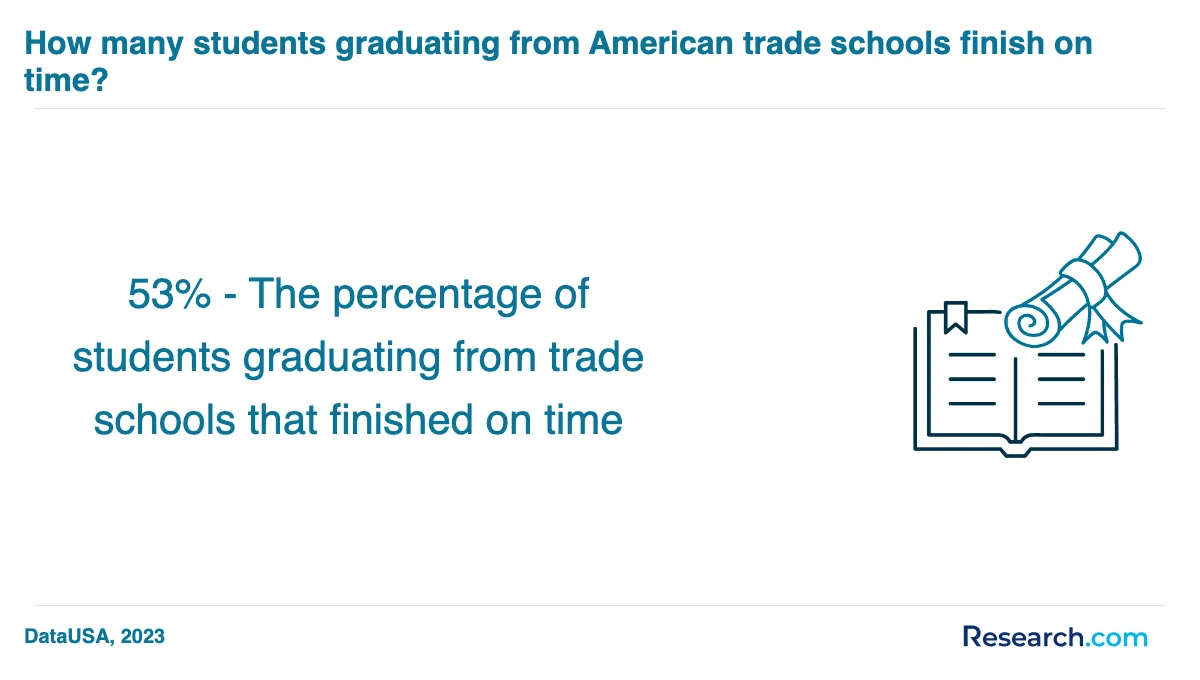
Trade school students in Minneapolis have access to various financial aid options that make education affordable and manageable. Completing the FAFSA is the key first step to unlock federal grants, low-interest loans, and work-study programs. For example, many graduates from Minneapolis College found federal Pell Grants and Minnesota State Grants crucial in reducing out-of-pocket costs, allowing them to focus on their studies without overwhelming debt.
At Anoka Technical College, roughly two-thirds of full-time students benefit from aid like institutional scholarships or state scholarships, which help cover tuition. The recent introduction of the North Star Promise program is a game-changer for Minnesota residents from families earning under $80,000 annually, offering free tuition at public trade schools and lifting financial barriers.
Students also appreciate the work-study options that provide paid part-time jobs relevant to their field, offering both income and hands-on experience. Many report that staying in regular contact with their school's financial aid office helped them maximize funding opportunities promptly.
To enroll in a trade school program in Minneapolis, most applicants must have a high school diploma or GED, a common requirement at schools like Minneapolis College. Graduates often recall feeling confident entering their programs knowing this basic step was clear from the start. Some programs even support high school students earning credits early, helping them jumpstart their careers.
Certain specialized courses, such as law enforcement at Hennepin Technical College, demand more, including previous college coursework or an associate degree. Students pursuing these paths remember submitting official transcripts to prove their readiness, which adds a professional touch to their applications.
Academic performance matters too. For example, Anoka Technical College requires PSEO students to maintain a minimum GPA of 2.5 or meet alternative standards like class rank, reflecting the importance of solid preparation.
Additional common prerequisites include:
- Standardized test scores (ACT, SAT, or Minnesota Comprehensive Assessment)
- Placement exams like Accuplacer if academic records are insufficient
- Submission of all required application materials by deadlines to avoid delays
- For transfers, official transcripts and typically a minimum 2.0 GPA
- Program-specific criteria such as background checks, physical exams, or age limits
Many students appreciate the clear expectations, as this transparency lets them focus on their goals and smoothly transition into hands-on learning at trusted Minneapolis trade schools.
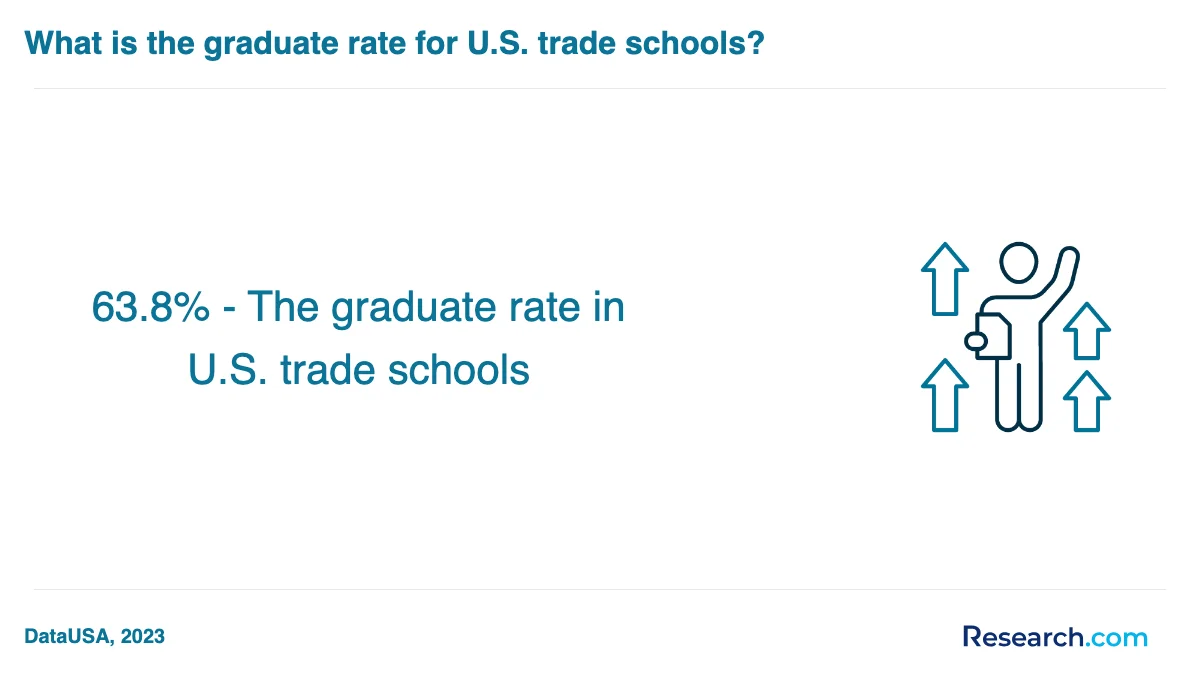
Trade school programs in Minneapolis typically include hands-on courses designed to get you job-ready quickly. Many students appreciate the practical training combined with real-world experience, which builds confidence and skills employers seek.
Common courses offered cover a variety of high-demand fields such as:
- Skilled trades like construction carpentry and welding, often with projects completed in well-equipped workshops at Dunwoody College of Technology.
- Healthcare roles including nursing assistant, pharmacy technician, and dental assistant, where graduates gain certification needed for immediate employment.
- Information technology fields such as computer support, network administration, cyber security, and software development, with programs taught by industry-experienced faculty.
- Business services and financial training offered through schools like Summit Academy OIC, blending classroom learning with internships to sharpen real-world skills.
Graduates from these programs often highlight how Minneapolis trade schools balance theory with hands-on learning, featuring flexible schedules and support services to help students succeed without sacrificing work or family time.
Trade school programs in Minneapolis cover a wide spectrum of specializations tailored to the city's job market and student needs. Graduates from Minneapolis Community and Technical College often praise hands-on programs like Aircraft Maintenance Technician, CNC Machinist, HVACR, Welding and Metal Fabrication, and Architectural Technology for preparing them well to step quickly into skilled trade roles.
Healthcare is another strong focus, with popular paths including Nursing, Dental Assistant, Pharmacy Technician, and Community Health Worker programs. Summit Academy OIC's 20-week Dental Assistant and Medical Administrative Assistant offerings help students find rewarding healthcare jobs fast, often balancing study with work or family life.
Business and IT fields are growing staples too, highlighted by courses in Computer Support, Cyber Security, Software Development, and Financial Services. These tracks reflect Minneapolis's thriving corporate environment.
Creative specializations like Graphic Design, Web Design, and Fashion Design provide artistic students with engaging career options. For anyone seeking specialized skills or a unique career path, exploring programs such as personal training or addiction counseling is also a smart move.
For students curious about niche areas, those looking for the most affordable baking and pastry arts schools online can find options that blend convenience with solid training through Minneapolis' trade institutions, including programs detailed at most affordable baking and pastry arts schools online.
Start by pinpointing your area of interest since Minneapolis trade schools specialize in fields like construction, automotive repair, healthcare, and IT. Accreditation is key; schools like Minneapolis College are valued for solid curricula blending hands-on skills with classroom learning, helping graduates feel confident stepping into the workforce.
To find the best trade school programs in Minneapolis, assess graduation rates and job placement success. Graduates from Saint Paul College often share how supportive faculty and a welcoming environment boosted their motivation and job readiness. Schools like Summit Academy and Newgate School stand out for strong industry connections and networking that help students land relevant jobs, which is a critical factor for financial return on your investment.
Cost varies-Summit Academy's tuition runs around $5,400, while Newgate School is closer to $10,000. Comparing tuition along with available scholarships and grants is essential. Also, look for program flexibility and career services, like counseling and internships, that smooth your transition from student to professional. For more details on selecting a program, check out best vocational trade programs and learn how to compare Minneapolis trade schools effectively.

Trade school graduates in Minneapolis find diverse trade school career options in Minneapolis, especially in industries with strong local demand. Many graduates enter construction trades, working as carpenters, remodeling specialists, or general contractors. Programs at Minnesota Trades Academy and other schools offer hands-on internships, ensuring students gain practical skills employers look for. Welding and manufacturing are also attractive sectors due to a national shortage of skilled welders, opening doors to jobs in structural and pipe welding across local industrial sites.
Vocational job opportunities Minneapolis graduates enjoy extend beyond trades to healthcare, IT, and financial services. For example, Summit Academy OIC's accredited 20-week programs prepare students for roles such as Medical Administrative Assistant or IT Specialist, based on employer input. Students commonly report positive experiences with paid on-the-job training at Avivo Institute, making career transitions smoother and employment more accessible.
High school students starting with CTE programs can quickly earn credentials and participate in paid internships. For those seeking affordable pathways, several offer cheap online carpentry trade school programs that fit local workforce needs.
The job market for trade school graduates in Minneapolis is thriving, fueled by strong local and statewide demand. Graduates from well-known institutions such as Dunwoody College of Technology report exciting career prospects as the city experiences a surge in skilled labor needs. These graduates often find rewarding roles in construction, welding, HVAC, and advanced technology sectors, with many employers like 3M, Target, and Best Buy actively seeking trade-trained professionals.
Salary expectations are attractive, with averages around $70,000 annually and top earners making over $100,000 within a few years. Many graduates share positive experiences about quickly transitioning into steady employment and gaining valuable on-the-job skills.
- Sectors with strong openings include commercial truck driving, diesel technology, and medical tech.
- Programs supporting underrepresented groups, such as women in trades, foster more inclusive opportunities.
- Industry growth in Minneapolis aligns with national trends, creating a continuous influx of new positions.
For those focused on a practical education path, exploring trades careers can offer both stability and rapid advancement in Minneapolis's dynamic job market for trade school graduates Minneapolis.
Best Trade School & Training Programs - Leading Certification Courses in Minneapolis for 2026
# 1 position
Minneapolis Community and Technical College - Heating, Air Conditioning, Ventilation and Refrigeration Maintenance Technology/Technician.
associateThe Heating, Air Conditioning, Ventilation and Refrigeration Maintenance Technology/Technician program at Minneapolis Community and Technical College prepares students to repair, install, service, and maintain HVAC and refrigeration systems. The hybrid program includes instruction on diagnostic techniques, testing equipment, and the principles of mechanics, electricity, and electronics. Annual in-state tuition is $6,128. Graduates have a median earning of $56,191 one year after program completion. The program is accredited by the Higher Learning Commission.
# 2 position
Minneapolis Community and Technical College - Heating, Air Conditioning, Ventilation and Refrigeration Maintenance Technology/Technician.
certificate or diplomaMinneapolis Community and Technical College offers a hybrid program in Heating, Air Conditioning, Ventilation and Refrigeration Maintenance Technology/Technician. The program prepares students to repair, install, service, and maintain HVAC and refrigeration systems using diagnostic techniques and testing equipment. It covers mechanics, electricity, and electronics principles related to these systems. Annual in-state tuition is $6,128, and median earnings one year after completion are $56,191. The program is accredited by the Higher Learning Commission.
# 3 position
Minneapolis Community and Technical College - Criminal Justice/Safety Studies.
associateMinneapolis Community and Technical College offers a Criminal Justice/Safety Studies program with a hybrid format, allowing some distance education. The program provides comprehensive instruction in criminal law, policy, police and correctional systems, justice administration, and public attitudes toward criminal justice. Annual in-state tuition is $6,128. Graduates earn a median salary of $50,959 one year after completing the program. The program is accredited by the Higher Learning Commission.
# 4 position
Minneapolis Community and Technical College - Criminal Justice/Police Science.
associateMinneapolis Community and Technical College offers a Criminal Justice/Police Science program designed to prepare students for police and public security roles. The hybrid program includes patrol, investigative duties, traffic and crowd control, evidence management, and crime prevention. Annual in-state tuition is $6,128. Graduates earn a median salary of $50,959 one year after completion. The program is accredited by the Higher Learning Commission.
# 5 position
Minneapolis Community and Technical College - Dental Assisting/Assistant.
associateMinneapolis Community and Technical College offers a Hybrid Dental Assisting/Assistant program preparing students to provide patient care, take dental radiographs, and assist with dental procedures under supervision. The curriculum covers medical record-keeping, office duties, equipment maintenance, basic radiography, and chairside assisting. Annual in-state tuition is $6,128. Graduates have median earnings of $35,725 one year after completion. The program is accredited by the Higher Learning Commission.
# 6 position
Minneapolis Community and Technical College - Dental Assisting/Assistant.
certificate or diplomaThe Dental Assisting/Assistant program at Minneapolis Community and Technical College offers a hybrid format with some distance education options. It prepares students to provide patient care, take dental radiographs, assist in procedures, and perform office administrative tasks under supervision. The curriculum includes instruction in medical record-keeping, equipment maintenance, sterilization, radiography, and chairside assisting. Annual in-state tuition is $6,128, and median earnings one year after completion are $35,725. The program is accredited by the Higher Learning Commission.
# 7 position
Minneapolis Community and Technical College - Computer Numerically Controlled (CNC) Machinist Technology/CNC Machinist.
associateMinneapolis Community and Technical College offers a hybrid Computer Numerically Controlled (CNC) Machinist Technology program. It trains students to operate CNC machine tools, perform machining tasks, and understand CNC programming, setup, and troubleshooting. The curriculum includes blueprint reading, lathe and mill operations, technical math, CAD/CAM, and safety practices. Annual in-state tuition is $6,128. Graduates earn a median of $44,635 one year after completion. The program is accredited by the Higher Learning Commission.
# 8 position
Minneapolis Community and Technical College - Computer Numerically Controlled (CNC) Machinist Technology/CNC Machinist.
certificate or diplomaMinneapolis Community and Technical College offers a hybrid Computer Numerically Controlled (CNC) Machinist Technology program. It trains students to operate CNC machine tools for cutting, drilling, shaping, and finishing components. The curriculum covers CNC programming, setup, blueprint reading, machining, CAD/CAM systems, and safety practices. Annual in-state tuition is $6,128. Graduates have median earnings of $44,635 one year after completion. The program is accredited by the Higher Learning Commission.
# 9 position
Minneapolis Community and Technical College - Sterile Processing Technology/Technician.
certificate or diplomaMinneapolis Community and Technical College offers a hybrid Sterile Processing Technology/Technician program that trains students to clean, sterilize, and assemble surgical instruments and equipment for medical use. The curriculum covers sterilization, infection control, decontamination, and surgical instrumentation processing, distribution, and record-keeping. The program is accredited by the Higher Learning Commission. Annual in-state tuition costs $6,128.
# 10 position
Minneapolis Community and Technical College - Computer and Information Systems Security/Auditing/Information Assurance.
associateMinneapolis Community and Technical College offers a hybrid Computer and Information Systems Security/Auditing/Information Assurance program that trains students to evaluate and secure computer and network systems. The curriculum covers programming, cryptography, risk assessment, security auditing, and related laws. Annual in-state tuition is $6,128, and the program is accredited by the Higher Learning Commission. Graduates earn a median income of $39,603 one year after completing the program.
Frequently Asked Questions about trade school programs
Preparing for the job market after completing trade school in Minneapolis involves several strategic steps. Graduates should start by obtaining relevant certifications recognized by employers, as many technical fields require them. According to the Minnesota Department of Employment and Economic Development, trades like HVAC, electrical work, and welding show promising growth and higher earnings in the region.
Networking is crucial-connecting with local employers through apprenticeships, job fairs, and industry groups enhances employment chances. Additionally, building a strong resume highlighting hands-on skills and completed projects can set applicants apart.
Staying informed about labor market trends in Minneapolis ensures graduates target in-demand skills aligned with regional needs.
Employers in Minneapolis prioritize both technical and soft skills when hiring trade school graduates. According to the Minnesota Department of Employment and Economic Development, key technical abilities include proficiency in electrical systems, welding, HVAC maintenance, and automotive repair. These skills reflect the city's strong manufacturing, construction, and transportation sectors.
Beyond technical expertise, soft skills like problem-solving, communication, and teamwork are highly valued. The National Skills Coalition highlights that 70% of Minnesota employers seek workers who can collaborate effectively and adapt to changing work environments.
Trade graduates demonstrating reliability and a strong work ethic tend to have better employment outcomes in the local job market.
Finding internships in Minneapolis that align with your trade school program involves several strategic steps. Start by consulting your school's career services, as many trade schools in Minneapolis have partnerships with local businesses offering internships. According to the Minneapolis Regional Chamber, sectors like manufacturing, construction, and healthcare frequently provide internship opportunities valuable for trade students.
Additionally, explore local job boards and internship platforms specific to Minnesota, such as MinnesotaWorks.net. Networking through trade associations and local unions can also connect you to hands-on internships. Many trade programs encourage students to apply directly to companies known for employing skilled tradespeople in Minneapolis, such as Target Corporation and Medtronic.
Utilizing LinkedIn and attending local career fairs hosted by organizations like Twin Cities Young Professionals further enhances your chances. Keep in mind that about 60% of internships in Minneapolis lead to job offers, highlighting the importance of gaining relevant experience early.
In Minneapolis, a trade school diploma significantly enhances career mobility and advancement opportunities. According to the Minnesota Department of Employment and Economic Development, many trade occupations in the region are expected to grow faster than the average job market through 2030. A diploma signals to employers that a candidate possesses specific, job-ready skills, making graduates more competitive for roles in fields like construction, healthcare, and manufacturing.
Trade school graduates often experience faster entry into the workforce and higher starting salaries compared to those without postsecondary credentials. For example, the Economic Policy Institute reports that trade school completers in Minnesota earn approximately 20% more than individuals with only a high school diploma.
Moreover, Minneapolis's strong local economy supports ongoing professional development, allowing diploma holders to advance into supervisory or specialized technical roles, boosting long-term career prospects and financial stability.
Minneapolis offers a range of part-time job opportunities that align well with trade school programs, supporting students' education and skill development. For example, students in electrical or HVAC programs often find entry-level technician roles or apprenticeships with local contractors, which provide practical experience alongside formal training.
Healthcare trade students can work as medical assistants or phlebotomists in clinics and hospitals, gaining valuable hands-on knowledge.
According to the Minnesota Department of Employment and Economic Development, part-time jobs in construction and manufacturing sectors are growing by over 3% annually in Minneapolis, reflecting strong demand for technical skills.
Retail or customer service roles in hardware stores also complement training in trades like plumbing or carpentry.
To choose the best degree program near Minneapolis, MN, you can start by considering your career goals and interests, ensuring the program aligns with your future objectives. Research various universities and degree programs in the area and evaluate factors such as curriculum, faculty expertise, campus resources, and student support services. Consulting academic rankings and reviews on Research.com can also help you compare programs near me to ensure you make an informed decision.
- Best Trade School & Training Programs - Leading Certification Courses in Kyle for 2026
- Best Trade School & Training Programs - Leading Certification Courses in Angola for 2026
- Best Trade School & Training Programs - Leading Certification Courses in Emporia for 2026
- Best Trade School & Training Programs - Leading Certification Courses in Adrian for 2026
- Best Trade School & Training Programs - Leading Certification Courses in Springfield for 2026
- Best Trade School & Training Programs - Leading Certification Courses in Florence for 2026
- Best Trade School & Training Programs - Leading Certification Courses in Akron for 2026
- Best Trade School & Training Programs - Leading Certification Courses in Little Rock for 2026
- Best Trade School & Training Programs - Leading Certification Courses in Hamburg for 2026
- What To Expect When Starting Trade School | Family Handyman https://www.familyhandyman.com/list/trade-schools/
- What Is a Trade School? Benefits of Career-Focused Training https://intercoast.edu/articles/what-is-a-trade-school/
- Minnesota State - Test-Drive a Career With Work-Based Learning https://www.minnstate.edu/employersolutions/partnerships/wbl/testdrivecareer.html
- Global Trade - Saint Paul College https://www.saintpaul.edu/programs/global-trade/
- Career and Technical Education - Minneapolis Public School District https://www.mpschools.org/academics/cte
- Summit Academy OIC | Training for In-Demand Careers https://saoic.org/
- Explore Trade and Vocational Programs https://www.mncacounseling.com/explore-trade-and-vocational-programs.html
- Avivo Institute of Career & Technical Education - Free Career Training https://avivomn.org/avivo-institute-of-career-technical-education/
- Career Pathways https://www.minneapolismn.gov/government/programs-initiatives/career-pathways/
- Hennepin Technical College https://hennepintech.edu/