Best Trade School & Training Programs - Leading Certification Courses in Milwaukee for 2026

Co-Founder and Chief Data Scientist
Choosing the right trade school in Milwaukee can be overwhelming, but this article is here to help. We highlight the best trade school programs for 2026, ranked by the Research.com team of data scientists.
These rankings offer clear, data-driven insights so you can find programs that truly meet your needs and goals. Earning a trade school diploma or certification opens doors to rewarding careers with hands-on skills.
Whether you’re starting fresh or looking to advance, this guide supports your journey toward a confident, skilled future.
Key benefits of finishing trade school programs trade school in Milwaukee
- Strong salary potential: Trade school graduates in Milwaukee often start with salaries ranging from $40,000 to $60,000 in fields like electricians, welders, and HVAC technicians, with healthcare trades such as dental hygienists earning over $55,000 annually.
- Popular career paths: Graduates from Milwaukee Area Technical College pursue rewarding careers in technical roles like automotive technicians, machinists, and construction managers, seeing steady income growth as they gain experience.
- Flexible learning options: Online trade school programs offer the advantage of balancing study with personal life, making it easier for busy students in Milwaukee to earn certifications without sacrificing income or family time.
- Best Trade School & Training Programs - Leading Certification Courses in Milwaukee for 2026
- What can I expect from trade school programs trade schools in Milwaukee?
- Where can I work after finishing trade school programs trade schools in Milwaukee?
What can I expect from trade school programs trade schools in Milwaukee?
Trade school programs in Milwaukee typically cost significantly less than traditional four-year universities. For example, tuition at Milwaukee Area Technical College (MATC) is a fraction of the $50,000 per year charged by many universities, making it a practical choice for budget-conscious students. Graduates often share how this affordability allowed them to minimize student debt while gaining valuable skills. Many students appreciate the availability of financial aid, scholarships, and flexible payment plans that ease the burden of tuition expenses.
Hands-on training, a hallmark of schools like Milwaukee Career College, often comes bundled with these affordable tuition rates. Students regularly highlight how they balance in-person workshops or clinical experiences with online classes, thanks to MATC's multiple campuses and virtual learning options.
This combination of reasonable cost and flexible learning empowers students to pursue education without sacrificing work or family commitments. Career services offered by these schools further enhance value by supporting job placement immediately after graduation.
Where can I work after finishing trade school programs trade schools in Milwaukee?
After finishing a trade school program in Milwaukee, you can start working almost immediately in diverse fields where skilled labor is in strong demand. Graduates from popular local schools often find roles in manufacturing or construction, such as tool and die makers, electricians, plumbers, and HVAC technicians. Many enter paid apprenticeships, gaining hands-on experience while earning wages, which makes the transition into stable careers feel rewarding and accessible.
Others who complete healthcare-related programs, like dental assisting or veterinary technology, move directly into clinics or hospitals. Milwaukee Career College graduates frequently share how they landed jobs quickly through connections the school fosters with over 130 local employers. These success stories highlight the real advantages of local trade schools providing both training and job placement assistance.
Whether working for union contractors, public agencies, or local businesses, most graduates appreciate the steady pathway from education to well-paying jobs. Programs often include career services that support resume building and interview prep, making students feel confident and prepared to enter Milwaukee's workforce.
After finishing a trade school program in Milwaukee, you can expect to earn a solid income that makes the investment worthwhile. Graduates from Milwaukee Area Technical College (MATC), a top choice for many local students, reported an average salary of $52,714 just six months after completing their programs. This is a strong starting point, especially in fields like healthcare, manufacturing, and IT.
Hourly wages tell a similar story. MATC graduates earn around $30.01 per hour, which is competitive with statewide figures. Imagine working a skilled trade and taking home roughly $5,600 a month soon after graduation-this puts many trade school grads ahead of peers who followed more traditional education routes.
For those entering construction, apprentices often start lower but quickly see their wages rise as they gain experience. Many eventually reach or surpass the average earnings, driven by hands-on skills learned locally.
Overall, Milwaukee trade school grads enjoy a clear path to dependable, well-paying careers that match their hard work and commitment.
- Most trade schools in Milwaukee require a high school diploma or GED, and usually do not require ACT or SAT scores.
- Application fees are generally low, with some schools like MATC charging around $30 and offering fee waivers for qualifying state residents.
- Tuition for trade programs at MATC typically ranges from $4,500 to $7,000 for in-state students and programs can be completed in one to two years.
- Approximately 92% of graduates find employment within six months, with an average starting salary of about $52,714.
- Skilled trades such as electricians and HVAC technicians can earn between $60,000 and $70,000 annually after gaining experience and certifications.
- Popular fields include healthcare support, information technology, advanced manufacturing, and skilled construction trades, all with strong local demand.
Completing a trade school program in Milwaukee can take anywhere from six months to five years, depending on the credential and career goals you have. Certificate programs, often completed in six months to a year, are ideal if you want to jump quickly into the workforce. Graduates from Milwaukee Career College share how finishing a dental assistant certificate in just half a year helped them land jobs fast and start earning without delay.
For those seeking a deeper skill set, technical diplomas generally require one to two years. Milwaukee Area Technical College (MATC) offers these programs in fields like carpentry or collision repair, where graduates feel confident stepping into well-paying positions with solid hands-on experience.
Associate degrees typically take about two years, balancing technical training and broader academics. MATC's associate programs in welding or automotive technology give students both expertise and flexibility, often opening doors to more career paths.
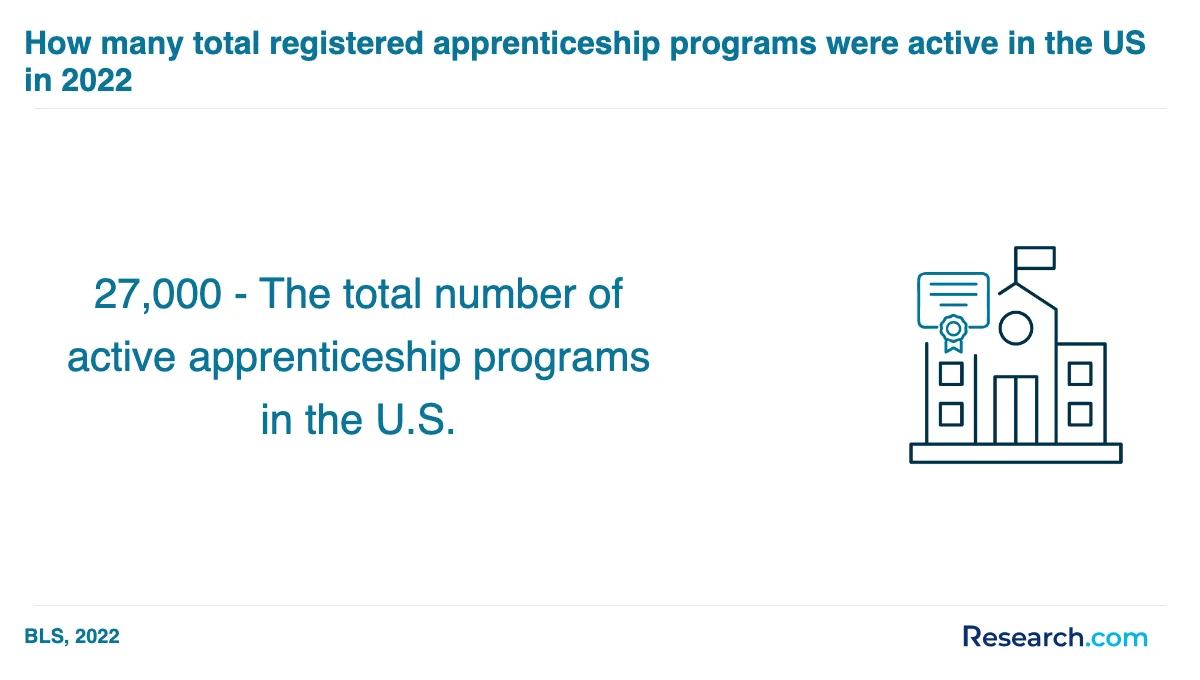
Apprenticeships blend paid on-the-job training with classes and last two to five years, perfect for trades like plumbing or electrical work. Many apprentices appreciate how this structure builds skills steadily while earning income.
Milwaukee's trade schools also offer varied schedules-day, evening, full- or part-time-providing options to fit your personal life and speed up or extend your program as needed.
The main difference between online and on-campus trade school programs in Milwaukee centers on how you experience learning and interact with resources. At Milwaukee Area Technical College (MATC), online students can complete their courses entirely from home, choosing between flexible asynchronous classes or scheduled live sessions. Many graduates appreciate this freedom, balancing work and family while earning certifications without commuting.
On the other hand, students attending on-campus programs at MATC or University of Wisconsin-Milwaukee benefit from hands-on training in workshops and labs. These face-to-face interactions build practical skills and offer direct mentorship, something graduates often say gave them confidence when entering the workforce. The chance to network and engage in campus activities adds a layer of community that online formats can't fully replicate.
Both paths provide career support, but online learners rely more on virtual advising and digital events, which some find more convenient but less personal. Tuition tends to be similar for either option, so picking the right fit depends largely on your learning style and lifestyle needs.
The average trade school cost in Milwaukee generally ranges around $16,340 for tuition and fees, which covers both in-state and out-of-state students at the most searched trade schools in Wisconsin. However, some data shows a slightly lower average of about $14,184 for tuition statewide, which can include Milwaukee schools. Graduates from local programs often mention how this cost strikes a practical balance and can be manageable with proper planning, especially when compared to traditional four-year colleges.
Looking closer at Milwaukee Area Technical College (MATC), one of the city's largest trade schools, tuition for in-state students is $4,386, while out-of-state students pay $6,579. Required fees add $631, and books and supplies cost around $2,580 annually. On-campus living adds about $8,658 for room and board, plus roughly $5,662 for other expenses. Several students share how factoring these costs early helped them avoid surprises and manage their budgets more confidently, opting in when the overall investment aligned with their career goals.
For those concerned about the Milwaukee trade school tuition and fees, it's reassuring that financial aid can lower the net price considerably. For example, MATC reports an average net price of $9,076 for first-time, full-time students receiving aid. Families with income below $30,000 even pay about $8,859 on average, showing that grants and scholarships actually ease financial strain for many.
Considering different programs and shorter certificate options, costs vary, so potential students should explore all available resources. To discover options tailored to your interests, check out the most affordable carpentry training online, which is just one example of accessible learning paths that combine quality with sensible pricing.
Students enrolling in trade school programs in Milwaukee can access numerous financial aid options that significantly ease the cost of education. Completing the Free Application for Federal Student Aid (FAFSA) is the crucial first step, unlocking eligibility for federal programs like the Federal Pell Grant, which offers need-based, non-repayable funds based on financial need and enrollment status. Many graduates from Milwaukee Area Technical College (MATC), for example, have shared how the Pell Grant covered a large portion of their tuition, making hands-on training affordable.
At the state level, Wisconsin's Grant Program helps qualifying Milwaukee residents attending technical colleges by providing financial support for up to ten semesters, adjusted for part-time or full-time status. Students also benefit from targeted programs such as the Talent Incentive Program Grant and grants for minorities or those with disabilities, making the aid landscape more inclusive.
The Milwaukee Tuition Promise stands out locally, offering up to four years of tuition coverage for first-generation or low-to-moderate-income students earning under $62,000 annually. Graduates often recount combining the Tuition Promise with federal and state grants to fully cover their tuition and fees, allowing them to focus on their studies instead of finances.
Scholarships from specific trade schools and private organizations add another financial layer. Those attending popular programs in Milwaukee find merit and need-based awards that align with their fields and backgrounds, easing the financial burden even further.
Enrolling in a trade school program in Milwaukee typically begins with meeting a few straightforward prerequisites that set you up for success. Most programs-like those at Milwaukee Area Technical College (MATC)-require a high school diploma or GED. Graduates often recall this step as a simple but essential foundation, ensuring they're ready to focus on career skills.
Next, you'll complete a formal application process. For example, MATC students share how submitting all paperwork by deadlines helped them secure priority registration and a smooth start. Some popular programs, such as Nursing Assistant or Truck Driving, add layers like background checks or health screenings, reflecting the real-world demands of those fields.
Other requirements to keep in mind include:
- Program-specific prerequisites-for instance, IT or Legal Administrative Assistant students may need additional materials or face limited entry points.
- Residency considerations-many Milwaukee trade schools favor Wisconsin residents or local applicants, especially at public institutions.
- Placement tests-sometimes recommended to ensure you're placed in the right classes for your skill level.
These steps make the process clear and manageable, helping you approach enrollment with confidence and a plan that fits your goals and timeline.

Trade schools in Milwaukee offer hands-on courses designed to prepare students quickly for the workforce. Graduates often share how programs at Milwaukee Area Technical College (MATC) gave them practical skills and confidence to start careers immediately.
Typical courses span several high-demand fields, including:
- Automotive Maintenance Technician, where students learn to diagnose and repair vehicles, mirroring real shop environments
- Baking and Pastry Arts, teaching students to create artisan breads and manage bakery operations, perfect for those passionate about culinary crafts
- Banking and Financial Services, focusing on accounting and finance fundamentals useful in local businesses
- Barber programs that combine styling and chemical services, carefully preparing students for state licensure
Healthcare courses see strong interest, with programs like Medical Assistant training that blend clinical skills-such as injections and blood draws-with administrative tasks like scheduling and billing, replicating daily clinic operations. Dental Assistant courses focus on both clinical work and front-office functions. Veterinary Assistant and Technician programs combine hands-on nursing and surgical support with externships in real Milwaukee-area clinics.
Business and technical offerings include Bilingual Clerical training to sharpen customer service and budgeting skills, equipping graduates for diverse office roles. The University of Wisconsin-Milwaukee's continuing education options also provide pathways to upskill in areas like data and nonprofit management.
Trade school programs in Milwaukee offer specialized training that prepares students for real-world careers across diverse industries. Graduates from Bradley Technology and Trade School highlight the value of advanced manufacturing programs, where hands-on CNC machine operation and CAD skills open doors to automotive and industrial manufacturing jobs.
Many Milwaukee-area students pursue construction trades, gaining practical experience in carpentry, design drafting, and construction management through combined classroom and on-site instruction at schools like Milwaukee Area Technical College.
The expanding information technology (IT) pathways are ideal for those interested in programming, web design, or network support, integrating state standards and potential early college credits that set students up for success in Milwaukee's growing tech landscape.
Health sciences training is especially rewarding, with programs for medical, dental, and veterinary assistants offering clinical practice and externships that graduates say boost their confidence. The veterinary technician field stands out in Milwaukee with projected job growth near 20% by 2030.
Additional specializations include:
- Automotive maintenance and repair
- Baking and pastry arts, from artisan bread to cake decorating
- Banking and financial services, covering accounting and consumer finance
- Barbering and cosmetology, aligned with state licensing needs
- Clerical and customer support, including bilingual programs
For students seeking flexible options, exploring cheap hvac certification online can also complement hands-on trade skills gained locally, expanding career pathways beyond traditional classrooms.
Start your search by focusing on the best Milwaukee trade school selection criteria, which means prioritizing accredited programs with strong reputations in your chosen field. Graduates from Milwaukee Area Technical College often share how the school's industry-experienced instructors and flexible scheduling helped them balance work and study, boosting their confidence and skills. Gateway Technical College also earns praise for its hands-on internships, connecting students directly to local employers in construction and healthcare.
Consider program length and delivery methods carefully. Many trade schools in Milwaukee offer one- to two-year certificates or associate degrees, allowing you to enter the workforce quickly. Online or hybrid options, such as those at MATC's virtual campus, can fit busy schedules without sacrificing quality.
Job placement rates are crucial when learning how to compare trade schools in Milwaukee. High rates reflect strong employer ties and successful apprenticeships, which recent grads often highlight as vital for landing their first job. Additionally, weigh tuition costs and available financial aid-the difference can be significant. For affordable options, look into the cheapest online home remodeling and repair courses to find budget-friendly alternatives that still deliver solid training.

Trade school graduates in Milwaukee find a spectrum of career opportunities tailored to local industry demands. Popular institutions like Milwaukee Area Technical College (MATC) equip students with practical skills for hands-on roles, ensuring quick transitions from classroom to career. Graduates often enter fields such as:
- Manufacturing and construction trades including welding, carpentry, electrical work, plumbing, and machinist roles supported by apprenticeship programs blending paid on-the-job experience with classroom learning.
- Healthcare positions like medical or dental assistants, veterinary techs, and more, which can be completed in under two years and meet strong local demand.
- Information technology and STEM-related jobs with programs focused on IT support, CNC machining, mechanical drafting, and computer-aided design, providing a competitive edge in Milwaukee trade school job market and salaries.
Many graduates highlight how programs at Milwaukee Career College helped them secure family-sustaining jobs without accumulating traditional college debt. Those seeking specialized skills can explore cheapest online floor installer trade school programs, broadening options with flexible formats. This local ecosystem offers a reliable path to stable employment and career growth.
The job market for trade school graduates in Milwaukee is strong and expanding, especially in construction, manufacturing, health care, and technology industries. Local employers actively seek skilled workers, creating abundant trade school job opportunities in Milwaukee. Graduates from trade programs at institutions like Milwaukee Area Technical College often find employment quickly due to high demand for their hands-on skills. Many report smooth transitions into roles such as electricians, plumbers, and HVAC technicians, thanks to persistent labor shortages in these trades.
In terms of compensation, the average trade salary in Milwaukee is competitive, with skilled workers earning about $32.59 per hour or $67,777 annually. This pay rate reflects the practical value employers place on technical expertise. Graduates frequently share stories of satisfying work experiences and steady income growth, reinforcing the appeal of trade pathways.
For those weighing their options, understanding the distinction between trade school and traditional college can help clarify career goals. Resources exploring trades vs college provide helpful perspectives to guide decisions.
Best Trade School & Training Programs - Leading Certification Courses in Milwaukee for 2026
# 1 position
Milwaukee Area Technical College - Business Administration and Management, General.
associateMilwaukee Area Technical College offers a fully online Business Administration and Management, General program. It prepares students to plan, organize, direct, and control business functions, covering management theory, human resources, accounting, logistics, marketing, and business decision-making. The program’s annual in-state tuition is $5,017. Graduates earn a median salary of $43,437 one year after completion. The program is accredited by the Higher Learning Commission.
# 2 position
Milwaukee Area Technical College - Office Management and Supervision.
associateMilwaukee Area Technical College offers a fully online Office Management and Supervision program designed to prepare individuals for managing business office operations and personnel. The curriculum covers employee supervision, labor relations, budgeting, scheduling, office systems, records management, and public relations. Accredited by the Higher Learning Commission, the program's annual in-state tuition is $5,017. Graduates earn a median salary of $43,437 one year after completion.
# 3 position
Milwaukee Area Technical College - Computer Systems Networking and Telecommunications.
associateMilwaukee Area Technical College offers a fully online program in Computer Systems Networking and Telecommunications. This program prepares students to work as network specialists and managers, covering operating systems, networking theory, security, and troubleshooting. The annual in-state tuition is $5,017. Graduates have median earnings of $43,276 one year after completion. The program is accredited by the Higher Learning Commission.
# 4 position
Milwaukee Area Technical College - Criminal Justice/Police Science.
associateMilwaukee Area Technical College offers a Criminal Justice/Police Science program designed to prepare students for law enforcement roles such as patrol, investigations, traffic and crowd control, and evidence management. The hybrid program includes some distance education options. Annual in-state tuition is $5,017. Graduates earn a median salary of $38,027 one year after completion. The program is accredited by the Higher Learning Commission.
# 5 position
Milwaukee Area Technical College - Automobile/Automotive Mechanics Technology/Technician.
associateMilwaukee Area Technical College offers a hybrid program in Automobile/Automotive Mechanics Technology/Technician, preparing students to repair, service, and maintain various automobile systems, including brakes, electrical, engines, and transmissions. The program includes instruction on suspension, steering, and heating and air conditioning systems. Annual in-state tuition is $5,017. Graduates earn a median salary of $35,427 one year after completion. The program is accredited by the Higher Learning Commission.
# 6 position
Milwaukee Area Technical College - Automobile/Automotive Mechanics Technology/Technician.
certificate or diplomaMilwaukee Area Technical College offers a hybrid program in Automobile/Automotive Mechanics Technology/Technician, preparing students to repair, service, and maintain various automobile systems. The curriculum covers brake systems, electrical systems, engine performance and repair, suspension and steering, transmissions, and heating and air conditioning. The program’s annual in-state tuition is $5,017, and graduates earn a median salary of $35,427 one year after completion. It is accredited by the Higher Learning Commission.
# 7 position
Milwaukee Area Technical College - Physical Therapy Assistant.
associateThe Physical Therapy Assistant program at Milwaukee Area Technical College offers a hybrid format, combining in-person and distance education. It trains students to assist physical therapists by implementing treatment plans, conducting interventions, and monitoring patient progress. The curriculum covers anatomy, physiology, biomechanics, clinical documentation, and professional ethics. Annual in-state tuition is $5,017. Graduates earn a median income of $34,030 one year after completing the program. The program is accredited by the Higher Learning Commission.
# 8 position
Milwaukee Area Technical College - Dental Assisting/Assistant.
certificate or diplomaThe Dental Assisting/Assistant program at Milwaukee Area Technical College offers a hybrid format with some distance education. It prepares students to provide patient care, take dental radiographs, assist chairside, and manage office administrative tasks under supervision. Tuition for in-state students is $5,017 annually. Graduates earn a median salary of $22,749 one year after completing the program. The program is accredited by the Higher Learning Commission.
# 9 position
Milwaukee Area Technical College - Computer and Information Systems Security/Auditing/Information Assurance.
associateMilwaukee Area Technical College offers a fully online program in Computer and Information Systems Security/Auditing/Information Assurance. The curriculum covers security needs assessment, safeguard recommendations, and management of security systems, including auditing and maintenance. Instruction includes computer architecture, programming, networking, cryptography, law, risk assessment, and investigation techniques. The program’s annual in-state tuition is $5,017, and the accrediting agency is the Higher Learning Commission. Median earnings one year after completion are $32,570.30.
# 10 position
Milwaukee Area Technical College - Legal Assistant/Paralegal.
associateMilwaukee Area Technical College offers a Legal Assistant/Paralegal program with a hybrid format, combining in-person and distance education. The program prepares students to perform research, drafting, investigatory, record-keeping, and administrative tasks under attorney supervision. Coursework includes legal research, document drafting, pleading, courthouse procedures, and legal specializations. The annual in-state tuition is $5,017. This program is accredited by the Higher Learning Commission.
Frequently Asked Questions about trade school programs
Preparing for the job market after completing trade school in Milwaukee involves several practical steps. First, graduates should capitalize on internships or apprenticeships during their program, as Milwaukee employers highly value hands-on experience. According to the Wisconsin Department of Workforce Development, trade school graduates in skilled trades, like welding or HVAC, have an employment rate of about 85% within six months of graduation.
Building a professional network is crucial. Attending local job fairs and joining trade associations can increase job prospects. Additionally, obtaining relevant certifications recognized by Wisconsin employers can boost credibility. Lastly, crafting a clear resume that highlights technical skills and practical experience will improve job search success in Milwaukee's competitive market.
Employers in Milwaukee value several key skills when hiring trade school graduates. Technical proficiency is essential; graduates should demonstrate hands-on expertise in their specific trade, whether it's welding, electrical work, or HVAC technology. According to the Milwaukee Area Workforce Investment Board, 78% of local employers prioritize candidates with practical experience.
Problem-solving abilities also rank highly. Workers who can quickly address onsite challenges contribute to efficient project completion and reduce costs. Communication skills are crucial too, as teamwork and clear instructions impact safety and productivity.
Lastly, reliability and a strong work ethic remain top priorities among employers in Milwaukee's skilled trades sector.
Finding internships in Milwaukee that align with your trade school program involves tapping into several local resources. Start by consulting your trade school's career services; many maintain partnerships with local businesses and can connect you with relevant internships.
Additionally, Milwaukee's Department of Workforce Development highlights that numerous manufacturing and healthcare companies offer internship programs each year, reflecting the city's industrial strengths.
Online platforms such as WisCareers and the Milwaukee Area Workforce Investment Board frequently list trade-specific internships, providing a centralized way to explore opportunities.
Networking at job fairs and local trade-related events can also increase your chances of securing internships that closely match your skills.
In Milwaukee, a trade school diploma significantly enhances career mobility and advancement, especially in skilled trades like manufacturing, construction, and healthcare. According to the Wisconsin Department of Workforce Development, graduates with trade credentials often experience faster job placement compared to those with only a high school diploma. Trade diplomas equip students with hands-on skills that meet the demands of local employers, enabling smoother transitions into mid-level roles.
Data from Milwaukee Area Technical College shows that within two years of graduation, nearly 70% of trade school alumni report salary increases or promotions. This demonstrates how a trade diploma can directly impact an individual's upward economic movement in Milwaukee's competitive labor market.
In Milwaukee, part-time job opportunities that complement trade school education often align closely with students' fields of study. For example, those enrolled in automotive or HVAC programs can find work as apprentices or assistants in local repair shops, gaining hands-on experience. According to the Wisconsin Department of Workforce Development, Milwaukee offers a higher-than-average demand in skilled trades with an estimated 15% job growth in technical roles through 2028.
Retail and warehouse positions, prevalent in Milwaukee's logistics sector, provide flexible hours and entry-level experience for students in supply chain or manufacturing programs. Local construction firms also frequently hire part-time laborers and helpers, facilitating practical learning while earning. Such roles not only improve technical skills but also build professional networks, crucial for post-graduation employment in trade careers.
To find the best degree program near Milwaukee, WI, you can start by considering factors like program accreditation, faculty expertise, and campus facilities. You may explore nearby universities such as the University of Wisconsin-Milwaukee or Marquette University, both of which offer a range of degree programs. Research.com can be a helpful resource to compare and evaluate these programs and identify one that meets your needs near me.
- Best Trade School & Training Programs - Leading Certification Courses in Angola for 2026
- Best Trade School & Training Programs - Leading Certification Courses in Adrian for 2026
- Best Trade School & Training Programs - Leading Certification Courses in Florence for 2026
- Best Trade School & Training Programs - Leading Certification Courses in Akron for 2026
- Best Trade School & Training Programs - Leading Certification Courses in Hamburg for 2026
- Best Trade School & Training Programs - Leading Certification Courses in Springfield for 2026
- Best Trade School & Training Programs - Leading Certification Courses in Emporia for 2026
- Work and Life Experience | MATC https://www.matc.edu/admissions-registration/cple/work-life-experience.html
- Technical / Vocational – Center for Student Experience and Talent https://uwm.edu/set/experiential-learning/technical-vocational/
- Trade School Milwuakee, Wisconsin - Milwaukee Career College https://mkecc.edu/news-events/blog/vocational-training-in-milwaukee/
- Skilled Trades in Wisconsin | Building Advantage https://buildingadvantage.org/trades/
- Career Explorations & Skilled Trades | WRTP | BIG STEP https://wrtp.org/career-explorations-skilled-trades/
- Job Center of Wisconsin Workforce Services https://www.wisconsinjobcenter.org/training/programs.htm
- MILWAUKEE ELECTRICAL JATC https://www.mejatc.com/
- Best Trade Schools in Milwaukee, Wisconsin | Top Trade Schools https://toptradeschools.com/states/wisconsin/milwaukee/
- Pathways | Lynde and Harry Bradley Technology and Trade School https://mps.school/bradleytech/academics/pathways/
- profile icon https://www.niche.com/colleges/search/best-trade-schools/m/milwaukee-metro-area/