
Best Associate Degree Programs - Leading Certification Courses in Idaho for 2026

Co-Founder and Chief Data Scientist
Choosing the right associate degree program in Idaho can shape your future in meaningful ways. Whether you're starting fresh or looking to upskill, finding a program that fits your goals is essential.
This article features an associate degree programs ranking created by the Research.com team of data scientists. It’s designed to help you make an informed choice about which trade school programs truly stand out.
Exploring these options can open doors to rewarding careers and personal growth. Getting an associate degree is a smart step toward a brighter tomorrow.
Key benefits of associate degrees in Idaho
- Associate degree graduates in Idaho can expect varied salaries depending on their field, with healthcare roles often paying above the statewide average of $56,550, while technical and administrative positions offer between $34,829 and $44,145 yearly.
- Popular career paths include healthcare, technical support, and clerical roles, reflecting the experiences of graduates from well-known Idaho schools like North Idaho College, whose early-career earnings average around $32,420.
- Online associate degrees provide flexibility and convenience, making education accessible for busy students or those balancing work, often leading to similar job opportunities as traditional on-campus programs.
- Best Associate Degree Programs - Leading Certification Courses in Idaho for 2026
- What can I expect from associate degree programs in Idaho?
- Where can I work after finishing associate degree programs in Idaho?
What can I expect from associate degree programs in Idaho?
The average cost of completing an associate degree program in Idaho typically ranges between $6,000 and $15,000 for the entire two-year course, depending on whether you attend a public or private institution. Graduates from schools like Idaho State University and Boise State University often share how affordable these programs make education accessible without overwhelming student debt. For many, straightforward tuition combined with flexible payment plans helps ease financial stress, especially when balancing work or family.
Students at Boise State appreciate how most associate degrees there, especially online, maintain a cost-effective structure without sacrificing quality. Public colleges tend to offer lower tuition, but private schools provide more specialized programs that some find worth the extra investment. Many graduates mention additional savings through credit transfers and scholarships that can significantly reduce expenses.
When planning your education budget in Idaho, remember to factor in fees, materials, and potential technology costs, especially for online or hybrid formats. The reasonable tuition combined with multiple learning options makes associate degrees here not only achievable but a smart investment in your future.
Where can I work after finishing associate degree programs in Idaho?
After finishing an associate degree program in Idaho, you can jump straight into meaningful roles across various industries. Graduates from local schools like the College of Western Idaho and North Idaho College often share stories of landing jobs in healthcare facilities, repair shops, or IT departments within weeks of graduating.
Many find rewarding careers as registered nurses or dental hygienists in hospitals and clinics, thanks to high demand for those roles. Others step into positions like paralegals, medical assistants, or computer support specialists, which align well with programs offered at Idaho's community colleges focused on workforce needs.
Imagine working in a bustling Lewiston hospital or supporting a tech team in Coeur d'Alene. These are real opportunities, not just dreams. Many graduates feel proud knowing their training qualifies them for steady jobs that pay well and fit their skills. You'll likely work for private companies, government agencies, or small local businesses, all eager to welcome motivated, skilled associate degree holders.
After finishing an associate degree program in Idaho, many graduates find themselves earning starting salaries around $32,000 to $38,000 annually. For example, graduates from North Idaho College often report early-career salaries near $32,420, which can feel like a strong launchpad into the workforce. These figures can bring a real sense of achievement and financial independence shortly after graduation.
In Boise, where opportunities often expand, associate degree holders commonly see average salaries rise to about $59,897 annually. This is encouraging for students at schools like College of Western Idaho, where many alumni move into higher-paying roles in technical or healthcare fields. Earning close to $19 per hour on average statewide means you can support yourself while gaining valuable experience.
Take accounting associates, for instance-the average annual salary here is around $46,483, with top graduates earning over $56,000. These real numbers show how specific skills linked to your associate degree can open doors to financially rewarding careers throughout Idaho.
- Jesse: Earning my Associate of Applied Science in Welding from a trade school in Boise transformed my life. The hands-on training was invaluable, and I landed a skilled welder position within months. The practical skills I gained made me confident and employable in Idaho's growing manufacturing sector.
- Maya: Getting my Associate degree in Nursing at an Idaho community college was the best decision I made. The small classes and supportive instructors made learning easy. I now work in a local hospital, helping patients daily. Studying here gave me both knowledge and heart for my career.
- Caleb: The Agricultural Technology associate program at an Idaho technical institute was tailored perfectly for my goals. Learning cutting-edge farm tech and sustainable practices prepared me for a rewarding career in Idaho's booming ag industry. I appreciate how the school balanced theory with real-world application.
- Applicants must generally have a high school diploma, GED, or equivalent and be at least 17 years old by the first day of class.
- Most programs require at least 60 credit hours to graduate, with a minimum 2.0 GPA and at least 15 credits earned through the degree-granting institution.
- Tuition at Idaho community colleges ranges from about $3,500 to $4,500 per year for residents, not including living expenses and materials.
- Financial aid, including grants and scholarships, is widely available for eligible students.
- Entry-level salaries vary by field, with registered nurses earning around $65,000 annually and business graduates starting between $35,000 and $45,000.
Completing an associate degree in Idaho typically takes about two years of full-time study. For example, graduates from the College of Southern Idaho often share how taking around 15 credits each fall and spring semester helped them finish their 60-credit-hour requirement right on schedule. Staying enrolled full-time-usually by completing 12 to 15 credits per semester-keeps you on track to graduate within this two-year window.
Many students appreciate the flexibility offered by both in-person and online programs at Idaho schools. Some have even accelerated their timeline by taking summer courses or enrolling in condensed sessions, which shorten the path to graduation and maintain momentum.
While part-time students may take closer to three years to finish, those with prior college credit or relevant work experience often find ways to reduce their time by transferring credits. Advisors at popular Idaho colleges stress the importance of regular academic planning to help students feel confident and motivated throughout their college journey.
Online and on-campus associate degree programs in Idaho mainly differ in how and where you study. If you choose an online path, you'll find flexibility to fit coursework around your busy life-whether you're working full-time or managing family responsibilities. Many graduates from schools like Idaho State University appreciate being able to access courses at their own pace, often choosing asynchronous options that let them study evenings or weekends.
On the other hand, attending classes on-campus means following a fixed schedule and benefiting from face-to-face interactions. At institutions such as the College of Western Idaho, students often mention how being physically present helps keep them motivated and connected with peers and instructors.
While tuition tends to be similar for both formats, online learners save on commuting and housing costs, which eases financial stress. Both online and on-campus programs in Idaho maintain strong accreditation, ensuring your associate degree holds the same value no matter the delivery method.
The average associate degree cost in Idaho varies based on residency and institution type, but for most residents attending community colleges, tuition and mandatory fees generally fall between $3,000 and $4,000 annually. Over a typical two-year program, this translates to roughly $6,000 to $8,000. Many graduates from popular Idaho community colleges recall that this affordability made their education accessible without incurring heavy debt, especially when compared to university-level fees. For example, at the College of Western Idaho, residents pay about $156 per credit hour, making the total tuition near $9,360 for the roughly 60-credit associate degree.
Idaho community college tuition and fees are designed to be manageable. North Idaho College charges approximately $1,350 each semester for in-state students carrying a full load, which about totals $2,700 per academic year. Similarly, the College of Eastern Idaho lists tuition at $2,700 per semester for full-time Idaho residents. Students often share how these rates motivated them to complete their associate degrees on time, allowing them to enter the workforce quickly.
Out-of-state students pay notably more, but local residents benefit from these reasonable rates. For a comprehensive view to help plan your education, especially if you're looking for a quick path, check out programs like the top associate degree in 6 months online accredited. This flexibility can save money and time, making your goals feel that much closer.
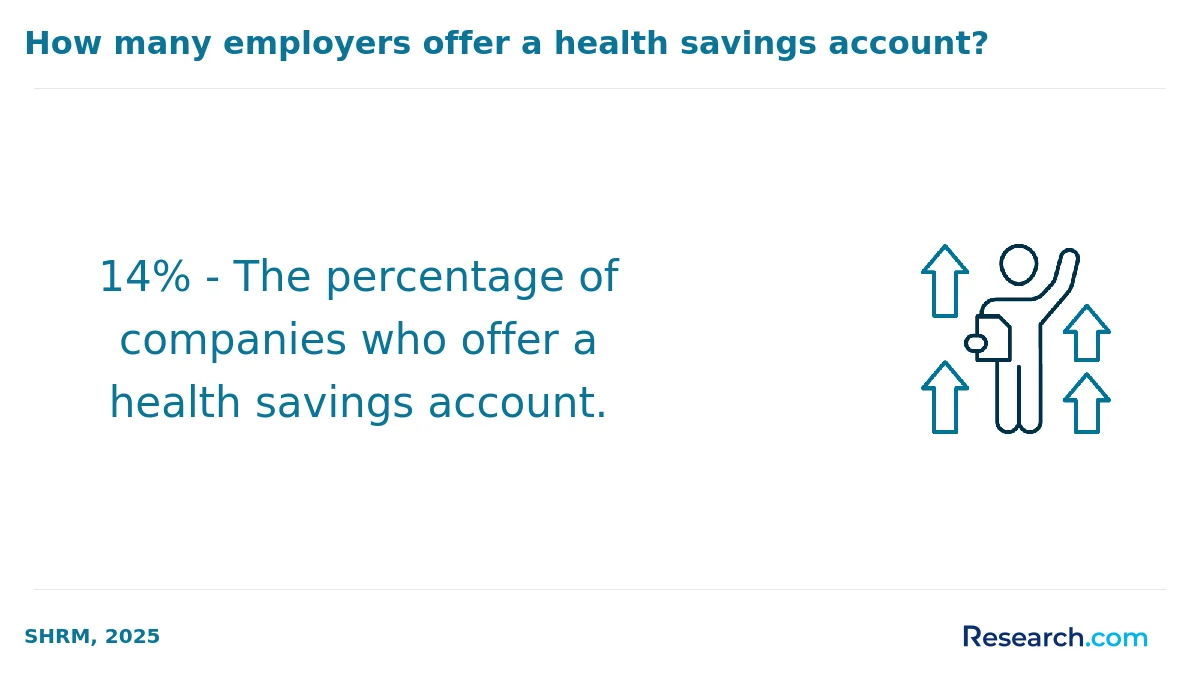
When pursuing an associate degree in Idaho, many students find financial aid to be a vital support system. Federal aid, like the Pell Grant and Federal Work-Study, is often the first step. Graduates from Idaho State University recall how completing the FAFSA early opened doors to these funds, easing their tuition worries significantly.
Idaho also offers state-specific aid that truly makes a difference. The Idaho Opportunity Scholarship, for example, provides up to $3,500 annually for residents with a 2.7 GPA or higher, helping students at schools like the College of Eastern Idaho keep costs manageable. Many students describe the relief of receiving this scholarship, which can be renewed for four years, as a game changer in their college journey.
Another valuable resource is the Idaho LAUNCH program, covering up to 80% of tuition and fees (capped at $8,000) for in-demand career programs. Unlike federal aid, LAUNCH doesn't require FAFSA, which means less paperwork and faster access for eligible students.
Additionally, numerous Idaho colleges provide their own scholarships and work-study opportunities tailored to student needs. Nonresident tuition waivers may help out-of-state students, making Idaho's associate degree programs accessible and affordable for many.
To enroll in an associate degree program in Idaho, the first step is having a high school diploma or a GED. This basic, yet essential, requirement ensures you're ready for college-level work. Graduates from North Idaho College often share how meeting this step opened doors to new academic paths and personal growth.
Next, you'll need to show competency in English and math. For example, at the University of Idaho, students begin with foundational courses in communication, math, and science, which build confidence and sharpen critical thinking skills early on. This approach helps many feel prepared and supported as they advance.
Here are some key expectations to keep in mind:
- Complete at least 60 semester credits combining general education and major courses.
- Maintain a minimum 2.0 GPA to stay on track, as emphasized by colleges like North Idaho College.
- Earn a set number of credits in residence at your school-usually about 15 at the University of Idaho.
Specialized programs, such as the Associate of Applied Science, might ask for extra requirements like background checks or specific coursework, but most students find the general education route welcoming and manageable. Keeping up with these prerequisites sets you up to enjoy the full college experience and confidently move toward your career goals.
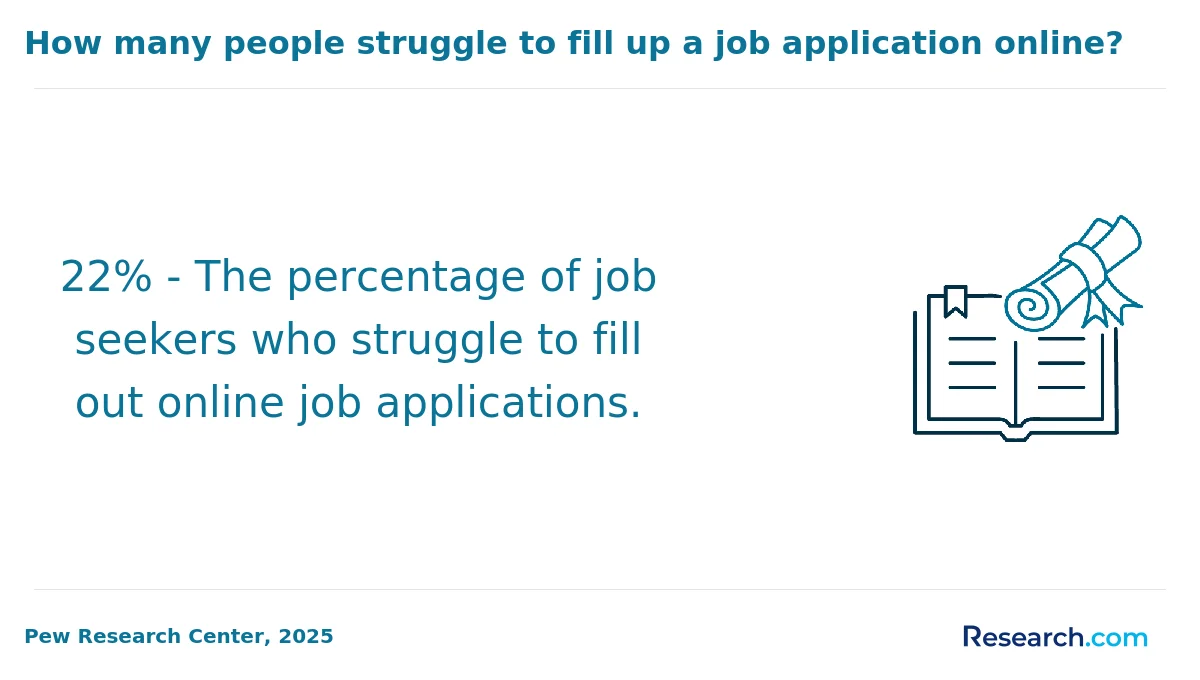
In Idaho, common associate degree courses center around a strong general education foundation coupled with your chosen field's electives. Graduates from popular Idaho institutions often recall how courses like English Composition and Fundamentals of Speech sharpened their communication skills early on. Typical credit distribution includes at least 36-37 general education credits, ensuring you develop competency in written and oral communication, mathematics, science, humanities, and social sciences-key elements of the Idaho associate degree curriculum requirements.
These courses often look like this:
- Written Communication (6 credits): English Composition I and II
- Oral Communication (3 credits): Fundamentals of Speech
- Mathematics (3 credits): College-level math or statistics
- Science (7 credits): Two courses with at least one lab experience
- Humanities and Arts (6 credits): Courses across two disciplines
- Social Sciences (6 credits): Courses across two disciplines
Students at community colleges like the College of Western Idaho share how the structured balance between these core courses and major-specific electives, such as 19 STEM credits, gave them confidence both for transferring to a four-year school and stepping into the workforce. Some programs even include career decision-making workshops, helping you align your studies with career goals.
Many Idaho students appreciate this well-rounded approach-it prepares you not just academically but professionally and personally. If you're considering flexible options, you might explore an easy bachelor's degree online after completing your associate degree, continuing your academic journey at your own pace.
Start by focusing on accreditation to ensure your credits transfer smoothly and you qualify for federal aid. Many graduates from popular Idaho schools like the College of Western Idaho have praised how their regionally accredited programs gave them confidence and easy transfer options. Next, align your choice with your career goals by reviewing program offerings and specialization options. For instance, students favoring technical fields have found hands-on learning at the College of Southern Idaho invaluable, with real internships making the experience both engaging and practical.
When you compare associate degree costs in Idaho, take into account tuition as well as fees and financial aid opportunities. Graduates from Brigham Young University-Idaho often highlight the balance between cost and quality, which helped them avoid excessive debt. Flexibility is also key; many students juggling work or family responsibilities appreciate the online and hybrid classes offered by several Idaho community colleges. You can even explore options for an affordable online phd if you plan long-term.
Finally, weigh the value of student support services and the institution's reputation. Positive experiences with advisors and job placement offices at the College of Western Idaho led many graduates to success after completion. This holistic approach will help you pick from the best Idaho colleges for associate programs and set you up for a fulfilling educational path.

Associate degree graduates in Idaho find a variety of in-demand associate degree careers in Idaho that lead to rewarding, well-paying jobs. Many graduates from popular schools like the College of Western Idaho appreciate how programs tie hands-on apprenticeships with formal classes, preparing them for skilled trades such as electrical work, HVAC, and plumbing. These roles often grow into leadership positions, like first-line supervisors of construction trades, earning a median salary of $65,707 annually.
Healthcare pathways are also strong, with graduates working as licensed practical nurses, dental hygienists, or physical therapist assistants who enjoy competitive wages and stability. Some graduates note that Idaho's Career and Technical Education system supports quick workforce entry through dual credits and certifications earned even before high school graduation, opening fast tracks to Idaho associate degree job opportunities.
Others have found success in technology and business roles, including provider enrollment specialists and identity and access management engineers. For those seeking affordable education geared to professional growth, programs such as Idaho LAUNCH provide up to $8,000 in financial aid. To explore top programs nationwide, consider checking out top non profit accredited online universities.
The job market for associate degree graduates in Idaho offers a mix of opportunity and challenge. Graduates from popular associate degree schools in Idaho often find roles in healthcare, administration, and technical fields, where wages typically range from $14.04 to $19.47 per hour. Many associate degree job opportunities in Idaho include positions like Physical Therapist Assistant or Dental Hygienist, which reflect the state's growing healthcare sector. For example, a graduate working as a Technical Administrative Assistant in Boise enjoys steady employment and room for advancement.
Although Idaho's job market is described as "not very active," graduates benefit from the demand in in-demand careers for associate degree holders Idaho, especially when equipped with strong communication and technical skills. Industries such as nursing and allied health are expanding rapidly, supporting those prepared with industry-specific credentials.
To navigate this market effectively, graduates often explore educational options listed among the most affordable online universities for working adults that offer flexible and affordable pathways to build relevant skills, helping them stay competitive and connect with local employers.
Best Associate Degree Programs - Leading Certification Courses in Idaho for 2026
# 1 position
Idaho State University - Welding Technology/Welder.
associateIdaho State University's Welding Technology/Welder program offers hybrid learning with some distance education. It prepares students with technical skills in arc welding, resistance welding, brazing, cutting, and welding metallurgy. The program covers safety, codes, and structural design. Annual in-state tuition is $8,356. Graduates earn a median salary of $64,581 one year after completion. The program is accredited by the Northwest Commission on Colleges and Universities.
# 2 position
College of Eastern Idaho - Electrician.
associateThe Electrician program at College of Eastern Idaho offers a hybrid format with some distance education options. It trains students to install, operate, maintain, and repair electric systems including residential, commercial, and industrial wiring. Instruction covers electronics, power transmission, safety, electrical testing, and applicable codes. The program’s annual in-state tuition is $3,390. It is accredited by the Northwest Commission on Colleges and Universities.
# 3 position
College of Western Idaho - Dental Assisting/Assistant.
associateThe Dental Assisting/Assistant program at College of Western Idaho offers a hybrid format with some distance-education options. It prepares students to provide patient care, take dental radiographs, and assist dentists and hygienists with clinical and administrative tasks. Instruction covers medical record-keeping, office duties, equipment maintenance, radiography, and chairside assisting. The program’s annual in-state tuition is $3,336, and it is accredited by the Northwest Commission on Colleges and Universities.
# 4 position
Idaho State University - Electrician.
associateIdaho State University offers a hybrid Electrician program that prepares students to install, operate, maintain, and repair electric systems including residential, commercial, and industrial wiring. The curriculum covers electronics, electrical systems, power transmission, safety, testing, inspection, and relevant codes. The program's annual in-state tuition is $8,356. It is accredited by the Northwest Commission on Colleges and Universities, providing a mix of technical knowledge and practical skills for the electrical trade.
# 5 position
College of Southern Idaho - Automobile/Automotive Mechanics Technology/Technician.
associateThe College of Southern Idaho offers a hybrid program in Automobile/Automotive Mechanics Technology/Technician, preparing students to repair, service, and maintain various automobile systems. The curriculum covers brake systems, electrical systems, engine performance and repair, suspension and steering, transmissions, drive trains, and heating and air conditioning. The program’s in-state annual tuition is $3,360, and graduates earn a median of $44,037 one year after completion. It is accredited by the Northwest Commission on Colleges and Universities.
# 6 position
Idaho State University - Computer Numerically Controlled (CNC) Machinist Technology/CNC Machinist.
associateIdaho State University offers a hybrid Computer Numerically Controlled (CNC) Machinist Technology program that trains students to operate CNC machine tools, including lathes and mills. The curriculum covers programming, setup, troubleshooting, blueprint reading, CAD/CAM systems, and shop safety. The annual in-state tuition is $8,356. Graduates earn a median salary of $64,581 one year after completion. The program is accredited by the Northwest Commission on Colleges and Universities.
# 7 position
College of Western Idaho - Automobile/Automotive Mechanics Technology/Technician.
associateThe College of Western Idaho offers a hybrid program in Automobile/Automotive Mechanics Technology/Technician preparing students to repair, service, and maintain various automobile systems. Instruction covers brake systems, electrical systems, engine performance and repair, suspension, steering, transmissions, and heating and air conditioning. The program’s annual in-state tuition is $3,336. Graduates have median earnings of $36,676 one year after completion. It is accredited by the Northwest Commission on Colleges and Universities.
# 8 position
North Idaho College - Electrician.
associateNorth Idaho College offers a Hybrid Electrician program designed to equip students with technical skills to install, operate, maintain, and repair electric systems including residential, commercial, and industrial wiring. The curriculum covers electronics, electrical systems, wiring, power transmission, safety, job estimation, and applicable codes. Annual in-state tuition is $3,396. The program is accredited by the Northwest Commission on Colleges and Universities.
# 9 position
College of Southern Idaho - Business Administration and Management, General.
associateThe Business Administration and Management, General program at College of Southern Idaho prepares individuals to plan, organize, direct, and control business functions. It includes management theory, human resources, accounting, purchasing, logistics, marketing, and business decision-making. The annual in-state tuition is $3,360. Graduates earn a median income of $34,368 one year after completion. The program is accredited by the Northwest Commission on Colleges and Universities.
# 10 position
College of Western Idaho - Computer and Information Systems Security/Auditing/Information Assurance.
associateThe Computer and Information Systems Security/Auditing/Information Assurance program at College of Western Idaho offers a hybrid learning format. It prepares students to evaluate security needs, implement safeguards, and manage security systems and procedures. The curriculum covers computer architecture, programming, networking, cryptography, auditing, law, risk assessment, contingency planning, and investigation techniques. Annual in-state tuition is $3,336. Median earnings one year after completion are $35,040. The program is accredited by the Northwest Commission on Colleges and Universities.
Frequently Asked Questions about associate degree programs
Preparing for the job market after completing an associate degree in Idaho involves focused steps to enhance employability. Graduates should start by building a strong resume that highlights relevant skills and practical experiences gained during their studies.
Networking is crucial in Idaho's job market. Attending career fairs and connecting with local employers or workforce development centers can open job opportunities. According to Idaho's Department of Labor, sectors like healthcare, manufacturing, and information technology actively seek associate degree holders.
Internships or part-time work related to the field of study provide valuable experience and professional references. Additionally, Idaho's colleges often offer career services, including interview preparation and job placement support, which can significantly improve hiring chances.
Continuing education, such as certifications or specialized training, can also strengthen a graduate's profile, making them more competitive in Idaho's evolving job market.
Employers in Idaho consistently seek associate degree graduates with a mix of technical and soft skills. According to Idaho Department of Labor reports, top technical skills include proficiency in computer applications, healthcare support, and manufacturing technologies. These align with Idaho's dominant industries such as healthcare, advanced manufacturing, and information technology.
Soft skills are equally important. Communication, problem-solving, and teamwork abilities rank highest in employer surveys conducted by the Idaho Business Review. Over 75% of businesses emphasize the need for strong interpersonal skills to succeed in today's workplace.
Time management and adaptability are also key, given the dynamic nature of many Idaho jobs. Graduates who demonstrate these skills tend to have better employment outcomes statewide.
Finding internships in Idaho related to your associate degree program requires a strategic approach focused on local opportunities. Start by contacting your college's career services office, as many Idaho community colleges partner with regional employers to offer internship placements. For example, College of Southern Idaho and North Idaho College maintain databases specific to their program fields.
Additionally, platforms like the Idaho Department of Labor's Job Service provide listings for internships, which often include positions tailored to students in healthcare, technology, and business-common fields for associate degrees.
Networking through local professional organizations and attending career fairs hosted by colleges or chambers of commerce can increase your chances. According to the Idaho Department of Labor, healthcare and advanced manufacturing internships have grown by 15% in recent years.
Lastly, don't overlook online resources such as Handshake, which some Idaho colleges use to connect students with relevant internships across the state.
In Idaho, earning an associate degree significantly enhances career mobility and opportunities for advancement. According to the Idaho Department of Labor, individuals with associate degrees often experience higher employment rates compared to those with only a high school diploma. The state's growing sectors, such as healthcare, manufacturing, and information technology, frequently require or prefer candidates holding associate degrees.
Data from the U.S. Bureau of Labor Statistics shows that associate degree holders in Idaho earn on average 20% more annually than those without postsecondary education. This credential can also serve as a stepping stone to bachelor's programs, facilitating further upward career movement.
The Idaho Workforce Development Council highlights that technical skills gained through associate programs align well with employer demands, improving job stability and promotion prospects. Additionally, many local colleges have partnerships with employers, providing direct pathways to employment after graduation.
Part-time job opportunities in Idaho that complement associate degree education often align with popular fields such as healthcare, information technology, and business. For example, students pursuing an associate degree in nursing or health sciences can find part-time work as certified nursing assistants or medical office aides. These roles offer valuable hands-on experience while supporting academic growth.
In the IT sector, part-time roles like help desk support or computer technicians are available, especially in Idaho's growing tech hubs such as Boise. According to the Idaho Department of Labor, healthcare and IT services have among the fastest job growth rates statewide, making these ideal fields for associate degree students seeking flexible employment.
Additionally, business students can explore customer service or administrative assistant positions. These jobs allow students to develop communication and organizational skills applicable to many career paths. Overall, Idaho's job market supports part-time employment that enhances practical skills relevant to associate degree studies.
There are several highly regarded degree programs available near Idaho, especially in fields such as engineering, computer science, and business. Universities near Idaho, including those within the state, offer diverse academic programs and are known for their quality education and research opportunities. To find the best degree program near me, exploring resources like Research.com can provide valuable insights and help in identifying the programs that best fit your educational goals.
- Best Associate Degree Programs - Leading Certification Courses in Montana for 2026
- Best Associate Degree Programs - Leading Certification Courses in Washington for 2026
- Best Associate Degree Programs - Leading Certification Courses in Oregon for 2026
- Best Associate Degree Programs - Leading Certification Courses in Wyoming for 2026
- Best Associate Degree Programs - Leading Certification Courses in California for 2026
- Best Associate Degree Programs - Leading Certification Courses in Colorado for 2026
- Best Associate Degree Programs - Leading Certification Courses in Arizona for 2026
- Best Associate Degree Programs - Leading Certification Courses in New Mexico for 2026
- Best Associate Degree Programs - Leading Certification Courses in South Dakota for 2026
- Best Associate Degree Programs - Leading Certification Courses in Nebraska for 2026
- Nces - Ipeds https://nces.ed.gov/ipeds/
- Research - Best Accredited Non Profit Online Universities https://research.com/universities-colleges/best-accredited-non-profit-online-universities
- AAS Degree Requirements < North Idaho College https://catalog.nic.edu/aas-degree-requirements/
- Online Associate Degree Programs https://www.ashworthcollege.edu/associate-degrees/
- Online Associate Degree Programs | SNHU https://www.snhu.edu/online-degrees/associate
- College of Western Idaho Academic Catalog < Academic Degree and Certificate Requirements https://catalog.cwi.edu/degree-certificate-requirements/
- Here’s How an Associate Degree Can Advance Your Career https://flex.wisconsin.edu/stories-news/heres-how-an-associate-degree-can-advance-your-career/
- Student jobs | University of Idaho https://www.uidaho.edu/financial-aid/student-jobs
- Academic Programs - North Idaho College https://www.nic.edu/programs/
- Credit transfer remains a challenge for professional-technical students https://www.idahoednews.org/news/credit-transfer-remains-a-challenge-for-professional-technical-students/


