
Best Associate Degree Programs - Leading Certification Courses in Arizona for 2026

Co-Founder and Chief Data Scientist
Choosing the right associate degree program in Arizona can shape your future in exciting ways. This article presents a carefully crafted associate degree programs ranking created by the Research.com team of data scientists to help you make an informed decision about which trade school options are worth your time and investment.
Whether you’re starting fresh or considering a career change, earning an associate degree opens doors to new opportunities, skills, and confidence. Reading this guide will give you clarity and inspiration to pursue a path that suits your goals and lifestyle.
Key benefits of associate degrees in Arizona
• Associate degree graduates in Arizona can expect early career salaries typically between $40,000 and $47,000, with some specialized jobs in high-demand areas paying even more, offering a strong financial start.
• Popular career paths include nursing, respiratory therapy, information technology, and business administration, with graduates from schools like the University of Phoenix earning around $40,424 in the beginning, showing clear job opportunities.
• Earning an online associate degree offers convenience and flexibility, making it easier to balance work and study, with many Arizona students successfully starting their careers through online programs.
- Best Associate Degree Programs - Leading Certification Courses in Arizona for 2026
- What can I expect from associate degree programs in Arizona?
- Where can I work after finishing associate degree programs in Arizona?
What can I expect from associate degree programs in Arizona?
The average cost of pursuing an associate degree program in Arizona generally ranges between $4,000 and $6,000 per year at community colleges, which are the primary providers of these degrees. Graduates from popular institutions such as Maricopa Community Colleges often reflect on how the affordable tuition made their education accessible without overwhelming debt. Many students appreciate the balance between cost and quality, especially when the programs offer a strong mix of academic and hands-on training.
Students enrolling in these programs can expect to complete 60 to 64 semester credits over two years of full-time study, with tuition fees typically covering general education and specialized courses. Those attending private institutions in Arizona may experience higher tuition, yet often benefit from smaller class sizes and personalized support. For working adults and family caregivers, the availability of online and hybrid courses provides flexibility while maintaining reasonable expenses.
Overall, the cost-effectiveness of Arizona's associate degree programs attracts a diverse student body eager to gain skills and jumpstart their careers or transfer to four-year universities without financial strain.
Where can I work after finishing associate degree programs in Arizona?
Graduates from Arizona's associate degree programs often find rewarding employment in diverse fields such as healthcare, administration, technology, public service, and skilled trades. For instance, those completing healthcare-related programs at well-known schools in Phoenix frequently step into roles like dental hygienists or radiation therapists, enjoying solid demand and competitive wages.
Administrative graduates actively secure positions in human resources or as administrative professionals, sometimes benefiting from hybrid remote work options, health insurance, and retirement plans. Many feel a strong sense of accomplishment moving swiftly into the workforce with practical skills acquired locally.
In technical fields, associate degree holders from Arizona community colleges enter industries like information technology and automotive technology, where starting hourly rates hover around $20. This steady income enables graduates to support themselves while advancing their careers.
Public service roles, including special agents within federal agencies based in Arizona, offer clear paths for those eager to serve their communities, with competitive salaries reflecting experience. Arizona's blend of urban centers and smaller towns gives graduates flexible opportunities to build fulfilling careers close to home.
After completing an associate degree program in Arizona, graduates typically earn between $40,000 and $50,000 annually, depending on their field and school. For instance, many students from popular associate degree schools around Phoenix report starting salaries near $46,678, reflecting the strong local job market and quality education. One graduate described landing an accounting associate position with an initial salary around $49,000, enjoying the balance of stability and growth.
Entry-level roles in cities like Phoenix often pay roughly $42,210 yearly, or about $20.29 per hour, offering a solid foundation for recent graduates eager to enter the workforce. For example, those starting in administrative or technical fields find these salaries encouraging as they build career momentum quickly.
In higher-demand sectors such as healthcare, earnings soar. Registered nurses with an Associate Degree in Nursing (ADN) report impressive average salaries close to $90,000 per year in Arizona. Graduates often express pride in how their degree opens doors to rewarding and well-compensated careers.
These figures highlight that selecting the right program and school in Arizona can directly impact earning potential and satisfaction after graduation.
- Jessica: Earning my Associate Degree in Dental Hygiene from Mesa Community College was truly life-changing. The hands-on training in a supportive trade school environment prepared me to confidently start my career in a busy Phoenix dental office. The practical skills I gained made finding a job smooth and rewarding.
- Carlos: Studying Automotive Technology at Pima Community College gave me real skills and real work experience. The instructors knew the industry, and the small classes felt personal. Now, I'm proud to work as a certified technician in Tucson. Trade school was the best decision for my future.
- Emily: My Associate Degree in Early Childhood Education from Scottsdale Community College blended theory with fieldwork, making me ready for my classroom role at a local preschool. The trade school focus on applied learning boosted my confidence and job prospects. Arizona's supportive community helped me flourish professionally and personally.
- Admission requires a high school diploma or equivalent, with some programs needing a minimum age of 17 and passing a standardized entrance exam like the Wonderlic.
- Graduation requires completing at least 60 semester credit hours, a minimum GPA of 2.0, and grades of "C" or better in all courses.
- Students must complete general studies courses in composition, math, and general education for transferability to Arizona public universities.
- Average annual tuition for in-state students at Arizona community colleges ranges from $2,500 to $3,500, with additional costs for books and living expenses.
- Common careers for graduates include registered nurse, dental hygienist, paralegal, and radiologic technologist, with starting salaries between $38,000 and $55,000 per year.
Completing an associate degree program in Arizona typically takes two years of full-time study, with most schools, including notable institutions like Arizona State University, requiring around 60 credit hours. Graduates often share how enrolling full-time-taking about 12 to 15 credit hours per semester-helps them stay on track to finish within this timeframe, balancing coursework and life commitments effectively.
Part-time students juggling work or family responsibilities might find their program duration extended, sometimes beyond two years. However, many find value in flexible online or hybrid programs that Arizona colleges offer, which enable pacing studies at one's own speed. Some enthusiastic students have even accelerated their completion by enrolling in intensive courses, finishing in as little as 18 months.
Transfer credits and assessments of prior learning often help returning students reduce their course load. This adaptability resonates well with those who bring previous professional or military experience, making their journey more efficient and rewarding.
Advisors at community colleges and trade schools emphasize personalized academic planning, ensuring students map out prerequisites clearly to avoid delays-a strategy valued by many who graduate on time and with confidence.
The primary difference between online and on-campus associate degree programs in Arizona is how courses are delivered and the nature of student interaction. Online programs, offered by institutions like Arizona State University, allow students to complete coursework and exams entirely online, providing flexibility to study late at night or during breaks at work. Many graduates appreciate this convenience, especially those balancing family or jobs, as it removes commuting and rigid schedules.
On the other hand, on-campus programs at schools such as the University of Arizona emphasize face-to-face engagement. Students benefit from hands-on learning in labs and direct access to instructors and peers, fostering a classic college experience with campus events and study groups that many find motivating and supportive.
Both formats lead to the same accredited degree, but while online learners enjoy convenience and cost savings, those attending in person often share a deeper connection to campus life and immediate academic support.
The average associate degree cost in Arizona remains remarkably affordable, with in-state tuition averaging around $2,270 per year at community colleges such as Phoenix College and Glendale Community College. Graduates from these schools often highlight how manageable these tuition rates made their educational pursuits, allowing them to focus on achieving their academic goals without overwhelming financial stress. This affordability positions Arizona as one of the top states for accessible higher education options, specifically in community college settings where tuition and fees are notably lower than national averages.
For out-of-state students, the Arizona community college tuition and fees increase to approximately $7,820 annually, which still compares favorably to other states. Many students appreciate the flexible payment plans and financial aid offered by institutions within the Maricopa Community Colleges system, which help ease the burden of costs. Programs that utilize a clock-hour tuition model, often seen in technical or vocational courses, may have different pricing, providing diverse opportunities depending on a student's career focus.
Beyond tuition, the estimated total cost of attendance, which includes housing, supplies, and personal expenses, averages $19,401 yearly for students living on campus or nearby. Many graduates recall how budgeting for these expenses alongside affordable tuition allowed them to maintain a balanced lifestyle while gaining valuable skills. Those interested in accelerating their education often explore options like online one year masters programs after completing their associate degree, enhancing career prospects efficiently.
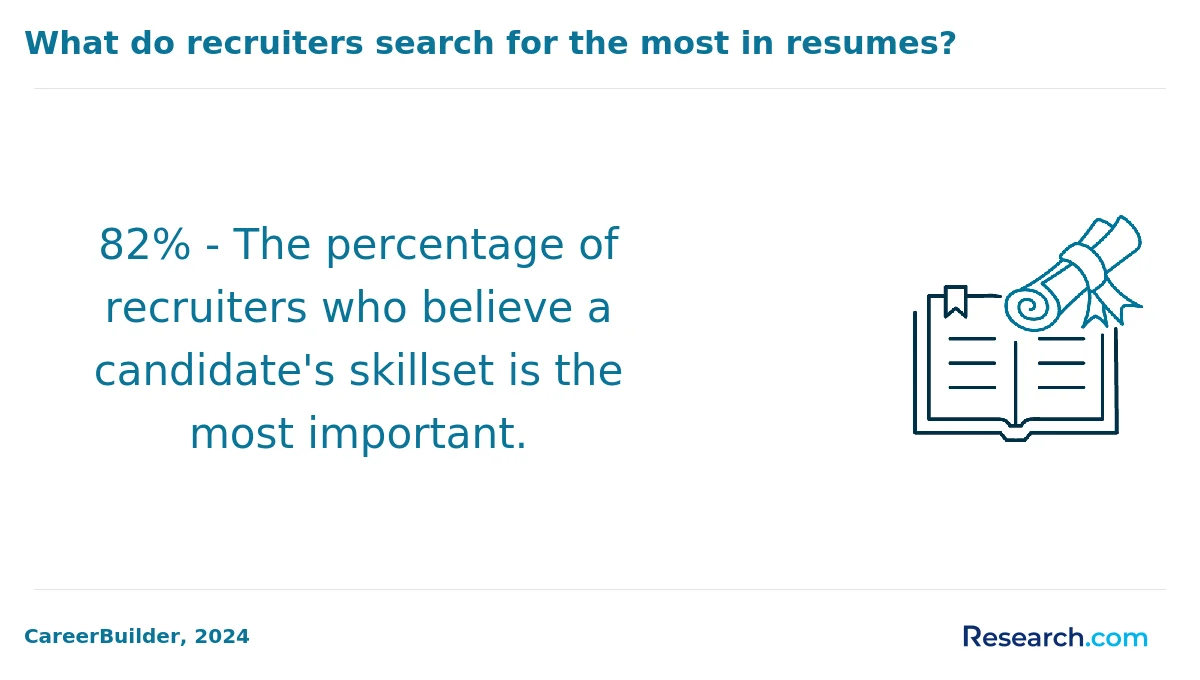
Associate degree students in Arizona benefit from multiple financial aid options that significantly ease the burden of college costs. Completing the Free Application for Federal Student Aid (FAFSA) is essential, as it unlocks access to federal programs like the Pell Grant, which offers up to $7,395 annually for students with demonstrated financial need. Many students attending community colleges such as Maricopa Community Colleges share how this grant provided crucial support during their studies.
In addition to grants, federal student loans are available, with annual amounts ranging from $5,500 to $12,500. These loans come with manageable repayment terms, especially Direct Subsidized Loans, which help students financially while enrolled.
Students enrolled at institutions like Northland Pioneer College often benefit from state-specific aid, such as the Finish Line Tuition Waiver, which covers tuition for up to 12 remaining credits. Graduates commonly express relief and motivation knowing this waiver enables them to finish their degrees without the intense financial strain.
Many Arizona colleges also provide scholarships and tuition waivers based on merit or need, tailored to their associate degree programs. Financial aid offices at these schools serve as valuable resources, guiding students in navigating these opportunities confidently.
To enroll in an associate degree program in Arizona, students must fulfill several clear prerequisites that set the foundation for a successful college experience. Graduates from popular Arizona community colleges often recall how proving secondary education-through a high school diploma, GED, or equivalent like HiSET-was the first essential step. Many found it reassuring to know that accredited foreign diplomas could also be accepted after evaluation, making the path accessible for diverse backgrounds.
Applicants typically must:
- Be at least 17 years old.
- Demonstrate strong English skills-reading, speaking, and writing fluently.
- Pass an entrance exam, such as the Wonderlic, with a minimum score around 25 for Arizona campuses.
- Maintain a minimum 2.0 GPA in prior coursework, especially within districts like the Maricopa County Community College District, with at least a "C" in all required classes.
Many students appreciated how these requirements ensured they were well-prepared, creating confidence as they embarked on specialized tracks such as health sciences, where extra prerequisites or interviews come into play.
Those aiming to transfer to four-year institutions like Arizona State University noted that maintaining a higher GPA-around 2.5-is often required for smoother credit transfers and admission, reinforcing the importance of sustained academic effort.
Furthermore, practical steps such as submitting a government-issued photo ID and completing admissions interviews or online preparedness questionnaires helped students feel supported through the enrollment process.
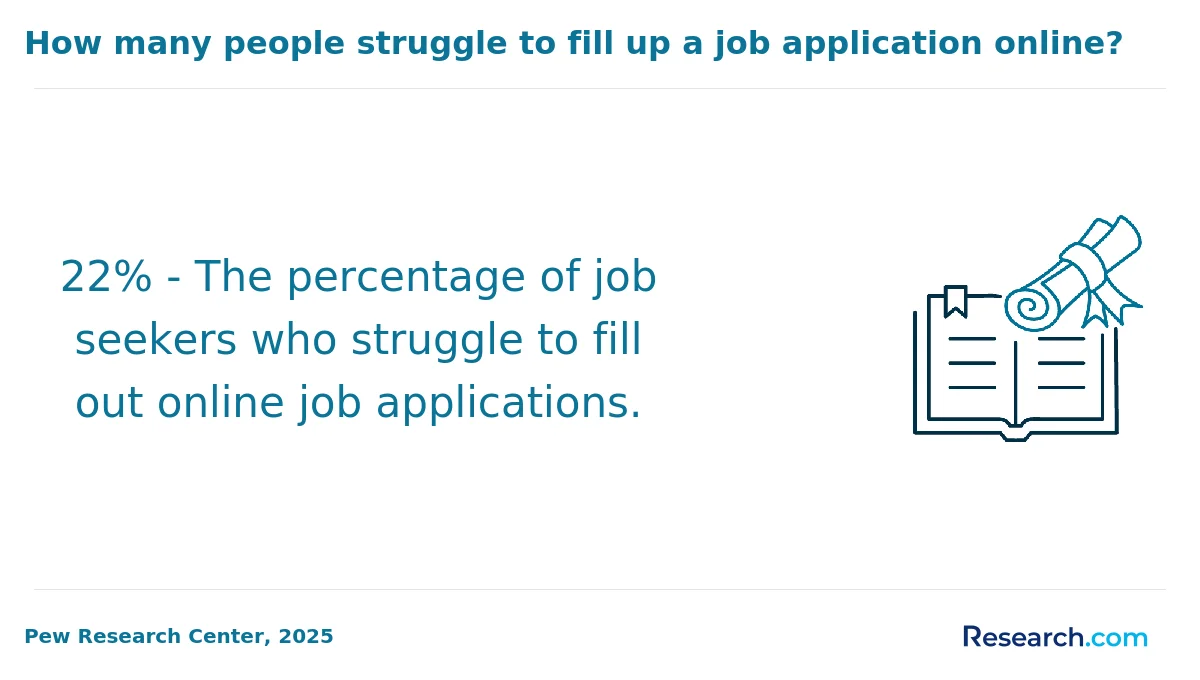
Typical courses in Arizona associate degree programs blend foundational studies and specialized coursework to create a balanced education. At community colleges like Maricopa County Community College District, students engage deeply with the Arizona general education curriculum for associate degrees, which includes subjects such as English composition, mathematics, natural sciences, social and behavioral sciences, humanities, and fine arts. Graduates often share how these core courses sharpened their critical thinking and communication skills, providing a strong academic base for further studies or careers.
Core courses vary by major but are essential in defining the student's focus. For example, an Associate of Arts with a psychology emphasis in an Arizona college requires specific psychology classes complemented by relevant electives. Many students appreciate the flexibility electives offer, allowing exploration of personal interests or skill deepening within their field.
This structure, common in popular Arizona associate degree schools, typically requires a minimum of 60 credits and maintains a 2.0 GPA threshold. Such rigor supports students aiming for immediate employment or transfer to public universities. Those considering further education might find helpful insights about an easy masters degree to continue their academic journey.
Choosing the best associate degree program in Arizona starts with identifying your intended field of study and researching accredited colleges like Mesa Community College and GateWay Community College. Graduates from these schools often highlight how accreditation positively impacted their credit transfers and professional opportunities, especially in nursing programs accredited by ACEN. Their success stories include achieving impressive outcomes such as a 100% NCLEX pass rate, which reflects strong program quality and student support.
When comparing Arizona associate degree options, consider reputation, student reviews, and graduation rates. Many students appreciate the flexibility offered by programs with evening and online classes, which help them balance work and family commitments effectively. Cost remains pivotal, and comparing net prices including tuition and financial aid lets you make informed decisions without sacrificing quality.
Finally, exploring advice and career services reinforces your academic journey, enhancing job placement prospects. For broader career insights, examine insights on bachelor's degrees that make the most money to align your education with future earnings.
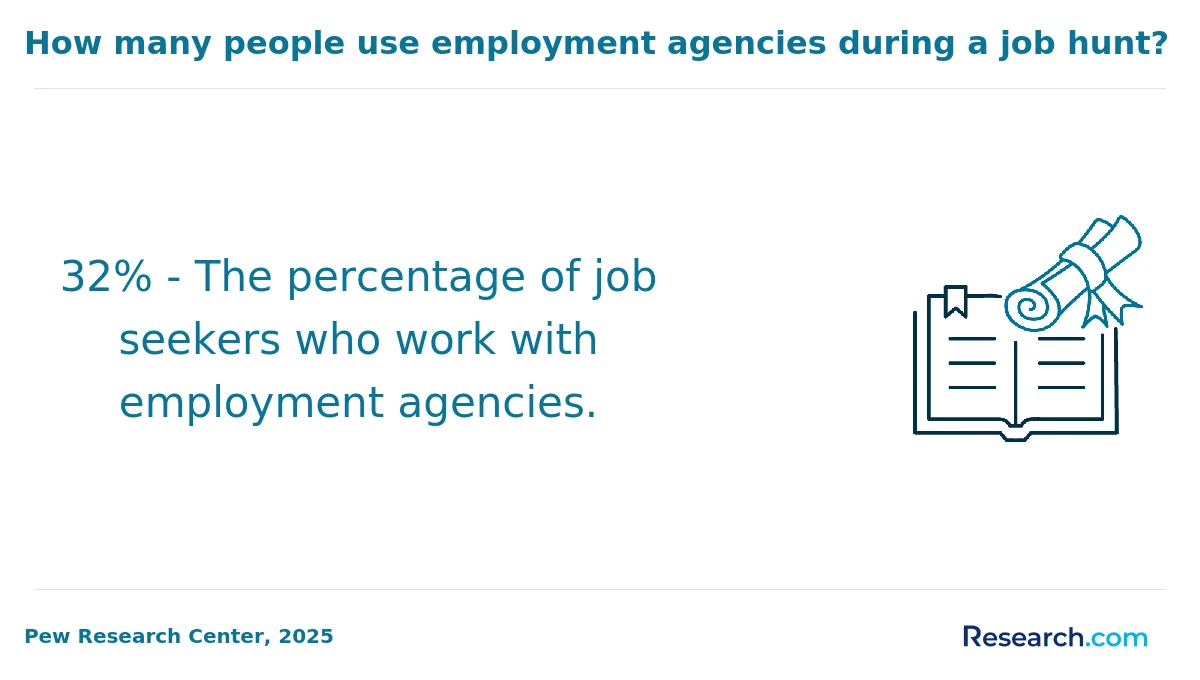
Associate degree graduates in Arizona find diverse career opportunities with an associate degree in Arizona, spanning healthcare, business, technology, public service, and skilled trades. Many graduates from popular local colleges quickly secure rewarding roles such as registered nurses, medical assistants, and radiologic technologists, benefiting from strong job growth and competitive salaries in these fields. For instance, certified medical assistants in the state enjoy a growing demand, with average salaries around $37,190, fueling confidence in career stability.
Business graduates often step into roles like administrative assistants or operations managers within retail, hospitality, and healthcare sectors, with many earning over $50,000 annually in Arizona's dynamic job market. In technology, associate degree holders frequently secure positions as computer information systems specialists or IT support technicians, often with flexible remote work options and salaries exceeding $55,000.
- Healthcare roles including registered nurse and radiologic technologist
- Business positions such as administrative assistant and operations manager
- Technology careers like IT support technician and data entry specialist
- Public service jobs including investigative assistant and veteran services coordinator
- Skilled trades including industrial electronics technician and engineering technologist
Many graduates from Arizona's well-known community colleges highlight how their programs prepared them for high paying associate degree jobs Arizona. Strong industrial growth supports careers in skilled trades, with salaries often surpassing $60,000 yearly. For students seeking flexible education options, exploring online universities that accept fafsa can be a strategic step toward career advancement. This variety ensures graduates can follow career paths aligned to both their interests and Arizona's economic demands.
The Arizona job outlook for associate degree graduates shows a mixed but promising landscape. Graduates from well-known associate degree schools in Phoenix and Tucson often find opportunities in healthcare, administration, and technical fields. For instance, dental hygienists and occupational therapy assistants regularly secure positions in local clinics, benefiting from Arizona's growing healthcare sector. Many graduates appreciate that local employers not only offer competitive wages-typically around $18.52 per hour-but also provide valuable benefits like health insurance and tuition reimbursement, making the transition from education to employment smoother.
Job seekers drawn to associate degree jobs in Arizona can explore a variety of roles across urban centers, with over 4,200 postings in Phoenix alone and approximately 650 in Tucson. Common fields include:
- Technical administrative assistant positions paying up to $43,722 annually
- IT support specialist roles valued for practical certifications
- Clerical and invoicing assistant opportunities offering wages between $34,000 and $39,000
Recent graduates often share positive sentiments regarding job stability and career growth potential, especially when aligned with in-demand skills. Establishing a career with an associate degree in Arizona has been made even more attractive by trade programs that pay well, which emphasize market-ready skills alongside academic credentials.
Best Associate Degree Programs - Leading Certification Courses in Arizona for 2026
# 1 position
Pima Community College - Welding Technology/Welder.
associatePima Community College offers a Welding Technology/Welder program with a hybrid format that includes some distance-education options. The program prepares students to apply technical skills in welding processes such as arc welding, resistance welding, brazing, soldering, and cutting. Tuition for in-state students is $2,370 annually. Graduates earn a median income of $41,132 one year after completion. The program is accredited by the Higher Learning Commission.
# 2 position
Rio Salado College - Dental Assisting/Assistant.
associateRio Salado College offers a fully online Dental Assisting/Assistant program that prepares students to provide patient care, take dental radiographs, and perform office administrative tasks under supervision. The curriculum covers medical record-keeping, equipment maintenance, basic radiography, chairside assisting, and patient care. The program is accredited by the Higher Learning Commission, with an annual in-state tuition of $2,358 and median earnings of $45,744 one year after completion.
# 3 position
Pima Community College - Automobile/Automotive Mechanics Technology/Technician.
associatePima Community College offers a hybrid program in Automobile/Automotive Mechanics Technology/Technician, preparing students to repair, service, and maintain various automobile systems. The curriculum covers brake systems, electrical systems, engine performance and repair, suspension and steering, transmissions, drive trains, and heating and air conditioning. Annual in-state tuition is $2,370. Graduates earn a median salary of $52,673 one year after completion. The program is accredited by the Higher Learning Commission.
# 4 position
Central Arizona College - Diagnostic Medical Sonography/Sonographer and Ultrasound Technician.
associateCentral Arizona College offers a hybrid Diagnostic Medical Sonography/Sonographer and Ultrasound Technician program that prepares students to perform medical ultrasound techniques under physician supervision. The curriculum covers patient care, sonographic data collection, equipment operation, and professional ethics. Annual in-state tuition is $2,250. Graduates earn a median salary of $60,754 one year after completion. The program is accredited by the Higher Learning Commission.
# 5 position
Pima Community College - Criminal Justice/Safety Studies.
associatePima Community College offers a Criminal Justice/Safety Studies program with a hybrid format, including some distance-education options. The program covers criminal law, policy, police and correctional systems, administration of justice, judiciary, and public attitudes toward criminal justice. Annual in-state tuition is $2,370. Graduates earn a median income of $42,096 one year after completion. The program is accredited by the Higher Learning Commission.
# 6 position
Central Arizona College - Computer and Information Sciences, General.
associateCentral Arizona College offers a hybrid program in Computer and Information Sciences, General, providing a blend of in-person and distance education. The program covers computing, computer science, and information systems without focusing on specialized titles. Annual in-state tuition is $2,250. The program is accredited by the Higher Learning Commission, ensuring recognized educational standards for students pursuing this field.
# 7 position
Central Arizona College - Computer Systems Networking and Telecommunications.
associateCentral Arizona College offers a hybrid program in Computer Systems Networking and Telecommunications that prepares students to become network specialists and managers. The curriculum covers operating systems, systems design, networking theory, security, and troubleshooting. The program focuses on efficient management of linked computer systems and software. Annual in-state tuition is $2,250. The program is accredited by the Higher Learning Commission.
# 8 position
Central Arizona College - Computer and Information Systems Security/Auditing/Information Assurance.
associateCentral Arizona College offers a hybrid program in Computer and Information Systems Security/Auditing/Information Assurance designed to prepare students to assess and secure computer and network systems. The curriculum covers programming, networking, cryptography, security auditing, risk assessment, and legal regulations. The program includes instruction on safeguarding systems and managing security devices. Annual in-state tuition is $2,250. The program is accredited by the Higher Learning Commission.
# 9 position
Central Arizona College - Criminal Justice/Safety Studies.
associateCentral Arizona College offers a hybrid Criminal Justice/Safety Studies program focusing on the criminal justice system, its components, and legal and public policy contexts. The curriculum includes criminal law and policy, police and correctional systems organization, administration of justice, judiciary, and public attitudes on criminal justice issues. The annual in-state tuition is $2,250. The program is accredited by the Higher Learning Commission.
# 10 position
Central Arizona College - Accounting.
associateCentral Arizona College offers a hybrid Accounting program designed to prepare students for professional practice and related business functions. The curriculum covers accounting principles, financial and managerial accounting, cost accounting, tax accounting, auditing, and business information systems. The program emphasizes professional standards, ethics, and applications across various organizational types. Annual in-state tuition is $2,250, and the program is accredited by the Higher Learning Commission.
Frequently Asked Questions about associate degree programs
Preparing for the job market after earning an associate degree in Arizona involves several strategic steps. Graduates should begin by leveraging career services offered by community colleges, such as resume workshops and job fairs. According to the Arizona Board of Regents, more than 60% of associate degree holders find employment within six months of graduation.
Networking is crucial; joining local professional groups or industry associations in Phoenix, Tucson, or other cities can open job opportunities. Internships and part-time roles during studies increase practical experience, boosting employability. Arizona's labor market favors technical and healthcare fields, where associate degrees align well with employer needs.
Finally, staying updated with Arizona's Department of Economic Security labor trends can help target growing sectors for better job prospects.
Employers in Arizona highly value associate degree graduates who demonstrate strong technical and interpersonal skills. According to the Arizona Department of Economic Security, top technical abilities include proficiency in computer software, healthcare practices, and basic engineering concepts. These fields heavily influence the state's job market.
In addition to technical know-how, soft skills such as effective communication, problem-solving, and teamwork are essential. A 2023 survey by the National Association of Colleges and Employers showed that 85% of Arizona employers prioritize communication skills for entry-level workers.
Time management and adaptability further enhance a graduate's employability in Arizona's evolving industries like manufacturing and healthcare.
Finding internships in Arizona that align with your associate degree program involves several strategic steps. Start by utilizing your college's career services, which often connect students with local employers seeking interns. Many Arizona community colleges partner with businesses in sectors like healthcare, technology, and education, offering tailored internship opportunities. Websites such as the Arizona Commerce Authority and local workforce development boards provide databases of internships with verified employers.
Additionally, networking plays a crucial role. Joining industry-specific groups and attending career fairs in cities like Phoenix and Tucson can increase your chances of securing an internship. According to the National Association of Colleges and Employers, 60% of internships in Arizona lead to job offers, making them valuable for your career progression.
In Arizona, earning an associate degree significantly enhances career mobility and advancement opportunities. According to the Arizona Board of Regents, individuals with an associate degree earn approximately 20% more annually than those with only a high school diploma. Many employers in industries like healthcare, technology, and business value these credentials as proof of specialized skills and readiness for higher responsibilities.
The state's job market increasingly favors candidates with postsecondary education, especially in growing metropolitan areas like Phoenix and Tucson. An associate degree often serves as a stepping stone to bachelor's programs, allowing graduates to expand their qualifications and climb career ladders more quickly.
Data from the U.S. Bureau of Labor Statistics also show that associate degree holders in Arizona experience lower unemployment rates compared to those without college credentials.
Many part-time job opportunities in Arizona align well with associate degree education, providing practical experience and income for students. Healthcare roles, such as medical assistants and pharmacy technicians, are in high demand, reflecting Arizona's growing healthcare sector. According to the Arizona Department of Economic Security, these jobs often require an associate degree and offer flexible hours.
Information technology positions, including computer support specialists or web developers, also complement associate degrees in IT-related fields. Arizona's expanding tech industry supports these roles with competitive part-time openings.
Additionally, business and administrative assistant jobs are accessible to students pursuing associate degrees in business, helping them build relevant skills in office environments. Retail and hospitality also offer part-time work but typically require less specialized education.
Yes, there are several highly regarded degree programs available near Arizona. Many universities near me offer a diverse range of fields, including engineering, business, and healthcare, which are distinguished for their academic excellence and can be explored through resources like Research.com. Universities near Arizona, such as those in the state itself, are recognized for programs that cater to both undergraduate and graduate studies in various disciplines.
- Best Associate Degree Programs - Leading Certification Courses in New Mexico for 2026
- Best Associate Degree Programs - Leading Certification Courses in California for 2026
- Best Associate Degree Programs - Leading Certification Courses in Colorado for 2026
- Best Associate Degree Programs - Leading Certification Courses in Oklahoma for 2026
- Best Associate Degree Programs - Leading Certification Courses in Kansas for 2026
- Best Associate Degree Programs - Leading Certification Courses in Wyoming for 2026
- Best Associate Degree Programs - Leading Certification Courses in Montana for 2026
- Best Associate Degree Programs - Leading Certification Courses in Nebraska for 2026
- Best Associate Degree Programs - Leading Certification Courses in South Dakota for 2026
- Best Associate Degree Programs - Leading Certification Courses in Missouri for 2026
- What Are Academic Credentials? A 2025 Expert Guide https://www.verifyed.io/blog/credentials-in-academia
- Explore the Different types of Credentials. | GEAR UP https://gearup.wa.gov/student-credentials
- Rate of Arizona high school graduates who attend college plummets https://www.azcentral.com/story/news/local/arizona-education/2021/12/13/rate-arizona-high-school-graduates-who-attend-college-plummets-covid/6424615001/
- Online Associate’s Degree Programs (AS and AAS) - Purdue Global https://www.purdueglobal.edu/degree-programs/associates-degrees/
- Research - Best One Year Masters Programs Online https://research.com/degrees/best-one-year-masters-programs-online
- Associate degree - Wikipedia https://en.wikipedia.org/wiki/Associate_degree
- Associate Degree Programs | Academics | Miami Dade College https://www.mdc.edu/academics/programs/associate.aspx
- Highest Paying Associate Degree Career Paths | Maricopa Community Colleges https://www.maricopa.edu/news/2020/highest-paying-associate-degree-career-paths
- Here’s How an Associate Degree Can Advance Your Career https://flex.wisconsin.edu/stories-news/heres-how-an-associate-degree-can-advance-your-career/
- Certificate vs. associate degree: What is the difference? https://www.boisestate.edu/online/2024/02/15/certificate-vs-associate-degree-what-is-the-difference/


