Best Trade School & Training Programs - Leading Certification Courses in Boston for 2026

Co-Founder and Chief Data Scientist
Choosing the right trade school in Boston can shape your future and open doors to rewarding careers. This article introduces the best trade schools in the city for 2026, featuring a trade school programs ranking created by the Research.com team of data scientists. Their work helps you understand which programs stand out based on data-driven insights.
Whether you aim for a diploma or certification, finding the right fit is key. Reading this guide helps you make informed decisions and feel confident about your educational journey toward a skilled trade.
Key benefits of finishing trade school programs trade school in Boston
- Expected salary: Trade school graduates in Boston earn impressive salaries, with electrical and HVAC workers making between $55,000 and $80,000 annually, plumbers earning similar amounts, and medical assistants or dental hygienists starting around $45,000 to $65,000.
- Popular careers: Many choose practical fields like electrical technology, plumbing, HVAC, medical assisting, and dental hygiene-careers that offer steady work and strong demand in Boston's growing job market.
- Online education benefits: Completing a trade school program online can offer flexibility, allowing busy students to learn at their own pace while balancing work or family, making it easier to start a rewarding career swiftly.
- Best Trade School & Training Programs - Leading Certification Courses in Boston for 2026
- What can I expect from trade school programs trade schools in Boston?
- Where can I work after finishing trade school programs trade schools in Boston?
What can I expect from trade school programs trade schools in Boston?
Trade school programs in Boston typically cost less than traditional four-year colleges, with many students completing their training in under two years. Graduates from schools like North Bennet Street School often share how the lower tuition made investing in their future feel both manageable and wise. One graduate recalled balancing work and class without the burden of massive student debt.
With tuition generally affordable, students experience immersive, hands-on learning anchored in real-world applications like carpentry or locksmithing, making every dollar spent a direct investment in skill-building. Madison Park Technical Vocational High School's diverse programs let students gain expertise across health, technology, and construction without a long financial or time commitment.
The structure also includes career readiness and placement support, easing the transition into apprenticeships or well-paying jobs. For many Boston students, this means entering the workforce quickly, feeling confident, and eagerly embracing the independence that skilled training delivers.
Where can I work after finishing trade school programs trade schools in Boston?
Graduates from trade school programs in Boston step confidently into a range of vibrant career paths that truly value hands-on skills. Many find themselves quickly employed through job placement services that connect them directly with local employers. For instance, those completing healthcare-related programs like medical assistant or phlebotomy technician often start working in busy hospitals, clinics, or dental offices affiliated with well-known institutions such as Mass General or Tufts.
Cosmetology graduates leave Empire Beauty School ready to transform local salons and spas, bringing color and style to communities while earning competitive wages. It's common to hear from recent grads who express excitement about their immediate employment as barbers or estheticians, outfitted with practical skills employers eagerly seek.
Others enter the skilled trades, building careers in manufacturing, aviation, or design firms, where their certifications open doors to hands-on technical roles. The real draw for many Boston graduates is the strong demand and solid incomes, with average salaries around $73,170 per year-proof that trade schools here pave clear pathways to rewarding work.
After finishing a trade school program in Boston, you can expect to earn around $73,170 per year on average, or about $35.18 per hour. This is a significant boost compared to many entry-level jobs, especially if you choose popular local schools known for technical training in electrical work, plumbing, or HVAC.
Graduates often share how starting salaries in the $55,000 to $70,000 range gave them financial independence sooner than traditional four-year degrees might. One graduate from a Boston trade school recalled moving into their first apartment comfortably within months of getting certified, thanks to steady pay in a solid trade.
Apprenticeship programs add another layer of promise, with average earnings reaching over $109,000 annually in Boston. This pathway combines on-the-job training with classroom instruction, increasing both skills and paycheck-a fact many students find motivating as they see the tangible rewards for their hard work.
Salary growth ties strongly to experience and certifications, so those who stay committed often move beyond comfortable middle-class earnings into rewarding, well-paid careers. For Boston-based trade students, this means a direct route to financial stability and professional satisfaction in a vibrant city market.
- Starting Fall 2025, many vocational and technical schools in Massachusetts use a lottery-based admissions system for waitlisted applicants to ensure fair access.
- About 40% of trade school applicants in Massachusetts were denied admission in 2023 due to limited space availability.
- Applicants must be at least 18 years old and have a high school diploma, GED, or higher by enrollment; some programs may require drug tests and application fees around $50.
- The total cost of trade school programs in Boston ranges from $10,000 to $30,000, typically lasting one to two years, with financial aid options available.
- Starting salaries for trade school graduates in Boston average between $45,000 and $60,000 annually, with experienced professionals earning $70,000 or more in high-demand fields.
Completing a trade school program in Boston can be surprisingly quick, especially compared to traditional four-year degrees. Many full-time students at popular institutions like MTTI finish their programs in as little as seven months, jumping into careers rapidly and feeling empowered by the swift turnaround. Graduates often share how intense weekday schedules helped them stay focused and motivated, turning evenings free for family or personal goals.
For those balancing work or family, part-time programs stretch longer-typically around four months for evening Carpentry Training or HVAC-R Technician courses offered through Boston Public Schools Adult Ed. These students appreciate the manageable hours, often attending classes after work and feeling the gradual but steady progress toward certification.
Meanwhile, trades involving apprenticeships, such as electricians or plumbers, demand more patience, ranging from one to six years. Graduates describe these experiences as a blend of hands-on learning and steady income, making the longer path feel worthwhile and deeply rewarding.
The core difference between online and on-campus trade school programs in Boston lies in how students engage with their coursework and instructors. Online programs, like those offered at Wentworth Institute of Technology, give busy adults the freedom to study on their own schedule, accessing prerecorded lectures anytime or joining live virtual classes. A graduate who juggled a day job and family life found this flexibility essential, allowing progress without sacrificing other responsibilities.
In contrast, on-campus programs at schools such as Urban College of Boston demand physical attendance, fostering hands-on learning that's vital for trades requiring equipment use and immediate feedback. Graduates appreciate the close-knit vibe and direct support from instructors, which fuels confidence in mastering practical skills.
Some students opt for hybrid options, blending online coursework with on-site labs, capturing the best of both worlds. This adaptability helps ensure that learning fits real-life demands while providing the tactile experiences crucial to many skilled trades in Boston.
The average cost of trade schools in Boston typically ranges between $15,000 and $27,000, a figure that resonates with many local students contemplating their next steps. Graduates from well-known Boston trade schools often reflect on this investment as manageable, especially given the focused, skills-oriented nature of their education. For instance, those pursuing health-related fields like nursing found that the tuition and fees aligned closely with the $14,643 average reported for the 2024-2025 academic year, although some programs reached upwards of $18,900 annually. This balance of cost and career readiness contributes to a sense of optimism about the future.
When budgeting for Boston trade school tuition and fees, it is essential to consider more than just the upfront charges. Many students talk about the additional expenses such as books, materials, and program-specific equipment, which can add another $1,000 to $5,000. Living away from home also plays a significant role, with accommodation costs between $1,800 and $2,500 per year. Yet, the relatively brief 12 to 24 months duration of trade programs often makes these costs feel less daunting compared to traditional four-year degrees.
Financial aid is a crucial factor in making these programs more affordable. Graduates often share that grants and scholarships substantially lowered their out-of-pocket expenses, encouraging new students to thoroughly explore aid options. For those exploring specific career paths, such as construction, the construction trade program opportunities highlighted in local schools demonstrate how tailored investments pay off with practical skills and job readiness.
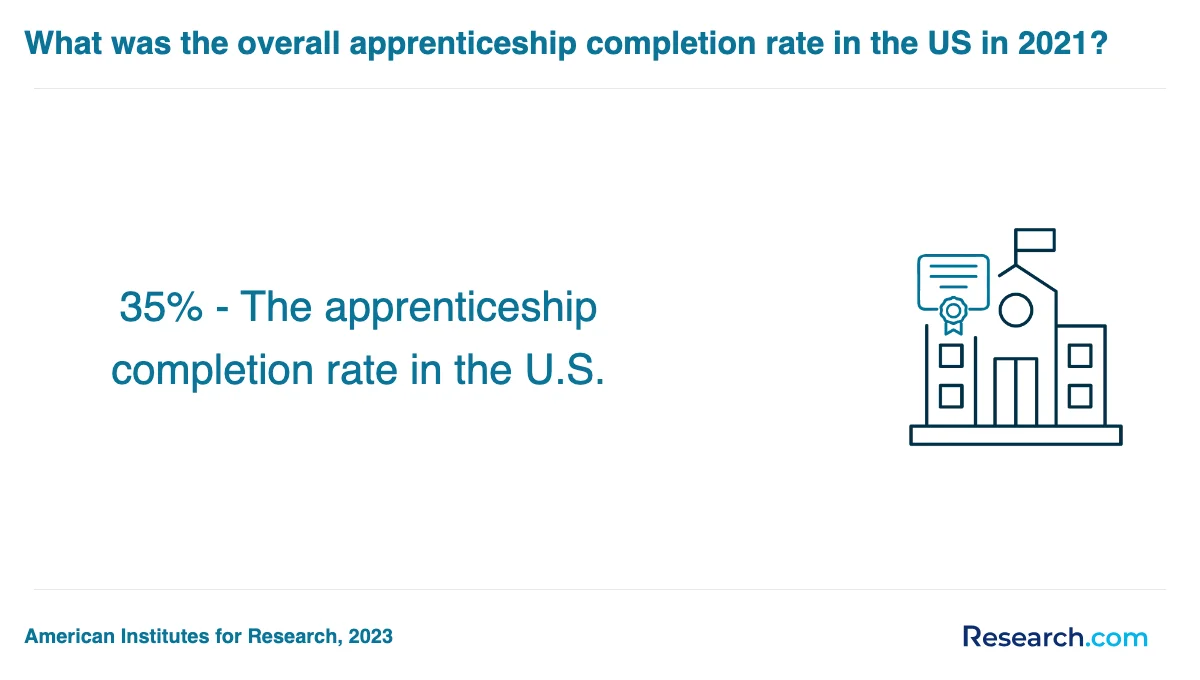
Trade school students in Boston often discover a surprisingly broad spectrum of financial aid designed to ease their journey. Graduates from North Bennet Street School frequently share how institutional scholarships, distributing over $1 million annually, transformed their ability to focus on craft without financial stress. Programs like the "NBSS Pell Yes!" lend hope to those who don't qualify for federal Pell Grants, offering nearly $7,400 annually-enough to cover essential expenses beyond tuition.
At Bunker Hill Community College, students know that submitting the FAFSA isn't just paperwork; it's a crucial step unlocking federal grants, loans, and work-study options. Meeting deadlines here often means the difference between struggling and thriving.
Boston residents also benefit from the Tuition-Free Community College Plan, which covers up to three years of tuition and adds a stipend for college-related costs. Imagine balancing work and study stress, yet not having to worry about tuition fees-many find this program a lifeline. State initiatives like the Massachusetts High Demand Scholarship further open doors for those pursuing in-demand fields like healthcare and STEM, reinforcing Boston's commitment to student success in trade programs.
Enrolling in a trade school program in Boston starts with meeting a few essential prerequisites that ensure readiness for hands-on learning and career success. Most programs require a high school diploma or GED equivalent-graduates often talk about how this foundation gave them the confidence to dive into specialized training without feeling overwhelmed.
Age matters too; being at least 18 is standard, syncing with both safety regulations and industry expectations. Imagine a student eager to start an electrical apprenticeship, only to wait months because the age rule wasn't met-this step helps avoid those setbacks.
Residency requirements can influence eligibility. For example, some programs prioritize applicants from counties like Suffolk or Middlesex, making it easier for local students to access valuable opportunities.
- Legal work authorization in the U.S. is critical, especially for programs that involve client interaction or off-site training.
- A valid driver's license and English proficiency are often requested to ensure smooth communication and logistics.
- Many programs ask candidates to attend an information session, where real students share insights that make the path ahead clearer and more inviting.
Some union-backed pre-apprenticeships expect candidates to be drug-free and currently unemployed or underemployed, reflecting a commitment to supporting those ready to change their lives.
Starting fall 2026, lottery-based admissions will increase access equity in high-demand Boston vocational schools, a change welcomed by many who faced tough competition before.

Trade school programs in Boston immerse students in courses tailored to the city's vibrant industries. Graduates from YouthBuild Boston recount hands-on carpentry and building trades that brought them directly onto construction sites, learning skills like framing and maintenance in just 10-12 weeks. This practical exposure, combined with certifications, boosts confidence and real job readiness.
Healthcare programs, like those at Boston Career Institute, offer dynamic training in medical and dental assisting, with students mastering clinical procedures and healthcare administration. Graduates often describe the shift from classroom work to managing real healthcare tasks as empowering and rewarding.
- Carpentry and building trades with job placement support
- Healthcare technician roles emphasizing clinical skills and certifications
- IT support and cybersecurity courses offering industry certificates such as CompTIA A+
- Electrical training focused on Massachusetts licensing and safety standards
- Specialized artisan crafts blending creativity and technical mastery
At Per Scholas Greater Boston, students often share how learning cybersecurity or IT support felt like stepping into the future, equipped with certifications recognized by local employers. Meanwhile, maker-focused artisans at North Bennet Street School experience the pride of creating furniture or jewelry combined with deep craft knowledge and tool skills.
Trade school programs in Boston offer a variety of specializations that cater to hands-on learners eager to enter the workforce quickly and confidently. Graduates often share how programs in skilled trades like cabinet and furniture making, carpentry, locksmithing, and violin making-available at North Bennet Street School-helped them develop both traditional craftsmanship and modern techniques. Others found their passion through technical and electrical courses such as Journeyman Electrician training at Martin Electrical & Technical School, where mastering wiring and safety protocols perfectly prepared them for state licensing.
Healthcare-focused students thrive in roles like medical, dental, and clinical assisting, with schools like BCI providing practical, employment-ready education backed by partnerships with local healthcare facilities. For those drawn to beauty and personal care, Empire Beauty School offers hands-on cosmetology and skincare training, blending creativity with real-world business skills.
Innovative tech training at Per Scholas allows students to tackle IT support, earning certifications like CompTIA A+ and Google IT Support Professional Certificate to jump-start their careers. Many students also explore culinary arts, HVAC, veterinary science, and more.
For aspiring craftsmen seeking accessible education, Boston graduates often recommend looking into low cost carpentry training courses online as a flexible, practical option.
Choosing the best trade school programs in Boston starts with verifying program accreditation to ensure your credentials will be recognized by employers. Graduates from schools like Wentworth Institute of Technology often praise how the rigorous standards and specialized curriculum helped them feel confident entering their fields. When weighing options, explore the range of programs each school offers-community colleges around Boston provide practical choices in healthcare, skilled trades, and IT that align with local industry needs.
Hands-on training is vital; students frequently highlight the value of co-op placements at Wentworth, which connect them directly with Boston businesses, allowing them to build real-world skills and professional networks. Cost is also a key factor, with some finding affordable tuition at North Shore Community College while others invest more for specialized programs at private institutions. Be sure to consider scholarships and financial aid. For students seeking specific trades, Boston's focus on experiential learning really stands out.
To learn more about vocational opportunities, check out best online hvac certification programs that complement Boston's hands-on style. Finally, using student reviews and outcomes data to see graduation and job placement rates helps when deciding how to compare Boston trade schools effectively, ensuring you pick a program that supports your career goals and suits your personal situation.
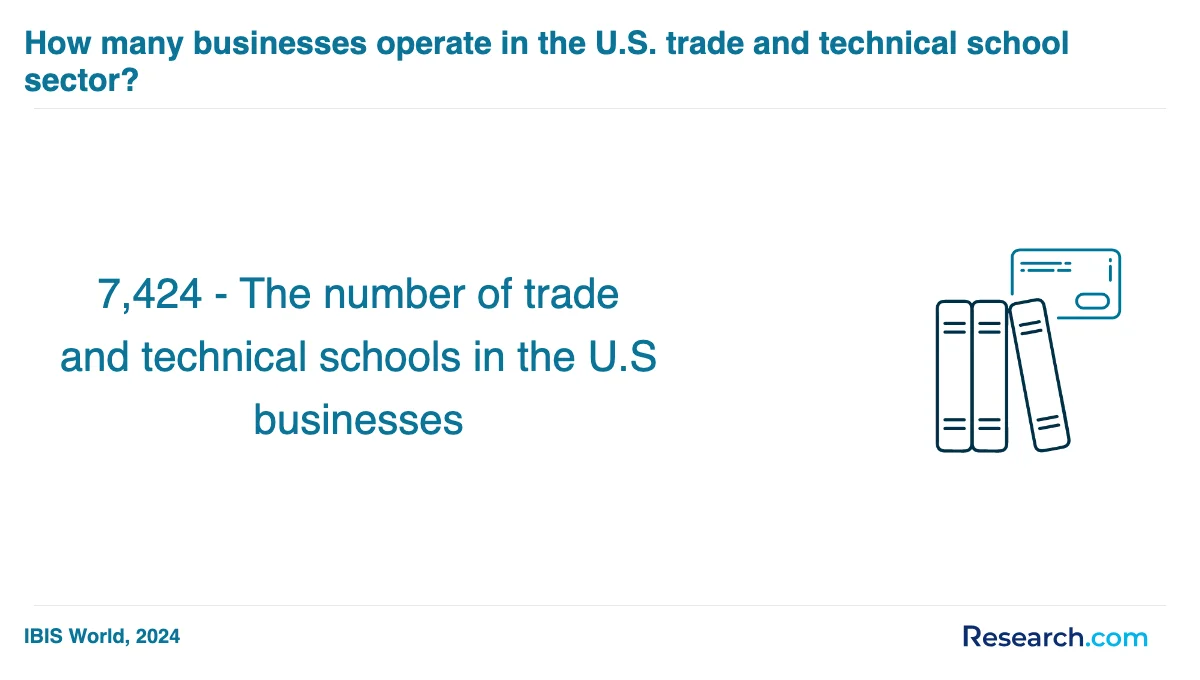
Trade school graduates in Boston have a wealth of career paths readily available in some of the city's most dynamic industries. Healthcare remains a top choice, with programs at schools like Boston Career Institute preparing students for roles such as clinical assistants, dental assistants, and phlebotomy technicians. Many graduates share how hands-on training and strong employer partnerships, including with Mass General and Harvard, directly translate into meaningful job placements.
Skilled trades and technical careers also offer exciting opportunities. Graduates from the North Bennet Street School often find success in specialized crafts like carpentry, locksmithing, and jewelry making, turning their skills into entrepreneurial ventures or stable local employment.
Construction and transportation paths thrive through MassHire and City Academy programs, leading to apprenticeships and jobs in commercial driving and building trades, with a remarkable 93% employment rate after program completion-highlighting some of the highest paying trade jobs in Boston.
Considering diverse career opportunities for trade school graduates in Boston, including cosmetology and hospitality, is essential. For those new to the concept, exploring what is a trade school can clarify how these programs unlock doors to rewarding careers.
The job outlook for trade school graduates in Boston remains notably strong despite fluctuations in the broader employment landscape. Graduates from popular local trade schools frequently share stories of quick job placements in fields like construction, HVAC, and welding-areas where Boston's ongoing infrastructure projects create consistent demand. Many employers cite difficulty filling roles, which benefits graduates entering the workforce with practical certifications. For example, trade school alumni have found rewarding positions in healthcare support roles such as medical assisting and lab technology, sectors experiencing a 15% increase in postings between late 2024 and early 2025.
Graduates feel encouraged by the growing appreciation for hands-on skills, as reflected in the 27.9% expansion of technical and trade schools in Boston from 2022 to 2023. Real-life highlights include:
- Stable employment opportunities in construction and electrical work, aligned with national job growth trends
- Rapid hiring for commercial truck driving and facilities maintenance jobs
- Strong demand for certified workers despite a slight rise in Boston's unemployment rate
For students weighing options, exploring the cheapest flooring installer training courses offers an accessible entry to well-paying trades in Boston's competitive market. These tangible successes demonstrate the reliable career paths available, reinforcing interest in the highest paying trade school jobs in Boston.
Best Trade School & Training Programs - Leading Certification Courses in Boston for 2026
# 1 position
Bunker Hill Community College - Diagnostic Medical Sonography/Sonographer and Ultrasound Technician.
associateBunker Hill Community College offers a Diagnostic Medical Sonography/Sonographer and Ultrasound Technician program in a hybrid format. The program trains students to use ultrasound technology for diagnostic purposes, covering patient care, data integration, and equipment operation. Graduates earn a median salary of $75,659 one year after completion. Annual in-state tuition is $5,520. The program is accredited by the New England Commission on Higher Education.
# 2 position
Bunker Hill Community College - Information Technology.
associateBunker Hill Community College offers a hybrid Information Technology program focusing on designing technological information systems for business and research needs. The curriculum covers computer hardware and software, algorithms, databases, telecommunications, application testing, and human interface design. The annual in-state tuition is $5,520. Graduates earn a median salary of $53,145 one year after completion. The program is accredited by the New England Commission on Higher Education.
# 3 position
Bunker Hill Community College - Computer Systems Networking and Telecommunications.
associateBunker Hill Community College offers a hybrid program in Computer Systems Networking and Telecommunications designed to prepare students as network specialists and managers. The curriculum covers operating systems, systems design, networking theory, network management, security, and troubleshooting. Annual in-state tuition is $5,520. Graduates typically earn a median income of $53,145 one year after completing the program. The program is accredited by the New England Commission on Higher Education.
# 4 position
North Bennet Street School - Building/Home/Construction Inspection/Inspector.
certificate or diplomaNorth Bennet Street School offers a hybrid program in Building/Home/Construction Inspection/Inspector. The curriculum covers construction processes, materials analysis, building codes, safety, blueprint interpretation, and communication skills. Students learn to oversee construction projects and maintain buildings according to industry standards and laws. The program is accredited by the Accrediting Commission of Career Schools and Colleges.
# 5 position
Bunker Hill Community College - Criminal Justice/Police Science.
associateBunker Hill Community College offers a Criminal Justice/Police Science program designed to prepare students for police and public security roles. The hybrid program covers patrol, investigative activities, traffic and crowd control, evidence management, and report preparation. Annual in-state tuition is $5,520. Graduates earn a median salary of $47,573 one year after completion. The program is accredited by the New England Commission on Higher Education.
# 6 position
Bunker Hill Community College - Baking and Pastry Arts/Baker/Pastry Chef.
associateBunker Hill Community College offers a hybrid Baking and Pastry Arts/Baker/Pastry Chef program designed to prepare students for professional roles in baking establishments. The curriculum covers bread and pastry making, decorating, handling, storage, and industry operations including marketing and product packaging. The annual in-state tuition is $5,520. The program is accredited by the New England Commission on Higher Education, providing a recognized credential for graduates.
# 7 position
Bunker Hill Community College - Legal Assistant/Paralegal.
associateBunker Hill Community College offers a Legal Assistant/Paralegal program designed to prepare students for research, drafting, investigatory, record-keeping, and administrative tasks under attorney supervision. The hybrid program includes instruction in legal research, drafting legal documents, courthouse procedures, and legal specializations. Annual in-state tuition is $5,520. The program is accredited by the New England Commission on Higher Education.
# 8 position
Bunker Hill Community College - Finance, General.
associateBunker Hill Community College offers a hybrid Finance, General program designed to prepare individuals to plan, manage, and analyze financial and monetary aspects of businesses and organizations. The curriculum includes accounting principles, financial instruments, capital planning, asset and debt management, budgeting, and portfolio management. The program's annual in-state tuition is $5,520. It is accredited by the New England Commission on Higher Education.
# 9 position
Bunker Hill Community College - Baking and Pastry Arts/Baker/Pastry Chef.
certificate or diplomaBunker Hill Community College offers a hybrid Baking and Pastry Arts/Baker/Pastry Chef program designed to prepare students for professional roles in restaurants and commercial baking establishments. The curriculum covers bread and pastry making, handling, storage, decorating, and baking industry operations, including product packaging and marketing. The program’s annual in-state tuition is $5,520 and it is accredited by the New England Commission on Higher Education.
# 10 position
Bunker Hill Community College - Nursing Assistant/Aide and Patient Care Assistant/Aide.
certificate or diplomaBunker Hill Community College offers a hybrid Nursing Assistant/Aide and Patient Care Assistant/Aide program designed to prepare students for routine nursing-related duties in hospitals or long-term care facilities under supervision. The program's annual in-state tuition is $5,520. Graduates have median earnings of $39,628.70 one year after completion. The program is accredited by the New England Commission on Higher Education.
Frequently Asked Questions about trade school programs
After completing a trade school program in Boston, preparing for the job market involves several key steps. First, graduates should leverage career services offered by their schools, such as resume workshops and job placement assistance, to improve their chances of employment. According to the Massachusetts Executive Office of Labor and Workforce Development, trade school graduates in skilled trades like HVAC and electrical work have a 90% employment rate within six months of graduation.
Networking is also crucial. Joining professional associations or attending local job fairs can connect graduates with employers actively seeking skilled workers. Additionally, obtaining relevant certifications or licenses, such as from the Massachusetts Board of State Examiners of Plumbers and Gas Fitters, enhances employability.
Continuous learning and adapting to industry trends will further support success in Boston's competitive job market.
Employers in Boston highly value trade school graduates who possess strong technical skills relevant to their industry. For example, proficiency in electrical systems, welding techniques, or plumbing installation often ranks as essential in local job listings, according to recent data from the Massachusetts Executive Office of Labor and Workforce Development.
Besides technical know-how, employers emphasize problem-solving abilities and effective communication. Soft skills such as teamwork and adaptability are frequently highlighted in surveys conducted by the National Association of Colleges and Employers (NACE).
Additionally, a 2023 Boston Chamber of Commerce report found that nearly 70% of employers seek candidates with practical experience gained through internships or apprenticeships.
Finding internships in Boston relevant to your trade school program involves a strategic approach that leverages local resources and industry connections. Start by consulting your trade school's career services, as many programs have established partnerships with Boston-area employers.
The city hosts a diverse range of industries, including healthcare, construction, and advanced manufacturing, all of which offer internship opportunities for students in vocational fields. According to the Massachusetts Executive Office of Labor and Workforce Development, Boston's internship availability has grown by over 12% since 2021, reflecting increased employer engagement.
Utilize online job boards specific to trade professions, such as the Massachusetts Apprenticeship & Training Council website and local union websites. Networking events hosted by professional associations like the Associated Builders and Contractors of Eastern Massachusetts also provide valuable direct contact with potential employers.
Lastly, consider reaching out to local businesses directly, as many small and medium enterprises in Boston prefer to hire interns through direct applications or referrals. Persistence and active engagement with your school's resources significantly increase your chances of securing a suitable internship.
A trade school diploma in Boston significantly impacts career mobility and advancement by providing specialized skills aligned with local industry needs. According to the Massachusetts Executive Office of Labor and Workforce Development, sectors like construction, healthcare, and advanced manufacturing show increasing demand for skilled trades workers.
Graduates from Boston's trade schools often find faster employment opportunities than peers with only a high school diploma. Data from the National Center for Education Statistics reveals that individuals with trade certificates earn approximately 20% more on average within five years than those without postsecondary credentials.
Additionally, a trade school credential can serve as a stepping stone for higher certifications or roles in management, enhancing long-term career growth. This makes trade diplomas a valuable option for adults seeking upward mobility in Boston's competitive job market.
Part-time job opportunities in Boston that complement trade school education are diverse and practical. Many students find roles in construction, where entry-level positions like laborers or assistants provide hands-on experience related to carpentry, electrical, or plumbing programs. According to the U.S. Bureau of Labor Statistics, Boston's construction industry employed over 36,000 workers in 2023, showing steady demand.
Retail and customer service jobs in hardware stores or automotive service centers can also reinforce skills learned in trade schools. These roles help develop communication and technical knowledge relevant to fields such as HVAC or automotive repair.
Healthcare trade students may seek part-time roles as medical assistants or pharmacy aides, which reflect growing demand in Boston's healthcare sector. Data from the Massachusetts Executive Office of Labor and Workforce Development reports a 4% increase in such positions in 2023.
Yes, there are several high-ranking degree programs available near Boston, MA, offering a wide variety of academic disciplines to choose from. Renowned universities near Boston, MA, like Harvard University and MIT, provide exceptional degree opportunities renowned worldwide. For more localized options, you can use Research.com to identify respected programs near me that suit your academic and professional aspirations.
- Best Trade School & Training Programs - Leading Certification Courses in Hamburg for 2026
- Best Trade School & Training Programs - Leading Certification Courses in Akron for 2026
- Best Trade School & Training Programs - Leading Certification Courses in Adrian for 2026
- Best Trade School & Training Programs - Leading Certification Courses in Angola for 2026
- Career and Technical Education https://www.bostonpublicschools.org/academics/career-and-technical-education/career-and-technical-education
- Career Training Programs | Full-Time | North Bennet Street School https://nbss.edu/full-time-programs/
- Career Pathways | Boston.gov https://www.boston.gov/departments/workforce-development/youth-options-unlimited-boston/career-pathways
- Home - Building Pathways https://buildingpathwaysma.org/
- JVS Boston | Connecting Job Seekers & Employers In Boston https://www.jvs-boston.org/
- Technical Trades Work and Learning Program for Students | MassCEC https://www.masscec.com/technical-trades-students
- Learn, Earn, and Succeed with Registered Apprenticeship | Mass.gov https://www.mass.gov/info-details/learn-earn-and-succeed-with-registered-apprenticeship
- Trade Schools, What Are The Benefits - InterCoast Colleges https://intercoast.edu/articles/benefits-of-trade-schools/
- 1/30/25 - Hands-On Learning vs. Traditional Education: Why the Trades Offer the Best of Both Worlds - Gould Construction Institute https://www.gwgci.org/hands-on-learning-vs-traditional-education-trades/
- Training Opportunities - MassHire Boston Workforce Board https://masshireboston.org/training-opportunities/