Best Trade School & Training Programs - Leading Certification Courses in Bellingham for 2026

Co-Founder and Chief Data Scientist
Choosing the right trade school in Bellingham can shape your future career. This article introduces a trade school programs ranking created by the Research.com team of data scientists to help you find the best options available in 2026.
By exploring this guide, you’ll gain insight into programs that match your goals and interests. Earning a diploma or certification can open doors to rewarding jobs and personal growth. Take a confident step toward your future with clear, reliable information designed just for you.
Key benefits of finishing trade school programs trade school in Bellingham
- Trade school graduates in Bellingham can earn competitive salaries, with entry-level technicians making around $31.74 per hour and experienced workers in fields like electrical or HVAC earning up to $55.77 per hour or $113,259 annually for top roles.
- Popular career paths include automotive technician, welder, industrial maintenance, and HVAC specialist, with local graduates from Bellingham Technical College finding steady jobs that match these in-demand skills.
- Online trade school programs offer flexibility and convenience, allowing students to balance work and study while gaining certifications faster, which many graduates find boosts their confidence and job readiness effectively.
- Best Trade School & Training Programs - Leading Certification Courses in Bellingham for 2026
- What can I expect from trade school programs trade schools in Bellingham?
- Where can I work after finishing trade school programs trade schools in Bellingham?
What can I expect from trade school programs trade schools in Bellingham?
If you're wondering about the average cost to attend a trade school in Bellingham, expect to pay around $7,517 per year if you're an in-state student. For many, that price feels like a smart investment compared to traditional colleges, especially when you consider the hands-on training and career focus you get.
Graduates from schools like Bellingham Technical College often share how rewarding it is to learn directly on industry-standard equipment, which makes every dollar worth it. Many students balance work and classes thanks to flexible scheduling, including part-time and online options, so the cost fits better into real life.
Most programs last from a few months to two years, helping students jump into fields like HVAC, nursing, or mechatronics pretty quickly. Considering the personalized support and small class sizes, many find themselves supported every step of the way, making the cost feel justified and manageable.
Where can I work after finishing trade school programs trade schools in Bellingham?
After finishing a trade school program in Bellingham, you've got plenty of solid options to jumpstart your career. Many graduates from Whatcom Community College and Bellingham Technical College find themselves working as HVAC technicians or automotive ADAS specialists, thanks to the city's strong demand for skilled hands in those fields. Imagine starting your day fixing heating systems or upgrading vehicle safety tech-jobs that make a real difference in people's daily lives.
Others enjoy roles in the booming local tech scene, diving into cybersecurity or cloud computing roles that keep growing fast. Graduates often share how rewarding it feels to land entry-level positions with competitive pay and benefits, even without heaps of prior experience. Plus, working for local manufacturers or in marine trades near the coast offers unique job experiences you won't find everywhere.
Many grads appreciate working right on campus too-big colleges here hire folks for everything from maintenance to technical support, creating a friendly, familiar work environment. It's a supportive path where your new skills really open doors.
After finishing a trade school program in Bellingham, you can expect to earn solid wages that many graduates find really encouraging. Most folks stepping into skilled trades here start around $24.10 per hour, which works out to roughly $50,128 a year if you're working full-time. That's a nice paycheck right out of school!
Graduates from places like Bellingham Technical College often share how they began in installation or maintenance jobs earning closer to $21.61 an hour, but with a bit more experience and extra certifications, they've seen their pay jump significantly. Some top pros in the area make as much as $34.48 hourly, translating to nearly $72,000 annually. Imagine going from just starting out to comfortably supporting yourself and maybe even saving up for bigger goals.
The range here is pretty broad, reflecting many paths you can take once you finish your program. Plus, these wages beat the local minimum wage by quite a margin, making trade school a real smart move for those wanting to launch a stable career in Bellingham.
- Trade schools in Bellingham offer programs in fields like automotive repair, healthcare, fisheries, and industrial maintenance.
- A high school diploma or GED is typically required to apply, with some programs needing placement tests or background checks.
- Tuition at Bellingham Technical College ranges from about $4,000 to $8,000 for in-state students, excluding books and fees.
- Financial aid options include federal grants and state scholarships for eligible students.
- Starting salaries for graduates in trades such as HVAC or dental assisting are between $38,000 and $48,000 per year.
- Experienced professionals in these fields can earn $55,000 to $70,000 annually, often with opportunities for certification and advancement.
If you're planning to study at a trade school in Bellingham, you'll be glad to know programs vary quite a bit in length, so you can pick something that fits your life. Graduates from short-term certificate programs, popular at local technical colleges, often finish in just three to six months. Many share how rewarding it is to quickly gain practical skills and jump into a new job without years of waiting.
For those aiming higher, associate degree programs like HVAC-R at Bellingham Technical College usually take about 18 months to two years. Graduates appreciate how the curriculum strikes a balance between hands-on learning and classroom time, preparing them well for steady careers.
Apprenticeships can be longer but are worth the commitment-sheet metal apprenticeships offered nearby last from three to five years. Many graduates talk about the energy of learning while working full-time, with a schedule that blends paid training and coursework over several years.
And if you want a quick start, some construction trade programs in Bellingham can be completed in just six weeks, offering foundational skills and certifications that open doors fast.
If you're considering trade school in Bellingham, one big difference you'll notice is how classes are delivered. Online programs, like those offered at Bellingham Technical College (BTC), let you study from anywhere, fitting school around work or family life. Some grads share how they loved juggling coursework at their own pace, which helped them stay motivated without the commute. But only a handful of BTC's 100+ programs are fully online, so most trades still need in-person time for hands-on skills.
On the flip side, on-campus programs mean being in the classroom or lab, getting real practice with tools, machines, and equipment. Think about trades like nursing or mechatronics, where you really need that face-to-face training to feel confident. Bellingham students who chose on-campus learning often mention the energy from interacting live with instructors and classmates-it creates a supportive vibe and makes tackling tough material easier.
Whether online or in person, it's all about what fits your life and learning style in Bellingham's trade schools.
The average trade school cost in Bellingham tends to be quite reasonable, especially when you look at Bellingham Technical College-the largest vocational school in the area. In-state tuition there typically runs around $4,226 per year, while out-of-state students pay about $5,555. Many graduates share how this affordability made pursuing their dream careers feel achievable without overwhelming debt. When you consider all costs, including books, supplies, and living expenses off campus, the total cost of attendance rises to roughly $27,015 annually for in-state students and about $28,393 for those from out of state.
Many students appreciate having access to this lower Bellingham trade school tuition and fees compared to other Washington tech colleges, where in-state tuition averages closer to $6,704 and out-of-state can be nearly double. One recent graduate mentioned how financial aid brought their net price significantly down, paying just over $2,000 a year thanks to grants and scholarships. Others with higher family incomes paid closer to $14,885, but everyone pointed to the financial aid office and net price calculator as invaluable tools for budgeting.
Popular programs in healthcare and advanced manufacturing may add some extra fees for certification or materials, so it's worth checking those specifics before enrolling. If you want to explore more options and see how Bellingham compares nationally, you can check out this list of best vocational trade training schools for inspiration.
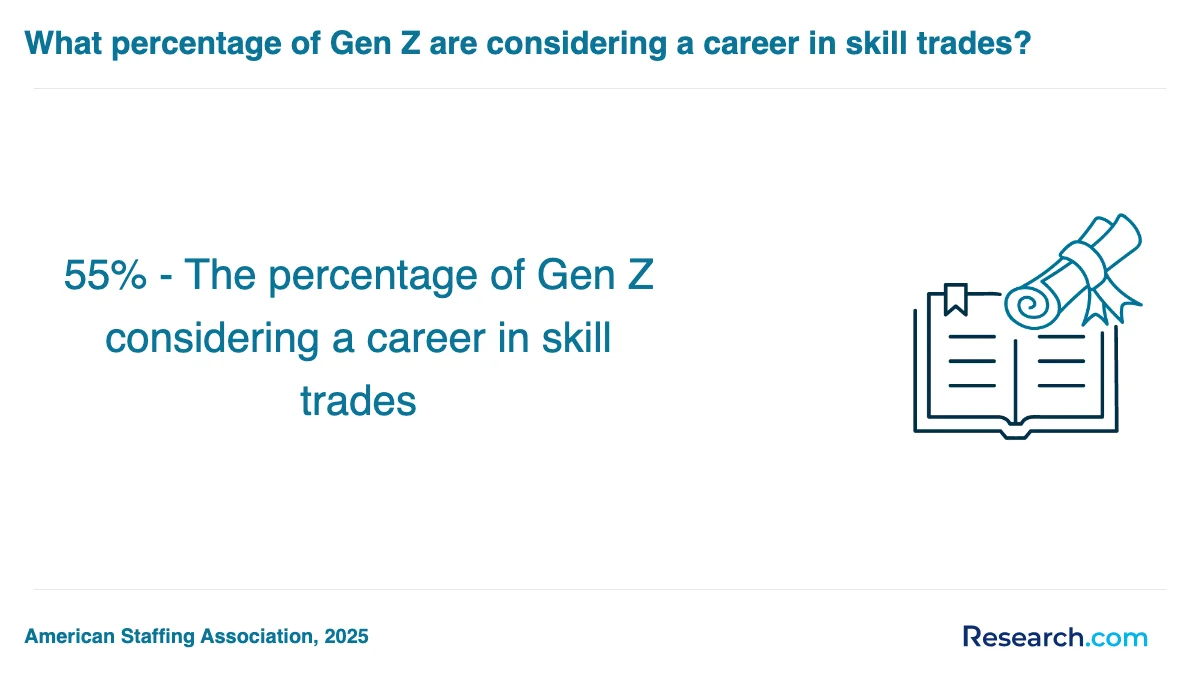
Trade school students in Bellingham have a great variety of financial aid options to make their education more affordable. Many graduates from programs like those at Bellingham Technical College share how federal aid helped them get started-by simply submitting the FAFSA or, for undocumented students, the WASFA. This opens doors to grants, loans, and work-study opportunities that ease the pressure of tuition, books, and daily expenses.
The BTC scholarship program is another lifeline. Students often talk about how receiving one of these scholarships-some worth thousands, based on merit or financial need-made all the difference in staying focused on their studies without stressing over money.
Work-study jobs on campus offer a double win: earning money while gaining valuable work experience. Plus, programs like the Washington State Opportunity Scholarship provide up to $1,500 each quarter, supporting those pursuing technical degrees locally.
Emergency funds and special supports, including benefits for veterans and foster youth, add extra peace of mind for many. Local groups like WECU also chip in with scholarships, building a real community of support around Bellingham's trade school students.
Enrolling in a trade school program in Bellingham is pretty straightforward, especially if you're looking at places like Bellingham Technical College (BTC), which keeps things super accessible. Graduates often say the relaxed admissions process helped ease their nerves. In fact, BTC welcomes all applicants without stressing over SATs, GPAs, or recommendation letters.
Here's what you'll typically need:
- A high school diploma or GED equivalent is a must-have-this is the baseline to ensure everyone is ready for hands-on learning.
- Some programs, like healthcare or welding, ask for extra things such as immunization records, background checks, or specific courses completed beforehand.
- Residency in Washington and financial need might come into play if you're applying for scholarships like the Washington State Opportunity Scholarship.
- Completing FAFSA or WASFA forms is common for verifying financial need and eligibility.
Students often share how attending advising sessions helped them understand what they needed and how to line up their finances on time to avoid any hiccups. If you're ready to dive into a new skill, Bellingham's trade schools make it easy to get started and stay focused on your goals without the usual academic pressure.
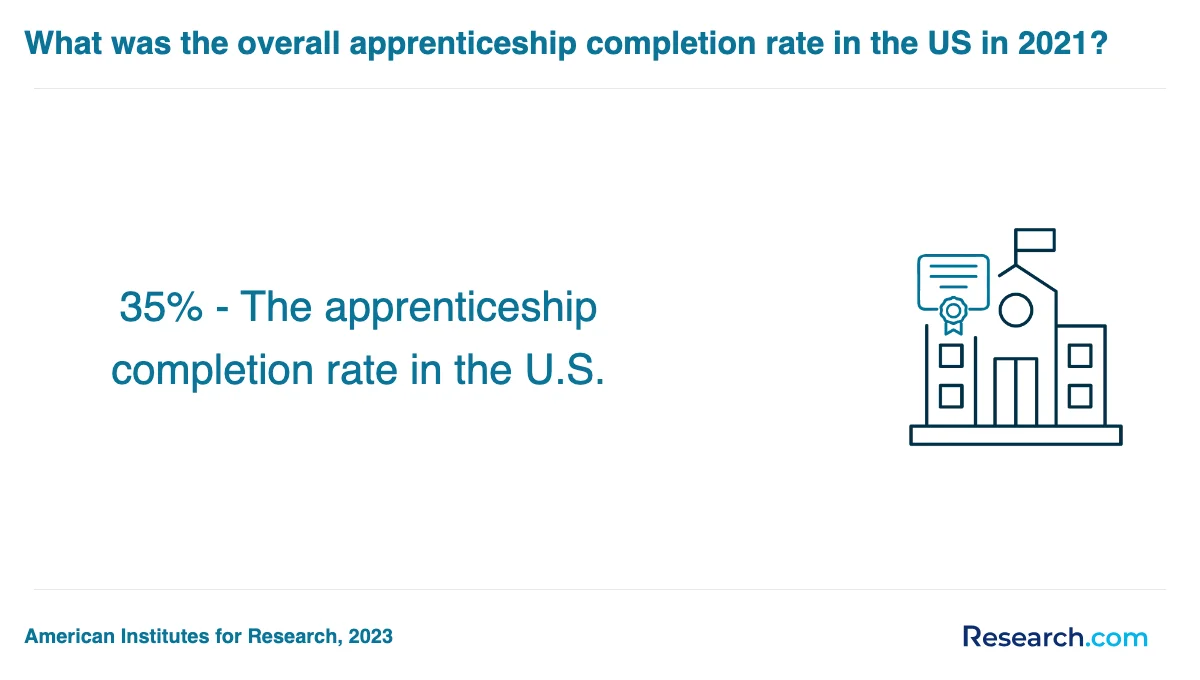
Trade school programs in Bellingham pack a variety of practical courses designed to get you job-ready fast. At Bellingham Technical College, for example, graduates often share how hands-on training made all the difference. You could find yourself learning everything from Automotive Collision Repair Technology-imagine working on real cars to fix dents and paint jobs-to Emergency Medical Technician (EMT) courses where you practice lifesaving skills in realistic scenarios.
Many programs focus on booming fields like health sciences and technical trades with courses that include:
- Dental Hygiene, Nursing, or Emergency Medical Services involving clinical patient care
- Industrial Maintenance & Mechatronics covering electronics and automation
- Instrumentation & Control Technology teaching troubleshooting of complex systems
Local apprenticeships, often linked with the Aerospace Joint Apprenticeship Committee, blend classroom lessons with paid work. Students enjoy building skills in carpentry, electrical trades, or iron work-real work you can be proud of. High schoolers at Northwest Career and Technical Academy get a jump start with free courses in engineering, culinary arts, and healthcare, earning college credits and certifications while still in school.
What graduates love most is how every program mixes lectures with workshop time so you actually do the work, rather than just read about it. This hands-on learning makes stepping into Bellingham's job market feel exciting and achievable.
In Bellingham, trade school programs offer a variety of specializations that prepare students for hands-on careers with solid job prospects. Many graduates from local schools, like Bellingham Technical College, rave about programs in electrician training, where they gain skills ranging from electrical construction to maintenance. These courses gear students up for real-world roles such as apprentices or journeyman electricians.
Other popular specializations include:
- Engineering technology - covering civil, mechanical design, geomatics, and composites technology, perfect for students who enjoy problem-solving and working on infrastructure projects.
- Welding and fabrication - a great choice for those looking to work in manufacturing or shipyards.
- HVAC/R technician training - for students interested in installing and maintaining heating and cooling systems, which is booming due to energy efficiency demands.
- Plumbing foundations - offering essential skills to meet state licensing requirements and secure trade jobs locally.
Many students also explore low cost carpentry training courses online to boost their building skills and career flexibility. This blend of in-person and online options helps Bellingham learners find the path that fits their lifestyle perfectly.
Choosing the best trade school programs in Bellingham starts with figuring out what career path excites you most. Many graduates from Bellingham Technical College found that programs like electrician training or industrial maintenance offered hands-on experience that instantly boosted their confidence for real-world jobs. Seeing friends successfully complete courses filled with practical labs and employer connections is inspiring and makes the learning feel worthwhile.
Another smart move is to compare trade school costs in Bellingham carefully. For example, BTC's average net price per year is around $7,500, making it a budget-friendly option compared to pricey alternatives elsewhere. Students often share tips about applying for scholarships or exploring financial aid to make education even more affordable. Plus, checking if the program leads to proper state certification is crucial-you don't want to miss that step if you want to work locally.
Also, many find that programs offering internships or career services really help bridge the gap to a job after graduation. If you're open to something like online hvac training, it's worth visiting sites like research.com to see current top options. With some research and a clear goal, picking a trade school in Bellingham that fits your life and ambitions becomes a lot easier.
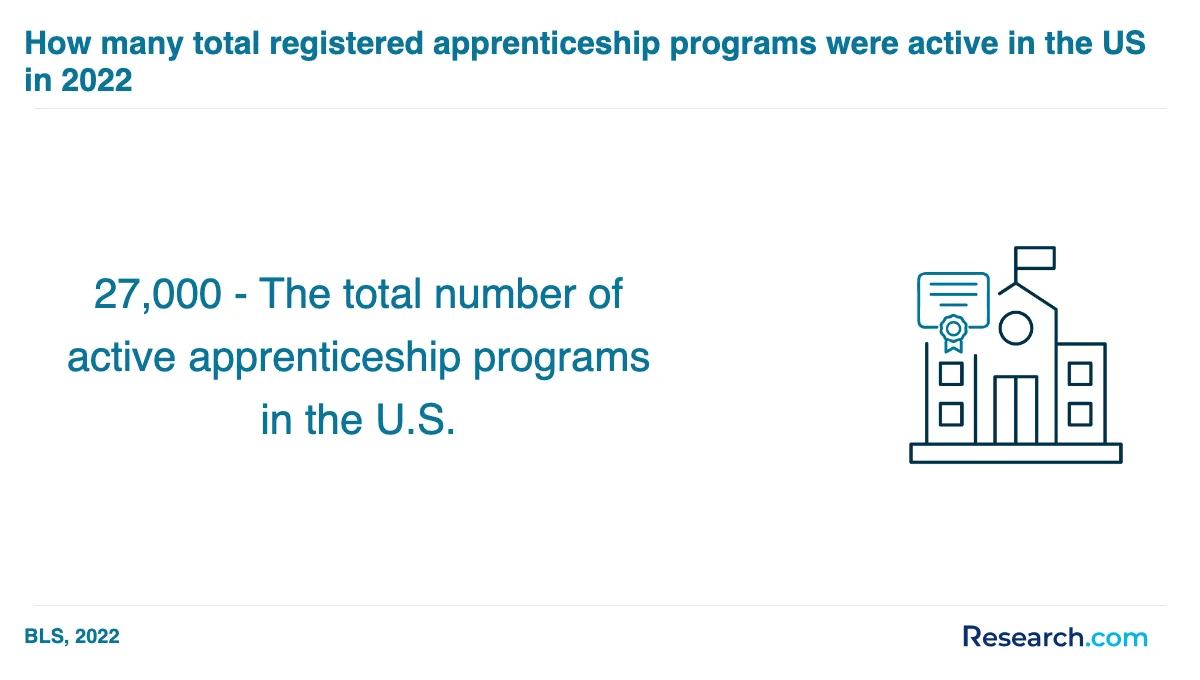
If you're looking at trade school career opportunities in Bellingham, you'll find a variety of rewarding paths that fit different interests and skills. Graduates from Bellingham Technical College often share how programs in electrical trades set them up for jobs as electricians, maintenance technicians, or even self-employed contractors. The hands-on training prepares students for local demands, where skilled trades jobs in Bellingham WA are always in need.
Welding and fabrication is another favorite, with many students landing roles in shipbuilding or manufacturing thanks to the region's strong industrial presence. Those who studied engineering technology often become surveyors, CAD specialists, or engineering technicians, playing a vital role in local construction projects.
Healthcare careers are booming too. Graduates from dental hygiene and nursing programs tell stories of rewarding work in clinics and hospitals nearby. Plus, fisheries and aquaculture science grads connect directly with Bellingham's coastal economy, working as aquaculture technicians or fish hatchery managers.
And if you want a fast track, the Northwest Career and Technical Academy offers solid certificates for culinary arts or automotive repair, helping students jump right into the workforce. For a closer look at affordable options, check out cheapest online beauty and cosmetology trade school programs to see how you can blend passion and practicality.
The job market for trade school graduates in Bellingham is buzzing with opportunity, especially for those looking for hands-on careers that pay well and grow steadily. Graduates from local programs often find themselves stepping right into roles in HVAC, electrical work, or advanced manufacturing, thanks to strong ties between trade schools and employers here. Many report how the mix of classroom learning and paid apprenticeships makes the transition from student to skilled worker smooth and rewarding.
Here's what makes Bellingham stand out:
- Over 130 trade-related jobs currently available, with positions like automation controls specialists and aircraft assemblers on the rise.
- Youth apprenticeship programs through AJAC connect students directly with the aerospace and manufacturing sectors.
- A booming tech industry growing at 20% annually is opening doors for graduates with tech-savvy skills in cloud computing and cybersecurity.
Considering the Bellingham skilled trades employment outlook, many graduates enjoy competitive wages starting above the city's $17.28 minimum wage. If you're weighing your options, exploring choosing a trade career locally can be a smart move that keeps you connected to a community that's growing and supporting hands-on skills like yours.
Best Trade School & Training Programs - Leading Certification Courses in Bellingham for 2026
# 1 position
Whatcom Community College - Computer and Information Systems Security/Auditing/Information Assurance.
associateThe Computer and Information Systems Security/Auditing/Information Assurance program at Whatcom Community College offers a hybrid format with some distance-education options. It prepares students to assess and manage security needs for computer and network systems, covering topics like programming, cryptography, risk assessment, and security auditing. The program is accredited by the Northwest Commission on Colleges and Universities. Annual in-state tuition is $5,146.
# 2 position
Whatcom Community College - Legal Assistant/Paralegal.
associateWhatcom Community College offers a Legal Assistant/Paralegal program with a hybrid format, including some distance-education options. The program prepares students to perform legal research, drafting, investigatory, and administrative tasks under attorney supervision. Coursework covers legal research, document drafting, pleading, courthouse procedures, and legal specializations. Annual in-state tuition is $5,146. The program is accredited by the Northwest Commission on Colleges and Universities.
# 3 position
Whatcom Community College - Criminal Justice/Law Enforcement Administration.
associateWhatcom Community College offers a Hybrid Criminal Justice/Law Enforcement Administration program that prepares students for managing public law enforcement agencies. The curriculum covers law enforcement history, operational command leadership, labor relations, incident response, legal responsibilities, budgeting, and public relations. The program’s annual in-state tuition is $5,146. It is accredited by the Northwest Commission on Colleges and Universities.
# 4 position
Whatcom Community College - Physical Therapy Assistant.
associateWhatcom Community College offers a Physical Therapy Assistant program in a hybrid format, combining in-person and distance education. The program prepares students to assist physical therapists by implementing treatment plans, training patients, and documenting progress. Instruction covers anatomy, physiology, biomechanics, neuroscience, and professional ethics. Annual in-state tuition is $5,146. Graduates have median earnings of $44,573 one year after completion. The program is accredited by the Northwest Commission on Colleges and Universities.
# 5 position
Whatcom Community College - Business Administration and Management, General.
associateWhatcom Community College offers a hybrid Business Administration and Management, General program designed to prepare students to plan, organize, direct, and control business functions. The curriculum covers management theory, human resources, accounting, purchasing, logistics, marketing, and decision-making. Annual in-state tuition is $5,146. The program is accredited by the Northwest Commission on Colleges and Universities, with some courses available through distance education options.
# 6 position
Whatcom Community College - Office Management and Supervision.
associateWhatcom Community College offers a hybrid Office Management and Supervision program designed to prepare students for managing operations and personnel in business offices and management divisions. The curriculum covers employee supervision, labor relations, budgeting, scheduling, office systems, records management, and public relations. The program is accredited by the Northwest Commission on Colleges and Universities. Annual in-state tuition is $5,146.
# 7 position
Whatcom Community College - Accounting Technology/Technician and Bookkeeping.
associateWhatcom Community College offers a hybrid program in Accounting Technology/Technician and Bookkeeping designed to prepare students for technical administrative roles in accounting. The curriculum covers posting transactions, record-keeping systems, accounting software, and fundamental accounting principles. The annual in-state tuition is $5,146. This program is accredited by the Northwest Commission on Colleges and Universities.
# 8 position
Whatcom Community College - Banking and Financial Support Services.
associateWhatcom Community College offers a hybrid program in Banking and Financial Support Services that trains students for customer service roles in banks, insurance agencies, and related financial enterprises. The curriculum includes communications, public relations, business equipment operation, and technical skills relevant to financial services. The program’s annual in-state tuition is $5,146. It is accredited by the Northwest Commission on Colleges and Universities.
# 9 position
Whatcom Community College - Nursing Assistant/Aide and Patient Care Assistant/Aide.
certificate or diplomaThe Nursing Assistant/Aide and Patient Care Assistant/Aide program at Whatcom Community College offers a hybrid format, combining distance education with hands-on training. It prepares students to perform routine nursing-related services under the supervision of registered or licensed practical nurses in hospitals or long-term care facilities. The program is accredited by the Northwest Commission on Colleges and Universities. Annual in-state tuition is $5,146.
# 10 position
Bellingham Technical College - Welding Technology/Welder.
associateBellingham Technical College offers a Hybrid Welding Technology/Welder program that trains students in arc welding, resistance welding, brazing, soldering, and cutting techniques. The curriculum covers welding metallurgy, safety, structural design, and applicable codes. Annual in-state tuition is $4,226. Graduates have median earnings of $37,170 one year after completion. The program is accredited by the Northwest Commission on Colleges and Universities.
Frequently Asked Questions about trade school programs
After completing trade school in Bellingham, preparing for the job market involves several key steps. First, graduates should leverage Bellingham's local workforce development resources, such as WorkSource Whatcom, which offers job search assistance and resume workshops tailored to trades. Networking with alumni and local employers is crucial; many trade jobs in Bellingham arise through local connections.
Certification and licensing relevant to the trade-such as OSHA safety certification for construction or HVAC licenses-can significantly improve employability. According to the Washington State Employment Security Department, trades like plumbing and electrical work in Bellingham have a projected 5-7% job growth through 2028.
Lastly, apprenticeships and on-the-job training remain valuable pathways to gain experience and improve earning potential in Bellingham's trade sectors.
Employers in Bellingham prioritize specific skills when hiring trade school graduates. Technical proficiency is essential; for example, electricians, HVAC technicians, and welders need hands-on expertise validated by certifications. According to the Washington State Employment Security Department, over 70% of local employers seek candidates with strong problem-solving abilities and practical experience.
Soft skills are equally crucial. Communication, teamwork, and reliability top the list, as these traits improve workplace efficiency and safety. A 2023 survey by the Bellingham Chamber of Commerce found that 65% of trade-related employers highly value punctuality and a strong work ethic.
Additionally, adaptability to new technology and continuous learning are becoming increasingly important in Bellingham's evolving job market.
To find internships relevant to your trade school program in Bellingham, start by consulting your school's career services. Many trade schools maintain partnerships with local businesses in industries like construction, automotive, and healthcare, which offer internship opportunities tailored to students.
Additionally, use local job boards such as WorkSource Washington and Bellingham's Chamber of Commerce website to search for internships. These platforms often list openings specifically for students in technical fields.
Networking is also crucial. Attend local industry events and job fairs to connect with employers offering internships. According to WorkSource, about 35% of internships in Bellingham are secured through direct contact with employers.
Online platforms like LinkedIn help identify internship postings and connect with professionals in your trade.
In Bellingham, a trade school diploma can significantly enhance career mobility and advancement for many workers. Graduates often find quicker entry into skilled jobs, with the Washington State Employment Security Department reporting that vocational graduates earn around 20% more on average than those with only a high school diploma.
Trade credentials are especially valued in industries such as construction, manufacturing, and healthcare, which are growing sectors in Bellingham's economy. According to data from the Washington Student Achievement Council, employers increasingly seek candidates with certified technical skills, improving promotion prospects.
Furthermore, trade schools in Bellingham frequently partner with local businesses, providing apprenticeships and networking opportunities that facilitate upward career movement. This blend of education and hands-on experience helps graduates adapt to evolving job requirements and gain competitive advantages.
In Bellingham, part-time jobs that align well with trade school education provide valuable hands-on experience and income. For example, students in automotive or HVAC programs often find opportunities at local repair shops or maintenance companies, many of which hire part-time workers. According to the Washington State Employment Security Department, Bellingham's service and skilled labor sectors have grown steadily, offering roles in construction, manufacturing, and technical services.
Students studying health or dental assistance can benefit from part-time positions at clinics or care facilities, gaining patient interaction skills. Retail and warehouse roles are also common for those enrolled in logistics or supply chain programs.
Engaging in these jobs helps students apply classroom knowledge, build a work history, and enhance employability after graduation.
To choose the best degree program near you in Bellingham, WA, first assess your academic and career goals to identify fields of study that align with your interests and aspirations. Research programs and universities near Bellingham, WA, considering factors such as faculty expertise, curriculum, campus facilities, and student support services to find a match that stands out in your chosen field. Consulting resources like Research.com can offer detailed insights into program quality and rankings to help you make an informed decision.
- Best Trade School & Training Programs - Leading Certification Courses in Walla Walla for 2026
- Best Trade School & Training Programs - Leading Certification Courses in Kyle for 2026
- Best Trade School & Training Programs - Leading Certification Courses in Los Angeles for 2026
- Best Trade School & Training Programs - Leading Certification Courses in Emporia for 2026
- Best Trade School & Training Programs - Leading Certification Courses in Springfield for 2026
- Bellingham Technical College | Home https://www.btc.edu/
- Apprenticeships - FuturesNW https://www.futuresnw.org/apprenticeships
- Become an Apprentice https://www.lni.wa.gov/licensing-permits/apprenticeship/become-an-apprentice
- Career & Technical Education (CTE) Dual Credit | Whatcom Community College https://www.whatcom.edu/academics/high-school-programs/cte-dual-credit