
Best Trade School & Training Programs - Leading Certification Courses in Bayside for 2026

Co-Founder and Chief Data Scientist
Choosing the right trade school in Bayside can feel overwhelming, but this article makes it simpler. We've gathered a ranking of the best trade school programs created by the Research.com team of data scientists to help you find quality education options.
Reading this guide will give you clear insights into programs worth your time and investment. Earning a trade school diploma or certification opens doors to rewarding careers and personal growth.
Whether you’re starting fresh or looking to upskill, this article supports your journey with helpful, trusted information.
Key benefits of finishing trade school programs trade school in Bayside
- Trade school graduates in Bayside can earn competitive salaries, with average annual pay around $73,463 and top careers like machinist apprentices making up to $158.31 per hour, showing strong earning potential.
- Popular career paths include machinist, plasterer, mason helper, and carpentry, offering diverse options for hands-on work that match your skills and interests.
- Getting a trade school diploma or certification online allows flexible learning from home, saving time and money while still preparing you well for local Bayside job opportunities.
- Best Trade School & Training Programs - Leading Certification Courses in Bayside for 2026
- What can I expect from trade school programs trade schools in Bayside?
- Where can I work after finishing trade school programs trade schools in Bayside?
What can I expect from trade school programs trade schools in Bayside?
The average cost of trade school programs in Bayside typically ranges from $10,000 to $25,000 for certificates or diplomas lasting several months to two years. Graduates from popular Bayside trade schools often recall a sense of value in this investment, noting that hands-on training and access to industry-standard equipment provided practical skills directly applicable to well-paying jobs.
Students usually appreciate the balance of in-person instruction combined with flexible scheduling options, such as evening classes that allow them to maintain work or family commitments. For example, a graduate from an automotive service technology program described completing about 45 credits in three semesters, benefiting from ASE-certified training that employers in Queens actively recognize.
Many students mention career support services as a standout feature, with personalized job placement assistance and ties to local employers that ease the transition into the workforce. Such real-world connections help boost confidence and motivation, making the financial and time commitment feel worthwhile in the long run.
Where can I work after finishing trade school programs trade schools in Bayside?
After finishing a trade school program in Bayside, many graduates find themselves stepping directly into thriving apprenticeship opportunities. For instance, graduates often secure positions ranging from mechanics to HVAC technicians, with wages between $18 and $48 per hour. These roles offer hands-on experience and often transition into full-time employment, making the learning feel immediately rewarding.
Others pursue careers in healthcare fields like medical assisting or practical nursing, where Bayside and nearby clinics eagerly welcome trained professionals, buoyed by ongoing staff shortages. Graduates share stories of quickly gaining confidence while working in fast-paced environments such as local hospitals or private practices.
Maintenance and building operations also provide solid career paths. Those trained in Bayside's trade schools frequently begin roles as maintenance assistants with competitive starting wages around $26 per hour, enjoying benefits like health insurance and paid time off-vital for long-term stability.
Graduates with business or office technology backgrounds often find themselves thriving as administrative assistants or customer service representatives, joining both national companies and local businesses with starting pay near $16 per hour.
These varied pathways demonstrate how trade school programs in Bayside prepare students for real jobs that value their practical skills and dedication.
After finishing a trade school program in Bayside, graduates can realistically expect to earn an average salary of about $70,068 per year, or roughly $33.69 per hour. This reflects the larger Queens area, which includes Bayside, and embodies earnings potential that excites many local students eager to quickly launch a career.
Many graduates from popular Bayside trade schools share stories of starting with entry-level wages near $52,700 but, with experience, seeing their income rise to $85,000 or more annually. For example, electricians and HVAC technicians often begin at $55,000 to $65,000 and advance to salaries well above this range as their skills mature and demand grows.
Others who complete programs in healthcare support fields like medical or dental assisting find annual salaries generally between $40,000 and $55,000, enough to build financial independence soon after graduating.
Trade school grads working in tech-related roles, such as computer support or network techs, often start at $50,000 to $60,000 with promising upward mobility. These figures reflect real success stories from Bayside schools where grads value the swift transition from classroom to paycheck.
- Trade schools in Bayside offer Career and Technical Education (CTE) programs in fields like Digital Art, Culinary Arts, Electrical Trade, and Automotive Technology.
- Admission usually requires a high school diploma or GED, with some programs available to current high school students through CTE pathways.
- The cost of trade school programs ranges from $5,000 to $20,000, while some high school-based programs are free and community college options may offer lower tuition.
- Starting salaries for graduates in trades like automotive technology and electrical work range from $40,000 to $55,000 annually, with experienced workers earning over $70,000.
- Many schools provide job placement assistance and partner with local employers for internships and entry-level jobs in industries such as healthcare, HVAC, and IT.
Completing a trade school program in Bayside generally takes between 7 to 12 months, depending on the specific trade and credential. Graduates often share how this accelerated timeline allowed them to transition quickly from classroom learning to hands-on work, entering fields like auto repair or electrical within a year. For example, students at Apex Technical School in Queens report feeling energized by the focused, practical approach that skips the extended general education seen in traditional degrees.
The condensed structure means many programs emphasize skill-building over theory, which resonates well with those who prefer learning by doing. Evening or staggered classes make it feasible for working adults to balance education with existing responsibilities, enhancing accessibility.
However, some trades that require additional certifications or specialized skills may extend closer to a full year. Prospective students are encouraged to check with their chosen Bayside institution to understand specific timelines and how they accommodate individual goals and life situations.
The main difference between online and on-campus trade school programs in Bayside lies in how students access learning and gain hands-on experience. Graduates from Queensborough Community College often describe online programs as flexible, letting them study business or computer science at times that fit busy schedules. One found completing the 100% online Computer Science A.S. Degree ideal for balancing work and family without sacrificing progress.
On the other hand, Lincoln Tech's on-campus programs attract students who value direct interaction and immediate access to specialized equipment, like automotive bays for car repair training. Graduates highlight the confidence gained from in-person mentorship and real-time collaboration with peers, experiences they feel are hard to replicate online.
Both formats offer distinct support methods-online learners rely on forums and video calls, while on-campus students benefit from face-to-face networking. Choosing between them depends heavily on whether a student prioritizes flexible scheduling or hands-on training essential for trades like welding or electrical work in Bayside's competitive job market.
Understanding the average cost of trade schools in Bayside requires looking closely at tuition and fees typical for local institutions. Bayside trade school tuition and fees generally range from about $4,000 to $22,000 annually, depending on the type of school and program length. Graduates from community colleges in the area often describe their experience as affordable, with net prices after financial aid averaging between $5,700 and $6,600 per year, making public options especially appealing to budget-conscious students. This affordability contributes to positive student outcomes, with many citing relief at being able to pursue in-demand skills without overwhelming debt.
At private trade schools in Bayside, tuition can be significantly higher, often averaging around $16,000 annually, but students attending these programs speak positively about the specialized training and strong career services they receive. These offerings can justify the higher costs for those focused on fields where trades that are in demand provide solid job prospects. Still, the total cost increases considerably when accommodation, books, and fees are included, sometimes rising to $31,000-$44,000 for the full program duration.
Graduates frequently emphasize that, while tuition is a large factor, living arrangements greatly influence overall expenses. Those living at home appreciate lower costs, demonstrating the importance of considering personal circumstances when evaluating the average cost of trade schools in Bayside.
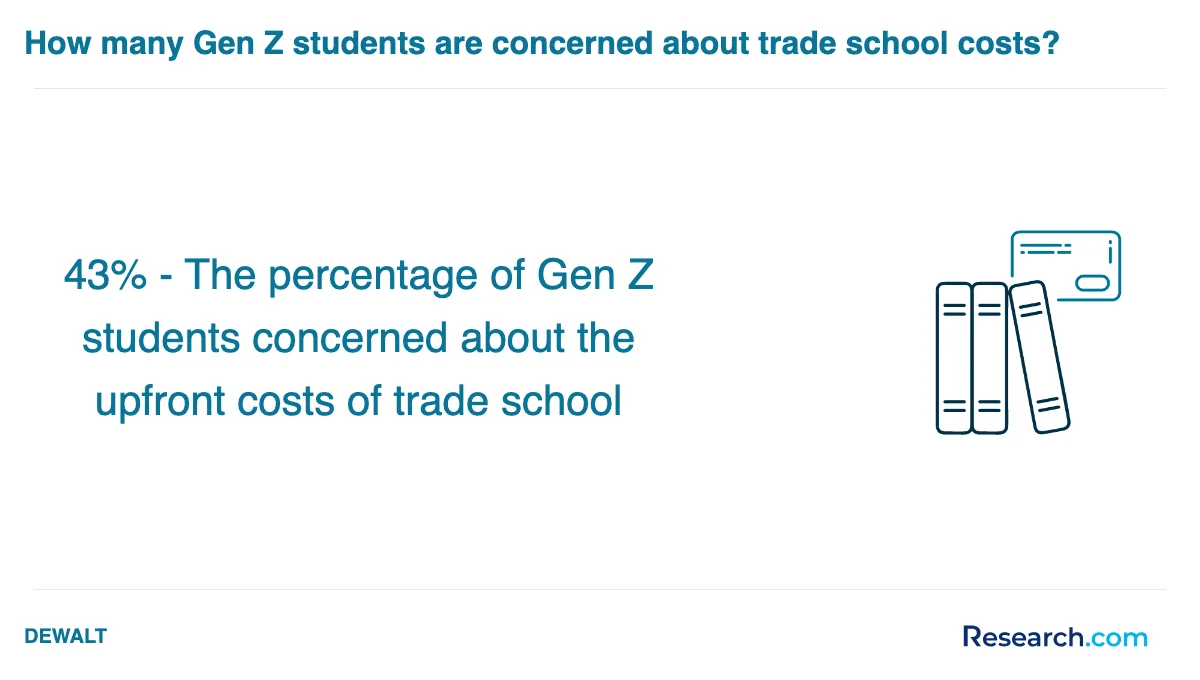
Trade school students in Bayside often rely on the Free Application for Federal Student Aid (FAFSA) to unlock federal grants, loans, and work-study options essential for managing tuition costs. Graduates from popular local programs recall how completing FAFSA early eased their financial stresses during the 2025-2026 academic year application process. Beyond federal aid, New York's Tuition Assistance Program (TAP) provides valuable need-based grants, particularly beneficial for those enrolled full- or part-time at SUNY or CUNY institutions nearby. Many students found the Part-Time TAP especially helpful when balancing work and study in workforce credential programs.
The Aid for Part-Time Study (APTS) grant, although limited in funds, helped several Bayside trade students afford courses without overextending financially, offering up to $2,000 annually for those taking fewer than twelve credit hours. Families earning under $125,000 also celebrate the Excelsior Scholarship, which makes SUNY and CUNY college attendance tuition-free, reducing financial pressure significantly. Students frequently mention the importance of supplementing these options with institutional scholarships and city-level aid, highlighting the need for proactive engagement with their school's financial aid offices.
Enrolling in a trade school program in Bayside generally requires a high school diploma or GED, which provides a solid educational foundation. Many students who graduated from well-known Bayside trade schools remember the relief of meeting this clear baseline before diving into specialized training.
Applicants typically complete an application form and submit official transcripts, proof of residency, and identification. Some programs also require placement tests to measure skills in math or reading, which helps schools tailor support for student success. For instance, graduates from Bayside Academy found that these tests helped identify their strengths early on, boosting their confidence.
- Dual enrollment options allow high school students to start trade training early.
- Public trade schools coordinate enrollment through local school district systems, often involving electronic portals or PDF forms.
- Private schools may require application fees and offer separate tuition assistance applications.
- Some licensed profession programs set age limits or require background checks, drug screening, or immunization records.
Students appreciate that Bayside trade schools maintain nondiscrimination policies, ensuring equal opportunity regardless of background. The enrollment experience is often described as straightforward yet thorough, anticipating real-world industry standards while supporting diverse career goals.

Trade school programs in Bayside focus on courses that equip students with practical, job-ready skills for fast entry into the workforce. Graduates from schools near Bayside often highlight how automotive technology courses provide hands-on experience with engine repairs and diagnostics, essential given the regional demand for 54,000 automotive technicians by 2030. These students describe confidently working with state-of-the-art diagnostic tools soon after training.
Electrical and electronic systems technology courses are also common, teaching installation and maintenance of fiber optics and alarm systems. Graduates mention feeling prepared to handle complex residential and commercial projects immediately.
Programs emphasize certifications and safety training, especially in construction trades offered at places like the NYC Carpenters Training Center. Students appreciate learning real-world skills like OSHA safety standards alongside carpentry, helping them join unionized and non-unionized jobs quickly.
Additional popular courses include:
- Plumbing and welding focusing on pipe installation and metal fabrication with safety protocols
- Cosmetology and esthiology covering hairstyling and nail care paired with business lessons
- Culinary arts training in kitchen safety, food prep, and restaurant management
- Business computer applications teaching office software and digital marketing
- Drafting and design technology specializing in CAD and architectural fundamentals
Many graduates share that these focused programs minimize unrelated academics, allowing rapid completion, which feels motivating and relevant for those eager to start working and earning.
Trade school programs in Bayside offer a broad spectrum of specializations tailored to practical careers, often praised by graduates for immediate hands-on experience. Automotive Service Technology and Diesel Service Technology stand out, particularly at NYADI The College of Transportation Technology, where students gain skills in engine repair, advanced diagnostics, and brakes, boosting their confidence for ASE certification exams.
Healthcare programs, such as the Associate Nursing Program at Queensborough Community College, consistently receive positive feedback from graduates who appreciate the accredited training and joint degree opportunities enhancing their career prospects. Allied healthcare certificate programs further support those entering roles like medical assisting or patient care, appealing to students seeking shorter pathways to employment.
Many Bayside students also pursue skilled trades including electrical, plumbing, and welding at Apex Technical School, valuing the focused training that enables swift certification and job market entry. Building trades enthusiasts often find pre-apprenticeship programs at NYC Carpenters Training Center rewarding, where real-world safety standards and carpentry skills are emphasized.
Meanwhile, cosmetology programs nearby successfully prepare students for creative careers in hair styling and makeup artistry. For those exploring technical certifications, it's worth examining available options for a top online hvac certification that fits flexible learning schedules.
Choosing the best Bayside trade school programs means first verifying accreditation to ensure your training meets national standards and is recognized by employers. Graduates from a popular Bayside HVAC program, for instance, often highlight how their accredited credentials opened doors to solid local jobs. When looking at program offerings, consider schools that emphasize hands-on learning in your field of interest, whether it's automotive technology or healthcare. Many Bayside students have praised programs that balance practical skill-building with certification preparation, which employers seek.
Another key factor is how to compare Bayside trade school costs effectively. Tuition generally runs under $30,000 for full programs here, but reviewing fees and financial aid options is vital. One graduate shared how comparing costs helped them avoid unexpected expenses and focus on schools offering strong job placement. For deeper research on affordable options, check resources like most affordable baking and pastry arts schools online.

Trade school graduates in Bayside enjoy diverse career opportunities shaped by both traditional trades and emerging industries. Healthcare remains a strong path, with graduates entering fields like practical nursing and dental chairside assisting, ready to fulfill urgent workforce demands. Many find gratifying roles quickly after completing hands-on programs offered locally.
Construction and building trades continue to offer reliable futures. Graduates often become electricians, plumbers, or HVAC technicians through well-established apprenticeships combining classroom instruction with paid work experience. For example, graduates from Bayside trade schools frequently find themselves maintaining infrastructure across residential and commercial projects, gaining invaluable real-world skills.
Automotive technology is another key sector, with enthusiastic graduates securing positions in repair and diagnostics. The long-term job outlook in Queens and Bayside supports the demand for skilled technicians, making this a promising choice for students targeting job stability and growth in their career opportunities for trade school graduates in Bayside.
- Culinary arts and fashion merchandising offer creative outlets with growing local opportunities.
- Programs in early childhood education and law enforcement respond to community needs.
- Media production and personal training reflect expanding, dynamic fields graduates explore.
Many graduates from Bayside's popular schools appreciate how tailored programs and affordable construction training programs online broaden their options, often aligning with a positive Bayside trade school degree job outlook that includes over 1,200 apprenticeship opportunities recently available in the area.
The trade school job opportunities in Bayside reflect a strong, growing market supported by robust connections between local educational institutions and employers. Graduates from prominent institutions such as Queensborough Community College and Lincoln Tech report smooth transitions into semi-professional roles within high-demand sectors including automotive, construction, and electrical trades. For example, the Technology Apprenticeship Program at Queensborough offers paid apprenticeships with top firms like American Express and Bloomberg, enabling students to gain real-world experience while building valuable networks. These hands-on pathways enhance Bayside trade school graduate employment rates significantly by aligning training with employer expectations.
Key aspects that benefit students pursuing trade schools in Bayside include:
- Access to apprenticeships officially supported by the New York State Department of Labor in fields such as software development and mechanical trades
- Strong employer partnerships facilitating direct hiring pipelines
- Scholarships like the Home Depot Foundation's Path to Pro program helping ease financial barriers to training
With approximately 168,000 jobs available locally by August 2025, students gain confidence that their skills will meet market demands. The large number of automotive technician positions statewide, expected to reach 54,000 by 2030, exemplifies stable career paths. For students considering flexible study options beyond Bayside, exploring trade schools online offers additional opportunities to prepare for this thriving job market.
Best Trade School & Training Programs - Leading Certification Courses in Bayside for 2026
# 1 position
CUNY Queensborough Community College - Criminal Justice/Law Enforcement Administration.
associateThe Criminal Justice/Law Enforcement Administration program at CUNY Queensborough Community College offers a hybrid learning format with some distance education. It prepares students to manage public law enforcement agencies through courses in law enforcement history, leadership, labor relations, legal responsibilities, budgeting, and public relations. The annual in-state tuition is $5,210, and median earnings one year after completion are $26,907. The program is accredited by the Middle States Commission on Higher Education.
# 2 position
CUNY Queensborough Community College - Information Technology.
associateCUNY Queensborough Community College offers a hybrid Information Technology program focused on designing technological information systems to support business and research data needs. The curriculum covers computer hardware and software, algorithms, databases, telecommunications, application testing, and human interface design. The program is accredited by the Middle States Commission on Higher Education. Annual in-state tuition is $5,210, providing an accessible option for students seeking IT skills with some distance-education flexibility.
# 3 position
CUNY Queensborough Community College - Computer Science.
associateThe Computer Science program at CUNY Queensborough Community College offers a hybrid format with some distance-education options. It emphasizes computer theory, problem-solving, and system design from a scientific perspective. Students learn computational science principles, programming, and real-world applications. The program’s annual in-state tuition is $5,210. It is accredited by the Middle States Commission on Higher Education.
# 4 position
CUNY Queensborough Community College - Computer and Information Systems Security/Auditing/Information Assurance.
associateCUNY Queensborough Community College offers a program in Computer and Information Systems Security/Auditing/Information Assurance that prepares students to evaluate and secure computer and network systems. The curriculum covers computer architecture, programming, networking, cryptography, security auditing, law, risk assessment, and investigation techniques. The program is accredited by the Middle States Commission on Higher Education. Annual in-state tuition is $5,210.
# 5 position
CUNY Queensborough Community College - Accounting.
associateThe Accounting program at CUNY Queensborough Community College offers a hybrid format with some distance-education options. It prepares students for the accounting profession and related business functions, covering topics such as financial, managerial, cost, and tax accounting, auditing, and professional ethics. The program is accredited by the Middle States Commission on Higher Education. Annual in-state tuition is $5,210, and median earnings one year after completion are $25,562.05.
# 6 position
CUNY Queensborough Community College - Accounting Technology/Technician and Bookkeeping.
associateThe Accounting Technology/Technician and Bookkeeping program at CUNY Queensborough Community College offers hybrid learning with some distance-education options. It prepares students to support professional accountants through training in posting transactions, record-keeping systems, accounting software, and general accounting principles. The program's annual in-state tuition is $5,210. Graduates have median earnings of $25,562 one year after completion. The program is accredited by the Middle States Commission on Higher Education.
# 7 position
CUNY Queensborough Community College - Marketing/Marketing Management, General.
associateCUNY Queensborough Community College offers a Marketing/Marketing Management, General program that prepares individuals to manage consumer audiences and product distribution. The curriculum covers buyer behavior, marketing research principles, demand analysis, pricing theory, advertising methods, sales management, and consumer relations. Annual in-state tuition is $5,210. The program is accredited by the Middle States Commission on Higher Education.
# 8 position
CUNY Queensborough Community College - Business Administration and Management, General.
associateThe Business Administration and Management, General program at CUNY Queensborough Community College offers a hybrid learning format. It prepares students to plan, organize, direct, and control various business functions, covering management theory, human resources, accounting, marketing, and business decision-making. The annual in-state tuition is $5,210. Graduates typically earn a median salary of $24,626 one year after completing the program. The program is accredited by the Middle States Commission on Higher Education.
# 9 position
CUNY Queensborough Community College - Medical Office Management/Administration.
certificate or diplomaCUNY Queensborough Community College offers a Medical Office Management/Administration program with a hybrid format that includes some distance education options. This program prepares students to manage business functions in medical or clinical offices, covering areas such as business operations, financial record-keeping, personnel supervision, healthcare policy, and applicable laws. The annual in-state tuition is $5,210. The program is accredited by the Middle States Commission on Higher Education.
Frequently Asked Questions about trade school programs
After completing a trade school program in Bayside, preparing for the job market involves several key steps to enhance employment prospects. Begin by securing industry-recognized certifications, which employers in fields like HVAC, electrical work, and automotive repair highly value. According to the National Center for Education Statistics, nearly 70% of trade graduates who earn such credentials find jobs within six months.
Networking locally through internships, job fairs, and trade associations can also open doors. Bayside's proximity to diverse industries offers stable entry-level opportunities. Additionally, building a strong resume highlighting hands-on experience gained during training helps applicants stand out.
Finally, consider utilizing Bayside's workforce development centers, which offer career counseling and job placement assistance specifically tailored for trade school graduates.
Employers in Bayside prioritize practical skills among trade school graduates, especially in fields like electrical work, plumbing, and HVAC. According to the U.S. Bureau of Labor Statistics, proficiency in hands-on technical abilities directly impacts job readiness. Additionally, recent surveys by the National Association of Home Builders highlight that 75% of Bayside employers value problem-solving skills highly.
Soft skills such as teamwork, communication, and punctuality are also critical. A 2023 local workforce report by the Bayside Chamber of Commerce states that 68% of employers prefer candidates who demonstrate strong interpersonal skills alongside technical competence.
Finding internships in Bayside relevant to your trade school program starts with leveraging local resources. Many trade schools in the area have partnerships with nearby businesses that offer hands-on internship opportunities tailored to specific trades. According to the New York State Department of Labor, Bayside's growing service and construction sectors provide numerous openings for students in fields like electrical work, HVAC, and culinary arts.
Utilizing your school's career services office is essential; they often maintain updated internship listings and connections with employers. Additionally, exploring Bayside community job boards and websites like Indeed or the city's official employment portal can yield relevant postings.
Networking through local trade unions and attending industry events in Queens also enhance chances of securing internships. Research indicates that over 60% of trade internships in Bayside result from direct employer outreach or referrals, emphasizing the importance of building professional relationships early.
In Bayside, earning a trade school diploma significantly boosts career mobility and advancement opportunities. According to recent data from the U.S. Bureau of Labor Statistics, trade occupations in sectors like construction, healthcare, and manufacturing show steady growth, with a 5% increase in job openings forecasted through 2028.
Trade diplomas provide specialized skills that employers in Bayside value highly, often leading to faster job placement compared to traditional four-year degrees. Graduates typically experience an average income increase of 15-25% within the first two years after completing their program, per regional labor market reports.
This credential also allows workers to move up the career ladder more quickly, accessing roles such as supervisors or certified technicians. Local Bayside employers frequently prefer candidates with verified trade qualifications due to their practical expertise and readiness.
Part-time job opportunities in Bayside can effectively complement trade school education by providing practical experience and income support. Students enrolled in technical programs such as automotive repair, HVAC, or electrical work often find part-time roles as apprentices or junior technicians. These roles enable hands-on learning aligned with their coursework.
According to the U.S. Bureau of Labor Statistics, Bayside's demand for skilled trade workers has grown by 6% over the past five years, increasing opportunities in construction, manufacturing, and service industries. Additionally, retail and food service sectors offer flexible schedules that accommodate trade school timetables.
Local trade unions and businesses sometimes partner with schools to offer paid internships or on-the-job training, further bridging education with employment.
To choose the best degree program near you in Bayside, NY, start by identifying your career goals and areas of interest, as this will guide your search for relevant programs. Next, explore local colleges and universities offering degree programs in your chosen field, utilizing resources like Research.com for information on various institutions that may have the courses you seek. Consider visiting campuses near Bayside, NY, or attending virtual open houses to get a feel for the academic environment and available resources, ensuring the program aligns with your educational needs and personal preferences.
- Learn Life Lessons and Skills in Trade School | Apex Technical School https://apexschool.com/toolbox/3-important-lessons-trade-school/
- Trade Schools Overview | ACT https://www.act.org/content/act/en/students-and-parents/career-planning/career-planning-resources/trade-schools.html
- Home - Career & Technical Education Programs - Academic Departments - Bayside High School https://www.baysidehighschool.org/apps/pages/index.jsp
- Career Technical Education - Bayside Community Day School https://bayside.mvusd.net/programs/career-technical-education
- Vocational education https://brisbanebaysidesc.eq.edu.au/curriculum/vocational-education
- Career Academies | Bayside High https://bayside.brevardschools.org/o/bhs/page/career-academies
- Lincoln Tech in Queens NY - Vocational School and Career Training https://www.lincolntech.edu/campus/queens-ny




