
Best Trade School & Training Programs - Leading Certification Courses in Batavia for 2026

Co-Founder and Chief Data Scientist
Choosing the right trade school in Batavia can shape your future career and open doors to rewarding opportunities. This article features a trade school programs ranking created by the Research.com team of data scientists to help you find the best options in 2026.
By exploring this guide, you’ll gain clear insights into programs that match your goals and aspirations. Earning a trade school diploma or certification offers valuable skills that employers seek, boosting your confidence and career potential.
Take the first step toward a fulfilling and practical education tailored to your needs.
Key benefits of finishing trade school programs trade school in Batavia
- Expected salary: Trade school graduates in Batavia can earn between $38,000 and $70,000 annually, with skilled trades like electricians and HVAC technicians earning around $46,700 per year and some specialized roles reaching up to $69,107.
- Popular career paths: Graduates often pursue jobs such as vending attendants, production associates, and automotive parts associates, all offering solid starting wages that grow with experience and skill.
- Online trade school benefits: Completing a trade certification online offers flexibility, allowing students to balance work and study easily, which many find empowering compared to traditional on-campus schedules.
- Best Trade School & Training Programs - Leading Certification Courses in Batavia for 2026
- What can I expect from trade school programs trade schools in Batavia?
- Where can I work after finishing trade school programs trade schools in Batavia?
What can I expect from trade school programs trade schools in Batavia?
Imagine stepping into a Batavia trade school classroom where the hum of welding torches blends with the focused chatter of students mastering industrial trades or health care skills. The average cost for a semester-long program, like the Industrial Electrical Work Level 2 course, is around $3,199. Graduates from places like Fox Valley Career Center or Genesee Community College's BEST Center recall the balance of theory and hands-on learning-welding sparks flying one day, blueprint decoding the next.
Students expect a curriculum built for action: mastering motor operation, deciphering the National Electrical Code, or practicing phlebotomy techniques online with the same rigor as in-person labs. The experience feels real, relatable, and sometimes challenging-lifting 50 pounds during shop maintenance is no easy feat! But the payoff is immediate, with many proudly earning certifications that pave the way to careers that start from day one.
Financial aid through FAFSA often lightens the investment, making these intensive programs feel like an attainable bridge from eager learner to skilled professional in Batavia's vibrant workforce.
Where can I work after finishing trade school programs trade schools in Batavia?
After trade school in Batavia, you're stepping straight into a world where your skills are gold. Graduates from programs like Genesee Valley BOCES don't just learn plumbing or electrical work-they become the go-to pros for local construction and commercial projects. Picture landing a job as a carpenter or HVAC technician, working alongside seasoned crews on both residential homes and bustling commercial sites.
Opportunities pop up everywhere: over 580 trade-related jobs await, from welding to construction management. One recent graduate snagged an apprenticeship repairing auto bodies, gaining hands-on skills and a paycheck simultaneously-apprenticeships here aren't just training; they're doorways to real, steady careers.
Manufacturing jobs with companies like Nortera and Oxbo beckon graduates from Batavia Career & Technical Education Center, merging classroom knowledge with cutting-edge industry needs. Or imagine joining the Batavia City School District, maintaining facilities and keeping operations smooth-stability and growth built into one role.
Finish your trade school program in Batavia, and before you know it, your paycheck could surprise you-in a good way. Graduates from popular local programs, like those affiliated with Monroe 2-Orleans BOCES, often start out earning between $21.60 and $31.00 an hour. Imagine clocking in at a job site for electrical work or HVAC and seeing an hourly rate that beats the local average wage of $21.28!
That's roughly $45,000 to $65,000 annually right out of the gate, which means you're not just learning valuable skills-you're investing in a paycheck that matches your talent and grit. One recent grad described landing a welding role that pays near the top of this range, enabling them to afford better tools and even take weekend trips without stress.
Many Batavia trade school grads share experiences of overtime pushing their incomes higher, fueled by demand in construction and manufacturing. It's the kind of opportunity that turns your diploma into real-world rewards almost instantly.
- Trade school programs in Batavia cover fields such as automotive technology, electrical work, HVAC, and welding.
- Admission usually requires being at least 16 years old, having a Social Security number, and basic reading and math skills; some courses require physical fitness and safety gear.
- Program lengths vary from about one year for certificates or diplomas to up to two years for associate degrees.
- Costs range from $75 for high school-level courses to over $10,000 for postsecondary tuition, tools, and supplies, with financial aid available.
- Starting salaries for graduates typically range from $38,000 to $48,000 annually, with experienced workers earning $60,000 or more.
- Many schools offer job placement assistance and internships aligned with local workforce demands.
Imagine finishing a welding certificate program at Genesee Community College's BEST Center in just a few months while balancing a job and family-graduates rave about the intense yet fulfilling pace that turns evenings into skill-building gold. With roughly 352 hours packed into flexible schedules, you're not stuck in school forever; some walk away in a semester, dinner still warm at home. Others dive into the Genesee Valley Pre-Apprenticeship Bootcamp, crushing six weeks of mechatronics or welding training so rapidly that by August they're already clocking hours in real-world roles, energized by the feeling of swift progress.
Technical programs stretch longer but stay exciting-Mechatronics Phases 1 and 2 at GCC shimmer with modular freedom, lasting four to five months each. You can tailor your journey, taking one phase at a time or both consecutively, fitting your life rhythm perfectly. Meanwhile, high schoolers at Genesee Valley BOCES blend paid internships and job shadowing across two years, making every day a step closer to trade mastery alongside graduation thrill.
Imagine juggling your day job and suddenly deciding to dive into a trade school program without ever leaving your living room in Batavia-that's the magic of online trade programs. Graduates rave about fitting lessons into late-night hours, tackling computer information systems tasks while the city sleeps. Flexible schedules are a lifesaver for busy parents or those managing work shifts. You'll find video lectures and digital assignments making education not just accessible but tailored to your pace.
Now picture stepping onto a bustling Batavia campus, surrounded by the hum of welding sparks or the scent of auto shop grease. On-campus programs thrive on hands-on experience: students in HVAC or electrical technology courses get their hands dirty under an instructor's watchful eye, mastering skills impossible to simulate online. The camaraderie built in labs and workshops fuels motivation, creating a sense of belonging that resonates well beyond classes.
While online learning sings flexibility, it sometimes pauses on real-world practice-unless it's a hybrid setup requiring occasional campus visits. On-campus programs demand your time and commute but deliver immersive training that shapes confident, job-ready technicians. Both routes embrace Batavia's vibrant trade education scene, letting students tune choices to their lifestyle and passion.
The average trade school cost in Batavia often surprises newcomers with its affordability, especially at local hotspots like Genesee Community College. Imagine a graduate who started with just $5,250 for tuition as a full-time New York State resident, then added roughly $650 for mandatory fees - making the Batavia vocational program tuition and fees around $5,900 annually. For these students, keeping expenses down doesn't mean sacrificing quality, it means investing smartly in their future trades without drowning in debt.
Picture a part-time student juggling work and classes, paying per credit hour, stretching out their program at their own pace, yet still managing to save compared to pricier private institutions. This flexibility shines in Batavia, where smaller certificate programs allow you to balance life and learning with financial peace.
Beyond tuition and fees, grads often remark how books and supplies add a few hundred dollars more but still keep the total cost well below $10,000 annually. When combined with affordable living expenses, it's easy to see why Batavia's trade schools draw hopeful trade professionals ready to build their careers.
For those curious about what sets local offerings apart, it's worth checking out what is the best community college in the united states to understand the value and quality embedded in regional programs here.
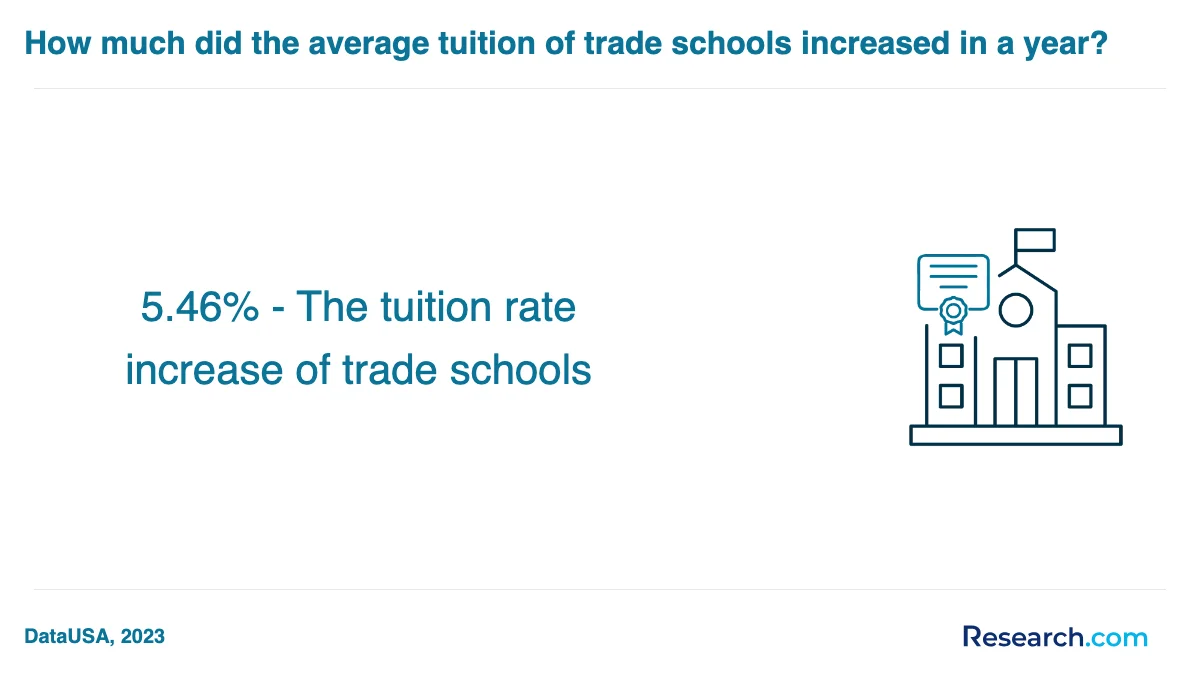
Imagine starting your welding course at Batavia Senior High School knowing you've already secured the Dick Lauber Masonry Scholarship that knocks $1,000 off your tuition. That feeling of relief? Pure motivation. Many graduates rave about scholarships like the Nick and Helena Patti Foundation Scholarship ($6,500), which has helped students from tight budgets afford their gritty, hands-on training without drowning in debt.
For those who need a bit more breathing room, flexible payment plans offered by Batavia Public Schools and local colleges turn daunting tuition bills into manageable monthly installments. One graduate shared how this eased the stress of balancing work and school, creating space for real focus on learning crucial trade skills.
Fee waivers protect students facing tough home situations-be it homelessness or receiving SNAP benefits-by wiping out certain charges. And adults eyeing a fresh start love New York's SUNY Reconnect, which covers the full cost of associate degrees for those aged 25-55 without prior degrees, spotlighting trades like advanced manufacturing.
Filling out the FAFSA early is the golden key for unlocking federal grants and work-study programs, turning dreams into achievable career paths right here in Batavia.
Landing a spot in a trade school program in Batavia starts with crossing a few essential hurdles - but nothing too daunting if you're ready to roll up your sleeves. The absolute first step? You've got to be at least 18 years old. Graduates from the Genesee Valley BOCES Practical Nursing Program often recall feeling pumped once they hit that milestone, knowing they were officially one step closer to their dream careers.
Next up, the educational baseline: either a high school diploma or an equivalent like a GED. Imagine handing over that prized piece of paper, your official transcript in hand, which proves you're ready for the challenge ahead. Many grads vividly remember sweating over those documents, thinking, "This is it!"
Don't underestimate the pre-entrance tests. For example, the TEAS® test is your academic gatekeeper in nursing tracks, checking your math, science, and reading skills. Picture sitting in a quiet room, focused on the questions, knowing this is the key to unlocking your future.
- Be prepared for interviews and short-answer essays - these reveal your passion and drive beyond grades.
- Complete the FAFSA early; it's crucial for unlocking financial aid that many students rely on to make their ambitions affordable.
- Check for extra requirements if you're diving into health fields, like immunization records or fresh physical exams.
Local grads often share how these steps, though rigorous, became a clear pathway rather than a barrier. Taking them on with energy and confidence is what turns hopefuls into success stories at Batavia's trade schools.
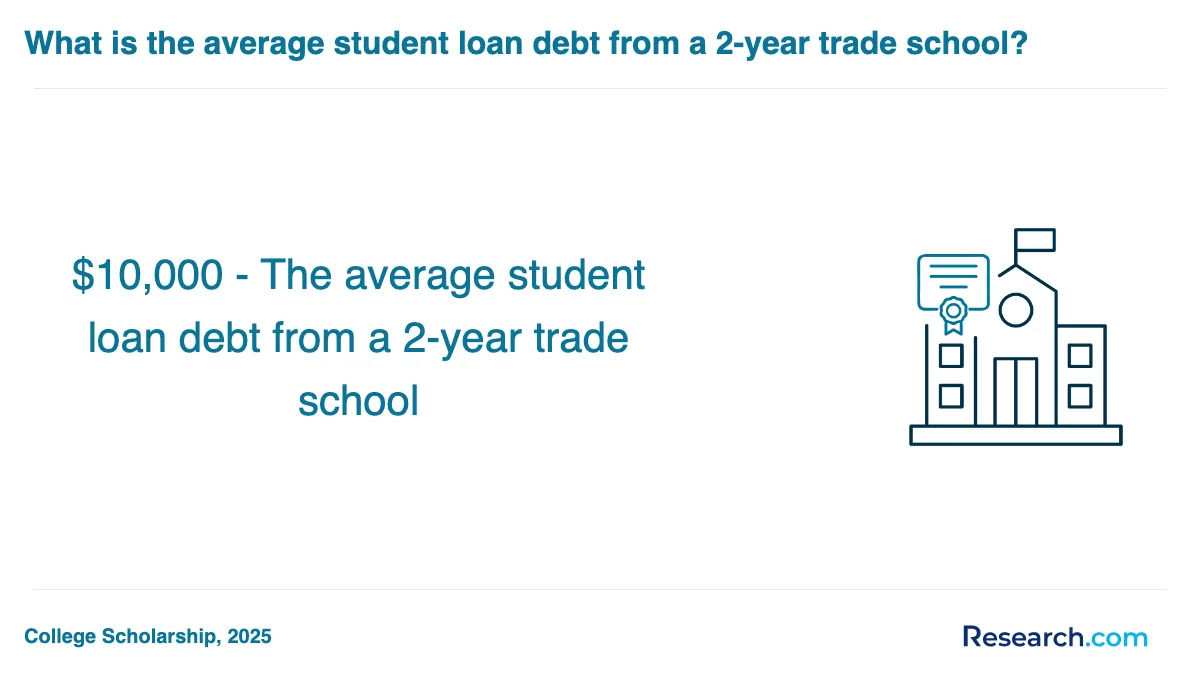
Trade schools in Batavia pack their programs with courses that fast-track you to hands-on careers, blending practical skills and industry certifications. Graduates often recall the thrill of mastering welding techniques-shielded arc, gas metal arc, even oxyacetylene flame cutting-right in well-equipped shops where safety gear is your trusty sidekick.
Others dive into trades like HVAC, electrical technology, and plumbing, spending hours in labs that feel more like real jobs than classrooms. Imagine hooking up an air conditioner or wiring a panel, then getting high-fives from instructors who know local industry demands inside out.
- Health sciences courses like certified nursing assistant and phlebotomy mix classroom lessons with real clinical hours, making state licensing doable and confidence high.
- Business and IT programs train you in office admin, accounting, or computer support, with many grads landing gigs thanks to quick-certificates that boost resumes.
- Specialized paths like cosmetology, massage therapy, and truck driving combine skill, style, and industry creds to get you hired fast.
Many students appreciate the flexible one-year certificates or two-year associate degrees that fit Batavia's busy lifestyles, especially with dual-enrollment choices letting high schoolers jumpstart their futures without waiting.
In Batavia, trade school programs shine with hands-on learning in vibrant fields like welding, HVAC, and electrical technology. Graduates often recall the thrill of mastering shielded arc welding or troubleshooting real HVAC systems during their time at the Fox Valley Career Center. Imagine confidently reading blueprints one day and repairing circuits the next-these skills open doors immediately after class.
For those who prefer the buzz of audio mixers or the precision of medical tech, Batavia's offering extends to Associate of Applied Science degrees in entertainment business, audio engineering, and medical technology. Students describe a sense of pride when combining technical know-how with real industry insight, ready to meet the demand of the local workforce.
Specializations available include:
- Welding: gas metal, tungsten arc, brazing, flame cutting
- HVAC installation and repair
- Electrical fundamentals and hands-on circuitry
- Entertainment and audio tech
- Medical technology and applied science tracks
Some explore paths through dual credit courses or certifications, benefiting from the Fox Valley Career Center's direct ties to local employers. For students weighing options, discovering the cheapest online maintenance technician trade school programs can offer flexible alternatives without sacrificing quality.
To find the best trade school programs in Batavia, picture yourself walking the halls of local favorites where graduates often rave about hands-on projects that felt more like fun challenges than homework. Many share how choosing a school with strong ties to Batavia's employers landed them jobs before graduation. Look beyond flashy brochures and track down real reviews on graduation and job placement rates - these numbers tell you which schools have your back.
Comparing trade school costs in Batavia is equally vital. Some graduates recall juggling evening classes to work and save money, made possible by schools offering flexible schedules. Remember to hunt for financial aid options or scholarships; these brighten the path.
For those curious about affordable options blending quality and convenience, there's even a cheap baking and pastry arts program online worth checking out. Batavia locals know that finding a program with solid accreditations and relevant certifications is the key to jumping confidently into a thriving career.

Trade school graduates in Batavia jump into a world bursting with opportunity, fueled by high-demand skilled trades jobs Batavia locals swear by. Imagine stepping out from Fox Valley Career Center, ready to tackle HVAC systems on a chilly Illinois morning, or welding sparks flying as you build the backbone of manufacturing plants. Graduates often share the thrill of mastering hands-on skills like shielded arc welding or blueprint reading that make them indispensable in bustling construction sites or automotive shops.
Careers here are vivid and varied, including:
- Carpentry and site supervision through robust building trades programs
- Healthcare roles as medical assistants or phlebotomists, anchored in real Batavia clinics
- Information technology and business administration, where grads support local office tech and management
- Commercial truck driving, opening routes across Illinois highways
One graduate remarks how quick certification at local schools launched them into secure healthcare support jobs, a sector growing rapidly nationwide. Another praises the blend of tech savvy and business skills gained from programs designed to meet regional workforce needs. For those seeking flexible learning, Batavia offers unique paths like low cost appliance repair courses online that open additional doors. Dive into these career opportunities for trade school graduates in Batavia and watch your professional journey take off!
Trade school graduates in Batavia find themselves stepping into a surprisingly dynamic job market tailored to skilled trades. A local graduate from a popular manufacturing-focused trade school recently shared how landing a role was just a matter of connecting with employers eager for skilled hands, especially in manufacturing and transportation sectors that have steadily grown here. The Batavia NY skilled trades job market hums with opportunity despite a slight overall employment dip, driven by a surge in healthcare support and material moving jobs requiring fresh talent.
For example, graduates trained in medical assisting or dental hygiene often secure positions quickly thanks to steady sector growth. Others, trained in logistics or commercial driving, benefit from openings created by retirements and reshuffles, bringing hourly wages between $19 and $38.
What makes local trade schools so magnetic? Students regularly praise career centers like WorkNet Batavia, where job placement and hands-on apprenticeships turn classroom skills into paychecks. Here's what some recent graduates highlight:
- Tailored internship opportunities locking in real-world experience
- Direct connections with employers seeking specific trade skills
- Encouragement to explore busy sectors like warehousing and transportation
If balancing studies with life is your priority, there's even room for those eyeing low cost carpentry training online programs, combining flexible learning with Batavia's robust job market outlook. For anyone curious about Batavia trade school graduate employment rates, the message is clear: local trade schools are prime springboards into fields where demand makes your skills shine.
Best Trade School & Training Programs - Leading Certification Courses in Batavia for 2026
# 1 position
Genesee Community College - Physical Therapy Assistant.
associateThe Physical Therapy Assistant program at Genesee Community College offers a hybrid format with some distance education options. It prepares students to support physical therapists by implementing treatment plans, training patients, and monitoring progress. The curriculum includes anatomy, physiology, biomechanics, neuroscience, and professional ethics. The program is accredited by the Middle States Commission on Higher Education. Annual in-state tuition is $5,800, and median earnings one year after completion are $44,442.
# 2 position
Genesee Community College - Criminal Justice/Law Enforcement Administration.
associateThe Criminal Justice/Law Enforcement Administration program at Genesee Community College prepares students to manage public law enforcement agencies through instruction in leadership, organizational management, and operational command. Coursework covers law enforcement history, labor relations, incident response, legal responsibilities, budgeting, and public relations. The program has an annual in-state tuition of $5,800 and is accredited by the Middle States Commission on Higher Education. Median earnings one year after completion are $38,483.
# 3 position
Genesee Community College - Veterinary/Animal Health Technology/Technician and Veterinary Assistant.
associateGenesee Community College offers a program in Veterinary/Animal Health Technology/Technician and Veterinary Assistant. This program prepares students to assist veterinarians and animal specialists in patient care, clinical procedures, and owner communication. Coursework includes animal nursing, health and nutrition, radiology, anesthesiology, surgical assisting, and office administration. The annual in-state tuition is $5,800. The program is accredited by the Middle States Commission on Higher Education.
# 4 position
Genesee Community College - Legal Assistant/Paralegal.
associateGenesee Community College offers a Legal Assistant/Paralegal program with a hybrid format, including some distance-education options. The program prepares students for legal research, drafting, investigatory, record-keeping, and administrative tasks under attorney supervision. Coursework covers legal research, document drafting, pleading, courthouse procedures, and legal specializations. Annual in-state tuition is $5,800. The program is accredited by the Middle States Commission on Higher Education.
# 5 position
Genesee Community College - Accounting Technology/Technician and Bookkeeping.
associateGenesee Community College offers a hybrid program in Accounting Technology/Technician and Bookkeeping, designed to prepare students for technical administrative roles in accounting and financial management. The curriculum covers posting transactions, record-keeping systems, accounting software, and general accounting principles. Annual in-state tuition is $5,800. The program is accredited by the Middle States Commission on Higher Education.
# 6 position
Genesee Community College - Tourism and Travel Services Management.
associateGenesee Community College offers a hybrid program in Tourism and Travel Services Management that prepares students to manage travel-related enterprises and events. The curriculum includes travel agency management, tour planning, convention and event planning, tourism marketing, travel industry law, and operations. The annual in-state tuition is $5,800. The program is accredited by the Middle States Commission on Higher Education.
# 7 position
Genesee Community College - Business Administration and Management, General.
associateGenesee Community College offers a program in Business Administration and Management, General, designed to prepare individuals to plan, organize, direct, and control business functions. The curriculum includes management theory, human resources, accounting, purchasing, marketing, and business decision-making. The annual in-state tuition is $5,800. Graduates typically earn a median income of $33,944 one year after completing the program. The program is accredited by the Middle States Commission on Higher Education.
# 8 position
Genesee Community College - Medical Administrative/Executive Assistant and Medical Secretary.
associateGenesee Community College offers a hybrid Medical Administrative/Executive Assistant and Medical Secretary program preparing students for roles supporting physicians, nurses, and healthcare administrators. The curriculum covers medical communications, terminology, healthcare operations, software applications, scheduling, and professional ethics. Accredited by the Middle States Commission on Higher Education, the program charges an in-state tuition of $5,800 annually. Graduates earn a median salary of $31,215 one year after completion.
# 9 position
Genesee Community College - Medical Administrative/Executive Assistant and Medical Secretary.
certificate or diplomaThe Medical Administrative/Executive Assistant and Medical Secretary program at Genesee Community College is a hybrid program designed to train individuals for roles supporting healthcare professionals and administrators. It covers business and medical communications, medical terminology, healthcare operations, software applications, and professional ethics. The annual in-state tuition is $5,800. Graduates have a median earning of $31,215 one year after completion. The program is accredited by the Middle States Commission on Higher Education.
Frequently Asked Questions about trade school programs
After completing a trade school in Batavia, preparing for the job market involves several key steps to increase employability. First, graduates should obtain all relevant certifications and licenses required by employers in their field. According to the Bureau of Labor Statistics, trades like HVAC and electrical work often require state licensing to qualify for higher pay and job security.
Networking is essential. Batavia's local trade unions and industry associations offer events and workshops that help graduates connect with employers actively hiring skilled workers.
Additionally, creating a professional resume that highlights hands-on experience, internships, or apprenticeships completed during training can improve job prospects. The Illinois Department of Employment Security notes that nearly 70% of trade school graduates in the state find employment within six months after completion.
Employers in Batavia prioritize specific skills when hiring trade school graduates. According to the Illinois Department of Employment Security, technical proficiency in areas like HVAC, welding, and electrical work ranks highly. Practical, hands-on experience is essential, as around 75% of local employers emphasize the ability to apply skills on the job immediately.
Soft skills are equally important. Communication, problem-solving, and teamwork are frequently listed by Batavia-area employers as critical. The National Skills Coalition reports that 60% of jobs requiring a postsecondary certificate also expect strong interpersonal skills.
Additionally, punctuality and reliability remain top qualities sought by companies in Batavia's skilled trades market, ensuring graduates not only perform tasks well but also fit into professional work environments smoothly.
Finding internships in Batavia related to your trade school program begins with leveraging local resources. Many trade schools in Batavia have established partnerships with area businesses, which can be a direct pipeline to internship opportunities. Contact your school's career services office early to explore available listings and employer connections.
Additionally, organizations such as the Batavia Chamber of Commerce frequently support internship programs and provide networking events where students can meet potential employers. Online job portals like Indeed or Handshake also list internships specific to Batavia's major industries.
According to Illinois Department of Employment Security, sectors like manufacturing, construction, and healthcare in Batavia offer numerous internship positions annually, reflecting the city's economic demands. Starting your search six months before graduation increases your chances of securing a relevant placement.
In Batavia, obtaining a trade school diploma significantly enhances career mobility by equipping students with practical skills in high-demand fields like healthcare, manufacturing, and information technology. According to recent data from the Illinois Community College Board, over 70% of trade school graduates in the region secure employment within six months of graduation, demonstrating strong labor market alignment.
Such diplomas often lead to faster promotions and higher wages compared to candidates without formal credentials. The U.S. Bureau of Labor Statistics reports that skilled tradespeople can earn 15-30% more than their counterparts lacking certification. Employers in Batavia particularly value the hands-on training and specialized expertise that trade diplomas confer, which can shorten the path to supervisory roles.
Furthermore, many local employers partner with trade schools to offer apprenticeships and on-the-job training, creating clear pathways for advancement. This integration between education and industry directly supports upward social mobility for residents pursuing these programs.
Students attending trade schools in Batavia can find valuable part-time job opportunities that directly complement their studies. Roles such as automotive technician assistants, apprentice electricians, and HVAC helpers allow students to apply practical skills gained in programs while earning income. According to the U.S. Bureau of Labor Statistics, the Batavia area has seen steady demand in skilled trades, making these positions accessible for learners.
Local businesses often seek part-time workers to support busy periods, particularly in construction and manufacturing sectors. Job sites like the Illinois Department of Employment Security highlight that part-time roles in plumbing and carpentry are common for trade students.
Taking such jobs enhances hands-on experience and strengthens resumes, supporting long-term career goals.
To find the best degree program near me, especially near Batavia, NY, it's advisable to start by researching local universities and colleges, considering courses and majors that align with your career goals and interests. Additionally, utilizing resources like Research.com can offer insights into program rankings and comparisons based on factors such as faculty expertise and employment outcomes. Exploring campus visits or open houses at institutions near Batavia, NY, will also provide a first-hand perspective on the educational opportunities available.
- Fox Valley Career Center | Batavia High School https://bhs.bps101.net/course-catalog/fox-valley-career-center/
- Batavia City School District - Instructional Strategies https://www.bataviacsd.org/70186_2
- Butler Tech - Career Technical Education for Adults and Teens in Ohio - Transforming Lives https://www.butlertech.org/
- Client Challenge https://www.bataviaschools.org/page/bulldog-bulletin-v2
- Online Learning - Genesee Community College https://www.genesee.edu/academics/online-learning/
- Career and Technical Education | Genesee Valley BOCES https://www.gvboces.org/page/career-and-technical-education
- Great Oaks Career Campuses - Great Oaks Career Campuses https://www.greatoaks.com/
- Learn A Trade - SUNY https://www.suny.edu/trades/
- How to Prepare for a Trade Apprenticeship While at School https://www.migas.com.au/blog/how-to-prepare-for-a-trade-apprenticeship-while-at-school
- Trade Schools Overview | ACT https://www.act.org/content/act/en/students-and-parents/career-planning/career-planning-resources/trade-schools.html


