
Best Trade School & Training Programs - Leading Certification Courses in Monticello for 2026

Co-Founder and Chief Data Scientist
Choosing the right trade school in Monticello can shape your future career and open doors to new opportunities. This article introduces a thoughtfully crafted trade school programs ranking developed by the Research.com team of data scientists to guide you in making a smart decision.
By exploring this ranking, you'll discover valuable insights into programs that offer strong training and promising career paths. Pursuing a trade school diploma or certification is a practical step toward gaining skills that employers value and building a fulfilling professional life.
Stay informed and motivated as you explore your options for 2026 and beyond.
Key benefits of finishing trade school programs trade school in Monticello
- Trade school graduates in Monticello can expect starting salaries ranging from $24,000 to $55,000, with fields like automotive technology and diesel mechanics offering competitive pay around $30,000 to $40,000 or higher for skilled workers.
- Popular career paths include automotive technician roles, business administration positions, and teacher education support jobs, offering diverse opportunities that match your strengths and interests.
- Online trade school diplomas provide flexible learning options, allowing students to balance work and study easily while still accessing quality training from respected Monticello institutions.
- Best Trade School & Training Programs - Leading Certification Courses in Monticello for 2026
- What can I expect from trade school programs trade schools in Monticello?
- Where can I work after finishing trade school programs trade schools in Monticello?
What can I expect from trade school programs trade schools in Monticello?
Students enrolling in trade school programs in Monticello typically face an average cost ranging from a few thousand up to around $10,000 for comprehensive certifications, depending on the field and duration. For example, graduates from healthcare tracks like Certified Nursing Assistant programs often share how free or low-cost options, such as those offered by SUNY Sullivan, eased their financial burden and allowed them to focus on learning rather than worrying about tuition. Others pursuing skilled trades like HVAC or welding report investing in day and evening courses that fit their work schedules, balancing affordability with flexibility.
Many students appreciate that local trade schools provide financial aid and flexible payment plans, which makes career changes or skill enhancements feel achievable instead of overwhelming. Graduates often mention the value of gaining real-world experience through internships and projects tailored by advisory boards attuned to Monticello's job market, which boosts confidence and readiness for employment. Overall, students find that the cost aligns with the practical benefits and strong job prospects their programs deliver.
Where can I work after finishing trade school programs trade schools in Monticello?
After finishing a trade school program in Monticello, graduates find a wide range of job opportunities across several thriving industries. Many quickly secure roles as carpenters, electricians, or HVAC technicians with local construction firms, thanks to hands-on training in popular programs like welding technology and precision manufacturing. These graduates often describe the satisfaction of stepping confidently into jobs where their skills are immediately valued.
Others enter health care or public services, filling needed positions in regional hospitals or as certified nursing assistants. Graduates who trained at Monticello trade schools share how their practical experience helped them stand out for roles as medical assistants or emergency responders, thriving in fast-paced environments that offer both stability and community impact.
Commercial driving is another strong career path, with local logistics companies actively hiring CDL-qualified drivers from Monticello programs. Additionally, many find rewarding work in plumbing, cabinetry, or insurance services, where technical certifications open doors to both entry-level and advanced positions. Graduates appreciate the flexibility this brings, knowing their credentials can support careers locally or beyond.
After finishing a trade school program in Monticello, graduates typically start with salaries ranging from $35,000 to $55,000, depending on their chosen field. For instance, those completing diesel mechanic or CDL truck driving courses at local technical schools often begin earning around $40,000 to $50,000 annually. This is a solid starting wage that reflects strong demand in transportation and logistics sectors.
Welding graduates from Monticello's trade programs report entry-level pay within a similar bracket, but with experience and certifications, some move into high-demand roles paying over $60,000 yearly. Healthcare-related positions like medical assisting or licensed practical nursing start near $36,000 to $46,000, aligning with national averages for these practical skills.
Graduates in technical support or maintenance roles at area schools and businesses often earn in the mid-$30,000s initially but enjoy steady pay growth over time. Monticello's trade programs offer real-world opportunities for reliable income without the burden of heavy student debt.
- Admission usually requires a high school diploma or GED; some programs may also need a passing score on entrance tests like Edu-ready above 75.
- Certain programs, such as commercial truck driving, require a current driver's license and a minimum age of 21.
- Local Career and Technical Education (CTE) courses are available for 10th to 12th graders, depending on academic proficiency.
- Trade school program costs range from $5,000 to $15,000, with program lengths between six months and two years.
- Starting salaries for graduates range from $35,000 to $50,000 per year, with experienced workers in fields like welding earning $60,000 or more.
Trade school programs in Monticello generally take between a few months and two years to complete, depending on the credential and program type. Graduates of popular local schools often share how quickly they finished their studies, especially when enrolling in Certificate of Proficiency programs, which typically require under one year. For example, those pursuing a Nursing Assistant certificate might complete the program in just 7 credit hours, allowing them to start working fast and feel confident about their career steps.
Technical Certificate programs usually require more time-around one year to 18 months. Graduates from programs like Industrial Production Technology or Practical Nursing praise the balance between intensive hands-on training and classroom learning, which prepares them well for the workforce while still being manageable.
Associate of Applied Science degrees often need two years of full-time study. Some students appreciate flexible options like hybrid schedules, mixing online and in-person classes, which helped them balance family or jobs during their training.
Apprenticeship paths, like electrical work, take longer-up to four years-due to paid on-the-job training, but many find this practical experience highly rewarding and motivating.
The main difference between online and on-campus trade school programs in Monticello comes down to how you access learning and gain hands-on experience. Online programs let you study remotely, often through recorded lectures and interactive platforms, giving you the flexibility to balance school with work or family. Graduates from programs like Clovis Community College appreciate the convenience of completing certificates or associate degrees fully online without needing to visit campus. This setup works well for fields like business administration or IT where direct physical practice isn't as crucial.
On the other hand, on-campus programs in Monticello demand in-person attendance for classes and labs, which is vital for trades that depend on hands-on training like automotive repair or electrical technology. Graduates from University of Arkansas at Monticello's Crossett campus highlight the value of immediate feedback, access to specialized equipment, and face-to-face support from instructors. They also rave about the energy of small class sizes and peer interaction-experiences that make skill-building immersive and engaging.
The average trade school cost in Monticello tends to hover around $6,900 per year for tuition and fees, though this number can fluctuate depending on the program and institution. Many graduates from local trade schools like the University of Arkansas at Monticello College of Technology (UAM-CTC) report that this figure matches their experience, especially for programs lasting one to two years. For instance, welding or healthcare certificates often fit within this budget, making technical education a practical option for those balancing work and school.
Some students pursuing the Electrical Apprenticeship Program at UAM-CTC highlight how affordable it truly is, with no tuition charged and only a small annual book fee of $50. This unique setup allows apprentices to gain hands-on skills without the financial strain typical of other educational paths. It's a real path to skill-building that feels accessible and direct.
When considering Monticello Arkansas trade school tuition and fees, prospective students should think about program length and related costs like supplies or lab fees, which might not be included in published rates. Many graduates share that financial aid, scholarships, and even employer-sponsored apprenticeships helped ease their expenses, making the investment less daunting.
For those weighing options, understanding the average cost alongside potential funding can clarify how pursuing highest paying trade jobs is achievable in Monticello's trade schools.
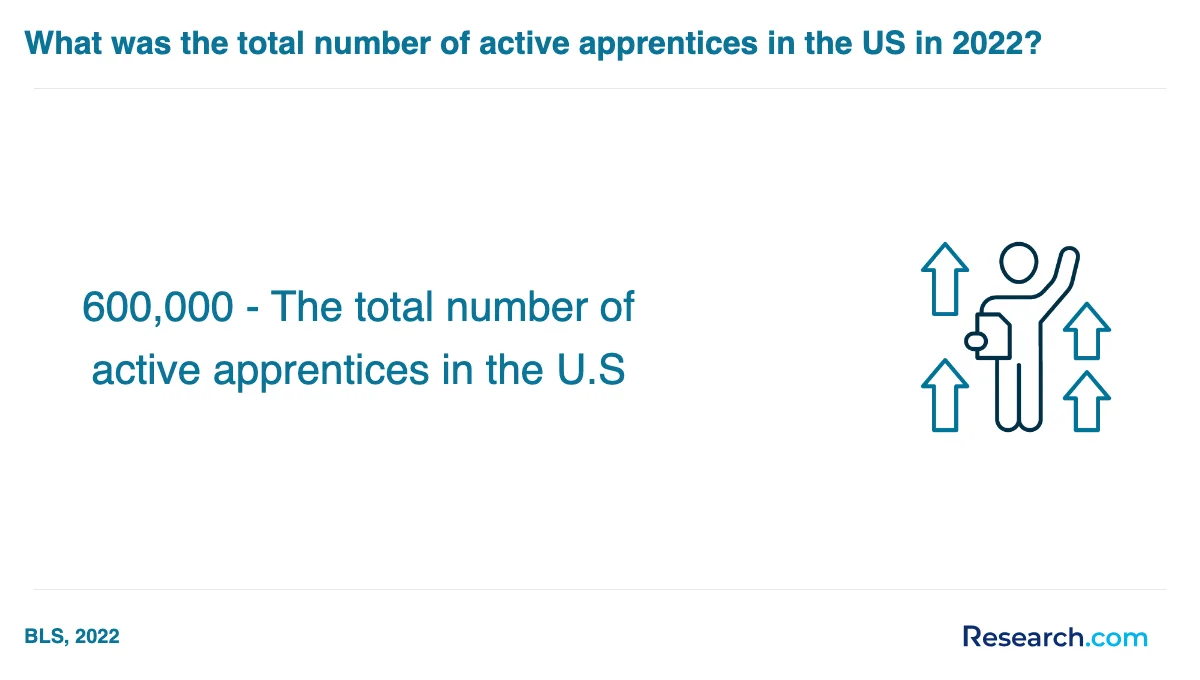
Trade school students in Monticello typically rely on a mix of financial aid to manage costs. Federal aid starts with the FAFSA application, unlocking access to programs like the Federal Pell Grant, which can offer up to $7,395 for eligible students. Many Monticello trade school graduates recall how this grant helped them afford tuition without taking on heavy debt.
Work-study positions are another lifeline, providing part-time jobs both on and off campus. Students often share how balancing work-study jobs with classes not only eased financial pressures but also boosted their resumes with real work experience.
State scholarships add extra support, especially the Arkansas Workforce Challenge Scholarship. Students enrolled in locally recognized programs often use this $800 annual aid to cover book costs or tools.
Loans are available but approached cautiously; grads advise borrowing only what's necessary due to repayment commitments. Some trade schools in Monticello also offer fee waivers and grants, which can significantly cut down expenses for students who demonstrate financial need.
To enroll in a trade school program in Monticello, most students need a high school diploma or GED. Graduates often share how this basic credential opened doors for them in programs like industrial technology or health sciences taught locally.
Some programs expect prior coursework or skills related to the field. For instance, students interested in technical trades frequently complete high school math or science classes before starting. Others find that taking electives or internships during high school helped them feel confident and prepared on day one.
- Minimum age is usually 16 or 17 to participate in hands-on training safely.
- Placement tests may assess reading, writing, or math skills to ensure readiness.
- Submitting official transcripts and completing an application is standard procedure.
- Orientation sessions or interviews might be required, especially for competitive programs.
Graduates from Monticello trade schools recall how meeting these prerequisites gave them a solid foundation, making their studies manageable and their career paths clear. Checking in with counselors or program advisors is smart to understand any unique requirements for your chosen specialty.

Trade school programs in Monticello include hands-on courses tailored to local workforce demands, giving students practical skills for immediate employment. Graduates from schools like the College of Technology Crossett describe gaining confidence through learning both theory and real-world applications in their fields.
Typical courses cover core trades such as:
- Welding technology: Includes welding safety, blueprint reading, and various welding techniques.
- HVAC/R technology: Focuses on refrigeration, heating systems, electrical circuits, and troubleshooting skills.
- Electrical technology: Prepares students for residential and industrial electrical work including apprenticeships.
- Industrial production technology: Emphasizes machine operation, quality control, and automation processes.
Beyond skilled trades, many students enjoy programs in:
- Healthcare fields like emergency medical technician training, phlebotomy, and nursing assistant courses, teaching essential patient care and office management.
- Business technology, which equips learners with administrative software and organizational skills.
- Hospitality management and early childhood education, both offering practical experience in service and childcare settings.
Monticello's trade schools offer flexible credentials-certificates, technical certificates, and associate degrees-that fit busy schedules. Graduates highlight how the combination of classroom work and hands-on practice prepares them well for secure, rewarding careers right in their community.
Trade school programs in Monticello cover a broad range of specializations tailored to meet today's job market demands. Graduates of the Industrial Technology program at Monticello High School often share how courses in Manufacturing, Welding, and CNC technology gave them hands-on skills that directly translated into well-paying jobs as CNC technicians or industrial machinery mechanics. The Kirkwood Jones County Regional Center enhances these options by offering college credit in 3D Printing and Parametric Solid Modeling, preparing students for advanced manufacturing careers.
Business-focused students benefit from Monticello's Academy of Finance, where learning about marketing, accounting, and entrepreneurship helps them confidently launch their own ventures or secure roles in business management. Introductory courses at Kirkwood center cover basics in business and marketing, setting a foundation for various careers.
Healthcare and public service paths also attract many, with programs introducing medical terminology or criminal justice skills, ideal for entry-level positions or further study.
Other specializations available include architectural drafting, interior design, network technology, and teaching exploration, reflecting Monticello's diverse opportunities. Many successful graduates highlight how these programs equip them with practical skills aligned with top trade careers and immediate workforce needs.
Identify your career goals clearly before exploring options; graduates from Monticello's trade schools often credit their success to choosing programs aligned with their passions, such as health sciences or industrial technology. When seeking the best trade school programs in Monticello, look at schools like the Kirkwood Jones County Regional Center, where students benefit from hands-on training and college credit courses that prepare them well for the workforce.
Accreditation matters because it assures quality and employer recognition. Alumni report feeling confident entering the job market knowing their credentials are respected. When comparing schools, consider tuition and available financial aid closely, as costs can vary widely. Exploring scholarship possibilities and payment plans can help you avoid financial stress while pursuing your education.
To know how to compare Monticello trade schools effectively, study student reviews and outcomes. Graduates appreciate programs offering flexible schedules, including evening classes that fit work or family life. For those interested in construction trades, checking options like cheap online construction trade programs can widen your possibilities without breaking the bank.
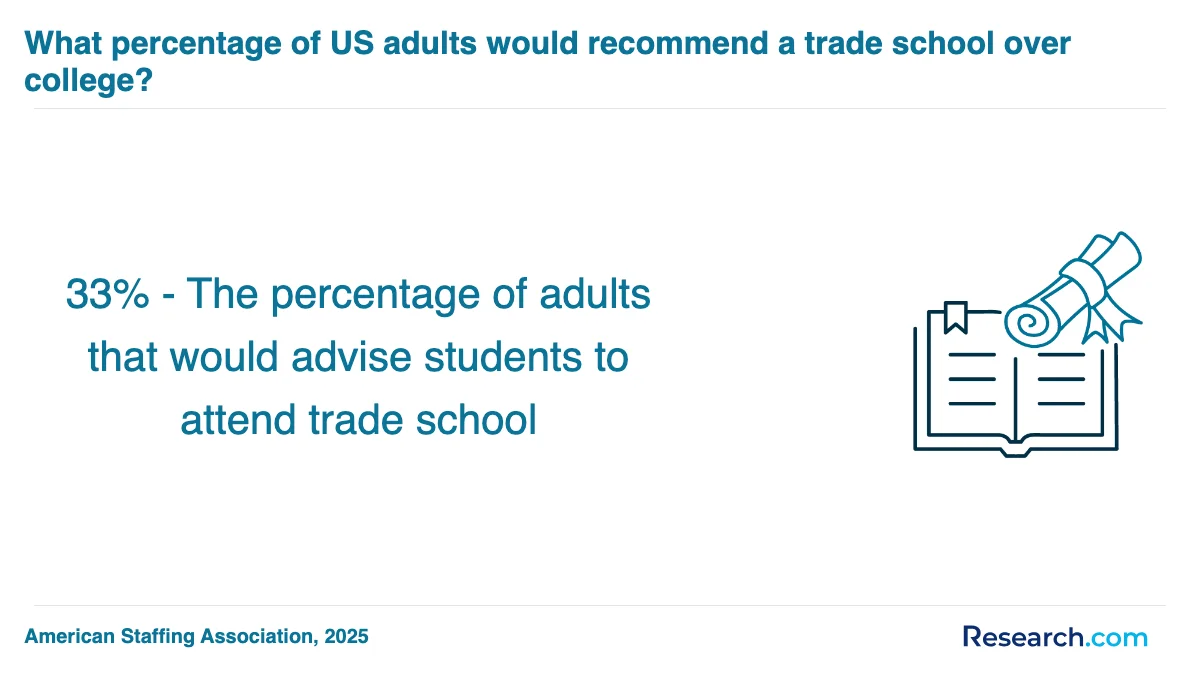
Trade school graduates in Monticello find diverse career opportunities tailored to the region's practical workforce demands. Skilled trades dominate options, including construction, electrical work, plumbing, and HVAC roles, where hands-on apprenticeships through popular Monticello technical colleges equip graduates with job-ready skills. Many report satisfaction from entering well-paying jobs quickly with room to advance.
Other exciting paths involve manufacturing and transportation. Graduates often train as welders, CNC operators, or commercial truck drivers, with programs offering CDL preparation that opens doors to steady, high-demand trucking careers. These options show clear alignment with Monticello trade school programs and job placement success.
Growing sectors include business technology and early childhood education. Students gain skills in bookkeeping, office administration, or childcare certifications like the Childhood Development Associate. Graduates from local schools appreciate the direct connection between their training and immediate employment.
Finally, some pursue roles in education support or community education services, often enhanced by additional certifications. For a more comprehensive understanding of high-demand trades, graduates frequently consult resources on high-demand trades that highlight the lasting value of vocational training.
The job market for trade school graduates in Monticello remains strong, especially for those completing programs in manufacturing, automotive technology, and healthcare. Graduates from local trade schools frequently secure positions such as warehouse managers, maintenance technicians, and retail associates. Many report that hands-on training received through Monticello's technical colleges directly aligns with employer demands, increasing their employability right after program completion.
Monticello trade school graduate employment rate benefits from regular hiring by local public schools for roles in education support and community partnerships, offering stable options beyond traditional technical jobs. Career expos held by institutions like the University of Arkansas at Monticello provide graduates with valuable face-to-face connections to 50+ employers, improving chances to land well-paying roles.
Practical skills in machine operation, welding, and automotive maintenance are especially sought after, with approximately 4,800 jobs open at any time for entry- and mid-level roles. Graduates appreciate how well local programs mirror industry needs, noting steady demand in key sectors.
- Warehouse management and material handling
- Maintenance and technical support roles
- Education and community partnership jobs
For students exploring options, some also pursue the most affordable online home remodeling certification to expand their skill set and employability across Monticello's diverse job market.
Best Trade School & Training Programs - Leading Certification Courses in Monticello for 2026
# 1 position
University of Arkansas at Monticello - Criminal Justice/Safety Studies.
associateThe University of Arkansas at Monticello offers a hybrid Criminal Justice/Safety Studies program focusing on the criminal justice system, including criminal law, policy, police and correctional systems, and the administration of justice. The program covers the judiciary and public attitudes toward criminal justice issues. It is accredited by the Higher Learning Commission. Annual in-state tuition is $8,868, and some distance-education options are available.
# 2 position
University of Arkansas at Monticello - Industrial Mechanics and Maintenance Technology/Technician.
associateThe Industrial Mechanics and Maintenance Technology/Technician program at University of Arkansas at Monticello offers a hybrid format with some distance education options. It prepares students to repair and maintain industrial machinery such as cranes, pumps, engines, and conveyor systems. The annual in-state tuition is $8,868. Graduates have a median earning of $49,589 one year after completion. The program is accredited by the Higher Learning Commission.
# 3 position
University of Arkansas at Monticello - Business Administration and Management, General.
associateThe Business Administration and Management, General program at University of Arkansas at Monticello offers a hybrid format with some distance-education options. It prepares students to plan, organize, direct, and control business functions. The curriculum covers management theory, human resources, accounting, purchasing, marketing, and decision-making. Annual in-state tuition is $8,868. The program is accredited by the Higher Learning Commission.
# 4 position
University of Arkansas at Monticello - Heating, Air Conditioning, Ventilation and Refrigeration Maintenance Technology/Technician.
certificate or diplomaThe University of Arkansas at Monticello offers a hybrid program in Heating, Air Conditioning, Ventilation, and Refrigeration Maintenance Technology/Technician. This program prepares students to repair, install, service, and maintain HVAC and refrigeration systems. Instruction includes diagnostic techniques, testing equipment use, and principles of mechanics, electricity, and electronics. Annual in-state tuition is $8,868. The program is accredited by the Higher Learning Commission.
# 5 position
University of Arkansas at Monticello - Industrial Mechanics and Maintenance Technology/Technician.
certificate or diplomaThe Industrial Mechanics and Maintenance Technology/Technician program at the University of Arkansas at Monticello offers a hybrid format with some distance-education options. The program prepares students to repair and maintain various industrial machinery, including cranes, pumps, engines, and conveyor systems. Annual in-state tuition is $8,868. Graduates have a median earnings of $49,589 one year after completion. The program is accredited by the Higher Learning Commission.
# 6 position
University of Arkansas at Monticello - Automobile/Automotive Mechanics Technology/Technician.
certificate or diplomaThe University of Arkansas at Monticello offers a hybrid Automobile/Automotive Mechanics Technology/Technician program that prepares students to repair, service, and maintain various automobiles. The curriculum covers brake systems, electrical systems, engine performance, transmission, suspension, steering, and heating and air conditioning. Annual in-state tuition is $8,868. The program is accredited by the Higher Learning Commission and includes some distance-education options.
# 7 position
University of Arkansas at Monticello - Phlebotomy Technician/Phlebotomist.
certificate or diplomaThe University of Arkansas at Monticello offers a Phlebotomy Technician/Phlebotomist program with a hybrid format that includes some distance education. This program trains individuals to draw blood samples using various techniques under healthcare supervision. Instruction covers vascular anatomy, blood physiology, skin puncture, venipuncture, specimen handling, safety, and regulations. Annual in-state tuition is $8,868. The program is accredited by the Higher Learning Commission.
# 8 position
University of Arkansas at Monticello - Welding Technology/Welder.
certificate or diplomaThe University of Arkansas at Monticello offers a Welding Technology/Welder program with a hybrid format, including some distance-education options. The program prepares students to apply technical skills in various welding methods such as arc welding, resistance welding, brazing, soldering, and high-energy beam welding. Tuition for in-state students is $8,868 annually. Graduates have median earnings of $31,083 one year after completion. The program is accredited by the Higher Learning Commission.
Frequently Asked Questions about trade school programs
After completing a trade school program in Monticello, preparing for the job market involves several key steps. First, graduates should obtain any required certifications or licenses specific to their trade, as many employers prioritize these credentials. According to the Bureau of Labor Statistics, trade-related jobs often require hands-on proof of skills through apprenticeships or internships.
Networking is also crucial. Connecting with local employers, attending job fairs, and using resources available at Monticello trade schools' career centers can improve job prospects. Additionally, building a strong resume that highlights practical experience and completed projects is vital.
Former students in Monticello report a strong local demand for skilled trades, especially in fields like HVAC, electrical work, and welding, where employment rates exceed 80% within six months of graduation (Monticello Workforce Development Report, 2023).
Employers in Monticello highly value practical technical skills in trade school graduates, such as proficiency in welding, electrical work, plumbing, and HVAC systems. According to the U.S. Bureau of Labor Statistics, jobs in these fields are expected to grow by 5-7% over the next decade, increasing demand for skilled workers.
Beyond technical expertise, soft skills like effective communication, teamwork, and problem-solving are crucial. A 2023 survey by the National Association of Manufacturers found that 85% of employers prioritize reliability and adaptability in candidates from trade programs.
Hands-on experience through internships or apprenticeships also improves job prospects in the Monticello area.
Finding internships in Monticello relevant to your trade school program involves leveraging local resources and connections. Start by consulting your trade school's career services office, as many institutions maintain partnerships with businesses that offer internships. According to the U.S. Department of Labor, about 60% of trade schools nationwide help place students in internships by using these established relationships.
Additionally, check Monticello's local job boards and websites such as the city's Chamber of Commerce or workforce development agencies. Many employers in trades like construction, automotive, and healthcare post internship opportunities there. Networking through local industry events or trade associations can also connect you with potential internships.
Employers in Monticello tend to favor candidates who show initiative and relevant skills, so preparing a strong resume focused on your trade's competencies is crucial. Following these steps increases your chances of finding an internship that aligns with your program and career goals.
A trade school diploma in Monticello significantly enhances career mobility by equipping students with specialized skills that local employers actively seek. According to the U.S. Bureau of Labor Statistics, occupations requiring postsecondary non-degree awards are expected to grow by 8% nationally through 2032, reflecting similar trends in Monticello's job market.
Graduates often advance quickly within trades such as electrical work, HVAC, and plumbing due to practical training and industry certifications. The Tennessee Department of Labor reports that trade school graduates in Monticello see an average income increase of 15-25% within two years post-completion, illustrating improved earning potential and job stability.
Furthermore, many Monticello businesses prioritize diploma holders for supervisory roles, enhancing upward mobility. Trade schools also foster connections with local employers, which can lead to internships and apprenticeships, essential for career advancement in skilled trades.
Monticello offers various part-time job opportunities that can complement trade school education, providing practical experience alongside theoretical learning. Students enrolled in technical programs such as automotive repair, electrical work, or HVAC can find positions as apprentices or assistants at local service shops. According to the Bureau of Labor Statistics, part-time roles in skilled trades often pay above the national average for part-time work, giving students valuable income and relevant skills.
Retail and warehouse jobs also remain popular among trade school students, especially in Monticello's growing distribution sector. These positions help develop soft skills like customer service and time management. Local job boards like Indeed show numerous openings that align well with trade education schedules.
To choose the best degree program near Monticello, AR, you should first consider your career goals and interests to identify a relevant field of study, utilizing resources such as Research.com for insights into various disciplines. Next, explore the universities and programs available near you and near Monticello, AR, focusing on their accreditation status, faculty qualifications, campus facilities, and student support services. Lastly, gather information on job placement rates, internship opportunities, and alumni success to make an informed decision that aligns with your educational and professional ambitions.
- Best Trade School & Training Programs - Leading Certification Courses in Hamburg for 2026
- Best Trade School & Training Programs - Leading Certification Courses in Akron for 2026
- Best Trade School & Training Programs - Leading Certification Courses in Adrian for 2026
- Best Trade School & Training Programs - Leading Certification Courses in Angola for 2026
- Career Pathways - Monticello High School https://mhs.monticello.k12.mn.us/departments/student-center-new/career-pathways
- College of Technology Crossett Degree Programs https://www.uamont.edu/academics/crossett/degrees.html
- AR Career Pathways https://arpathways.com/
- Southern Crescent Technical College: Great Careers Begin Here! https://www.sctech.edu/
- Trade Schools Overview | ACT https://www.act.org/content/act/en/students-and-parents/career-planning/career-planning-resources/trade-schools.html
- School of Trades and Technology : Fleming College https://flemingcollege.ca/school/trades-and-technology


