Best Certificate Programs - Leading Certification Courses in Lincoln for 2026

Co-Founder and Chief Data Scientist
Choosing the right trade school certificate program in Lincoln can feel overwhelming. This article is here to help you navigate those options with confidence.
We present a ranking developed by the Research.com team of data scientists, designed to spotlight the best certificate programs worth your consideration. This data-driven guide aims to simplify your decision-making process.
By exploring these programs, you’ll discover opportunities that can boost your skills, enhance your career prospects, and open doors to fulfilling work. Earning a certification is a smart step forward, and this article is a practical resource to support your journey.
Key benefits of getting trade school certificate in Lincoln
- Trade school graduates in Lincoln can earn competitive salaries, with average annual wages around $64,023 and skilled trades like electricians or HVAC technicians making over $95,000 per year.
- Popular career paths include construction helpers, facility maintenance specialists, project managers, and firefighters, offering diverse opportunities for graduates from well-known Lincoln trade schools.
- Online trade school certification offers flexibility and convenience, allowing students to balance work and study while gaining practical skills, just like many successful online graduates from reputable Lincoln programs.
- Best Certificate Programs - Leading Certification Courses in Lincoln for 2026
- What can I expect from trade school certification programs in Lincoln?
- Where can I work with trade school certification in Lincoln?
What can I expect from trade school certification programs in Lincoln?
Students enrolling in trade school certification programs in Lincoln typically find that the average cost ranges widely but often remains accessible, especially when considering financial aid and scholarships. Graduates from programs like cosmetology at College of Hair Design or massage therapy at Myotherapy Institute recall manageable tuition paired with hands-on learning that made their investment worthwhile. Many emphasize how the relatively small class sizes translated into personalized support, justifying the expense by preparing them effectively for immediate employment.
Those attending Southeast Community College, another popular choice, note that while tuition may be comparable to other local options, the strong ties to industry professionals and potential for mentorship add immense value beyond mere cost. Students appreciate knowing their certification is accredited, which offers reassurance about job prospects and licensing. These practical, real-world benefits help balance the program's financial aspects, creating a positive, fulfilling educational experience that feels both affordable and purposeful in Lincoln's current job market.
Where can I work with trade school certification in Lincoln?
Graduates from trade school certification programs in Lincoln often find themselves welcomed by a range of local employers eager to fill skilled positions. Many find fulfilling work as apprentice electricians or welders, gaining hands-on experience with companies that value the practical skills honed during training. One graduate shared how starting as a construction helper quickly led to a journeyman electrician role, thanks to clear advancement paths available in Lincoln's trade sector.
Others have embraced roles in facility maintenance with organizations like state agencies or the university, where their knowledge of plumbing and electrical systems translates into stable careers with solid benefits. The satisfaction of working closely with seasoned professionals, as often experienced by new carpenters or mechanics, reinforces a strong sense of accomplishment and growth.
Entry-level hourly wages generally range from $16.50 to over $21, reflecting both the demand and respect for certified skills in Lincoln's market. Many local trade schools prepare students not just with certifications but also confidence, making the job search and subsequent career journey a rewarding adventure.
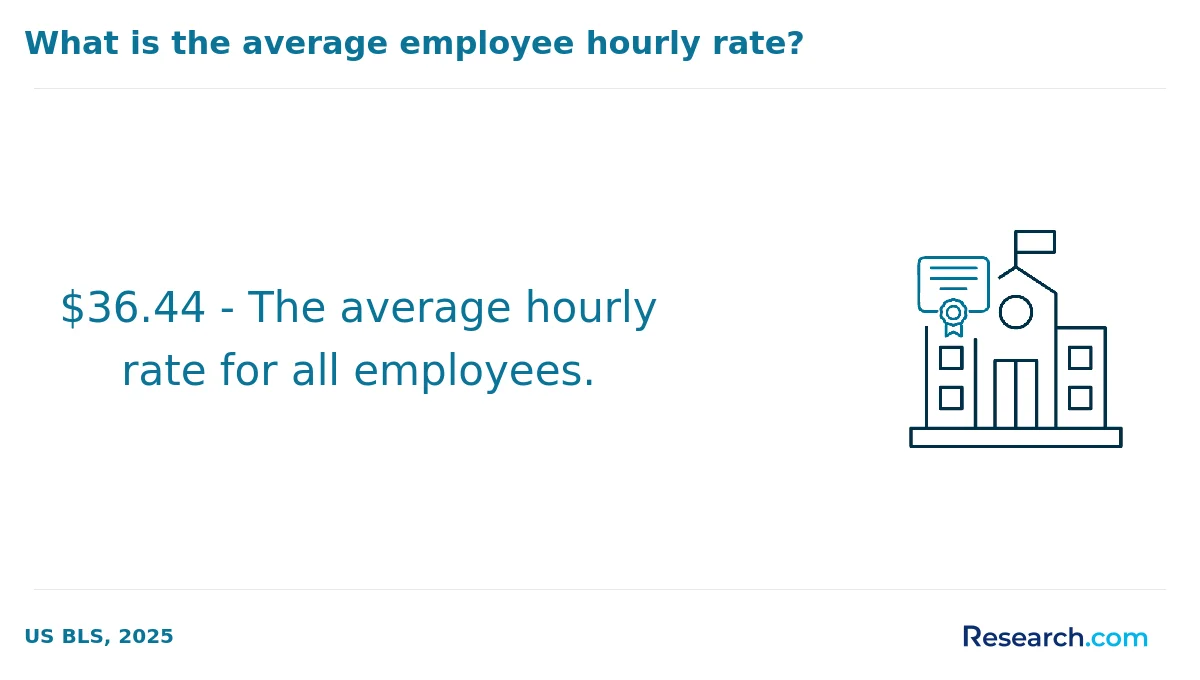
After finishing a trade school certification program in Lincoln, many graduates find themselves pleasantly surprised by their earning potential. On average, these graduates make about $64,000 a year, which translates to roughly $31 per hour. This means that starting out, earning close to $44,000 to $48,000 annually is typical for entry-level roles, putting new certificate holders comfortably above many other starting jobs.
Graduates from well-known Lincoln trade schools often share stories of swift pay increases after gaining experience or taking additional certifications. For example, a graduate who trained as an Electrical Power-Line Installer now earns near $88,000 yearly, reflecting both skill and demand in the field. Others working as Mobile Heavy Equipment Mechanics or Radiologic Technologists celebrate salaries in the $64,000 to $69,000 range, showing how specialized training directly impacts income.
Seeing peers move into supervisory positions or high-tech roles brings optimism to many current students. These advancements can push annual wages beyond $77,000, underscoring the real possibilities that follow certification. The growth trajectory feels tangible and rewarding, inspiring those just beginning their journey in Lincoln's trade schools.
- Jared: Enrolling in Lincoln's HVAC certification program was a game changer for me. The hands-on training gave me real confidence, and I landed a great job with a local company right after graduating. The supportive instructors made learning enjoyable and truly prepared me for the workforce.
- Maria: The welding certification course in Lincoln was intense but incredibly rewarding. I appreciated the small class sizes and personalized attention, which helped me master the skills quickly. Now, I'm proud to work as a certified welder at a growing fabrication shop in town-something I never imagined before.
- Tina: Plumbing school in Lincoln exceeded all my expectations. The combination of modern tools and experienced mentors made studying engaging and practical. Getting certified opened doors, and today I'm happily employed working on residential projects, helping families with reliable plumbing solutions.
- Trade school certificate programs in Lincoln typically take 12 to 24 months to complete, with cosmetology and massage therapy averaging 15 to 24 months.
- Most schools, like Southeast Community College, have open admissions requiring a high school diploma or equivalent, though some healthcare and technical programs may have extra prerequisites.
- Tuition costs range from $3,000 to $10,000 per year, and financial aid, scholarships, and work-based learning programs are commonly available.
- Entry-level salaries for graduates usually start between $28,000 and $40,000 annually, with experienced professionals in some fields earning $50,000 or more.
- Graduates can directly enter the workforce, pursue further education, or transfer credits to a four-year college, with strong local employer connections supporting job placement.
Completion times for trade school certification programs in Lincoln vary widely but generally keep you on a path to employment sooner than traditional degrees. Many graduates from the College of Hair Design recall finishing their cosmetology certificates in about 15 months, balancing intense classroom hours with hands-on practice that prepares them well for Nebraska's licensing requirements.
Others pursuing electrician training through Southeast Community College or the Lincoln Electrical Joint Apprenticeship describe spreading their studies over roughly two years part-time-combining about 720 hours of classes and vital on-the-job experience. This pace allows working individuals to steadily build skills without overwhelming their schedules.
Many medical assistant and culinary arts certificates nearby often wrap up in under a year, giving students the encouragement to jump confidently into rewarding careers quickly. The flexibility of accelerated options or prior credit recognition further lightens the journey, while internships or apprenticeships, common in trades, may extend the total timeframe yet add invaluable real-world confidence.
For anyone in Lincoln, this means timely, purposeful training tailored to life's demands-letting you envision your success on a manageable timeline.
The difference between online and on-campus trade school certification programs in Lincoln largely centers on how students engage with their learning and gain practical skills. Online programs, like those from the University of Nebraska-Lincoln, offer a flexible schedule that lets students balance work and family while accessing lectures anywhere. Graduates often recall the freedom of fitting studies into their busy lives without sacrificing progress.
In contrast, on-campus programs at schools such as Southeast Community College or Joseph's College Cosmetology immerse students in hands-on experiences that are vital for mastery and licensure. Graduates describe the value of in-person instruction, direct feedback, and immediate practice-especially in trades requiring physical skills, like cosmetology or automotive mechanics. The 2,100-hour cosmetology program, for example, prepares students thoroughly for licensing through supervised practical work.
Some find hybrid programs ideal, blending online convenience with the crucial campus-based training Lincoln's trade schools offer. This balance supports both flexibility and skill-building, making education feel tangible and rewarding.
The average cost of trade school in Lincoln generally falls between $5,000 and $35,000, varying widely based on the specific program and institution chosen. Graduates of Lincoln Tech often recall the intensity of paying per credit hour, with costs ranging from $470 to $750 per credit, resulting in total tuition between $20,000 and $35,000. For those pursuing programs charged by the hour, such as practical nursing requiring about 700 to 1,600 clock hours at roughly $20 per hour, the investment feels tangible but rewarding through hands-on experience.
Many students appreciate the affordability of Southeast Community College's offerings, where diploma and associate degree programs tend to be more budget-friendly, though exact 2025 tuition data isn't always disclosed. The appeal of community colleges becomes clear when considering nationally typical trade school costs at public institutions, which average between $5,000 and $15,000, offering a pathway that balances quality with cost-effectiveness-an important consideration for many in Lincoln Nebraska trade school tuition and fees.
Specific trades vary in cost and duration. For example, automotive technology programs-a popular choice-fall in the $5,000 to $12,000 range. Those interested can explore automotive trade schools to see reputable options. Welding programs typically range from $5,000 to $15,000, while medical assisting can fluctuate more widely, costing between $2,000 and $20,000 depending on the program format. Electrician programs average about $13,000 for a 12-month course.
Most students relax knowing that federal financial aid, state grants, and scholarships are available, reducing out-of-pocket expenses. At schools like Lincoln Tech, it is common for nearly 90% of students to receive some form of financial assistance. This creates an encouraging environment where the investment in education almost always leads to personal and professional growth.
Many students pursuing trade school certification programs in Lincoln find solid financial aid options that ease the burden of tuition and related costs. Completing the FAFSA early is a common first step, unlocking eligibility for federal Pell Grants, the Federal Supplemental Educational Opportunity Grant, and federal loans. Those who attend well-known local trade schools, like the Lincoln Technical Center or Southeast Community College, often share how these funds transformed their access to training without heavy stress over expenses.
Beyond federal aid, there are valuable state and local scholarships. Graduates recall applying for awards from the Lincoln Community Foundation or the Sowers Club of Nebraska, helping cover books, tools, or transportation. The Susan T. Buffett Foundation Scholarship also supports students with steady GPAs, exemplifying how local opportunities can blend with federal aid.
Specialized scholarships, including the Horatio Alger Career & Technical Scholarship and Wubbena C. Rand Scholarship, offer additional relief, especially for medical and health-related fields. Trade schools often guide students through these options, making the financial journey feel less daunting and more hopeful.
Entering a trade school certification program in Lincoln generally requires a high school diploma or GED, a straightforward but essential starting point that countless graduates have embraced with enthusiasm. For example, many who enrolled in Southeast Community College's Electrician Construction program shared that no prior technical experience was needed-faculty expertly guided them from the basics onward, making the learning journey accessible and confidence-building.
Applicants should also consider these typical prerequisites:
- Basic educational background ensuring skills in math, reading, and communication to handle technical coursework.
- No requirement for previous experience in many fields such as HVAC or healthcare assistance, welcoming fresh starts.
- Some specialized paths, like technical sciences education endorsements, may require around 48 semester hours of coursework and substantial work experience, reflecting a more committed preparation.
For students aiming at teaching technical subjects or pursuing licensure, real-world experience-either paid or supervised-is often vital. These paths are less common but rewarding, requiring dedication and passion.
Choosing an accredited Lincoln trade school ensures eligibility for financial aid and smoother credit transfers, offering peace of mind to students focused on their career goals. Graduates frequently express pride in how this solid foundation allowed them to confidently advance their skills and open new career doors.

Trade school courses in Lincoln NE commonly blend classroom learning with hands-on practice, creating a dynamic environment where graduates feel prepared and confident stepping into the workforce. Programs at institutions such as Southeast Community College frequently cover foundational subjects like technical math, workplace safety, and employability skills before students tackle specialized areas.
Courses you'll typically find in a certificate program curriculum Lincoln Nebraska include:
- Introduction to Welding Processes with real workshops to refine technique
- Blueprint Reading to interpret real-world construction and manufacturing plans
- Medical Terminology and Clinical Procedures for health science students
- Advanced Welding Techniques and Welding Safety emphasizing industry standards
- HVAC basics alongside Electrical Technology for technical versatility
Many graduates share how internships offered by these programs add invaluable real-world experience, making the transition from study to career seamless. For those exploring flexible options, there are also low cost online solar technician trade school programs which reflect the growing demand in renewable energy fields and provide accessible paths for students balancing other responsibilities.
Choosing the best trade school certification program in Lincoln starts with verifying accreditation, a critical step many graduates emphasize from their own experiences. Being accredited means the program meets rigorous standards, ensuring quality education and eligibility for federal financial aid, which many students find essential when learning how to compare Lincoln trade school costs.
Look closely at program offerings available locally-fields like healthcare, IT, and skilled trades such as welding or HVAC are common and well-developed in Lincoln. Graduates often share how practical training combined with internships helped them gain confidence and smooth transitions into careers. Schools known for connecting students with local businesses ease the job search after certification.
Flexibility also matters. Many successful graduates attest to evening and weekend classes that accommodated their work schedules or family needs. Informed students find comprehensive program rankings and reviews valuable for insight, supplemented by exploring best trade school degrees that guide wise decision-making.

Graduates of trade school certification programs in Lincoln enjoy diverse job prospects across flourishing local sectors. In healthcare, certificate holders often step into vital roles such as Licensed Practical Nurses or Registered Nurses, gaining employment at institutions like Southeast Community College or Kaplan University's Lincoln campus. These graduates report rewarding experiences as they quickly contribute to growing demands and start with competitive salaries, reflecting the strength of trade school career opportunities in Lincoln NE.
Skilled trades jobs for Lincoln graduates offer hands-on roles in automotive mechanics, electrical technology, and civil engineering. Local programs emphasize real-world skills essential for technicians and mechanics, fulfilling the needs of Lincoln's manufacturing and infrastructure industries. Many students find their trade credentials open doors to fulfilling, stable careers.
For those drawn to business support services, certificates from the University of Nebraska-Lincoln and Southeast Community College provide paths toward office administration, human resources, and financial analytics jobs. Personal services such as cosmetology and massage therapy also shine as inviting options, with schools like College of Hair Design preparing students for Nebraska State License Exams.
Trade school certifications in Lincoln often act as launchpads for further education or career enhancement. Students seeking specialized focus can explore cheapest electrician trade school programs online to expand their skills and opportunities.
The job market for trade school certification program graduates in Lincoln is notably strong, especially for those entering skilled trades. Graduates from well-known programs like Southeast Community College often find themselves stepping directly into promising roles as electricians, HVAC technicians, and automotive service technicians. This robust demand reflects the Lincoln NE skilled trades employment outlook, with reported openings exceeding 300 annually in these key fields, accompanied by competitive average wages around $54,000 to $56,000.
Many students appreciate the support of local scholarship programs that cover full training costs, allowing them to focus on gaining practical skills without financial strain. Graduates often share stories of rapid employment after their certification, highlighting the city's investment in workforce development and real-world training collaborations such as The Career Academy.
Beyond traditional trades, the trade school job opportunities in Lincoln NE also extend into the technology sector, where certifications in IT and electromechanical fields are increasingly valuable. With tech salaries averaging $85,000 and strong employer demand, students from trade schools find multiple pathways to success. For those exploring options, there are accessible courses including affordable welding training programs online that complement in-person certifications.
Best Certificate Programs - Leading Certification Courses in Lincoln for 2026
# 1 position
Southeast Community College Area - Automobile/Automotive Mechanics Technology/Technician.
certificate or diplomaThe Automobile/Automotive Mechanics Technology/Technician program at Southeast Community College Area offers hybrid learning with some distance-education options. It prepares students to repair, service, and maintain various automobile systems including brakes, electrical, engines, transmissions, and heating/air conditioning. The program is accredited by the Higher Learning Commission. Annual in-state tuition is $3,540, and median earnings one year after completion reach $52,556.
# 2 position
Southeast Community College Area - Dental Assisting/Assistant.
certificate or diplomaThe Dental Assisting/Assistant program at Southeast Community College Area offers a hybrid format with some distance-education options. It trains students in patient care, dental radiographs, office administrative duties, and chairside assisting under dentist supervision. The program includes instruction in medical record-keeping, equipment sterilization, and patient intake. Annual in-state tuition is $3,540. Graduates typically earn a median income of $36,408 one year after completion. The program is accredited by the Higher Learning Commission.
# 3 position
Southeast Community College Area - Electrician.
certificate or diplomaThe Electrician program at Southeast Community College Area prepares students to install, operate, maintain, and repair electrical systems including residential, commercial, and industrial wiring. Instruction covers electronics principles, wiring, power transmission, safety, testing, inspection, and relevant codes. The program is accredited by the Higher Learning Commission. Annual in-state tuition is $3,540.
# 4 position
Southeast Community College Area - Plumbing Technology/Plumber.
certificate or diplomaSoutheast Community College Area offers a Hybrid Plumbing Technology/Plumber program preparing students to become licensed plumbers. The curriculum covers installation and maintenance of piping systems for various uses including steam, natural gas, and water. Instruction includes technical math, blueprint reading, welding, and plumbing codes. The program’s annual in-state tuition is $3,540. It is accredited by the Higher Learning Commission and provides some distance-education options.
# 5 position
Southeast Community College Area - Welding Technology/Welder.
certificate or diplomaThe Welding Technology/Welder program at Southeast Community College Area offers a hybrid format with some distance learning options. Annual in-state tuition is $3,540. The program trains students in various welding methods, including arc welding, resistance welding, and brazing. It covers welding metallurgy, safety, structural design, and applicable codes. Graduates earn a median salary of $49,114 one year after completion. The program is accredited by the Higher Learning Commission.
Frequently Asked Questions about trade school certificates
Preparing for the job market after completing trade school certification programs in Lincoln involves several key steps. Graduates should actively engage with local workforce development resources, such as Nebraska's Department of Labor, which reports that skilled trade jobs in Lincoln have a steady demand with projected growth of 5% through 2028. Networking with employers through job fairs and apprenticeship programs is crucial, as many trade companies in Lincoln prefer candidates with practical experience. Additionally, polishing resumes to highlight hands-on skills and certifications improves job prospects. Seeking guidance from Lincoln trade schools' career services can also connect graduates to internships and job openings tailored to their training.
Employers in Lincoln highly value trade school graduates who possess both technical proficiency and strong soft skills. According to the Nebraska Department of Labor, skills such as equipment operation, blueprint reading, and electrical systems knowledge rank among the most sought-after technical abilities in local industries.
In addition to these hard skills, employers emphasize communication, problem-solving, and teamwork. A 2023 survey by the Lincoln Partnership for Economic Development highlights that 65% of employers prioritize graduates who demonstrate reliability and adaptability on the job.
Certifications that validate hands-on expertise combined with these interpersonal skills significantly improve job prospects in Lincoln's competitive trade sectors.
Finding internships in Lincoln that align with your trade school certification program starts with leveraging local resources. The Workforce Development office in Lincoln often partners with trade schools and employers to facilitate internship opportunities. According to the Nebraska Department of Labor, sectors like construction, healthcare, and manufacturing actively seek interns each year.
Connecting with your trade school's career services can provide access to exclusive internship listings and employer contacts. Additionally, job fairs hosted by Lincoln's community colleges and technical schools are valuable for networking directly with businesses.
Online platforms such as Nebraska's job portal, NEworks.nebraska.gov, also list apprenticeship and internship openings in relevant fields. Regularly checking these resources increases your chances of securing a position tailored to your certification.
Trade school certification programs in Lincoln significantly impact career mobility by equipping students with specific skills that local employers highly value. According to the Nebraska Department of Labor, industries such as construction, healthcare, and manufacturing show steady growth in the region, increasing demand for certified professionals.
Certification helps graduates enter these sectors more quickly than traditional four-year degrees, often leading to higher starting wages. Data from the Lincoln Workforce Development Office highlights that certified trade workers experience an average salary increase of 15-20% within the first two years post-certification.
Moreover, many Lincoln employers prioritize certification during promotions, making career advancement more accessible for those who complete these programs.
Lincoln offers several part-time job opportunities that align well with trade school certification programs. For example, students pursuing certifications in automotive technology can find part-time roles as vehicle service assistants or tire technicians. These jobs provide hands-on experience while earning income. According to the U.S. Bureau of Labor Statistics and local job boards, Lincoln's retail trade and healthcare sectors also employ part-time workers extensively, which suits students in medical assisting or pharmacy technician programs.
Apart from sector-specific roles, general part-time jobs in customer service and warehouse operations are common in Lincoln, supporting those in logistics or business-related certifications. These opportunities help students develop workplace skills essential for their future careers.
To find the best degree program near me in Lincoln, NE, you can start by considering local universities and colleges, which offer a range of programs tailored to various fields of study. Utilizing resources like Research.com can help identify top-rated programs and compare their offerings, faculty, and outcomes. Additionally, attending open houses or contacting admissions offices near Lincoln, NE can provide further insights into the strengths of each program.
- Best Trade School & Training Programs - Leading Certification Courses in Emporia for 2026
- Best Trade School & Training Programs - Leading Certification Courses in Springfield for 2026
- Best Trade School & Training Programs - Leading Certification Courses in Kyle for 2026
- Best Trade School & Training Programs - Leading Certification Courses in Little Rock for 2026
- Best Trade School & Training Programs - Leading Certification Courses in Angola for 2026
- Best Trade School & Training Programs - Leading Certification Courses in Florence for 2026
- Best Trade School & Training Programs - Leading Certification Courses in Adrian for 2026
- Lincoln Tech Tuition and Fees By Program & Campus https://www.lincolntech.edu/admissions/tuition-and-fees-program-campus
- Apprenticeship job vacancies: Study with Lincoln College https://www.lincolncollege.ac.uk/apprenticeships/vacancies
- Petersonsdata https://petersonsdata.com/
- Trade School vs College: What You Need to Know - Tlingit & Haida https://tlingitandhaida.gov/news/trade-school-vs-college-what-you-need-to-know/
- Level 1 - Manufacturing Basics Application : Certificates Overview : Programs : Lincoln Manufacturing Council https://lincolnmanufacturingcouncil.org/manufacturing-programs/certificates-overview/apply.html
- Lincoln Tech | Trades School https://www.trade-schools.net/lincoln-tech/
- Trade School Stocks Soar as Demand for Skilled Labor Rises - Bloomberg https://www.bloomberg.com/news/articles/2025-08-05/trade-school-stocks-soar-as-demand-for-skilled-labor-rises
- Work Experience - LincolnUTC - LincolnUTC https://www.lincolnutc.co.uk/the-utc-experience/work-experience
- Financial Aid and Scholarships | Nebraska College of Technical Agriculture in Curtis | Nebraska https://ncta.unl.edu/admission-ncta/financial-aid-and-scholarships/
- Trade School vs. Traditional University | North American Trade Schools https://nats.ca/Home/NewsArticle/trade-school-vs-traditional-university/