Best Associate Degree Programs - Leading Certification Courses in San Francisco for 2026

Co-Founder and Chief Data Scientist
Choosing the right associate degree program in San Francisco can feel overwhelming, but you’re not alone. This article introduces a carefully crafted associate degree programs ranking developed by the Research.com team of data scientists to help you identify top trade school options.
By exploring these recommendations, you’ll gain valuable insights that make your decision easier and more confident.
Whether you’re starting fresh or looking to upskill, earning an associate degree opens doors to rewarding career opportunities and personal growth.
Key benefits of associate degrees in San Francisco
- Associate degree graduates in San Francisco can earn competitive salaries, with healthcare roles like registered nurses making up to $73,046 annually, while other fields such as business administration and technology also offer strong pay around $48,690 per year.
- Popular career paths include healthcare, technology, and business administration, offering diverse opportunities for graduates from local schools eager to start rewarding and stable careers.
- Completing an online associate degree offers flexibility and convenience, allowing students to balance work and study, often saving time and money compared to traditional on-campus programs, as experienced by many local online school graduates.
- Best Associate Degree Programs - Leading Certification Courses in San Francisco for 2026
- What can I expect from associate degree programs in San Francisco?
- Where can I work after finishing associate degree programs in San Francisco?
What can I expect from associate degree programs in San Francisco?
The average cost of pursuing an associate degree in San Francisco typically ranges around $1,200 to $1,800 per semester unit at community colleges like City College of San Francisco (CCSF). Given that an associate degree usually requires about 60 semester units, students can expect total tuition costs between $7,200 and $10,800, depending on residency status and course load. Graduates from local programs often recount balancing this investment with full-time jobs, appreciating the flexible evening and weekend classes that make affordability manageable without sacrificing income.
Many find additional financial support through local scholarships and state aid designed specifically for San Francisco residents and city employees, which can significantly reduce out-of-pocket expenses. This creates a sense of relief and motivation, knowing the goal is financially attainable.
In real-life terms, a student juggling family and work commitments shares how the Working Adult Degree Program at CCSF allowed them to progress steadily without overwhelming cost or schedule conflicts. These programs foster an accessible pathway toward career growth and academic transfer, proving that investing in an associate degree here is both practical and empowering.
Where can I work after finishing associate degree programs in San Francisco?
Graduates of associate degree programs in San Francisco find themselves stepping into a city brimming with diverse career opportunities. Many quickly secure roles in healthcare, such as medical administrative assistants at UCSF Health, where the fast-paced environment offers both challenge and growth. Others with business-oriented degrees land positions as operations administrative assistants or executive assistants, thriving in dynamic workplaces and earning salaries above the city average. These roles often come with opportunities for advancement, sparking real excitement among graduates who appreciate seeing their efforts directly reflected in promotions.
In education, associate degree holders contribute as tutors or substitute teachers in local schools, engaging with youth in meaningful ways tied closely to their studies. For those from technical programs, research associate roles at biotech firms or university labs provide hands-on experience that feels purposeful and inspiring. Customer service and public sector jobs also attract many graduates, offering a balance between stable benefits and the chance to make a difference in community-focused positions.
San Francisco's rich economic landscape ensures that associate degree holders find not just jobs but fulfilling career paths aligned with their passions and skills.
Graduates from associate degree programs in San Francisco often find themselves pleasantly surprised by the earning potential that awaits them. After completing studies at popular local institutions, many report starting salaries ranging from $62,500 to $93,800 annually. For example, graduates stepping into program associate roles in the Bay Area often see offers near $68,730, a strong boost compared to national averages. This is encouraging news for those who chose San Francisco's community colleges and technical schools, where the higher cost of living is matched by competitive wages.
Many graduates recall how their technical skills-whether gained in health care fields like radiologic technology or dental hygiene, or in entry-level tech positions-opened doors to jobs paying well above typical associate degree salaries elsewhere. The city's employers frequently pay 30-50% more than other regions, making the investment in an associate degree here all the more worthwhile.
Graduates often describe feeling confident and optimistic about their financial futures, knowing their education in San Francisco prepares them for meaningful careers that reward their efforts.
- Jasmine: Earning my Associate Degree in Culinary Arts at a San Francisco trade school was truly transformative. The hands-on training and industry connections helped me land a chef position quickly. I love blending creativity with career stability in such a vibrant city!
- Marcus: The practical focus of my Associate Degree in Graphic Design gave me confidence and skills that employers really value here in San Francisco. Studying at a trade school meant smaller classes and personalized attention, which made all the difference for my job hunt.
- Alicia: Getting my Associate Degree in Dental Assisting locally wasn't just about earning a credential-it changed my whole outlook. The supportive instructors and real-world practice opened doors to a rewarding healthcare role right in the heart of the city.
- Most associate degree programs in San Francisco require a high school diploma or GED for admission, with transfer degrees needing 60 transferable credits and a minimum GPA of 2.0 for residents.
- Specialized health programs may require a GPA between 2.5 and 3.0, specific prerequisite courses, and job shadowing experience for some tracks.
- Associate degrees typically take two years of full-time study and include general education and major-specific courses to prepare for work or transfer.
- The average cost at public community colleges is $1,200 to $1,500 per year for California residents, excluding fees, books, and living expenses.
- Starting salaries for associate degree holders range from $40,000 to $55,000 annually, with potential long-term earnings above $70,000 in technical and health fields.
Completing an associate degree program in San Francisco typically takes about two years for full-time students, who usually enroll in 12 to 15 credit hours per semester. Many graduates from schools like City College of San Francisco find this timeline manageable as they balance their studies and personal lives, gaining momentum as they move through roughly 60 to 65 credit hours.
For part-time students juggling work or family commitments, the journey often extends to three years or more. These students appreciate the flexibility of local institutions that understand real-life responsibilities, allowing them to progress steadily without feeling overwhelmed.
Some students at San Francisco's community colleges choose accelerated or hybrid pathways, enabling them to complete their degrees in as little as 18 months. These options, while intensive, offer an exciting challenge for motivated individuals eager to enter the workforce sooner.
Transfer credits and careful academic planning play crucial roles too. Many graduates boost their confidence knowing previous learning or military training shortens their degree timeline, making their educational goals feel more achievable and personalized.
The key difference between online and on-campus associate degree programs in San Francisco is how students engage with their education. Graduates from City College of San Francisco who chose on-campus paths often recall the energy of attending classes in person, enjoying direct access to campus resources like libraries and tutoring centers. They found comfort in scheduled evening or weekend classes, especially in programs designed for working adults, which fostered a sense of community and real-time interaction.
Meanwhile, those who opted for online associate degrees, including offerings from Golden Gate University, appreciated the flexibility to balance studies with jobs or family life. These students describe accessing lectures and submitting assignments on their own time as empowering, though it required strong self-discipline and time management skills. For many, the virtual connections with instructors and peers provided motivation without the need to commute.
Some students noticed that certain courses were only available on-campus, which influenced their choices and schedules. Both options maintain rigorous academic standards, but the choice often comes down to how one prefers to learn and live day-to-day in vibrant San Francisco.
The average cost of an associate degree program in San Francisco largely depends on whether you attend a public community college or a private institution. At City College of San Francisco (CCSF), a common choice for many local students, in-state tuition and fees for the 2023-2024 academic year are approximately $2,463. Many graduates recall feeling relieved by this affordability, though they quickly realize that the full cost of attendance, including housing, meals, and transportation, approaches $27,830 annually, which reflects the city's notoriously high living expenses. For out-of-state students, tuition fees rise sharply to $17,224, making residency status a critical factor in budgeting for an associate degree in San Francisco.
Students who attend private or specialized schools, like the Academy of Art University, face higher tuition-around $31,224 per year-along with other costs that can bring total expenses close to $35,569. Graduates often mention the quality and focus of these programs as a worthwhile investment despite the cost. For many, financial aid plays a crucial role; about 38% of CCSF students receive some form of assistance, which lightens the financial burden significantly.
Beyond tuition, students explore alternatives such as 6-month certificate courses that lead to high paying careers, which can complement or even replace traditional associate degrees for those seeking faster, practical outcomes.
Understanding San Francisco associate degree tuition and fees means preparing not just for direct college costs but also for the lifestyle expenses that come with living in one of the country's priciest cities. Graduates often reflect on balancing these challenges with the rewarding experience of gaining valuable skills and credentials right in their home city.
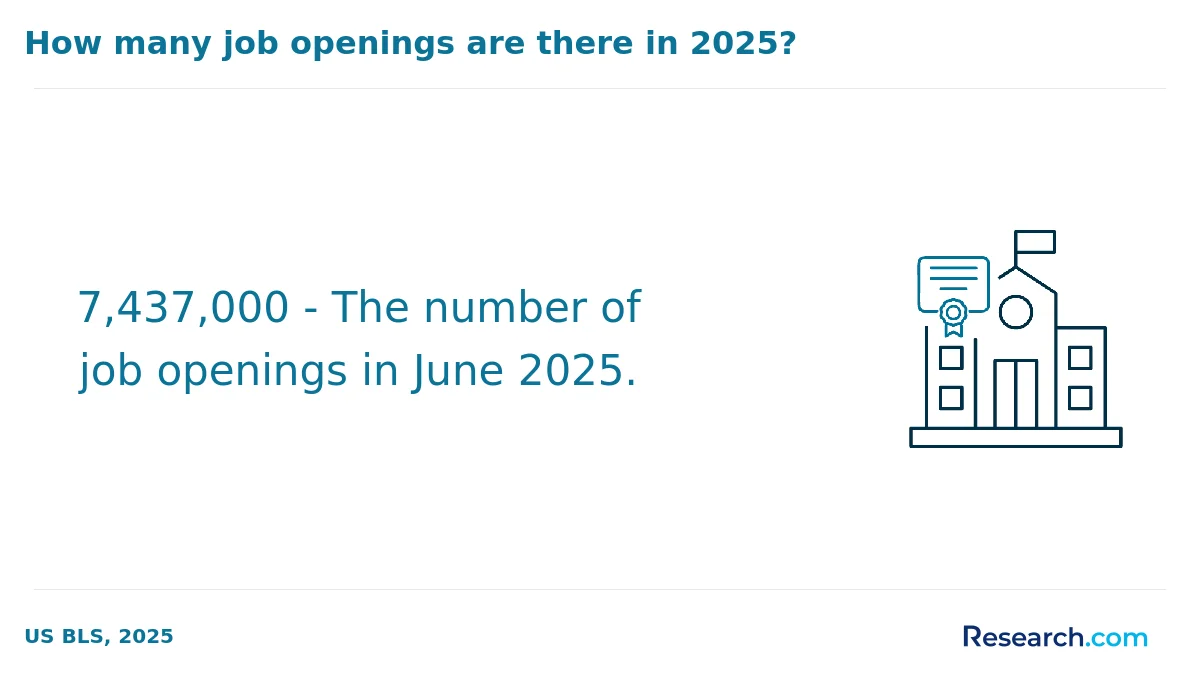
Many students pursuing associate degrees in San Francisco find financial aid essential for managing their education costs. Federal grants like the Pell Grant are a common lifeline, offered based on need, which students apply for annually through the Free Application for Federal Student Aid (FAFSA). For undocumented students or those meeting specific criteria, the California Dream Act Application (CADAA) opens crucial doors to support.
State grants such as the Cal Grant specifically help California residents attending schools like City College of San Francisco, providing additional relief. Graduates often recall the relief of receiving scholarships-many awarded automatically by institutions based on merit or background-allowing focus on studies without the burden of repayment.
Work-study programs at San Francisco's colleges allow students to earn while learning, offering part-time jobs on or off campus that help cover daily expenses. Those who navigated unexpected hardships, like sudden job loss, appreciated the option to petition for aid adjustments, reflecting the flexible support available locally.
Student loans remain a resource, but borrowers from San Francisco's programs often emphasize careful planning, noting federal loans' comparatively lower rates and manageable repayment terms. Keeping up satisfactory academic progress is key to sustaining all these aids, a commitment many graduates relate to from their own journey.
Enrolling in an associate degree program in San Francisco means meeting clear academic and experiential prerequisites that prepare you for success. Graduates from local schools often share how their firm grounding in core requirements gave them confidence to thrive.
At the foundation, every applicant must have a high school diploma or GED equivalent. Many associate programs ask California residents to have at least a 2.50 GPA in the A-G college preparatory courses, which include subjects like English, math, and lab sciences-essential building blocks that shape your readiness.
- Some graduates recall how placement tests in English and math helped identify areas to strengthen before starting their classes.
- For impacted programs, like nursing at San Francisco State University, students completed demanding prerequisites such as anatomy and chemistry, plus passed the TEAS exam with a score of 78 or higher.
- Others in allied health appreciated gaining hands-on experience through job shadowing, which boosted their motivation and practical skills.
Good academic standing and minimum GPAs (often 2.00 or higher) from any prior college work are common expectations, ensuring you are ready for rigorous curriculum. Many students value these prerequisites as stepping stones that build both knowledge and confidence to succeed in San Francisco's vibrant academic community.
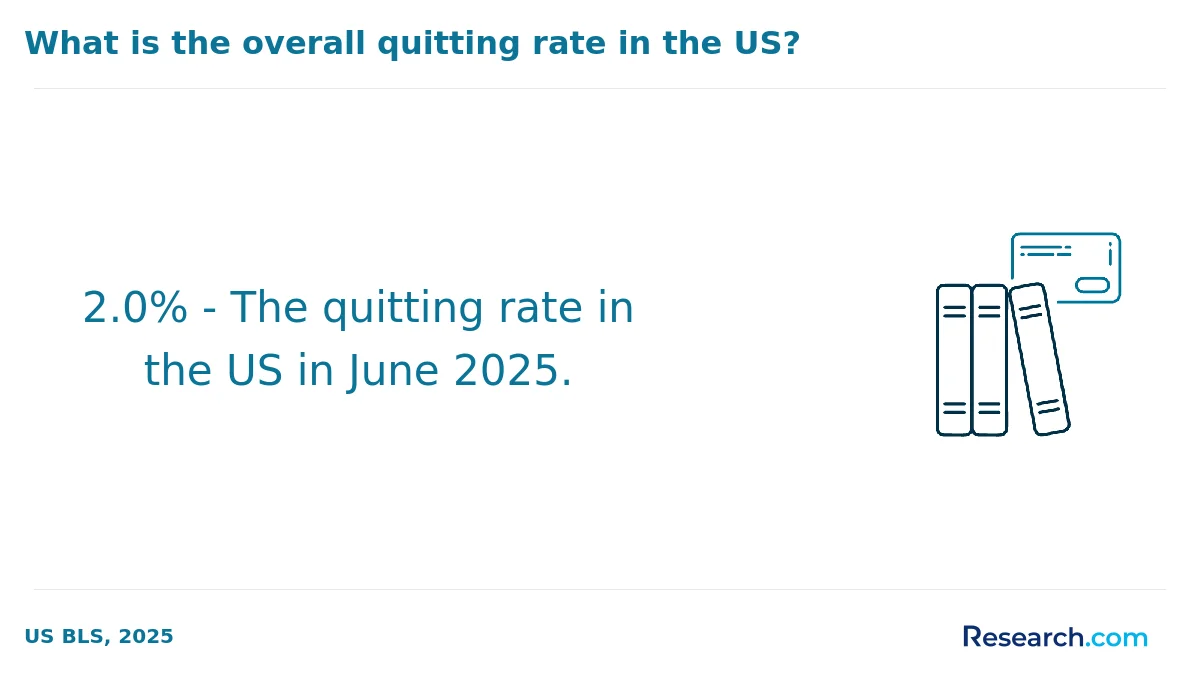
Associate degree programs in San Francisco consistently include a blend of general education and major-specific courses to build a well-rounded academic foundation. Students at institutions like City College of San Francisco often share that the general education requirements play a crucial role in their growth, encompassing areas such as:
- Communication and Analytical Thinking
- Written Composition and Information Competency
- Natural Sciences
- Social and Behavioral Sciences
- Humanities
- United States History and Government
- Health Knowledge and Physical Skills
- Ethnic Studies, Women's and Gender Studies, and LGBTQ+ Studies
These typical courses in San Francisco associate degree programs usually demand at least 3 semester units each, helping students build strong critical thinking and communication skills. Graduates often recall how these comprehensive general education requirements for associate degrees in San Francisco prepared them to engage confidently with diverse ideas and fields, a benefit especially valued by transfer students entering four-year universities.
Within their major, students pursue specialized courses tailored to their interests. For example, those studying sociology take classes like Social Inequality and Research Methods, while science majors focus on foundational courses such as General Biology and Calculus. Many find the program's flexibility engaging, enabling them to explore personal passions alongside academic goals.
For those seeking alternative options, researching easy associate degrees can provide additional pathways that balance workload and career aspirations effectively.
Choosing the best associate degree program in San Francisco means starting with accreditation and reputation, essentials to ensure your education is respected. Graduates from City College of San Francisco often share how their school's strong faculty and well-rounded curriculum boosted their confidence and job readiness. When assessing program offerings, consider how specialized tracks align with your ambitions; programs in nursing, technology, or accounting here offer hands-on learning that students praise for preparing them well in the local job market. Reflecting on how to compare associate degree costs in San Francisco, many find De Anza College's lower net price a crucial factor, easing financial concerns while still providing quality education.
Strong student support services make a notable difference. Graduates from Chabot College frequently mention accessible tutoring and career counseling that felt like personal lifelines during tough semesters. Acceptance rates in these community colleges tend to be open, yet some competitive programs require that extra push, motivating students to strive for success. For those curious about career paths beyond associate degrees, researching the highest paying masters can provide valuable perspective on long-term goals.
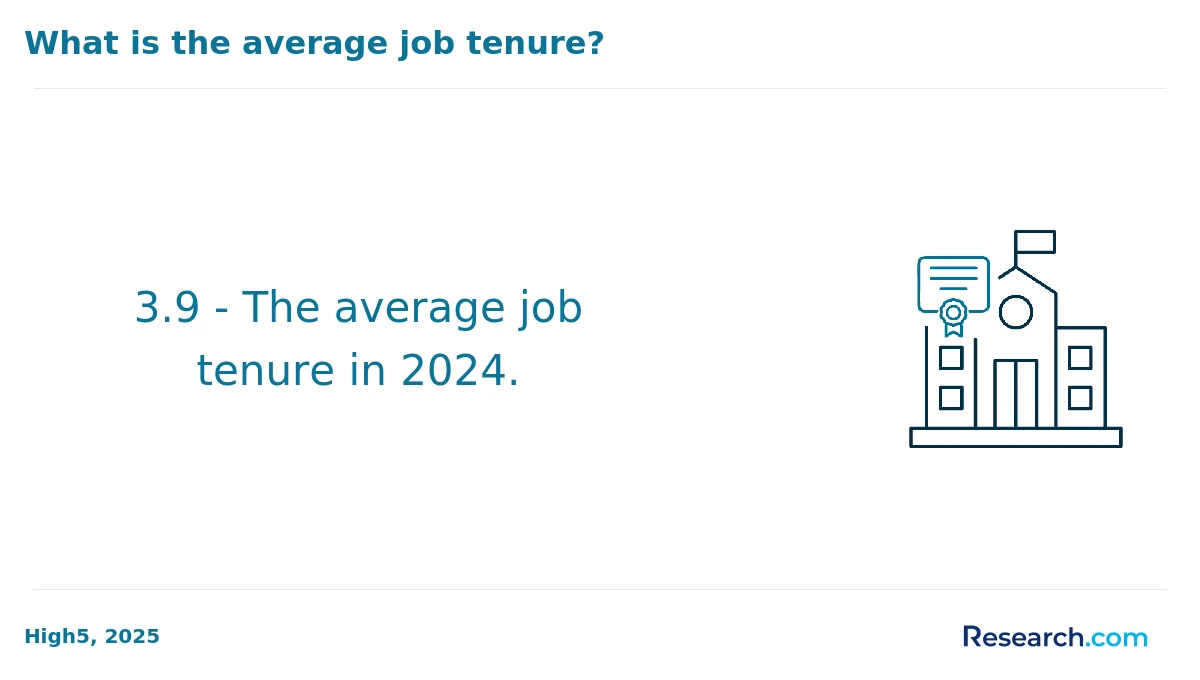
Associate degree graduates in San Francisco enjoy diverse career opportunities grounded in real-world skills developed at local institutions. Many find rewarding roles in administrative fields-office managers and executive assistants frequently share stories of how their training prepared them for the fast-paced environment of San Francisco businesses. The healthcare sector stands out as another vibrant path; graduates step into positions like medical office managers or patient advocates at prominent health centers, embracing both stability and growth.
For those exploring career opportunities with an associate degree in San Francisco, education and public service provide fulfilling experiences. Graduates often work as instructional assistants or program coordinators in community-focused organizations, feeling a genuine connection to the city's social fabric. Technology and business roles also remain promising; operations supervisors and research associates thrive thanks to the region's innovative atmosphere and robust demand for skilled talent.
Many graduates highlight the importance of combining their degree with local networking and continuing education, often pursuing further certifications. For those planning their educational journey, exploring the best accredited online colleges can open additional doors in San Francisco's competitive job market. The highest paying associate degree jobs in San Francisco typically reward dedication and relevant experience, reinforcing the degree's value in shaping a meaningful career.
The job market for associate degree graduates in San Francisco reflects vibrant opportunities across industries like healthcare, business, and technology. Graduates from well-known local colleges often find themselves quickly employed in roles such as Operations Supervisor or Program Coordinator, with average wages around $23.41 an hour, equating to roughly $48,690 annually. Many recall landing positions at established employers like UCSF Health, where their technical skills gained during school proved invaluable.
Real-life experiences show graduates finding steady work amid over 3,600 open positions for associate degree holders in the area. Their success is often tied to specialized skills that boost salary potential-Operations Administrative Assistants make about $57,174 yearly, surpassing the standard earnings. This dynamic reflects overall associate degree salary trends San Francisco employers value.
For those deciding on study paths, exploring options such as best double degrees can offer strategic advantages in this competitive market.
Best Associate Degree Programs - Leading Certification Courses in San Francisco for 2026
# 1 position
City College of San Francisco - Information Technology.
associateThe Information Technology program at City College of San Francisco offers a hybrid format with some distance-education options. It covers the design of technological information systems, including computer hardware, software, algorithms, databases, telecommunications, application testing, and human interface design. The program is accredited by the Western Association of Schools and Colleges Accrediting Commission for Community and Junior Colleges. Annual in-state tuition is $1,696.
# 2 position
City College of San Francisco - Computer Science.
associateThe Computer Science program at City College of San Francisco offers a hybrid format, combining in-person and distance-education options. It emphasizes computer theory, problem-solving, and system design from a scientific viewpoint. The curriculum covers computational science principles, programming, and practical applications. Annual in-state tuition is $1,696. The program is accredited by the Western Association of Schools and Colleges Accrediting Commission for Community and Junior Colleges.
# 3 position
City College of San Francisco - Computer Systems Networking and Telecommunications.
associateThe Computer Systems Networking and Telecommunications program at City College of San Francisco offers hybrid learning options, combining in-person and distance education. It trains students in designing, implementing, and managing linked computer systems, focusing on network management, security, and troubleshooting. The program includes instruction in operating systems, networking theory, and flow optimization. Annual in-state tuition is $1,696. It is accredited by the Western Association of Schools and Colleges Accrediting Commission for Community and Junior Colleges.
# 4 position
City College of San Francisco - Computer and Information Systems Security/Auditing/Information Assurance.
associateThe Computer and Information Systems Security/Auditing/Information Assurance program at City College of San Francisco offers a hybrid format with some distance-education options. It prepares students to evaluate computer and network security needs, implement safeguards, and manage security systems and audits. The curriculum covers programming, networking, cryptography, law, risk assessment, and investigation techniques. Annual in-state tuition is $1,696. The program is accredited by the Western Association of Schools and Colleges Accrediting Commission for Community and Junior Colleges.
# 5 position
City College of San Francisco - Legal Assistant/Paralegal.
associateThe Legal Assistant/Paralegal program at City College of San Francisco offers a hybrid format with some distance-education options. It prepares students to assist attorneys by performing research, drafting legal documents, and managing investigatory and administrative tasks. The curriculum includes legal research, courthouse procedures, and specialized legal topics. Annual in-state tuition is $1,696. The program is accredited by the Western Association of Schools and Colleges Accrediting Commission for Community and Junior Colleges.
# 6 position
City College of San Francisco - Criminal Justice/Law Enforcement Administration.
associateCity College of San Francisco offers a Criminal Justice/Law Enforcement Administration program with a hybrid format, providing some distance-education options. This program prepares students in management theories and practices specific to public law enforcement agencies, covering topics such as law enforcement history, operational leadership, labor relations, incident response, legal responsibilities, budgeting, and public relations. The program is accredited by the Western Association of Schools and Colleges Accrediting Commission for Community and Junior Colleges. Annual in-state tuition is $1,696.
# 7 position
City College of San Francisco - Criminal Justice/Police Science.
associateThe Criminal Justice/Police Science program at City College of San Francisco offers a hybrid format with some distance-education options. It prepares students for roles in law enforcement, including patrol, investigations, traffic and crowd control, evidence management, and report preparation. The program is accredited by the Western Association of Schools and Colleges Accrediting Commission for Community and Junior Colleges. Annual in-state tuition is $1,696.
# 8 position
City College of San Francisco - Automobile/Automotive Mechanics Technology/Technician.
associateThe Automobile/Automotive Mechanics Technology/Technician program at City College of San Francisco offers a hybrid format with some distance-education options. It prepares students to repair, service, and maintain various automobile systems, including brakes, electrical, engines, transmissions, and heating/air conditioning. The program is accredited by the Western Association of Schools and Colleges Accrediting Commission for Community and Junior Colleges. Annual in-state tuition is $1,696.
# 9 position
City College of San Francisco - Interior Design.
associateThe Interior Design program at City College of San Francisco offers a hybrid format with some distance-education options. It prepares students in applied visual arts for planning, designing, and furnishing interior spaces in residential and commercial settings. The curriculum covers computer applications, drafting, lighting, acoustics, furniture, textiles, design history, building codes, and systems integration. Annual in-state tuition is $1,696. The program is accredited by the Western Association of Schools and Colleges Accrediting Commission for Community and Junior Colleges.
# 10 position
City College of San Francisco - Dental Assisting/Assistant.
associateThe Dental Assisting/Assistant program at City College of San Francisco offers a hybrid learning format with some distance education options. It prepares students to provide patient care, take dental radiographs, assist chairside, and manage office administrative tasks under supervision. The curriculum covers medical record-keeping, scheduling, equipment maintenance, sterilization, and supervised practice. Annual in-state tuition is $1,696. The program is accredited by the Western Association of Schools and Colleges Accrediting Commission for Community and Junior Colleges.
Frequently Asked Questions about associate degree programs
Preparing for the job market after earning an associate degree in San Francisco involves a combination of strategic career planning and practical skill development. Local data from the California Employment Development Department shows that many associate degree holders find jobs in healthcare, technology, and business sectors. To increase employment chances, students should engage in internships or apprenticeships available through San Francisco community colleges.
Building a strong resume that highlights both academic achievements and relevant work experience is crucial. Networking through local job fairs and professional groups like those hosted by the San Francisco Chamber of Commerce can provide valuable connections. Additionally, obtaining industry-recognized certifications alongside the degree enhances competitiveness in the local job market.
Employers in San Francisco highly value associate degree graduates with strong technical and interpersonal skills that match the city's diverse job market. According to a 2023 report by the National Skills Coalition, proficiency in digital literacy and software relevant to industries like healthcare, IT, and business are essential. Employers also emphasize problem-solving and critical thinking abilities, as these skills enable graduates to adapt quickly in fast-changing work environments.
A survey by Burning Glass Technologies highlights communication skills as a top requirement, with 90% of job postings seeking clear verbal and written capabilities. Teamwork and time management are also frequently mentioned, reflecting San Francisco's collaborative work culture. Finally, many employers prefer candidates with some hands-on experience or certifications related to their field, enhancing practical job readiness.
Finding internships in San Francisco related to your associate degree program involves several practical steps. Begin by leveraging your college's career center, which often partners with local employers to offer internship opportunities tailored to your field.
San Francisco hosts numerous industries such as technology, healthcare, and business, which collectively offer thousands of internships annually. According to the National Association of Colleges and Employers (NACE), around 60% of local internships are offered by small to medium-sized enterprises, emphasizing the importance of exploring diverse companies.
Additionally, online platforms like Handshake, LinkedIn, and specific San Francisco-based job boards provide curated internship listings aligned with various associate degrees.
Networking events and local career fairs are also valuable for direct employer engagement, boosting your chances of securing a relevant internship.
In San Francisco, earning an associate degree can significantly improve career mobility and advancement opportunities. According to the National Center for Education Statistics, individuals with associate degrees in California earn about 15% more annually than those with only a high school diploma. This degree often serves as a gateway to middle-skill jobs in growing sectors like healthcare, technology, and business services, which are prevalent in the San Francisco Bay Area.
Many employers in the region value associate degrees for their blend of practical skills and foundational knowledge. Furthermore, these programs often provide transferable credits toward bachelor's degrees, supporting long-term career growth. Data from the California Community Colleges Chancellor's Office shows that nearly 60% of associate degree graduates in San Francisco continue to pursue higher education or advance within their fields, highlighting its role in professional development.
Part-time job opportunities in San Francisco can effectively complement associate degree education by offering relevant work experience and income. Healthcare roles such as medical assistants or pharmacy technicians align with health-related associate degrees and are in high demand locally, with the Bureau of Labor Statistics projecting a 16% job growth through 2030. Technology students often find roles like IT support specialists or web developers helpful, benefiting from the city's strong tech industry presence.
Retail and customer service jobs also provide flexible hours, aiding students balancing work and study. According to the San Francisco Office of Economic and Workforce Development, part-time employment rates among college students have steadily increased, emphasizing availability. These positions allow students to apply communication and organizational skills gained during their studies.
To find the best degree program near me in San Francisco, CA, consider researching reputable universities and colleges in the area that offer programs aligned with your academic interests. Utilize resources like Research.com to compare program rankings and outcomes to assist in making an informed decision. Additionally, attending open house events or contacting admissions offices directly can provide insight into campus facilities and faculty expertise.
- Best Trade School & Training Programs - Leading Certification Courses in Los Angeles for 2026
- Best Trade School & Training Programs - Leading Certification Courses in Walla Walla for 2026
- Best Trade School & Training Programs - Leading Certification Courses in Kyle for 2026
- Best Trade School & Training Programs - Leading Certification Courses in Emporia for 2026
- Best Trade School & Training Programs - Leading Certification Courses in Springfield for 2026
- Best Trade School & Training Programs - Leading Certification Courses in Little Rock for 2026
- Graduate Application and Admissions Procedures | San Francisco State University Bulletin https://bulletin.sfsu.edu/graduate-education/admissions/
- San Francisco Job Market & Labor Force Summary | Acara https://acarasolutions.com/resources/labor-force-summaries/san-francisco/
- Get Experience | Career & Leadership Development https://career.sfsu.edu/get-experience
- Cost of Attendance - Academy of Art University https://www.academyart.edu/finances/cost-of-attendance/
- Nces - Ipeds https://nces.ed.gov/ipeds/
- Work Experience Courses | CCSF https://www.ccsf.edu/academics/schools/business-fashion-hospitality/fashion-department/work-experience-courses
- Online Associate’s Degree Programs (AS and AAS) - Purdue Global https://www.purdueglobal.edu/degree-programs/associates-degrees/
- Online Associate Degree Programs https://www.ashworthcollege.edu/associate-degrees/
- Options for Students with an Associate Degree | LSU Online https://online.lsu.edu/newsroom/articles/what-can-i-do-after-earning-associate-degree/
- What Are Employers Looking for When Reviewing College Students’ Resumes? https://www.naceweb.org/talent-acquisition/candidate-selection/what-are-employers-looking-for-when-reviewing-college-students-resumes