Best Associate Degree Programs - Leading Certification Courses in North Carolina for 2026

Co-Founder and Chief Data Scientist
Choosing the right associate degree program in North Carolina can feel overwhelming, but this article is here to guide you. We've compiled a detailed ranking created by the Research.com team of data scientists to help you identify the best trade school programs worth your consideration.
Discover programs that align with your goals and unlock opportunities for a fulfilling career. An associate degree offers valuable skills and a strong foundation for personal growth. Reading this will empower you to make a well-informed and confident decision about your education path.
Key benefits of associate degrees in North Carolina
- Associate degree graduates in North Carolina can earn between $34,500 and $63,930 annually, with healthcare roles like physical therapist assistants earning as much as $63,930 per year, which is a great boost compared to a high school diploma.
- Popular career paths include business administration, nursing, IT, and allied health, with graduates from colleges such as Beaufort County Community College and North Carolina State University seeing competitive starting salaries.
- Getting an online associate degree offers flexible learning, allowing students to balance work and study, making education accessible to many who might not attend traditional on-campus programs.
- Best Associate Degree Programs - Leading Certification Courses in North Carolina for 2026
- What can I expect from associate degree programs in North Carolina?
- Where can I work after finishing associate degree programs in North Carolina?
What can I expect from associate degree programs in North Carolina?
Tuition for an associate degree in North Carolina often hovers around $4,000 to $6,000 per year at community colleges, making the total cost for a typical two-year program approximately $8,000 to $12,000. Graduates from places like Central Piedmont or Wake Technical College recall balancing tight budgets while stretching every scholarship dollar and financial aid opportunity.
Imagine navigating vibrant campuses where classes blend hands-on labs, interactive lectures, and real-world clinical experiences-especially in popular programs like nursing or applied sciences. Many students find the investment worthwhile, as programs integrate soft skills like communication with technical training, leaving them confident walking across stage or stepping into the workforce.
Personal stories echo excitement about the Comprehensive Articulation Agreement, which transforms affordable credits into smooth transfers to UNC-CH or NC State, saving thousands more down the road. The real win? Feeling supported by advisors and peers while knowing you're paying far less than four-year tuition, yet gaining a foundation equally strong.
Where can I work after finishing associate degree programs in North Carolina?
Graduates from associate degree programs in North Carolina often find themselves stepping confidently into bustling hospitals, where roles like dental hygienists or respiratory therapists keep healthcare humming smoothly. Imagine a recent graduate from Wake Tech navigating a radiologic technician position, proud to play a crucial part in patient care every day. The technical trades buzz just as loudly-think of a former student from Central Piedmont Community College troubleshooting IT glitches or supporting manufacturing lines, their skills valued by local employers eager to embrace both experience and formal training.
Business offices across Raleigh and Charlotte are filled with voices of associate degree holders managing invoicing or administrative tasks, celebrating wages higher than many expect-such as those technical administrative assistants earning over $42K annually. Meanwhile, some graduates find themselves actively shaping communities in justice or education support roles, fueled by a desire to make a real difference in neighborhoods from Asheville to Wilmington.
From state agencies to corporate offices, the flexibility of an associate degree in North Carolina transforms aspirations into rewarding careers grounded in practical, in-demand skills.
After finishing an associate degree program in North Carolina, many grads find themselves stepping into jobs that pay quite well-especially those who went into business, healthcare, or tech fields. For example, an associate business degree holder in North Carolina can expect to earn around $53,269 annually, roughly $25.61 an hour. That's a solid start when you think about paying bills or saving for fun stuff. Some graduates from North Carolina State University share stories of beginning their careers making about $38,392, while others from Johnson & Wales University - Charlotte start closer to $27,514 but quickly move up as experience builds.
Imagine working as a dental hygienist making $94,260 a year-these numbers aren't just figures; they represent real opportunities for grads in healthcare fields. Diagnostic medical sonographers and respiratory therapists in the state also pull comfortable salaries, showing that specialized skills pay off. Even those stepping into roles like air traffic controllers or nuclear technicians nationally are raking in six-figure paychecks, proving the value of an associate's degree.
- Jasmine: Earning my Associate Degree in Nursing from a North Carolina community college was a game-changer. The hands-on training and supportive instructors prepared me for real-world challenges. Now, I'm proud to work in a local hospital, helping patients daily. Trade schools truly offer practical, career-ready education.
- Marcus: Getting my Associate Degree in Automotive Technology at a Raleigh trade school was the best decision I made. The classes were intense but rewarding-learning from experienced pros gave me skills I use daily. I landed a great mechanic job with a top dealership, and I love what I do!
- Elena: My Associate Degree in Graphic Design opened doors I hadn't imagined. Studying at a North Carolina art-focused tech school let me develop my creativity and tech skills simultaneously. The small classes felt personalized, and now I'm happily employed at an advertising agency where I thrive every day.
- Most associate degree programs require a high school diploma or GED and official transcripts; competitive programs like nursing may need prerequisite courses and entrance exams such as the ATI TEAS with a minimum score of 58.7%.
- A minimum weighted GPA of 2.5 is generally required, with standardized test scores needed for GPAs between 2.5 and 2.8; ACT scores must be at least 17 and SAT scores at least 930 starting Fall 2026.
- Tuition and fees for in-state students at public community colleges range from $2,500 to $3,000 per year, excluding books and living expenses, with programs designed for completion in two years.
- Applicants aged 21 or older or with 24+ transferable credits may be exempt from some freshman admission requirements.
- Starting salaries for associate degree holders in fields like nursing range from $55,000 to $60,000 annually, with dental hygienists, respiratory therapists, and IT roles earning between $50,000 and $70,000 per year.
In North Carolina, diving into an associate degree program usually means committing to about two years of full-time study, often split across four semesters. Think of it like running a relay race where each semester hands off knowledge smoothly-students chasing an Associate in Arts (AA) or Associate in Science (AS) generally cross the finish line after earning around 60 to 61 credit hours. Meanwhile, those pursuing an Associate in Applied Science (AAS) might clock in closer to 76 credit hours, requiring a bit more endurance but offering rewarding skills for the job market.
Picture a graduate from a well-known community college near Raleigh, balancing evening classes and weekend study sessions, who still manages to finish on time because the course load fits their rhythm. Yet, not everyone sprints through; many part-time students, juggling jobs or family, pace themselves slower, stretching the journey beyond two years without losing hope.
Trade schools in North Carolina even offer quicker routes-diploma programs often wrap up in just 1 to 1.5 years, with certificates sometimes done in under a year, perfect for those eager to jump into a new career fast.
Imagine waking up and logging into your classroom from a cozy spot in your own home. That's the reality for online associate degree students at places like UNC Wilmington or Surry Community College, where the curriculum matches the on-campus experience but fits around your life. You're not tied to a schedule; classes are often asynchronous, perfect for juggling work, family, or both. One graduate shared how this flexibility allowed them to study late nights after their kids were asleep, appreciating the financial relief from in-state online tuition of just $185 per credit.
On the flip side, picture walking across a lively campus at central community colleges in North Carolina, hand in hand with peers, surrounded by buzzing libraries and labs. On-campus students soak in face-to-face interactions, instant feedback, and hands-on learning that's tough to replicate online. Those moments-whether it's a sudden question in class or joining a campus career fair-bring a sense of belonging and engagement that fuels motivation.
Both paths lead to the same accredited associate degree, but the vibe and daily rhythm couldn't be more different, depending on your personal needs and dreams.
Imagine enrolling in an associate degree program in North Carolina and paying anywhere between $2,500 and $7,200 in tuition when studying online or on-campus as an in-state student. That's the sweet spot for many graduates from well-known community colleges and public universities across the state. Take a typical associate degree-usually around 60 credits-where tuition per credit can range from a budget-friendly $42 at Fayetteville State University to $120 at North Carolina A&T State University. For an online learner, these prices mean balancing a solid education with manageable costs, transforming dreams into realities without breaking the bank.
When researching the average cost of associate degree in North Carolina, students often share the relief of finding schools that offer lower tuition rates paired with mandatory fees that add just a few hundred dollars yearly. This makes handling total expenses less daunting-especially when combined with scholarships or monthly payment plans. One graduate recalls how these options allowed them to focus more on studies and less on financial stress, feeling empowered throughout their journey.
Out-of-state students have a different story, often facing tuition above $35,000. But for local North Carolina residents, attending a public community college puts affordability front and center. With a variety of in-state options, it's no wonder so many choose local institutions to earn quality education at a sensible price.
For those eager to speed up their path or explore flexible options, checking out an associate degree in 6 months accredited might open new doors without excessive cost.
Imagine attending Wake Technical Community College or Central Piedmont with tuition fully covered, thanks to the Next NC Scholarship. Many graduates recall the relief of seeing their $3,000 yearly award not only wipe out tuition but also ease the burden of books, food, and housing costs. It's a game-changer for those with household incomes under $80,000, and it all starts by simply completing the FAFSA-no extra paperwork needed.
Then there's the Federal Pell Grant, a beacon for students demonstrating financial need without a bachelor's degree. One graduate shared how Pell boosted their budget, covering supplies and textbooks that might otherwise have been out of reach.
Part-time learners at schools like Cape Fear Community College breathe easier with the Less Than Half-Time Grant, designed just for them. And Federal Supplemental Educational Opportunity Grants plus work-study opportunities create more financial breathing room, especially if you're already a Pell recipient.
This mix of federal and North Carolina-specific aid programs transforms the dream of an affordable associate degree into reality for many local students.
Ready to join an associate degree program in North Carolina? First, you'll need that trusty high school diploma or GED in your backpack. Most programs, especially public ones like those in the University of North Carolina System, expect a minimum weighted GPA of 2.5 to get you through the door. Imagine a recent graduate nervously checking their GPA, knowing that hitting 2.5 or above means they're one step closer to their dream career.
But if your GPA hovers just between 2.5 and 2.8, don't sweat it-you'll just need to show off standardized test scores like an ACT score of 17 or a SAT score of 930. Some veterans, seasoned learners with 24+ college credits, or anyone 21 and older get a break from these numbers altogether.
Check out nursing hopefuls at Isothermal Community College, where a minimum unweighted GPA of 2.5 and a solid 60+ on the ATI TEAS exam are non-negotiable. Graduates often recall how this test sharpened their skills in reading, science, and English, preparing them for real-world challenges.
- Submit transcripts, both high school and college, if you're a transfer or applying to specialized programs.
- Expect an application fee and the chance to meet an advisor who can guide your path.
All this might sound like hurdles, but past students celebrate how these steps boosted their confidence, guiding them to not just enrollment, but success in vibrant North Carolina classrooms.
Students diving into associate degree programs in North Carolina quickly find themselves immersed in a carefully crafted curriculum that balances purpose and passion. The backbone? General education courses in North Carolina associate degree programs, centered around the Universal General Education Transfer Component (UGETC) with about 31-32 hours of core classes. Graduates often describe the English Composition classes as eye-opening, sharpening their writing and speaking skills in ways that empower both academic and everyday conversations.
These programs also wrap in common classes for associate degrees in North Carolina like humanities, social sciences, and natural sciences. Imagine sitting in a philosophy class one day and a chemistry lab the next-many grads from regional community colleges find this blend sparks curiosity and critical thinking.
- English Composition: polished communication skills
- Humanities and Fine Arts: exploring culture and creativity
- Social and Behavioral Sciences: understanding society and behavior
- Natural Sciences and Math: building scientific and quantitative confidence
Beyond rigid requirements, electives personalize the journey-whether it's business or education, students shape their path. Basic computer skills and college success courses also sneak in, preparing students for what's ahead. Maintaining a "C" or better with an overall 2.0 GPA is key to transferring smoothly to North Carolina public universities thanks to the North Carolina Comprehensive Articulation Agreement.
Many students, inspired by the promise of academic growth yet curious about future research potential, occasionally explore options like the easiest phd degree programs.
Choosing the best associate degree programs in North Carolina means scouting beyond glossy brochures. Picture yourself at Beaufort County Community College, where graduates rave about a tight-knit 8:1 student-to-faculty ratio that feels more like personalized coaching than anonymous lectures. That kind of environment can turn confusion into confidence, especially when instructors know your name and cheer your growth.
Now, affordability matters, too. Imagine attending McDowell Technical Community College, where tuition dips as low as $1,958 in-state. Graduates there often highlight how financial peace of mind lets them focus on learning without the cloud of debt. For those seeking the cheapest online associate degree options or simply affordable associate degrees North Carolina offers, programs like this deliver both budget and quality.
Look at job and graduation stats from places like Edgecombe Community College-championing a 58% graduation rate-as clues to programs that don't just enroll but also propel students toward success. When you weave in accreditation and board approvals, like Johnston Community College's nursing program, your choice shifts from promising to proven.
North Carolina's vibrant economy opens up exciting career options with an associate degree in North Carolina, transforming classrooms at community colleges into launchpads for success. Graduates from popular schools often share stories of stepping into roles like dental hygienist or radiologic technologist, thriving in healthcare jobs that feel both meaningful and financially rewarding. Imagine starting your day helping patients breathe easier as a respiratory therapist, or supporting a tech team as a user support specialist in buzzing Raleigh offices embracing the digital age.
Fastest growing associate degree jobs North Carolina-wise span several dynamic sectors:
- Healthcare roles like physical therapist assistants that offer hands-on patient impact and room for advancement
- Business pathways, where grads dive into accounting or marketing support, kicking off vibrant careers linked to North Carolina's bustling commerce hubs
- Public safety positions including corrections and law enforcement, ideal for those wanting a stable job with a protective purpose
- Technical IT support within diverse industries adapting to rapid digital growth
Associate degree programs in North Carolina often match local workforce needs, turning education into tangible career steps. Many who start here aim high, progressing beyond basics by exploring options like the shortest online phd programs, blending convenience with ambition. This layered approach makes the career journey feel personal, empowering, and perfectly tuned to the state's economic pulse.
The job market for associate degree graduates in North Carolina is buzzing with opportunity. Graduates from popular institutions such as central community colleges often step directly into roles like dental hygienist or respiratory therapist, finding themselves in high demand across the state's healthcare and IT sectors. These graduates report feeling optimistic, especially as local employers increasingly prioritize skill sets over just formal degrees, opening doors wider than ever before.
Salary-wise, Charlotte-based graduates commonly see starting figures near $40,365 annually, climbing to around $60,556 with experience-a tangible reward for their dedication. The state's push for skills-based hiring means many government jobs also welcome associate degree holders, expanding options for those who want to serve their communities.
Here's what many recent grads experience firsthand:
- Exciting entry-level jobs that value practical skills
- Growing industries like IT and healthcare eager to fill roles
- Competitive wages that reflect rising demand
For those navigating this landscape, combining education from skilled institutions with networking and internships pays off. Considering a low cost online bachelor's degree after an associate degree can also boost prospects in North Carolina's dynamic job market for associate degree graduates in North Carolina.
Best Associate Degree Programs - Leading Certification Courses in North Carolina for 2026
# 1 position
Cape Fear Community College - Electrician.
associateCape Fear Community College offers a Hybrid Electrician program that trains students to install, operate, maintain, and repair electric apparatus and systems including residential, commercial, and industrial wiring. The curriculum covers electronics, wiring, power transmission, safety, electrical testing, inspection, and relevant codes. The annual in-state tuition is $2,748. The program is accredited by the Southern Association of Colleges and Schools Commission on Colleges.
# 2 position
Durham Technical Community College - Opticianry/Ophthalmic Dispensing Optician.
associateDurham Technical Community College offers a hybrid Opticianry/Ophthalmic Dispensing Optician program that prepares students to fit corrective eyewear and assist patients in frame selection. The curriculum covers optics, eye anatomy, prescription interpretation, and contact lens fitting. Annual in-state tuition is $1,986. Graduates earn a median of $61,860 one year after completion. The program is accredited by the Southern Association of Colleges and Schools Commission on Colleges.
# 3 position
Johnston Community College - Diagnostic Medical Sonography/Sonographer and Ultrasound Technician.
associateJohnston Community College offers a Diagnostic Medical Sonography/Sonographer and Ultrasound Technician program with a hybrid format that includes some distance education. The program trains students to use ultrasound technology under physician supervision to collect and analyze sonographic data for diagnosing various conditions. It covers patient care, data processing, equipment operation, and professional ethics. Annual in-state tuition is $2,657, and median earnings one year after completion are $52,281. The program is accredited by the Southern Association of Colleges and Schools Commission on Colleges.
# 4 position
Central Piedmont Community College - Electrician.
associateThe Electrician program at Central Piedmont Community College is a hybrid course designed to prepare students to install, operate, maintain, and repair electrical systems in residential, commercial, and industrial settings. It covers electronics, power transmission, safety, job estimation, and applicable codes. The annual in-state tuition is $2,792. The program is accredited by the Southern Association of Colleges and Schools Commission on Colleges.
# 5 position
Southwestern Community College - Diagnostic Medical Sonography/Sonographer and Ultrasound Technician.
associateSouthwestern Community College offers a Diagnostic Medical Sonography/Sonographer and Ultrasound Technician program with a hybrid format, including some distance education. The program trains students to use medical ultrasound techniques for diagnosing various conditions under physician supervision. Instruction covers patient care, sonographic data collection, equipment operation, and professional ethics. Annual in-state tuition is $5,806. Graduates earn a median salary of $48,233 one year after completion. The program is accredited by the Southern Association of Colleges and Schools Commission on Colleges.
# 6 position
Wayne Community College - Accounting.
associateWayne Community College offers an Accounting program designed to prepare students for careers in accounting and related business functions. The curriculum covers accounting principles, financial and managerial accounting, auditing, tax accounting, and ethical standards. The program costs $2,524 annually for in-state tuition. Graduates have a median earning of $32,979 one year after completion. It is accredited by the Southern Association of Colleges and Schools Commission on Colleges.
# 7 position
Nash Community College - Physical Therapy Assistant.
associateThe Physical Therapy Assistant program at Nash Community College offers a hybrid format with some distance-education options. It prepares students to assist physical therapists by implementing treatment plans, training patients, and documenting progress. The curriculum covers anatomy, physiology, biomechanics, neuroscience, and professional ethics. Annual in-state tuition is $2,883. Graduates earn a median salary of $38,589 one year after completion. The program is accredited by the Southern Association of Colleges and Schools Commission on Colleges.
# 8 position
Wilkes Community College - Automobile/Automotive Mechanics Technology/Technician.
associateWilkes Community College offers a hybrid program in Automobile/Automotive Mechanics Technology/Technician that prepares students to repair, service, and maintain various automobile systems. Instruction covers brake, electrical, engine performance and repair, suspension, steering, transmissions, and heating and air conditioning systems. The in-state annual tuition is $2,572. Graduates have median earnings of $27,564 one year after completion. The program is accredited by the Southern Association of Colleges and Schools Commission on Colleges.
# 9 position
Caldwell Community College and Technical Institute - Diagnostic Medical Sonography/Sonographer and Ultrasound Technician.
associateThe Diagnostic Medical Sonography/Sonographer and Ultrasound Technician program at Caldwell Community College and Technical Institute offers a hybrid format with some distance education options. It prepares students to use ultrasound techniques for diagnosing medical conditions under physician supervision. The program includes training in patient care, data processing, and professional ethics. Annual in-state tuition is $2,537. Graduates earn a median salary of $52,283 one year after completion. The program is accredited by the Southern Association of Colleges and Schools Commission on Colleges.
# 10 position
Wilkes Community College - Information Technology.
associateWilkes Community College offers a hybrid Information Technology program focusing on designing technological information systems to support business and research data needs. The curriculum covers computer hardware and software, algorithms, databases, telecommunications, user tactics, application testing, and human interface design. The annual in-state tuition is $2,572. The program is accredited by the Southern Association of Colleges and Schools Commission on Colleges.
Frequently Asked Questions about associate degree programs
Preparing for the job market after completing an associate degree in North Carolina involves strategic steps to maximize employment opportunities. Many graduates benefit from connecting with their community college's career services, which often provide resume workshops, interview preparation, and job fairs tailored to local employers. According to the North Carolina Community College System, approximately 65% of associate degree graduates find employment within their field within six months of graduation.
Developing relevant technical skills and obtaining industry certifications alongside the associate degree can enhance job readiness. Networking through internships or cooperative education programs offered by many colleges further strengthens practical experience. Staying informed about labor market trends in North Carolina's growing sectors, such as healthcare and information technology, helps graduates align their skills with demand.
Employers in North Carolina highly value associate degree graduates who demonstrate strong technical and transferable skills. According to the North Carolina Department of Commerce, proficiency in communication, problem-solving, and teamwork are among the top soft skills sought by local employers. Technical skills related to specific industries, such as healthcare, information technology, and manufacturing, also rank prominently.
Research by the National Skills Coalition highlights that 70% of jobs requiring an associate degree expect workers to have applied technical skills, like data management or machinery operation. Additionally, digital literacy and adaptability to new technologies continue to be critical for entry-level workers in North Carolina's evolving job market.
Finding internships in North Carolina that align with your associate degree program involves multiple strategic steps. First, utilize the career services at your community college or technical school, as many North Carolina institutions maintain partnerships with local employers.
Online resources such as the North Carolina Department of Commerce's NCWorks platform offer thousands of listings for internship opportunities statewide. According to NCWorks, more than 5,000 internship positions are posted annually across industries like healthcare, technology, and manufacturing.
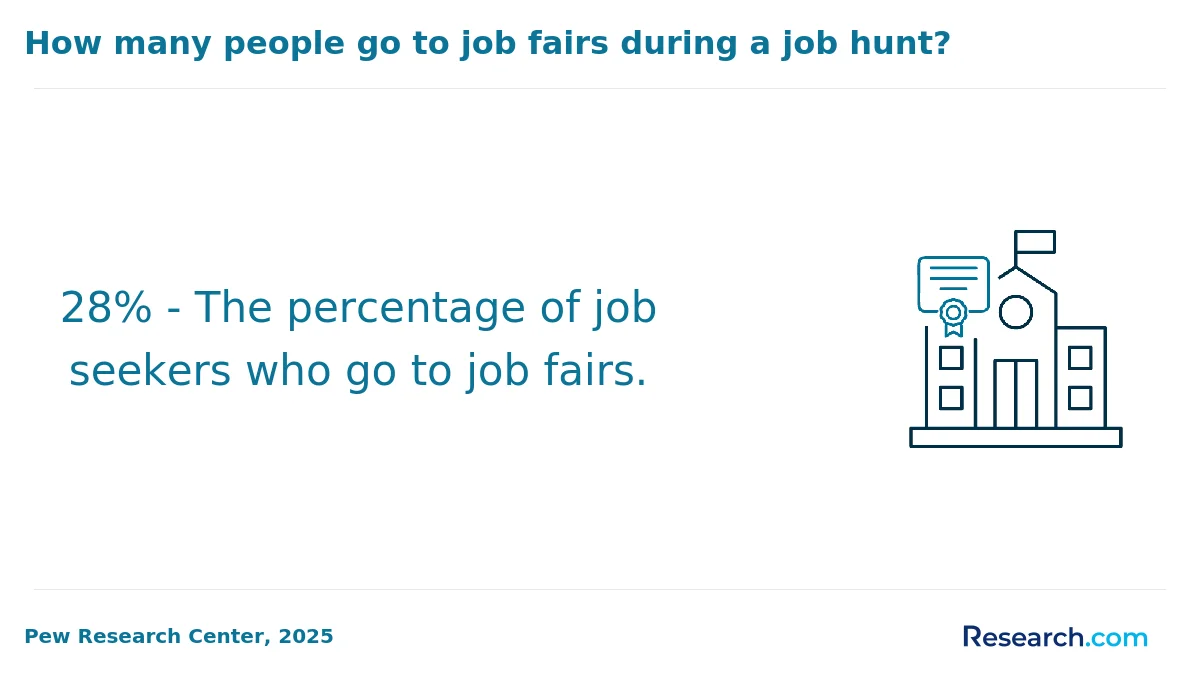
Networking is also crucial. Attending job fairs, industry conferences, and local Chamber of Commerce events can connect you with potential employers. Additionally, consider reaching out directly to businesses known for hiring interns in your field.
An associate degree in North Carolina plays a significant role in career mobility and advancement by providing foundational skills valued across many industries. According to the North Carolina Community College System, more than half of the state's workforce can benefit from the technical training and credentials associate degrees offer.
Professionals with an associate degree often see higher employment rates and increased earnings compared to those with only a high school diploma. Data from the U.S. Bureau of Labor Statistics indicates that associate degree holders earn approximately 20% more annually on average.
This credential also opens pathways for advancement within companies, especially in healthcare, IT, and manufacturing sectors, which are strong in North Carolina. Many employers view the degree as proof of job readiness and specialization.
Part-time job opportunities in North Carolina can effectively complement associate degree education by providing practical experience and financial support. Fields like healthcare, information technology, and business offer numerous part-time roles for students. According to the North Carolina Department of Commerce, healthcare support occupations, such as medical assistants and pharmacy technicians, are expected to grow by over 15% through 2028. These jobs align well with associate degrees in health sciences. Additionally, IT support roles and administrative assistant positions provide relevant experience for technical and business programs. Engaging in part-time work helps students apply classroom knowledge and improve their resumes.
Yes, North Carolina offers a range of reputable degree programs across various fields, available in both public and private universities. For those looking for options near North Carolina, programs in fields like engineering, nursing, and business are notably well-regarded. To find the best degree program near me, consulting platforms like Research.com can provide valuable insights into program rankings and specialties based on your specific location and interests.
- Best Associate Degree Programs - Leading Certification Courses in Tennessee for 2026
- Best Associate Degree Programs - Leading Certification Courses in Maryland for 2026
- Best Associate Degree Programs - Leading Certification Courses in Alabama for 2026
- Best Associate Degree Programs - Leading Certification Courses in Delaware for 2026
- Best Associate Degree Programs - Leading Certification Courses in Arkansas for 2026
- Best Associate Degree Programs - Leading Certification Courses in Louisiana for 2026
- Best Associate Degree Programs - Leading Certification Courses in Indiana for 2026
- Best Associate Degree Programs - Leading Certification Courses in Missouri for 2026
- Best Associate Degree Programs - Leading Certification Courses in Illinois for 2026
- Best Associate Degree Programs - Leading Certification Courses in Oklahoma for 2026
- Explore the Different types of Credentials. | GEAR UP https://gearup.wa.gov/student-credentials
- Associate in Arts | Central Piedmont https://www.cpcc.edu/programs/associate-in-arts
- Associate in Science Degree - Coastal Carolina Community College https://coastalcarolina.edu/academics/programs/college-transfer/as/
- Associate in Arts (A.A.) - Isothermal Community College https://isothermal.edu/academics/associate-in-arts-a.a./index.html
- Understanding Requirements and Careers after an Associate Degree https://leapscholar.com/blog/requirements-and-careers-after-an-associate-degree/
- Finding a Job | nc.gov https://www.nc.gov/working/finding-job
- Traditional vs Online Degrees 2025: Which One is Better for You? https://www.pw.live/online-degree/exams/traditional-vs-online-degree
- Career Fields | Wake Tech https://www.waketech.edu/programs-courses/fields
- Saving the Associate of Arts Degree: How an A.A. Degree Can Become a Better Path to Labor Market Success | American Enterprise Institute - AEI https://www.aei.org/research-products/report/saving-the-associate-of-arts-degree-how-an-a-a-degree-can-become-a-better-path-to-labor-market-success/
- Employment Projections | NC Commerce https://www.commerce.nc.gov/data-tools-reports/labor-market-data-tools/employment-projections