
Best Certificate Programs - Leading Certification Courses in Decatur for 2026

Co-Founder and Chief Data Scientist
Choosing the right trade school certificate program in Decatur can shape your future career and open doors to exciting opportunities. This article introduces a carefully crafted ranking of the best trade school certificate programs, developed by the Research.com team of data scientists. Their goal is to help you make an informed decision that fits your goals and lifestyle.
Exploring these programs can boost your skills, increase job prospects, and offer a rewarding path without the lengthy commitment of traditional degrees. Take a step closer to your dream career today!
Key benefits of getting trade school certificate in Decatur
- Great earning potential: Trade school graduates in Decatur can earn between $45,000 and $70,000 annually, with careers like HVAC technicians, plumbers, welders, and industrial maintenance technicians offering strong starting salaries.
- Diverse career options: Popular paths include HVAC, welding, plumbing, electrical work, and industrial maintenance, giving you exciting opportunities in skilled trades that are in high demand locally.
- Flexible online learning: Many graduates find online trade school programs convenient, allowing them to balance education with work or family life while still receiving quality training from respected schools in Decatur.
- Best Certificate Programs - Leading Certification Courses in Decatur for 2026
- What can I expect from trade school certification programs in Decatur?
- Where can I work with trade school certification in Decatur?
What can I expect from trade school certification programs in Decatur?
The average cost of a trade school certification program in Decatur typically ranges from around $3,000 to $15,000, depending on the field and length of the program. Graduates from local programs in healthcare or skilled trades often share how affordable and fast-paced their training was-completing certifications in as little as a few months allowed them to quickly enter the workforce without excessive debt.
Many report that financial aid options like the HOPE Career Grant played a crucial role in making these programs accessible. Trade schools in the Decatur area, including those near Stone Mountain and the Georgia Trade School, offer flexible payment plans and scholarships, easing the financial burden. The smaller class sizes and hands-on training created a supportive environment, motivating students to stay engaged despite balancing work or family.
Career services tied to these programs also boost value: graduates often highlight job placement assistance and apprenticeship connections that helped secure local jobs soon after certification. For pragmatic planners, the affordable cost combined with strong career support delivers real return on investment in Decatur's trade school options.
Where can I work with trade school certification in Decatur?
After finishing a trade school certification program in Decatur, graduates often find themselves stepping into well-defined career paths with plenty of local opportunities. For example, students completing healthcare certifications-like medical assisting or pharmacy technician programs-frequently secure positions at nearby hospitals, clinics, or dental offices, thanks to Decatur's strong healthcare network and the Atlanta metro area's growing demand for medical staff.
Graduates from skilled trades such as HVAC, electrical, or welding programs have reported smooth transitions into jobs with local construction companies and manufacturing plants. The steady growth in these industries in and around Decatur means many employers are eager to hire certified technicians immediately after graduation.
Business and IT-certified students often start working in administrative offices or tech firms scattered throughout Decatur's thriving business community. Many graduates express satisfaction moving directly into customer service or accounting roles because of employer partnerships facilitated by local trade schools.
Those trained in cosmetology or esthetics find rewarding positions in salons and wellness centers around Decatur and nearby Atlanta, benefiting from a booming beauty industry that values well-prepared professionals.
After finishing a trade school certification program in Decatur, graduates typically earn an average annual salary of about $56,700, which breaks down to roughly $27.26 per hour. For example, graduates from popular local programs in HVAC and electrical work often start with salaries in the $50,000 to $70,000 range. One graduate who completed a plumbing certification recently shared how their entry-level job offered $55,000 annually, providing financial stability and benefits right away.
Many students in Decatur find that apprenticeships boost initial earnings, with HVAC technician apprentices starting similarly and quickly growing their pay as they gain experience and certifications. For those who keep advancing, salaries can top $68,800 annually, reaching up to $84,438 in specialized or managerial roles, reflecting real career growth visible in the Decatur job market.
This steady income, combined with benefits like health insurance and paid leave, shows that trade school in Decatur is a practical path to a solid, rewarding career without the lengthy debt of four-year degrees.
- "Completing the HVAC certification in Decatur opened doors I never imagined. The hands-on training was intense but rewarding, and now I'm employed at a top local company. The instructors genuinely care, making every lesson valuable. I feel confident and excited about my future in this growing field." - Marcus
- "Earning my welding certification was a life-changing experience. The supportive community and real-world practice at the Decatur trade school gave me the skills employers want. I now work on important projects downtown and take pride knowing my craft keeps the city moving strong." - Alyssa
- "The electrical technician program in Decatur was demanding but fulfilling. I appreciated the balance between theory and practical labs, which prepared me well for my current job installing solar panels. This program truly changed my career path and gave me stability and growth potential." - Javier
- Admission to trade school certification programs in Decatur usually requires a high school diploma or GED.
- Program lengths vary, ranging from 4 to 16 weeks for short courses like forklift operation, up to 10 months for trades like welding.
- Tuition typically costs between $3,000 and $15,000, with financial aid options like the HOPE Career Grant available for qualifying students.
- Welding graduates can expect starting salaries between $38,000 and $45,000, while medical assistants start around $32,000 to $38,000 annually.
- Logistics roles offer entry-level pay between $35,000 and $42,000, increasing with experience and additional certifications.
- Most schools provide job placement help, resume workshops, and connections to local employers to support career success.
Completing a trade school certification program in Decatur typically takes between three to nine months, depending on the trade and program format. Graduates from programs like the Illinois Works Pre-Apprenticeship report finishing in under nine months, gaining valuable credentials such as MC3 or OSHA certifications that jumpstart their careers in construction trades.
Others enrolled in Workforce Prep courses at Richland Community College describe a more intensive schedule, completing 360 hours of hands-on training in about three to four months by attending full-time. This pace helps them quickly build essential skills and confidence needed for the workforce.
Many students appreciate flexible options too. Those balancing jobs or family commitments often choose online or hybrid courses in welding or HVAC, which allow them to progress at their own speed. Some complete their certifications in as little as a few months, while others take longer but still value the ability to adapt the schedule to their lives.
There are even shorter training modules available, such as ten-week welding courses focused on specific technical skills. These options attract students eager to upskill rapidly and celebrate quick wins on their career paths.
The main difference between online and on-campus trade school certification programs in Decatur comes down to how and where you learn. Online programs, like those available through local partnerships with platforms such as ed2go, offer flexibility that many working adults appreciate. Graduates often share how balancing family life and job shifts became manageable thanks to asynchronous coursework they could complete anytime from home. This suits those who need to adapt education around their busy schedules.
On the other hand, on-campus programs at schools like Decatur Career Academy provide hands-on training that's tough to replicate online. Graduates recall the value of working directly with equipment and receiving immediate feedback during lab sessions, which boosted their confidence with real-world skills. The in-person environment here also fosters connections with peers and instructors, creating a community feel that many find motivating and supportive.
Technology needs vary too-online students must have reliable internet and a capable computer, while campus attendees access all resources on-site. Choosing between these models depends on whether you prioritize flexibility or immersive, practical experience in Decatur's trade education scene.
Understanding the average trade school cost in Decatur means recognizing several factors that affect the final price. Public trade schools in Georgia typically charge between $9,500 and $21,000 per year, while private schools in Decatur can cost from $16,500 to $31,500 annually. Graduates from popular certification programs often share how these costs reflected not just tuition but also added expenses like books, materials, and specific equipment fees, ranging from $500 to $5,000. These fees can quickly add to the overall burden but are essential for hands-on trades like automotive repair or electrical installation.
When considering Decatur trade school program tuition and fees, it's helpful to look closely at tuition-only figures. Public schools often charge between $4,000 and $15,000 yearly for tuition, while private schools usually range from $10,000 to $25,000. Many students appreciate knowing this breakdown upfront, especially when budgeting. Additionally, student fees around $500 to $1,000 annually are common and can impact financial planning. Graduates from these programs often highlight the value of gaining skills at a cost that still felt manageable given the potential for well-paid employment after certification.
For students looking to manage expenses, exploring options like financial aid and scholarships available locally helps ease the financial load. If you're researching practical options, consider looking into low cost flooring installer training courses as an example of affordable certification paths that also reflect broader pricing trends in trade schools near Decatur.

In Decatur, students seeking trade school certification programs often rely on a combination of financial aid options to make tuition manageable. Many graduates from local technical colleges recall their relief when the HOPE Grant and HOPE Career Grant covered most, if not all, tuition costs, especially for in-demand fields like healthcare or advanced manufacturing. These grants don't require a high school GPA but do require maintaining a 2.0 cumulative GPA after enrollment, which makes them accessible for many.
Other students describe completing the Free Application for Federal Student Aid (FAFSA) as a straightforward step that unlocked access to Federal Pell Grants and Federal Supplemental Educational Opportunity Grants (FSEOG). While these federal grants generally support diploma and associate degree programs better than short-term certificates, some still found work-study jobs on campus that helped pay for living expenses.
High school students in Decatur benefit from the Accelerated Career Education (ACE) Grant, which eased early costs for those earning technical certificates before graduation. Additionally, campus-based scholarships and employment provided flexible support, making certification more attainable without overwhelming debt.
Trade school certification programs in Decatur generally require applicants to have a high school diploma or GED, serving as proof of foundational skills in reading, math, and communication. Graduates from popular local trade schools often credit this starting point for their success in hands-on coursework.
Age is also a factor; most programs expect students to be at least 16 or 18 years old, especially if the program includes on-site apprenticeships or work-based learning components. Many programs prioritize local residents but remain accessible to all Georgia residents.
Beyond these basics, candidates should be ready for additional prerequisites depending on their chosen field. For example, welding or healthcare certification programs may require:
- Physical fitness evaluations
- Background checks
- Immunization records
- Transcripts or references
- Interviews for selective admissions
Some programs may ask for placement tests to ensure readiness in math or English. Advanced certificates sometimes require an associate degree or college credits.
High school students in Decatur benefit from dual enrollment and pre-apprenticeship options. These pathways, offered through local colleges and unions, let students earn certificates early, making the transition to certified trade careers smoother and less stressful.
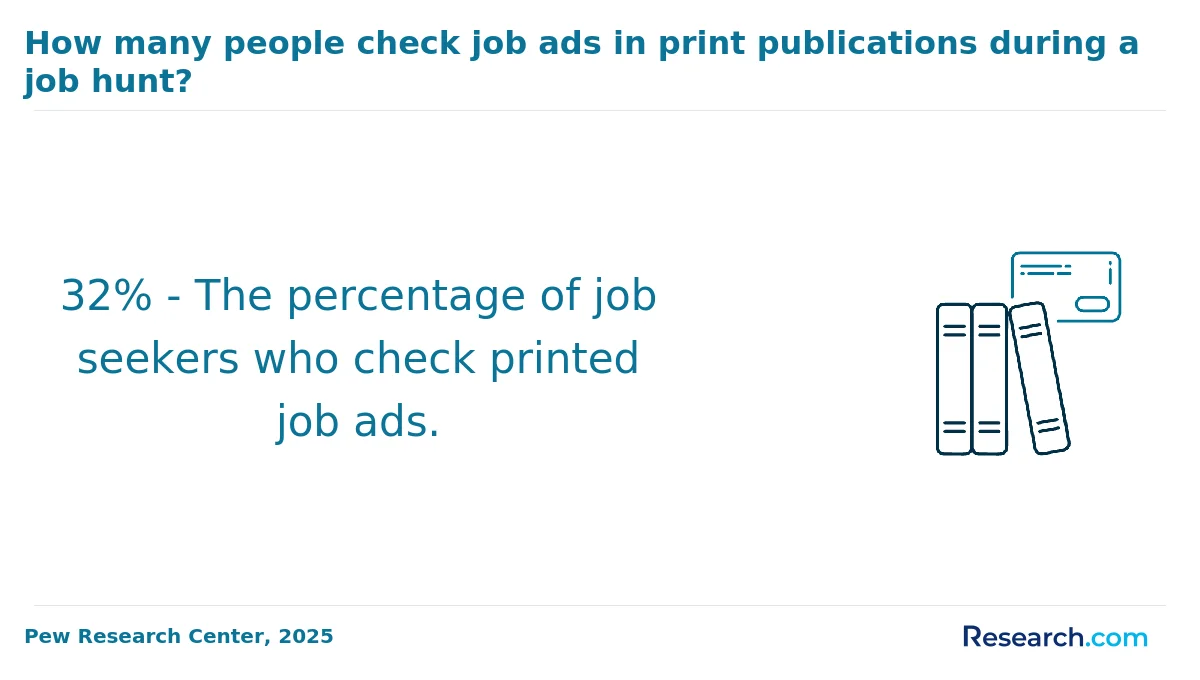
Certificate programs offered in Decatur trade schools focus on practical skills across key industries, ensuring students are job-ready by the time they graduate. Popular courses cover areas like Automotive & Transportation, where graduates describe hands-on work with engine repair and electrical diagnostics as critical to their confidence entering the workforce. In healthcare programs, students gain knowledge in medical terminology and phlebotomy, preparing them for real patient care environments.
Trade school courses available in Decatur also include specialized tracks in industrial trades. For example, welding and joining technology programs offer in-depth training on various welding techniques and safety-graduates report feeling prepared to pass industry qualification tests. Other popular certifications include precision manufacturing, carpentry, commercial refrigeration, and electrical control systems, all tailored with practical labs and blueprint reading.
Technology courses blend computer hardware fundamentals, programming basics, and networking skills to fit entry-level roles. Many students appreciate the flexible schedules, including evening and online classes at schools like Georgia Piedmont Technical College, where 25% onsite training ensures critical hands-on experience. These well-designed programs reflect the city's demand for skilled labor in growing sectors, making them ideal for those looking into trade school programs that pay well.
Start by verifying the accreditation status of any Decatur trade school program you consider. Graduates from Georgia Perimeter College and Woodruff Medical Training often highlight how accreditation ensured their certifications were recognized by employers. This step is essential when comparing the best trade school programs in Decatur because accreditation impacts eligibility for financial aid and career licensing.
Next, examine program offerings and graduation rates. Graduates from Laurus Technical Institute frequently praise the school's 73% graduation rate, reflecting strong student support. Similarly, those from Gupton Jones College of Funeral Service report feeling confident entering the workforce thanks to a 68% graduation rate. Knowing these numbers helps you assess how effectively a program prepares students, especially important when weighing how to compare Decatur trade school costs alongside outcomes.
Also consider program length and location. Many Decatur certification programs finish within two years or less, ideal if you want to switch careers quickly. In fact, some trades qualify as high paying trades that are quick to learn, letting you start earning sooner. Think about proximity to transit and flexibility if you juggle work and school.
Finally, prioritize schools with strong student services and industry connections. Several graduates found that hands-on training and career placement assistance made the transition from education to employment smoother and more rewarding.
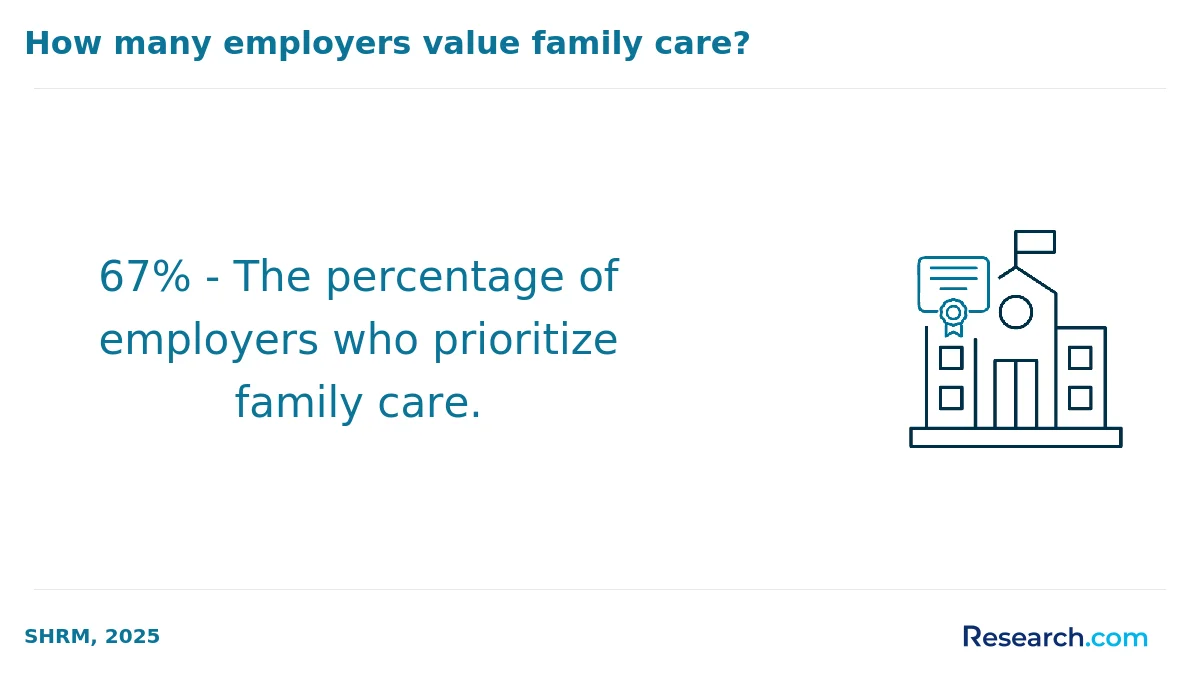
Graduates from trade school certification programs in Decatur find career paths spanning several high-demand industries tailored to local needs. Many quickly secure roles in healthcare, such as medical assisting or coding, working in nearby clinics and hospitals. These success stories reflect strong employer partnerships that support job placement. Skilled trades certifications in welding, HVAC, electrical technology, and construction often lead graduates into manufacturing, shipbuilding, or energy sectors, connecting them with steady work and upward mobility.
Popular trade schools in Decatur provide hands-on training that makes these career transitions smoother, especially for those targeting the Decatur technical certification jobs outlook. Business and IT tracks open doors to office administration and tech support positions, while logistics certifications position graduates to enter transportation and supply chain roles expanding in the Atlanta area.
Additional options include growing fields like electric vehicle supply equipment technician roles and hospitality management, reflecting evolving market demands. For students seeking flexible education alternatives, low cost construction training programs online can supplement local options and broaden career opportunities.
The practical experience and job readiness these programs cultivate empower Decatur graduates to confidently join the workforce, embodying the promise of trade school career opportunities in Decatur.
The job market for trade school certification program graduates in Decatur is robust, driven by strong local demand for skills in sectors like welding, logistics, and technology. Graduates from popular trade schools in Decatur find immediate access to employment due to well-established pipelines connecting these programs with employers. For example, many graduates appreciate programs that include job placement assistance, paid internships, and networking events, which have proven crucial for swift job acquisition.
Decatur's proximity to Atlanta strengthens opportunities in supply chain management and customer service as well, offering a variety of pathways for entry-level roles and career advancement. Typical benefits experienced by graduates include:
- Faster employment times after certification
- Direct access to local manufacturers and logistics companies
- Hands-on experience through internships
- Industry-recognized credentials such as American Welding Society certification
Those seeking affordable pathways often explore most affordable electrician training programs online, complementing Decatur's strong in-person options. These initiatives show that career-ready training is accessible and relevant to the local job market, helping graduates quickly translate their certification into rewarding employment.
Best Certificate Programs - Leading Certification Courses in Decatur for 2026
# 1 position
East Central Community College - Electrician.
certificate or diplomaEast Central Community College offers a hybrid Electrician program that prepares students to install, operate, maintain, and repair electric apparatus and systems, including residential, commercial, and industrial wiring. The curriculum covers electronics, wiring, power transmission, safety, electrical testing, and applicable codes. The program’s annual in-state tuition is $3,865. It is accredited by the Southern Association of Colleges and Schools Commission on Colleges.
# 2 position
East Central Community College - Heating, Air Conditioning, Ventilation and Refrigeration Maintenance Technology/Technician.
certificate or diplomaEast Central Community College offers a hybrid program in Heating, Air Conditioning, Ventilation and Refrigeration Maintenance Technology/Technician. The curriculum prepares students to repair, install, service, and maintain heating, air conditioning, and refrigeration systems. Instruction covers diagnostic techniques, testing equipment, and principles of mechanics, electricity, and electronics. The annual in-state tuition is $3,865. The program is accredited by the Southern Association of Colleges and Schools Commission on Colleges.
# 3 position
East Central Community College - Automobile/Automotive Mechanics Technology/Technician.
certificate or diplomaEast Central Community College offers a hybrid program in Automobile/Automotive Mechanics Technology/Technician. The curriculum covers brake systems, electrical systems, engine performance and repair, suspension and steering, transmissions, drive trains, and heating and air conditioning systems. Annual in-state tuition is $3,865. The program is accredited by the Southern Association of Colleges and Schools Commission on Colleges, providing students with foundational technical skills for automotive repair and maintenance.
# 4 position
East Central Community College - Welding Technology/Welder.
certificate or diplomaEast Central Community College offers a Welding Technology/Welder program delivered in a hybrid format with some distance education options. The program provides comprehensive training in various welding techniques, including arc welding, resistance welding, brazing, soldering, and high-energy beam welding. Students also learn about welding metallurgy, structural design, safety, and industry codes and standards. The annual in-state tuition for this program is $3,865. It is accredited by the Southern Association of Colleges and Schools Commission on Colleges.
# 5 position
East Central Community College - Medical Administrative/Executive Assistant and Medical Secretary.
certificate or diplomaEast Central Community College offers a hybrid Medical Administrative/Executive Assistant and Medical Secretary program preparing students to support physicians, nurses, and healthcare administrators. The curriculum covers medical and business communications, terminology, healthcare operations, scheduling, software applications, and professional ethics. The program’s annual in-state tuition is $3,865. It is accredited by the Southern Association of Colleges and Schools Commission on Colleges.
Frequently Asked Questions about trade school certificates
After completing trade school certification programs in Decatur, preparing for the job market involves several key steps. First, it is crucial to build a professional resume that highlights specific skills and certifications acquired. According to the U.S. Bureau of Labor Statistics, trade-related occupations in Decatur have experienced steady growth, emphasizing the value of clear, targeted resumes.
Networking within local industries is also essential. Joining trade associations or attending job fairs can connect graduates with employers actively seeking certified professionals. Employers in Decatur often prefer candidates with hands-on experience, so pursuing internships or apprenticeships can improve employability.
Finally, staying updated on industry trends and continuing education can increase job prospects in competitive fields such as HVAC, welding, and automotive technology.
Employers in Decatur highly value both technical and soft skills in graduates of trade school certification programs. According to data from the U.S. Bureau of Labor Statistics and local Decatur workforce reports, technical proficiency in specific trades such as HVAC, electrical work, and automotive repair ranks as a top priority.
Besides hard skills, communication, teamwork, and problem-solving abilities are essential. A 2023 survey by the National Skills Coalition highlights that 78% of employers in manufacturing and construction emphasize the need for strong interpersonal skills.
Additionally, punctuality and attention to safety standards are critical for job retention and advancement in Decatur's trade sectors.
To find internships in Decatur relevant to your trade school certification program, start by contacting your school's career services office. Many trade schools partner with local businesses and can connect students with companies offering internship opportunities. According to the National Association of Colleges and Employers (NACE), over 60% of internships lead to job offers, highlighting their importance.
Local government and workforce agencies in Decatur often promote internships through job fairs and online portals. Websites like Georgia Department of Labor list available internships tailored to vocational skills. Networking within industry-specific groups on platforms such as LinkedIn can also uncover hidden opportunities.
Target employers in Decatur's key industries, including manufacturing, healthcare, and construction, as these sectors often seek trade-trained interns.
Trade school certification programs in Decatur significantly impact career mobility by providing practical skills that local employers highly value. According to the U.S. Bureau of Labor Statistics, individuals with certification in skilled trades typically experience faster job placement than those with only a high school diploma. In Decatur's growing industrial and healthcare sectors, certifications in areas like welding, HVAC, and medical assisting increase access to higher-paying positions.
Certification often leads to career advancement by demonstrating verified expertise, which many employers use as a basis for promotions and wage increases. Data from the Illinois Community College Board shows that trade certification recipients in Decatur earn on average 15% more within two years compared to non-certified peers.
Part-time jobs in Decatur can effectively complement trade school certification programs by providing relevant hands-on experience. For students pursuing certifications in fields like automotive technology, HVAC, or electrical work, positions such as apprentice technician or assistant in local repair shops are common. These roles allow students to apply classroom skills practically while earning income.
According to data from the U.S. Bureau of Labor Statistics, trades-related part-time positions in regions like DeKalb County often pay between $12 and $18 per hour, making them financially viable for students. Additionally, retail establishments and construction sites frequently seek part-time laborers and helpers, which can align with construction or maintenance certifications.
Working part-time in Decatur's industrial or service sectors can also provide networking opportunities with local employers, potentially leading to full-time roles after certification completion. Overall, selecting part-time jobs connected to one's chosen trade amplifies both learning and career prospects.
When choosing the best degree program near me, especially near Decatur, MS, consider factors such as program accreditation, faculty credentials, and graduate success rates. Additionally, programs and universities are available in various fields, so assessing your career goals and interests is crucial. Research.com can be a helpful resource to explore academic rankings and gain insights about institutions both locally and nearby.
- Research - Quick To Learn Trade Jobs That Pay Well https://research.com/careers/quick-to-learn-trade-jobs-that-pay-well
- Internship Programme | UN Trade and Development (UNCTAD) https://unctad.org/page/internship-programme
- Hot Job Trends: The Benefits of Attending Trade School | JobTrain https://www.jobtrainworks.org/hot-job-trends-benefits-of-attending-trade-school/
- Trade School vs College: What’s Best for Georgia Students? - Helms College https://www.helms.edu/trade-school-vs-college-in-georgia/
- Professional certification - Wikipedia https://en.wikipedia.org/wiki/Professional_certification
- Decatur Public Schools District #61 - Frontline Recruitment https://www.applitrack.com/dps61/OnlineApp/default.aspx
- Vocational vs. Trade School: Choosing the Right Path https://www.genesiscareer.edu/vocational-vs-trade-school-guide/
- Trade School: Your Fast Track to a High-Paying Career https://abcsocal.org/trade-school/
- Georgia Piedmont Technical College – Georgia Piedmont Tech exists to strengthen the workforce in DeKalb, Newton and Rockdale counties. https://www.gptc.edu/
- Trade School Careers https://auto.edu/blog/trade-school-careers


