
Most Affordable Phlebotomy Technician Schools & Training - Budget-Friendly Phlebotomy Tech Trade Programs in Michigan for 2026

Co-Founder and Chief Data Scientist
Choosing the right phlebotomy technician trade school in Michigan can feel overwhelming, especially when affordability matters most. This article offers a helpful guide featuring a phlebotomy technician trade school programs ranking created by the Research.com team of data scientists.
By exploring this ranking, you’ll find trustworthy information to help you make a well-informed decision about your education and future career. Earning a diploma or certification in phlebotomy opens doors to rewarding healthcare opportunities with strong job prospects.
Take a confident step toward your goals by discovering programs that fit your needs and budget.
Key benefits of finishing phlebotomy technician trade school in Michigan
- Graduates of phlebotomy technician trade schools in Michigan can expect an average hourly wage around $17.62, with certified technicians earning even more, up to about $21.42 per hour, which makes this a promising career choice.
- Many graduates find rewarding jobs in hospitals, outpatient care centers, or medical labs, with opportunities to grow their skills and increase their salary over time, reflecting a strong career path.
- Completing a phlebotomy technician program online offers flexibility and convenience, allowing students to balance work and study, as experienced by many successful online graduates in Michigan's trade schools.
What can I expect from phlebotomy technician trade schools in Michigan?
Enrolling in a phlebotomy technician trade school program in Michigan means diving into an intensive, hands-on education designed to prepare you quickly for work in healthcare. Graduates from popular Michigan schools often recall the balance of classroom lessons and real-world practice, where they performed between 15 and 30 supervised blood draws under expert guidance. This practical experience builds confidence and skill, making the transition to clinical settings feel natural and rewarding.
You can expect to study essential topics like anatomy, infection control, and patient care, with a strong emphasis on safety and professionalism. Many students appreciate the flexible scheduling offered by these programs, allowing them to make up missed classes or gain extra practice as needed. The inclusion of internships or externships in actual medical facilities is frequently highlighted by graduates as a transformative part of their learning journey, where theory meets reality.
Completing the program also opens the door to national certification exams, with many Michigan schools supporting students through resume building and interview preparation. Graduates often speak proudly of securing jobs swiftly, some noting up to a 95% employment rate shortly after finishing. This focused, practical training fosters a sense of accomplishment and readiness to contribute meaningfully to patient care.
Where can I work after finishing phlebotomy technician trade schools in Michigan?
Graduates of phlebotomy technician trade schools in Michigan often find themselves welcomed into a diverse range of workplaces. Many share stories of starting their careers in bustling hospitals like those affiliated with the University of Michigan, where they quickly learn to handle blood collection in fast-paced emergency rooms or specialized departments such as pediatrics. Others recall the steady rhythm of clinical laboratories and diagnostic centers, where they engage with patients through scheduled appointments and sometimes travel between multiple sites, gaining valuable hands-on experience.
Some graduates express satisfaction working for blood donation centers like the American Red Cross, finding fulfillment in helping donors and participating in community health events across Michigan. Mobile phlebotomy services also attract those who appreciate flexibility and independence, visiting homes or senior living facilities. These varied settings reflect the strong demand within the state and the rewarding nature of the work after completing training at respected trade schools, where students develop not only technical skills but also confidence and compassion for patient care.
How much can I make after finishing phlebotomy technician trade schools in Michigan?
After completing a phlebotomy technician trade school program in Michigan, graduates often find themselves pleasantly surprised by the earning potential that awaits them. Many recent graduates from well-known Michigan trade schools share stories of starting salaries between $29,000 and $37,000 annually, which translates to roughly $13 to $17 per hour. This initial income provides a solid foundation, especially for those entering the healthcare field eager to make a difference while supporting themselves.
As these graduates gain hands-on experience and obtain certification, their wages typically rise. It's common to see hourly pay increase to around $20 or more, with some seasoned professionals in specialized roles earning up to $39 per hour. For example, a graduate working in an outpatient care center in Detroit described feeling proud as their salary climbed steadily, reflecting their growing expertise and confidence.
The positive impact of certification and workplace setting cannot be overstated. Graduates often remark how earning their credentials opened doors to higher pay and more fulfilling positions, especially in larger hospitals or urban medical centers across Michigan. This progress fuels optimism and a strong sense of accomplishment for those who chose to pursue phlebotomy training within the state.
Most Affordable Phlebotomy Technician Schools & Training - Budget-Friendly Phlebotomy Tech Trade Programs in Michigan for 2026
# 1 position
Schoolcraft Community College District - Phlebotomy Technician/Phlebotomist.
certificate or diplomaSchoolcraft Community College District offers a hybrid Phlebotomy Technician/Phlebotomist program designed to prepare students to draw blood samples under medical supervision. The curriculum covers vascular anatomy, blood physiology, skin puncture, venipuncture, specimen handling, safety, and regulatory standards. The program’s annual in-state tuition is $4,448. Graduates earn a median salary of $18,065 one year after completion. It is accredited by the Higher Learning Commission.
# 2 position
Oakland Community College - Phlebotomy Technician/Phlebotomist.
certificate or diplomaOakland Community College offers a Phlebotomy Technician/Phlebotomist program with a hybrid format, combining in-person and distance education. The program trains students to draw blood samples using various techniques and covers vascular anatomy, blood physiology, safety, and regulations. Annual in-state tuition is $3,020. The program is accredited by the Higher Learning Commission.
# 3 position
Monroe County Community College - Phlebotomy Technician/Phlebotomist.
associateMonroe County Community College offers a Phlebotomy Technician/Phlebotomist program in a hybrid format, combining in-person and distance education. The program trains students to draw blood samples using various procedures, covering vascular anatomy, blood physiology, venipuncture, specimen handling, and safety protocols. Accredited by the Higher Learning Commission, the annual in-state tuition is $4,566. This program prepares students to work under the supervision of healthcare professionals in clinical settings.
# 4 position
Monroe County Community College - Phlebotomy Technician/Phlebotomist.
certificate or diplomaMonroe County Community College offers a Phlebotomy Technician/Phlebotomist program with a hybrid format, combining in-person and distance education. The program prepares students to draw blood samples under medical supervision, covering vascular anatomy, blood physiology, venipuncture, specimen handling, safety, and regulatory standards. Annual in-state tuition is $4,566. The program is accredited by the Higher Learning Commission.
# 5 position
Glen Oaks Community College - Phlebotomy Technician/Phlebotomist.
certificate or diplomaThe Phlebotomy Technician/Phlebotomist program at Glen Oaks Community College offers a hybrid format with some distance education options. It prepares students to draw blood samples under professional supervision, covering vascular anatomy, blood physiology, venipuncture, specimen handling, and safety procedures. The program's annual in-state tuition is $4,128 and it is accredited by the Higher Learning Commission.
# 6 position
Lake Michigan College - Phlebotomy Technician/Phlebotomist.
certificate or diplomaLake Michigan College offers a Phlebotomy Technician/Phlebotomist program with a hybrid format, including some distance-education options. The program prepares students to draw blood samples under medical supervision and covers vascular anatomy, blood physiology, skin puncture, venipuncture, specimen handling, safety, and regulations. Annual in-state tuition is $5,265. The program is accredited by the Higher Learning Commission.
# 7 position
North Central Michigan College - Phlebotomy Technician/Phlebotomist.
certificate or diplomaNorth Central Michigan College offers a hybrid Phlebotomy Technician/Phlebotomist program designed to prepare students to draw blood samples under professional supervision. The curriculum covers vascular anatomy, blood physiology, skin puncture, venipuncture, specimen handling, and safety procedures. The program’s annual in-state tuition is $5,267. It is accredited by the Higher Learning Commission, providing quality assurance to prospective students seeking certification in this field.
# 8 position
Southwestern Michigan College - Phlebotomy Technician/Phlebotomist.
certificate or diplomaSouthwestern Michigan College offers a Hybrid Phlebotomy Technician/Phlebotomist program designed to train students in blood sample collection under medical supervision. The curriculum covers vascular anatomy, blood physiology, venipuncture, skin puncture, specimen handling, safety, and regulatory standards. The program has an annual in-state tuition of $6,026 and is accredited by the Higher Learning Commission.
# 9 position
Wayne County Community College District - Phlebotomy Technician/Phlebotomist.
certificate or diplomaWayne County Community College District offers a Phlebotomy Technician/Phlebotomist program with a hybrid format that includes some distance education. The program prepares students to draw blood samples using various techniques and covers vascular anatomy, blood physiology, specimen collection, safety, and regulations. Annual in-state tuition is $3,112. The program is accredited by the Higher Learning Commission.
# 10 position
Davenport University - Phlebotomy Technician/Phlebotomist.
certificate or diplomaThe Phlebotomy Technician/Phlebotomist program at Davenport University prepares students to draw blood samples under supervision using various techniques. The curriculum covers vascular anatomy, blood physiology, skin puncture, venipuncture, specimen handling, safety, sanitation, and relevant regulations. The program's annual in-state tuition is $23,324 and it is accredited by the Higher Learning Commission.
Key Findings
- Applicants must have a high school diploma or GED, be at least 18 years old, and pass a criminal background check and drug screening.
- Program lengths vary from three months up to one year, with certificates like the one at Wayne County Community College District taking about two semesters.
- Tuition ranges from around $600 to $3,000, with some schools charging additional lab fees and textbook costs.
- Certification is not legally required but recommended, typically involving passing a national exam and completing 30 venipunctures and 10 capillary sticks.
- Job growth in Michigan for phlebotomy technicians is projected at 10% over the next decade, with average starting salaries around $35,000 per year.
How long does it take to complete phlebotomy technician trade schools in Michigan?
Completing a phlebotomy technician trade school program in Michigan typically takes between 4 to 8 weeks, depending on the school and the intensity of the course. Many graduates from well-known Michigan trade schools recall that the accelerated pacing allowed them to quickly gain the essential skills and confidence needed to enter the workforce. For instance, those attending programs in Detroit or Grand Rapids often mention how the hands-on clinical experiences coupled with focused classroom instruction made the learning process both efficient and rewarding.
The short duration is especially appealing to students eager to start their careers without prolonged delays. One graduate shared how balancing personal commitments while studying was manageable thanks to the concentrated schedule, which felt like an investment in their future that paid off swiftly.
With a mix of lectures, lab work, and real patient practice, the typical timeline reflects not just swiftness but a solid foundation, preparing students well for certification exams and job readiness in Michigan's healthcare environment.
What's the difference between online and on-campus phlebotomy technician trade school programs?
The key difference between online and on-campus phlebotomy technician programs in Michigan lies in how students engage with their training. On-campus students at popular schools like Phlebotomy Career Training benefit from direct interaction with instructors and hands-on lab sessions. Graduates often recall the confidence gained from immediate feedback during live blood draws and the sense of community built through face-to-face learning.
In contrast, online students enjoy a flexible schedule, accessing lectures and materials remotely. This format suits those balancing work or family responsibilities, but it still requires attending clinical practicums at approved Michigan healthcare sites. Many online graduates appreciate this blend of independence and practical experience, finding it empowering to manage their own pace while meeting certification standards.
Both paths emphasize supervised blood draws and clinical hours, essential for skill mastery and certification. Whether in a bustling classroom or managing studies from home, Michigan students find meaningful, practical training that prepares them to confidently enter the healthcare field.
What is the average cost of phlebotomy technician trade schools in Michigan?
The average cost of phlebotomy technician programs in Michigan typically ranges between $1,000 and $3,000, reflecting variations in tuition, materials, and institutional offerings. Graduates from well-known trade schools in Michigan often recall how their tuition fees covered essential supplies and textbooks, providing a solid foundation for their practical training. For many, this cost felt like a worthwhile investment considering the career opportunities that followed, especially at schools that balanced affordability with quality instruction.
Understanding phlebotomy technician program tuition fees in Michigan means recognizing the balance between public and private trade schools. Community colleges may offer lower tuition rates, which can ease financial pressure, while private institutions sometimes provide more flexible class schedules and extra support, appealing to working students or those with families. Many graduates appreciate the personalized assistance available at these private schools, even if the upfront cost was slightly higher.
Several students found that financial aid, scholarships, and payment plans significantly helped manage expenses, making the path to certification more accessible. Exploring state-approved programs through the Michigan Department of Licensing and Regulatory Affairs is an important step to ensure the program meets industry standards. For those unsure where to start, investigating the easiest medical degree programs to get into can provide a helpful perspective on options that fit various budgets and time commitments.

What financial aid is available for phlebotomy technician trade schools in Michigan?
Phlebotomy technician students in Michigan often find financial aid options that can make their education feel more attainable and less stressful. For those enrolled in accredited colleges or vocational schools participating in Title IV funding, federal aid like Pell Grants and student loans are accessible. Graduates from popular Michigan trade schools recall how completing the FAFSA opened doors to grants that didn't require repayment, easing their financial burden while they focused on hands-on training.
Many short-term certificate programs, especially at private trade schools, don't qualify for federal aid but offer flexible institutional payment plans. Some students remember spreading tuition costs with bi-weekly payments as low as $87, thanks to partnerships with services like Afterpay or Klarna, which helped them manage expenses without overwhelming upfront costs.
State and local support also plays a vital role. Programs like Michigan Works! provide tuition assistance, and scholarships such as the Michigan Achievement Skills Scholarship offer up to $4,000 for recent high school graduates pursuing phlebotomy. Graduates appreciate how these resources made a real difference for them, helping bridge financial gaps and allowing them to focus on building their skills.
Additionally, some schools accept vouchers from third-party payers or city and state tuition assistance programs, and partnerships with local health agencies sometimes provide direct tuition reimbursement. Prospective students are encouraged to reach out to financial aid offices at their chosen schools to explore all available options and find the best fit for their situation.
What are the prerequisites for enrolling in phlebotomy technician trade schools in Michigan?
Enrolling in a phlebotomy technician trade school program in Michigan typically requires a few clear prerequisites that set the foundation for success. Most trade schools, like those popular in Detroit and Grand Rapids, expect applicants to have a high school diploma or a GED. This basic educational requirement ensures students are prepared for the hands-on training and technical knowledge ahead.
Graduates often reflect on how meeting these prerequisites gave them confidence as they began clinical practice. They emphasize the importance of being ready not only academically but also mentally and emotionally to handle patient interactions.
Common prerequisites include:
- Proof of a high school diploma or GED
- Minimum age requirement, usually 18 years or older
- Completion of a background check to ensure safety in clinical settings
- Up-to-date immunizations and health screenings
- Basic CPR certification in some cases
One graduate from a well-known Michigan trade school shared how completing these steps made the transition into clinical hours smoother and less stressful. The preparation helped them feel ready to draw blood confidently and compassionately, fostering a positive learning experience right from the start.

What are the typical courses in phlebotomy technician trade schools in Michigan?
Phlebotomy technician trade school programs in Michigan focus on building solid foundations through carefully designed courses that blend theory and practice. Graduates often recall their first days learning anatomy and physiology, particularly the circulatory system, which helped them confidently identify veins suitable for blood draws. This knowledge is essential for safe, efficient work in busy Michigan hospitals and clinics.
Core courses include:
- Principles of proper phlebotomy technique-students practice safe blood collection methods, gaining skills that reduce patient discomfort and errors.
- Infection control practices-training on PPE use and universal precautions ensures safety for both patients and technicians.
- Quality assurance and specimen processing-graduates emphasize how learning to label and handle samples correctly prevented costly mistakes during clinical practice.
- Clinical laboratory practice and supervised blood draws-many Michigan trade schools require 15 to 30 supervised draws, providing real-world confidence through hands-on experience.
Additional lessons in patient assessment and therapeutic communication prepare students to engage compassionately with diverse populations, a highlight often mentioned by graduates from popular Michigan programs. These practical skills, combined with training in record keeping and sometimes hazardous materials management, shape well-rounded technicians ready for immediate employment.
What are the available specializations in phlebotomy technician trade schools in Michigan?
Phlebotomy technician trade school programs in Michigan often offer specializations that allow students to tailor their learning to specific careers in healthcare. Graduates frequently mention how mastering Clinical Phlebotomy Techniques through hands-on training in venipuncture and capillary puncture boosted their confidence in real-world settings. At well-known trade schools, students experience simulated patient interactions, making the transition to clinical environments smoother and more rewarding.
Another popular specialization is Phlebotomy Laboratory Management, where students develop skills beyond blood collection, such as specimen handling, quality assurance, and regulatory compliance. Graduates recall feeling prepared to step into leadership roles within labs because of these focused courses. These specializations not only deepen technical expertise but also enhance career flexibility in Michigan's healthcare sector.
Many students at prominent institutions emphasize that exploring different tracks gave them clarity on their career paths. For those eager to advance quickly, Michigan schools often promote fast track certification for phlebotomy technician programs, blending practical skills with theory for expedited entry into the workforce.
How do you choose the best phlebotomy technician trade school program in Michigan?
Choosing among phlebotomy technician programs Michigan requires careful attention to accreditation and hands-on experience. Graduates from institutions like Mid Michigan College often highlight how accreditation by NAACLS gave their training credibility and helped them confidently enter the workforce. Programs with practical elements, such as Lake Michigan College's lab rotations and Macomb Community College's internships, provide real-world scenarios that bring textbook skills to life, making students feel truly prepared.
Flexibility in scheduling can be a decisive factor. Some appreciate how the Michigan Healthcare Academy's mix of daytime and evening classes accommodated their busy lives, balancing work and study without sacrificing progress. Being able to practice venipuncture while understanding infection control and patient interaction taught in these programs helps students embrace the emotional and technical aspects of phlebotomy.
Financial factors and success rates also play a role in choosing the best phlebotomy schools Michigan. Knowing programs offer financial assistance or flexible down payment options eases anxiety about costs. Seeing a program's high certification pass rates, like the 100% success reported by Mid Michigan College, boosts confidence in investment. For those wondering how phlebotomy relates to other healthcare roles, learning about does medical assistant draw blood clarifies career pathways.
What career paths are available for phlebotomy technician trade school graduates in Michigan?
Graduates of phlebotomy technician trade school programs in Michigan often find a variety of fulfilling roles waiting for them. Many begin as phlebotomy technicians in hospitals, clinics, or blood donation centers, where they quickly gain hands-on experience. For example, students from Mid Michigan College share how their training prepared them to step confidently into these entry-level positions and meet the demanding pace of healthcare environments. The availability of certified roles is broad, including titles such as Lab Liaison Technician, Mobile Examiner, and Patient Service Technician.
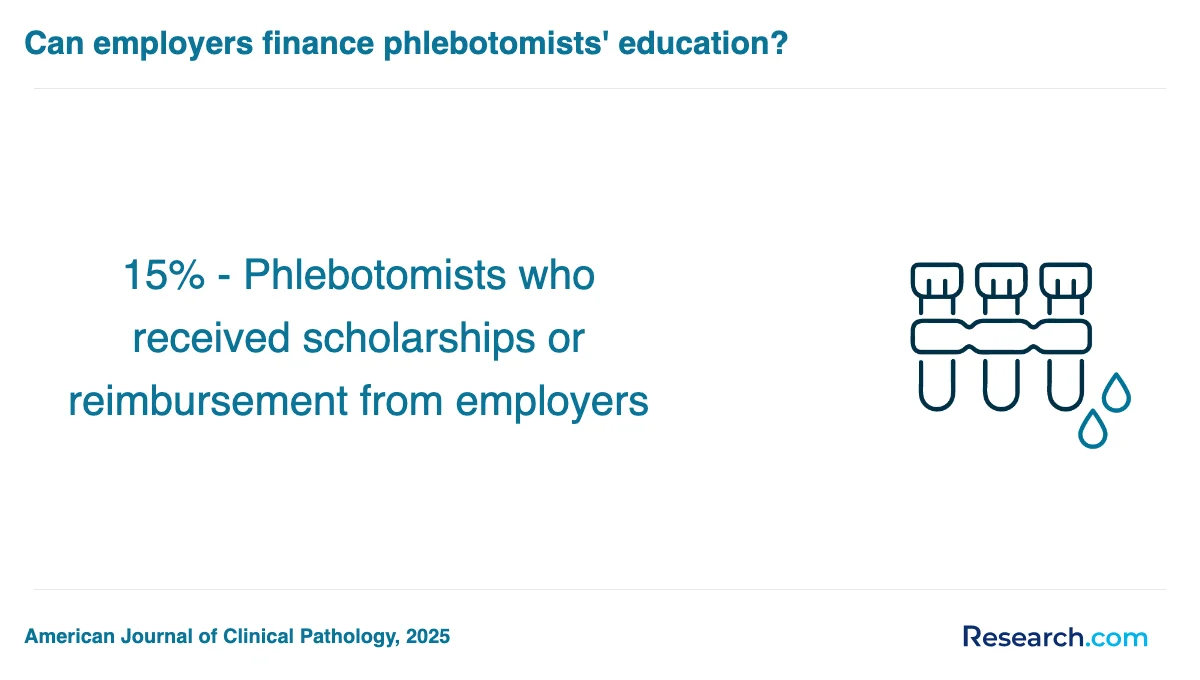
Career advancement for Michigan phlebotomy graduates is equally promising. Beyond gaining certification and experience, many take advantage of employer-supported education to broaden their skillset. Some progress toward medical laboratory science, nursing, or even pre-med pathways, while others teach or specialize in advanced procedures like IV therapy.
Many who explore cheapest online phlebotomy technician training programs find flexible options that complement their goals, enhancing their position in the job market. Common career steps include:
- Starting as certified phlebotomy technicians in various healthcare settings
- Becoming mobile examiners with independent fieldwork opportunities
- Advancing to specialized technician roles such as lab liaisons
- Moving into broader patient service technician functions
What is the job market for phlebotomy technician trade school graduates in Michigan?
The phlebotomy technician job outlook in Michigan shows a market with steady but limited openings. Graduates from popular trade schools in Michigan often share that while the demand exists, competition can be tight, and job postings are fewer compared to other states. Still, many find rewarding roles in hospitals, outpatient care centers, and labs, where everyday tasks are dynamic and meaningful. These environments offer hands-on experiences that graduates treasure, boosting their confidence and skills.
Those who pursue certification often report better job prospects and pay. Certified technicians in Michigan earn an average hourly wage of approximately $21.42, compared to $17.62 for those without certification. Salaries usually range from $32,400 to $48,470 annually, with opportunities improving in larger healthcare networks like Corewell Health.
Graduates often highlight factors affecting employment and wages, such as:
- Work setting - outpatient centers tend to pay more than physician offices
- Geographic location within Michigan
- Part-time versus full-time positions
For those weighing their training options, understanding the phlebotomy technician salary and employment Michigan offers can be crucial. Some students find value in exploring quick certification paths alongside trade schools, identifying quick highest paid medical certifications that complement their qualifications and expand job opportunities.
Frequently Asked Questions about phlebotomy technician
After completing a phlebotomy technician trade school in Michigan, preparing for the job market involves several key steps. First, obtaining certification is crucial; many employers prefer graduates certified by the American Society for Clinical Pathology (ASCP) or the National Healthcareer Association (NHA). Michigan's healthcare job market for phlebotomists is expected to grow by 11% through 2031, according to the U.S. Bureau of Labor Statistics, reflecting strong demand.
Networking with local hospitals, clinics, and labs can increase job opportunities. Additionally, crafting a clear resume highlighting clinical experience gained during training helps applicants stand out. Finally, staying informed about state regulations and continuing education ensures long-term career success in this field.
Employers in Michigan highly value phlebotomy technician graduates who demonstrate strong technical skills, including proficiency in venipuncture and specimen collection. According to the Michigan Department of Labor and Economic Opportunity, accuracy in blood sample handling and adherence to safety protocols are critical to reduce errors and ensure patient safety. Communication skills are also essential, as technicians must effectively interact with patients and healthcare teams. Additionally, employers look for graduates familiar with electronic health record (EHR) systems, reflecting the growing digitalization of medical records. Time management and attention to detail are further emphasized to maintain workflow efficiency in busy clinical settings.
Finding phlebotomy technician internships in Michigan typically begins with contacting trade schools directly, as many have established partnerships with local healthcare facilities. These internships are often required components of accredited programs, ensuring hands-on experience. According to the Michigan Department of Labor and Economic Opportunity, healthcare facilities such as hospitals, clinics, and blood donation centers in major cities like Detroit and Grand Rapids frequently offer internship opportunities.
Students should also explore the Michigan Health Council's resources, which list approved clinical sites for phlebotomy training. Networking through school career services and attending local health job fairs can increase internship prospects. Additionally, registering with the American Society for Clinical Pathology (ASCP) can provide access to internship listings and certification guidance relevant to Michigan students.
Obtaining a phlebotomy technician diploma from a trade school in Michigan significantly enhances career mobility and advancement opportunities. This credential is often a minimum requirement for entry-level positions in hospitals, clinics, and laboratories across the state. According to the Michigan Department of Labor and Economic Opportunity, certified phlebotomists earn a median wage higher than non-certified workers, reflecting increased demand for formally trained professionals.
Completion of an accredited program also prepares graduates for national certification exams, which many employers prefer. Holding such certifications can lead to roles with higher responsibility and better pay. Additionally, trade schools frequently offer connections to local healthcare employers, improving job placement rates.
Students enrolled in phlebotomy technician trade schools in Michigan can benefit from several part-time job opportunities that complement their education. Working as a medical assistant or patient care technician in clinics and hospitals provides valuable hands-on experience with patient interaction and basic clinical procedures. According to the Michigan Department of Labor and Economic Opportunity, healthcare support roles are projected to grow by 12% through 2030, reflecting strong demand. Additionally, jobs as lab aides or blood donor center assistants allow students to familiarize themselves with specimen handling and lab environments, directly reinforcing their phlebotomy skills. These roles often offer flexible hours suitable for students balancing coursework.
To find the most affordable Phlebotomy Technician degree program near me in Michigan, start by researching local community colleges and technical schools, as they often offer cost-effective options. You can explore programs both online and in-class, and Research.com is a valuable resource for comparing program costs and details. Additionally, many universities and vocational schools near Michigan provide affordable phlebotomy training, so checking these sources can help you identify programs that fit your budget.
Related Phlebotomy Technician Rankings for Nearby States
- Most Affordable Phlebotomy Technician Schools & Training - Budget-Friendly Phlebotomy Tech Trade Programs in Ohio for 2026
- Most Affordable Phlebotomy Technician Schools & Training - Budget-Friendly Phlebotomy Tech Trade Programs in Illinois for 2026
- Most Affordable Phlebotomy Technician Schools & Training - Budget-Friendly Phlebotomy Tech Trade Programs in Minnesota for 2026
- Most Affordable Phlebotomy Technician Schools & Training - Budget-Friendly Phlebotomy Tech Trade Programs in New York for 2026
- Most Affordable Phlebotomy Technician Schools & Training - Budget-Friendly Phlebotomy Tech Trade Programs in North Carolina for 2026
- Most Affordable Phlebotomy Technician Schools & Training - Budget-Friendly Phlebotomy Tech Trade Programs in Massachusetts for 2026
- Most Affordable Phlebotomy Technician Schools & Training - Budget-Friendly Phlebotomy Tech Trade Programs in Arkansas for 2026
- Most Affordable Phlebotomy Technician Schools & Training - Budget-Friendly Phlebotomy Tech Trade Programs in Georgia for 2026
- Most Affordable Phlebotomy Technician Schools & Training - Budget-Friendly Phlebotomy Tech Trade Programs in Florida for 2026
- Most Affordable Phlebotomy Technician Schools & Training - Budget-Friendly Phlebotomy Tech Trade Programs in Kansas for 2026
Top Trending Rankings
References
- In-Person: Phlebotomy Technician Certification - Phlebotomy Career Training https://phlebotomycareertraining.com/program/in-person-phlebotomy-technician-classes/
- Phlebotomy | Lake Michigan College https://www.lakemichigancollege.edu/academics/health-sciences/phlebotomy
- Michigan Online Phlebotomy Technician Certificate Program | Self-Paced Course https://www.uscareerinstitute.edu/online-phlebotomy-school/michigan
- Phlebotomy Certification Grand Rapids Michigan — NPS https://npscerts.com/phlebotomy-certification-grand-rapids-michigan/
- Phlebotomy | Mid Michigan College - Harrison, MI - Mt. Pleasant, MI - Online https://midmich.edu/degrees-programs/short-term-training/phleb
- Online Certified Phlebotomy Technician (Vouchers and Lab Included) from Central Michigan University https://careertraining.cmich.edu/training-programs/certified-phlebotomy-technician-lab-and-voucher/
- Phlebotomy Technician - Jackson Area Career Center https://www.jacc-mi.net/adult-career-education/adult-career-education/phlebotomy-technician
- Phlebotomy Technician Course | Kirtland Community College https://www.kirtland.edu/programs-we-offer/phlebotomy-technician-course/
- Phlebotomy Tech Certification Course https://h2hhealth.com/mi/phlebotomy-technician-program/
- Phlebotomy Internship | What Is It and What to Expect In 2024? https://www.onlinedegree.com/article/phlebotomy-internship/


