
Most Affordable Phlebotomy Technician Schools & Training - Budget-Friendly Phlebotomy Tech Trade Programs in Ohio for 2026

Co-Founder and Chief Data Scientist
Choosing the right phlebotomy technician trade school in Ohio can feel overwhelming. This article introduces a carefully crafted ranking of the most affordable programs for 2026, developed by the Research.com team of data scientists.
By exploring this ranking, you’ll gain clear insights to help you make an informed decision about which schools offer real value. Earning a phlebotomy technician diploma or certification can open doors to a rewarding career in healthcare.
Whether you’re starting fresh or changing paths, this guide supports your journey toward success with confidence and clarity.
Key benefits of finishing phlebotomy technician trade school in Ohio
- Graduates from phlebotomy technician trade schools in Ohio can expect to earn between $19 and $23 per hour, with potential to reach up to $26 per hour as they gain experience and certification.
- A graduate from a well-known Ohio trade school often finds career opportunities in hospitals, outpatient care centers, or diagnostic labs, offering a clear path for growth and specialization.
- Completing a phlebotomy technician program online provides flexibility and faster completion times, allowing students to balance work or family while entering the healthcare field confidently and quickly.
What can I expect from phlebotomy technician trade schools in Ohio?
Expect a fast-paced, hands-on learning experience when enrolling in a phlebotomy technician trade school program in Ohio. Graduates from popular schools often share how the blend of classroom instruction and up to 50 hours of clinical practice helped them build confidence quickly. Imagine yourself mastering routine venipuncture and dermal puncture techniques while practicing in real healthcare settings, such as hospitals or clinics, just like many Ohio students do.
Programs typically last between 3 to 12 weeks, fitting well with busy schedules by offering day, evening, and even hybrid online options. Many students appreciate this flexibility, especially those balancing work or family commitments. With open enrollment and minimal prerequisites, it's accessible to most people ready to start a rewarding career.
Students also find the focus on professional communication and ethics valuable, preparing them to interact compassionately with patients. Graduates often express excitement about being eligible for nationally recognized certifications right after finishing their programs, opening doors to promising job opportunities across Ohio's healthcare sector.
Where can I work after finishing phlebotomy technician trade schools in Ohio?
Graduates from phlebotomy technician trade schools in Ohio often find themselves stepping confidently into diverse healthcare environments. Many start their careers in bustling hospitals or community clinics, where their training at well-known Ohio schools prepares them to handle high-pressure situations with care and precision. Others share how working in diagnostic laboratories or blood banks feels rewarding, as they contribute directly to patient diagnoses and treatments.
Some alumni recall their early days employed by major health systems like the Cleveland Clinic or University of Cincinnati Medical Center, appreciating how their trade school experience gave them an edge in these competitive settings. Others enjoy the flexibility of roles at blood donation centers or mobile blood drives, where they connect with donors across Ohio, making a tangible difference in local communities.
Dialysis centers and specialized outpatient clinics also attract graduates, offering steady work and the chance to build meaningful patient relationships. The range of options reflects the steady demand for skilled phlebotomists statewide, promising rewarding career paths for those completing Ohio's trade school programs.
How much can I make after finishing phlebotomy technician trade schools in Ohio?
After finishing a phlebotomy technician trade school program in Ohio, graduates often find themselves earning between $19 and $23 per hour, with some reporting starting wages close to $20. For example, graduates from popular Ohio trade schools commonly share stories of landing entry-level roles where their pay falls within this range, which feels rewarding after the hard work of certification and training.
Many graduates notice that with a bit of experience and additional certifications, hourly wages can rise to around $26 or higher. Some with advanced credentials even report making over $40 per hour, especially in larger cities or specialized healthcare settings.
Annual salaries typically range from $35,100 to $44,100, with an average near $39,000. Graduates often express excitement about the steady demand for phlebotomy skills in Ohio and the opportunity to increase earnings through continued learning and gaining on-the-job experience.
Those who complete their training at well-known Ohio schools feel optimistic about their career paths, appreciating how their education sets a strong foundation for growth and financial stability in healthcare.
Most Affordable Phlebotomy Technician Schools & Training - Budget-Friendly Phlebotomy Tech Trade Programs in Ohio for 2026
# 1 position
Northwest State Community College - Phlebotomy Technician/Phlebotomist.
certificate or diplomaNorthwest State Community College offers a Hybrid Phlebotomy Technician/Phlebotomist program that trains students to draw blood samples under medical supervision. The curriculum covers vascular anatomy, physiology, venipuncture, skin puncture, specimen handling, and safety procedures. Annual in-state tuition is $4,578. Graduates earn a median salary of $27,702 one year after completion. The program is accredited by the Higher Learning Commission.
# 2 position
Sinclair Community College - Phlebotomy Technician/Phlebotomist.
certificate or diplomaSinclair Community College offers a Hybrid Phlebotomy Technician/Phlebotomist program that trains students to draw blood samples using various techniques. The curriculum covers vascular anatomy, blood physiology, skin puncture, venipuncture, specimen handling, safety, and regulatory standards. The program is accredited by the Higher Learning Commission. Annual in-state tuition is $3,435.
# 3 position
Cuyahoga Community College District - Phlebotomy Technician/Phlebotomist.
certificate or diplomaCuyahoga Community College District offers a Phlebotomy Technician/Phlebotomist program with a hybrid format, including some distance-education options. The program prepares students to draw blood samples under the supervision of healthcare professionals, covering vascular anatomy, blood physiology, venipuncture, specimen collection, safety, and regulations. Annual in-state tuition is $3,736. The program is accredited by the Higher Learning Commission.
# 4 position
North Central State College - Phlebotomy Technician/Phlebotomist.
certificate or diplomaNorth Central State College offers a Phlebotomy Technician/Phlebotomist program in a hybrid format with some distance education options. The program prepares students to draw blood samples using various techniques, covering vascular anatomy, blood physiology, venipuncture, specimen handling, safety, and regulations. Tuition for in-state students is $4,624 annually. The program is accredited by the Higher Learning Commission.
# 5 position
Belmont College - Phlebotomy Technician/Phlebotomist.
certificate or diplomaBelmont College offers a Phlebotomy Technician/Phlebotomist program in a hybrid format, combining in-person and distance education. The program trains students to draw blood samples using various techniques, covering vascular anatomy, blood physiology, venipuncture, specimen handling, safety, and regulations. Annual in-state tuition is $4,815. The program is accredited by the Higher Learning Commission.
# 6 position
Lorain County Joint Vocational School District - Phlebotomy Technician/Phlebotomist.
certificate or diplomaThe Phlebotomy Technician/Phlebotomist program at Lorain County Joint Vocational School District offers a hybrid learning format with some distance-education options. It prepares students to draw blood samples under supervision, covering vascular anatomy, blood physiology, puncture techniques, specimen handling, safety, and regulations. The program is accredited by the Council on Occupational Education.
# 7 position
Stark State College - Phlebotomy Technician/Phlebotomist.
certificate or diplomaStark State College offers a Hybrid Phlebotomy Technician/Phlebotomist program designed to prepare students to draw blood samples under professional supervision. The curriculum covers vascular anatomy, blood physiology, skin puncture, venipuncture, specimen handling, safety, and regulatory standards. The program's annual in-state tuition is $4,670. It is accredited by the Higher Learning Commission, ensuring quality education and training for future phlebotomy professionals.
# 8 position
Lakeland Community College - Phlebotomy Technician/Phlebotomist.
certificate or diplomaLakeland Community College offers a Hybrid Phlebotomy Technician/Phlebotomist program that trains students to draw blood samples using various procedures under healthcare supervision. The curriculum covers vascular anatomy, blood physiology, skin puncture techniques, venipuncture, specimen handling, safety, sanitation, and relevant regulations. The program’s annual in-state tuition is $3,872 and it is accredited by the Higher Learning Commission.
# 9 position
Central Ohio Technical College - Phlebotomy Technician/Phlebotomist.
certificate or diplomaCentral Ohio Technical College offers a Phlebotomy Technician/Phlebotomist program in a hybrid format, combining in-person and distance education. The program trains students to draw blood samples using various techniques under healthcare supervision. Coursework covers vascular anatomy, blood physiology, venipuncture, specimen handling, safety, and regulations. The program’s annual in-state tuition is $5,136 and it is accredited by the Higher Learning Commission.
# 10 position
Lorain County Community College - Phlebotomy Technician/Phlebotomist.
certificate or diplomaThe Phlebotomy Technician/Phlebotomist program at Lorain County Community College is a hybrid program offering some distance-education options. It prepares students to draw blood samples using various procedures, covering vascular anatomy, venipuncture, specimen handling, and safety protocols. The program is accredited by the Higher Learning Commission. Annual in-state tuition is $4,135.
Key Findings
- Most programs in Ohio require a high school diploma or GED and students to be at least 18 years old before clinical hours.
- Program length ranges from three to twelve weeks, including about 50 hours of hands-on clinical experience.
- Graduates can sit for national certification exams like NCPT or CPT, which improve job prospects even though certification is not always required by law.
- Tuition costs are generally affordable, often including textbooks and exam fees, especially at public institutions.
- Ohio's phlebotomy job market is growing at 8% from 2022 to 2032, with starting salaries between $35,300 and $43,500 per year.
How long does it take to complete phlebotomy technician trade schools in Ohio?
Completing a phlebotomy technician trade school program in Ohio typically takes between 4 to 12 weeks, depending on the specific school and course format. Many graduates from popular Ohio trade schools share how this short timeframe allowed them to quickly transition into the workforce, feeling confident and prepared. For example, a student attending a well-known Cleveland trade school described the experience as intense but rewarding, with hands-on practice sessions that made the learning process feel real and engaging.
Others from Columbus-based programs highlight the flexibility of evening or weekend classes, which helped them balance work and study without feeling overwhelmed. This approach often results in a more positive and motivating experience, as students see their progress week by week. The compact nature of these programs means students can imagine themselves gaining the skills they need to start a fulfilling healthcare career in just a few months, something that feels both achievable and exciting.
Ohio's trade schools emphasize practical training paired with classroom instruction, making the timeline feel efficient yet thorough. Graduates often reflect on how the short duration helped maintain their enthusiasm and focus, turning what could be a long, daunting process into an energizing journey toward a new profession.
What's the difference between online and on-campus phlebotomy technician trade school programs?
The main difference between online and on-campus phlebotomy technician trade school programs in Ohio lies in how students engage with their coursework and practical training. Online programs, like the one offered by U.S. Career Institute, allow students to study at their own pace from home, which many graduates find empowering when balancing work and family life. These students often praise the flexibility but also note the challenge of arranging their own in-person clinical experiences, a required step for certification that isn't always coordinated by the school.
On the other hand, on-campus programs such as those at Central Ohio Technical College or EHOVE Career Center provide a more hands-on approach. Graduates frequently share that attending labs and clinical rotations in person helped build their confidence and technical skills faster, thanks to immediate instructor feedback and structured supervision. For example, EHOVE's split between online theory and extensive on-campus skills training offers a balanced experience that many find reassuring and motivating.
Both paths require real-world clinical hours, but the blend of flexibility versus direct support shapes the student journey in Ohio's phlebotomy programs.
What is the average cost of phlebotomy technician trade schools in Ohio?
The average tuition fees for phlebotomy programs in Ohio generally range from about $630 to over $3,400, depending on the trade school and program length. Graduates from programs like Chance Medical Academy often recall the affordability of a 7.5-week course priced at $630, making it an accessible option that still covers essential registration and tuition fees. Meanwhile, students at Stark State College experience a more comprehensive Phlebotomy Technician certificate program costing around $3,435.60, which includes tuition, fees, and textbooks, offering a robust foundation for entering the healthcare field.
Phlebotomy technician program costs in Ohio also vary with program intensity and extra fees. For example, those attending Tri-C in Cleveland pay approximately $2,072.64 in tuition for 16 semester hours, plus additional expenses such as background checks, drug screening, and insurance. This detail resonates with many graduates who valued the depth but acknowledge the budget needed beyond just tuition. Conversely, shorter and more focused options like the Ohio School of Phlebotomy provide accelerated 4-week courses around $750 that include materials and externship choices, appealing to students eager to begin their careers promptly.
Many students appreciate the clear payment breakdowns, like those from Healthcare Training of Ohio in Cincinnati where the $750 program is split into registration, pre-course, and final payments. This flexibility often reduces financial stress during training. However, prospective students should be aware that some programs, such as Columbus Phlebotomy Training Center, add certification exam fees on top of tuition, affecting the overall budget.
Considering the nuances of pricing, a prospective student's investment in phlebotomy education often reflects the balance between program length, included services, and institutional reputation. To optimize career potential and understand options comprehensively, exploring the best paying jobs for phlebotomist can also inform decisions about where to invest in training for lasting benefits.

What financial aid is available for phlebotomy technician trade schools in Ohio?
Phlebotomy technician students in Ohio often find that financial aid options open doors to their career aspirations without overwhelming debt. Graduates from popular schools like Central Ohio Technical College frequently share how federal student aid, accessed through FAFSA, made a huge difference. They recall receiving Pell Grants that didn't require repayment, easing the stress of tuition costs while focusing on hands-on training.
Many also benefit from institutional scholarships offered directly by Ohio trade schools. For instance, some students describe the relief of qualifying for need-based or merit scholarships at community colleges, which can cover significant portions of their program fees. These awards often come automatically with FAFSA or through separate applications, providing multiple chances to secure funds.
State and local grants, such as the Talent Ready Grant and Workforce Innovation and Opportunity Act (WIOA), have empowered others to pursue phlebotomy training while balancing family and work. One recent graduate spoke about how WIOA funding helped while transitioning from unemployment to a rewarding healthcare role.
Flexible payment plans and employer tuition reimbursement options further support students currently working in healthcare settings, allowing them to advance their skills without financial strain. Many advise future students to connect closely with financial aid advisors to uncover all available aid tailored to Ohio's unique programs.
What are the prerequisites for enrolling in phlebotomy technician trade schools in Ohio?
To enroll in a phlebotomy technician trade school program in Ohio, prospective students typically need to meet several clear prerequisites that ensure readiness for this hands-on healthcare role. Most Ohio trade schools require applicants to have a high school diploma or GED, which serves as a foundational step for training in medical procedures.
Many graduates reflect on how their prior experience with basic science courses helped ease their transition into phlebotomy training. Schools often expect students to demonstrate:
- Proof of immunizations including Hepatitis B, MMR, and TB tests to ensure safety in clinical settings
- Basic background checks since students will be working with patients in hospitals or clinics
- Strong communication skills and a compassionate attitude, essential for patient interactions
- Physical ability to perform tasks like drawing blood and standing for long periods
For example, students at popular Ohio trade schools have shared that completing a brief health screening and submitting documentation early helped them start clinical rotations without delay. The positive encouragement from instructors combined with clear prerequisites creates an environment where students feel prepared and confident as they begin their phlebotomy journey.
What are the typical courses in phlebotomy technician trade schools in Ohio?
Phlebotomy technician trade school programs in Ohio typically include a blend of essential courses designed to build confidence and competence for entry-level healthcare roles. Graduates from popular schools like Mercy College of Ohio and Central Ohio Technical College often reflect on how foundational classes in anatomy and physiology helped them understand the cardiovascular system and blood coagulation, which made real patient interactions less intimidating.
Students quickly see the value of courses in infection control and safety procedures, where learning about universal precautions and proper use of personal protective equipment (PPE) turns theory into everyday practice, ensuring safety for both patients and themselves.
- Hands-on experience with phlebotomy techniques such as venipuncture, capillary puncture, and blood culture collection gives students a tangible skill set.
- Specimen handling and processing courses teach how to correctly label and transport blood to avoid costly errors.
- Clinical rotations, like the 100-hour externship at Mercy College, immerse students in real healthcare environments, boosting their confidence and professionalism.
- Additional training in basic life support (BLS), CPR, and first aid prepares students for emergencies, adding to their versatility.
Ohio students appreciate that ethics, patient confidentiality, and communication courses are woven throughout the curriculum, helping them connect compassionately with diverse patients. These comprehensive programs equip future phlebotomists not just with skills, but with the assurance needed to thrive in demanding, fast-paced medical settings.
What are the available specializations in phlebotomy technician trade schools in Ohio?
Phlebotomy technician specializations in Ohio trade schools often include advanced blood collection techniques, preparing graduates to handle complex procedures like butterfly venipuncture and blood cultures. Many students from well-known Ohio programs share how mastering these skills boosted their confidence when working in busy hospital labs or diagnostic centers. Training frequently extends into specimen handling and processing, essential for accuracy in high-volume lab environments or research settings.
Infection control and biohazard management is another critical specialization, focusing on universal precautions and safe practices-vital for those aiming to work in infectious disease clinics or public health labs. Graduates emphasize the real-world impact of this knowledge, especially when managing patient safety.
Examples of specialized training offered include:
- Mobile phlebotomy and community outreach, ideal for work in nursing homes or mobile blood centers
- Ethical practices and interpersonal communication for sensitive patient interactions
- Clinical placements in inpatient vs. outpatient settings for hands-on experience
These focused modules are a hallmark of advanced phlebotomy training programs Ohio students often praise for their comprehensive approach. Many graduates find that this range of specializations makes a difference when pursuing higher roles, supported by programs affiliated with institutions like the Cleveland Clinic.
If you're considering what degree do i need to be a phlebotomist, Ohio trade schools provide these tailored paths to build expertise and stand out in the healthcare job market.
How do you choose the best phlebotomy technician trade school program in Ohio?
Choosing from the best phlebotomy technician programs in Ohio means focusing on accredited schools that provide not only solid theoretical knowledge but also ample hands-on practice. Graduates from the Ohio School of Phlebotomy often share how their supervised blood draw sessions built confidence for real clinical settings, highlighting the importance of practical experience in the learning process.
Affordable phlebotomy training schools Ohio also play a key role, especially for those balancing budgets and time constraints. For example, Healthcare Training of Ohio offers intensive 6-week courses with inclusive materials, allowing students to concentrate on mastering skills without financial stress. Such programs can make entering the healthcare workforce feel both achievable and rewarding.
When selecting a program, consider institutions like Ohio State Career Training Center, where day or evening classes accommodate different schedules, helping students maintain momentum. Additionally, exploring options that provide job placement assistance can significantly ease the transition into employment, given the strong 17% job growth in Ohio for phlebotomists.
For further insights on short healthcare certifications that pay well, it's wise to research how phlebotomy fits into this growing medical field and which programs align with future career goals.
What career paths are available for phlebotomy technician trade school graduates in Ohio?
Phlebotomy technician trade school graduates in Ohio often find promising career paths across diverse healthcare settings, reflecting the growing demand for skilled technicians. Popular trade schools in Ohio prepare graduates through hands-on experience, enabling them to confidently take roles as phlebotomists in hospitals, clinical labs, and blood donation centers. Many graduates enjoy working in dynamic environments such as Cleveland Clinic or regional blood banks, where their work directly impacts patient care and donor safety.
Healthcare jobs for phlebotomy graduates in Ohio frequently include:
- Performing blood draws and specimen collection in hospitals and outpatient clinics
- Handling diagnostic samples and maintaining lab safety protocols in medical laboratories
- Supporting nursing homes with routine patient care and specimen management
- Working in mobile blood donation units, engaging with donors in community settings
Graduates often share how combining phlebotomy skills with certifications like IV technician expands their job prospects and boosts earning potential. This versatility opens doors to supervisory roles or transitions into broader allied health fields. For those weighing career options, understanding the phlebotomist salary vs medical assistant salary can provide valuable insight into future opportunities.
Overall, the phlebotomy technician career opportunities in Ohio are both varied and advancing, making this a compelling choice for students at Ohio's top trade schools eager to launch impactful healthcare careers.
What is the job market for phlebotomy technician trade school graduates in Ohio?
The phlebotomy technician job outlook in Ohio shows steady but moderate demand, with salaries lower than many other states. Graduates from well-known Ohio trade schools often share that while job postings aren't highly frequent, the roles available still offer valuable experience in varied healthcare environments like hospitals and outpatient clinics. Many find that being flexible about location and open to certification improves job prospects significantly.
In conversations with recent graduates, several highlight key factors influencing their success:
- Certification requirements often give candidates an edge in the moderately competitive market.
- Settings such as outpatient care centers and research facilities tend to offer higher pay compared to physician offices.
- Starting salaries typically range around $36,400 annually, with growth potential up to $60,473 as experience grows.
The demand for phlebotomy technicians in Ohio is supported by ongoing healthcare necessities but requires adaptability to less active hiring cycles. Students weighing options find value in programs that balance hands-on training with certification prep, especially since Ohio ranks 50th nationwide in phlebotomy salaries.
For those curious about the overall career path, exploring which is the easiest field in medical can help clarify how phlebotomy fits in the larger healthcare education landscape.
Frequently Asked Questions about phlebotomy technician
After completing a phlebotomy technician trade school in Ohio, preparing for the job market involves several key steps. First, obtaining certification is crucial. Most employers in Ohio prefer candidates certified by nationally recognized bodies such as the National Phlebotomy Association or the American Society for Clinical Pathology. Certification exams typically require proof of completed training hours and clinical experience.
Networking and gaining practical experience through internships or externships offered by the trade school can increase employability. Ohio's healthcare sector, particularly hospitals and outpatient clinics, shows steady demand for phlebotomists, with a 7% projected growth rate through 2030 according to the U.S. Bureau of Labor Statistics.
Job seekers should also prepare a professional resume highlighting clinical skills and certifications. Utilizing Ohio's state job boards and healthcare staffing agencies can provide targeted job leads. Continuous education and maintaining certification will help sustain a competitive edge in this field.
Employers in Ohio seeking phlebotomy technician graduates prioritize several key skills. First, strong venipuncture abilities are essential, as accurate and efficient blood collection reduces patient discomfort and errors. According to the Ohio Department of Job and Family Services, proficiency in specimen handling and labeling is also critical to maintain laboratory accuracy and compliance with health regulations.
Communication skills rank highly, enabling technicians to explain procedures clearly and ease patient anxiety. Attention to detail and adherence to safety protocols are required to prevent contamination and ensure workplace safety. Additionally, familiarity with electronic health records (EHR) systems is increasingly important in Ohio healthcare settings, reflecting national trends reported by the Bureau of Labor Statistics.
Finding internships in Ohio relevant to phlebotomy technician trade school programs involves several strategic steps. First, students should connect with their school's career services, as many Ohio trade schools have partnerships with local hospitals and clinics. According to the Ohio Department of Higher Education, nearly 70% of healthcare trade programs include clinical internships as part of their curriculum, which helps streamline placement.
Additionally, contacting hospitals, laboratories, and blood donation centers directly can yield internship opportunities. Facilities such as the Cleveland Clinic and OhioHealth often offer structured internships or externships for phlebotomy students. Online job platforms and local health department websites may also list available positions.
Networking with instructors and attending local healthcare job fairs can further enhance chances of securing an internship.
Obtaining a phlebotomy technician diploma from a trade school in Ohio significantly enhances career mobility and advancement opportunities. Ohio's healthcare sector is growing, with the Ohio Department of Job and Family Services projecting a 12% increase in phlebotomy-related jobs through 2030. A diploma certifies practical skills and knowledge, making graduates more competitive for entry-level positions in hospitals, clinics, and labs.
Employers in Ohio often prefer candidates with formal training, which can lead to higher starting wages and eligibility for advanced certifications like the Certified Phlebotomy Technician (CPT). This credential supports upward career movement into supervisory or specialized roles.
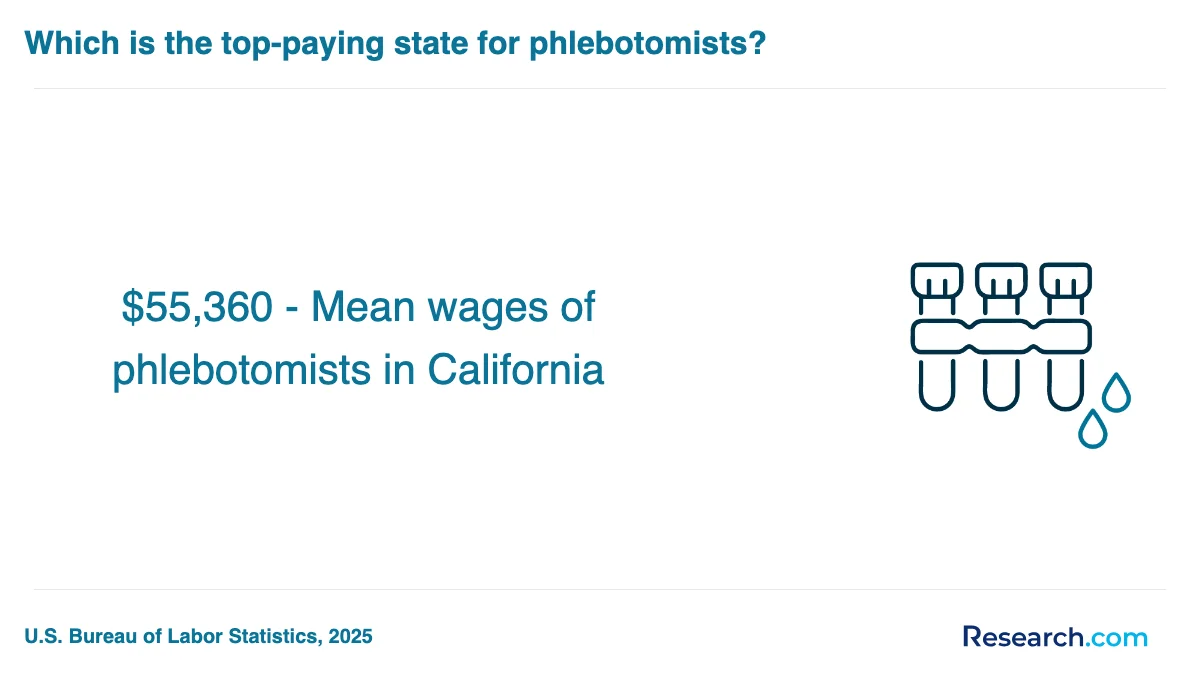
According to the Bureau of Labor Statistics, phlebotomists in Ohio earned a median annual wage of approximately $38,000 in 2023, with diploma holders typically positioned to access these opportunities faster than uncertified workers.
Students enrolled in phlebotomy technician trade schools in Ohio often seek part-time jobs that enhance their practical skills and complement their education. Common opportunities include working as phlebotomy assistants or medical laboratory aides in hospitals, clinics, and blood donation centers. Such roles provide hands-on experience in blood collection and patient care, which is essential for certification exams. According to the Ohio Department of Jobs and Family Services, healthcare support roles are among the fastest-growing part-time jobs in the state, with phlebotomy-related positions expected to grow by 15% through 2030.
Additionally, some students find employment in urgent care facilities or outpatient centers, where they can practice venipuncture and learn to handle lab equipment. These settings often offer flexible hours suitable for students balancing coursework. Working in these environments helps build confidence and improves job prospects after graduation.
Yes, there are affordable Phlebotomy Technician degree programs near Ohio at various community colleges and technical schools. These programs often offer certificates or associate degrees, which can be a cost-effective way to start a career in phlebotomy. By searching for "phlebotomy programs near me," you can find options in your specific area and utilize resources like Research.com to evaluate program details and costs.
Related Phlebotomy Technician Rankings for Nearby States
- Most Affordable Phlebotomy Technician Schools & Training - Budget-Friendly Phlebotomy Tech Trade Programs in Michigan for 2026
- Most Affordable Phlebotomy Technician Schools & Training - Budget-Friendly Phlebotomy Tech Trade Programs in Illinois for 2026
- Most Affordable Phlebotomy Technician Schools & Training - Budget-Friendly Phlebotomy Tech Trade Programs in North Carolina for 2026
- Most Affordable Phlebotomy Technician Schools & Training - Budget-Friendly Phlebotomy Tech Trade Programs in Georgia for 2026
- Most Affordable Phlebotomy Technician Schools & Training - Budget-Friendly Phlebotomy Tech Trade Programs in New York for 2026
- Most Affordable Phlebotomy Technician Schools & Training - Budget-Friendly Phlebotomy Tech Trade Programs in Arkansas for 2026
- Most Affordable Phlebotomy Technician Schools & Training - Budget-Friendly Phlebotomy Tech Trade Programs in Florida for 2026
- Most Affordable Phlebotomy Technician Schools & Training - Budget-Friendly Phlebotomy Tech Trade Programs in Louisiana for 2026
- Most Affordable Phlebotomy Technician Schools & Training - Budget-Friendly Phlebotomy Tech Trade Programs in Massachusetts for 2026
- Most Affordable Phlebotomy Technician Schools & Training - Budget-Friendly Phlebotomy Tech Trade Programs in Minnesota for 2026
Top Trending Rankings
References
- Ohio School of Phlebotomy https://www.ohiophlebotomy.com/
- Phlebotomy | Columbus State Community College https://www.cscc.edu/academics/departments/phlebotomy/
- Phlebotomy Technician | Stark State College | North Canton, Ohio https://www.starkstate.edu/academics/programs/phlebotomy/
- Phlebotomy Program | Healthcare | Boardman Training Center https://boardmantraining.com/phlebotomy-technician/
- Phlebotomy Technician | Continuing Education | Miami University https://miamioh.edu/global-initiatives/continuing-education/ed2go/phlebotomy-technician.html
- Online Certified Phlebotomy Technician (Vouchers and Lab Included) from Marion Technical College https://careertraining.mtc.edu/training-programs/certified-phlebotomy-technician-lab-and-voucher/
- Workforce & Community Services Catalog - Owens Community College https://www.owens.edu/workforce_cs/workandplay-results.php
- Phlebotomy Certification Columbus Ohio — NPS https://npscerts.com/phlebotomy-certification-columbus-ohio/
- Phlebotomy - COTC https://www.cotc.edu/degrees-certificates/phlebotomy
- Strategies to Advance Your Phlebotomy Technician Career https://wsmda.edu/strategies-to-advance-your-phlebotomy-technician-career/


