
Most Affordable Phlebotomy Technician Schools & Training - Budget-Friendly Phlebotomy Tech Trade Programs in Illinois for 2026

Co-Founder and Chief Data Scientist
Choosing the right phlebotomy technician trade school in Illinois can feel overwhelming. This article helps simplify that decision by presenting a carefully crafted ranking of affordable programs, developed by the Research.com team of data scientists.
By exploring these top options, you’ll gain insight into schools that balance quality training with budget-friendly tuition. Earning a diploma or certification in phlebotomy offers a clear path to a rewarding healthcare career, with opportunities to grow and make a real difference.
Take a confident step toward your future by discovering the best programs worth considering in 2026.
Key benefits of finishing phlebotomy technician trade school in Illinois
- Graduates can expect an average hourly wage around $20, with certified phlebotomy technicians earning up to $23.81 per hour, making this a promising entry-level career in Illinois.
- Career paths include working in hospitals, laboratories, and blood donation centers, as shown by successful graduates from popular Illinois trade schools.
- Completing an online phlebotomy technician program offers flexibility and faster completion times, helping graduates start earning sooner compared to traditional degrees.
What can I expect from phlebotomy technician trade schools in Illinois?
Expect your hands to get busy from day one in Illinois phlebotomy technician programs. Graduates often recall the thrill of mastering venipuncture and capillary puncture under close supervision at popular trade schools. Imagine practicing blood draws on mannequins, then gaining real confidence with live patients during clinical rotations that span 48 to 100 hours. These experiences are designed to transform nervous beginners into skilled professionals.
Classes blend technical know-how with essential soft skills-think patient safety, medical ethics, and communication-because a phlebotomist's role is as much about care as it is about precision. Illinois programs usually wrap up in 10 weeks if you're in a fast track, or stretch to a year with more flexible pacing, giving you options that fit your life.
Graduates appreciate that the curriculum is accredited by industry leaders like NAACLS, opening doors to certification exams such as the Certified Phlebotomy Technician (CPT). Many recall the satisfaction of walking away not just with skills, but a clear path to jobs in hospitals, labs, and clinics across Illinois.
Where can I work after finishing phlebotomy technician trade schools in Illinois?
Graduates from Illinois phlebotomy technician trade schools often step right into bustling hospitals, clinical labs, or physicians' offices, where their skills bring calm and care to patients' blood draws. Imagine starting your day in Chicago, earning around $18.71 per hour, surrounded by the city's energy and a network of health professionals who rely on your expertise. Those from popular programs find themselves in places like outpatient care facilities or blood donation centers, working alongside teams from the American Red Cross or BioLife, where every collected sample feels like a small victory for saving lives.
Some graduates embrace the freedom of mobile phlebotomy, visiting homes and nursing facilities across Illinois, turning what could be a routine job into a mission of convenience and compassion. Others thrive in specialized settings, balancing donor screening with patient interaction, gaining confidence with every successful draw. The vibrant job market promises nearly 19,500 new openings yearly, making the choice to train in Illinois' trade schools not just practical but exciting.
How much can I make after finishing phlebotomy technician trade schools in Illinois?
Fresh out of a phlebotomy technician trade school in Illinois-think of popular spots like the American Academy of Health Care Professions or the Illinois Institute of Art-graduates often find themselves earning between $19.59 and $21.14 per hour. Imagine your first paycheck rolling in, reflecting that sweet $20.41 average base salary, enough to start enjoying a bit more freedom or pay down bills with a smile.
One graduate shared how landing a job at a local clinic bumped their hourly wage closer to $24, thanks to certification and a bit of hustle. Another, working full-time at a government health agency, saw their annual salary hover around $44,000, turning the dream of financial independence into a steady reality.
Though Illinois ranks 50th nationwide for phlebotomy pay, the range from $16.78 to $24.23 per hour means experience or specialization-like IV care-can seriously boost your paycheck. Picture yourself moving from a hospital gig to a private agency, watching your income climb as you gain skills.
Most Affordable Phlebotomy Technician Schools & Training - Budget-Friendly Phlebotomy Tech Trade Programs in Illinois for 2026
# 1 position
Moraine Valley Community College - Phlebotomy Technician/Phlebotomist.
certificate or diplomaMoraine Valley Community College offers a hybrid Phlebotomy Technician/Phlebotomist program preparing students to draw blood samples using various techniques. The curriculum covers vascular anatomy, blood physiology, venipuncture, specimen handling, safety, and regulations. In-state tuition is $3,822 annually. Graduates have median earnings of $22,433 one year after completion. The program is accredited by the Higher Learning Commission.
# 2 position
City Colleges of Chicago-Malcolm X College - Phlebotomy Technician/Phlebotomist.
certificate or diplomaThe Phlebotomy Technician/Phlebotomist program at City Colleges of Chicago-Malcolm X College offers a hybrid format with some distance education options. It prepares students to draw blood samples using various techniques, covering vascular anatomy, blood physiology, and safety procedures. The program is accredited by the Higher Learning Commission. Annual in-state tuition is $4,380, and median earnings one year after completion are $26,947.
# 3 position
Oakton College - Phlebotomy Technician/Phlebotomist.
certificate or diplomaOakton College offers a Phlebotomy Technician/Phlebotomist program in a hybrid format, combining in-person and distance education. The curriculum covers blood sample collection techniques, vascular anatomy, physiology, safety, and sanitation procedures. Annual in-state tuition is $3,985. The program is accredited by the Higher Learning Commission and prepares students to work under the supervision of healthcare professionals in blood drawing and specimen handling.
# 4 position
Waubonsee Community College - Phlebotomy Technician/Phlebotomist.
certificate or diplomaWaubonsee Community College offers a Phlebotomy Technician/Phlebotomist program in a hybrid format, combining distance education with in-person training. The program prepares students to collect blood samples using various techniques and covers vascular anatomy, blood physiology, safety, and regulations. The annual in-state tuition is $3,432. The program is accredited by the Higher Learning Commission.
# 5 position
Rend Lake College - Phlebotomy Technician/Phlebotomist.
certificate or diplomaRend Lake College offers a Phlebotomy Technician/Phlebotomist program delivered in a hybrid format with some distance-education options. The program prepares students to draw blood samples using various techniques under medical supervision. Instruction includes vascular anatomy, blood physiology, venipuncture, specimen handling, and safety procedures. Annual in-state tuition is $4,500. The program is accredited by the Higher Learning Commission.
# 6 position
South Suburban College - Phlebotomy Technician/Phlebotomist.
certificate or diplomaSouth Suburban College offers a Phlebotomy Technician/Phlebotomist program in a hybrid format, combining distance education with hands-on training. The program prepares students to draw blood samples using various techniques, covering vascular anatomy, physiology, venipuncture, specimen handling, and safety standards. Annual in-state tuition is $5,093. The program is accredited by the Higher Learning Commission.
# 7 position
Illinois Valley Community College - Phlebotomy Technician/Phlebotomist.
certificate or diplomaIllinois Valley Community College offers a hybrid Phlebotomy Technician/Phlebotomist program designed to train students in drawing blood samples under medical supervision. The curriculum covers vascular anatomy, blood physiology, skin puncture, venipuncture, specimen handling, safety, and regulations. Annual in-state tuition is $4,060. The program is accredited by the Higher Learning Commission and includes some distance-education options for flexibility.
# 8 position
Frontier Community College - Phlebotomy Technician/Phlebotomist.
certificate or diplomaFrontier Community College offers a hybrid Phlebotomy Technician/Phlebotomist program designed to prepare students to draw blood samples under professional supervision. The curriculum includes vascular anatomy, blood physiology, skin puncture techniques, venipuncture, specimen collection, safety, and sanitation procedures. Annual in-state tuition is $4,390. The program is accredited by the Higher Learning Commission, ensuring quality education standards for students pursuing this healthcare certification.
# 9 position
College of DuPage - Phlebotomy Technician/Phlebotomist.
certificate or diplomaThe College of DuPage offers a Phlebotomy Technician/Phlebotomist program in a hybrid format, combining in-person and distance education. This program trains students to draw blood samples using various techniques and includes instruction in vascular anatomy, blood physiology, safety protocols, and regulatory standards. The program's annual in-state tuition is $4,320. It is accredited by the Higher Learning Commission.
# 10 position
Olney Central College - Phlebotomy Technician/Phlebotomist.
certificate or diplomaOlney Central College offers a Phlebotomy Technician/Phlebotomist program available in a hybrid format, combining in-person and distance education. The curriculum covers blood sample collection techniques, vascular anatomy, physiology, safety, and sanitation procedures. The program is accredited by the Higher Learning Commission. Annual in-state tuition is $4,390, providing an affordable option for students seeking training in this health care field under professional supervision.
Key Findings
- Applicants must be at least 18 years old and have a high school diploma, GED, or equivalent, along with a criminal background check and up-to-date immunizations.
- Program lengths range from 6 weeks to 12 months, with some accelerated options lasting about 7 weeks including classroom and externship components.
- The average program cost is between $2,100 and $2,300, usually covering tuition and the national certification exam fees.
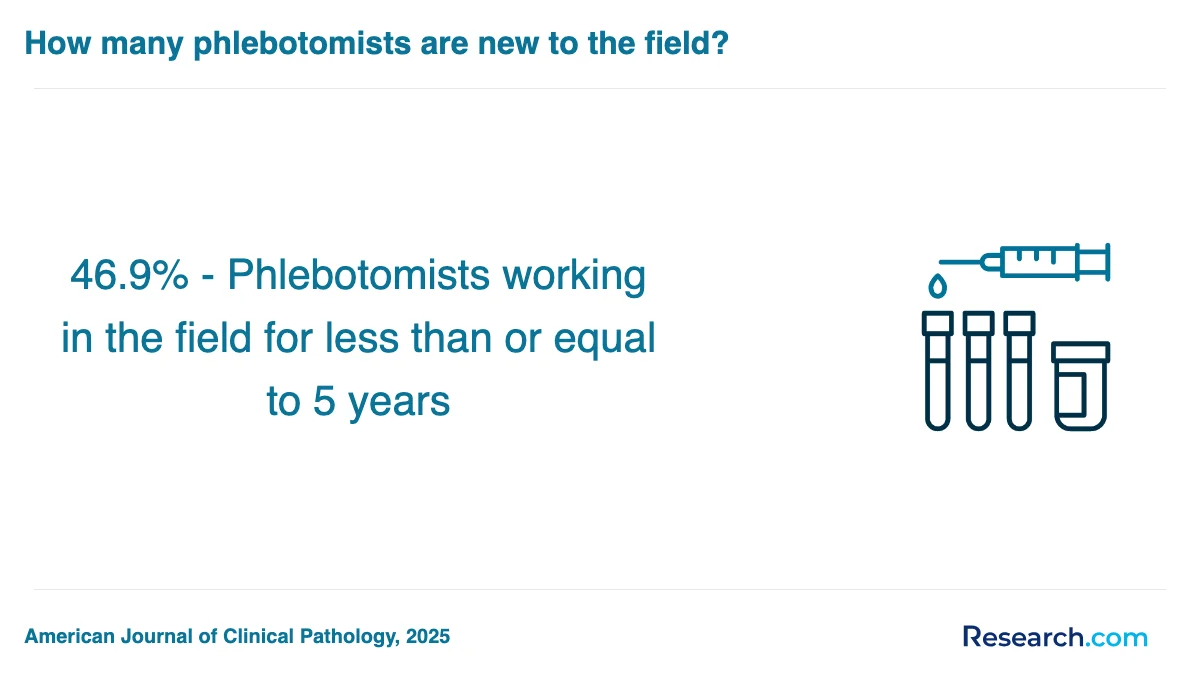
- Graduates can take a national certification exam and work in hospitals, clinics, laboratories, and other healthcare settings without needing state licensure in Illinois.
- Entry-level salaries typically range from $35,000 to $40,000 annually, with experienced and certified technicians earning up to $50,000 or more.
How long does it take to complete phlebotomy technician trade schools in Illinois?
In Illinois, completing a phlebotomy technician trade school program typically takes between 4 to 12 weeks, depending on the school and whether you choose full-time or part-time study. Many graduates from popular Illinois trade schools share how this compact timeline made balancing family, work, and education surprisingly manageable. One graduate recalled juggling evening classes at a Chicago-based trade school while working part-time, appreciating how quickly the program moved yet still felt thorough.
Another common experience involves hands-on clinical sessions that start as early as the second week, making the learning process feel immediate and rewarding. Imagine walking into a lab for the first time, nerves mixed with excitement, then leaving weeks later confident in drawing blood and interacting with patients.
Illinois trade schools often tailor their schedules to fit busy lives, offering weekend or accelerated options that help students finish faster without sacrificing quality. This flexibility sparks motivation and a sense of achievement, fueling many to enter the healthcare field sooner than they expected.
What's the difference between online and on-campus phlebotomy technician trade school programs?
Imagine juggling life and study with the flexibility of an online phlebotomy program in Illinois-graduates often share how they loved pacing themselves through video demos and lab kits sent right to their homes. These programs, like those linked with ed2go and Illinois colleges, let you learn on your schedule, perfect for busy lives. Yet, the real-world pulse comes only when you arrange your own clinical hours-around 100-to get hands-on practice. While online providers help connect you with sites, the responsibility to secure that spot rests on you, making it a true test of independence.
On the flip side, on-campus programs at places like Rock Valley College immerse you directly in a bustling classroom and lab environment. Students recall the buzz of demonstrating skills live and then moving into an eight-week practicum with guaranteed clinical placements, completing hundreds of venipunctures under watchful eyes. The structured schedule and face-to-face feedback build confidence fast but demand a fixed time commitment and physical presence, creating a tight-knit community vibe.
What is the average cost of phlebotomy technician trade schools in Illinois?
The average cost of phlebotomy training in Illinois usually ranges from about $1,100 up to $2,300, but each student's journey paints its own price tag. Graduates from Illinois Health Careers recall starting their program with a $750 down payment and then comfortably managing weekly payments of $150 over several months, totaling $2,100. This approach eases the financial pressure while diving into hands-on training.
Meanwhile, a different graduate who attended the Chicago School of Phlebotomy describes how the 7-week course is a swift, affordable route with a $500 tuition, but be ready to budget for registration, lab, books, supplies, and externship fees that add roughly another $500. The result? A highly practical experience delivered in small chunks that fit busy schedules.
Online learners at the University of Illinois at Springfield found the $2,295 price tag includes a valued bonus: a voucher for the Certified Phlebotomy Technician (CPT) certification exam, which boosts employability. This makes the phlebotomy technician program tuition fees in Illinois more than just a cost, but a wise investment in career-building. Testimonials highlight peace of mind knowing certification-even if optional-often arrives as part of the package, carving a smoother track toward future success.
Before enrolling, consider extra costs like registration and lab fees, supplies, and externship requirements that can subtly shift your total expense. Reflect on how flexible payment plans, like those at popular trade schools, might fit your budget and lifestyle. And if you're wondering who makes more medical assistant or phlebotomist, this can motivate smart decisions about your training investment and future earnings.

What financial aid is available for phlebotomy technician trade schools in Illinois?
Picture yourself at the College of Lake County, where a recent graduate beams with relief after receiving the PATH grant. This state-backed boost helps cover tuition and living costs, easing the financial burden so you can focus on mastering the art of drawing blood. If you're enrolled in an accredited phlebotomy certificate program anywhere in Illinois, completing the FAFSA could unlock federal financial aid, including Pell Grants that may offer up to $7,395 annually without repayment worries.
At community colleges like Rock Valley, veterans share stories of how GI Bill benefits opened doors to their phlebotomy career paths, while others tap into the Illinois Monetary Award Program (MAP), which can chip in with up to $8,400 for tuition and fees. Some Midwest Technical Institute students find scholarships or payment plans when direct federal aid isn't on the table, proving there's always a creative way to fund your education.
Every financial aid option is a stepping stone, transforming dreams into reality at Illinois's top phlebotomy schools.
What are the prerequisites for enrolling in phlebotomy technician trade schools in Illinois?
Jumping into a phlebotomy technician program in Illinois usually means you need a few essentials to get started, but it's not as daunting as you might think. Most trade schools, like those popular in Chicago or Springfield, expect you to have a high school diploma or GED. This is the basic ticket to the door, ensuring you're ready to handle the technical and medical concepts ahead.
Besides the diploma, some schools ask for:
- Proof of immunizations - think of it as your personal health shield, necessary for working around patients safely.
- Background checks - because trust is key when you're drawing blood and dealing with sensitive info.
- A minimum age of 18 - the legal starting line for hands-on healthcare work.
Graduates often recall the relief when they realized their school's admissions staff walked them through these steps clearly, making the start feel less like a maze. One graduate from a well-known Illinois trade school mentioned how having a simple CPR certification boosted their confidence and helped with enrollment.
So, while the checklist might look formal, it's really about setting you up for a smooth, successful journey into phlebotomy. The schools want you ready, safe, and excited to dive in!
What are the typical courses in phlebotomy technician trade schools in Illinois?
Jumping into phlebotomy technician programs in Illinois means diving headfirst into a rich mix of hands-on and classroom learning designed to make you confident with a needle and patient care. Graduates from popular trade schools like Rock Valley College and Elgin Community College often share how courses felt like a real-life boot camp for blood drawing and beyond.
Expect a lineup of courses that cover:
- Introduction to Phlebotomy: Discover the vital role you'll play in healthcare, from the history to the daily responsibilities.
- Medical Terminology: Learn the language of hospitals and labs, making you sound like a pro when reading charts or communicating with nurses.
- Human Anatomy and Physiology: Focus on veins and arteries, the perfect GPS for your needle during blood draws.
- Venipuncture Techniques: Practice drawing blood safely using veins and finger sticks, with Rock Valley grads often recalling the thrill of completing their required 100 successful punctures.
- Infection Control and Safety: Master the protocols that keep you and your patients safe, from gloves to sharps disposal.
- Specimen Handling: Understand the journey of blood samples, ensuring they're perfectly labeled and transported.
- Clinical Practicum: Real-world hospital or clinic rotations, like those at Elgin Community College, where theory meets action and confidence soars.
Many also mention courses on communication skills and CPR certification, essential tools for patient interaction and emergencies. These programs are crafted to prepare you not just for the national certification exam but for real moments where your skills and kindness make a difference.
What are the available specializations in phlebotomy technician trade schools in Illinois?
If you're diving into phlebotomy technician specializations in Illinois, expect a dynamic mix designed to boost both skills and confidence. Graduates from popular Illinois trade schools often rave about accelerated phlebotomy programs that cut training to just weeks, perfect for those eager to jump into healthcare quickly. Others embrace more advanced phlebotomy training programs Illinois offers, such as Tier II programs where EKG and heart monitoring merge seamlessly with traditional blood draws-imagine confidently performing dual roles in bustling dialysis centers or catheterization labs.
- Cardio-Phlebotomy Technician: blends EKGs with phlebotomy, prepping grads for cardiovascular environments.
- Tier II Phlebotomy Technician: adds heart monitoring and prepares students for dual certification.
- Tier III Phlebotomy Technician: combines IV insertion skills alongside blood draws with a rigorous curriculum.
- Online Certificates: great for self-paced learners mastering medical terminology and lab process basics.
- Accelerated Courses: focus on hands-on skills and quick entry into entry-level jobs.
Students share stories from their hands-on lab days and clinical experiences that make these programs come alive. Whether it's the thrill of mastering IV insertions or balancing telemetric equipment alongside phlebotomy duties, these specializations craft versatile professionals ready for real-world challenges. Many Illinois learners consider supplementing their training with medical assistant certification programs online to broaden their healthcare horizons.
How do you choose the best phlebotomy technician trade school program in Illinois?
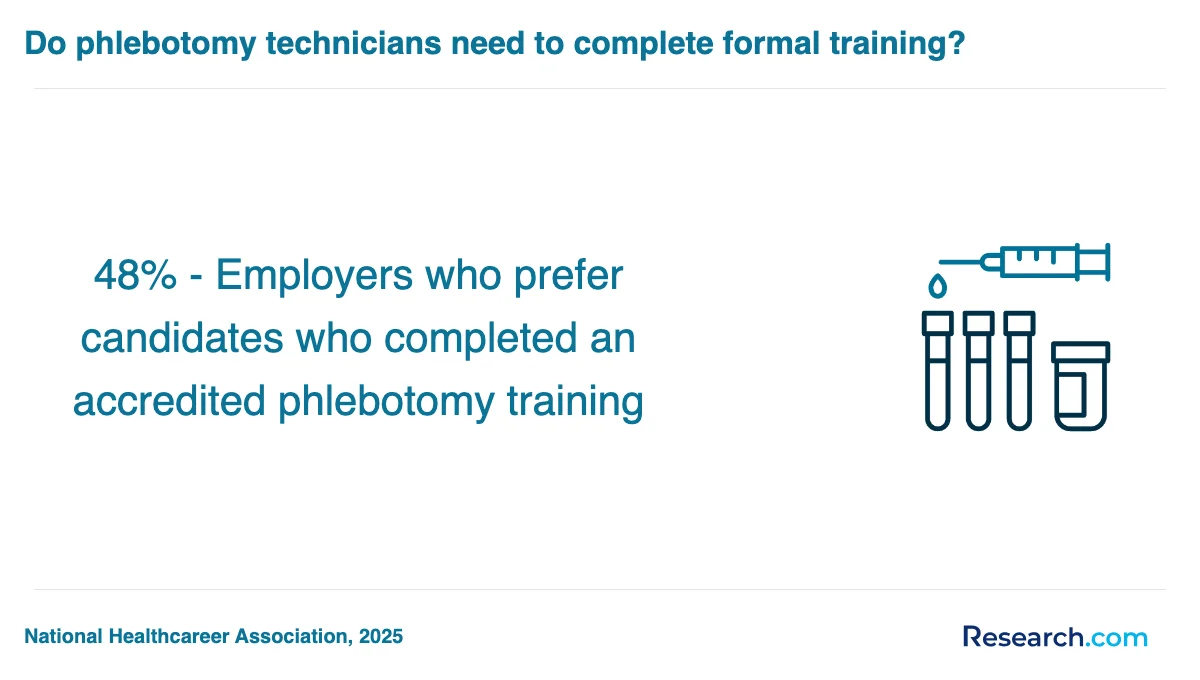
Choosing the best phlebotomy technician schools in Illinois means zoning in on accreditation first-graduates from accredited programs at community colleges or trade schools in Chicago and Springfield rave about how it eased their path to CPR certification and the all-important CPT exam. Imagine finishing your clinical hours in a bustling hospital on the North Side, feeling the pulse of real healthcare while mastering venipuncture skills under expert guidance. That hands-on experience is priceless and non-negotiable, even if you prefer the flexibility of hybrid or online classes.
How to compare phlebotomy programs in Illinois? Look beyond tuition costs, which typically hover around $2,100 to $2,300. Graduates often share stories of programs that paired affordable fees with strong career counseling and job placement support, helping them transition from classroom to clinic with confidence. And if you're juggling work or family, consider a fast certified phlebotomy technician program that blends online learning with mandatory clinical practice, making success achievable on your terms.
What career paths are available for phlebotomy technician trade school graduates in Illinois?
Phlebotomy technician career opportunities in Illinois don't just stop at drawing blood in hospitals. Graduates from Illinois trade schools often find themselves thriving in vibrant environments like outpatient clinics, blood banks, and diagnostic labs. One graduate from a well-known Chicago program shared how clinical rotations boosted confidence and opened doors into a blood donation center, where teamwork and patient care blend seamlessly daily.
Jobs for phlebotomy program graduates in Illinois can also lead to unexpected places: think dialysis centers humming with life or sports medicine offices where quick, precise blood draws support athlete health monitoring. Many schools around Illinois encourage internships that connect students directly with these real-world settings, making the transition from classroom to career smoother and full of promise.
Ambitious graduates who dream bigger often pursue further education to become medical laboratory technicians or technologists, growing their roles and salaries. Some keep pace with evolving healthcare needs by exploring online medical classes, balancing work and study.
Consider these vivid career ventures:
- Hospital phlebotomist ensuring safe and steady blood sampling in fast-paced ERs
- Blood bank technician processing donations for vital community supply
- Research assistant applying phlebotomy skills in clinical trials for cutting-edge treatments
- Insurance company medical assessor utilizing blood data for accurate risk evaluation
What is the job market for phlebotomy technician trade school graduates in Illinois?
Phlebotomy technician graduates from Illinois trade schools step into a job market that's steady if a bit mellow compared to bigger states. The phlebotomy technician job outlook in Illinois reveals a median hourly wage hovering around $19.59 to $20.42, with annual earnings just over $41,000. Graduates from programs in Chicago or Springfield often share stories of early jobs snapping at clinics or blood centers, happy to clock overtime or take extra shifts for some bonus cash.
But it's not just about the paycheck. Many find comfort knowing their skill set is essential-hospitals and labs need phlebotomists, even in quieter markets. Illinois ranks low nationally on salary, yet the reliable demand keeps graduates optimistic. Phlebotomist employment opportunities Illinois reflect this: hiring may not be bustling, but roles are consistent.
Graduates say their trade school training feels practical and quick, often landing jobs in full-time or part-time roles with room to upgrade certifications. Here's what they frequently highlight:
- Competitive wages around $17-22 per hour depending on city and experience
- Quick transition from classroom to working frontline healthcare
- Opportunities for growth by building on basic training
For those dreaming bigger, the best paid jobs for phlebotomist often require additional experience or special certifications, a path some Illinois grads actively pursue. In the real world of phlebotomy technician trade schools, these steady opportunities are a launchpad-especially when paired with the passion to help patients and hustle for overtime.
Frequently Asked Questions about phlebotomy technician
After completing a phlebotomy technician trade school in Illinois, preparing for the job market involves several key steps. First, obtaining state certification is essential, as Illinois requires phlebotomists to be certified through recognized bodies like the National Healthcareer Association (NHA) or the American Society for Clinical Pathology (ASCP). Certification improves job prospects and compliance with state regulations.
Next, graduates should build a professional resume highlighting clinical experience gained during training. Networking with local healthcare facilities and attending job fairs can open opportunities in hospitals, clinics, and laboratories.
According to the Illinois Department of Employment Security, phlebotomy jobs are projected to grow by about 10% through 2030, making timely certification and job search crucial.
Employers in Illinois prioritize several key skills when hiring phlebotomy technician trade school graduates. Technical proficiency in drawing blood safely and accurately is essential, alongside strong knowledge of infection control and patient identification protocols. Communication skills are highly valued, as technicians must explain procedures clearly and comfort patients.
Attention to detail is critical to avoid errors in sample labeling and handling, which directly impact diagnostic outcomes. According to the Illinois Department of Employment Security, employers also seek graduates familiar with electronic health records and laboratory information systems.
Finally, professionalism and the ability to work under pressure are important due to the fast-paced medical environment.
Finding internships in Illinois relevant to a phlebotomy technician trade school program involves a strategic approach. Start by contacting your trade school's career services or internship coordinator, as many schools have established partnerships with local hospitals, clinics, and laboratories. The Illinois Department of Public Health (IDPH) also provides resources and regulations regarding clinical practice requirements for phlebotomy students.
Additionally, explore healthcare facilities in major Illinois cities like Chicago, Peoria, and Rockford, where demand for phlebotomy technicians is higher. Networking through professional organizations such as the American Society for Clinical Pathology (ASCP) Illinois chapter can also provide internship leads.
Online platforms, including state-specific job boards and healthcare internship listings, frequently post phlebotomy internship opportunities. According to the Bureau of Labor Statistics, Illinois projects a steady growth in phlebotomy technician roles, increasing chances to find hands-on training positions.
Obtaining a phlebotomy technician diploma from a trade school in Illinois significantly enhances career mobility and advancement opportunities. The Illinois Department of Public Health requires certification for phlebotomists, and completing an accredited diploma program is a key step toward eligibility for state certification exams. This certification improves employability in hospitals, clinics, and laboratories across Illinois.
According to the U.S. Bureau of Labor Statistics, the median annual wage for phlebotomists in Illinois is around $37,000, with job growth projected at 10% from 2022 to 2032. A diploma helps candidates meet employer expectations, increasing chances for promotions or higher-paying roles.
Additionally, trade school diplomas provide practical skills and clinical experience, which many employers prioritize over general education. This hands-on training can accelerate entry into specialized medical fields, improving long-term career prospects.
Students enrolled in phlebotomy technician trade schools in Illinois can benefit from various part-time job opportunities that align with their education. Common roles include medical assistant positions, patient care technician jobs, and lab aide roles in clinics, hospitals, or diagnostic laboratories. These jobs offer hands-on experience with patient interaction and specimen handling, which are crucial skills for phlebotomy.
According to the Illinois Department of Employment Security, healthcare support occupations are projected to grow by 16% from 2022 to 2032, indicating strong demand. Part-time work in these roles can also help students build professional networks and improve their resumes while completing their training.
To find the most affordable Phlebotomy Technician degree program near me in Illinois, start by searching for community colleges and vocational schools that offer this program within your vicinity. Many institutions provide financial aid and scholarship opportunities, which can significantly reduce overall costs. Research.com is a helpful resource to compare programs and find accredited institutions offering low-tuition Phlebotomy Technician programs near Illinois.
Related Phlebotomy Technician Rankings for Nearby States
- Most Affordable Phlebotomy Technician Schools & Training - Budget-Friendly Phlebotomy Tech Trade Programs in Michigan for 2026
- Most Affordable Phlebotomy Technician Schools & Training - Budget-Friendly Phlebotomy Tech Trade Programs in Minnesota for 2026
- Most Affordable Phlebotomy Technician Schools & Training - Budget-Friendly Phlebotomy Tech Trade Programs in Ohio for 2026
- Most Affordable Phlebotomy Technician Schools & Training - Budget-Friendly Phlebotomy Tech Trade Programs in Arkansas for 2026
- Most Affordable Phlebotomy Technician Schools & Training - Budget-Friendly Phlebotomy Tech Trade Programs in Kansas for 2026
- Most Affordable Phlebotomy Technician Schools & Training - Budget-Friendly Phlebotomy Tech Trade Programs in Georgia for 2026
- Most Affordable Phlebotomy Technician Schools & Training - Budget-Friendly Phlebotomy Tech Trade Programs in North Carolina for 2026
- Most Affordable Phlebotomy Technician Schools & Training - Budget-Friendly Phlebotomy Tech Trade Programs in Louisiana for 2026
- Most Affordable Phlebotomy Technician Schools & Training - Budget-Friendly Phlebotomy Tech Trade Programs in Florida for 2026
- Most Affordable Phlebotomy Technician Schools & Training - Budget-Friendly Phlebotomy Tech Trade Programs in New York for 2026
Top Trending Rankings
References
- Healthcare Blog | The Allen School https://www.allenschool.edu/phlebotomy-technician-training-what-to-expect/
- What to expect in Phlebotomy Training| Explore this career path! https://www.trainingdirectusa.com/blog/phlebotomy-training-what-to-expect/
- Phlebotomy Technician Technical Diploma | Northcentral Technical College https://www.ntc.edu/academics-training/programs/all/technical-diploma/phlebotomy-technician
- Certified Phlebotomy Technician (CPT) — National Performance Specialists (NPS) https://npscerts.com/cpt-certification/
- Phlebotomy Technician - Explore Healthcare Careers - Mayo Clinic College of Medicine & Science https://college.mayo.edu/academics/explore-health-care-careers/careers-a-z/phlebotomy-technician/
- Phlebotomy Technician Certification Training | University of Houston https://www.uh.edu/online/professional-development/professional-training/career/training-programs/phlebotomy-technician-training.php
- Phlebotomy Training | U.S Colleges https://www.uscmed.com/healthcare-programs/phlebotomy-technician/
- Phlebotomy Technician | Houston Community College (HCC) | We are Houston's Community College http://www.hccs.edu/continuing-education/ce-programs/phlebotomy-technician/
- Ohio School of Phlebotomy - Phlebotomy Program https://www.ohiophlebotomy.com/plb.php
- Phlebotomy Technician | Education for professionals at PCC https://www.pcc.edu/professional/health/entry/phlebotomy/


